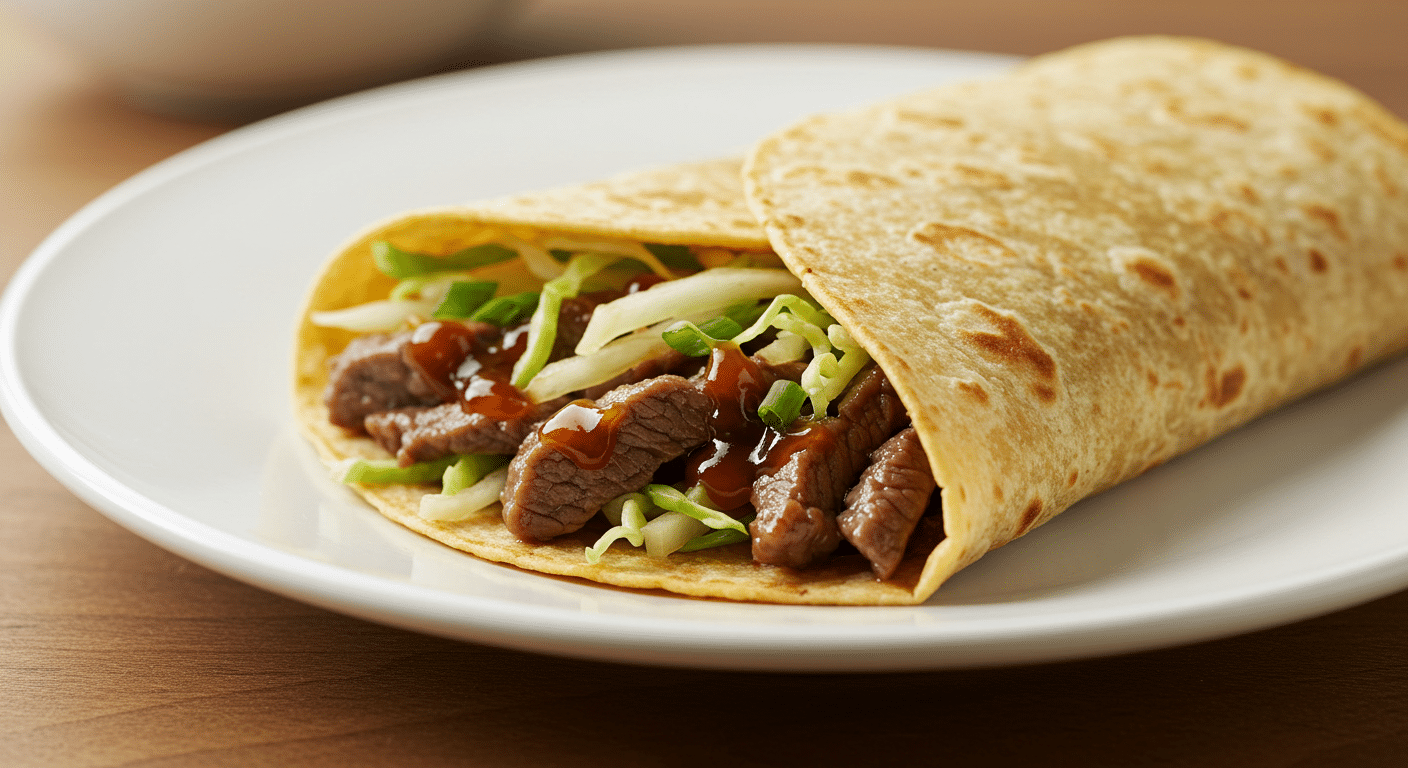
Homemade Moo Shu Beef – Better Than Takeout
Moo shu beef is a bold, flavor-packed stir-fry dish that brings together tender strips of beef, crunchy vegetables, and sweet hoisin sauce—all neatly wrapped in a warm tortilla. This Chinese-American favorite isn’t just delicious, but also surprisingly easy to make at home. Whether you’re a weeknight cook or a takeout lover looking to save a buck, this dish checks all the right boxes.
In this article, you’ll learn how to make authentic moo shu beef step by step. We’ll cover the essential ingredients, easy cooking techniques, and clever tips for getting restaurant-style flavor in your own kitchen. Plus, we’ll explore what makes moo shu beef so special, how healthy it really is, and which vegetables give it that perfect crunch. If you’re wondering what “moo shu” means or what sauce gives it that classic flavor—you’re in the right place.
Want more flavorful Asian-inspired meals? Check out this comforting Ground Beef Zucchini Casserole that’s both hearty and easy to prep.
What Is Moo Shu Beef? Understanding the Dish
Origins of Moo Shu: From Traditional Chinese Cuisine to American Favorites
Originally known as mu shu pork in northern China, this dish has a long and flavorful history. Traditionally, it was made with pork, scrambled eggs, wood ear mushrooms, and bamboo shoots. However, when it reached the United States, it transformed. American Chinese restaurants replaced pork with beef and pancakes with tortillas—creating the version we now know as moo shu beef.
Over time, it became a go-to takeout favorite thanks to its fast prep and bold, balanced flavor. The dish still maintains a deep connection to its cultural roots, yet offers a more familiar texture and taste for Western diners. So, while the ingredients may differ slightly, the soul of the dish remains very much intact.
Don’t miss our other Asian-style recipes like this Creamy Skillet Chicken with Mushrooms that’s rich and savory with a hint of garlic.
What Makes Moo Shu Beef Unique from Other Stir-Fries?
Although many stir-fry recipes rely on soy sauce and vegetables over rice, moo shu beef does things differently. Instead of rice, it’s served in wraps—making it more like a handheld meal than a bowl dish. This small twist changes everything, turning a classic stir-fry into a fusion between Chinese cuisine and street-style food.
Moreover, it’s not just about the presentation. The hoisin-based sauce brings a sweet, smoky kick that blends beautifully with the beef. Meanwhile, fresh veggies like cabbage and green onions add layers of texture. Unlike spicier Chinese dishes, moo shu beef keeps things mild, which makes it perfect for family dinners or picky eaters.
Because of its versatility, you can enjoy moo shu beef as a fun weeknight meal, a prep-ahead lunch, or even as party food. It’s easy to make and even easier to customize—what’s not to love?
Ingredients for Authentic Moo Shu Beef at Home
Full List of Ingredients for Moo Shu Beef
To make moo shu beef at home, you don’t need anything fancy—just a few pantry staples and fresh ingredients. This version keeps things traditional but approachable, using easy-to-find items from your local grocery store.
Here’s exactly what you’ll need:
| Ingredient | Amount |
|---|---|
| Beef Flank Steak | 1 pound, cut 3/4 inch thick |
| Dried Shiitake Mushrooms (optional) | 1/2 ounce |
| Packaged Coleslaw Mix | 3 cups |
| Green Onions | 2/3 cup, sliced |
| Cornstarch + Water | 1 tablespoon cornstarch dissolved in 1/4 cup water |
| Whole Wheat Flour Tortillas | 8 medium |
| Hoisin Sauce | 1/3 cup |
For the Marinade:
- 2 tablespoons reduced-sodium soy sauce
- 2 tablespoons water
- 1 tablespoon dark sesame oil
- 2 teaspoons sugar
- 2 teaspoons minced garlic
Soak the dried mushrooms in hot water first so they soften before cooking. This step enhances the deep umami flavor. If you’re not a mushroom fan, feel free to skip them—your moo shu beef will still taste amazing.
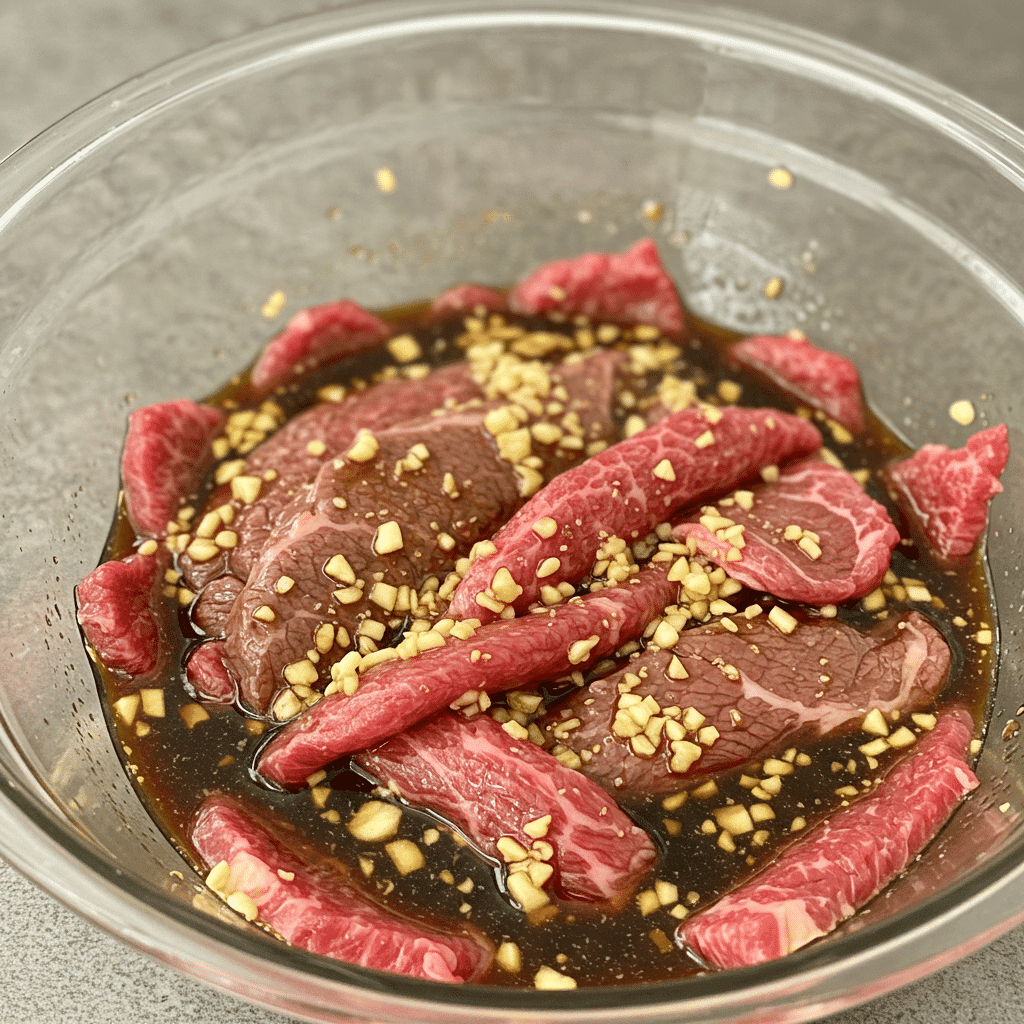
Pro Tip: You can also substitute the flank steak with sirloin or top round steak if needed. Just make sure it’s sliced thinly against the grain for tenderness.
Looking for helpful cooking gear? Check out this comparison of Cosori vs Ninja Air Fryer—perfect for stir-fry enthusiasts.
How to Select the Best Beef Cut for Maximum Tenderness
When making moo shu beef, choosing the right cut is key. While flank steak is the most common, it’s not the only option. What really matters is how you slice it. Always cut against the grain in thin strips. This breaks up the muscle fibers and keeps the meat juicy and easy to chew.
If you’re short on time or budget, top round or sirloin steak are great alternatives. Just marinate them well so the flavors soak in. In fact, marinating for at least 20 minutes helps tenderize the beef and deepen the flavor.
The marinade here is simple but effective. Soy sauce brings salt and umami, while sesame oil adds that classic Chinese aroma. Sugar balances out the savory notes, and garlic adds just the right amount of sharpness.
For more tips on beef prep, see how it’s done in this Sous Vide Beef Tenderloin recipe—it’s a foolproof method for tender meat every time.
How to Make Moo Shu Beef Step by Step
Preparing the Marinade and Slicing the Beef
Before you fire up the skillet, some prep work will go a long way toward making your moo shu beef extra flavorful. Start by soaking the dried shiitake mushrooms in 1 cup of hot water for about 20 minutes. Once they’re soft, drain them well. Remove the stems and slice the mushroom caps into thin strips. Set them aside for later.
Next, it’s time to prep the beef. Begin by slicing the flank steak across the grain into thin strips. For better handling, cut the steak in half lengthwise first. Then, stack a few strips and cut them into thinner slices. The thinner your beef, the quicker it cooks—and the more tender it’ll be.
Now make the marinade. In a large bowl, combine:
- 2 tablespoons reduced-sodium soy sauce
- 2 tablespoons water
- 1 tablespoon dark sesame oil
- 2 teaspoons sugar
- 2 teaspoons minced garlic
Add the sliced beef to the bowl, toss well, and refrigerate for 20 minutes. This gives the flavors time to soak into the meat and also helps tenderize it.
Need tools for better slicing and marinating? Learn more about cookware in our Stainless Steel vs Non-Stick Cookware breakdown—it’s worth the read before your next kitchen project.
Stir-Frying the Beef and Vegetables Together
After 20 minutes of marinating, drain the beef and discard the marinade. Heat a large nonstick skillet over medium-high heat. When it’s hot, add half of the beef. Stir-fry for 1 to 2 minutes until it reaches an internal temp of 145°F (medium rare). Remove it from the skillet and repeat with the remaining beef.
Once all the beef is cooked, return everything to the skillet. Add the softened mushrooms, coleslaw mix, and sliced green onions. Pour in the cornstarch-water mixture and stir everything together.
Continue cooking and stirring until the sauce thickens and the veggies are just tender—this usually takes about 2 to 3 minutes. The mixture should be glossy and bubbling slightly.
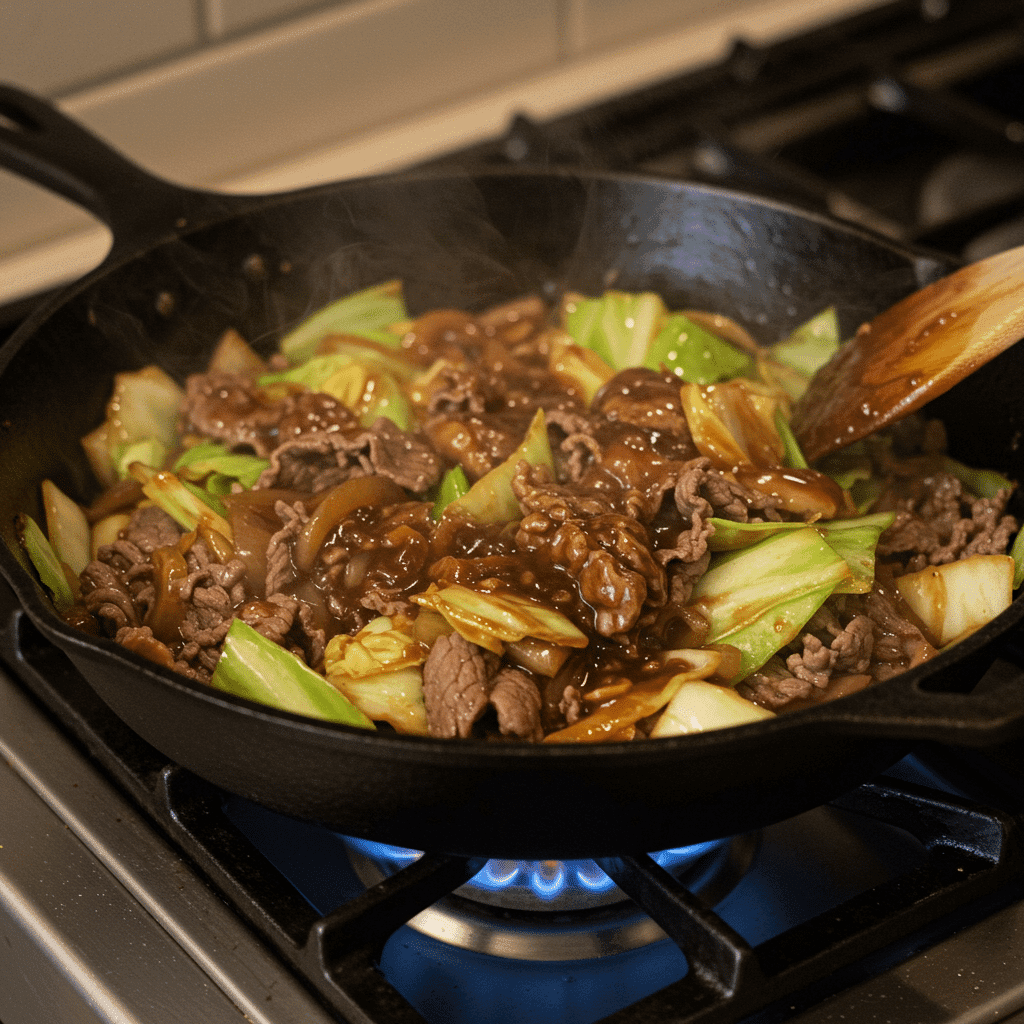
Finally, warm up your tortillas. Spread a layer of hoisin sauce across the center of each one. Then spoon the hot beef-and-veggie mixture onto the sauce. Fold the bottom of the tortilla up, then the sides in, like you would a burrito.
And that’s it—moo shu beef, ready to serve!
If you love bold but easy recipes like this, you’ll enjoy our Buttercup Squash Recipes for more weeknight inspiration.
Key Flavors and Sauces in Moo Shu Beef
What Does Moo Shu Taste Like? Sweet, Savory & Umami Combined
One of the best things about moo shu beef is its rich, balanced flavor. Each bite delivers a combination of sweet, salty, and umami notes. The beef is tender and juicy, while the veggies stay crisp and fresh. Together, they create a stir-fry that’s comforting, flavorful, and deeply satisfying.
The dish is slightly sweet, but not overly so. That comes from the hoisin sauce, which also adds depth and a touch of smokiness. At the same time, garlic and sesame oil bring an earthy, aromatic kick. The soy sauce helps round out the taste with just enough salt to tie it all together.
Because the flavors are well-balanced, this dish appeals to a wide range of palates—even picky eaters enjoy it. Plus, since it’s not spicy, you can easily serve it to kids or add your own heat with chili flakes or sriracha if desired.
Want another bold and balanced dinner idea? Try this Garlic Parmesan Baked Chicken—perfect for cozy nights in.
The Role of Hoisin Sauce in Moo Shu Dishes
If there’s one ingredient that gives moo shu beef its signature taste, it’s hoisin sauce. This thick, dark sauce is made from fermented soybeans, garlic, sugar, and various spices. It’s sweet and savory at the same time, which makes it the perfect glaze for stir-fried dishes like moo shu.
In this recipe, hoisin sauce is used in two ways. First, it gets stirred into the filling to coat the beef and veggies. Then, it’s spread directly onto the tortilla before wrapping. This double use enhances the flavor in every bite.
Moreover, hoisin sauce helps bind the ingredients together. It acts as a mild adhesive, keeping your wrap from falling apart while also delivering that unmistakable moo shu flavor.
If you don’t have hoisin sauce on hand, a mix of soy sauce, peanut butter, honey, and a dash of vinegar can work as a quick substitute—but the flavor won’t be quite the same.
For more saucy dishes like this one, don’t miss our reader-favorite Brown Sugar Garlic Chicken.
Nutritional Profile – Is Moo Shu Beef Healthy?
Calories, Protein, and Nutrients Breakdown
If you’re wondering whether moo shu beef is healthy, the answer depends on how you prepare it. When made at home with lean cuts of beef and minimal oil, it can definitely be part of a balanced meal. In fact, it’s packed with protein, fiber-rich veggies, and essential nutrients.
Here’s a quick nutrition estimate per serving (based on a standard homemade portion with tortillas):
| Nutrient | Amount |
|---|---|
| Calories | ~370–420 |
| Protein | 25–30g |
| Fat | 12–16g |
| Carbohydrates | 30–35g |
| Fiber | 3–5g |
| Sodium | Moderate (adjust with low-sodium soy sauce) |
Because the dish uses coleslaw mix (mostly cabbage and carrots), you’re getting fiber and vitamins A and C. Mushrooms bring antioxidants, while the green onions offer a nice dose of flavor without extra calories. Plus, tortillas made with whole wheat add extra fiber to keep you full longer.
To make it even healthier, you can reduce the hoisin sauce or swap in a lower-sugar version. Another easy trick is to serve moo shu beef in lettuce wraps instead of flour tortillas.
For another high-protein meal that fits into a balanced lifestyle, check out our Sous Vide Beef Tenderloin—juicy, tender, and low-carb!
Comparing Moo Shu Beef to Other Takeout Options
When compared to typical Chinese takeout dishes like General Tso’s Chicken or Lo Mein, moo shu beef is generally a lighter choice. It’s not deep-fried, and it doesn’t use heavy sauces or creamy ingredients. Instead, it focuses on fresh vegetables, lean protein, and a small amount of oil for stir-frying.
Here’s a quick comparison:
| Dish | Average Calories (per serving) |
|---|---|
| Moo Shu Beef (homemade) | 400 |
| General Tso’s Chicken | 850+ |
| Beef Lo Mein | 900+ |
| Orange Chicken | 800–1,000 |
Clearly, moo shu beef is a better choice if you’re watching your calorie intake or trying to eat more whole foods. Plus, when you cook it yourself, you have full control over the ingredients and portion sizes.
Need more smart dinner swaps like this? Don’t miss our guide to Creamy Chicken Spaghetti Casserole—comforting and easy to lighten up.
Vegetables Used in Moo Shu Beef Recipes
The Essential Vegetable Mix: Coleslaw, Mushrooms & More
One reason moo shu beef tastes so fresh and satisfying is its mix of colorful vegetables. These aren’t just for flavor—they add texture, crunch, and important nutrients to the dish.
Here are the most common vegetables used in a traditional moo shu beef recipe:
- Coleslaw mix – Usually a blend of shredded cabbage and carrots. This saves time and adds a satisfying crunch.
- Green onions – Also called scallions, these add a mild onion flavor and vibrant color.
- Shiitake mushrooms add a deep, savory flavor with a hint of earthiness. They’re optional, but highly recommended.
- Garlic – Used in the marinade, it adds a sharp, savory flavor.
- Water chestnuts or bamboo shoots (optional) – These are used in some versions for extra crunch and variety.
Because these veggies cook quickly, they’re perfect for stir-fry. They stay crisp but soak up the flavor of the sauce, giving you that perfect balance of tender meat and crunchy vegetables.
Looking for new ways to use veggies in dinner recipes? Try this cozy Creamy Chicken with Garlic & Herbs—it’s another winner for weeknight meals.
Tips for Swapping or Adding Other Veggies
While the traditional mix is fantastic, moo shu beef is a flexible recipe. That means you can easily swap or add vegetables based on what you like or have in the fridge. Here are a few options:
- Bell peppers – Add color and sweetness
- Zucchini – Light and great for soaking up sauces
- Spinach – Toss in at the end for extra greens
- Snow peas – Give a great crunch and fresh flavor
- Red cabbage – Brightens up the dish and boosts antioxidants
When adding extra vegetables, keep the cooking time in mind. Softer veggies like spinach should go in last, while firmer ones like carrots can cook a bit longer. Just remember: overcooked veggies lose their crunch—and their charm.
For more ideas on easy veggie-packed meals, check out our Crispy Parmesan Crusted Chicken—perfect with a fresh side salad or sautéed greens.
Serving Suggestions – How to Eat Moo Shu Beef
Wrapping It Right: Tortillas, Pancakes, or Lettuce Wraps
One thing that makes moo shu beef fun and different is how it’s served. Unlike most stir-fries that sit on a bed of rice, moo shu is meant to be wrapped—making it feel more like a fusion between Chinese stir-fry and a handheld taco.
Here are the most popular ways to enjoy it:
- Flour tortillas – These are soft, sturdy, and easy to find. Whole wheat ones add extra fiber and a slightly nutty flavor.
- Mandarin pancakes – If you want to go more traditional, look for thin Chinese pancakes. They’re soft and slightly chewy, perfect for rolling.
- Lettuce wraps – For a low-carb option, try wrapping the moo shu beef in crisp iceberg or butter lettuce leaves. They’re refreshing, light, and perfect for summer.
No matter which wrap you choose, the method is the same. First, spread a layer of hoisin sauce. Then, spoon the beef and veggie mix down the center. Finally, fold the bottom edge up, then bring the sides in, just like you would wrap a burrito.
Don’t miss our flavorful lunch favorite— Buffalo Chicken Grilled Cheese —it’s another crowd-pleasing handheld!
Best Side Dishes to Serve with Moo Shu Beef
While moo shu beef is great on its own, it also pairs well with a few simple side dishes. Since it’s rich in flavor and texture, the best sides are light and fresh to keep the meal balanced.
Here are a few ideas:
- Steamed jasmine or brown rice – Great if you decide not to wrap it
- Cucumber salad – Adds cool crunch and bright acidity
- Asian slaw – Doubles the crunch without doubling the work
- Edamame – Quick, protein-packed, and fun to eat
- Egg drop soup or miso soup – Light but comforting
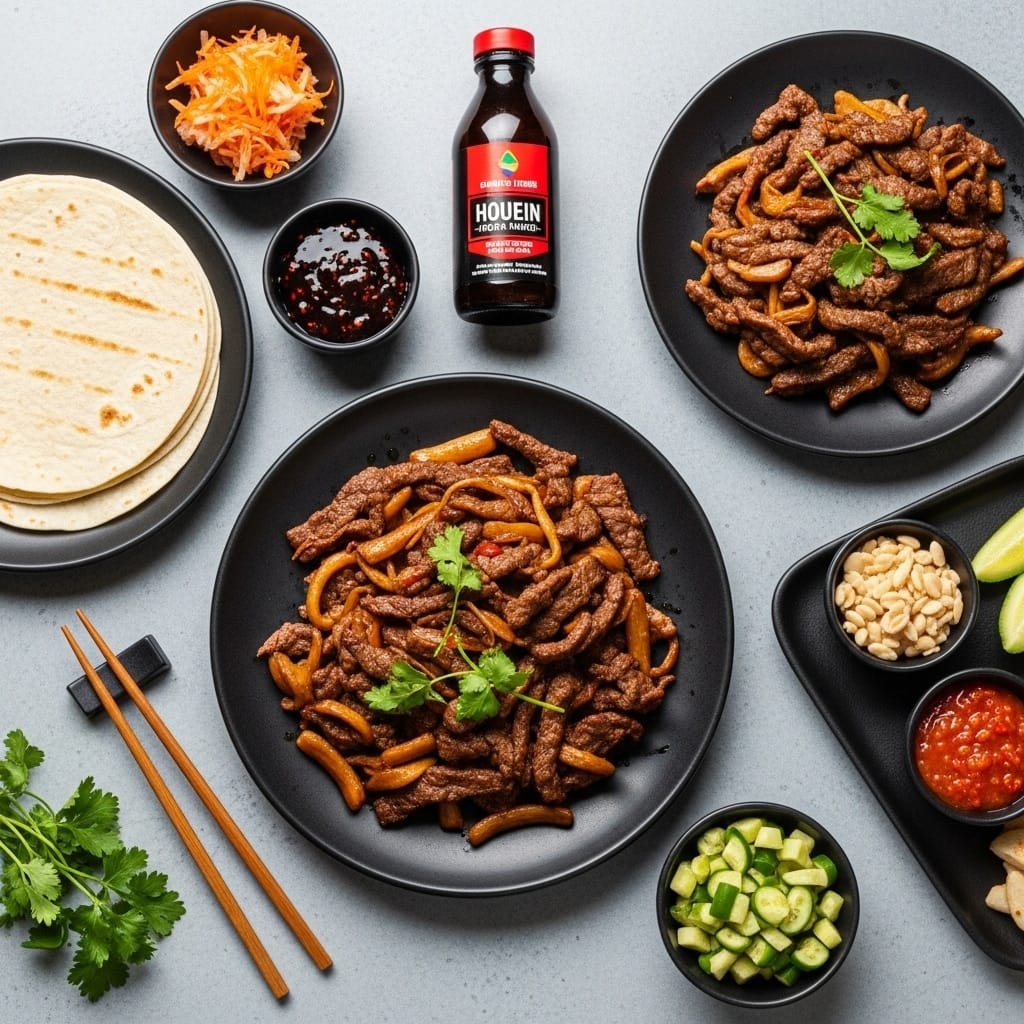
Serving moo shu beef buffet-style is also a hit. Simply arrange the tortillas, beef filling, hoisin sauce, and your favorite sides for easy serving. Let everyone build their own wraps—it’s interactive and perfect for family dinners or casual guests.
Looking for more dinner ideas that work for sharing? Don’t miss our Easy Sheet Pan Chicken and Potatoes—great for feeding a crowd.
Storage, Leftovers & Meal Prep Tips
How to Store Moo Shu Beef Without Losing Texture
One of the best things about moo shu beef—besides how good it tastes—is that it stores well. If you make extra, you’ll be glad to know it holds up great for leftovers. However, how you store it makes all the difference in keeping it fresh and flavorful.
Here’s how to do it right:
- Let the mixture cool before storing. Packing it hot can cause steam, which makes veggies soggy.
- Use an airtight container to keep out moisture and prevent the beef from drying out.
- Store the tortillas separately. Don’t wrap them ahead of time. Instead, store them in a sealed bag at room temperature, or in the fridge if opened.
- Refrigerate your moo shu beef mix for up to 4 days. For longer storage, you can freeze it (without the tortillas) for up to 2 months.
When reheating, a quick toss in a skillet over medium heat brings back the best texture. You can also microwave it, but the beef and veggies may get soft.
Want meals that taste just as good the next day? Try our Chicken and Stove Top Stuffing Bake—another great dish for next-day leftovers.
Reheating Tips and Ideas for Using Leftovers
Reheating moo shu beef is super easy, especially if you’ve stored it properly. Just warm the filling and tortillas separately, then build your wrap like it’s fresh from the skillet.
But what if you want to get creative with your leftovers? Here are a few tasty ways to give them new life:
- Moo Shu Bowls – Skip the tortilla and serve the beef over rice or quinoa. Add fresh herbs for extra flavor.
- Asian-style Tacos – Use smaller tortillas or even mini bao buns to create appetizer-style moo shu bites.
- Egg Fried Rice Add-In – Chop up the leftover beef and veggies, stir into fried rice, and add a scrambled egg.
- Moo Shu Omelet – Yep, it works! Add the beef mix to an omelet with a drizzle of hoisin or soy sauce.
- Stuffed Bell Peppers – Spoon the filling into halved peppers, top with cheese or breadcrumbs, and bake until bubbly.
These fun ideas help prevent food waste while keeping things exciting in your weekly meal rotation.
If you love flexible recipes like this, check out our hearty Cajun Chicken Cheesy Grits—great for dinner or brunch.
Common Questions About Moo Shu Beef (FAQ)
What is moo shu beef?
Moo shu beef is a Chinese-American stir-fry made with thinly sliced beef, cabbage, mushrooms, and green onions. It’s cooked with a savory-sweet hoisin-based sauce and usually served in a soft flour tortilla or pancake. It’s both flavorful and easy to eat.
What does mu shu taste like?
Mu shu has a rich mix of flavors. It’s slightly sweet from the hoisin sauce, salty from the soy sauce, and has a mild garlic and sesame finish. The beef is tender, while the veggies add a fresh, crisp texture. It’s not spicy, so it’s great for most taste buds.
Is Chinese moo shu healthy?
Yes—especially when made at home. Moo shu beef is packed with lean protein and fresh veggies. Using whole wheat tortillas and low-sodium sauces can make it even healthier. Compared to fried takeout dishes, it’s a much lighter option.
What does moo shu mean in Chinese?
“Moo shu” (or “mu xu”) comes from a Mandarin word meaning “osmanthus blossom,” a flower. The name likely refers to the dish’s colorful appearance, which includes yellow scrambled eggs in the original pork version.
What vegetables are in Mushu?
Typical moo shu recipes include shredded cabbage, carrots, green onions, and mushrooms—often shiitake or wood ear mushrooms. Some versions also include bamboo shoots or water chestnuts for crunch.
What sauce comes with Moo Shu beef?
Hoisin sauce is the key. This bold, dark sauce blends fermented soybeans with garlic, sugar, and spices for a sweet-savory finish. It gives moo shu beef its signature sweet-savory flavor and is often spread on the wrap before serving.
Conclusion: Why Moo Shu Beef Belongs in Your Recipe Rotation
Now that you know how easy and tasty moo shu beef can be, there’s no reason not to try it in your own kitchen. With tender strips of beef, crunchy vegetables, and that bold hoisin flavor wrapped in a soft tortilla, it’s a meal that delivers comfort and excitement in every bite.
Whether you’re cooking for the family, prepping lunches, or looking for something new on a weeknight, moo shu beef is a smart choice. It’s quick to prepare, easy to customize, and packed with nutrition when you use fresh ingredients and skip the takeout version.
Even better, the leftovers reheat well, and you can use them in fun new ways. From rice bowls to omelets, moo shu beef is a recipe that keeps on giving.
So grab your skillet, slice up that flank steak, and give this dish a go. Your taste buds—and your dinner guests—will thank you.
Looking for more recipes that are big on flavor but simple to make? Don’t miss our fan-favorite Oven Roasted Boneless Chicken Thighs that pair perfectly with any veggie side.
Moo Shu Beef
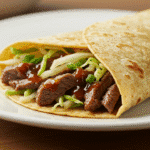
A quick and flavorful Chinese-American stir-fry, moo shu beef combines tender beef, crisp veggies, and hoisin sauce wrapped in a warm tortilla.
- Prep Time: 20 minutes
- Cook Time: 10 minutes
- Total Time: 30 minutes
- Yield: 4 1x
- Category: Dinner
- Cuisine: Chinese-American
Ingredients
- 1 pound beef Flank Steak, cut 3/4 inch thick
- 1/2 ounce dried shiitake mushrooms (optional)
- 3 cups packaged coleslaw mix
- 2/3 cup sliced green onions
- 1 tablespoon cornstarch dissolved in 1/4 cup water
- 8 medium whole wheat flour tortillas
- 1/3 cup hoisin sauce
- 2 tablespoons reduced-sodium soy sauce
- 2 tablespoons water
- 1 tablespoon dark sesame oil
- 2 teaspoons sugar
- 2 teaspoons minced garlic
Instructions
- Soak mushrooms and slice.
- Marinate beef for 20 mins.
- Stir-fry beef in batches.
- Add mushrooms, veggies, and cornstarch mix.
- Assemble wraps with hoisin and beef mix.
Notes
Nutrition facts are estimates and may vary based on ingredients used, portion sizes, and preparation methods
Nutrition
- Serving Size: 4
- Calories: 544
- Sodium: 1140 mg
- Fat: 14g
- Saturated Fat: 3g
- Unsaturated Fat: 6g
- Carbohydrates: 68 g
- Fiber: 2.5 g
- Protein: 37 g
- Cholesterol: 50 mg
Keywords: moo shu beef, beef stir fry, Chinese beef wrap, hoisin beef, moo shu recipe, easy dinner wrap, stir fry wrap recipe, homemade moo shu
Let’s connect! Follow me for more Joylicious Recipes: Facebook, Instagram, Pinterest