
The Ultimate Southern Purple Hull Peas Recipe: Savory and Traditional
What Are Purple Hull Peas?
Purple hull peas are a beloved Southern staple and a variety of cowpeas (Vigna unguiculata) known for their distinctive purple or pinkish pods. These legumes have been cultivated for generations across the American South, particularly in states like Georgia, Alabama, Mississippi, and Texas. What makes purple hull peas instantly recognizable is the vibrant purple color of their hulls or pods, which contrasts beautifully with the pale green to creamy white peas inside. When fresh, these peas offer a sweet, earthy flavor that many Southerners consider superior to their cousin, the black-eyed pea.
The Cultural Significance of Purple Hull Peas
In Southern cuisine, purple hull peas represent more than just food—they embody tradition, community, and seasonal celebration. Historically, families would gather during summer months for “pea-shelling parties,” where conversations flowed as nimble fingers worked to shell bushels of fresh purple hull peas. This communal activity strengthened family bonds and ensured a plentiful supply of peas for preservation. Today, purple hull peas continue to hold cultural significance, with towns across the South hosting annual purple hull pea festivals that celebrate this humble legume with cooking competitions, music, and community gatherings.
“Looking for inspiration? Try our garlic parmesan chicken pasta for another comforting meal option.”
Ingredients for Classic Southern Purple Hull Peas
The Essential Components
The beauty of purple hull peas lies in their simplicity, requiring just a handful of ingredients to create a deeply satisfying dish. The foundation of any good purple hull pea recipe begins with the peas themselves and includes aromatics and pork for flavor development.
| Ingredient | Amount | Notes |
|---|---|---|
| Unsalted butter | 2 tablespoons | For sautéing aromatics |
| Thick-cut bacon | 4 slices, diced | Alternative: 1 smoked ham hock |
| Yellow onion | ½ | Adds sweetness and depth |
| Garlic | 2 cloves, minced | For aromatic flavor |
| Purple hull peas | 2 cups (about 1 pound) | Fresh or frozen |
| Water | 2-3 cups | Enough to cover peas by 1 inch |
| Kosher salt | ½ teaspoon | Enhances natural flavors |
| Black pepper | ½ teaspoon | Adds subtle heat |
| Dried bay leaf | 1 | For herbal notes |
Understanding the Flavor Builders
The ingredients in purple hull peas work together to create layers of flavor. The bacon (or ham hock) contributes smoky notes and richness that permeates the broth, while the butter adds a silky mouthfeel. Onions and garlic create an aromatic foundation, and the bay leaf imparts a subtle herbal complexity. The peas themselves absorb these flavors while releasing their own earthy sweetness into the cooking liquid, resulting in a pot liquor (the flavorful broth) that’s considered liquid gold in Southern cooking.
Step-by-Step: Cooking Perfect Purple Hull Peas
Preparing Your Ingredients
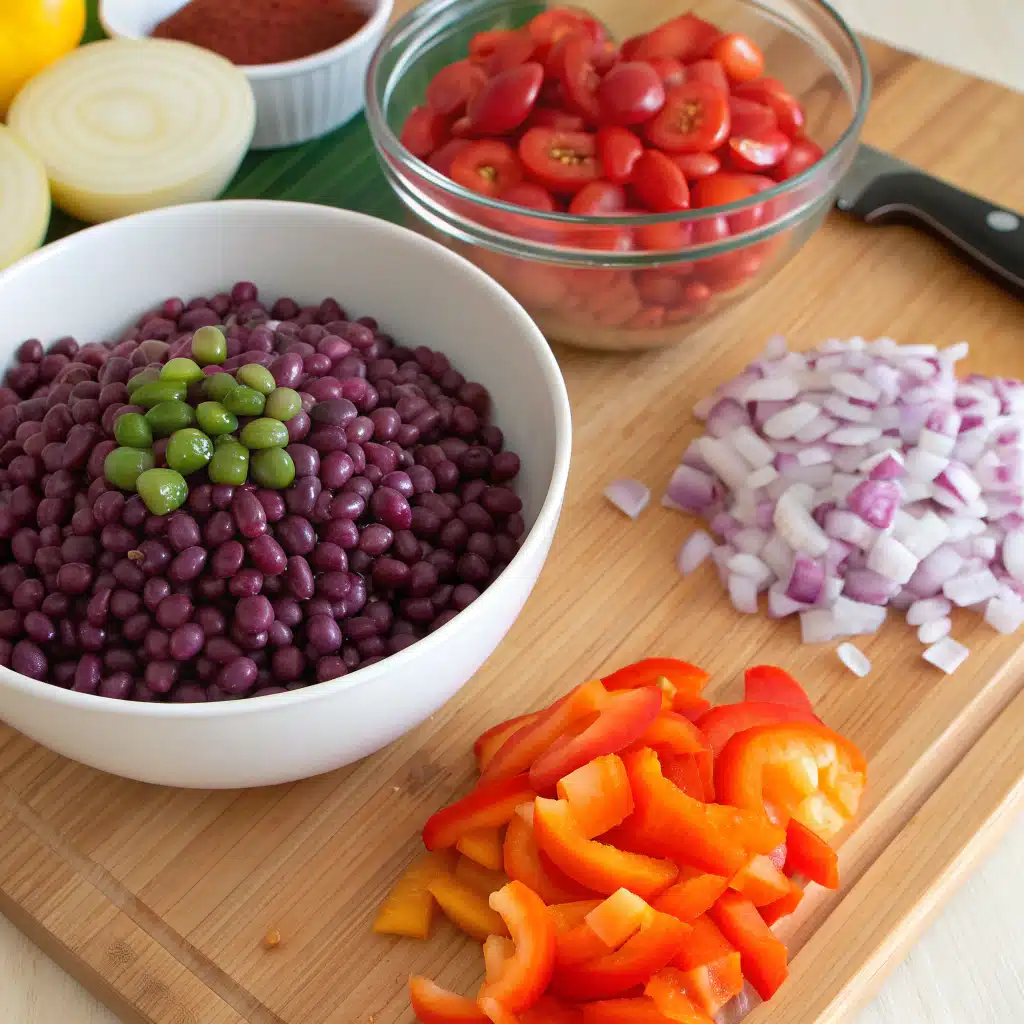
Before diving into the cooking process, proper preparation ensures the best results. If using fresh purple hull peas, shell them by breaking open the pods and removing the peas, discarding any that appear discolored or damaged. For frozen peas, no preparation is needed beyond measuring. Dice the bacon into small pieces for even rendering, finely chop the onion, and mince the garlic. Having everything ready before you begin cooking (mise en place) makes the process smooth and enjoyable.
The Cooking Process
- In a large saucepan, melt 2 tablespoons of unsalted butter over medium-high heat until it begins to foam.
- Add the diced bacon and chopped onion to the melted butter. Cook for 3-5 minutes, stirring occasionally, until the onion softens and becomes translucent and the bacon begins to render its fat.
- Stir in the minced garlic and cook for 1 minute, keeping it moving to avoid burning. The garlic should become fragrant but not brown.
- Pour the purple hull peas into the pot, stirring to coat them in the flavorful fat mixture.
- Add enough water to cover the peas by approximately 1 inch (about 2-3 cups, depending on your pot size).
- Season with ½ teaspoon each of kosher salt and black pepper, then add the bay leaf. If using a ham hock instead of bacon, add it now.
- Bring the mixture to a full boil, then reduce the heat to maintain a gentle simmer.
- Cover the pot with the lid slightly ajar to allow some steam to escape while cooking.
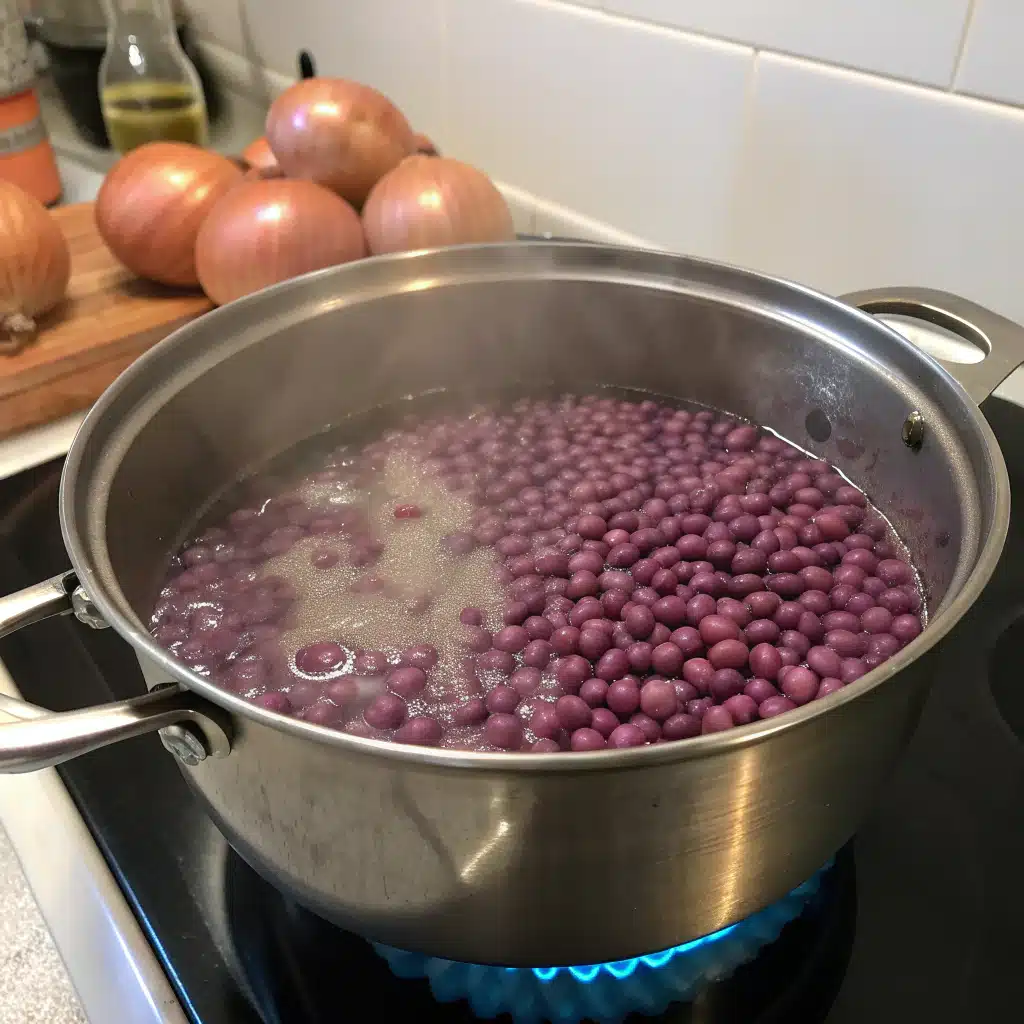
- For frozen peas, simmer for 1 hour; for fresh peas, extend the cooking time to 1½ hours. The longer cooking time allows the flavors to develop fully and the peas to reach the perfect tender texture.
- Stir occasionally throughout the cooking process to ensure even cooking and prevent sticking.
- Taste and adjust seasoning if needed before serving.
“Don’t miss our garlic butter chicken bites 15 minutes recipe for a quick and delicious protein option to serve alongside these peas.”
Testing for Doneness
Purple hull peas should be tender but not mushy when done. The perfect purple hull pea holds its shape but yields easily when bitten, similar to al dente pasta but slightly softer. To test for doneness, remove a pea from the pot, allow it to cool slightly, and taste it. If it’s still firm or has a slight crunch, continue cooking, checking every 15 minutes. The cooking liquid should also have thickened slightly from the starch released by the peas, creating a silky, flavorful broth.
Tips for Perfect Purple Hull Peas
Enhancing Flavor Development
To elevate your purple hull peas from good to extraordinary, consider these flavor-boosting techniques. First, don’t rush the initial step of cooking the aromatics; allowing the onions to soften properly and the bacon to render creates a foundation of flavor. Consider adding a tablespoon of butter at the end of cooking for a velvety finish. For deeper flavor, replace some or all of the water with chicken or vegetable broth. A splash of apple cider vinegar (about a teaspoon) added in the last 15 minutes of cooking brightens the earthy flavors without making the dish taste sour.
Working with Fresh vs. Frozen Peas
While both fresh and frozen purple hull peas make delicious dishes, they require slightly different approaches. Fresh peas have a brief seasonal window, typically from late June through September, depending on your location. When working with fresh peas, look for firm, bright purple pods and shell them as close to cooking time as possible. Frozen peas offer convenience and year-round availability. They’re typically picked and processed at peak freshness, making them an excellent alternative when fresh peas aren’t available. Frozen peas generally require less cooking time than fresh ones, as the freezing process partially breaks down cell walls.
Common Mistakes to Avoid
Several pitfalls can compromise your purple hull peas. Avoid adding too much salt at the beginning; as the liquid reduces during cooking, the saltiness concentrates. It’s better to start with less and adjust at the end. Don’t overcook the peas to the point where they lose their shape and become mushy—they should be tender but still hold their form. Avoid rapid boiling, which can cause the peas to split and become mealy; a gentle simmer is ideal. Finally, don’t discard the cooking liquid—this “pot liquor” contains concentrated flavor and nutrients and is traditionally served with the peas or sopped up with cornbread.
“Discover great ideas like our cheesy garlic mushroom stuffed chicken breast that would pair wonderfully with these purple hull peas.”
Storage Solutions for Purple Hull Peas
Refrigerating Cooked Purple Hull Peas
Properly stored, cooked purple hull peas maintain their quality and flavor for several days. After cooking, allow the peas to cool completely before transferring them to airtight containers. Be sure to include some of the cooking liquid to keep the peas moist during storage. Refrigerated purple hull peas will keep for 3-4 days. When reheating, do so gently over low heat to maintain the peas’ texture, adding a splash of water or broth if needed to loosen the mixture. The flavor of purple hull peas often deepens after a day in the refrigerator as the ingredients have more time to meld.
Freezing for Long-Term Preservation
Freezing extends the life of purple hull peas significantly, allowing you to enjoy this Southern delicacy year-round. For best results, cool the cooked peas completely before portioning them into freezer-safe containers or heavy-duty freezer bags. Include some cooking liquid with each portion to prevent freezer burn and maintain moisture. Leave about half an inch of headspace in containers to allow for expansion during freezing. Properly frozen, cooked purple hull peas maintain quality for up to 6 months. Thaw frozen peas overnight in the refrigerator before reheating gently on the stovetop.
Preserving Fresh Purple Hull Peas
If you have access to an abundance of fresh purple hull peas during their brief season, consider preserving them for future use. Fresh uncooked peas can be frozen directly after shelling—simply blanch them in boiling water for 2 minutes, plunge into ice water to stop cooking, drain thoroughly, and package in freezer bags. Remove as much air as possible before sealing to prevent freezer burn. For traditional preservation, pressure canning is necessary for purple hull peas due to their low acidity. Follow USDA guidelines for pressure canning legumes to ensure safety.
“Here’s your guide to the ultimate recipe you’ll love for creamy ranch chicken that makes a perfect main dish alongside these purple hull peas.”
Variations on the Classic Purple Hull Peas Recipe
Regional Twists and Additions
Across the South, cooks put their own spin on purple hull peas, reflecting local influences and family traditions. In Louisiana, the addition of the “holy trinity” (bell pepper, onion, and celery) plus cayenne creates a Cajun-inspired version with a gentle heat. Mississippi cooks might add okra during the last 20 minutes of cooking for a thicker consistency and unique texture. In Texas, diced jalapeños and a dash of cumin create a Tex-Mex variation. Some Georgia cooks add a few tablespoons of diced country ham along with the bacon for a more pronounced pork flavor. In the Carolinas, a splash of vinegar-based hot sauce served at the table is common.
Vegetarian and Vegan Adaptations
Purple hull peas can easily be adapted for vegetarian and vegan diets without sacrificing flavor. For a vegetarian option, skip the bacon or ham hock and swap water with vegetable broth. Enhance the umami flavor with a tablespoon of soy sauce or a teaspoon of miso paste. For added richness, increase the butter to 3 tablespoons or use olive oil for a vegan version. Boosting the aromatics with additional garlic, a diced carrot, and perhaps a stalk of celery creates depth without meat. Smoked paprika (about ½ teaspoon) provides a hint of the smokiness typically derived from pork products.
Contemporary Takes on the Traditional Dish
Modern chefs have begun reimagining purple hull peas while respecting their Southern roots. A popular contemporary approach incorporates fresh herbs like thyme or sage during cooking and finishes with chopped parsley or chives. Some chefs create a purple hull pea purée by blending a portion of the cooked peas and returning them to the pot for a creamier texture. For a Mediterranean twist, add roasted cherry tomatoes and a drizzle of good olive oil just before serving. Purple hull peas also make an excellent base for salads when cooked until just tender, cooled, and tossed with a vinaigrette, diced vegetables, and herbs.
“Want more ideas? Check out our creamy garlic herb chicken recipe for another Southern-inspired dish.”
Serving Suggestions for Purple Hull Peas
Traditional Southern Accompaniments
In Southern cuisine, certain accompaniments are considered essential partners to purple hull peas. Chief among these is cornbread—preferably skillet-baked with a crispy exterior—which serves both as a side and as a vehicle for sopping up the flavorful pot liquor. Sliced ripe tomatoes, particularly in summer when peas and tomatoes are both in season, provide acidic balance to the earthy peas. Chow-chow (a tangy Southern relish) or pepper vinegar sauce offers brightness and acidity. Collard or turnip greens, cooked low and slow, create a classic pairing often referred to as “peas and greens.” For a complete meal, add fried chicken, country ham, or pork chops.
Creating a Complete Meal
Purple hull peas can be the foundation of numerous satisfying meals. For a traditional Southern plate, serve a generous portion of peas alongside smothered pork chops, turnip greens, and cornbread. For a lighter option, pair them with grilled fish and a summer vegetable salad. Purple hull peas also work beautifully in grain bowls—layer them over brown rice or farro, add roasted vegetables, a protein of choice, and finish with a drizzle of hot sauce or herb oil. For brunch, consider serving purple hull peas with fried eggs, grits, and biscuits for a hearty Southern-inspired spread.
Elevating Purple Hull Peas for Special Occasions
Although often seen as humble fare, purple hull peas can shine in special gatherings. For an upscale touch, serve them in small elegant bowls as part of a Southern-inspired tasting menu. Add flair with crispy bacon bits, microgreens, and a drizzle of hot honey for a sweet-heat balance. Use them as a base for seared sea scallops or pair them with rack of lamb and mint chutney. For holiday meals, turn them into a festive succotash with corn, bell peppers, and herbs, then top with buttery breadcrumbs and bake until golden.

Frequently Asked Questions About Purple Hull Peas
Are black-eyed peas and purple hull peas the same thing?
No, black-eyed peas and purple hull peas aren’t the same, though they’re close relatives. Both come from the cowpea family but have distinct traits. The clearest difference is in appearance—purple hull peas come in bright purple pods with creamy peas marked by a light “eye,” while black-eyed peas grow in tan pods. white peas with a bold black spot. In flavor, purple hull peas taste sweeter and more delicate, with a creamier texture when cooked. Many Southerners choose purple hull peas for their richer flavor, though you can swap the two in most recipes.
Are purple hull peas healthy?
Yes, purple hull peas are highly nutritious. A half-cup serving delivers about 8 grams of plant-based protein and 6 grams of fiber, keeping you full and supporting healthy digestion. They also provide folate for cell growth, iron for oxygen transport, and plenty of potassium, magnesium, and B vitamins. With their low fat, low calorie, and low glycemic profile, purple hull peas fit beautifully into a heart-healthy diet and can support blood sugar management.
What do purple hull peas taste like?
Purple hull peas have a distinctive flavor often described as sweeter, creamier, and more delicate than black-eyed peas. They carry an earthy, nutty base with a gentle sweetness that intensifies during cooking. Their texture turns creamy while staying firm enough to hold shape. This balance lets them soak up the smokiness of bacon or ham hock without losing their own character. The cooking liquid, known as pot liquor, delivers a rich, savory depth treasured in Southern kitchens.
Are purple hull peas considered a bean?
Technically, purple hull peas aren’t beans but a type of pea. Both beans and peas belong to the legume family (Fabaceae), yet they come from different genera. Purple hull peas fall under the species Vigna unguiculata, also known as cowpeas or Southern peas. Despite the name, people cook and eat them more like beans in Southern cuisine—simmered until tender and served with their cooking liquid instead of being eaten like green peas. This mix-up is common in the kitchen, where cooking methods often blur the lines between peas and beans.
Can purple hull peas be eaten raw?
While purple hull peas technically can be eaten raw when very young and fresh, they are rarely consumed this way. Raw mature purple hull peas have a starchy texture and contain compounds that can cause digestive discomfort in some people. Cooking not only improves their flavor and texture but also increases nutrient availability and reduces anti-nutritional factors present in many legumes. For the best culinary experience and digestive comfort, purple hull peas should be thoroughly cooked. If you want to enjoy them with minimal cooking, try blanching very fresh, young peas briefly in boiling water before adding them to salads.
Purple hull peas, along with black-eyed peas and crowder peas, belong to a separate category known as Southern peas or cowpeas (Vigna unguiculata), which are botanically distinct from the three types of green peas listed above.
“Check out our easy chicken and stuffing recipes for more Southern comfort food inspiration.”
Conclusion: Embracing the Purple Hull Pea Tradition
The Enduring Appeal of Purple Hull Peas
Purple hull peas are more than a flavorful side dish—they carry a rich culinary heritage that has sustained generations of Southern families. What began as a humble staple has become a beloved regional specialty, prized for its versatility and comforting flavor. Their lasting place in Southern cooking comes from a perfect balance of simplicity and complexity—basic ingredients transformed with patience into a dish full of depth. Seasonal harvests have long set the rhythm of Southern summers, when families and communities gathered to pick, prepare, and preserve these peas together. In today’s fast-paced world, a pot of slow-simmered purple hull peas invites us back to mindful cooking and more intentional eating.
Passing Down the Tradition
Like many treasured regional specialties, the future of purple hull peas relies on passing down knowledge and appreciation to new generations. Share not only the recipe but also the stories and memories tied to purple hull peas with younger family members. Try planting them in your garden—they grow easily and yield abundant harvests. Support local purple hull pea festivals, farmers’ markets, and community gardens that preserve heirloom varieties. Record family recipes and preparation techniques through photos, videos, or written notes. By honoring and sharing this tradition, you help keep the humble yet magnificent purple hull pea nourishing both body and spirit for generations to come.
“Learn more about creamy garlic chicken recipe for another dish that celebrates simple, flavorful cooking.”
Southern Purple Hull Peas
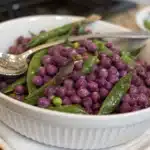
Classic Southern purple hull peas slow-simmered with bacon, onion, and garlic for a deeply flavorful side dish that’s both comforting and nutritious.
- Prep Time: 10
- Cook Time: 60-90
- Total Time: 4 minute
- Yield: 4 1x
- Category: Side Dish
- Cuisine: Southern
Ingredients
- 2 tablespoons unsalted butter
- 4 thick-cut slices bacon, diced or 1 smoked ham hock (if using a ham hock, wait to add it until step 2)
- ½ yellow onion
- 2 cloves garlic, minced
- 2 cups (about 1 pound) purple hull peas (fresh or frozen)
- 2–3 cups water
- ½ teaspoon Kosher salt
- ½ teaspoon black pepper
- 1 dried bay leaf
Instructions
- Melt butter in a large saucepan over medium-high heat. Add bacon and onion, cooking for 3-5 minutes until onion softens.
- Add garlic and cook for 1 minute until fragrant.
- Add peas and enough water to cover by 1 inch. Add seasonings and bay leaf. If using ham hock instead of bacon, add it now.
- Bring to a boil, then reduce heat to a gentle simmer. Cover with lid slightly ajar.
- Simmer frozen peas for 1 hour or fresh peas for 1½ hours, stirring occasionally.
- Taste, adjust seasonings if needed, and serve.
Notes
Nutrition facts are estimates and may vary based on ingredients used, portion sizes, and preparation methods.
Nutrition
- Serving Size: 4
- Calories: 180 Kcal
- Sugar: 2g
- Sodium: 350mg
- Fat: 9g
- Saturated Fat: 4g
- Carbohydrates: 17g
- Fiber: 5g
- Protein: 9g
- Cholesterol: 20mg
Keywords: purple hull peas, Southern side dish, cowpeas, bacon, ham hock
Let’s connect! Follow me for more Joylicious Recipes: Facebook, Instagram, Pinterest