Easy Salmon Salad Recipe: A Protein-Packed Quick Meal Ready in Minutes
Why Salmon Salad Deserves a Spot in Your Meal Rotation
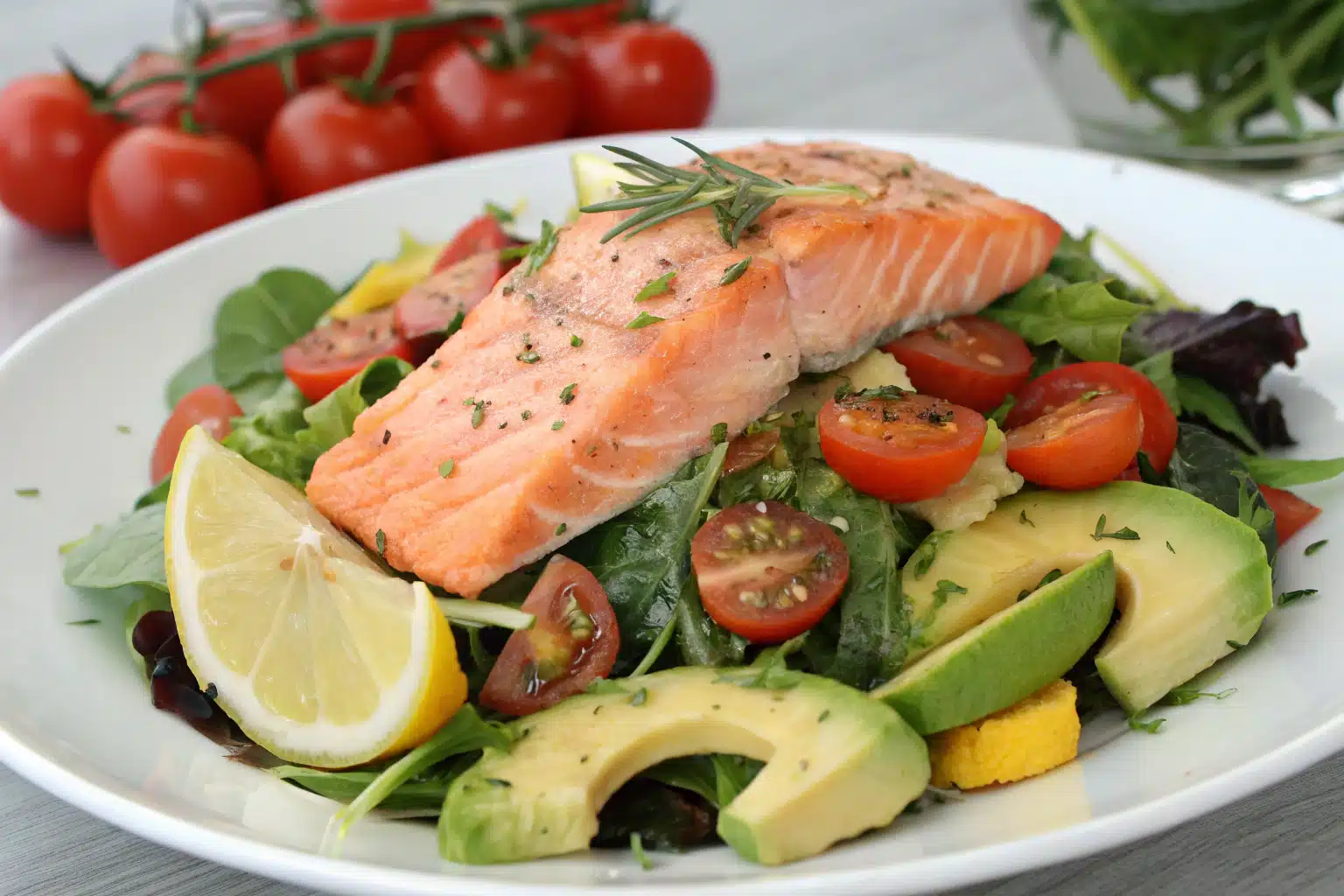
Salmon salad is the ultimate quick-fix meal that perfectly balances nutrition and flavor. This protein-packed dish offers a delicious way to incorporate heart-healthy omega-3 fatty acids into your diet without spending hours in the kitchen. Whether you’re looking for a quick lunch, a light dinner option, or a nutritious snack, this versatile salmon salad recipe delivers on all fronts. Using canned salmon makes this recipe not only convenient but also budget-friendly, allowing you to enjoy the benefits of salmon without the high price tag of fresh fillets.
“Looking for inspiration? Give our traditional chicken salad a try for a delicious, protein-rich meal alternative.”
Benefits of Making Salmon Salad at Home
Making salmon salad at home gives you complete control over the ingredients, allowing you to adjust flavors and textures to your preference. Unlike store-bought options that often contain excessive salt, sugar, or preservatives, homemade salmon salad can be customized to fit your dietary needs. Additionally, preparing this recipe takes just minutes, making it perfect for busy weeknights or meal prep sessions. The combination of protein from salmon and fiber from vegetables creates a satisfying meal that keeps hunger at bay for hours, making it an excellent option for weight management and overall health.
PrintSalmon Salad
A quick and easy salmon salad made with canned salmon, fresh vegetables, and herbs for a protein-rich meal ready in minutes.
- Prep Time: 10 minutes
- Cook Time: 0 minutes
- Total Time: 10 minutes
- Yield: 4 servings 1x
- Category: Salad
- Cuisine: American
Ingredients
- 2 (5-6 oz) cans of salmon, drained*
- ⅓ cup mayonnaise**
- 1 medium stalk celery, finely chopped
- 3 tablespoons red onion, finely chopped
- 1 tablespoon fresh dill or 1 teaspoon dried dill
- 1–3 teaspoons fresh lemon juice (optional, add to taste)
- Black pepper, to taste
Instructions
- In a medium bowl, combine drained salmon, mayonnaise, celery, red onion, dill, lemon juice, and black pepper.
- Mix gently until well combined, adjusting mayonnaise for desired consistency.
- Serve as a sandwich, in lettuce wraps, on greens, or with cucumber slices, crackers, or chips.
- Store leftovers in an airtight container in the refrigerator for up to 5 days.
Notes
*Wild-caught salmon recommended for best flavor and nutrition. **
For a lighter version, substitute Greek yogurt for half the mayonnaise.
Nutrition facts are estimates and may vary based on ingredients used, portion sizes, and preparation methods.
Nutrition
- Serving Size: 4 servings
- Calories: 245
- Sugar: 1g
- Sodium: 380mg
- Fat: 18g
- Saturated Fat: 3g
- Trans Fat: 0g
- Carbohydrates: 2g
- Fiber: 0.5g
- Protein: 20g
- Cholesterol: 65mg
Keywords: salmon salad, canned salmon, protein meal, easy lunch, omega-3, quick recipe
Let’s connect! Follow me for more Joylicious Recipes: Facebook, Instagram, Pinterest
Ingredients for the Perfect Salmon Salad
Essential Salmon Salad Components
| Ingredient | Amount | Notes |
|---|---|---|
| Canned salmon, drained | 2 (5-6 oz) cans | Wild-caught preferred for best flavor and nutrition |
| Mayonnaise | ⅓ cup | Use regular or light based on preference |
| Celery | 1 medium stalk | Finely chopped for crunch |
| Red onion | 3 tablespoons | Finely chopped for flavor |
| Fresh dill | 1 tablespoon | Or 1 teaspoon dried dill |
| Fresh lemon juice | 1–3 teaspoons | Optional, add to taste |
| Black pepper | To taste | Freshly ground recommended |
Ingredient Substitutions and Alternatives
Don’t worry if you’re missing some ingredients or have dietary restrictions. There are plenty of ways to modify this salmon salad recipe. For a lighter version, substitute Greek yogurt for half or all of the mayonnaise. If you don’t have fresh dill, dried dill works well, though you’ll need less (about 1 teaspoon). No red onion? Green onions or shallots make excellent replacements. For additional crunch and flavor, consider adding chopped cucumber, bell peppers, or even apple chunks. Those avoiding dairy can use vegan mayonnaise, and if you prefer a spicier profile, a dash of Dijon mustard or hot sauce can transform the flavor profile instantly.
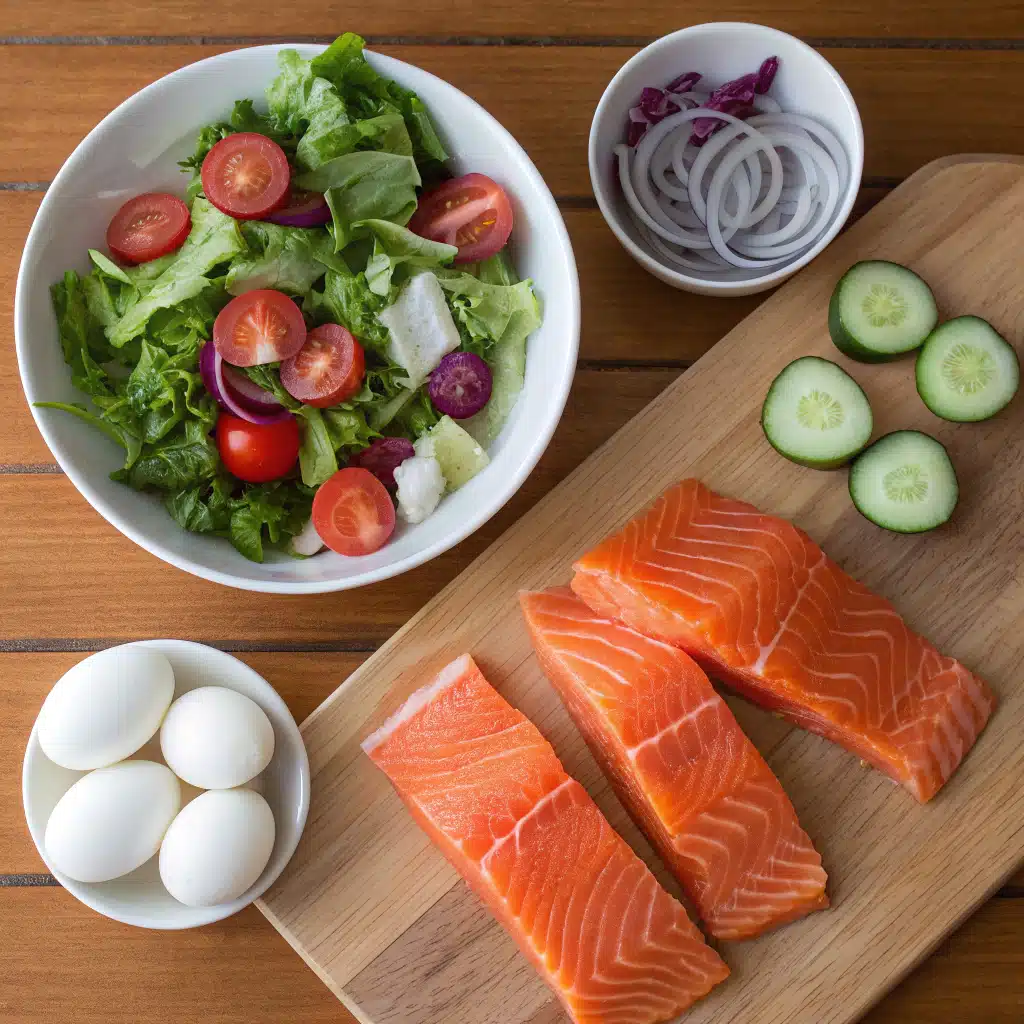
Step-by-Step Salmon Salad Preparation
Preparing the Salmon Base
- Begin by draining the canned salmon thoroughly. Place a colander in the sink and empty the canned salmon into it, allowing excess liquid to drain away.
- Transfer the drained salmon to a medium or large mixing bowl. Gently break the salmon into small, bite-sized flakes using a fork.
- If the salmon contains skin or bones, you can either remove them or incorporate them into your salad. The bones are soft, edible, and provide additional calcium.
- Season the flaked salmon with freshly ground black pepper to taste. This creates a flavorful base for your salad.
“Want more ideas? Check out our salmon sushi bake for another delicious way to enjoy salmon.”
Mixing and Finishing Your Salmon Salad
- Add the finely chopped celery and red onion to the flaked salmon. These vegetables add essential crunch and flavor contrast to the soft texture of the salmon.
- Sprinkle fresh dill (or dried if using) over the mixture. Dill pairs perfectly with salmon, enhancing its natural flavor.
- Pour in the mayonnaise and optional lemon juice, starting with less and adding more as needed to reach your desired consistency and flavor.
- Gently fold all ingredients together using a spatula or spoon, being careful not to overmix. The goal is to combine everything evenly without breaking down the salmon flakes too much.
- Taste the salmon salad and adjust seasonings as needed, adding more pepper, dill, or lemon juice to suit your preference.
Optional Flavor Enhancements
For those looking to elevate their salmon salad even further, consider these optional additions that can transform your basic recipe into something extraordinary:
- Add 1 tablespoon of capers for a briny, Mediterranean twist.
- Mix in 1 teaspoon of Dijon mustard for tanginess and depth.
- Include 1/4 teaspoon of smoked paprika for a subtle smoky flavor.
- Sprinkle in 2 tablespoons of chopped fresh parsley for brightness.
- For heat lovers, add a dash of hot sauce or 1/4 teaspoon of red pepper flakes.
Each of these additions can completely change the character of your salmon salad, making it versatile enough to enjoy throughout the week without flavor fatigue.
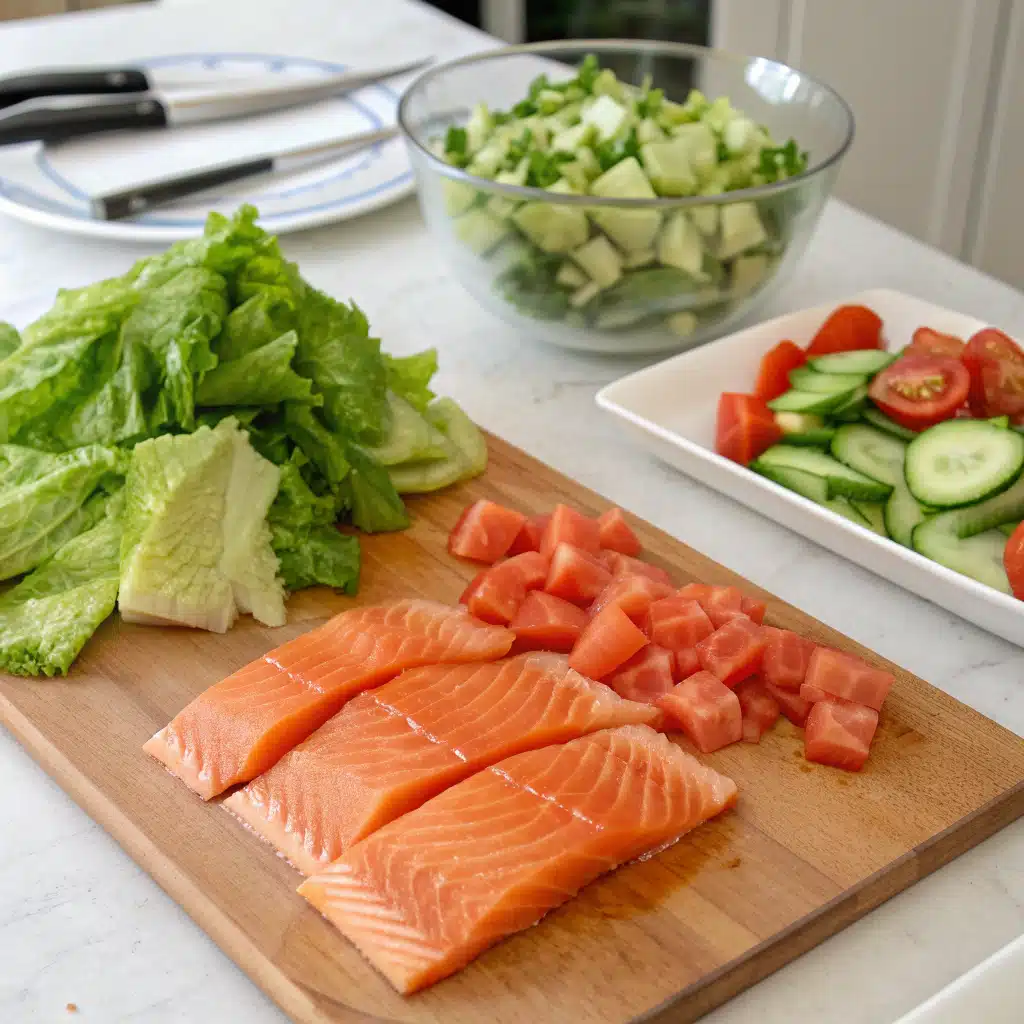
Tips for Salmon Salad Success
Choosing the Right Canned Salmon
The foundation of a great salmon salad starts with selecting the right canned salmon. When shopping, look for wild-caught Alaskan salmon, which typically offers better flavor and higher omega-3 content than farmed varieties. There are several types available: pink salmon is milder and less expensive, while sockeye or red salmon has a stronger flavor and deeper color. Additionally, consider whether you prefer boneless and skinless options (easier to work with but often more expensive) or traditional cans that include bones and skin (more economical and nutritionally rich). The bones in canned salmon are soft and edible, providing an excellent source of calcium if you choose to keep them.
“Learn more about creamy salmon pasta recipe to explore another delicious way to use salmon.”
Achieving the Perfect Texture
The texture of your salmon salad can make or break the recipe. To achieve the ideal consistency, start by thoroughly draining the salmon to prevent a watery salad. When flaking the salmon, aim for medium-sized pieces rather than pulverizing it—you want to maintain some texture. For the vegetables, ensure they’re chopped finely and uniformly for the best mouthfeel and flavor distribution. The mayonnaise acts as the binding agent, so add it gradually until you reach your preferred creaminess. Too much makes the salad heavy and overwhelms the salmon flavor, while too little results in a dry mixture that won’t hold together. For those who enjoy contrasting textures, consider adding ingredients like chopped water chestnuts, apple chunks, or even toasted nuts.
Make-Ahead and Meal Prep Strategies
Salmon salad shines as a make-ahead option, often tasting even better after the flavors have had time to meld. For efficient meal prep, prepare a double batch of salmon salad on Sunday and portion it into individual containers. If you plan to use it for sandwiches throughout the week, store the salad separately from bread to prevent sogginess. For a complete grab-and-go lunch, prepare divided containers with salmon salad in one section and accompaniments like cucumber slices, cherry tomatoes, and crackers in other compartments. To maintain optimal freshness, keep ingredients like avocado separate until ready to serve. This salmon salad can also be transformed throughout the week—enjoy it as a sandwich one day, stuffed in a tomato the next, and atop a green salad later in the week.
Storage and Freshness Guidelines
Proper Refrigeration Techniques
Storing salmon salad properly is crucial for maintaining both safety and flavor. After preparing your salmon salad, transfer any leftovers to an airtight container—glass containers work particularly well as they won’t absorb odors. Before sealing, place a piece of plastic wrap directly on the surface of the salad to create a barrier against air, which helps prevent oxidation and keeps the salad fresher longer. Always refrigerate salmon salad promptly after preparation; don’t leave it at room temperature for more than two hours. Position the container in the coldest part of your refrigerator, typically the back of the middle shelf, rather than in the door where temperatures fluctuate more dramatically. When serving again, use clean utensils to prevent introducing bacteria that could accelerate spoilage.
How Long Does Salmon Salad Last?
Properly stored salmon salad will maintain its quality in the refrigerator for up to 5 days. You’ll notice the flavors often intensify after the first day as the ingredients have time to meld, making day two or three potentially even more delicious than day one. However, watch for signs of spoilage: any sour smell, sliminess, or significant color changes indicate it’s time to discard the salad. If you’ve added ingredients like fresh herbs or avocado, be aware that these may degrade faster than the salmon itself, affecting the overall quality even if the salad is still technically safe to eat. For best results, consume the salmon salad within 3-4 days. Unfortunately, salmon salad doesn’t freeze well due to the mayonnaise base, which tends to separate upon thawing, resulting in an unpleasant texture.
“Don’t miss our easy salmon sushi balls for another quick and delicious salmon recipe.”
Reviving Day-Old Salmon Salad
If your salmon salad has been refrigerated for a day or two, you might notice it’s become a bit dry or the flavors have intensified too much. Fortunately, there are simple ways to refresh it. To revive dry salmon salad, fold in a small amount of fresh mayonnaise, Greek yogurt, or even a splash of lemon juice to restore moisture. For salads with intensified flavors (particularly onion or dill), adding a bit more salmon or a few fresh ingredients like finely chopped cucumber or bell pepper can help balance the profile. Allowing refrigerated salmon salad to sit at room temperature for about 10-15 minutes before serving can also improve the flavor, as extreme cold can dull taste perceptions. If the texture seems too dense after refrigeration, a gentle stir with a fork can help fluff it up again.
Delicious Salmon Salad Variations
Mediterranean-Inspired Salmon Salad
Transform your basic salmon salad into a Mediterranean delight by incorporating ingredients that evoke the sunny flavors of coastal Europe. Start with the base recipe, then add 2 tablespoons of chopped Kalamata olives, 1/4 cup diced cucumber, 2 tablespoons crumbled feta cheese, and 1 tablespoon chopped fresh oregano. Replace some of the mayonnaise with Greek yogurt for a tangier profile, and add a teaspoon of lemon zest along with the juice. For an extra Mediterranean touch, include 1 tablespoon of capers and a few chopped sun-dried tomatoes. This variation pairs beautifully with pita bread or as a topping for a Greek salad, creating a refreshing meal that’s both satisfying and nutritionally balanced.
Asian-Fusion Salmon Salad
Create an exciting East-meets-West fusion by incorporating Asian flavors into your salmon salad. Begin with the standard recipe but substitute half the mayonnaise with 1 tablespoon of sesame oil and 1 tablespoon of rice vinegar. Add 1 tablespoon of soy sauce (or coconut aminos for a gluten-free option), 1 teaspoon of grated ginger, and 1 minced garlic clove. Skip the dill and instead add 2 tablespoons of chopped cilantro and 1 tablespoon of thinly sliced green onions. For texture and sweetness, mix in 1/4 cup finely diced mango or mandarin orange segments. Finish with a sprinkle of sesame seeds and a dash of sriracha if you enjoy heat. This variation works wonderfully served over steamed rice, in lettuce cups, or as a filling for nori wraps.
“Discover great ideas like our sriracha honey salmon bowls for more Asian-inspired salmon dishes.”
Spicy Southwest Salmon Salad
Kick up the heat with this Southwestern-inspired variation that brings vibrant flavors to your salmon salad. Start with the base recipe, then add 1/4 cup corn kernels (fresh or thawed frozen), 2 tablespoons chopped roasted red peppers, 2 tablespoons black beans, and 1/4 cup diced avocado. Replace the dill with 2 tablespoons of chopped cilantro and add 1/2 teaspoon of ground cumin and 1/4 teaspoon of chili powder. For extra heat, mix in 1 tablespoon of finely chopped jalapeño or a dash of your favorite hot sauce. A squeeze of lime juice brightens all the flavors. This hearty variation makes an excellent filling for a wrap, topping for nachos, or stuffing for bell peppers. The combination of salmon with these Southwestern ingredients creates a nutritionally dense meal with a perfect balance of protein, healthy fats, and fiber.
Serving Your Salmon Salad
Classic Serving Suggestions
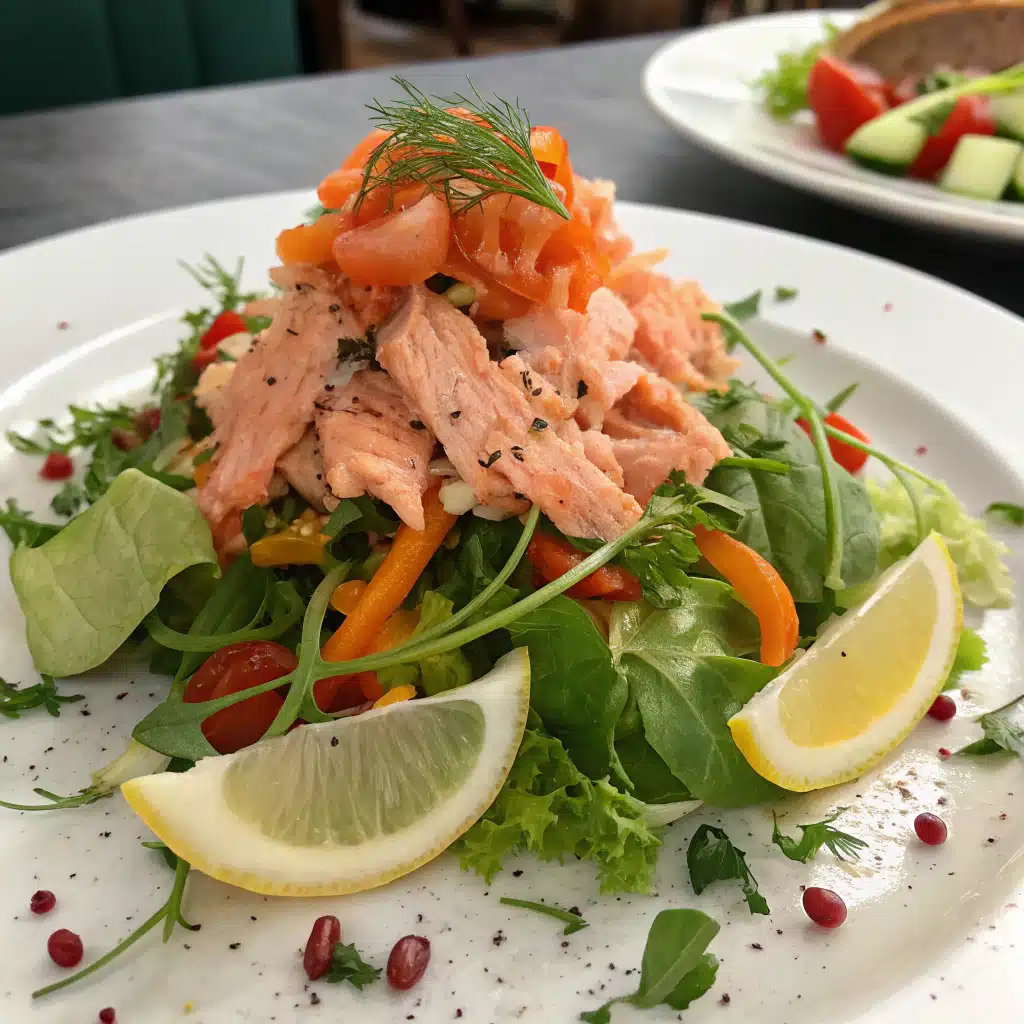
The versatility of salmon salad makes it perfect for numerous serving styles. For a traditional approach, spread it between two slices of whole grain bread with lettuce and tomato for a satisfying sandwich. Alternatively, serve it on a bed of mixed greens for a light yet filling salad—just drizzle with a simple vinaigrette to tie the flavors together. For an elegant presentation at brunches or gatherings, spoon the salmon salad into endive leaves or cucumber cups to create beautiful, bite-sized appetizers. Another classic option is to pair it with buttery crackers or crostini as an easy appetizer or light lunch. For a low-carb approach, create a refreshing wrap using large lettuce leaves instead of tortillas. Each of these serving methods allows the rich flavor of the salmon to shine while offering different textural experiences.
Creative Serving Ideas
Take your salmon salad beyond the ordinary with these innovative serving suggestions. Hollow out a ripe avocado half and fill it with salmon salad for a nutrient-dense meal that’s as beautiful as it is delicious. For a fun twist on traditional deviled eggs, halve hard-boiled eggs and replace the usual yolk mixture with a spoonful of salmon salad. Create an impressive appetizer tower by layering salmon salad between slices of cucumber and cherry tomatoes, secured with a decorative toothpick. For a hearty breakfast or brunch option, top toasted bagels with cream cheese and salmon salad. You can also stuff hollowed bell peppers with the mixture and bake until the peppers are tender for a warm, satisfying meal. These creative presentations transform simple salmon salad into impressive dishes suitable for everything from casual lunches to elegant dinner parties.
“Here’s your guide to flavorful Chinese chicken salad recipe if you’re looking for another protein-rich salad option.”
Frequently Asked Questions About Salmon Salad
What should I put in my salmon salad?
A classic salmon salad combines canned salmon, mayo, celery, red onion, dill, and lemon juice. Add eggs, apples, or pickles for flavor and crunch, or mix in herbs and veggies for a lighter twist. Balance the creamy base with your favorite textures and tastes.
What are some common salmon salad mistakes?
Frequent missteps include not draining the salmon well, which leads to a watery salad, or adding too much mayonnaise, which masks the fish’s flavor. Unevenly chopped vegetables can affect the texture, while over-mixing can make the salmon mushy. Forgetting to taste and adjust seasoning before serving is another common issue. Always use quality canned salmon and fresh herbs for the best flavor.
How long should salmon salad be in the fridge?
Salmon salad keeps well for up to 4–5 days if stored in an airtight container in the fridge. It often tastes better after a day as flavors meld, but discard it if it develops an off smell or watery texture. For best quality, eat it within 3–4 days, as fresh herbs tend to lose flavor faster.
What to have with a salmon salad?
Serve salmon salad with crisp veggies, mixed greens, or fresh fruit for a light meal. Pair it with crackers, pita, or crusty bread for more substance. It also complements grain salads, light soups, or roasted vegetables.
Is canned salmon already cooked?
Yes, canned salmon is pre-cooked during processing, making it safe to eat directly. The canning process also softens bones, providing extra calcium.
What to not eat salmon with?
Avoid pairing salmon with overly bitter greens, strong cheeses, or very sweet flavors. Also, limit highly acidic or fatty foods that can overpower or alter its delicate texture.
Conclusion: Making Salmon Salad a Regular in Your Kitchen
Why This Recipe Works Every Time
This salmon salad recipe has earned its place as a kitchen staple because it combines simplicity with versatility. The straightforward preparation—mix, stir, and serve—makes it accessible even to novice cooks, while the quality ingredients ensure delicious results every time. The balance of flavors works perfectly: creamy mayonnaise provides richness, vegetables add crunch, herbs contribute freshness, and lemon juice brightens everything with a hint of acidity. Additionally, the recipe is forgiving and adaptable—if you’re missing an ingredient or want to substitute something based on preference, the result will still be delicious. Perhaps most importantly, this salmon salad delivers consistent nutritional value, offering protein, omega-3 fatty acids, and vegetables in a satisfying package that can be enjoyed in countless ways.
“Check out our spicy salmon crispy rice bites for another quick salmon preparation method.”
Incorporating Salmon Salad Into Your Meal Planning
Embracing salmon salad as part of your regular meal rotation offers practical benefits beyond just good nutrition. For busy professionals, preparing a large batch on Sunday provides ready-to-eat protein for quick lunches throughout the week. Parents will appreciate having a nutritious option that can be served in kid-friendly ways, such as stuffed in mini pita pockets or rolled in tortillas with cheese. Budget-conscious households benefit from the affordability of canned salmon compared to fresh fillets, while still receiving the same nutritional benefits. For health-focused individuals, salmon salad provides a convenient way to increase omega-3 consumption without elaborate cooking. The recipe’s versatility means it never becomes monotonous—serve it in different ways throughout the week, from sandwiches to salad toppers to stuffed vegetables. By keeping the basic ingredients on hand, you’ll always have a nutritious meal solution available, even on your busiest days.