Italian Ragù Recipe Made Easy – Authentic Pasta Sauce
Introduction to Traditional Ragù
Ragù recipe enthusiasts know that this iconic Italian meat sauce is the foundation of countless beloved dishes. From lasagna to pappardelle, a properly prepared ragù delivers deep, complex flavors that have been perfected over generations. This slow-cooked sauce combines quality meats with aromatic vegetables, creating a rich, hearty sauce that clings beautifully to pasta.
The History and Importance of Ragù
The tradition of ragù dates back centuries in Italian cuisine, with regional variations appearing throughout the country. While many Americans know it through its Americanized cousin “Bolognese sauce,” authentic ragù is a carefully crafted creation that requires patience and proper technique. The slow cooking process allows the flavors to meld together, creating a sauce that’s far more than the sum of its parts.
“Looking for inspiration? Try our creamy garlic chicken pasta when you want another Italian-inspired comfort food option.”
Essential Ingredients for the Perfect Ragù Recipe
The foundation of any exceptional ragù recipe begins with quality ingredients. Traditional Italian cooking emphasizes using the best possible components, allowing their natural flavors to shine through minimal processing.
The Meat Base
The heart of ragù is its meat component. Traditional recipes use a combination of ground meats, providing different flavor profiles and fat contents that create a perfectly balanced sauce.
| Main Ingredients | Amount | Notes |
|---|---|---|
| Ground beef (80% lean) | 1/2 lb (250g) | Provides richness and depth |
| Ground pork | 1/2 lb (250g) | Adds juiciness and flavor |
| Pancetta | 2 oz (60g), diced | Provides saltiness and umami |
The Soffritto Base and Aromatics
Every authentic ragù starts with soffritto – the aromatic vegetable base that forms the foundation of countless Italian dishes.
| Soffritto Components | Amount | Notes |
|---|---|---|
| Onion | 1 medium | Finely chopped |
| Carrot | 1 medium | Finely chopped |
| Celery | 1 stick | Finely chopped |
| Unsalted butter | 2 tbsp (30g) | For richness |
| Olive oil | 2 tbsp (30ml) | For flavor |
Liquids and Seasonings
These ingredients bring moisture, acidity, and depth to your ragù recipe.

| Liquids & Seasonings | Amount | Purpose |
|---|---|---|
| Whole milk | 1 cup (236ml) | Tenderizes meat, adds richness |
| Dry white wine | 1 cup (236ml) | Adds acidity and depth |
| Chicken stock | 1-2 cups (236-472ml) | Provides moisture and flavor |
| Tomato paste | Heaping 1/4 cup (60-70g) | Concentrated flavor |
| Whole peeled tomatoes | 28 oz (800g) can | Optional, for more sauce |
| Ground nutmeg | Pinch | Warmth and complexity |
| Bay leaf | 1 dried or 2 fresh | Aromatic background note |
| Salt & black pepper | To taste | Essential seasoning |
Step-by-Step Ragù Recipe Instructions
Creating the perfect ragù takes time, but the process is straightforward. Follow these steps carefully for an authentic result.
Preparing the Soffritto Base
- Heat the butter and olive oil in a heavy-bottomed Dutch oven over medium-low heat until the butter has melted.
- Finely chop the pancetta, onion, carrot, and celery (you can use a food processor with quick pulses, being careful not to over-process into a paste).
- Add the pancetta and vegetable mixture to the pot, stirring to coat with the fats.
- Sauté gently for 10-15 minutes until the vegetables become soft and lightly golden. This slow cooking develops sweet, caramelized flavors.
- If the mixture seems dry during cooking, add a bit more butter or oil as needed.
Adding and Cooking the Meat
- Add the ground beef and pork to the soffritto, using a fork to break up the meat into small pieces.
- Season with salt and pepper to enhance flavor development.
- Cook just until the meat loses its pink color – do not brown it completely, as this keeps the meat tender in the final sauce.
- Pour in the milk and add the pinch of nutmeg and bay leaf.
- Reduce heat to a gentle simmer and cook until the milk has almost completely evaporated, which may take 15-20 minutes.
Developing Depth and Flavor
- Add the white wine to the pot, stirring to incorporate. Let it simmer until nearly evaporated.
- Stir in the tomato paste until fully dissolved into the mixture.
- Add 1 cup of chicken stock and the canned tomatoes (if using), mixing well to combine.
- Reduce heat to low – the sauce should barely bubble, not boil.
- Partially cover the pot with the lid and cook for 1-2 hours, stirring occasionally.
- If the sauce becomes too thick during cooking, add more chicken stock as needed.
- The final consistency should be thick but not dry – similar to a hearty chili.
- Skim any excess fat from the surface before serving.
“Don’t miss our creamy salmon pasta recipe for another delicious Italian-inspired main dish.”

Expert Tips for Making the Perfect Ragù
Creating an authentic ragù requires patience and attention to detail. These professional tips will help you elevate your sauce to restaurant quality.
The Importance of Low and Slow Cooking
The secret to exceptional ragù lies in gentle, prolonged cooking. The low temperature allows flavors to develop and meld without burning or becoming bitter. Moreover, this slow approach breaks down connective tissue in the meat, creating that signature silky texture. Additionally, resist the urge to rush this process – a properly made ragù needs time to develop its complex flavor profile.
Choosing the Right Cookware
The choice of cooking vessel significantly impacts your ragù. A heavy-bottomed Dutch oven is ideal because it distributes heat evenly and retains it well. Furthermore, its thick walls prevent scorching, while the tight-fitting lid helps control moisture evaporation. Consequently, avoid thin pots that might create hot spots and cause burning.
The Art of Seasoning
Proper seasoning is crucial for a balanced ragù recipe. Season in layers throughout the cooking process rather than all at once at the beginning or end. However, be cautious with salt early on, as the sauce will reduce and concentrate flavors. Additionally, taste frequently and adjust as needed.
“Here’s your guide to ditalini pasta recipe that pairs wonderfully with this ragù for a hearty meal.”
Proper Storage of Homemade Ragù
One of the advantages of making ragù is that it often tastes even better the next day as flavors continue to develop. Knowing how to properly store your sauce ensures you can enjoy it for days or even months.
Refrigerating Ragù
For short-term storage, proper refrigeration is key to maintaining quality and safety. First, allow the sauce to cool completely at room temperature, but no longer than two hours to prevent bacterial growth. Then, transfer to airtight containers, leaving some headspace for expansion. Refrigerated ragù will keep well for 3-4 days when properly stored.
Freezing for Long-Term Storage
Ragù freezes exceptionally well, making it perfect for meal prep. Divide the cooled sauce into portion-sized containers or freezer bags, removing as much air as possible. Label with the date and contents, then freeze flat if using bags to save space. Frozen ragù maintains quality for 3-4 months but remains safe indefinitely when kept at constant freezing temperatures.
Reheating Techniques
To preserve the sauce’s texture and flavor when reheating, use gentle heat. For refrigerated ragù, warm slowly in a saucepan over medium-low heat, stirring occasionally and adding a splash of stock if needed to adjust consistency. For frozen ragù, thaw overnight in the refrigerator before reheating, or use the defrost function on your microwave before warming.
“Check out our garlic parmesan chicken pasta for another make-ahead friendly recipe option.”
Creative Variations on the Classic Ragù Recipe
While traditional ragù is magnificent, there are several delicious variations worth exploring. These adaptations maintain the essence of ragù while introducing new flavors and ingredients.
Regional Italian Variations
Italy’s diverse culinary landscape offers numerous regional interpretations of ragù. Ragù Napoletano features larger cuts of meat simmered in the sauce and removed before serving. Ragù alla Barese incorporates horsemeat and red wine. Meanwhile, Ragù di Cinghiale substitutes wild boar for the traditional beef and pork, creating a gamier, more robust sauce popular in Tuscany.
Vegetarian Ragù Alternatives
Creating a meatless ragù doesn’t mean sacrificing depth or texture. Replace the meat with a mixture of finely chopped mushrooms (particularly porcini and cremini), lentils, and walnuts to create a hearty base with umami richness. Additionally, adding a tablespoon of soy sauce or miso paste enhances the savory quality. Furthermore, increasing the amount of carrots and adding diced eggplant creates substantive texture.
Modern Twists on Traditional Ragù
Contemporary chefs have created innovative variations while respecting traditional techniques. Try adding roasted red peppers for sweetness and color, or incorporating a splash of balsamic vinegar for complexity. Some chefs add a small amount of dark chocolate or espresso powder for depth. Furthermore, experimenting with different herb combinations like rosemary and sage can create distinctive flavor profiles.
“Want more ideas? Check out chicken alfredo recipe for another classic Italian pasta dish.”
Perfect Pairings: Serving Your Homemade Ragù
The beauty of ragù lies in its versatility. This rich sauce pairs wonderfully with numerous bases and side dishes, creating a complete meal.
The Best Pasta Shapes for Ragù
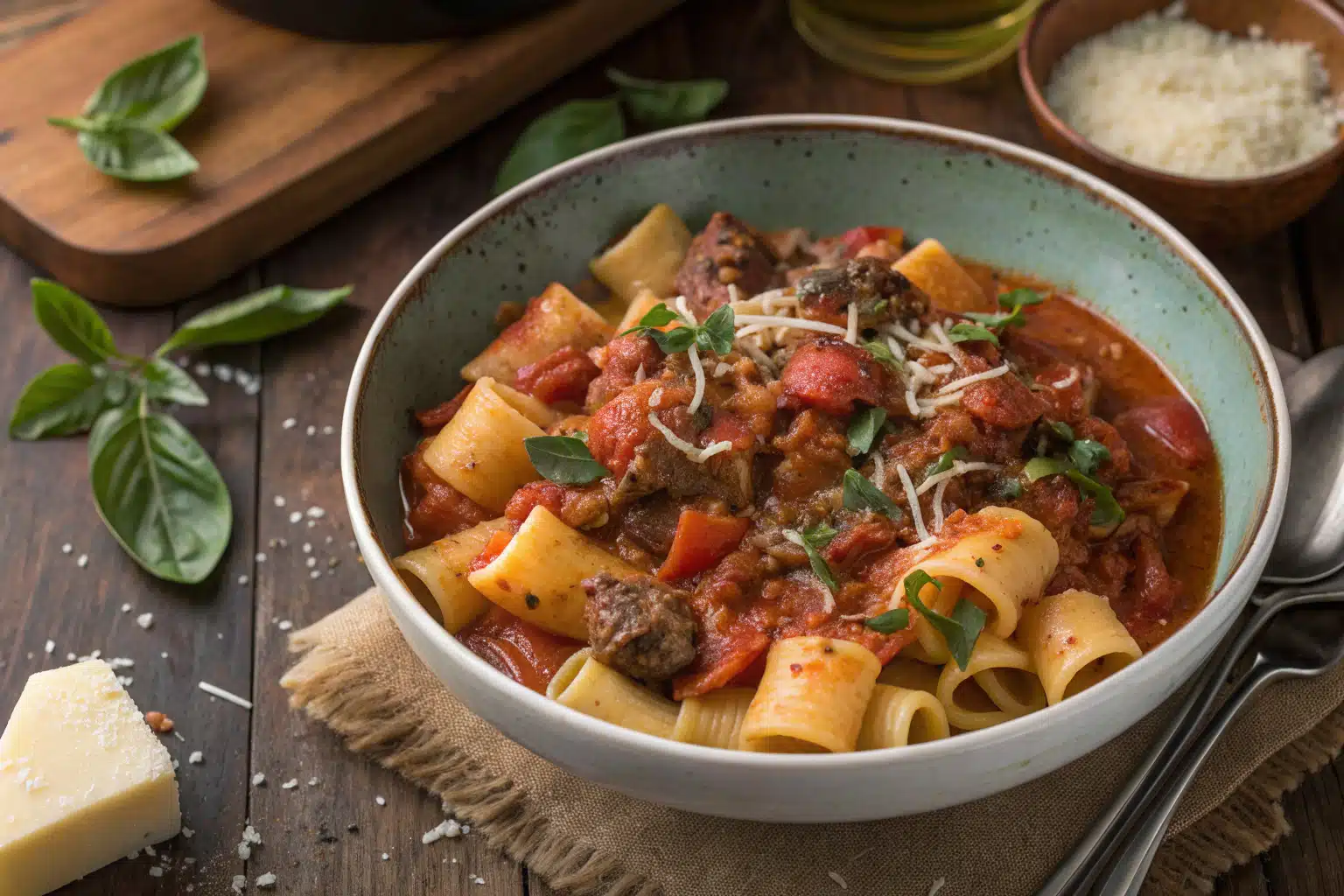
Certain pasta shapes work particularly well with ragù’s thick texture. Pappardelle, with its wide ribbons, provides ample surface area for the sauce to cling to. Tagliatelle offers a similar advantage with its flat, medium-width strands. For a more rustic approach, try tube-shaped pastas like rigatoni or penne, whose ridges and hollow centers capture pockets of sauce. Additionally, when cooking pasta for ragù, slightly undercook it and finish in the sauce, allowing it to absorb flavors.
Beyond Pasta: Alternative Serving Ideas
While pasta is the classic pairing, ragù’s versatility extends beyond Italian noodles. Spoon it over creamy polenta for a comforting northern Italian dish. Use it as a filling for handmade ravioli or in lasagna for special occasions. Ragù also makes an excellent topping for baked potatoes or as a filling for savory crepes. Additionally, consider using it as a base for shepherd’s pie, topped with mashed potatoes and baked until golden.

Wine and Side Dish Pairings
The rich, complex flavors of ragù call for thoughtful wine and side dish selections. For red wine, medium-bodied options with good acidity like Sangiovese, Chianti Classico, or Barbera complement without overwhelming. With white wine, try a full-bodied option like Vermentino or Soave. For side dishes, contrast the richness with a crisp green salad dressed simply with olive oil and lemon. Alternatively, serve with garlic-rubbed bruschetta or roasted vegetables like zucchini or bell peppers.
“Discover great ideas like our creamy chicken linguine recipe that features similar rich flavors and textures.”
Frequently Asked Questions About Ragù Recipe
What are the ingredients in a ragù?
Traditional ragù contains ground beef and pork, pancetta, soffritto (onion, carrot, celery), milk, white wine, tomato paste, stock, and seasonings including nutmeg and bay leaf. Some regional variations may add whole peeled tomatoes for a more tomato-forward sauce. The combination of these ingredients creates the distinct depth and complexity that characterizes authentic ragù.
Can I make ragù without meat (vegetarian)?
Yes, you can create a delicious vegetarian ragù by substituting the meat with a mixture of finely chopped mushrooms, lentils, and walnuts. This combination provides similar texture and umami flavors. Additionally, adding ingredients like miso paste or soy sauce can help develop depth. The cooking technique remains similar—allow plenty of time for the flavors to develop through slow simmering.
What is the secret to a good ragù?
The secret to exceptional ragù is patience. Cooking slowly over low heat allows flavors to develop fully without burning. Additionally, cooking the meat gently without browning keeps it tender, while the gradual addition of liquids builds complexity. Finally, don’t rush the reduction stages—each evaporation concentrates flavor compounds, creating the rich, cohesive sauce that defines great ragù.
How to make a basic ragù?
To make basic ragù, sauté finely chopped pancetta, onion, carrot, and celery in butter and oil until soft. Add ground beef and pork, cooking until no longer pink. Add milk and simmer until mostly evaporated. Pour in wine and reduce again. Stir in tomato paste and stock, then simmer on very low heat for 1-2 hours, stirring occasionally and adding more liquid if needed.
Should I brown the meat first in ragù?
Contrary to many other meat sauces, authentic ragù calls for cooking the meat just until it loses its pink color without browning. This technique keeps the meat tender and allows it to better absorb flavors from the other ingredients. The depth of flavor comes from the long, slow cooking process rather than from Maillard reactions.
Do you add milk or cream to ragù?
Traditional ragù recipes include whole milk, added after cooking the meat but before the wine. The milk tenderizes the meat proteins and adds richness to the final sauce. It should be simmered until almost completely evaporated before adding the wine. While some modern interpretations might use cream instead, authentic recipes specifically call for milk.
Conclusion: Mastering the Art of Ragù
Embracing the Tradition
Creating an authentic ragù connects you to centuries of Italian culinary tradition. This sauce represents the essence of slow food—patience, quality ingredients, and techniques passed down through generations. Furthermore, understanding the cultural significance enhances your appreciation of each bite. By taking the time to make ragù properly, you’re not just cooking; you’re preserving a culinary heritage.
Making Ragù Your Own
While respecting tradition is important, don’t be afraid to develop your own signature version of ragù. Perhaps you prefer a particular regional variation or enjoy adding a personal touch like a splash of balsamic vinegar or a hint of rosemary. The best recipes evolve through personal experience and preference. Additionally, keeping notes on your modifications helps refine your technique over time.
“Learn more about creamy chicken spaghetti casserole for another hearty pasta dish you can customize to your taste.”
Classic Italian Ragù Recipe
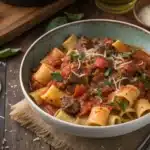
Authentic Italian meat sauce perfect for pasta, slow-cooked to develop rich, complex flavors.
- Prep Time: 20
- Cook Time: 2 hours 30 min
- Total Time: 2 hours 50 minutes
- Yield: 6 1x
- Category: Main Dish
- Cuisine: Italian
Ingredients
- 2 tbsp. (30 g) unsalted butter
- 2 tbsp. (30 ml) olive oil
- 2 oz. (60 g) diced pancetta
- 1 onion
- 1 carrot
- 1 celery stick
- 1/2 lb. (250 g) ground beef, about 80% lean
- 1/2 lb. (250 g) ground pork
- 1 cup (236 ml) whole milk
- pinch of ground nutmeg
- 1 dried bay leaf or 2 fresh
- 1 cup (236 ml) dry white wine
- Heaping 1/4 cup (60–70 g) tomato paste
- 1–2 cups (236– 472 ml) quality chicken stock
- (1x) 28 oz (800g) can whole peeled plum tomatoes in purée, passed through food mill (optional)
- 1 lb. homemade pappardelle pasta
- Fresh grated Parmesan cheese, to serve
Instructions
- Heat butter and olive oil in a Dutch oven over medium-low heat.
- Finely chop pancetta, onion, carrot, and celery (using food processor or by hand).
- Add vegetable mixture to pot and sauté for 10-15 minutes until lightly golden.
- Add ground meats, breaking up with a fork. Cook just until no longer pink without browning.
- Add milk, nutmeg, and bay leaf. Simmer until milk is nearly evaporated (15-20 minutes).
- Pour in wine and simmer until almost evaporated.
- Stir in tomato paste, then add 1 cup stock and tomatoes if using.
- Reduce heat to low and cook with lid ajar for 1-2 hours, stirring occasionally. Add more stock if needed.
- Cook pasta in salted water until al dente, then transfer directly to sauce.
- Serve topped with freshly grated Parmesan cheese.
Notes
For lasagna Bolognese with fresh pasta, add the optional can of tomatoes for a saucier consistency, as fresh pasta absorbs more liquid while baking. Nutrition facts are estimates and may vary based on ingredients used, portion sizes, and preparation methods.
Nutrition
- Serving Size: 6
- Calories: 420 kcal
- Sugar: 5g
- Sodium: 280mg
- Fat: 28g
- Saturated Fat: 10g
- Carbohydrates: 12g
- Fiber: 2g
- Protein: 25g
- Cholesterol: 95mg
Keywords: ragu recipe, Italian meat sauce, Bolognese sauce, pasta sauce, homemade ragu, traditional ragu
Let’s connect! Follow me for more Joylicious Recipes: Facebook, Instagram, Pinterest