Authentic Drunken Noodles Recipe: Spicy Thai Comfort Food at Home
What Are Drunken Noodles?
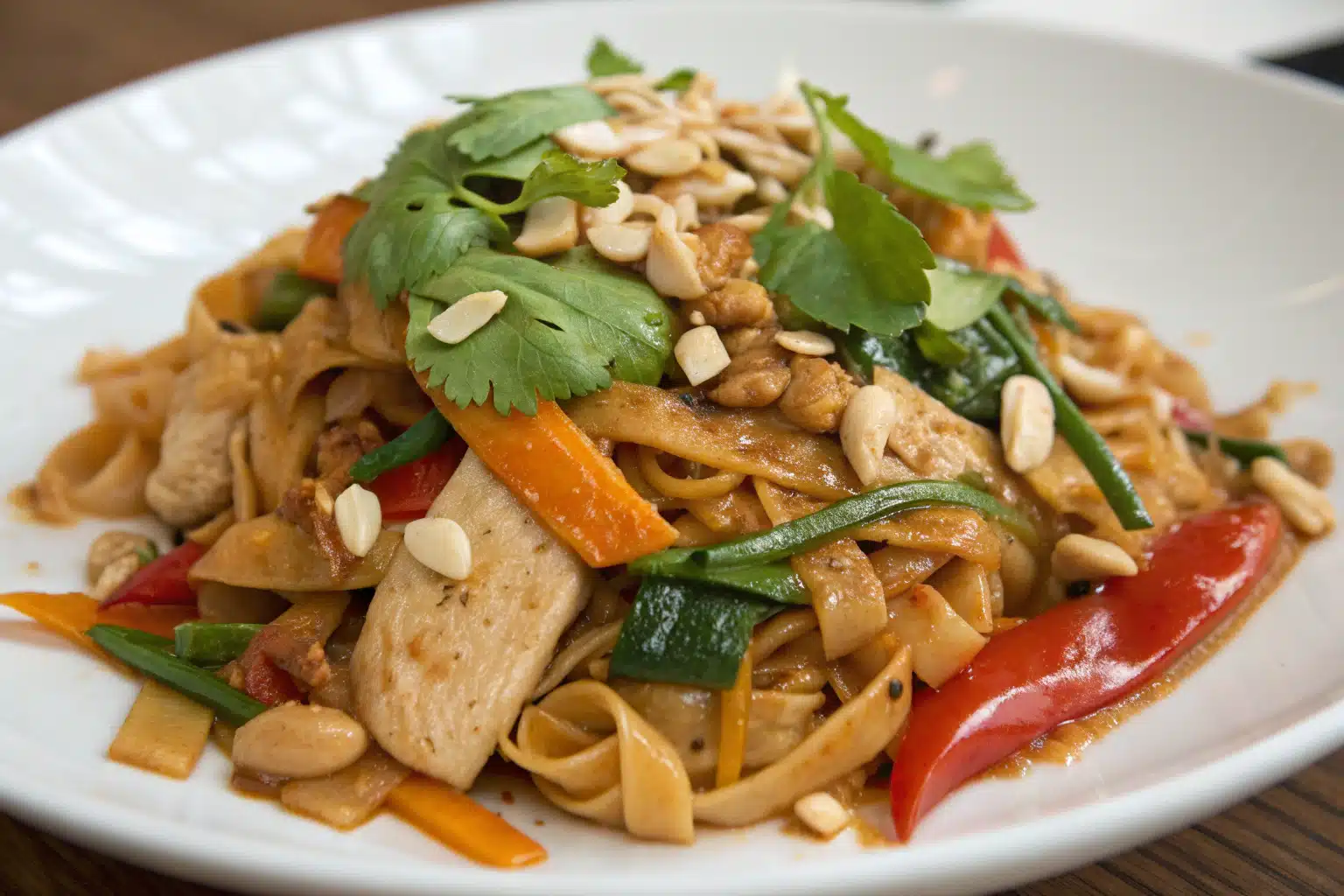
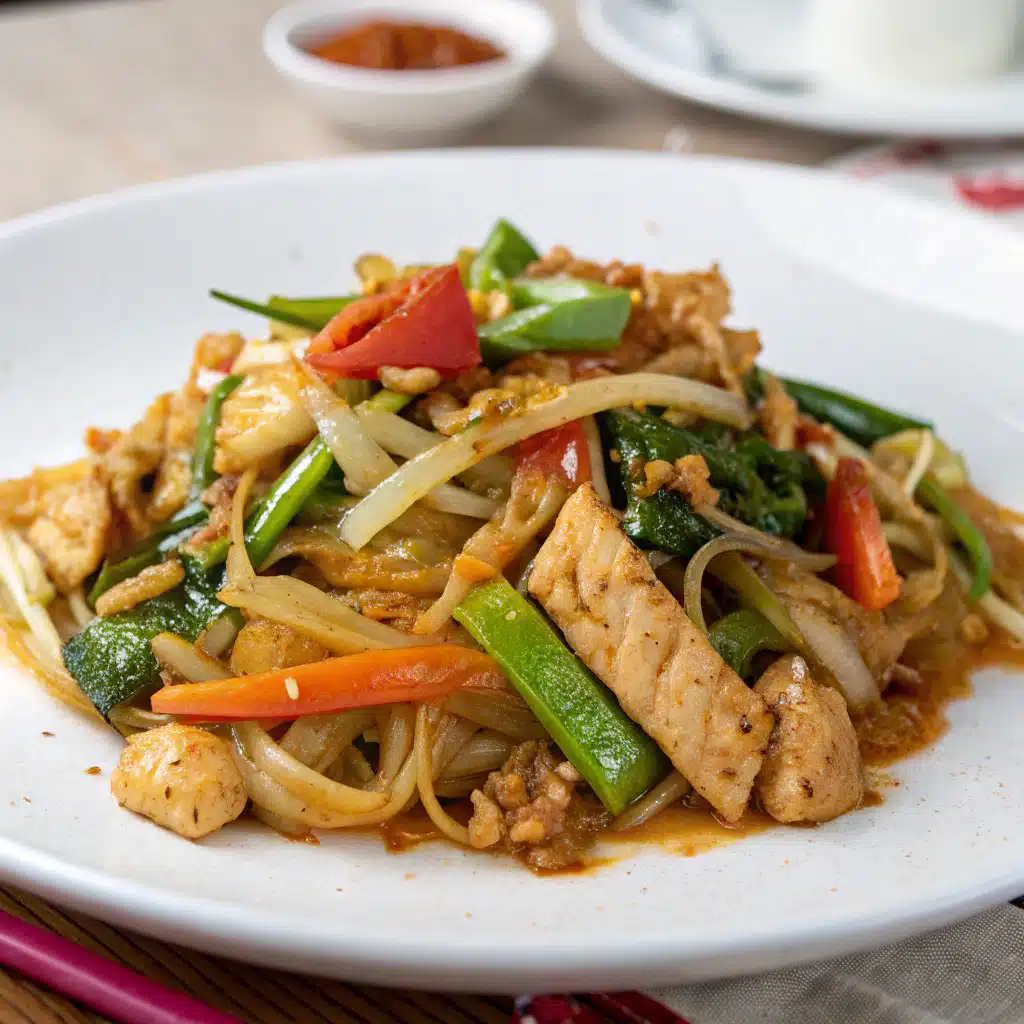
Drunken noodles recipe, also known as Pad Kee Mao in Thai cuisine, is a wildly popular stir-fried noodle dish characterized by its spicy flavor profile, wide rice noodles, and aromatic herbs. Despite its name, this beloved dish contains no alcohol. Instead, the “drunken” descriptor likely originated from its reputation as a late-night favorite among revelers seeking spicy food after drinking, or because the heat level is so intense it makes you feel intoxicated. The dish perfectly balances sweet, savory, and spicy elements, making it a staple in Thai restaurants worldwide and increasingly popular in home kitchens across America.
Why This Recipe Works
This drunken noodles recipe delivers authentic Thai flavors through a carefully balanced sauce and strategic cooking method. The combination of oyster sauce, soy sauces, and sriracha creates the signature umami-rich flavor base, while the high-heat stir-fry technique ensures perfectly cooked noodles with that coveted wok hei (breath of the wok). Additionally, the inclusion of Thai basil provides the distinctive aromatic finish that makes this dish truly special.
“Looking for inspiration? Try our crispy bagel bites recipe for another quick and delicious homemade treat.”
Ingredients for Authentic Drunken Noodles
For the Flavorful Sauce Base
The heart of any great drunken noodles recipe lies in its sauce. This powerhouse combination brings together sweet, savory, and spicy elements that coat every strand of noodle with mouthwatering flavor.
| Sauce Ingredient | Amount | Notes |
|---|---|---|
| Oyster Sauce | 3 tablespoons | Provides rich umami foundation |
| Light Soy Sauce | 2 tablespoons | Adds saltiness and color |
| Dark Soy Sauce | 1 tablespoon | Contributes deeper color and flavor |
| Sriracha | 1-2 tablespoons | Adjust based on heat preference |
| Brown Sugar | 2 teaspoons | Balances the heat and saltiness |
| Fresh Garlic (minced) | 2 cloves | Enhances aromatic profile |
For the Noodle Stir-Fry Components
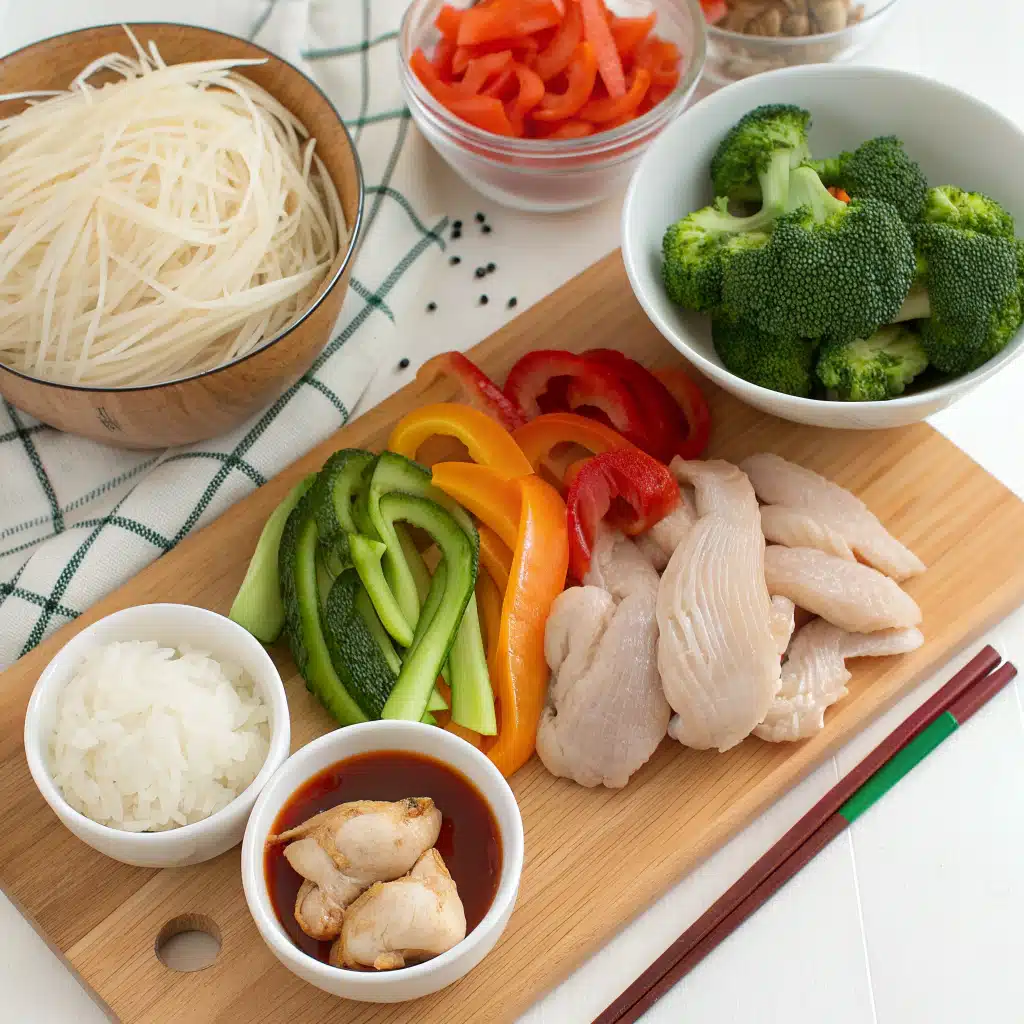
The main components of drunken noodles combine protein, vegetables, and of course, the noodles themselves, creating a hearty and satisfying dish.
| Stir-Fry Ingredient | Amount | Notes |
|---|---|---|
| Peanut Oil | 2 tablespoons | For high-heat cooking |
| Bird’s Eye Chilies | 3-5, sliced | Use bell peppers for milder version |
| White Onion | 1 medium, sliced | Provides sweetness when cooked |
| Garlic | 4 cloves, minced | Essential aromatic base |
| Chicken Breasts or Thighs | 1 pound, thinly sliced | Can substitute with tofu or other proteins |
| Fish Sauce | 1 tablespoon | Adds depth and authentic Thai flavor |
| Dried Rice Noodles | 8 ounces | Wide rice noodles work best |
| Green Onion | 3-4 stalks, chopped | Adds fresh flavor and color |
| Cherry Tomatoes | 1 cup, halved | Optional but adds juiciness |
| Fresh Thai Basil Leaves | 1 cup | Holy basil is traditional but Thai basil works well |
| Additional Chilies and Red Pepper Flakes | To taste | For garnish and extra heat |
Step-by-Step Drunken Noodles Preparation
Preparing the Signature Sauce
The first step in creating perfect drunken noodles is preparing the flavorful sauce that will coat every strand of noodle with its complex flavor profile.
- In a small mixing bowl, combine the oyster sauce, light soy sauce, and dark soy sauce.
- Add the sriracha (adjusting for your heat preference) and brown sugar, stirring until the sugar dissolves completely.
- Mince the garlic finely and add to the sauce mixture, stirring to incorporate all ingredients thoroughly.
- Set the sauce aside to allow the flavors to meld while you prepare the remaining ingredients.
Cooking the Protein and Aromatics
The key to exceptional drunken noodles lies in properly cooking the protein and aromatic ingredients to develop their flavors fully.
- Heat a wok or large skillet over high heat until it begins to smoke slightly.
- Add the peanut oil and swirl to coat the cooking surface evenly.
- Immediately add the sliced bird’s eye chilies and white onion, stir-frying vigorously for 2-3 minutes until the onion begins to soften and become translucent.
- Add the minced garlic, sliced chicken, and fish sauce to the wok, continuing to stir-fry for another 2-3 minutes until the chicken is nearly cooked through but still tender.
- Keep the ingredients moving constantly to prevent burning while ensuring even cooking.
Combining All Elements for the Perfect Dish
The final stage brings together all components to create a harmonious, flavor-packed dish that embodies authentic Thai cuisine.
“Discover great ideas like our black pepper chicken with mushrooms for another Asian-inspired meal that’s ready in minutes.”
- While the chicken is cooking, prepare the rice noodles according to package directions, typically boiling for 2-3 minutes until just tender but still slightly firm (al dente).
- Drain the noodles thoroughly and immediately add them to the wok with the chicken mixture.
- Pour the prepared sauce over the noodles and stir quickly to coat all ingredients evenly.
- Add the chopped green onions and halved cherry tomatoes (if using), continuing to stir-fry for 1-2 minutes until the sauce thickens slightly and clings to the noodles.
- Remove the wok from heat and quickly fold in the fresh basil leaves, allowing their aroma to permeate the dish without wilting completely.
- Transfer to serving plates immediately and garnish with additional fresh chilies, red pepper flakes, and basil leaves if desired.
Tips for Mastering Drunken Noodles Recipe
Achieving Perfect Noodle Texture
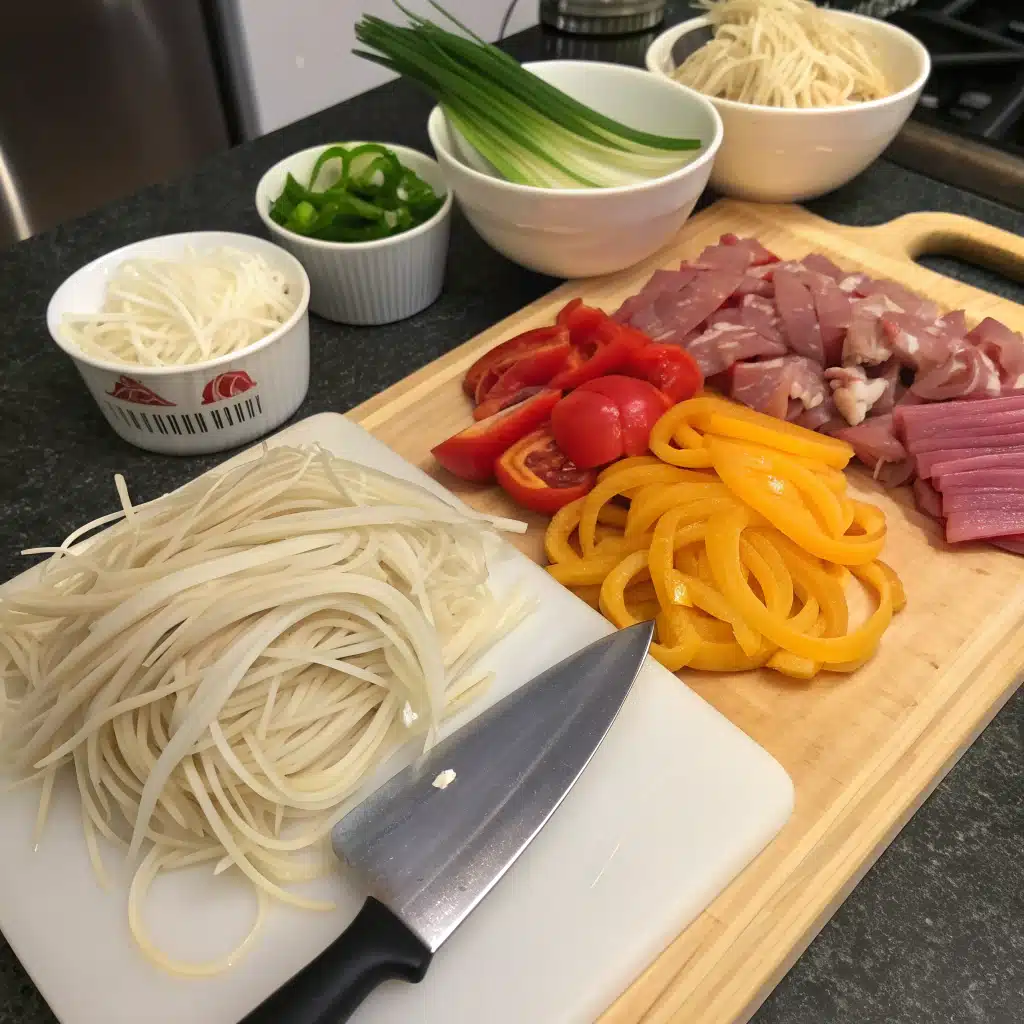
The noodles are perhaps the most crucial element in a successful drunken noodles recipe, as their texture can make or break the dish.
First and foremost, never overcook your rice noodles. They should be prepared just until al dente, as they’ll continue cooking when added to the hot wok. If using dried rice noodles, soak them in warm water until pliable but still slightly firm before boiling briefly. Alternatively, fresh rice noodles (if available) can be used directly after separating the strands.
Another crucial tip is to work quickly once the noodles are cooked. Drain thoroughly and add them immediately to your wok to prevent sticking and clumping. If you must wait, rinse with cold water and toss with a small amount of oil to keep them separated.
Balancing the Heat Level
Drunken noodles are traditionally quite spicy, but you can easily adjust the heat level to suit your preference without compromising authenticity.
For a milder version, reduce the number of bird’s eye chilies or substitute with less potent varieties like serrano or jalapeño peppers. Removing the seeds and membranes from the chilies will also significantly reduce their heat while maintaining their flavor contribution.
“Want more ideas? Check out our creamy garlic herb chicken recipe for another flavorful dinner option.”
Conversely, for heat enthusiasts, increase the number of chilies or add crushed red pepper flakes directly to the sauce. Remember that the sriracha in the sauce also contributes heat, so adjust accordingly for your perfect balance.
Protein and Vegetable Variations
While chicken is commonly used in drunken noodles, the recipe welcomes numerous protein and vegetable substitutions to suit different dietary preferences.
For proteins, thinly sliced beef, pork, shrimp, or tofu work excellently. When using seafood, add it later in the cooking process to prevent overcooking. For a vegetarian version, extra-firm tofu or seitan provides satisfying texture and protein.
Regarding vegetables, feel free to add bell peppers, broccoli florets, snap peas, or baby corn for additional nutrition and texture. Just ensure any added vegetables are cut into bite-sized pieces that will cook quickly in the high-heat environment of stir-frying.
Storage and Reheating Drunken Noodles
Proper Refrigeration Techniques
Properly storing leftover drunken noodles ensures they maintain their flavor and texture for subsequent meals.
After the dish has cooled completely, transfer leftovers to airtight containers. Separate larger portions into smaller containers to facilitate faster cooling and more even reheating later. Properly stored drunken noodles will keep in the refrigerator for up to 3 days, though the noodles may absorb more sauce and soften somewhat during storage.
If you anticipate making this dish ahead of time, consider slightly undercooking the noodles initially, as they will continue to absorb moisture while stored. Additionally, you might reserve some fresh basil to add when reheating for a renewed burst of aromatic flavor.
Best Practices for Reheating
Reheating drunken noodles requires care to prevent the noodles from becoming overly soft or mushy.
The preferred method is stir-frying in a hot wok or skillet. Heat a small amount of oil over medium-high heat, then add the refrigerated noodles and stir constantly until heated through, which typically takes just 2-3 minutes. This method helps revitalize the texture and reactivate the aromatic flavors in the dish.
Microwave reheating is convenient but less ideal for texture. If using this method, place the noodles in a microwave-safe container with a damp paper towel over the top, and heat in 30-second intervals, stirring between each until warmed through.
“Here’s your guide to how to cook thin sliced chicken breast perfectly for this and other quick stir-fry recipes.”
Freezing Considerations
While it’s possible to freeze drunken noodles, doing so may significantly impact the texture of the rice noodles upon thawing and reheating.
If freezing is necessary, store in airtight, freezer-safe containers for up to one month. When ready to enjoy, thaw overnight in the refrigerator rather than using quick-thaw methods. Reheat using the stir-fry method mentioned above, possibly adding a small amount of water or broth if the dish seems dry.
For best results, consider freezing only the protein and sauce components separately from freshly cooked noodles when you’re ready to serve. This approach preserves the integrity of the noodle texture while still providing a convenient meal preparation option.
Delicious Variations on Classic Drunken Noodles Recipe
Seafood Drunken Noodles
A seafood version of drunken noodles offers a delightful alternative to the traditional chicken preparation, featuring ocean flavors that pair beautifully with the spicy sauce.
Replace the chicken with a combination of shrimp, scallops, and squid for a protein-rich seafood medley. When cooking, add these seafood proteins later in the stir-frying process as they require less cooking time than chicken. Consider adding a tablespoon of oyster sauce to enhance the seafood flavors.
Vegetables that complement seafood drunken noodles include baby bok choy, snow peas, and thinly sliced bell peppers. A squeeze of lime juice at the end brightens the dish and complements the seafood perfectly.
Vegetarian and Vegan Adaptations
Creating a plant-based version of drunken noodles is simple and results in an equally satisfying dish bursting with flavor.
For the protein component, extra-firm tofu (pressed and cubed) or seitan works beautifully. Alternatively, add more vegetables like mushrooms (shiitake or oyster varieties) for a meaty texture and umami flavor. For vegans, substitute the oyster sauce with mushroom-based vegetarian oyster sauce and use a vegan fish sauce alternative made from seaweed or soy.
Increase the vegetable content with colorful additions like sliced carrots, zucchini, and bean sprouts for added nutrition and textural contrast. The result is a vibrant, plant-based meal that captures all the essential flavors of traditional drunken noodles.
Regional Thai Variations
Different regions in Thailand have their own interpretations of drunken noodles, each with unique characteristics worth exploring.
Northern Thai versions often include more vegetables native to the cooler mountain regions, such as cabbage and mushrooms, with a slightly milder heat profile. Southern variations might incorporate more seafood and additional lime juice, reflecting the coastal influence.
Bangkok-style drunken noodles, the most internationally recognized version, typically features wider noodles and a balanced sauce that’s neither too sweet nor too salty. In central Thailand, some variations include a touch of coconut milk for added richness.
“Check out our chicken chimichangas recipe for another international favorite you can make at home.”
Serving Suggestions for Drunken Noodles
Traditional Thai Accompaniments
In Thailand, drunken noodles are typically enjoyed with specific accompaniments that enhance the overall dining experience.
A small dish of prik nam pla (fish sauce with fresh chilies) is often served alongside for diners to adjust the saltiness and heat to their preference. Fresh lime wedges provide brightness that cuts through the richness of the dish. Sliced cucumber and lettuce leaves offer cool, crisp contrast to the spicy noodles.
Traditional Thai meals embrace family-style dining, so consider serving drunken noodles as part of a larger spread including tom yum soup, a fresh papaya salad, and perhaps some satay skewers for a complete Thai feast.
Beverage Pairings
The right beverage can complement the complex flavors and heat of drunken noodles perfectly.
Thai iced tea with its creamy sweetness provides welcome relief from the dish’s spiciness. For a non-alcoholic option, fresh coconut water offers hydrating, subtle sweetness that balances the salt and heat. Lemongrass-infused iced water is another refreshing choice that won’t overwhelm the food.
For those preferring alcoholic beverages, a cold lager beer like Singha or Chang is the traditional Thai pairing. Alternatively, an off-dry Riesling or Gewürztraminer works beautifully with the spicy, aromatic profile of the dish.
Presentation Ideas for Special Occasions
When serving drunken noodles for guests or special occasions, consider these presentation enhancements that elevate the dining experience.
Serve the noodles in a banana leaf-lined bowl for an authentic Thai presentation, garnished with a creative arrangement of fresh herbs, lime wedges, and edible flowers. Create height and visual interest by using Chinese soup spoons to hold small portions of garnishes like crushed peanuts, fried shallots, or additional fresh chilies.
For a dramatic table-side presentation, bring the wok directly to the table and toss in the fresh basil at the last moment, releasing its aromatic oils in front of your guests. Complete the experience with traditional Thai music and decor for a fully immersive cultural dining event.
“Don’t miss our grilled chicken street tacos for another flavorful international dish that’s perfect for entertaining.”
Frequently Asked Questions About Drunken Noodles Recipe
What are the ingredients in drunken noodles?
Drunken noodles (Pad Kee Mao) use wide rice noodles, a protein like chicken, beef, or tofu, vegetables such as peppers, onions, and tomatoes, plus Thai basil. The sauce blends oyster, light and dark soy, fish sauce, sugar, garlic, and bird’s eye chilies for heat.
What is the secret to good drunken noodles?
High heat, properly cooked noodles, and fresh Thai basil are key. Cooking over very high heat creates “wok hei,” noodles should be just tender, and basil adds the signature aroma. Balancing sweet, salty, and spicy flavors keeps the dish harmonious.
What’s the difference between pad thai and drunken noodles?
Pad Thai uses thin noodles with a tamarind-based sweet-tangy sauce, garnished with peanuts and sprouts, and is usually mild. Drunken noodles feature wider noodles in a hot, savory sauce with chilies and Thai basil—no tamarind, more spice, and a bolder flavor.
Do drunken noodles have tomatoes?
Tomatoes are common but optional. When added, they bring acidity, juiciness, and color. Some Thai regions include them often, and many American Thai restaurants add them for balance against the spicy sauce.
Do you put egg in drunken noodles?
Egg isn’t traditional, but some cooks add it. If desired, scramble it in the wok or separately, then mix in. It’s a variation, not a requirement.
Why is it called a drunken noodle?
The dish contains no alcohol. Theories suggest it was a spicy cure for late-night drinkers, that the heat makes one feel “drunk,” or simply that the noodles “stagger” in the pan. Whatever the origin, the name stuck with this fiery favorite.
Conclusion: Mastering Your Drunken Noodles Recipe
Why This Dish Deserves a Regular Spot in Your Cooking Rotation
Drunken noodles represent the perfect intersection of convenience, flavor, and versatility that modern home cooks seek. Once you’ve mastered the basic technique, this dish comes together in less than 30 minutes, making it faster than takeout while delivering superior freshness and flavor. The recipe’s flexibility accommodates whatever proteins and vegetables you have on hand, reducing food waste and encouraging creativity in the kitchen.
Beyond its practical benefits, this dish introduces your palate to the complex flavor profiles that make Thai cuisine so beloved worldwide. The balance of sweet, savory, spicy, and aromatic elements provides a culinary education in a single dish. As you become more comfortable with the recipe, you’ll find yourself experimenting with heat levels and ingredients, developing your personal perfect version of this classic.
Taking Your Thai Cooking Skills to the Next Level
Your success with drunken noodles can serve as a gateway to exploring more Thai recipes and cooking techniques. The stir-frying method used here translates to numerous other dishes, while familiarity with ingredients like fish sauce, Thai basil, and various soy sauces builds confidence in working with these distinctive flavors.
Consider exploring other classic Thai noodle dishes like Pad See Ew (soy sauce noodles) or Khao Soi (northern Thai curry noodles). Alternatively, apply your new knowledge of Thai flavor balancing to curries, soups, or salads.
“Learn more about how to cook cubed chicken perfectly for this and other Asian stir-fry recipes.”
The most important aspect of continuing your Thai cooking journey is understanding the fundamental balance of flavors that defines the cuisine: sweet, salty, spicy, and sour elements working in harmony. With drunken noodles as your foundation, you’re well-equipped to explore the rich culinary landscape of Thailand from your own kitchen.
PrintDrunken Noodles Recipe
Spicy, aromatic Thai drunken noodles with wide rice noodles, chicken, and fresh basil in a savory-sweet sauce.
- Prep Time: 15 minutes
- Cook Time: 15 minutes
- Total Time: 30 minutes
- Yield: 4
- Category: Dinner
- Cuisine: Thai
Ingredients
- Oyster Sauce
- Light Soy Sauce
- Dark Soy Sauce
- Sriracha – Or other hot sauce to your personal tastes.
- Sugar – Brown sugar is fine here.
- Fresh Garlic
- Peanut Oil – Or other neutral oil.
- Bird’s Eye Chilies – Or use serrano peppers or other hotter peppers to your preference, or use bell peppers for a mild version.
- White Onion
- Garlic
- Chicken Breasts or Thighs – Thinly sliced chicken or cubed chicken.
- Fish Sauce
- Dried Rice Noodles
- Green Onion
- Cherry Tomatoes – Optional. I use them in the recipe video in the recipe card.
- Fresh Thai Basil Leaves – Or use Holy Basil if you can find it. Italian Basil is good to use as well, though offers different flavors.
- Spicy Peppers and Red Chili Flakes
Instructions
- Combine oyster sauce, light soy sauce, dark soy sauce, sriracha, sugar and minced garlic in a small bowl and set aside.
- Heat peanut oil in a wok over high heat and stir-fry chilies and onion for 2-3 minutes until softened.
- Add chicken, garlic, and fish sauce, cooking for 2-3 minutes until chicken is mostly cooked.
- Cook rice noodles according to package directions until al dente, then drain well.
- Add noodles to the wok with the sauce, green onions, and cherry tomatoes, stir-frying for 1-2 minutes until sauce thickens.
- Remove from heat and stir in fresh basil leaves.
- Garnish with additional chilies and chili flakes before serving hot.
Notes
For authentic flavor, use Thai basil rather than Italian basil if possible. Adjust heat level by varying the amount of chilies.
Nutrition facts are estimates and may vary based on ingredients used, portion sizes, and preparation methods.
Nutrition
- Serving Size: 4
- Calories: 420
- Sugar: 8g
- Sodium: 980mg
- Fat: 12g
- Saturated Fat: 2g
- Carbohydrates: 58g
- Fiber: 3g
- Protein: 22g
- Cholesterol: 45mg
Keywords: drunken noodles, pad kee mao, Thai noodles, spicy noodles, Thai basil noodles
Let’s connect! Follow me for more Joylicious Recipes: Facebook, Instagram, Pinterest