
Classic Homemade Spaghetti Recipe: Simple & Delicious
Why This Spaghetti Recipe Stands Out
Spaghetti recipe enthusiasts know that simplicity often yields the most satisfying results. This classic homemade spaghetti recipe transforms basic pantry ingredients into a memorable meal that’s perfect for busy weeknights or casual gatherings. Unlike complicated versions that require hours of simmering, this streamlined approach delivers authentic Italian flavors in under 30 minutes.
“Discover great ideas like our creamy salmon pasta recipe for another delicious pasta option.”
The Secret to Perfect Spaghetti
The key to an exceptional spaghetti recipe lies in proper pasta cooking technique and the right balance of flavors. Many home cooks make the mistake of overcooking pasta or underestimating the importance of salt in the cooking water. This recipe emphasizes cooking spaghetti to al dente perfection while building layers of garlic and herb flavors in the simple yet flavorful sauce. With just a handful of quality ingredients, you’ll create a restaurant-worthy dish that will become a regular in your dinner rotation.
Ingredients: Everything You Need for Perfect Spaghetti
Essential Components
For this classic spaghetti recipe, you’ll need high-quality ingredients that work together to create a harmonious dish. The foundation starts with good pasta and builds with aromatic garlic, herbs, and the perfect amount of seasoning.
| Ingredient | Amount | Notes |
|---|---|---|
| Spaghetti (uncooked) | 12 ounces | Any brand works well |
| Tomato sauce (low sodium) | 15 ounces | One standard can |
| Extra virgin olive oil | 2 tablespoons | Use high-quality oil for best flavor |
| Garlic cloves | 5 large, minced | Divided during cooking |
| Salt | 2½ teaspoons | Divided between pasta water and sauce |
| Ground black pepper | To taste | Freshly ground is preferred |
| Dried oregano | 2 teaspoons | Provides classic Italian flavor |
| Parmesan cheese | As needed | Freshly grated for serving |
Ingredient Substitutions and Additions
While this spaghetti recipe shines in its simplicity, you can certainly customize it to your preferences. Whole wheat or gluten-free spaghetti works beautifully as an alternative to regular pasta. For a protein boost, consider adding cooked ground beef, turkey, or plant-based crumbles. Fresh herbs like basil or parsley make excellent additions when sprinkled over the finished dish. Furthermore, you can enhance the sauce with red pepper flakes for heat.

Step-by-Step: Cooking the Perfect Spaghetti Recipe
Preparing the Pasta
The foundation of any great spaghetti recipe starts with properly cooked pasta. Follow these steps for perfect results every time:
- Fill a large Dutch oven or pot with cold water until it’s about ¾ full, then bring to a rolling boil over high heat.
- Add 2 teaspoons of salt to the boiling water – this seasons the pasta from within as it cooks.
- Add the 12 ounces of spaghetti to the boiling water and immediately use tongs to separate the strands during the first 2 minutes of cooking.
- Continue cooking the pasta uncovered for about 5 more minutes, or until it reaches the ideal al dente texture – tender but still with a slight bite.
- Taste the pasta as it cooks to ensure it doesn’t become too soft; perfect spaghetti should remain somewhat firm.
- Once cooked, drain the spaghetti thoroughly in a colander, but don’t rinse it – the starch helps the sauce adhere better.
“Want more ideas? Check out our creamy chicken spaghetti casserole for a hearty twist on classic pasta.”
Creating the Flavorful Sauce
Now that your pasta is perfectly cooked, it’s time to create the simple yet delicious sauce that makes this spaghetti recipe special:
- Return the emptied pot to the stove over medium heat and add the 2 tablespoons of extra virgin olive oil.
- Add 4 of the minced garlic cloves (saving one for later) and the 2 teaspoons of dried oregano to the hot oil.
- Stir constantly for exactly 20 seconds, then immediately turn off the heat – this prevents the garlic from burning while releasing its aromatic flavors.
- Add the drained spaghetti back to the pot, followed by the 15-ounce can of tomato sauce.
- Sprinkle in the remaining ½ teaspoon of salt, freshly ground black pepper to taste, and the last minced garlic clove.
- Gently toss everything together until the pasta is evenly coated and the mixture is warmed through.
- Serve immediately with a generous sprinkle of freshly grated Parmesan cheese.
Perfecting the Final Dish
The finishing touches elevate this simple spaghetti recipe to something truly special:
- After combining the pasta with the sauce, allow it to rest for 1-2 minutes before serving – this brief resting period helps the flavors meld together.
- When plating, use tongs to create a slight twist in the spaghetti for an appealing presentation.
- Add a fresh sprinkling of Parmesan cheese just before serving so it slightly melts into the warm pasta.
- For an extra touch of freshness, consider adding a small handful of chopped fresh herbs like basil or parsley over the top.
- Serve with additional Parmesan cheese on the side for those who prefer extra cheesy goodness.

Tips: Mastering Your Spaghetti Recipe
Common Mistakes to Avoid
Even a simple spaghetti recipe can go wrong if you make these common errors. First, never add oil to your pasta water – it prevents sauce from adhering to the noodles. Second, avoid overcooking the pasta; it should maintain a slight firmness when bitten. Third, don’t rinse your pasta after draining unless making a cold pasta salad – the starch helps sauce cling better.
“Learn more about pasta perfection in our ditalini pasta recipe guide.”
Additionally, be careful not to burn the garlic when creating the flavor base, as this can impart a bitter taste to your entire dish. Lastly, remember that salt should be added to pasta water before boiling, not after, to properly season the noodles from within.
Pro Tips for Restaurant-Quality Results
To elevate your spaghetti recipe to restaurant standards, consider these professional techniques. Always reserve about ¼ cup of pasta cooking water before draining – this starchy liquid can be added to your sauce for silkier consistency if needed. For deeper flavor, add a tablespoon of tomato paste to the garlic and oil mixture and cook for 30 seconds before continuing with the recipe.
When serving, warm your plates in the oven for a few minutes first – this keeps the pasta hot longer and shows attention to detail. Furthermore, consider finishing with a drizzle of high-quality extra virgin olive oil just before serving for added richness and aroma.
Ingredient Selection for Maximum Flavor
The quality of ingredients significantly impacts the final taste of your spaghetti recipe. Choose bronze-die extruded pasta when possible – it has a rougher texture that holds sauce better than smoother varieties. For tomato sauce, look for varieties packed in glass rather than cans for a fresher taste, or make your own with San Marzano tomatoes for exceptional flavor.
Fresh garlic makes a tremendous difference compared to pre-minced versions. When selecting Parmesan cheese, opt for authentic Parmigiano-Reggiano and grate it fresh rather than using pre-grated options, which often contain anti-caking agents that affect texture and flavor.
Storage: Keeping Your Spaghetti Fresh
Refrigerating Leftover Spaghetti
Proper storage ensures your spaghetti recipe remains delicious for multiple meals. After cooking, allow leftovers to cool completely before transferring to airtight containers. Refrigerated spaghetti stays fresh for 3-4 days when properly stored. To prevent noodles from sticking together, toss refrigerated pasta with a small amount of olive oil before storing.
“Check out our supreme spaghetti pasta salad recipe for another great way to use pasta.”
When reheating refrigerated spaghetti, add a splash of water or extra sauce to revitalize the texture, as pasta tends to absorb liquid during storage. For best results, reheat in a skillet over medium heat rather than microwave to maintain texture and distribute heat more evenly.
Freezing Spaghetti for Later Use
This spaghetti recipe freezes surprisingly well when properly prepared. For best results, slightly undercook the pasta by 1-2 minutes before freezing, as it will soften further during reheating. Store in freezer-safe containers or heavy-duty freezer bags, removing as much air as possible to prevent freezer burn.
Frozen spaghetti maintains quality for up to 2 months. When ready to enjoy, thaw overnight in the refrigerator for best texture results. Alternatively, you can reheat directly from frozen by adding the pasta to boiling water for 30-60 seconds, then draining before adding warmed sauce.
Reviving Leftover Spaghetti
Transform leftover spaghetti into exciting new meals with these creative approaches. Create a quick spaghetti frittata by mixing cold pasta with beaten eggs and cheese, then baking until set. Alternatively, chop leftover spaghetti into smaller pieces and add to vegetable soup for a hearty pasta soup variation.
For a crispy treat, form cold spaghetti into small patties, dredge in breadcrumbs, and pan-fry until golden for delicious spaghetti cakes. You can also toss cold spaghetti with fresh vegetables, olives, and Italian dressing for an easy pasta salad lunch option the next day.
Variations: Creative Twists on the Classic Spaghetti Recipe
Protein-Packed Spaghetti Options
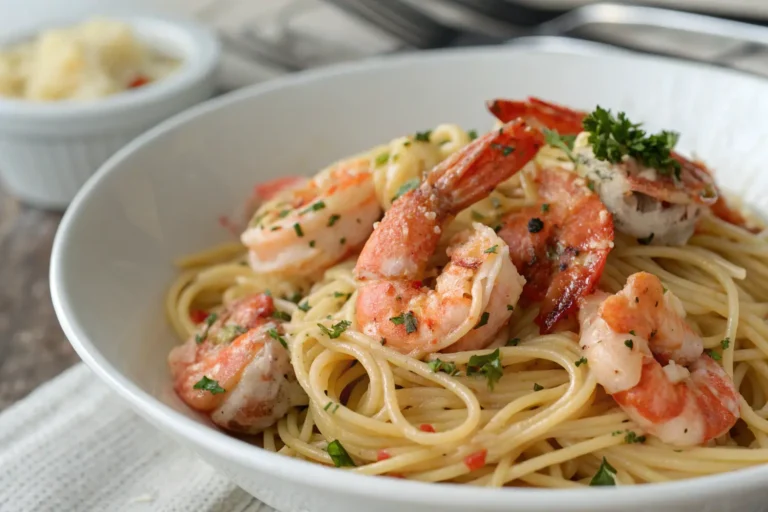
Enhance your basic spaghetti recipe with protein additions that transform it into a heartier meal. Brown 1 pound of ground beef or Italian sausage before making the sauce, then proceed with the recipe as written for a meaty variation. For seafood lovers, add 1 pound of cleaned shrimp during the final 3-4 minutes of cooking for a delicious garlic shrimp spaghetti.
“Here’s your guide to buttermilk ranch dressing recipe which pairs wonderfully with pasta salads made from leftover spaghetti.”
Vegetarians can enjoy protein-rich alternatives by adding 1 cup of rinsed chickpeas or white beans to the sauce. Another excellent option is incorporating 8 ounces of sliced mushrooms, sautéed until golden, which adds a meaty texture and umami flavor to the dish.
Vegetable-Forward Spaghetti Creations
Transform this simple spaghetti recipe into a veggie-packed meal with these colorful additions. Sauté 1 cup each of diced bell peppers, zucchini, and spinach before adding the tomato sauce for a garden-fresh primavera variation. For a roasted vegetable version, toss 2 cups of cherry tomatoes, sliced eggplant, and bell peppers with olive oil and roast at 425°F until caramelized, then add to the finished pasta.
Create a Mediterranean-inspired dish by incorporating ½ cup each of chopped olives, artichoke hearts, and sun-dried tomatoes into the sauce. Alternatively, add 2 cups of roasted butternut squash cubes and sage leaves for a fall-inspired variation that’s both colorful and nutritious.
Global Flavors for Spaghetti Innovation
Take your spaghetti recipe around the world with these internationally-inspired variations. For a Greek twist, add ½ cup each of crumbled feta cheese, chopped Kalamata olives, and fresh diced tomatoes after tossing the pasta with sauce. Create a spicy Arrabiata version by adding 1 teaspoon of red pepper flakes to the garlic oil and incorporating ¼ cup of chopped fresh basil at the end.
For an Asian-inspired fusion, replace the oregano with 1 tablespoon of ginger and add 2 tablespoons of soy sauce plus 1 teaspoon of sesame oil to the finished dish. Alternatively, create a Mexican-inspired variation by adding 1 tablespoon of taco seasoning to the sauce along with ½ cup of corn kernels and black beans, topped with avocado slices and cilantro.
Serving: Perfect Pairings for Your Spaghetti Recipe
Complementary Side Dishes
The right accompaniments elevate your spaghetti recipe into a complete dining experience. A classic Caesar salad with crisp romaine, homemade croutons, and tangy dressing offers refreshing contrast to the warm pasta. Garlic bread made with butter, fresh garlic, and herbs provides the perfect vehicle for soaking up extra sauce.
“Don’t miss our garlic naan recipe as another delicious bread option to serve with pasta.”
For a lighter option, serve a simple arugula salad with lemon vinaigrette, shaved Parmesan, and toasted pine nuts. Roasted vegetables like broccoli, bell peppers, or Brussels sprouts tossed with olive oil and balsamic glaze make nutritious companions that balance the meal. Alternatively, a small cup of Italian wedding soup makes an elegant starter before the main spaghetti course.
Presentation Tips for Impressive Serving
Elevate your spaghetti recipe with thoughtful presentation that delights guests. Serve pasta in warmed, shallow bowls rather than plates to maintain temperature longer and showcase the dish. Use kitchen tongs to create a tall, twisted mound of spaghetti rather than a flat pile for visual appeal and easier eating.
Garnish with strategic elements that add both flavor and visual interest – a few fresh basil leaves, a light dusting of freshly grated Parmesan, or a small drizzle of high-quality olive oil. Consider serving additional sauce and cheese on the side in small bowls so guests can customize to their preferences. For special occasions, place spaghetti in the center of the table family-style in a large, beautiful serving bowl for a convivial dining experience.

FAQs: Everything You Need to Know About Spaghetti Recipes
What are the ingredients used for spaghetti?
Basic spaghetti calls for dried pasta, tomato sauce, olive oil, garlic, salt, pepper, oregano, and Parmesan. You can add extras like meat, vegetables, or fresh herbs for variety.
How to make perfect spaghetti?
Start with boiling salted water and cook the pasta until al dente. In a pan, sauté garlic and herbs in olive oil, then mix with tomato sauce. Toss the pasta in the sauce, letting flavors blend, and finish with grated Parmesan.
What are common mistakes in spaghetti recipes?
Typical errors include overcooking pasta, forgetting to salt the water, adding oil to the pot (which stops sauce from sticking), rinsing pasta, burning garlic, or drowning noodles in too much sauce. Avoiding these ensures better results.
How to make spaghetti sauce taste better?
Sauté onions and garlic first for flavor, simmer with dried herbs, and add fresh herbs just before serving. A pinch of sugar balances acidity, while vinegar, mushrooms, or a Parmesan rind deepen taste. Allow the sauce to simmer so flavors develop fully.
What is the most common sauce for spaghetti?
The classic choice is marinara—tomatoes, garlic, olive oil, and herbs. Other favorites include Bolognese, meat sauce, carbonara, aglio e olio, or creamy Alfredo. Still, tomato-based marinara remains the go-to pairing for spaghetti.
What seasoning do I put in spaghetti?
Salt, black pepper, and oregano are staples. Many cooks add basil, chili flakes, or garlic powder. A sprinkle of fresh parsley or basil before serving gives a fresh, balanced finish.
Conclusion: Mastering the Classic Spaghetti Recipe
Why This Recipe Works Every Time
This spaghetti recipe succeeds consistently because it focuses on fundamental techniques and quality ingredients rather than complicated processes. By properly cooking pasta to al dente perfection and creating a simple garlic-infused sauce, you achieve authentic Italian flavors without hours of work. The recipe’s versatility allows for customization while maintaining its essential character, making it adaptable to various dietary preferences and available ingredients.
“Looking for inspiration? Try our ragu recipe for another classic Italian sauce option.”
Most importantly, this approach to spaghetti emphasizes the pasta itself rather than drowning it in excessive sauce – a principle that honors traditional Italian cooking philosophy. By following these straightforward steps, anyone can create a memorable pasta experience that rivals restaurant quality.
Making This Spaghetti Recipe Your Own
The beauty of this foundational spaghetti recipe lies in its adaptability. Start by mastering the basic version, then gradually introduce variations that reflect your personal taste preferences. Perhaps you’ll discover that adding a particular herb or incorporating a specific protein creates your signature version. Don’t hesitate to experiment with different pasta shapes or sauce consistencies until you find your perfect combination.
Remember that cooking is both science and art – understanding the technical aspects of pasta preparation provides structure, while creative additions express your culinary personality. Share your spaghetti creations with friends and family, gathering feedback and refining your approach over time. Through this process, a simple spaghetti recipe becomes more than just dinner – it becomes part of your cooking identity and personal food story.
PrintClassic Homemade Spaghetti Recipe
A simple yet delicious spaghetti recipe featuring garlic-infused sauce and perfectly cooked pasta ready in under 30 minutes.
- Prep Time: 5 minutes
- Cook Time: 15 minutes
- Total Time: 20 minutes
- Yield: 4 servings 1x
- Category: Dinner
- Cuisine: Italian
Ingredients
- 12 ounces any spaghetti, uncooked
- 15 ounces can tomato sauce, low sodium
- 2 tablespoons olive oil, extra virgin
- 5 large garlic cloves, minced
- 2 1/2 teaspoons salt
- Ground black pepper, to taste
- 2 teaspoons oregano, dried
- Parmesan cheese, grated
Instructions
- Bring large pot of water to boil and add 2 teaspoons salt.
- Add spaghetti and separate strands with tongs during first 2 minutes.
- Cook uncovered for 5 more minutes until al dente, stirring occasionally.
- Drain pasta in colander.
- Return pot to medium heat, add olive oil, 4 garlic cloves and oregano.
- Turn off heat after 20 seconds of constant stirring.
- Add drained pasta, tomato sauce, remaining salt, pepper and 1 garlic clove.
- Stir gently until warmed through.
- Serve with freshly grated Parmesan cheese.
Notes
For a protein boost, add cooked ground beef or turkey. Fresh herbs make excellent garnishes.
Nutrition facts are estimates and may vary based on ingredients used, portion sizes, and preparation methods.
Nutrition
- Serving Size: 4 servings
- Calories: 320
- Sugar: 4g
- Sodium: 980mg
- Fat: 9g
- Saturated Fat: 1.5g
- Trans Fat: 0g
- Carbohydrates: 52g
- Fiber: 3g
- Protein: 9g
- Cholesterol: 0mg
Keywords: spaghetti recipe, pasta recipe, easy dinner, Italian pasta, homemade spaghetti
Let’s connect! Follow me for more Joylicious Recipes: Facebook, Instagram, Pinterest