Thai Red Curry Chicken Bowls | Easy 30-Minute Dinner Recipe
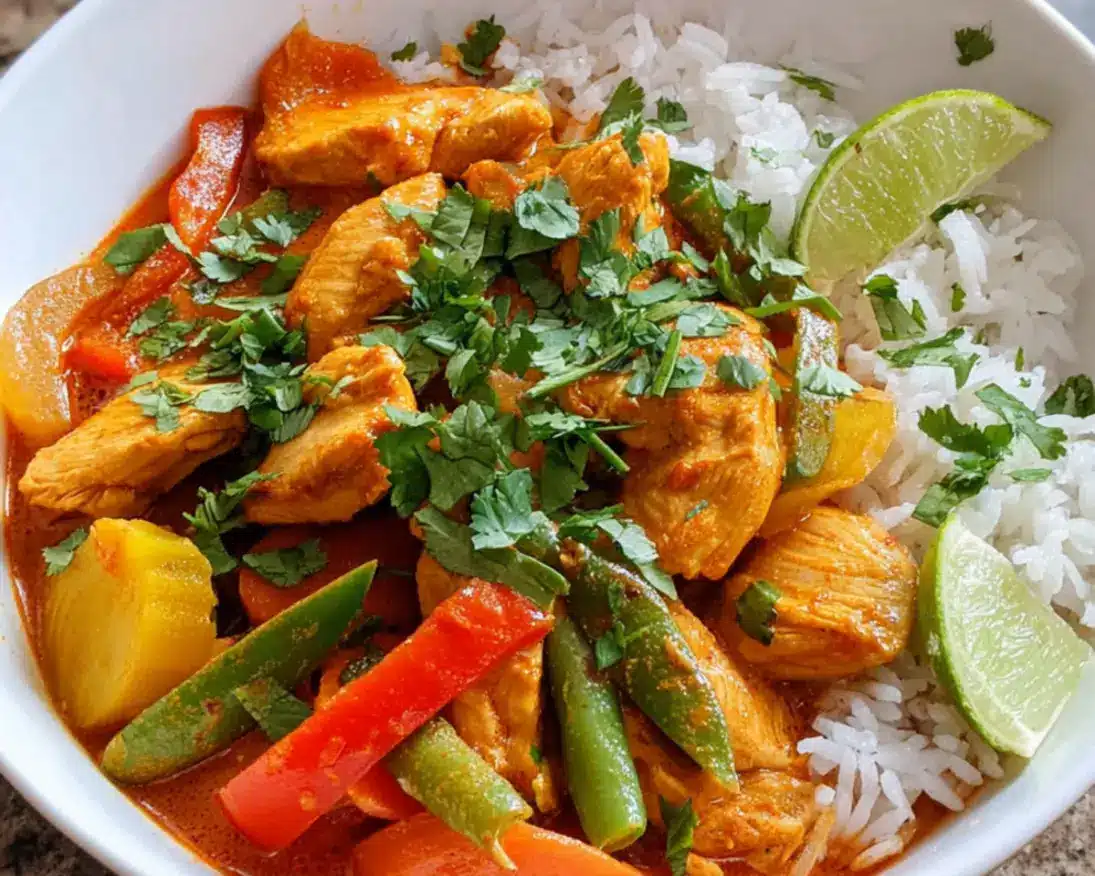
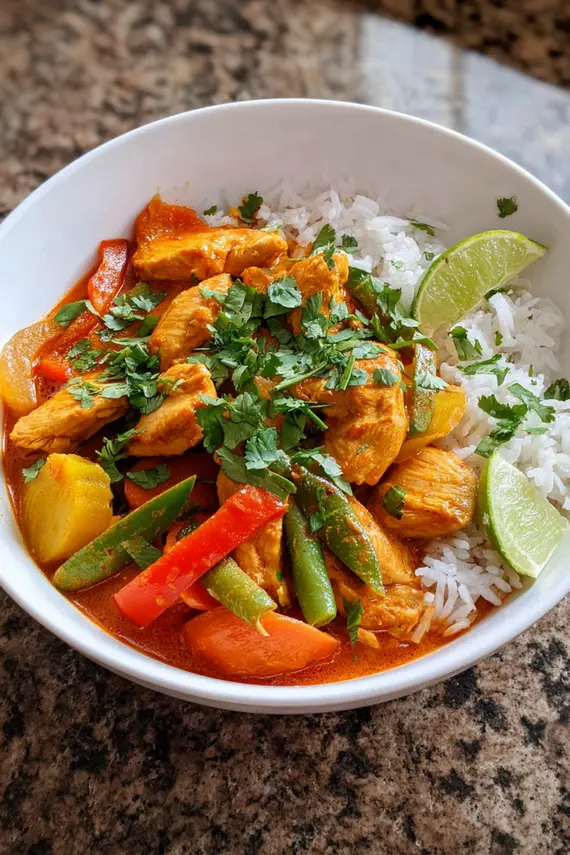
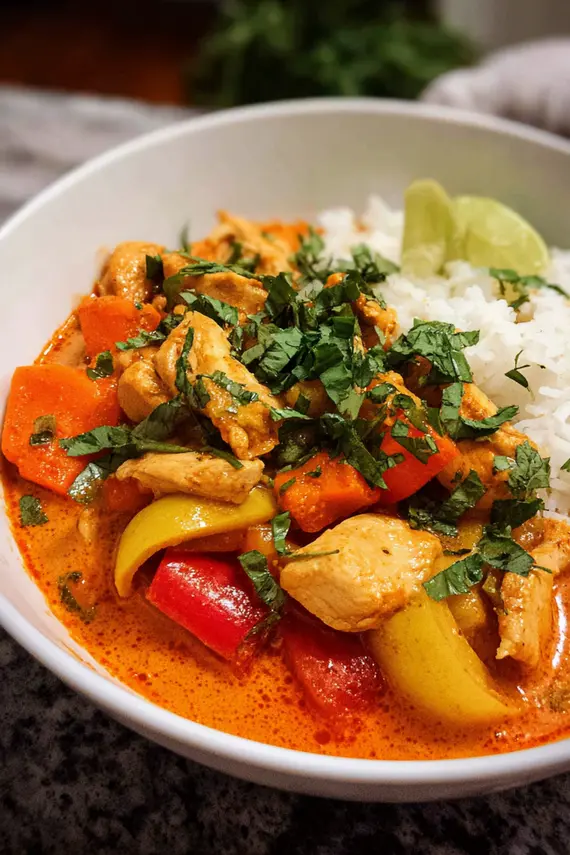
Thai red curry chicken bowls bring the vibrant flavors of Thailand to your dinner table in a convenient, wholesome meal. This comforting dish combines tender chicken, aromatic jasmine rice, and colorful vegetables, all swimming in a rich, creamy red curry sauce made with coconut milk. Perfect for weeknight dinners, these customizable bowls offer a balanced meal that’s both satisfying and packed with nutrients.
What makes these curry bowls special is their perfect balance of spicy, sweet, and tangy flavors that create a harmonious taste experience. The red curry paste provides depth and heat, while coconut milk adds silky richness. Ready in under 30 minutes, this recipe is a fantastic way to enjoy restaurant-quality Thai food at home without the fuss.
Essential Components for Thai-Inspired Curry Bowls
The Perfect Curry Base
The heart of any great Thai red curry chicken bowl lies in its flavorful foundation. Here’s everything you’ll need to create this delicious meal:
| Ingredients | Amount | Notes |
|---|---|---|
| Chicken breast | 1 pound | Thinly sliced for quick cooking |
| Red curry paste | 1 tablespoon | Adjust to taste for heat preference |
| Coconut milk | 1 can (13.5 oz) | Full-fat recommended for richness |
| Jasmine rice | 1 cup | Uncooked (yields approximately 3 cups cooked) |
| Mixed vegetables | 1 cup | Bell peppers, carrots, snap peas |
| Fish sauce | 1 tablespoon | Provides authentic umami flavor |
| Lime juice | 1 tablespoon | Freshly squeezed preferred |
| Fresh cilantro | To taste | For garnish |
Optional Additions
For an even more authentic experience, consider adding:
| Thai basil leaves | 1/4 cup | Adds aromatic flavor |
| Brown sugar | 1 teaspoon | Balances the spice |
| Garlic | 2 cloves, minced | Enhances flavor base |
| Ginger | 1 tablespoon, grated | Adds warming note |
Creating Your Thai Red Curry Masterpiece
Preparing the Perfect Curry Base
- Cook the jasmine rice according to package instructions. Typically, this means rinsing the rice, combining 1 cup rice with 1.5 cups water, bringing to a boil, then reducing to a simmer for 15-18 minutes until tender.
- Heat a large pan or wok over medium-high heat with 1 tablespoon of oil. Add the thinly sliced chicken breast and sauté for 4-5 minutes until lightly browned on the outside and no longer pink in the center.
- Add the red curry paste to the chicken and stir continuously for 30 seconds to release the aromatics. Pour in the coconut milk while stirring to combine, making sure to scrape any bits from the bottom of the pan. Bring the mixture to a gentle simmer.
- Introduce your mixed vegetables to the simmering curry. Allow them to cook for 3-4 minutes until they reach your desired tenderness while still maintaining some crispness.
- Season your curry with fish sauce and fresh lime juice. Taste and adjust the flavors as needed – add more curry paste for heat, fish sauce for saltiness, or a pinch of sugar for sweetness.
- Assemble your bowls by dividing the cooked jasmine rice among serving dishes. Generously spoon the chicken curry mixture over the rice, making sure each bowl gets a good balance of chicken, vegetables, and sauce.
- Finish with fresh garnishes by sprinkling chopped cilantro over each bowl. For extra freshness, add a lime wedge on the side for diners to squeeze over their bowls as desired.
Expert Tips for Perfect Thai Red Curry Chicken Bowls
Maximizing Flavor and Texture
- Toast the curry paste briefly in oil before adding other ingredients to intensify its flavor. “The technique of building flavors by cooking spices first ensures the curry paste releases its full aromatic potential.”
- Use full-fat coconut milk for the creamiest texture and richest flavor. Light versions won’t provide the same luxurious mouthfeel that makes Thai curries so satisfying.
- Don’t overcook your vegetables to maintain some texture and vibrant color. They should be tender-crisp rather than mushy.
- Balance the flavors by tasting as you go. Thai cuisine excels at balancing sweet, salty, sour, and spicy elements in perfect harmony.
- Slice chicken against the grain and uniformly thin for the most tender results and even cooking. “The proper slicing technique for chicken technique offers similar staged-cooking approaches to prevent burning while developing maximum flavor.”
- Let the curry rest for 5 minutes after cooking to allow flavors to meld and deepen before serving.
Smart Storage Solutions for Leftovers
Keeping Your Curry Fresh
Thai red curry chicken bowls make excellent leftovers, as the flavors often deepen overnight. Store the curry and rice separately in airtight containers in the refrigerator for up to 3 days. The separation prevents the rice from absorbing too much liquid and becoming soggy.
“The proper storage method technique offers similar staged-cooking approaches to prevent burning while developing maximum flavor.” When reheating, add a splash of water or coconut milk to the curry to restore its creamy consistency, as it tends to thicken when chilled. Microwave on medium power or gently reheat on the stovetop until just hot to preserve the texture of the vegetables.
For longer storage, you can freeze the curry portion (without rice) in freezer-safe containers for up to 2 months. Thaw overnight in the refrigerator before reheating. Always prepare fresh rice when serving previously frozen curry for the best texture and taste.
Delicious Variations to Try
Customizing Your Curry Experience
One of the joys of Thai red curry chicken bowls is their versatility. Here are some fantastic variations to keep this dish exciting:
Protein Swap: Replace chicken with tofu, shrimp, or thinly sliced beef for a completely different experience. “The protein substitution approach technique offers similar staged-cooking approaches to prevent burning while developing maximum flavor.”
Veggie Medley: Experiment with different vegetable combinations like baby corn, bamboo shoots, eggplant, or Thai eggplant for authentic variations. Seasonal vegetables always work well in this flexible recipe.
Grain Alternatives: Serve your curry over cauliflower rice for a low-carb option, or try brown rice or quinoa for added nutrition and a nuttier flavor profile.
Heat Level: Adjust the spiciness by varying the amount of curry paste or adding fresh Thai chilies. For a milder version that kids will enjoy, reduce the curry paste and add a touch more coconut milk.
Green Curry Version: Substitute green curry paste for the red to create Thai green curry chicken bowls with a fresher, herbaceous profile that pairs beautifully with seafood. “The flavor variation method technique offers similar staged-cooking approaches to prevent burning while developing maximum flavor.”
Serving Suggestions for a Complete Meal
Elevating Your Thai Dining Experience
Transform your Thai red curry chicken bowls into a complete feast with these complementary serving ideas:
Fresh Toppings Bar: Create a DIY topping station with lime wedges, bean sprouts, sliced jalapeños, crushed peanuts, and extra cilantro for everyone to customize their bowls.
Starter Soup: Begin your meal with a small cup of Tom Kha (coconut soup) for an authentic Thai restaurant experience.
Side Salad: Pair with a light cucumber salad dressed with rice vinegar and a touch of sugar for a refreshing contrast to the rich curry. This orange-ginger dressing also makes a wonderful accompaniment to Thai dishes.
Appetizer Plate: Serve with a small side of fresh spring rolls for a satisfying start to your meal. “The balanced meal approach technique offers similar staged-cooking approaches to prevent burning while developing maximum flavor.”
Sweet Finale: Finish your Thai feast with mango sticky rice or coconut ice cream for a traditional dessert that perfectly complements the meal’s flavors.
Your Thai Red Curry Questions Answered
FAQ
What can I substitute for fish sauce if I’m vegetarian?
For a vegetarian alternative to fish sauce, use soy sauce mixed with a tiny bit of rice vinegar. The ratio should be about 3 parts soy sauce to 1 part rice vinegar. You can also find vegetarian “fish sauce” made from seaweed at many Asian grocery stores, which provides a similar umami flavor without the fish.
Why is my curry watery instead of thick and creamy?
Watery curry usually happens when using light coconut milk or not simmering long enough. For a thicker curry, use full-fat coconut milk and allow it to simmer uncovered for a few extra minutes. You can also create a cornstarch slurry (1 teaspoon cornstarch mixed with 1 tablespoon water) and stir it into the simmering curry to thicken it without affecting the flavor.
Is red curry paste very spicy?
The spice level of red curry paste varies by brand, but it’s generally moderately spicy. Thai Kitchen brand, commonly found in U.S. supermarkets, is relatively mild compared to authentic Thai brands like Mae Ploy or Maesri. Start with a smaller amount (1-2 teaspoons) if you’re sensitive to heat, then add more to taste after tasting the curry with coconut milk, which helps temper the spiciness.
Embracing Thai Flavors at Home
The Joy of Homemade Curry
Creating thai red curry chicken bowls at home opens the door to a world of vibrant flavors that can be customized exactly to your taste preferences. This versatile dish proves that authentic-tasting Thai cuisine doesn’t require complicated techniques or hard-to-find ingredients. With the perfect balance of creamy coconut milk, aromatic spices, and fresh vegetables, you can enjoy a restaurant-quality meal any night of the week.
Whether you’re cooking for family on a busy weeknight or hosting friends for a casual dinner party, these colorful and flavorful bowls are sure to impress. The combination of tender chicken, fragrant jasmine rice, and that irresistible red curry sauce creates a satisfying meal that nourishes both body and soul. So grab your wok or favorite pan, and bring the delicious tastes of Thailand to your dinner table tonight!
Thai Red Curry Chicken Bowls
Thai red curry chicken bowls bring the vibrant flavors of Thailand to your dinner table in a convenient, wholesome meal. This comforting dish combines tender chicken, aromatic jasmine rice, and colorful vegetables, all swimming in a rich, creamy red curry sauce made with coconut milk. Perfect for weeknight dinners, these customizable bowls offer a balanced meal that’s both satisfying and packed with nutrients.
Category: Dinner
Cuisine: Thai
Calories: 450 kcal
Ingredients
- 1 pound chicken breast, thinly sliced
- 1 tablespoon red curry paste
- 1 can (13.5 oz) coconut milk
- 1 cup jasmine rice
- 1 cup mixed vegetables (bell peppers, carrots, snap peas)
- 1 tablespoon fish sauce
- 1 tablespoon lime juice
- Fresh cilantro for garnish
Equipment
- Mixing Bowl
- Measuring Cups
- Cooking Tool
Instructions
- Cook jasmine rice according to package instructions.
- Heat a large pan over medium-high heat, add oil and sauté chicken until browned (4-5 minutes).
- Add red curry paste and stir for 30 seconds, then pour in coconut milk while stirring.
- Bring mixture to a gentle simmer.
- Add mixed vegetables and cook for 3-4 minutes until tender-crisp.
- Season with fish sauce and lime juice, adjusting flavor as needed.
- Divide rice into bowls, top with chicken curry mixture, and garnish with cilantro.
Notes
- Use full-fat coconut milk for the creamiest results. For extra flavor, add 1-2 cloves of minced garlic and 1 tablespoon freshly grated ginger when cooking the chicken. The spice level can be adjusted by increasing or decreasing the amount of red curry paste.
Let’s connect! Follow me for more Joylicious Recipes: Facebook, Instagram, Pinterest