
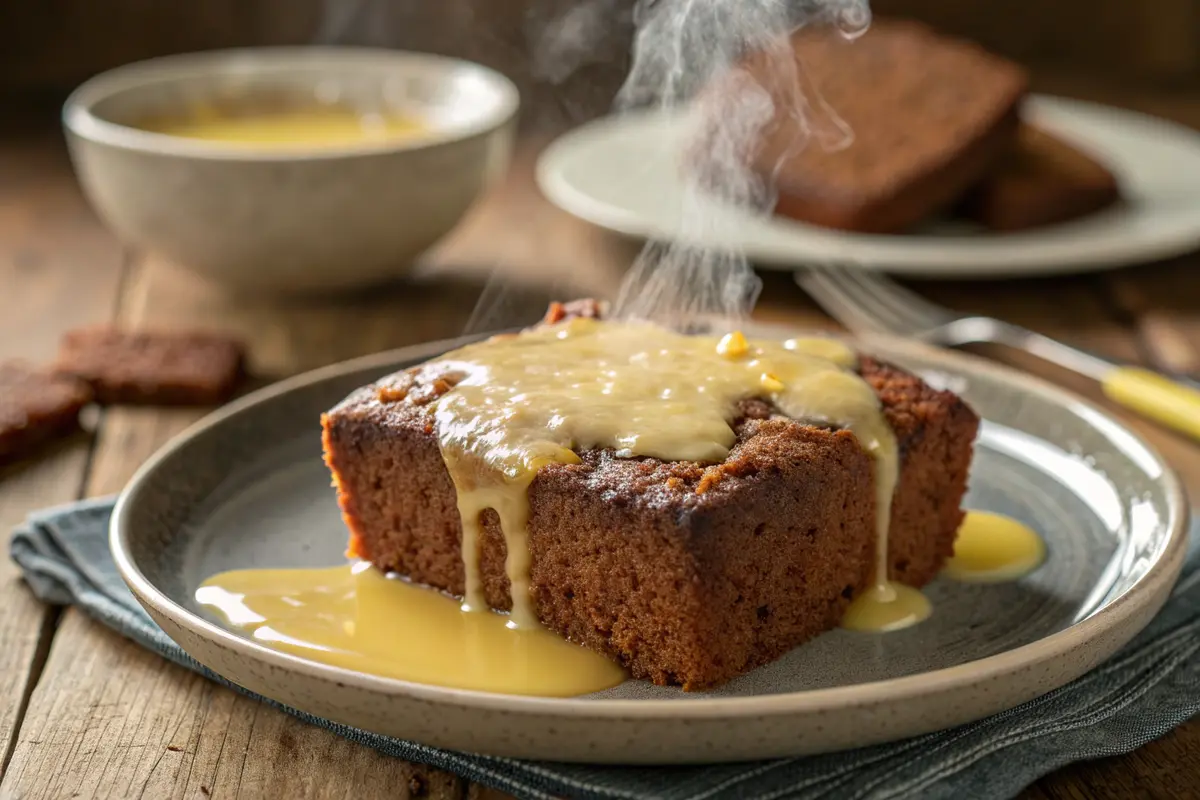
Embracing Warm Gingerbread Cake Lemon Sauce: A Cozy Treat for Any Season
The Perfect Balance of Spice and Citrus
Warm gingerbread cake lemon sauce brings together the comforting embrace of spiced cake and the bright, tangy notes of citrus in one irresistible dessert. This classic combination delivers a moist, tender crumb infused with aromatic ginger, cinnamon, and cloves, all balanced perfectly by a silky, vibrant lemon sauce that cuts through the richness with its refreshing acidity. “The Strawberry Shortcake Cupcakes offer a similar delightful contrast of flavors, though with a summery fruit twist instead of warm spices.”
This versatile dessert shines during holiday gatherings when spiced treats are most welcome, but it’s equally delightful served warm on a rainy spring afternoon or as an unexpected treat during summer when paired with fresh berries. Serve it at family dinners, potlucks, or special celebrations when you want a dessert that feels both comforting and elegant without requiring hours of preparation.
The Magic Behind This Spiced Holiday Delight: Essential Ingredients
Foundation Components for Success
Every outstanding gingerbread cake begins with quality ingredients that work together to create that distinctive warm, spiced flavor profile. The following table outlines everything you’ll need to create both the cake and its complementary lemon sauce:
| For the Gingerbread Cake | |
|---|---|
| 2 cups all-purpose flour | Creates the structure of the cake |
| 1 tsp baking soda | Leavening agent for a tender crumb |
| 1 tsp ground ginger | Provides the signature spice flavor |
| 1 tsp ground cinnamon | Adds warmth and complexity |
| ¼ tsp ground cloves | Offers depth and aromatic notes |
| ½ tsp salt | Balances and enhances flavors |
| ½ cup unsalted butter, softened | Creates richness and tender texture |
| ¾ cup brown sugar | Adds moisture and caramel notes |
| 1 large egg | Provides structure and binding |
| ½ cup molasses | The essential gingerbread flavor component |
| ¾ cup milk | Creates moisture and proper batter consistency |
| 1 tbsp freshly grated ginger (optional) | Intensifies the ginger flavor |
| ½ tsp nutmeg (optional) | Adds additional warmth and spice complexity |
| For the Lemon Sauce | |
| 1 tbsp lemon zest | Provides concentrated citrus oils and flavor |
| 2 tbsp fresh lemon juice | Adds bright acidity to balance the sweet cake |
| ¼ cup powdered sugar | Creates sweetness and smooth texture |
| 1 tbsp butter | Adds richness and silky texture |
| ¼ cup heavy cream (optional) | Creates a more luxurious, pourable sauce |
| ½ tsp vanilla extract (optional) | Enhances the flavor profile |
| Pinch of salt (optional) | Balances sweetness and enhances lemon flavor |
“The Oatmeal Raisin Cookie Recipe uses similar warming spices like cinnamon, though in a different format than our spiced gingerbread cake.”
Ingredient Quality Considerations
For the most flavorful gingerbread cake, prioritize fresh spices over those that have been sitting in your pantry for years. Ground spices lose their potency over time, so if your cinnamon or ginger has been around for more than a year, consider replacing it. Additionally, using unsulphured molasses will give you a cleaner, more traditional gingerbread flavor compared to blackstrap varieties, which can be somewhat bitter and overpowering.
When it comes to the lemon sauce, fresh lemons are non-negotiable. The vibrant flavor of freshly squeezed juice and just-grated zest simply cannot be matched by bottled alternatives. The brightness of fresh citrus creates the perfect counterpoint to the deep, warm spices in the cake.
Creating Your Perfect Holiday Spice Cake: Step-by-Step Instructions
Preparation and Baking Process
Following these detailed instructions will help you achieve a perfectly moist gingerbread cake with a delightful lemon sauce that will have everyone asking for seconds:
- Prepare your oven and pan: Preheat oven to 350°F (175°C) and thoroughly grease a 9-inch springform pan. For extra insurance against sticking, line the bottom with parchment paper and grease the paper.
- Combine dry ingredients: In a medium bowl, whisk together flour, baking soda, ground ginger, cinnamon, cloves, and salt until well combined and no lumps remain. This ensures even distribution of spices and leavening agents.
- Cream butter and sugar: In a large bowl using an electric mixer, beat softened butter and brown sugar on medium-high speed for 3-4 minutes until the mixture becomes light and fluffy. This incorporates air for a lighter texture.
- Add wet ingredients: Beat in the egg until fully incorporated. Add molasses and mix until smooth. The batter may look slightly curdled at this point, which is normal. Pour in the milk gradually while mixing on low speed until combined.
- Incorporate citrus elements: Gently stir in the lemon zest and 1 tablespoon of lemon juice (saving the rest for the sauce). These additions provide subtle brightness that enhances the spice notes.
- Combine wet and dry mixtures: Gradually add the dry ingredients to the wet mixture, folding gently with a spatula just until combined. Avoid overmixing, which can develop gluten and result in a tough cake. Stop when no dry streaks remain.
- Bake the cake: Pour the batter into your prepared pan, smoothing the top with a spatula. Bake for 35-40 minutes, or until a toothpick inserted in the center comes out clean with just a few moist crumbs. The cake should spring back when lightly touched.
- Begin cooling process: Place the cake pan on a wire rack and allow it to cool for 10 minutes before removing the springform ring. This initial cooling period helps the cake set properly.
- Prepare the lemon sauce: While the cake cools, make your sauce by combining the remaining lemon juice, powdered sugar, and butter in a small saucepan over low heat. Stir constantly until the butter melts and the mixture becomes smooth, about 2-3 minutes. For a creamier sauce, add the optional heavy cream and simmer gently for another minute.
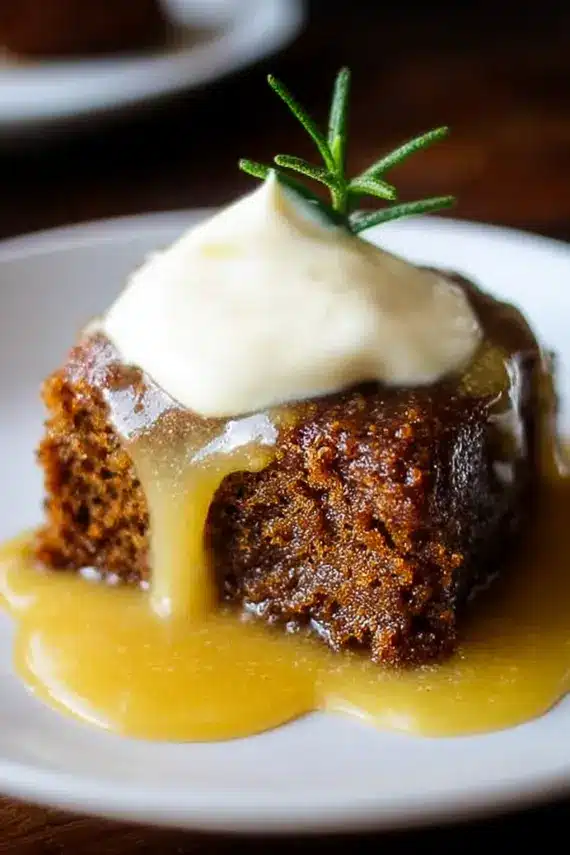
- Serve and enjoy: When ready to serve, drizzle the warm lemon sauce generously over individual slices of the gingerbread cake. The warm cake with the tangy sauce creates a perfect balance of flavors and temperatures.
“The Banana Chocolate Chip Cookies utilize a similar creaming method for the butter and sugar, which creates that ideal soft texture we’re also achieving in our gingerbread cake.”
Mastering Your Moist Gingerbread Dessert: Expert Recommendations
Professional Techniques for Perfect Results
Follow these expert tips to elevate your gingerbread cake with lemon sauce from good to absolutely exceptional:
- Room temperature ingredients matter – Allow butter, eggs, and milk to come to room temperature before beginning. This ensures proper emulsification and a more uniform batter.
- Don’t rush the creaming stage – The butter-sugar creaming process is crucial for a light, tender cake. Beat for a full 3-4 minutes until genuinely fluffy and lighter in color.
- Measure molasses with care – Spray your measuring cup with cooking spray before pouring in molasses. This helps it release completely without sticking, ensuring accurate measurement.
- Check your spice potency – If your ground spices have been in the pantry for over a year, they’ve likely lost potency. Consider replacing them or increasing the amounts slightly to compensate.
- The toothpick test isn’t foolproof – In addition to the toothpick test, press the center of the cake gently with your finger. If it springs back completely, it’s done. If it leaves an indentation, give it a few more minutes.
- Double the sauce – The lemon sauce is often the highlight for many. Consider making a double batch so guests can add extra to their servings according to taste.
- Let the cake rest before slicing – While warm cake is delicious, allowing it to rest for 15-20 minutes after removing from the oven helps the texture set properly for cleaner slices.
“The Macaroni and Cheese Recipe similarly benefits from careful temperature control of ingredients, which is a technique that applies to our gingerbread cake for optimal texture.”
Troubleshooting Common Issues
Even experienced bakers encounter challenges. Here are solutions to common gingerbread cake problems:
If your cake sinks in the middle, the most likely culprit is underbaking or opening the oven door too early in the baking process. Ensure your oven is properly preheated and resist the urge to peek before at least 25 minutes have passed.
For a sauce that’s too thin, continue simmering for a few additional minutes to reduce further. If it’s too thick, add a tablespoon of water or lemon juice to reach your desired consistency. Remember that the sauce will thicken slightly as it cools.
Preserving Your Spiced Holiday Creation: Proper Storage Methods
Keeping Your Cake Fresh for Days
Proper storage ensures you can enjoy your warm gingerbread cake with lemon sauce for several days after baking. Here’s how to maintain optimal freshness:
The unfrosted gingerbread cake will stay fresh at room temperature for up to 3 days when stored in an airtight container. Place a piece of parchment paper between layers if stacking slices. The cake actually improves with a day of rest as the flavors meld and intensify, making it an excellent make-ahead dessert option.
For longer storage, refrigerate the cake for up to a week. While refrigeration can sometimes dry out cakes, gingerbread’s high moisture content from molasses makes it remarkably resilient to refrigerator storage. Just be sure to wrap it tightly in plastic wrap first, then place in an airtight container.
The lemon sauce should always be stored separately from the cake in a sealed container in the refrigerator, where it will keep for up to 5 days. When ready to serve, gently reheat the sauce in a small saucepan over low heat or in the microwave in 15-second intervals, stirring between each, until just warm and pourable.
“The Roasted Sweet Potatoes with Honey and Cinnamon recipe shares similar warming spices that maintain their flavor well during storage, just like our gingerbread cake does.”
Freezing for Future Enjoyment
This gingerbread cake freezes beautifully for up to 3 months. For best results, cool the cake completely, then wrap it tightly in a double layer of plastic wrap followed by aluminum foil or place in a freezer-safe container.
Thaw the frozen cake overnight in the refrigerator, then bring to room temperature before serving. To recreate that fresh-baked experience, warm individual slices briefly in the microwave for about 15-20 seconds before topping with the lemon sauce.
The lemon sauce can also be frozen in an airtight container for up to 1 month. Thaw overnight in the refrigerator and gently reheat, whisking to recombine any separated ingredients.
Delicious Twists on Your Gingerbread Cake Recipe: Creative Alternatives
Seasonal and Dietary Adaptations
The classic warm gingerbread cake with lemon sauce provides an excellent foundation for creative variations to suit different tastes, occasions, or dietary needs:
Citrus Medley Version: Replace the lemon zest and juice with a combination of orange and lime for a more complex citrus profile. The orange adds sweetness while the lime maintains the bright acidity that balances the rich cake so beautifully.
Maple Gingerbread: Substitute pure maple syrup for half of the molasses to create a more delicate flavor profile with subtle woodsy notes. Pair this version with the standard lemon sauce or try a maple cream drizzle instead for a fully transformed dessert experience.
Gluten-Free Adaptation: Create a gluten-free version by replacing the all-purpose flour with a high-quality 1:1 gluten-free baking blend. Add 1/4 teaspoon of xanthan gum if your blend doesn’t already include it to help maintain proper structure and texture.
Vegan Gingerbread: Transform this into a plant-based treat by using plant butter, a flax egg (1 tablespoon ground flaxseed mixed with 3 tablespoons water), and your favorite non-dairy milk. For the sauce, use coconut cream and plant butter for a dairy-free alternative that maintains that luxurious mouthfeel.
Pear and Ginger Upside-Down Cake: Arrange thinly sliced pears in a pattern at the bottom of your cake pan with a sprinkle of brown sugar before adding the batter. After baking, flip the cake to reveal a beautiful fruit topping that pairs perfectly with the spiced cake and citrus sauce.
Chocolate-Ginger Marble Cake: Divide the batter in half and add 3 tablespoons of cocoa powder to one portion. Alternate spoonfuls of each batter in the pan and gently swirl with a knife for a dramatic marbled effect that combines the beloved flavors of chocolate and ginger.
Innovative Serving Suggestions
Beyond these variations to the core recipe, consider these creative serving ideas to keep the dessert feeling fresh and exciting:
Layer cubes of gingerbread with the lemon sauce and whipped cream in clear glasses for an elegant gingerbread trifle that showcases the beautiful contrast of colors and textures.
Use a cookie cutter to create gingerbread rounds, then top with a scoop of vanilla ice cream and warm lemon sauce for an elevated gingerbread sundae that’s perfect for special occasions.
Presenting Your Warm Spiced Dessert: Serving Ideas for Every Occasion
Perfect Pairings and Presentation
Elevate your warm gingerbread cake with lemon sauce from a simple dessert to a memorable finale with these thoughtful serving suggestions:
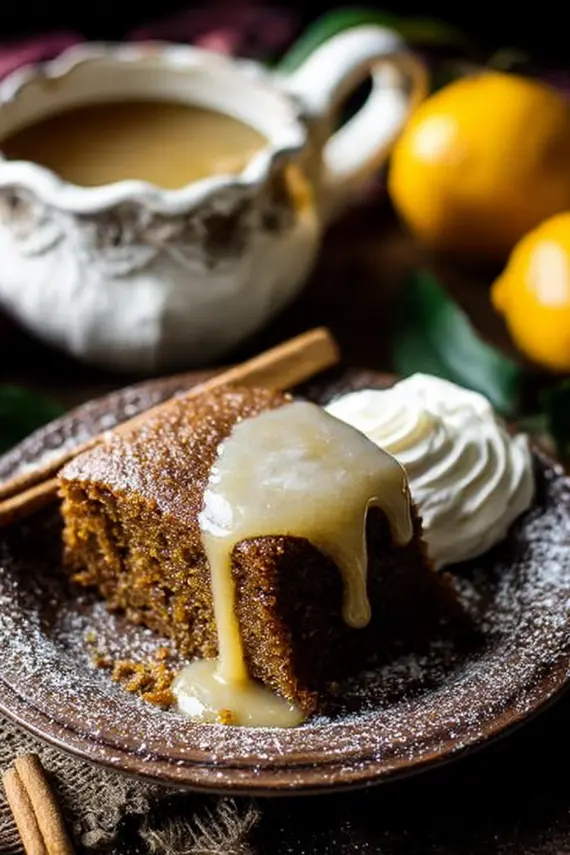
Holiday Celebration Centerpiece: During the festive season, serve the cake on a decorative platter surrounded by fresh cranberries and sprigs of rosemary. Dust the plate with a light snow of powdered sugar and serve the warm lemon sauce in a small pitcher alongside, allowing guests to add as much or as little as they prefer.
Cozy Winter Dessert: For intimate gatherings, serve individual slices slightly warmed, each topped with a dollop of freshly whipped cream and a candied ginger garnish. The heat from the cake will slightly melt the cream, creating a luxurious sauce-like effect that complements the lemon drizzle beautifully.
Springtime Brunch Feature: Transform this traditionally wintry dessert into a spring offering by serving it with a side of fresh berries—strawberries and blueberries work particularly well—and a light dusting of powdered sugar. The bright berries echo the freshness of the lemon sauce while adding visual appeal.
Elegant Dinner Party Dessert: Create a sophisticated presentation by cutting the cake into precise squares, plating each with an artistic drizzle of lemon sauce, and adding a small quenelle of mascarpone cream. A delicate Japanese ginger twist can be used as a garnish to hint at the flavors within.
Family-Friendly Dessert Bar: Set up a gingerbread cake station with the warm cake as the centerpiece, surrounded by bowls of toppings such as the lemon sauce, whipped cream, toasted pecans, and fresh berries. This interactive approach is perfect for family gatherings where everyone can customize their own slice.
Weekday Treat: For a simpler everyday presentation, serve slices of room-temperature cake with the warmed sauce drizzled over top and a light dusting of cinnamon for an extra touch of warmth and aroma.
Portion Sizing and Accompaniments
A 9-inch gingerbread cake typically serves 8-10 people. For formal occasions, smaller slices paired with complementary elements create a more refined presentation. For casual gatherings, more generous portions will satisfy heartier dessert appetites.
Consider serving this dessert with beverages that complement its flavors: spiced chai tea mirrors the cake’s warm spices, while a bright citrus tea echoes the lemon sauce. For coffee lovers, a medium-roast coffee balances the cake’s sweetness without overwhelming its delicate spice notes.
Addressing Common Questions About Gingerbread Cake and Lemon Sauce
Expert Answers to Your Baking Concerns
Can I make this gingerbread cake without molasses?
While molasses provides the characteristic flavor and moisture in traditional gingerbread, you can substitute it with dark corn syrup mixed with a tablespoon of brown sugar for a similar consistency and sweetness. The flavor will be milder and less complex, but still delicious. Another option is using a combination of honey and maple syrup (equal parts of each to make 1/2 cup), which will create a lighter-colored cake with a different but equally appealing flavor profile.
Why did my lemon sauce separate or become grainy?
Separation or graininess typically occurs when the sauce is heated too quickly or to too high a temperature. To fix a separated sauce, remove it from heat immediately and whisk vigorously until smooth. If it remains grainy, try adding a teaspoon of boiling water while whisking continuously. For prevention, always use low heat and stir constantly during preparation. Adding a tiny pinch of salt can also help stabilize the emulsion of butter and lemon juice.
How can I enhance the ginger flavor if I want a more pronounced spice profile?
For a more intense ginger flavor, incorporate multiple forms of ginger into your cake. Add 1-2 tablespoons of finely grated fresh ginger along with the ground ginger called for in the recipe. You can also add 2-3 tablespoons of finely chopped crystallized ginger to the batter for bursts of concentrated flavor and slight chewiness. Another approach is to steep 1/4 cup of fresh ginger slices in your milk before using it in the recipe—just strain before adding to the batter and allow the milk to cool to room temperature first.
Final Thoughts: Why This Warm Gingerbread Cake with Lemon Sauce Deserves a Spot in Your Recipe Collection
The Perfect Balance of Tradition and Innovation
Warm gingerbread cake with lemon sauce represents the perfect marriage of comforting tradition and bright innovation. The deep, complex flavors of the spiced cake provide a familiar warmth that feels like coming home, while the vibrant lemon sauce adds an unexpected twist that elevates the entire dessert experience. This balance makes it both nostalgic and exciting—a rare combination in the world of desserts.
What makes this recipe truly special is its versatility across seasons and occasions. While many associate gingerbread with winter holidays, this version’s lemony brightness makes it appropriate year-round. The contrast between the moist, dark cake and the sunny sauce creates a dessert that feels both grounding and uplifting—perfect for concluding any meal with a memorable sweet note.
“The Crispy Air Fryer Parmesan Crusted Chicken demonstrates how contrasting textures create memorable dishes, much like the soft cake and silky sauce in our gingerbread dessert.”
I encourage you to bring this warm gingerbread cake with lemon sauce into your kitchen not just during holiday seasons but whenever you crave a dessert that offers depth, brightness, and pure comfort in each bite. Make it once, and I’m confident it will become a cherished recipe you’ll return to time and again, perhaps creating your own family tradition in the process.
PrintWarm Gingerbread Cake with Lemon Sauce

- A perfectly spiced gingerbread cake with a bright, tangy lemon sauce that creates the ultimate balance of flavors.
- Moist, tender crumb meets silky citrus in this comforting yet refreshing dessert.
- Perfect for holiday gatherings or anytime you crave warming spices with a hint of sunshine.
- Prep Time: 20
- Cook Time: 40
- Total Time: 1 hour
- Yield: 8 servings 1x
- Category: Dessert
- Method: Baking
- Cuisine: American
Ingredients
- 2 cups all-purpose flour
- 1 tsp baking soda
- 1 tsp ground ginger
- 1 tsp ground cinnamon
- ¼ tsp ground cloves
- ½ tsp salt
- ½ cup unsalted butter, softened
- ¾ cup brown sugar, packed
- 1 large egg, at room temperature
- ½ cup molasses (not blackstrap)
- ¾ cup milk, at room temperature
- 1 tbsp freshly grated ginger (optional)
- ½ tsp nutmeg (optional)
- For the Lemon Sauce:
- 1 tbsp lemon zest
- 2 tbsp fresh lemon juice
- ¼ cup powdered sugar
- 1 tbsp butter
- ¼ cup heavy cream (optional)
- ½ tsp vanilla extract (optional)
- Pinch of salt (optional)
Instructions
- Preheat oven to 350°F (175°C) and grease a 9-inch springform pan. Line bottom with parchment paper for easier removal.
- In a medium bowl, whisk together flour, baking soda, ground ginger, cinnamon, cloves, and salt until well combined.
- In a large bowl using an electric mixer, beat softened butter and brown sugar on medium-high speed for 3-4 minutes until light and fluffy.
- Beat in the egg until incorporated, then add molasses and mix until smooth. Gradually add milk while mixing on low speed.
- Stir in lemon zest and 1 tablespoon of lemon juice, reserving the rest for the sauce.
- Gradually add the dry ingredients to the wet mixture, folding gently just until combined. Do not overmix.
- Pour batter into prepared pan and smooth the top. Bake for 35-40 minutes, or until a toothpick inserted in the center comes out clean.
- Let the cake cool in the pan for 10 minutes, then remove the springform ring and cool on a wire rack.
- While the cake cools, prepare the lemon sauce by combining remaining lemon juice, powdered sugar, and butter in a small saucepan over low heat.
- Stir constantly until butter melts and mixture becomes smooth, about 2-3 minutes. For a creamier sauce, add optional heavy cream.
- Serve cake warm or at room temperature with warm lemon sauce drizzled over each slice.
Notes
- For the most flavorful cake, make sure your spices are fresh – replace any that have been in your pantry over a year.
- This cake actually improves with time as flavors meld, making it perfect to prepare a day ahead.
- The sauce can be made up to 3 days in advance and gently reheated before serving.
- Nutrition facts are estimates and may vary based on ingredients used, portion sizes, and preparation methods.
Nutrition
- Serving Size: 1 slice
- Calories: 345
- Sugar: 28
- Sodium: 235
- Fat: 14
- Saturated Fat: 8
- Unsaturated Fat: 5
- Carbohydrates: 52
- Fiber: 1
- Protein: 4
- Cholesterol: 55
Keywords: warm gingerbread cake lemon sauce, gingerbread cake recipe, lemon sauce for cake, spiced holiday cake, moist gingerbread dessert
Let’s connect! Follow me for more Joylicious Recipes: Facebook, Instagram, Pinterest