The Secret to Perfect Homemade Alfredo Sauce Every Time
Why This Creamy Masterpiece Deserves a Place in Your Recipe Collection
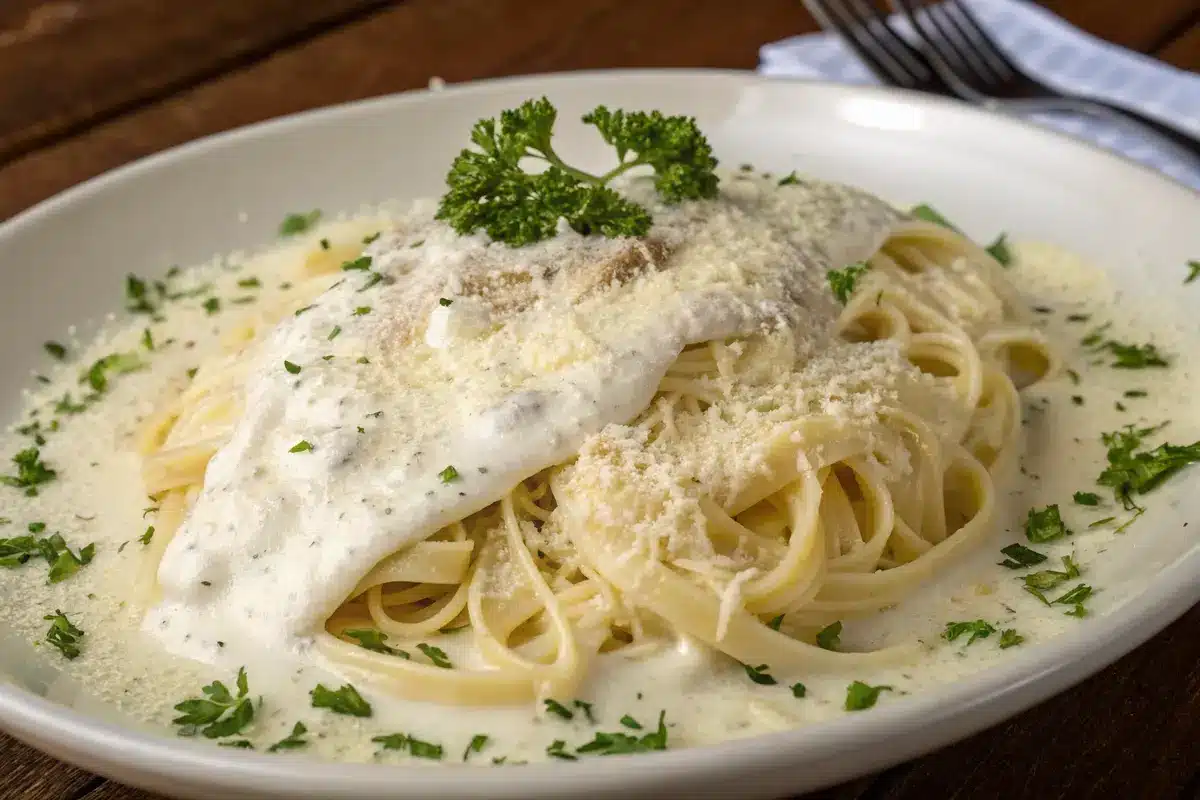
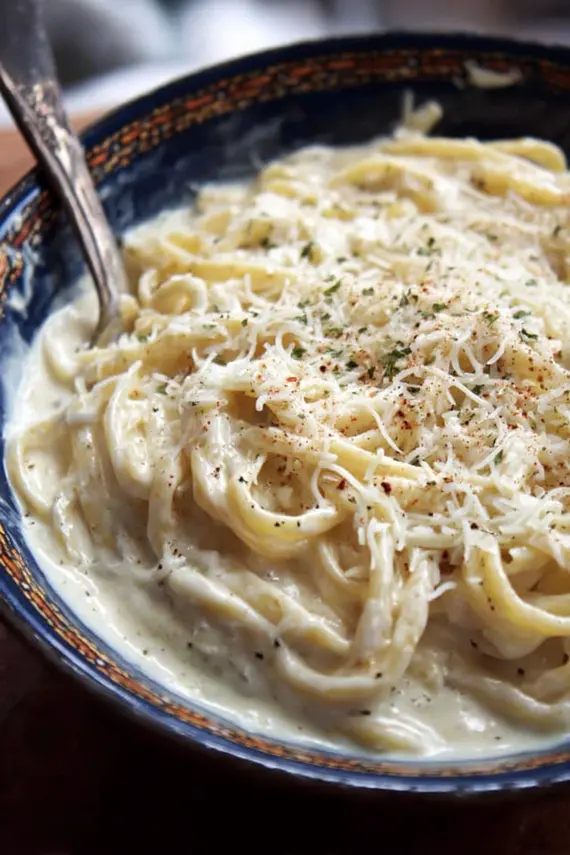
Alfredo sauce transforms ordinary pasta into an extraordinary dining experience with its velvety texture and rich, cheesy flavor profile. This classic Italian cream sauce combines simple ingredients—butter, cream, and Parmesan cheese—to create something truly magical that coats pasta with silky perfection. Unlike store-bought versions loaded with preservatives and artificial ingredients, homemade alfredo sauce delivers authentic taste with pronounced garlic notes and the nutty depth of freshly grated Parmesan.
“The fettuccine alfredo recipe brings together this luxurious sauce with the perfect pasta shape for an authentic Italian dining experience.”
This versatile sauce works beautifully for weeknight family dinners, date nights at home, or elegant entertaining. Serve it classically over fettuccine pasta, or get creative by using it as a base for creamy chicken dishes, vegetable gratins, or even as a pizza sauce alternative. The beauty of making alfredo from scratch is that you control the consistency, flavor intensity, and richness—allowing you to customize it perfectly to your preference.
Essential Ingredients for Luxurious Alfredo Perfection
The Foundation of Authentic Italian Cream Sauce
Creating restaurant-quality alfredo sauce at home requires surprisingly few ingredients, but selecting the right ones makes all the difference in achieving that signature silky texture and rich flavor. “The chicken alfredo recipe demonstrates how perfectly this sauce pairs with protein for a complete and satisfying meal.”
| Core Ingredients | Quantity | Notes |
|---|---|---|
| Heavy cream | 1 cup | Full-fat for the richest texture; avoid substituting with half-and-half |
| Parmesan cheese, freshly grated | ½ cup | Use Parmigiano-Reggiano for authentic flavor; pre-grated cheese contains anti-caking agents that prevent smooth melting |
| Unsalted butter | 2 tablespoons | European-style butter has higher butterfat content for extra richness |
| Fresh garlic, minced | 2 cloves | Freshly minced provides more pronounced flavor than jarred alternatives |
| Salt | ¼ teaspoon | Fine sea salt works best; adjust to taste |
| Black pepper, freshly ground | ¼ teaspoon | Freshly ground delivers more vibrant flavor |
| Ground nutmeg (optional) | Pinch | Traditional Italian addition that adds subtle warmth |
Flavor-Enhancing Additions
| Optional Add-ins | Quantity | Purpose |
|---|---|---|
| Romano cheese, grated | 2 tablespoons | Adds a sharper, more complex cheese profile |
| Heavy cream cheese | 2 tablespoons | Creates extra stability and creaminess |
| Fresh herbs (thyme, sage, basil) | 1-2 teaspoons, chopped | Introduces aromatic freshness |
| Lemon zest | ½ teaspoon | Brightens the richness with subtle citrus notes |
| Roasted garlic | 1 whole head, mashed | Offers a sweeter, more mellow garlic flavor |
| White pepper | ⅛ teaspoon | Provides heat without visible specks |
| Reserved pasta water | ¼ cup | Helps thin sauce while adding starch for better adhesion to pasta |
Crafting the Perfect Parmesan Cream Sauce Step-by-Step
Master Techniques for Silky-Smooth Consistency
Follow these detailed instructions to create a velvety alfredo sauce that rivals any upscale Italian restaurant. Each step builds flavor while ensuring the perfect consistency.
- Prepare your workspace: Before starting, measure all ingredients and have them ready. Grate the Parmesan cheese fresh, as pre-grated versions contain anti-caking agents that can make your sauce grainy.
- Melt butter gently: In a medium saucepan over medium heat, melt the unsalted butter until it begins to bubble slightly but doesn’t brown. This should take about 1-2 minutes. The butter provides the foundation of richness for your sauce.
- Bloom the garlic: Add the minced garlic to the melted butter and sauté until fragrant, about 30 seconds. Watch carefully as garlic burns quickly and becomes bitter. The garlic should become aromatic but remain pale gold in color, not brown.
- Incorporate the cream: Slowly pour in the heavy cream while whisking constantly. This gradual addition helps prevent temperature shock that could cause separation. Bring the mixture to a gentle simmer—small bubbles should form around the edges, but the sauce should never reach a rolling boil.
- Simmer properly: Let the cream mixture simmer for 1-2 minutes to slightly reduce and concentrate flavors. The sauce should coat the back of a wooden spoon but remain pourable.
- Add cheese gradually: Reduce heat to low. Add the grated Parmesan cheese in three batches, whisking thoroughly after each addition until completely melted. Adding cheese all at once can cause clumping and a grainy texture.
- Thicken to perfection: Continue cooking while stirring constantly until the sauce thickens and beautifully coats the back of a spoon, about 2-3 minutes. You’ll know it’s ready when you can draw a line through the sauce on the back of a spoon and it holds briefly.
- Season thoughtfully: Add salt, black pepper, and the optional pinch of nutmeg. Taste and adjust seasonings as needed. The nutmeg adds a traditional subtle warmth that complements the creamy base.
- Test consistency: If the sauce becomes too thick, thin it with a small amount of reserved pasta water, adding just a tablespoon at a time until reaching your desired consistency. The starch in pasta water helps the sauce cling to pasta better than plain water would.
- Serve immediately: Pour the finished sauce over freshly cooked pasta. Alfredo sauce is best enjoyed right after preparation when it’s at its creamiest consistency.
Chef’s Secrets for Elevating Your Italian Alfredo
Professional Techniques for Restaurant-Quality Results
Transform your homemade alfredo sauce from good to extraordinary with these expert tips and tricks. “The garlic Parmesan chicken pasta combines this luscious sauce with perfectly seasoned protein for a complete meal that’s sure to impress.”
- Use room temperature ingredients: Take your cream and cheese out of the refrigerator 30 minutes before cooking. Room temperature ingredients incorporate more smoothly, reducing the risk of separation or graininess in your sauce.
- Choose the right pot: A heavy-bottomed stainless steel or enameled cast iron saucepan distributes heat evenly, preventing hot spots that can scorch your sauce. Avoid non-stick pans, as they make it harder to see when the sauce is properly thickening.
- Master the heat control: The key to perfect alfredo sauce lies in gentle, consistent heat. Too hot and the sauce will break; too cool and it won’t thicken properly. Medium-low to low heat is ideal for most of the cooking process.
- Grate cheese properly: Use the fine side of a box grater or a microplane for Parmesan. Finely grated cheese melts more quickly and evenly than coarsely grated or pre-shredded options.
- Never use pre-grated cheese: The anti-caking agents in pre-grated cheese prevent it from melting smoothly. Always grate fresh Parmigiano-Reggiano for the best flavor and texture.
- Reserve pasta cooking water: Before draining your pasta, save about ½ cup of the starchy cooking water. This magic ingredient can thin out an overly thick sauce while adding body and helping the sauce cling to pasta.
- Time your pasta perfectly: Cook your pasta to al dente while preparing the sauce, then add it directly to the sauce to finish cooking. The pasta will absorb some of the sauce, creating a cohesive, flavorful dish rather than pasta topped with sauce.
Preserving Your Creamy Creation: Storage Guidelines
How to Keep Alfredo Sauce Fresh and Creamy
Proper storage techniques are essential for maintaining the quality of your homemade alfredo sauce. Follow these guidelines to enjoy your creamy creation for days after preparation.
Refrigeration Methods
Alfredo sauce can be refrigerated for 3-4 days when properly stored. To maintain quality:
- Cool completely: Allow the sauce to cool at room temperature for no more than 30 minutes before refrigerating.
- Use airtight containers: Transfer cooled sauce to glass containers with tight-fitting lids to prevent absorption of other food odors and maintain freshness.
- Prevent skin formation: Place a piece of plastic wrap directly on the surface of the sauce before sealing the container to prevent a skin from forming.
- Label clearly: Mark containers with the date to track freshness.
Reheating Without Separation
Cream-based sauces can be tricky to reheat without breaking or becoming grainy. “The garlic Parmesan baked chicken recipe shows how even leftover alfredo sauce can be transformed into a delicious new meal.”
For best results:
- Use low heat: Reheat alfredo sauce in a saucepan over low heat, stirring frequently to prevent scorching.
- Add liquid gradually: If the sauce has thickened too much during storage, whisk in 1-2 tablespoons of milk, cream, or chicken broth to restore its silky consistency.
- Never microwave: Microwaving often causes the fats to separate from the sauce. If you must use a microwave, use 50% power and stir every 30 seconds.
- Reconstitute with fresh ingredients: Add a small pat of butter and a sprinkle of freshly grated Parmesan when reheating to refresh the flavor and texture.
Freezing Considerations
While cream-based sauces aren’t ideal candidates for freezing, you can freeze alfredo sauce if necessary:
- Cool completely: Allow sauce to cool fully before freezing.
- Portion appropriately: Freeze in small portions to avoid waste when thawing.
- Use within one month: Quality deteriorates rapidly after this timeframe.
- Thaw in refrigerator: Always thaw frozen alfredo sauce overnight in the refrigerator, never at room temperature.
- Expect texture changes: Be prepared for some separation upon thawing; vigorous whisking during reheating can help recombine the sauce.
Creative Twists on Classic Parmesan Cream Sauce
Personalize Your Alfredo Experience
While traditional alfredo sauce is undeniably delicious, these variations offer exciting new flavor profiles while maintaining the luxurious creaminess you love.
Roasted Garlic Alfredo
For a mellower, sweeter garlic flavor with caramelized depth:
- Roast a whole head of garlic (cut off the top, drizzle with olive oil, wrap in foil, bake at 400°F for 30-40 minutes until soft)
- Squeeze the roasted cloves into the sauce during the final minutes of cooking
- Add an extra tablespoon of cream to balance the additional flavor
Herb-Infused Alfredo
Fresh herbs add aromatic complexity and visual appeal:
- Add 2 tablespoons of finely chopped herbs like basil, chives, tarragon, or thyme
- Incorporate half during cooking and sprinkle the remainder as a garnish
- For a more intense flavor, infuse the cream with herb sprigs before straining and proceeding with the recipe
Three-Cheese Alfredo Blend
Create deeper flavor dimensions by incorporating multiple Italian cheeses:
- Replace half the Parmesan with equal parts Romano and Asiago cheeses
- This creates a more complex flavor profile with tangy, sharp notes
- Adjust salt accordingly as Romano is typically saltier than Parmesan
Lemon Alfredo
Brighten the richness with citrus notes:
- Add 1 teaspoon fresh lemon zest and 1-2 teaspoons fresh lemon juice
- Incorporate at the very end of cooking
- Pairs beautifully with seafood like shrimp or scallops
Vegetable-Enriched Alfredo
Add nutrition and flavor with pureed vegetables:
- Blend ½ cup roasted cauliflower or white beans with a few tablespoons of the cream
- Add this puree to the sauce for added nutrition, creaminess, and subtle flavor
- The sauce will be slightly thicker but beautifully smooth and enriched
Truffle Alfredo
For special occasions, elevate your alfredo with elegant truffle flavor:
- Add ½-1 teaspoon of truffle oil or a small amount of truffle paste after removing the sauce from heat
- Start with a very small amount and adjust to taste—truffle can quickly overwhelm
- Garnish with extra shaved Parmesan and fresh parsley
Elegant Serving Suggestions for Your Creamy Italian Creation
Pairing and Presentation Ideas
Elevate your alfredo sauce from a simple pasta topping to the star of memorable meals with these sophisticated serving ideas. Consider pairing with Vietnamese-inspired sides for an interesting fusion experience that balances the richness of alfredo with bright, fresh flavors.
Classic Pasta Pairings
While fettuccine is the traditional choice, these pasta shapes also work beautifully with alfredo sauce:
- Pappardelle: The wide ribbons provide maximum surface area for the sauce to cling to
- Tagliatelle: Similar to fettuccine but slightly narrower, offering an authentic Italian experience
- Linguine: A lighter option that still captures plenty of sauce
- Rigatoni: The ridges and hollow center capture sauce both inside and out
- Farfalle (bow-tie): Creates a more playful presentation perfect for family meals
Protein Additions
Transform alfredo sauce into a complete meal by adding protein:
- Grilled chicken breast: Slice thinly and arrange atop the pasta for an elegant presentation
- Sautéed shrimp: Cook separately with garlic and butter, then arrange around the pasta
- Pan-seared scallops: Place atop pasta for an impressive dinner party entrée
- Grilled salmon: Flake and fold into the pasta or serve as a fillet alongside
- Italian chicken sausage: Slice and brown before tossing with the pasta and sauce
Vegetable Companions
Balance the richness of alfredo sauce with colorful vegetables:
- Roasted asparagus: Arrange alongside or chop and fold into the pasta
- Sautéed mushrooms: Wild mushroom varieties add earthy depth
- Wilted spinach: Fold into the hot pasta for color and nutrition
- Cherry tomatoes: Halve and quickly sauté to add bright acidity
- Roasted red peppers: Slice into thin strips for sweet contrast
- Fresh peas: Add a pop of color and sweet flavor
Elegant Plating Techniques
Present your alfredo with restaurant-worthy style:
- Twirl pasta: Use a carving fork to create a neat mound in the center of the plate
- Create height: Stack components vertically, perhaps with protein resting atop pasta
- Use warm plates: Preheat plates in a low oven to keep the sauce from congealing too quickly
- Add garnishes: Fresh herbs, a light dusting of high-quality grated Parmesan, or a drizzle of extra virgin olive oil
- Consider color contrast: A sprinkle of minced parsley adds vibrant green against the white sauce
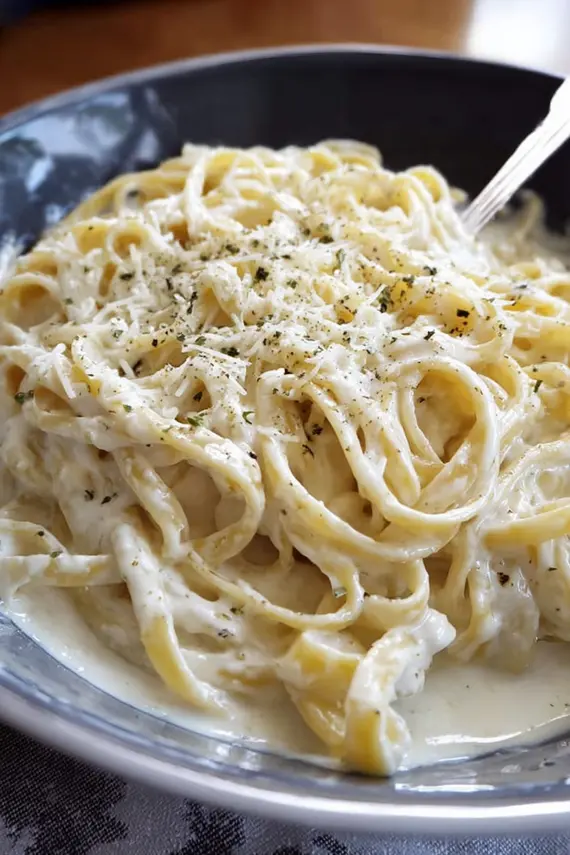
Common Questions About Homemade Alfredo Sauce
Troubleshooting Tips for Perfect Results
Why did my alfredo sauce break or become grainy?
This typically happens when the sauce is heated too quickly or at too high a temperature. Dairy sauces need gentle, consistent heat to prevent the fats from separating. Always use medium-low to low heat and stir constantly. If your sauce does break, you can sometimes rescue it by removing from heat, adding a splash of cold cream, and whisking vigorously until recombined.
Can I make alfredo sauce with milk instead of heavy cream?
While traditional alfredo sauce uses heavy cream for its richness and stability, you can create a lighter version with whole milk. You’ll need to compensate for the reduced fat by creating a roux first (equal parts butter and flour cooked together) before slowly adding the milk. This creates a stable base that won’t separate as easily. The flavor won’t be quite as rich, but it’s a good alternative for those watching fat intake.
Why doesn’t my homemade sauce taste as flavorful as restaurant versions?
Restaurant alfredo often has higher salt content than most home cooks use, which enhances flavor significantly. They may also use a blend of cheeses rather than just Parmesan. Try increasing salt slightly or incorporating Romano cheese for a more pronounced flavor. Additionally, letting the sauce simmer gently for a few extra minutes concentrates flavors by reducing some of the water content.
How can I prevent my alfredo sauce from thickening too much when it cools?
All cream sauces thicken as they cool due to the fats solidifying at lower temperatures. Make your sauce slightly thinner than your desired final consistency, as it will thicken upon cooling and when mixed with pasta. Having some reserved pasta water on hand lets you adjust consistency right before serving. For leftovers, expect to thin the sauce when reheating.
Is it possible to make dairy-free alfredo sauce?
Yes, though it won’t have the exact same flavor profile as traditional alfredo. For a dairy-free alternative, you can use cashew cream (soaked cashews blended with water until smooth) combined with nutritional yeast for a cheesy flavor. Add the same seasonings—garlic, salt, pepper, and nutmeg—and a bit of lemon juice to brighten the flavor. Coconut cream can also work but will impart a slight coconut flavor.
Mastering the Art of Authentic Italian Alfredo Sauce
Your Gateway to Italian Cooking Excellence
Homemade alfredo sauce represents the beautiful simplicity of Italian cuisine, where a handful of quality ingredients combine to create something extraordinary. With this recipe in your culinary arsenal, you’ve mastered a versatile sauce that can elevate countless dishes, from classic fettuccine to creative variations with proteins and vegetables.
“The spaghetti recipe provides another fantastic pasta option that works beautifully with this homemade alfredo sauce.”
The secret to perfect alfredo sauce lies in understanding the technique rather than just following ingredients. The gentle heating, proper incorporation of cheese, and careful seasoning make all the difference between a good sauce and a magnificent one. Now that you’ve learned these fundamentals, you can confidently adjust the recipe to suit your preferences—making it thicker or thinner, more or less garlicky, or introducing new flavor elements.
Remember that cooking is as much about the journey as the destination. Each time you make this sauce, you’ll develop a better feel for the perfect consistency and timing. Don’t be afraid to experiment with the variations suggested or create your own signature version. “The garlic Parmesan broccoli makes an excellent side dish that complements the flavors in this alfredo sauce perfectly.”
We invite you to share your creations with us by tagging @JoyliciousRecipes on social media. We love seeing how our recipes come to life in your kitchen, whether you follow them exactly or add your own creative touches. Buon appetito!
PrintClassic Homemade Alfredo Sauce
- A rich, velvety alfredo sauce made with real Parmesan cheese and fresh garlic.
- This authentic Italian cream sauce transforms ordinary pasta into an extraordinary meal.
- Perfect for fettuccine, but versatile enough for countless delicious applications.
- Prep Time: 5
- Cook Time: 10
- Total Time: 15 minutes
- Yield: 2 cups (4 servings) 1x
- Category: Dinner
- Method: Stovetop
- Cuisine: Italian
Ingredients
- 2 tablespoons unsalted butter
- 2 cloves garlic, minced
- 1 cup heavy cream
- ½ cup Parmesan cheese, freshly grated
- ¼ teaspoon salt
- ¼ teaspoon black pepper, freshly ground
- Pinch of ground nutmeg (optional)
- 2 tablespoons reserved pasta water (if needed to adjust consistency)
Instructions
- Melt butter in a medium saucepan over medium heat.
- Add minced garlic and sauté until fragrant, about 30 seconds. Be careful not to brown the garlic.
- Slowly pour in the heavy cream while whisking constantly. Bring to a gentle simmer.
- Let simmer for 1-2 minutes to slightly reduce and concentrate flavors.
- Reduce heat to low and add the grated Parmesan cheese in three batches, whisking thoroughly after each addition until completely melted.
- Continue cooking while stirring constantly until the sauce thickens and coats the back of a spoon, about 2-3 minutes.
- Season with salt, black pepper, and the optional pinch of nutmeg. Taste and adjust seasonings as needed.
- If the sauce becomes too thick, thin with a small amount of reserved pasta water, adding just a tablespoon at a time.
- Serve immediately over freshly cooked pasta.
Notes
- For best results, grate your Parmesan cheese fresh – pre-grated varieties contain anti-caking agents that prevent smooth melting.
- The sauce will thicken as it cools, so serve immediately after preparing.
- Store leftovers in an airtight container in the refrigerator for up to 3-4 days. Reheat gently on the stovetop with a splash of cream to restore consistency.
- Nutrition facts are estimates and may vary based on ingredients used, portion sizes, and preparation methods.
Nutrition
- Serving Size: 1/2 cup
- Calories: 325
- Sugar: 2
- Sodium: 489
- Fat: 32
- Saturated Fat: 20
- Unsaturated Fat: 10
- Carbohydrates: 3
- Protein: 7
- Cholesterol: 105
Keywords: alfredo sauce, fettuccine alfredo, creamy pasta sauce, parmesan cream sauce, italian alfredo
Let’s connect! Follow me for more Joylicious Recipes: Facebook, Instagram, Pinterest