
The Best Chicken Adobo Recipe: Authentic Filipino Flavors Made Easy
The Cultural Significance of Adobo
The best chicken adobo begins with understanding its cultural roots. This iconic Filipino dish represents more than just a meal – it’s a national treasure that embodies Filipino culinary heritage. Adobo’s perfect balance of tangy, savory, and slightly sweet flavors comes from a simple yet magical combination of vinegar, soy sauce, garlic, and spices. What makes chicken adobo so remarkable is its ability to preserve meat naturally through the acidic vinegar marinade, a technique dating back to pre-refrigeration days. Today, every Filipino family has their version of adobo, each claiming theirs is the best chicken adobo recipe passed down through generations.
What Makes a Great Chicken Adobo?
The best chicken adobo balances several key elements perfectly. First, the vinegar-to-soy sauce ratio must create harmony between tanginess and umami depth. Second, the chicken should be tender enough to fall off the bone yet retain a slightly crisp exterior. Third, the sauce should reduce to a glorious consistency – not too watery, not too thick. Additionally, properly toasted garlic and the gentle aroma of bay leaves should infuse throughout the dish.
“Looking for inspiration? Try our creamy garlic herb chicken recipe for another flavorful chicken option.” When these elements come together, you’ll experience chicken adobo at its finest – a dish where simple ingredients transform into complex, unforgettable flavors.
Essential Ingredients for the Best Chicken Adobo
The Perfect Chicken Cuts
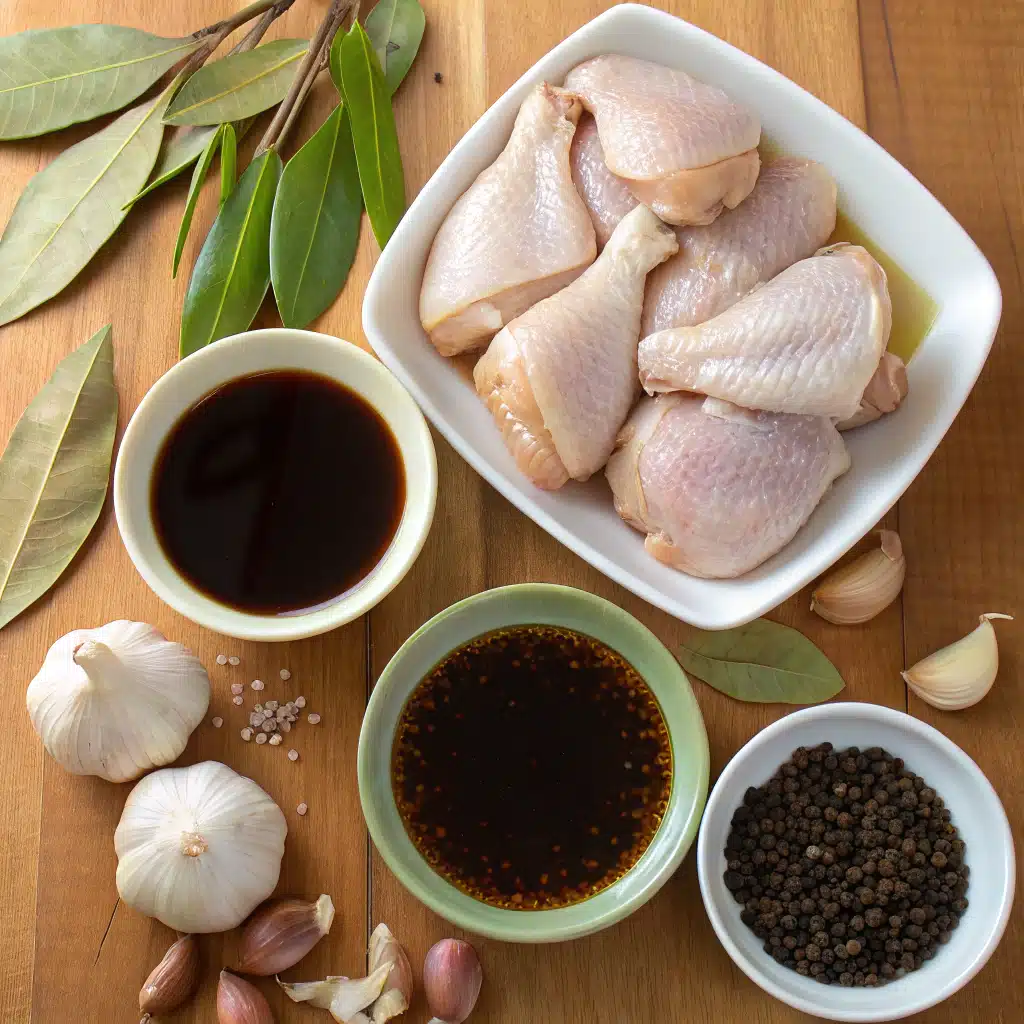
Choosing the right chicken cuts is crucial for the best chicken adobo. Bone-in, skin-on chicken pieces deliver the most flavor and tenderness. Chicken thighs and drumsticks are ideal because their higher fat content prevents them from drying out during the long simmer. The skin also renders beautiful fat that enhances the sauce’s richness. However, if you prefer a leaner option, chicken breast can work too, though you’ll need to adjust cooking time to prevent it from becoming tough. Many Filipino cooks prefer using a whole chicken cut into serving pieces, providing varied textures throughout the dish. Whatever cut you choose, aim for about 2 pounds of chicken for a balanced ratio with the sauce.
Traditional Adobo Seasonings
The soul of the best chicken adobo lies in its seasonings. Each ingredient plays a crucial role in creating that signature adobo profile:
| Ingredient | Quantity | Purpose in Adobo |
|---|---|---|
| Soy sauce | 4 tablespoons | Provides umami depth and rich color |
| White vinegar | 6 tablespoons | Creates tanginess and acts as a preservative |
| Garlic | 5 cloves | Offers aromatic foundation |
| Dried bay leaves | 3 pieces | Adds subtle herbal notes |
| Whole peppercorns | 1 teaspoon | Provides gentle heat throughout |
| Sugar | 1 teaspoon | Balances acidity with subtle sweetness |
| Salt | 1/4 teaspoon | Enhances overall flavor profile |
| Cooking oil | 3 tablespoons | For browning chicken and developing flavor |
| Water | 1 1/2 cups | Creates sauce and cooking medium |
The quality of these ingredients significantly impacts your final dish. Whenever possible, use Filipino brands of soy sauce and vinegar for authentic flavor. Palm vinegar (sukang maasim) is traditional, but white vinegar makes an excellent substitute.
Step-by-Step Guide to Perfect Chicken Adobo
Marination Process
The path to the best chicken adobo begins with proper marination. This crucial step allows the flavors to penetrate deeply into the meat:
- Combine 2 pounds of chicken, 4 tablespoons of soy sauce, and 5 crushed garlic cloves in a large bowl.
- Mix thoroughly, ensuring each piece of chicken is well-coated with the marinade.
- Cover the bowl and refrigerate for at least 1 hour, though overnight marination delivers superior flavor development.
- Occasionally turn the chicken pieces to ensure even flavor distribution.
The acidic components in the marinade not only infuse flavor but also begin tenderizing the meat. “Discover great ideas like our garlic butter chicken bites for another quick and tasty chicken option.” The longer you marinate, the more pronounced the flavors will be, though the vinegar addition comes later to prevent the meat from becoming mushy.
Cooking Technique
The cooking technique for the best chicken adobo balances several methods to develop complex flavors:
- Heat 3 tablespoons of cooking oil in a deep pot or Dutch oven over medium-high heat.
- When the oil is hot, remove the chicken from the marinade (reserving the liquid) and pan-fry each piece for about 2 minutes per side until lightly browned.
- Pour in the reserved marinade along with the garlic.
- Add 1 1/2 cups of water and bring the mixture to a boil.
- Add 3 dried bay leaves and 1 teaspoon of whole peppercorns.
- Reduce heat to medium-low and simmer, partially covered, for approximately 30 minutes until the chicken becomes tender.
- Pour in 6 tablespoons of white vinegar without stirring (important!) and cook for 10 more minutes.
- Add 1 teaspoon of sugar and 1/4 teaspoon of salt, then stir to combine.
- Optionally, to thicken the sauce, increase heat and simmer uncovered for a few minutes until it reaches your desired consistency.

Developing a Rich Adobo Sauce
A distinctive feature of the best chicken adobo is its rich, glossy sauce. To achieve this:
- After the chicken has simmered for the full cooking time, you may find the sauce too thin. If so, carefully remove the chicken pieces and set them aside.
- Increase the heat to medium-high and allow the sauce to reduce for 5-7 minutes, stirring occasionally to prevent burning.
- The sauce should coat the back of a spoon but still remain pourable.
- For an extra glossy finish, add a small pat of butter (about 1 teaspoon) at the very end and swirl it in until melted.
- Return the chicken to the sauce, turning to coat each piece thoroughly.
The key is achieving balance – you want a sauce with enough body to cling to the chicken but not so thick that it becomes sticky. The natural fats from the chicken skin contribute significantly to the sauce’s richness, which is why skin-on cuts are preferred.
Pro Tips for the Best Chicken Adobo
Balancing Acidity and Umami
The signature flavor profile of the best chicken adobo comes from perfectly balancing acidity and umami. Here’s how to master this essential element:
- The classic ratio is 3:2 vinegar to soy sauce (6 tablespoons vinegar to 4 tablespoons soy sauce in our recipe).
- Add the vinegar later in the cooking process and avoid stirring immediately after adding it. This prevents the vinegar from becoming too harsh.
- If your adobo tastes too acidic after cooking, add 1/2 teaspoon more sugar to balance it.
- For deeper umami, try adding a splash of fish sauce (patis) or a teaspoon of oyster sauce.
- Different Filipino regions prefer different levels of tanginess – Northern regions often prefer less vinegar, while Southern styles tend to be more acidic.
Remember that as adobo sits, the flavors meld and often improve, making this dish perfect for preparing ahead of time.
Achieving the Perfect Texture
Texture is crucial for the best chicken adobo. Here’s how to ensure your chicken is perfectly tender with a slightly crisp exterior:
- Don’t rush the browning step – properly seared chicken creates deeper flavor.
- Simmer gently rather than boiling rapidly to prevent the meat from becoming tough.
- For extra tender chicken, try using a pressure cooker (25 minutes at high pressure) or slow cooker (4 hours on low).
- To achieve that coveted crispy skin finish, after the chicken is fully cooked, remove the pieces and broil them for 2-3 minutes while reducing the sauce separately.
- Let the chicken rest in the sauce for at least 10 minutes before serving to reabsorb moisture.
“Here’s your guide to creamy garlic chicken recipe if you’re looking for another delicious chicken dish.” The goal is chicken that’s fork-tender but doesn’t fall apart completely – it should hold its shape when served.
Common Mistakes to Avoid
Even experienced cooks can make these common mistakes when preparing chicken adobo:
- Using too much water, which dilutes the flavors. Begin with a small amount—you can always add extra later.
- Stirring immediately after adding vinegar, which can make the dish too sour. Let it cook untouched for a few minutes first.
- Using ground black pepper instead of whole peppercorns. Whole peppercorns provide gentle heat without overwhelming the dish.
- Overcooking the chicken, especially if using breast meat, which can become dry.
- Not allowing enough time for marination – this step is crucial for flavor development.
- Adding all ingredients at once rather than following the proper sequence, which builds layers of flavor.
By avoiding these pitfalls, you’ll be well on your way to creating the best chicken adobo possible.
Storing and Enjoying Your Chicken Adobo
How Adobo Flavors Develop Over Time
One of the most remarkable qualities of the best chicken adobo is how its flavors continue to develop over time. This makes it an ideal make-ahead dish:
- Freshly cooked adobo is delicious, but the flavors haven’t fully married yet.
- After resting overnight in the refrigerator, the vinegar mellows, the garlic infuses more deeply, and the soy sauce penetrates the meat more thoroughly.
- By day two or three, most Filipino cooks consider adobo to have reached its peak flavor profile.
- The oil that rises to the top during refrigeration actually helps preserve the dish and locks in flavor.
This flavor-developing quality is why adobo was traditionally used as a preservation method before refrigeration became common in the Philippines.
Proper Storage Techniques
To maximize both safety and flavor when storing your best chicken adobo:
- Allow the adobo to cool completely before refrigerating (within 2 hours of cooking).
- Store in an airtight container for up to 4 days in the refrigerator.
- For longer storage, freeze portions in freezer-safe containers for up to 3 months.
- When reheating, thaw frozen adobo overnight in the refrigerator for best results.
- Reheat gently over medium-low heat, adding a splash of water if the sauce has thickened too much.
“Check out our creamy skillet chicken mushrooms cheese for another delicious chicken dish that stores well.” The acidic nature of adobo actually makes it more resistant to spoilage than many other dishes, which is part of its historical appeal.
Reheating for Optimal Flavor
Reheating adobo properly preserves its carefully developed flavors:
- Stovetop method (preferred): Place the adobo in a saucepan over medium-low heat. Add 1-2 tablespoons of water if the sauce has reduced too much. Cover and heat until the chicken reaches 165°F (74°C) internally, about 5-7 minutes.
- Microwave method: Place a portion in a microwave-safe dish, cover with a damp paper towel, and heat at 70% power in 1-minute intervals until thoroughly heated.
- Oven method: Preheat to 325°F (163°C), place adobo in an oven-safe dish, cover with foil, and heat for 15-20 minutes until hot throughout.
For an interesting twist, some Filipinos pan-fry leftover adobo until slightly crispy – this “twice-cooked” version develops delicious caramelized edges that many consider a delicacy.
Delicious Variations on Classic Chicken Adobo
Regional Filipino Adobo Styles
The best chicken adobo recipes vary significantly across the 7,000+ islands of the Philippines, each with distinctive regional characteristics:
- Adobo sa Dilaw (Visayan style): Uses turmeric instead of soy sauce, creating a vibrant yellow color and earthier flavor profile.
- Adobong Puti (White Adobo): The original pre-colonial version without soy sauce, relying solely on salt, vinegar, and spices.
- Adobo sa Gata (Bicol region): Adds coconut milk at the end for a creamy, less acidic sauce.
- Adobong Manok sa Pina (Tagalog style): Incorporates pineapple chunks and juice for a sweeter, tropical flavor.
- Ilonggo Adobo: Known for using more garlic and a touch of lemongrass for bright, aromatic notes.
These regional variations demonstrate how adaptable the basic adobo technique is while still qualifying as authentic versions of the best chicken adobo.
Modern Adobo Interpretations
Contemporary chefs have created innovative takes on the best chicken adobo while maintaining its essence:
- Adobo Flakes: Shredded, then pan-fried until crispy, often served over garlic rice for breakfast.
- Adobo Pasta: Using the reduced adobo sauce as a pasta sauce, typically with shredded adobo chicken mixed in.
- Adobo Fried Rice: Incorporating chopped adobo chicken and a splash of sauce into garlic fried rice.
- Adobo Tacos: Using adobo chicken as a filling for fusion tacos, often topped with pickled red onions.
- Adobo Pizza: As a unique pizza topping, paired with quick-pickled vegetables for contrast.
“Don’t miss our crispy parmesan crusted chicken recipe for another flavorful twist on chicken.” These modern interpretations show how this beloved dish continues to evolve while honoring its heritage.
Adding Personal Touches
The beauty of adobo is how easily it can be customized. Here are ways to add your personal touch to create your version of the best chicken adobo:
- Add a tablespoon of oyster sauce for deeper umami complexity.
- Incorporate a tablespoon of brown sugar instead of white for more caramel notes.
- Add sliced onions or shallots during the simmering phase.
- Include a splash of calamansi juice (Filipino lime) near the end for brightness.
- Add hard-boiled eggs to the simmering sauce for the last 10 minutes.
- Include a star anise pod or cinnamon stick for subtle aromatic warmth.
- Throw in some red chili flakes or a whole chili for gentle heat.
Remember, the best chicken adobo is ultimately the one that delights your own palate – don’t be afraid to experiment while respecting the fundamental techniques.
Serving Your Best Chicken Adobo
Traditional Accompaniments
In Filipino households, the best chicken adobo is always served with specific accompaniments that complement its rich flavors:
- Steamed White Rice: The essential partner, perfectly suited to absorb the flavorful sauce.
- Atchara: Pickled green papaya relish that provides a sweet-sour contrast to cut through the richness.
- Ensaladang Talong: Grilled eggplant salad with tomatoes and onions, dressed with vinegar.
- Banana Ketchup: A uniquely Filipino condiment that adds fruity sweetness.
- Fresh Tomato and Onion Salad: Simply sliced and sprinkled with salt for a fresh counterpoint.
The combination of adobo’s savory-tangy sauce with plain rice creates a perfect balance that has sustained generations of Filipinos.
Modern Serving Suggestions
Contemporary presentations of the best chicken adobo offer exciting new ways to enjoy this classic:
- Adobo Grain Bowls: Served over mixed grains with fresh vegetables and a fried egg on top.
- Adobo Sliders: Shredded adobo chicken on small buns with quick-pickled cucumbers.
- Adobo Rice Paper Rolls: Wrapped with fresh herbs and vegetables for a light appetizer.
- Adobo Loaded Fries: Topped with shredded adobo chicken, sauce, and melted cheese.
- Adobo Stuffed Avocados: A keto-friendly option that pairs the richness of avocado with tangy adobo.
“Want more ideas? Check out garlic parmesan chicken rice recipe for another delicious pairing.” These modern serving ideas show how versatile adobo can be beyond its traditional presentation.
Pairing with Beverages
The best chicken adobo pairs wonderfully with various beverages that complement its flavor profile:
- San Miguel Beer: The classic Filipino beer pairing, its crispness cuts through adobo’s richness.
- Calamansi Juice: A refreshing citrus drink that balances the savory elements.
- Coconut Water: Provides a subtle sweetness that soothes the palate after the tangy adobo.
- Iced Tea: Particularly good with adobo that leans toward the sweeter side.
- Medium-bodied Red Wines: A Pinot Noir or Tempranillo works well with the savory-tangy profile.
- Sparkling water with lime: A refreshing way to cleanse the palate between bites.
For special occasions, some Filipinos pair adobo with lambanog (coconut vodka) or Filipino craft beers that have emerged in recent years.

Frequently Asked Questions About Chicken Adobo
What makes a chicken adobo recipe “the best”?
The best chicken adobo achieves perfect balance between vinegar’s tanginess and soy sauce’s umami depth, featuring fork-tender chicken in a reduced, glossy sauce. It should have pronounced garlic flavor, subtle bay leaf aroma, and peppercorn warmth. The sauce should be rich enough to coat the chicken but not too thick. Ultimately, the best recipe creates a harmonious blend where no single ingredient overpowers the others.
Which cut of chicken is ideal for cooking adobo?
Bone-in, skin-on chicken thighs and drumsticks are ideal for adobo. These dark meat cuts remain juicy through long cooking, while the bones and skin contribute rich flavor and body to the sauce. Chicken wings also work well. Breast meat can be used but requires careful timing to prevent dryness. Many Filipino cooks prefer using a whole chicken cut into serving pieces for varied textures throughout the dish.
How long should you marinate chicken for adobo?
For optimal flavor development, marinate chicken for at least 1 hour, but 3-4 hours is better, and overnight marination (8-12 hours) delivers the most flavorful results. The marinade’s acidity begins breaking down proteins, tenderizing the meat while infusing flavor. However, don’t marinate beyond 24 hours, as the texture can become mushy, especially with vinegar-heavy marinades.
Should you brown the chicken before braising in adobo?
Yes, browning the chicken before braising significantly enhances adobo’s flavor through Maillard reaction, creating complex flavor compounds and attractive color. This step renders fat from the skin, which enriches the sauce. While authentic adobo can be made without browning (simply simmering all ingredients together), most chefs agree that the extra step elevates the dish with deeper flavor and better texture.
How do you get a thick, glossy adobo sauce?
For a thick, glossy adobo sauce, remove the chicken after it’s fully cooked and increase heat to reduce the sauce uncovered until it reaches desired consistency. The sauce should coat the back of a spoon but remain pourable. Some cooks add a teaspoon of cornstarch slurry (cornstarch dissolved in cold water) during the final minutes for extra body. For maximum glossiness, add a small pat of butter at the very end, which creates shine through emulsification.
What ratio of soy sauce to vinegar gives the perfect adobo flavor?
The classic ratio for perfect adobo flavor is 3:2 vinegar to soy sauce (like our recipe’s 6 tablespoons vinegar to 4 tablespoons soy sauce). This provides balanced tanginess with adequate saltiness and umami. Northern Philippine regions often prefer equal parts or slightly more soy sauce, while Southern regions favor more vinegar. Personal preference matters—some families pass down recipes with ratios as varied as 2:1 or 1:1, each claiming theirs creates the best chicken adobo.
Conclusion: Mastering the Art of Chicken Adobo
Why Adobo Remains a Filipino Favorite
The best chicken adobo has maintained its beloved status in Filipino culture for centuries because of its perfect marriage of practicality and flavor. Originally developed as a preservation method, adobo’s vinegar-based cooking technique naturally extended the shelf life of protein in a tropical climate before refrigeration. Beyond practicality, adobo represents Filipino ingenuity – taking simple, accessible ingredients and transforming them into something extraordinary. The dish’s flexibility allows each family to develop their signature version while maintaining the core characteristics that make it recognizably adobo.
“Learn more about our buttercup squash recipes for another flavorful addition to your meal.” This adaptability has helped adobo remain relevant through generations, with each family proudly defending their version as the best chicken adobo recipe.
Creating Your Signature Adobo
After mastering the basic techniques of the best chicken adobo, you’re ready to develop your signature version. Start with the traditional recipe, then make small adjustments to find your perfect balance:
- Experiment with different vinegars – rice vinegar, apple cider vinegar, or coconut vinegar each brings unique character.
- Try various soy sauce brands or incorporate some dark soy sauce for deeper color and richness.
- Add personal touches like a splash of citrus, a hint of sweetness from fruit, or warming spices.
- Develop your ideal technique – whether you prefer fall-apart tender chicken or pieces with more structure.
- Consider your sauce consistency preference – some enjoy a brothier adobo while others prefer a more reduced, intense sauce.
The best chicken adobo isn’t just about following a recipe – it’s about making the dish your own while respecting its heritage. As you continue cooking adobo, you’ll develop an intuitive understanding of how each element contributes to the whole, allowing you to create a version that becomes your family’s treasured recipe for generations to come.
PrintBest Chicken Adobo
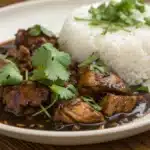
Authentic Filipino chicken adobo with the perfect balance of tangy, savory flavors in a rich, glossy sauce.
- Prep Time: 15
- Cook Time: 45
- Total Time: 1 hour
- Yield: 4 1x
- Category: Main Dish
- Cuisine: Filipino
Ingredients
- 2 lbs chicken (note 1)
- 3 pieces dried bay leaves (note 2)
- 4 tablespoons soy sauce (note 3)
- 6 tablespoons white vinegar (note 4)
- 5 cloves garlic (note 5)
- 1 1/2 cups water
- 3 tablespoons cooking oil
- 1 teaspoon sugar (note 6)
- 1/4 teaspoon salt (note 7)
- 1 teaspoon whole peppercorn (note 8)
Instructions
- Combine chicken, soy sauce, and garlic in a bowl. Mix well and marinate for at least 1 hour or overnight.
- Heat oil in a cooking pot over medium-high heat.
- Pan-fry marinated chicken for 2 minutes per side until lightly browned.
- Pour in the remaining marinade with garlic and add water. Bring to a boil.
- Add bay leaves and peppercorns. Reduce heat and simmer for 30 minutes until chicken is tender.
- Add vinegar (without stirring) and cook for 10 minutes.
- Stir in sugar and salt. Turn off heat.
- Let rest 5-10 minutes before serving with steamed rice.
Notes
- Bone-in, skin-on thighs and drumsticks are ideal for best flavor.
- Bay leaves add essential aroma; don’t skip them.
- Filipino brands of soy sauce offer the most authentic flavor.
- White vinegar works well, but cane or coconut vinegar is traditional.
- Crush garlic cloves slightly to release more flavor.
- Sugar balances the acidity; adjust to taste.
- Adjust salt based on your soy sauce’s saltiness.
- Whole peppercorns provide gentle heat throughout the dish.
Nutrition facts are estimates and may vary based on ingredients used, portion sizes, and preparation methods.
Nutrition
- Serving Size: 4
- Calories: 410 Kcal
- Sugar: 1g
- Sodium: 940mg
- Fat: 24g
- Saturated Fat: 5g
- Carbohydrates: 4g
- Protein: 42g
- Cholesterol: 145mg
Keywords: chicken adobo, Filipino chicken, soy-vinegar chicken, Filipino cuisine
Let’s connect! Follow me for more Joylicious Recipes: Facebook, Instagram, Pinterest