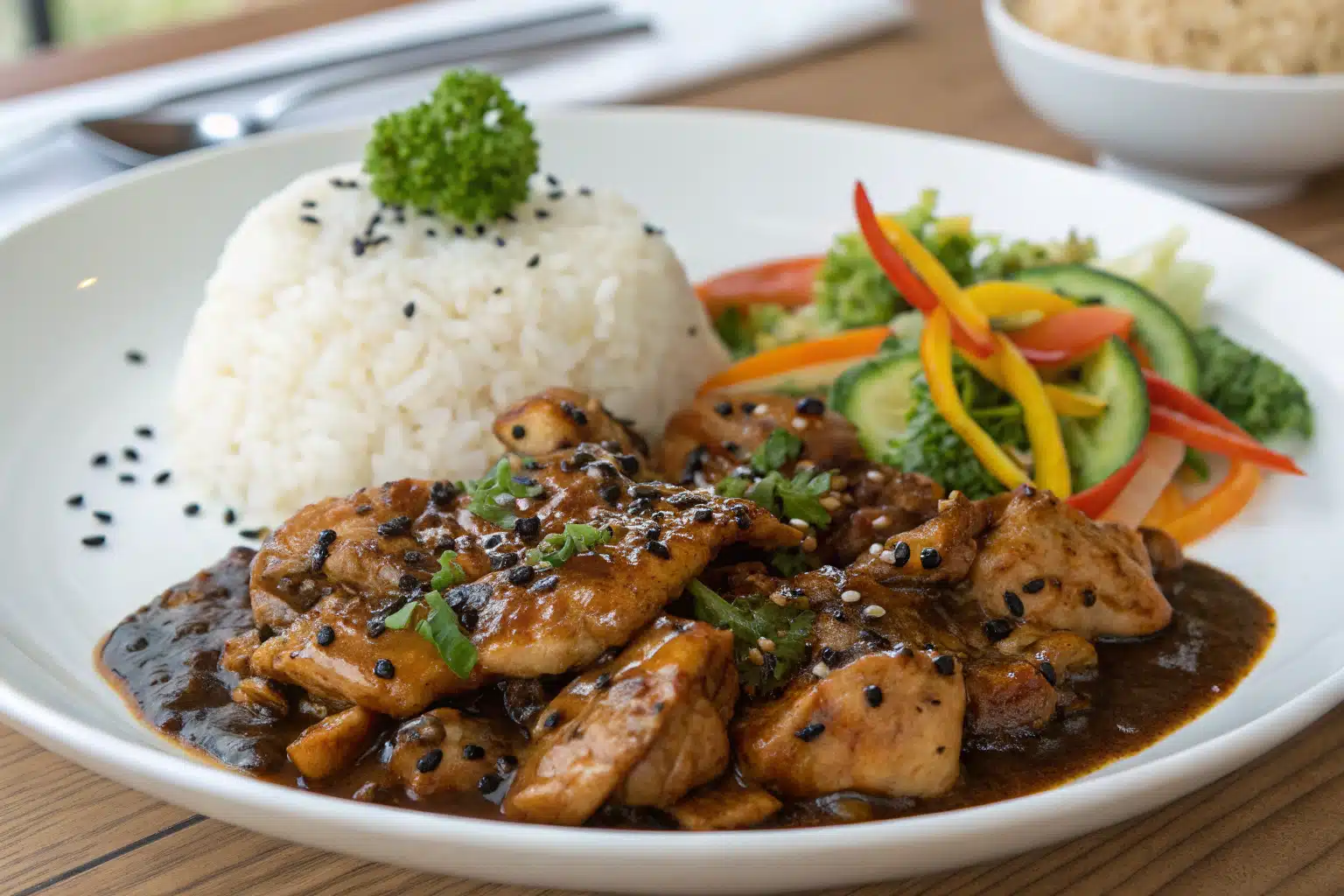
Black Pepper Chicken – Easy, Flavorful, and Restaurant-Style at Home
An Introduction to Black Pepper Chicken
Black pepper chicken is a beloved Chinese-American dish that combines tender chicken pieces with a savory, peppery sauce for a meal that’s both satisfying and flavorful. This restaurant-style favorite features a perfect balance of heat from freshly cracked black pepper and umami from oyster and soy sauces. Unlike many takeout options, making black pepper chicken at home allows you to control the ingredients and adjust the spice level to your preference. The combination of crisp vegetables and juicy chicken makes this dish not only delicious but also a well-rounded meal that comes together quickly.
The Origins and Popularity
Black pepper chicken has its roots in Chinese cuisine but has been adapted to suit Western palates. This dish gained popularity in American Chinese restaurants because it offers a perfect introduction to Asian flavors without overwhelming heat. The black pepper provides a warm spiciness rather than the fiery kick found in dishes like Szechuan chicken. Today, black pepper chicken remains a staple on Chinese restaurant menus across the USA and has become a favorite for home cooks looking to recreate takeout classics in their own kitchens.
“Looking for inspiration? Try our chicken waldorf salad recipe for another flavorful chicken dish.”
Ingredients for Perfect Black Pepper Chicken
Creating restaurant-quality black pepper chicken at home requires fresh ingredients and a few Asian pantry staples. The combination of these elements creates the signature flavor that makes this dish so popular.
For the Chicken Marinade
| Ingredient | Amount | Purpose |
|---|---|---|
| Boneless skinless chicken breast (or thighs) | 12 ounces | Protein base |
| Water | 3 tablespoons | Creates tender texture |
| Cornstarch | 1 teaspoon | Tenderizes and thickens |
| Neutral oil | 1 teaspoon | Adds moisture |
| Oyster sauce | 2 teaspoons | Adds umami flavor |
| Coarsely ground black pepper | 1/2 teaspoon | Provides signature heat |
For the Sauce and Stir-Fry
| Ingredient | Amount | Purpose |
|---|---|---|
| Low sodium chicken stock | 1/2 cup | Base for sauce |
| Oyster sauce | 1 tablespoon | Creates rich flavor |
| Light soy sauce | 1 tablespoon | Adds saltiness |
| Sugar | 1 teaspoon | Balances flavors |
| Dark soy sauce | 2 teaspoons | Adds color and flavor |
| Sesame oil | 1/2 teaspoon | Provides nutty aroma |
| Neutral oil | 3 tablespoons (divided) | For cooking |
| Garlic | 2 cloves, finely chopped | Aromatic base |
| Medium onion | 1, cut into wedges | Adds texture and flavor |
| Shaoxing wine | 1 tablespoon | Deglazes and adds complexity |
| Bell pepper | 1/2, cut into 1-inch pieces | Adds color and crunch |
| Celery | 1 stalk, thinly sliced | Provides texture |
| Coarsely ground black pepper | 1 teaspoon | Signature spice element |
| Cornstarch slurry | 1 1/2 teaspoons cornstarch + 2 tablespoons water | Thickens sauce |
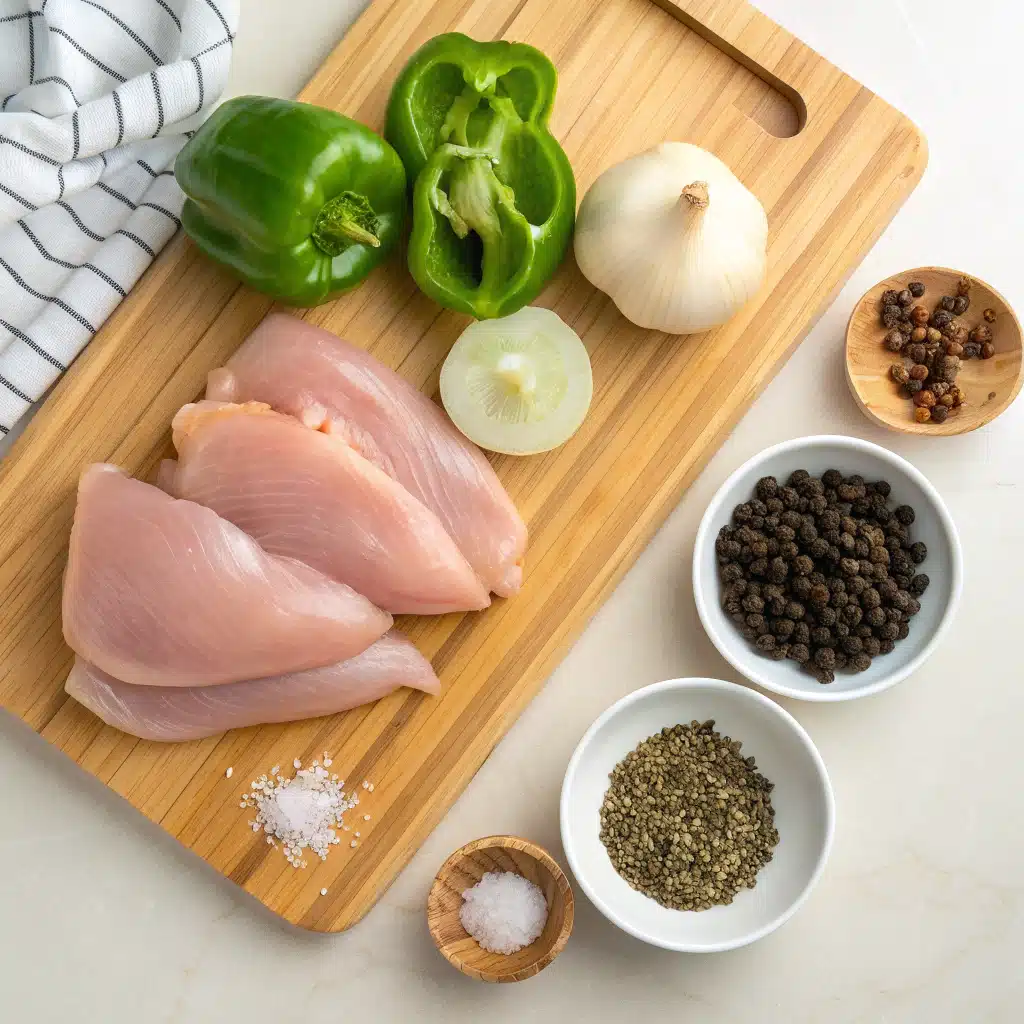
Step-by-Step Black Pepper Chicken Preparation
Making black pepper chicken at home is straightforward when you follow these detailed steps. The key is to prepare all ingredients before you start cooking, as the stir-frying process moves quickly.
Marinating the Chicken
- Slice your chicken into thin, uniform pieces about 1/4-inch thick to ensure even cooking.
- In a medium bowl, combine the sliced chicken with 3 tablespoons water, 1 teaspoon cornstarch, 1 teaspoon neutral oil, 2 teaspoons oyster sauce, and 1/2 teaspoon coarsely ground black pepper.
- Using your hands, massage the marinade into the chicken until all liquid is absorbed and the chicken feels slightly slippery—this technique is called “velveting” and creates exceptionally tender meat.
- Allow the chicken to marinate for at least 10 minutes while you prepare the other ingredients. This marinating time allows the flavors to penetrate the meat and the cornstarch to work its tenderizing magic.
Preparing the Sauce and Vegetables
- In a separate bowl, whisk together the chicken stock, oyster sauce, light soy sauce, sugar, dark soy sauce, and sesame oil until well combined. This pre-mixed sauce allows for quick addition during the fast-paced stir-frying process.
- Chop your garlic finely and cut the onion into wedges, keeping the pieces fairly large to add texture to the final dish.
- Slice the bell pepper into 1-inch chunks and the celery on a diagonal for visual appeal and even cooking.
- Prepare your cornstarch slurry by mixing 1 1/2 teaspoons cornstarch with 2 tablespoons water in a small bowl, stirring until completely smooth with no lumps.
- Arrange all your prepared ingredients near the cooking area for easy access during stir-frying. “Discover great ideas like our black pepper chicken mushrooms for a delicious variation on this classic recipe.”
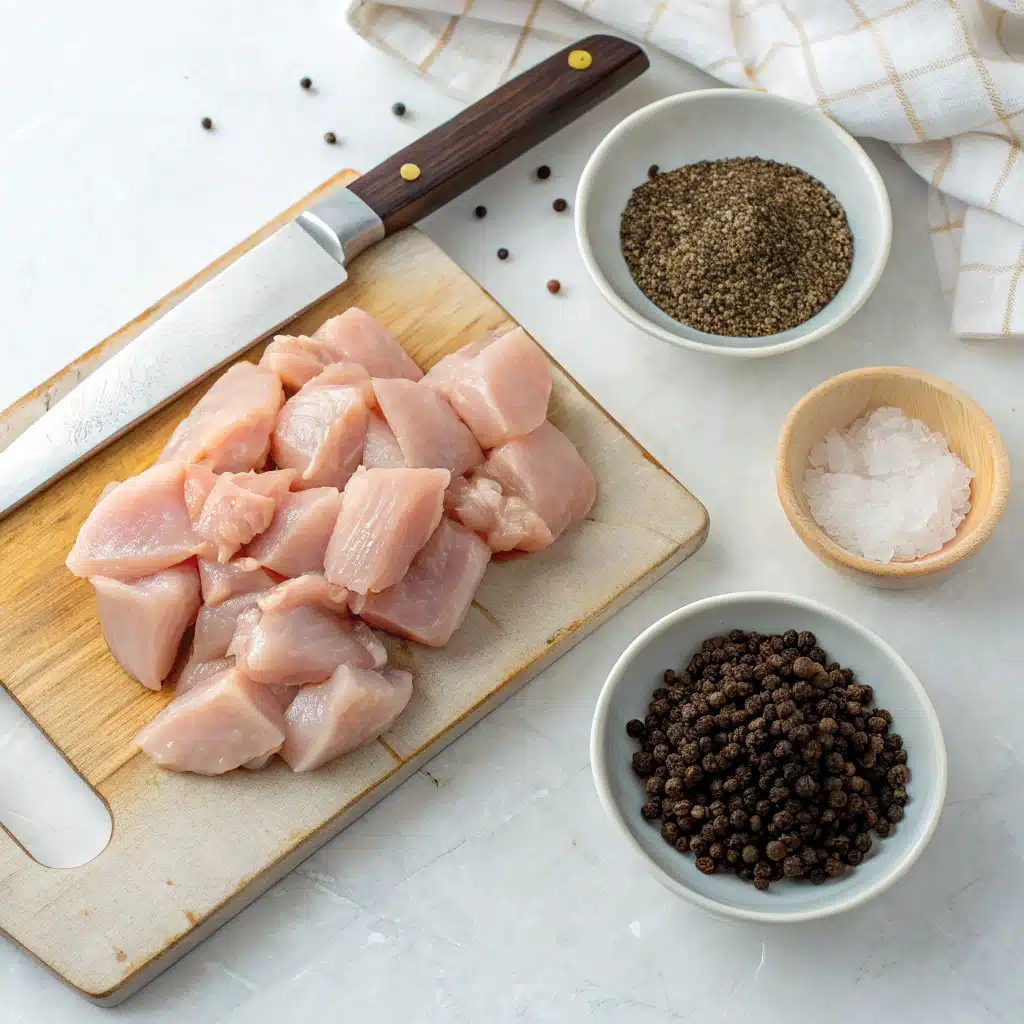
The Stir-Frying Process
- Heat your wok or large skillet over high heat until it begins to smoke lightly, indicating it’s properly preheated.
- Add 2 tablespoons of neutral oil and swirl to coat the cooking surface, then immediately add the marinated chicken, spreading it into a single layer.
- Allow the chicken to sear undisturbed for 30 seconds before stir-frying until the pieces are mostly opaque, about 2 minutes. The chicken should be 80-90% cooked.
- Remove the partially cooked chicken from the wok and set aside on a clean plate.
- Return the wok to medium heat and add the remaining tablespoon of oil along with the chopped garlic and onion wedges.
- Stir-fry for 20 seconds until aromatic, then add the Shaoxing wine around the perimeter of the wok, which will create a sizzling sound as it deglazes the pan.
- Add the bell pepper, celery, and 1 teaspoon of coarsely ground black pepper, continuing to stir-fry for another 30 seconds until the vegetables begin to soften slightly but remain crisp.
- Pour in the prepared sauce mixture and bring it to a simmer, using your spatula to scrape any flavorful bits from the bottom of the wok.
- Once simmering, add the cornstarch slurry while stirring continuously to prevent lumps, allowing the sauce to thicken for 10-15 seconds until it resembles a light gravy.
- Return the chicken and any accumulated juices to the wok, tossing everything together until the chicken is fully cooked and well-coated with the glossy sauce.
Essential Tips for Making Black Pepper Chicken
Creating restaurant-quality black pepper chicken at home requires attention to a few key details that can elevate your dish from good to exceptional.
Choosing the Right Ingredients
The quality of your black pepper makes a significant difference in this dish. For authentic flavor, use freshly cracked black pepper rather than pre-ground. The coarse texture and vibrant flavor of freshly cracked pepper creates the signature taste that gives black pepper chicken its name. Additionally, using low-sodium chicken stock allows you to control the saltiness of your dish, as the soy and oyster sauces already contribute significant sodium. For the chicken, both breast and thigh meat work well, but thighs will produce a slightly juicier result with more flavor.
“Check out our easy homemade chicken pot pie recipe for another family favorite.”
Perfecting Your Technique
The key to excellent black pepper chicken lies in proper wok technique. A properly heated wok creates the “wok hei”—the smoky flavor that characterizes authentic Chinese stir-fries. If using a home stove, preheat your wok or skillet until it’s very hot before adding oil. Another crucial technique is velveting the chicken—the marinating process that includes cornstarch and oil. This step ensures that your chicken remains tender and juicy even after high-heat cooking. When stir-frying, move quickly and keep ingredients in motion to prevent burning while encouraging even cooking. Remember that vegetables should remain crisp-tender rather than soft for the best texture contrast.
Sauce Adjustments and Balance
The perfect black pepper chicken sauce should be glossy, flavorful, and just thick enough to coat the ingredients without becoming gloopy. If your sauce becomes too thick, add a splash of chicken stock or water. If it’s too thin, you can mix additional cornstarch with cold water and add it gradually while the sauce simmers. Taste your sauce before adding the chicken back to the wok—this is your opportunity to adjust flavors. Need more depth? Add a touch more oyster sauce. Want it darker? Add a few drops of dark soy sauce. For extra heat, incorporate more freshly ground black pepper. Remember that the sauce will continue to thicken slightly as it cools, so it’s better to err on the side of a slightly thinner consistency during cooking.
Storing and Reheating Black Pepper Chicken
Properly storing and reheating your black pepper chicken ensures you can enjoy this delicious dish for multiple meals without sacrificing flavor or texture.
Refrigeration Guidelines
Black pepper chicken stores excellently in the refrigerator, making it perfect for meal prep or planned leftovers. After cooking, allow the dish to cool completely before transferring to airtight containers. Properly stored, black pepper chicken will remain fresh in the refrigerator for up to 3-4 days. The flavors often develop and intensify overnight, making next-day black pepper chicken particularly delicious. For best results, store the chicken and sauce separately from any rice or noodles you plan to serve with it, as the starches will absorb moisture and can become soggy when stored together with the sauce.
“Don’t miss our bang bang chicken recipe for another make-ahead friendly option.”
Freezing Options
While fresh is always best, black pepper chicken can be frozen for longer storage. To freeze, cool the dish completely, then transfer to freezer-safe containers or heavy-duty freezer bags. Remove as much air as possible before sealing to prevent freezer burn. Properly stored, black pepper chicken will maintain best quality for about 2-3 months in the freezer. Label your containers with the date so you can track how long they’ve been stored. For best results, freeze the chicken mixture without any rice or noodles, as these can be prepared fresh when you’re ready to enjoy the dish.
Best Reheating Methods
To reheat refrigerated black pepper chicken, the stovetop method produces the best results. Heat a skillet or wok over medium heat, add the black pepper chicken, and stir frequently until the chicken reaches 165°F (74°C). This method helps maintain the vegetables’ texture and prevents the chicken from becoming rubbery. If you’re in a hurry, microwave reheating works too—place the chicken in a microwave-safe dish, cover loosely, and heat in 30-second intervals, stirring between each until thoroughly heated. For frozen black pepper chicken, thaw overnight in the refrigerator before reheating for best results. If reheating directly from frozen, use a covered skillet with a tablespoon of water to create steam, helping to rehydrate the sauce and ingredients as they warm through.
Delicious Variations of Black Pepper Chicken
The versatility of black pepper chicken allows for numerous creative adaptations while maintaining the dish’s signature peppery profile.
Protein Alternatives
While chicken is traditional, black pepper sauce works beautifully with other proteins. Black pepper beef made with thinly sliced flank steak or sirloin offers a rich, savory alternative that’s equally delicious. For a seafood twist, black pepper shrimp cooks even faster than chicken and provides a sweet contrast to the peppery sauce. Vegetarians can enjoy black pepper tofu—using extra-firm tofu that’s been pressed and either pan-fried or air-fried before being added to the sauce creates a satisfying texture. For a plant-based protein boost, consider adding tempeh or seitan, which both absorb the sauce wonderfully and provide substantial texture.
“Here’s your guide to sous vide chicken breast perfect results made easy for another technique to ensure perfectly cooked chicken.”
Vegetable Variations
The vegetable components in black pepper chicken can be easily customized based on preferences or what’s available in your kitchen. For a heartier dish, add sliced mushrooms such as button, cremini, or shiitake, which contribute meaty texture and absorb the sauce beautifully. Snow peas or snap peas add sweetness and crunch that complements the savory sauce. For additional color and nutrition, incorporate julienned carrots, broccoli florets, or baby corn. Water chestnuts provide an interesting textural contrast with their distinctive crunch. During summer months, zucchini and yellow squash make excellent additions, while cauliflower florets work well for those seeking a lower-carb option.
Regional Flavor Adaptations
The basic black pepper chicken recipe can be modified to incorporate regional flavor profiles. For a Thai-inspired version, add a tablespoon of fish sauce to the sauce mixture and garnish with fresh Thai basil and lime wedges. An Indian twist might include adding a teaspoon of garam masala to the sauce and finishing with fresh cilantro. For Korean flavors, incorporate gochujang (Korean chili paste) into the sauce and serve with kimchi on the side. A Japanese-inspired adaptation might use sake instead of Shaoxing wine and add a touch of mirin for sweetness. These variations maintain the essential character of black pepper chicken while introducing exciting new flavor dimensions that reflect global culinary traditions.
Serving Black Pepper Chicken
The way you serve black pepper chicken can transform it from a simple stir-fry to an impressive, satisfying meal with multiple complementary elements.
Perfect Rice Pairings
Steamed jasmine rice is the classic accompaniment for black pepper chicken, providing a neutral canvas that absorbs the flavorful sauce. For a healthier option, brown rice adds nutty flavor and extra fiber. Coconut rice made by cooking jasmine rice with coconut milk instead of water adds a subtle sweetness that balances the pepper’s heat. For a lower-carb alternative, cauliflower rice works surprisingly well, allowing the sauce to coat each grain. Regardless of which rice you choose, serve the black pepper chicken over or alongside it, making sure to spoon plenty of sauce over the rice for maximum flavor.
Noodle Alternatives
For a different take on black pepper chicken, serve it with noodles instead of rice. Fresh lo mein noodles tossed with a bit of sesame oil provide a satisfying chew that stands up well to the bold sauce. Rice noodles offer a lighter alternative that’s naturally gluten-free. Crispy chow mein noodles create an interesting textural contrast with the saucy chicken and vegetables. For a fusion approach, consider serving black pepper chicken over linguine or spaghetti—while not traditional, the sauce coats these Western noodles beautifully.
“Want more ideas? Check out creamy garlic chicken pasta 30 minutes for another quick weeknight dinner option.”
Complementary Side Dishes
Round out your black pepper chicken meal with complementary side dishes that balance the bold main course. Simple steamed or stir-fried bok choy or Chinese broccoli provides a fresh, slightly bitter contrast to the rich, savory chicken. A cooling cucumber salad with rice vinegar and a touch of sugar offers refreshing crunch. Vegetable spring rolls or dumplings make excellent appetizers that set the theme for your Asian-inspired meal. For a complete restaurant-style experience, start with a small bowl of egg drop or hot and sour soup before serving the main course. Don’t forget garnishes like sliced scallions, sesame seeds, or extra black pepper to finish the dish with visual appeal and additional flavor notes.

Frequently Asked Questions About Black Pepper Chicken
How do you make black pepper chicken at home?
Making black pepper chicken at home involves marinating sliced chicken with cornstarch, water, oil, oyster sauce, and black pepper, then stir-frying it until nearly cooked. Next, stir-fry aromatics and vegetables, add a sauce made with chicken stock, soy sauce, and oyster sauce, then thicken with cornstarch slurry. Finally, return the chicken to the wok, toss everything together until well-coated, and serve with rice. The entire process takes about 30 minutes, with most of that time spent on preparation rather than cooking.
What sauce is used in black pepper chicken?
The sauce in black pepper chicken combines chicken stock, oyster sauce, light soy sauce, dark soy sauce, sugar, and sesame oil. This mixture creates a balanced sauce with savory, slightly sweet notes that complement the black pepper’s heat. The sauce is thickened with cornstarch to create a glossy consistency that clings to the chicken and vegetables. Unlike many other Chinese-American dishes, black pepper chicken sauce doesn’t typically contain hoisin sauce or rice vinegar, focusing instead on a cleaner flavor profile that highlights the black pepper.
What kind of chicken is best for black pepper chicken?
Both boneless, skinless chicken breast and thigh meat work well for black pepper chicken. Chicken breast is leaner and has a milder flavor, while thigh meat is juicier and more flavorful. Regardless of which cut you choose, the key is to slice the chicken thinly against the grain and marinate it properly to ensure tenderness. For the most economical option, consider buying whole chicken breasts or thighs and slicing them yourself rather than purchasing pre-cut chicken strips, which typically cost more per pound.
How spicy is black pepper chicken?
Black pepper chicken has a moderate heat level that comes from freshly ground black pepper rather than chili peppers. The dish offers a warm, aromatic spiciness rather than the sharp heat found in dishes that use chili oil or pepper flakes. You can easily adjust the spiciness by increasing or decreasing the amount of black pepper in both the marinade and the stir-fry. For those who enjoy extra heat, adding a pinch of crushed red pepper flakes during cooking will introduce a different dimension of spiciness while maintaining the dish’s essential black pepper character.
What vegetables go well in black pepper chicken?
Traditional black pepper chicken includes onions, bell peppers, and celery, but many vegetables work well in this versatile dish. Mushrooms, snap peas, carrots, broccoli, baby corn, and water chestnuts are all excellent additions. The key is to cut vegetables into similar-sized pieces so they cook evenly and to add them to the wok in order of cooking time, with firmer vegetables going in first. For the best texture, vegetables should remain crisp-tender rather than soft, providing contrast to the tender chicken.
Can you make black pepper chicken without soy sauce?
Yes, black pepper chicken can be made without soy sauce by using alternatives that provide similar umami flavor. Coconut aminos make an excellent soy-free substitute, offering a similar flavor profile with slightly less saltiness. Tamari can be used for a gluten-free option if gluten is the concern rather than soy itself. For those avoiding both soy and gluten, a combination of beef or chicken broth, additional oyster sauce (or fish sauce), and a pinch of salt can approximate the flavor contribution of soy sauce. These substitutions will alter the flavor profile slightly but still result in a delicious version of black pepper chicken.
Conclusion
Why Black Pepper Chicken Belongs in Your Recipe Rotation
Black pepper chicken deserves a regular spot in your meal planning because it offers the perfect combination of convenience, flavor, and versatility. Unlike many restaurant favorites that seem intimidating to recreate at home, this dish requires basic cooking techniques and accessible ingredients while delivering restaurant-quality results. The preparation and cooking time are minimal—about 30 minutes total—making it feasible for busy weeknights. Yet the flavor is sophisticated enough for weekend entertaining or special occasions. The balance of protein, vegetables, and sauce creates a complete meal when served with rice or noodles, eliminating the need for multiple dishes. Additionally, the recipe’s flexibility allows you to adapt it to dietary preferences and available ingredients without compromising the essential character of the dish.
“Learn more about easy baked chicken recipe for another simple weeknight dinner option.”
Mastering Chinese Cooking Techniques
Making black pepper chicken provides an excellent opportunity to practice fundamental Chinese cooking techniques that transfer to countless other dishes. The velveting technique—marinating chicken with cornstarch and oil—is a valuable skill that ensures tender, juicy protein in any stir-fry.
Learning proper wok or skillet handling for high-heat cooking develops confidence and timing that improves all your stir-fried dishes. Understanding how to balance flavors through a well-crafted sauce introduces principles of Chinese cuisine that can inspire creative cooking across your repertoire.
The preparation method of having all ingredients ready before heating the wok (mise en place) is a professional kitchen practice that makes cooking more efficient and less stressful. By mastering black pepper chicken, you’re not just adding one recipe to your collection—you’re building a foundation of skills and techniques that enhance your overall cooking abilities.
PrintBlack Pepper Chicken
Tender chicken pieces with bell peppers and onions in a savory black pepper sauce that rivals your favorite Chinese restaurant.
- Prep Time: 15
- Cook Time: 15
- Total Time: 30 minutes
- Yield: 4 1x
- Category: Main Course
- Cuisine: Chinese
Ingredients
For the chicken:
- 12 ounces boneless skinless chicken breast (or thighs)
- 3 tablespoons water
- 1 teaspoon cornstarch
- 1 teaspoon neutral oil (such as vegetable, canola, or avocado oil)
- 2 teaspoons oyster sauce
- 1/2 teaspoon coarsely ground black pepper
For the rest of the dish:
- 1/2 cup low sodium chicken stock
- 1 tablespoon oyster sauce
- 1 tablespoon light soy sauce
- 1 teaspoon sugar
- 2 teaspoons dark soy sauce
- 1/2 teaspoon sesame oil
- 3 tablespoons neutral oil (divided)
- 2 cloves garlic (finely chopped)
- 1 medium onion (cut into wedges)
- 1 tablespoon Shaoxing wine
- 1/2 bell pepper (any color, cut into 1-inch/2.5cm pieces)
- 1 stalk celery (thinly sliced on an angle)
- 1 teaspoon coarsely ground black pepper
- 1 1/2 teaspoons cornstarch (mixed with 2 tablespoons water to form a cornstarch slurry)
Instructions
- Slice chicken into thin strips and combine with water, cornstarch, oil, oyster sauce, and black pepper in a bowl. Massage marinade into chicken until absorbed and set aside for 10 minutes.
- Mix chicken stock, oyster sauce, soy sauces, sugar, and sesame oil in a bowl to create the sauce.
- Heat wok over high heat until smoking. Add 2 tablespoons oil, then add chicken in a single layer. Sear until mostly cooked (2 minutes), then remove and set aside.
- Return wok to medium heat. Add remaining oil, garlic, and onion. Stir-fry for 20 seconds, then add Shaoxing wine around the perimeter.
- Add bell pepper, celery, and 1 teaspoon black pepper. Stir-fry for 30 seconds.
- Pour in sauce mixture and bring to a simmer. Stir in cornstarch slurry until sauce thickens.
- Return chicken and juices to the wok. Stir-fry until chicken is fully cooked and coated in sauce.
- Serve hot with steamed rice.
Notes
For a spicier dish, increase the amount of black pepper. You can customize this recipe with your favorite vegetables. Nutrition facts are estimates and may vary based on ingredients used, portion sizes, and preparation methods.
Nutrition
- Serving Size: 4
- Calories: 285 Kcal
- Sugar: 3g
- Sodium: 620mg
- Fat: 15g
- Saturated Fat: 2g
- Carbohydrates: 10g
- Fiber: 1g
- Protein: 25g
- Cholesterol: 65mg
Keywords: black pepper chicken, Chinese stir fry, pepper chicken recipe, homemade Chinese food
Let’s connect! Follow me for more Joylicious Recipes: Facebook, Instagram, Pinterest