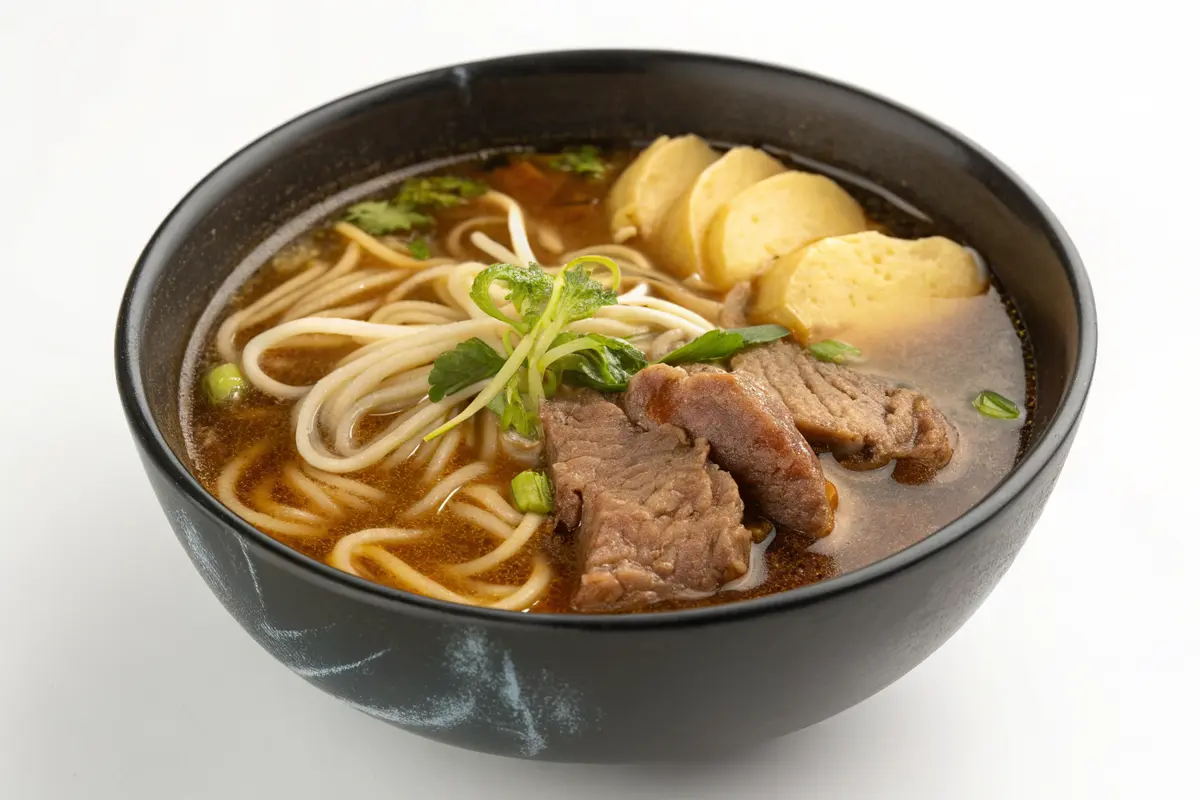
Savoring the Rich Flavors of Beef Ginger Noodle Soup
A Comforting Asian-Inspired Bowl
Beef ginger noodle soup combines tender slices of beef with aromatic ginger and silky rice noodles in a rich, savory broth that warms you from the inside out. This soul-satisfying dish strikes the perfect balance between hearty and refreshing, with the zingy ginger cutting through the richness of the beef while the noodles provide a satisfying base. “The homemade chicken noodle soup technique offers similar staged-cooking approaches to prevent burning while developing maximum flavor.”
Whether you’re fighting off a winter chill or simply craving something comforting yet vibrant, this soup delivers on all fronts. It’s perfect for weeknight dinners, weekend lunches, or anytime you need a boost of flavor and nourishment. The aromatic broth, tender beef, and slurp-worthy noodles come together to create a bowl that’s both familiar and exciting—a true celebration of Asian-inspired comfort food at its finest.
Gathering Your Flavorful Elements: Key Ingredients
The Essential Components
Creating the perfect beef ginger noodle soup requires ingredients that bring both depth and brightness to your bowl. Each component plays a vital role in building the complex flavors that make this soup so satisfying. “For an equally exciting noodle experience with different flavor notes, try the drunken noodles recipe that features bold Thai-inspired flavors with a spicy kick.”
| Core Ingredients | Quantity | Notes |
|---|---|---|
| Beef sirloin | 1 lb | Thinly sliced against the grain |
| Fresh ginger | 2 tbsp | Minced (about a 2-inch piece) |
| Rice noodles | 200g | Medium thickness works best |
| Beef broth | 4 cups | Low-sodium preferred |
| Garlic | 2 cloves | Minced |
| Soy sauce | 2 tbsp | Low-sodium variety |
| Carrots | 1 cup | Thinly sliced on a diagonal |
| Green onions | 2 | Sliced, whites and greens separated |
| Sesame oil | 1 tsp | For sautéing and flavor |
Optional Flavor Enhancers
| Enhancement Ingredients | Quantity | Purpose |
|---|---|---|
| Star anise | 1-2 pods | Adds depth and aromatic complexity |
| Bok choy | 2 cups | Chopped, adds freshness and nutrients |
| Bean sprouts | 1 cup | For crunch and texture contrast |
| Fish sauce | 1 tbsp | Deepens umami flavor |
| Brown sugar | 1 tsp | Balances flavors and adds subtle sweetness |
| Cilantro | ¼ cup | Roughly chopped for garnish |
| Lime wedges | 1 lime | For serving, adds brightness |
| Red chili flakes | ½ tsp | Adds heat, adjust to taste |
| Mushrooms (shiitake) | ½ cup | Sliced, for earthiness and texture |
Creating Your Perfect Bowl: Cooking Instructions
Building Layers of Flavor
The key to an exceptional beef ginger noodle soup lies in layering flavors at the right time and allowing them to meld together. Each step builds on the previous one, creating a harmonious bowl that’s greater than the sum of its parts. “If you enjoy the warming qualities of ginger in this soup, you might appreciate how gingerbread cookies transform this ingredient into a delightful sweet treat with similar comforting qualities.”
- Prepare the aromatics: Heat 1 teaspoon of sesame oil in a large pot over medium heat. Add minced garlic and ginger, sautéing until fragrant and just beginning to turn golden, about 30-45 seconds. The aroma should be strong but not burnt.
- Brown the beef: Add the thinly sliced beef sirloin to the pot. Spread it out evenly to ensure proper browning. Cook quickly, about 2 minutes, just until the outside changes color. The beef will continue cooking in the broth, so avoid overcooking at this stage.
- Create the broth base: Pour in 2 tablespoons of soy sauce, allowing it to sizzle briefly with the beef to intensify the flavors. Then add 4 cups of beef broth, scraping any browned bits from the bottom of the pot with a wooden spoon to incorporate those flavors into the broth.
- Add vegetables and simmer: Bring the broth to a simmer, then add sliced carrots and the white parts of the green onions. If using optional star anise, add it now. Allow the soup to simmer for 5 minutes, or until carrots are tender but still have a slight bite.
- Prepare the noodles: While the soup simmers, cook the rice noodles according to package instructions in a separate pot. Be careful not to overcook – they should be just tender with a slight chew. Drain thoroughly and rinse briefly with cool water to prevent sticking.
- Combine and finish: Add the cooked and drained rice noodles to the simmering soup. If using any optional ingredients like bok choy, mushrooms, or bean sprouts, add them now and simmer for 1-2 minutes until just wilted but still vibrant.
- Season and garnish: Taste the soup and adjust seasonings as needed with additional soy sauce, a touch of fish sauce (if using), or a pinch of salt. Remove from heat and stir in the green parts of the green onions. If using cilantro, sprinkle it on top now.
- Serve immediately: Ladle the hot soup into bowls, ensuring each serving has a good mix of noodles, beef, and vegetables. Serve with optional lime wedges on the side for diners to squeeze over their bowls to taste, adding brightness that balances the rich flavors.
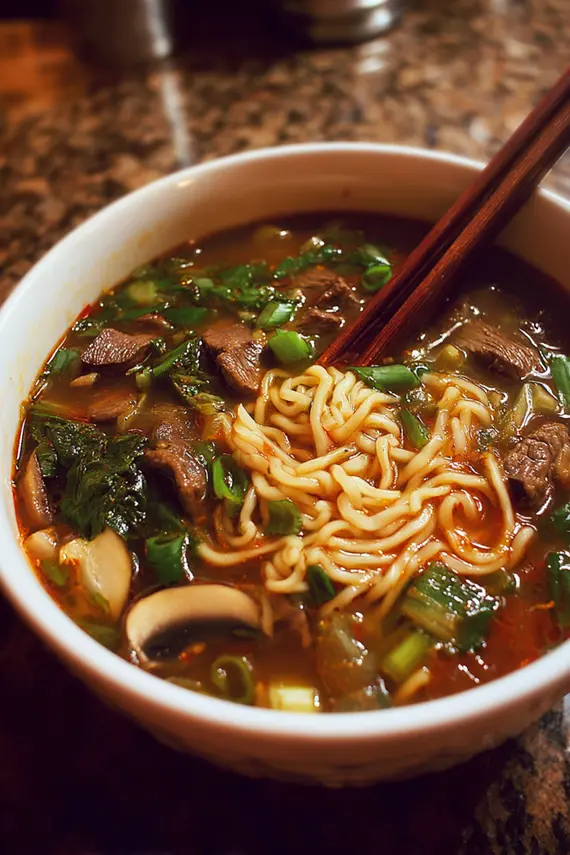
Culinary Wisdom: Expert Tips for Perfect Soup
Mastering the Technique
Even simple recipes like beef ginger noodle soup benefit from a few insider tips that can elevate your dish from good to exceptional. These practical suggestions will help you troubleshoot common issues and add your own personal touch to this classic soup. “For a different but equally satisfying soup experience, harissa lentil soup offers a North African-inspired flavor profile with warming spices and hearty legumes.”
- Freeze the beef for 15-20 minutes before slicing – This makes it easier to achieve paper-thin slices that cook quickly and remain tender.
- Use fresh ginger, never powdered – The vibrant, zesty quality of fresh ginger is essential to this soup’s character. To save time, keep peeled ginger in your freezer and grate it directly into the pot when needed.
- Cook noodles separately – Cooking rice noodles directly in the broth makes them absorb too much liquid and can cloud the broth. Always cook and rinse them separately before adding to the soup.
- Keep components separate for leftovers – If planning for multiple meals, store the broth, beef, and noodles in separate containers. Combine only what you’ll eat immediately to prevent the noodles from becoming soggy.
- Build a richer broth – For a more complex flavor, simmer beef bones or oxtail for 1-2 hours before starting the recipe, then strain and use this enhanced broth as your base.
- Control the heat level – Add a slice of fresh jalapeño or a dollop of chili oil when serving for those who prefer a spicier soup without altering the base recipe for everyone.
- Balance the flavors – The perfect beef ginger noodle soup should have a harmony of salty (soy sauce), slightly sweet (carrots), sour (lime), spicy (ginger), and umami (beef). Adjust each element to find your perfect balance.
Keeping Your Soup Fresh: Storage Solutions
Maximizing Freshness and Flavor
Properly storing your beef ginger noodle soup ensures you can enjoy its delicious flavors for days after cooking. With a few simple strategies, you can maintain the integrity of each component and prevent the common pitfalls of leftover soup storage. “If you’re looking for more make-ahead protein options, beef and vegetable roast keeps exceptionally well and can be repurposed into multiple meals throughout the week.”
For optimal freshness, store the components of your beef ginger noodle soup separately. The broth with beef and vegetables can be refrigerated in an airtight container for up to 3-4 days. The vibrant flavors actually develop further overnight, making this soup sometimes even better on day two. However, the noodles should always be stored separately in their own container with a small drizzle of sesame oil to prevent sticking.
When reheating, bring the broth to a gentle simmer before adding the noodles during the final minute just to warm them through. This prevents the noodles from becoming overcooked and mushy. For longer storage, the broth portion freezes beautifully for up to 3 months – simply thaw overnight in the refrigerator and prepare fresh noodles when ready to serve.
If you’ve added bean sprouts or fresh herbs, these are best added fresh upon reheating rather than stored with the soup. The soup’s ginger flavor will intensify slightly over time in storage, which most enthusiasts of Asian-inspired cuisine consider a bonus rather than a drawback.
Transforming Traditions: Creative Variations
Adapting for Different Tastes and Dietary Needs
The beauty of beef ginger noodle soup lies in its adaptability. With a few thoughtful modifications, you can create variations to suit different dietary preferences, available ingredients, or simply to explore new flavor dimensions while maintaining the soul of this comforting dish.
Vegetarian Ginger Mushroom Noodle Soup
Swap the beef and beef broth for a robust vegetable broth infused with dried shiitake mushrooms. Use a variety of fresh mushrooms (portobello, cremini, and oyster) sautéed until golden to provide meaty texture and umami depth. Add a tablespoon of white miso paste to the broth for extra richness and complexity. The ginger still shines through, creating a satisfying meatless version that doesn’t compromise on flavor.
Spicy Beef Ginger Soup with Chili Oil
For heat lovers, transform the original recipe by adding 1-2 tablespoons of Sichuan chili oil, 1 teaspoon of Sichuan peppercorns (lightly crushed), and 2-3 dried chilies to the initial aromatics stage. This creates a numbing, spicy version that’s reminiscent of traditional Sichuan beef noodle soups. Finish with extra chili oil drizzled on top and thinly sliced fresh red chilies for both heat and visual appeal.
Coconut Ginger Beef Soup
Create a Southeast Asian twist by reducing the beef broth to 2 cups and adding 2 cups of coconut milk for a creamy, richer soup. Enhance with 1 tablespoon of Thai red curry paste, 2 kaffir lime leaves, and a stalk of lemongrass (bruised and cut into 4-inch pieces). The coconut mellows the ginger’s bite while adding tropical richness that pairs beautifully with the beef.
Quick Weeknight Beef Ginger Udon
For busy evenings, substitute the rice noodles with pre-cooked udon noodles (available in most grocery stores), use ground beef instead of sliced sirloin, and incorporate pre-cut frozen vegetable mix. This variation comes together in under 15 minutes but still delivers the warming ginger-infused flavors that make the original so appealing.
Seafood Ginger Noodle Soup
Replace beef with a combination of shrimp, scallops, and firm white fish for a seafood variation. Use seafood or chicken broth as the base and reduce cooking time to prevent overcooking the delicate seafood. The bright ginger notes complement seafood beautifully, creating an elegant twist that’s perfect for special occasions or when you’re craving something lighter.
From Bowl to Table: Serving Suggestions
Creating a Complete Dining Experience
The way you serve beef ginger noodle soup can transform it from a simple meal to a memorable dining experience. Consider these serving ideas to enhance your enjoyment of this aromatic dish and create satisfying meal combinations for various occasions. For a refreshing counterpoint to the warm soup, consider pairing it with an ultimate chef salad which offers crisp textures and cool flavors that balance the soup’s warmth.
Family-Style Serving
For casual family dinners, serve the beef ginger noodle soup as the centerpiece in a large tureen alongside small bowls of optional toppings. Include bean sprouts, thinly sliced jalapeños, lime wedges, fresh herbs, and chili oil so each person can customize their bowl according to their preferences. This interactive approach makes the meal more engaging and ensures everyone gets exactly the flavor profile they enjoy.
Elegant Individual Bowls
For more formal occasions, pre-compose individual bowls with careful attention to presentation. Use large, deep bowls with a contrasting color to the soup. Arrange the noodles in a nest formation, place beef slices and vegetables artfully on top, and pour the hot broth tableside. Garnish with precisely placed herb leaves, a sprinkle of sesame seeds, and a small wedge of lime on the rim for a restaurant-quality presentation.
Complete Meal Pairings
While beef ginger noodle soup can certainly stand alone as a complete meal, lighter side dishes can round out the experience. Consider serving it with simple cucumber salad dressed with rice vinegar and sesame seeds, or crispy spring rolls for textural contrast. For heartier appetites, steamed dumplings or a small plate of garlicky stir-fried greens make excellent accompaniments.
Portion Considerations
For a starter course, serve smaller portions (about 1 cup) in wide, shallow bowls. For a main course, plan on approximately 2 cups per person in deeper bowls that can accommodate a generous portion of noodles and broth. When serving as part of a multi-course Asian-inspired meal, coordinate the spice levels and flavors of other dishes to complement rather than compete with the ginger notes in the soup.
Special Occasion Presentation
For celebratory meals, consider elevating the presentation with ceramic Asian-style soup spoons for each diner, proper chopsticks with rests, and small dishes of chili oil or premium soy sauce for individual seasoning. A pot of jasmine tea makes the perfect beverage pairing, cleansing the palate between spoonfuls of the flavorful soup.
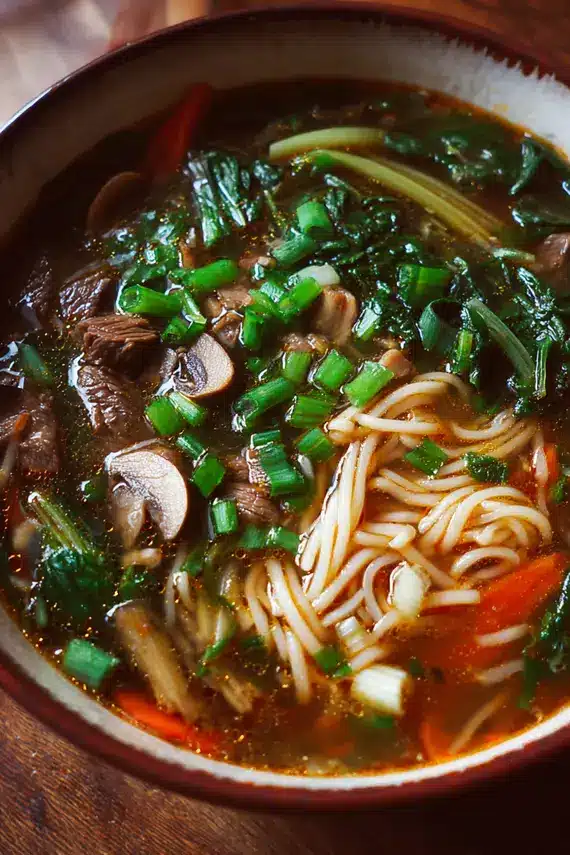
Common Questions: Your Beef Ginger Noodle Soup FAQ
Expert Answers to Cook’s Queries
Can I make beef ginger noodle soup ahead of time for a dinner party?
Yes, this soup is actually ideal for make-ahead situations. Prepare the broth with beef and vegetables up to two days in advance, but store it separately from the noodles. The flavors will develop nicely in the refrigerator. About 30 minutes before serving, reheat the broth gently and prepare fresh noodles. This approach gives you more time to focus on other aspects of hosting while ensuring the best texture in your final dish.
What’s the best cut of beef to use for this soup?
While sirloin is specified in the recipe, several beef cuts work wonderfully. Ribeye offers rich marbling and tenderness but is more expensive. Flank steak or skirt steak provide excellent flavor at a lower price point but require very thin slicing against the grain. For convenience, some Asian markets sell pre-sliced “hot pot beef” that’s perfect for this soup. Avoid stew meat or chuck, which require much longer cooking times to become tender.
I don’t have rice noodles. What can I substitute?
Rice noodles provide the authentic texture, but this soup is remarkably versatile. Egg noodles offer a heartier alternative with a pleasant chewiness. Ramen noodles (discard the seasoning packet) provide a quick option that absorbs the broth flavors beautifully. Even regular spaghetti or linguine can work in a pinch. If avoiding gluten, try sweet potato or shirataki noodles as alternatives that hold up well in the hot broth.
Why does my ginger sometimes taste bitter in soups?
Bitterness usually occurs when ginger is either old or overcooked. Always use fresh, firm ginger with smooth skin for the best flavor. If your ginger has developed fibrous texture or wrinkled skin, it may impart bitterness. Additionally, avoid browning the ginger during the sautéing phase—it should become fragrant but not dark. For milder ginger flavor, peel the root before mincing; for stronger flavor, leave some of the peel intact.
Final Thoughts: Why Beef Ginger Noodle Soup Deserves a Regular Place in Your Recipe Rotation
A Bowl of Comfort and Flavor
Beef ginger noodle soup beautifully bridges the gap between everyday comfort food and exciting culinary adventure. With its perfect balance of warming ginger, savory beef, and satisfying noodles, this soup offers something for everyone at your table. “For another noodle dish with vibrant Asian flavors, turmeric fish vermicelli bowl delivers a colorful and nutritious option that’s equally impressive but with different flavor notes.”
What makes this recipe truly special is its adaptability throughout the seasons. In winter, it provides comforting warmth and nourishment. In warmer months, the bright ginger notes and fresh garnishes keep it refreshing despite being served hot. The layered flavors develop and deepen with each spoonful, creating an eating experience that remains interesting from the first taste to the last.
Whether you’re cooking for family on a busy weeknight or impressing guests with your international culinary skills, beef ginger noodle soup delivers both satisfaction and sophistication without demanding advanced techniques or hard-to-find ingredients. Its beautiful combination of textures—silky broth, tender beef, soft noodles, and crisp vegetables—creates a sensory experience that elevates it above ordinary soups.
So ladle yourself a generous bowl of this aromatic soup, breathe in its ginger-infused steam, and enjoy a dish that nourishes both body and spirit. Your taste buds will thank you, and your recipe collection will be all the richer for including this versatile, delicious creation.
PrintBeef Ginger Noodle Soup
- A soul-warming Asian-inspired soup featuring tender beef slices, aromatic ginger, and silky rice noodles.
- The perfect balance of savory broth, zingy ginger, and satisfying noodles in every spoonful.
- A complete meal in a bowl that’s both comforting and refreshing.
- Prep Time: 20
- Cook Time: 15
- Total Time: 35 minutes
- Yield: 4 servings 1x
- Category: Dinner
- Method: Stovetop
- Cuisine: Asian-Inspired
Ingredients
- 1 lb beef sirloin, thinly sliced against the grain
- 2 tbsp fresh ginger, minced
- 200g rice noodles
- 4 cups low-sodium beef broth
- 2 cloves garlic, minced
- 2 tbsp low-sodium soy sauce
- 1 cup carrots, thinly sliced on diagonal
- 2 green onions, sliced (whites and greens separated)
- 1 tsp sesame oil
- 1–2 star anise pods (optional)
- 2 cups bok choy, chopped (optional)
- 1 cup bean sprouts (optional)
- 1 tbsp fish sauce (optional)
- 1 tsp brown sugar (optional)
- ¼ cup cilantro, roughly chopped (optional)
- 1 lime, cut into wedges (optional)
- ½ tsp red chili flakes (optional)
Instructions
- Heat sesame oil in a large pot over medium heat. Add minced garlic and ginger, sautéing until fragrant, about 30-45 seconds.
- Add the thinly sliced beef sirloin to the pot, spreading it out evenly. Cook quickly, about 2 minutes, just until the outside changes color.
- Pour in soy sauce, allowing it to sizzle briefly with the beef. Then add beef broth, scraping any browned bits from the bottom of the pot.
- Bring to a simmer, then add sliced carrots, white parts of green onions, and star anise if using. Simmer for 5 minutes, until carrots are tender but still have a slight bite.
- While soup simmers, cook rice noodles according to package instructions in a separate pot. Drain thoroughly and rinse briefly with cool water.
- Add cooked noodles to the simmering soup. If using optional bok choy, mushrooms, or bean sprouts, add them now and simmer for 1-2 minutes.
- Taste and adjust seasonings as needed with additional soy sauce, fish sauce (if using), or salt.
- Remove from heat and stir in the green parts of green onions and cilantro if using.
- Serve immediately with lime wedges on the side.
Notes
- Freeze the beef for 15-20 minutes before slicing to achieve thinner slices.
- Always use fresh ginger for the most vibrant flavor.
- For meal prep, store broth, beef, and noodles separately.
- Add chili oil or sliced jalapeños at serving time for those who prefer more heat.
- Nutrition facts are estimates and may vary based on ingredients used, portion sizes, and preparation methods.
Nutrition
- Serving Size: 1 bowl (approximately 2 cups)
- Calories: 385
- Sugar: 4
- Sodium: 670
- Fat: 12
- Saturated Fat: 4
- Unsaturated Fat: 7
- Carbohydrates: 42
- Fiber: 3
- Protein: 28
- Cholesterol: 65
Keywords: beef ginger noodle soup, ginger noodle soup, beef ginger broth, asian noodle soup, zesty ginger soup
Let’s connect! Follow me for more Joylicious Recipes: Facebook, Instagram, Pinterest