

The Ultimate Cottage Cheese Bread Recipe: Soft, Moist, and Delicious
Discover the Magic of Cottage Cheese in Bread
Cottage cheese bread recipe enthusiasts know there’s something truly special about incorporating this protein-rich dairy product into homemade bread. This isn’t just another bread recipe – it’s a game-changer that creates an incredibly soft, moist texture with a subtle tangy flavor that keeps you coming back for more. Unlike traditional bread recipes, cottage cheese bread boasts a tender crumb and exceptional moisture retention that makes it perfect for everything from sandwiches to toast. The addition of cottage cheese not only enhances the texture but also boosts the nutritional profile, adding protein and calcium to every delicious slice.
Why This Recipe Stands Out
What makes this cottage cheese bread recipe truly exceptional is its versatility and foolproof nature. Even if you’re new to bread baking, this recipe delivers consistent results with minimal effort. The dough comes together quickly, rises beautifully, and bakes to golden perfection. Furthermore, the cottage cheese works its magic by keeping the bread fresh longer than conventional loaves. Whether you’re making a basic loaf or experimenting with flavorful add-ins like herbs and cheese, this recipe provides a fantastic foundation.
“Looking for inspiration? Try our banana bread with mayo for another unique twist on homemade bread.”
Ingredients for Perfect Cottage Cheese Bread Recipe
Essential Components
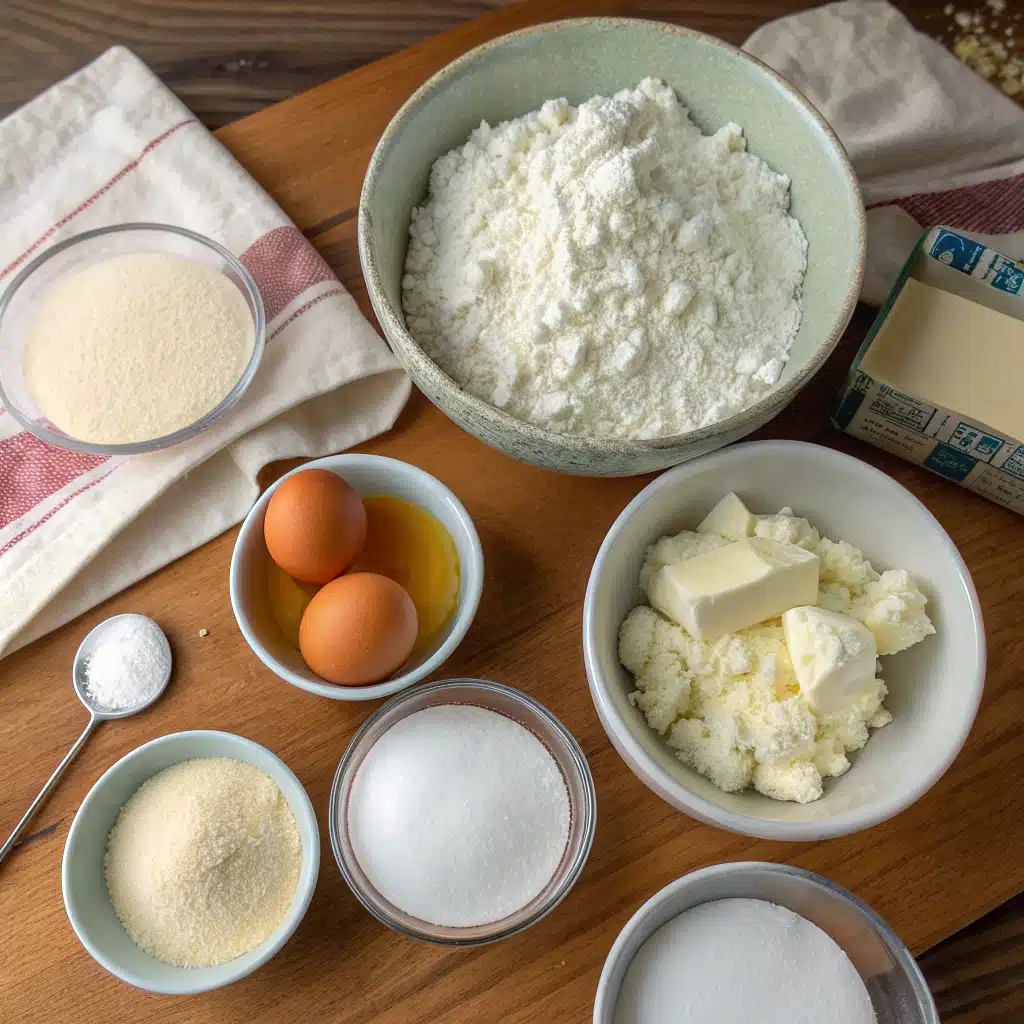
The beauty of this cottage cheese bread recipe lies in its simple yet effective ingredient list. Every element contributes to shaping an ideal loaf:
| Ingredient | Amount | Purpose |
|---|---|---|
| Active dry yeast | 2¼ teaspoons | Leavening agent that creates rise |
| Honey or sugar | 1 tablespoon | Feeds the yeast and adds subtle sweetness |
| Warm water (110°F) | ½ cup | Activates the yeast |
| Cottage cheese (room temperature) | 1 cup | Creates moisture and tenderness |
| Large egg (beaten) | 1 | Provides structure and richness |
| Unsalted butter (melted) | 2 tablespoons | Adds flavor and tenderness |
| Salt | 1 teaspoon | Enhances flavor and controls yeast |
| Bread flour (or all-purpose) | 3 cups (or 2¾ cups) | Forms the structure of the bread |
Optional Flavor Boosters
The classic cottage cheese bread is excellent on its own, but you can enhance it with optional mix-ins for a personalized touch:
| Optional Ingredient | Amount | Flavor Profile |
|---|---|---|
| Garlic powder | ½ teaspoon | Savory, aromatic note |
| Dried Italian herbs | 1 teaspoon | Mediterranean flavor |
| Shredded cheddar or parmesan | ½ cup | Rich, cheesy dimension |
Together, the ingredients form a dough that’s simple to handle and bakes into a loaf with great texture. The cottage cheese might seem unusual, but it’s the secret weapon that transforms ordinary bread into something extraordinary.
Step-by-Step Cottage Cheese Bread Recipe Method
Preparing the Yeast and Dough
Begin by activating the yeast. In a small bowl, combine 2¼ teaspoons active dry yeast with 1 tablespoon honey (or sugar) and ½ cup warm water (110°F). Stir gently and let sit for 5-10 minutes until foamy. If no bubbles form, your yeast may be inactive – discard and start again with fresh yeast.
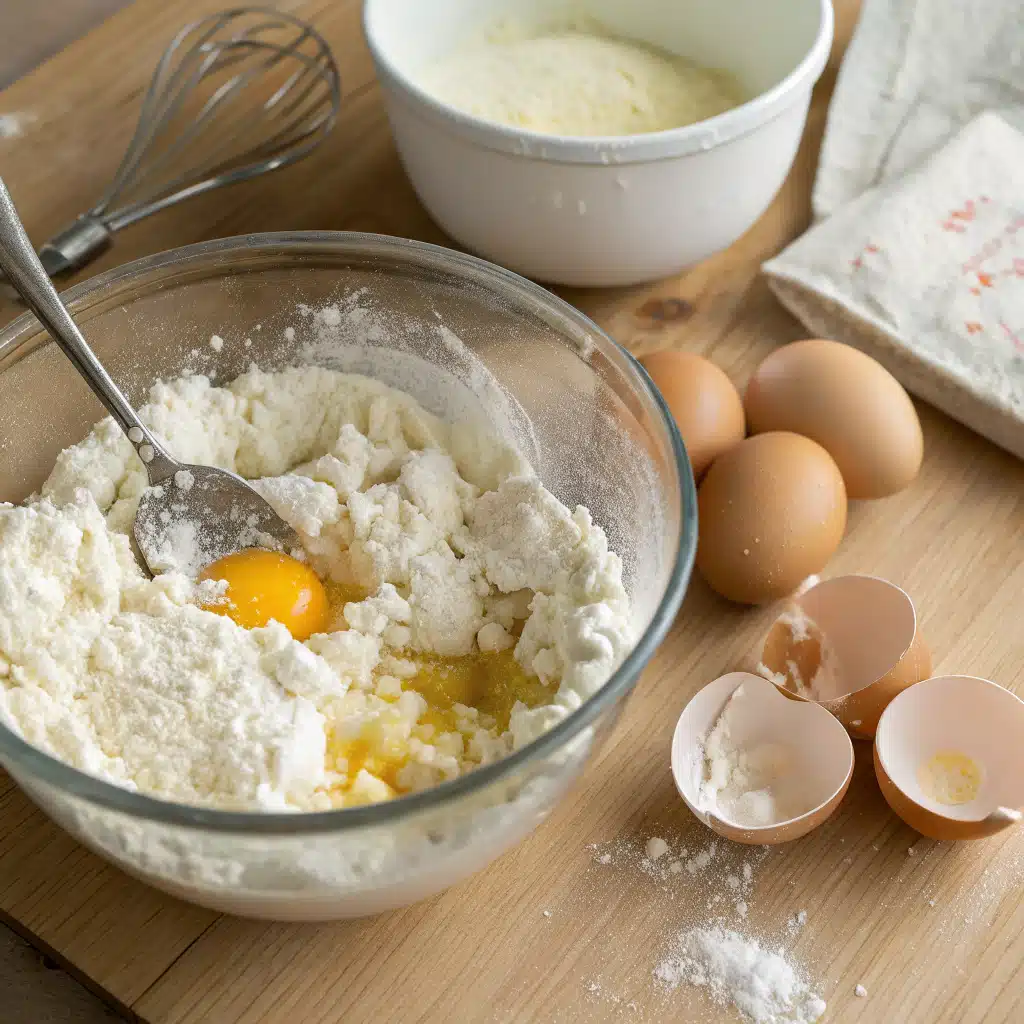
While the yeast activates, prepare the cottage cheese mixture. In a large mixing bowl, whisk together 1 cup room temperature cottage cheese (mashed or blended for smoothness), 1 beaten egg, 2 tablespoons melted unsalted butter, and 1 teaspoon salt until well combined and smooth.
Once the yeast mixture is foamy, stir it into the cottage cheese mixture, combining thoroughly. This creates the wet base for your cottage cheese bread dough.
Gradually add the flour to the wet ingredients, starting with about 2 cups and mixing until incorporated. Continue adding the remaining flour bit by bit, mixing until a soft, slightly sticky dough forms. You may need slightly more or less flour depending on humidity and moisture content of your cottage cheese.
Kneading and First Rise
Turn the dough onto a lightly floured surface and knead by hand for 8-10 minutes. The kneading process develops the gluten, creating a smooth, elastic dough that springs back when poked gently. Alternatively, use a stand mixer with a dough hook on medium speed for about 6 minutes until the dough pulls away from the sides of the bowl.
Place the kneaded dough in a lightly greased bowl, turning once to coat all sides with oil. Cover with a clean kitchen towel and place in a warm, draft-free spot to rise for 60-90 minutes, or until doubled in size. For an ideal rising environment, you can place the covered dough in a turned-off oven with just the oven light on for gentle warmth.
Shaping and Second Rise
Once doubled, gently punch down the dough to release air bubbles. On a lightly floured surface, shape the dough into a smooth log form that will fit your loaf pan.
Place the shaped dough into a greased 9×5-inch loaf pan, cover lightly with a kitchen towel, and allow to rise again for 30-45 minutes. This second rise should result in the dough puffing up over the edge of the pan, indicating it’s ready to bake.
“Check out our no-knead seeded oat bread for another fantastic homemade bread option.”
Baking to Perfection
While the dough completes its second rise, preheat your oven to 375°F (190°C). This temperature ensures proper baking without burning the crust.
Place the risen loaf in the preheated oven and bake for 30-35 minutes. The cottage cheese bread is done when it achieves a beautiful golden-brown color and sounds hollow when tapped on the bottom. For absolute certainty, use an instant-read thermometer – the internal temperature should reach 190-200°F.
Allow the baked cottage cheese bread to cool in the pan for 10 minutes, then transfer to a wire rack to cool completely before slicing. This cooling period is crucial as it allows the structure to set, preventing a gummy texture when sliced.
Tips for Cottage Cheese Bread Recipe Success
Working with Cottage Cheese
The cottage cheese in this bread recipe is what makes it special, but proper handling is key. For best results, bring your cottage cheese to room temperature before using. This ensures it incorporates smoothly into the dough without creating cold spots that might affect yeast activity. Additionally, if you prefer a smoother texture in your bread, consider blending or mashing the cottage cheese before adding it to the mixture. The small curds in cottage cheese will largely disappear during baking, but blending creates an even more uniform texture.
Different fat contents in cottage cheese will yield slightly different results. Full-fat cottage cheese produces the richest, most tender bread, while low-fat versions still work well but may create a slightly less rich texture. No matter which type you choose, be sure to drain any excess liquid from the cottage cheese before measuring to maintain proper dough consistency.
Achieving the Perfect Rise
Getting a good rise is crucial for soft, fluffy cottage cheese bread. First, ensure your yeast is fresh and active by checking for foaming during the activation step. Temperature control is equally important – yeast thrives in warmth but dies in excessive heat. The ideal environment for dough rising is between 75-85°F, away from drafts.
For an even rise, consider these professional techniques:
- Create a proofing box by placing a bowl of hot water in your oven (turned off) alongside the covered dough
- Use the “oven light method” by placing dough in the oven with just the oven light on for gentle warmth
- On cold days, warm your mixing bowl before making the dough
- Be patient – proper rising can’t be rushed and contributes significantly to texture
Troubleshooting Common Issues
Even experienced bakers occasionally encounter challenges when making cottage cheese bread. Here are solutions to common problems:
If your dough is too sticky: Gradually add small amounts of flour during kneading, but be careful not to add too much, as this can make the bread dense. Remember that this dough should be slightly tacky but manageable.
If your bread isn’t rising properly: Check the expiration date on your yeast, ensure your water temperature isn’t too hot (which kills yeast) or too cold (which won’t activate it), and make sure your rising environment is warm enough.
If your bread collapses during baking: This usually indicates over-proofing. The second rise should only last until the dough rises just above the edge of the pan – don’t let it go too long or the structure will weaken.
If your bread has a dense texture: This could result from under-kneading (not enough gluten development), too much flour, or insufficient rising time.
“Discover great ideas like our easy condensed milk bread recipe for more bread-making tips.”
Storage and Freshness
Keeping Your Bread Fresh
One of the wonderful qualities of cottage cheese bread is its excellent moisture retention, helping it stay fresh longer than many traditional breads. To maximize freshness, allow the bread to cool completely before storing. This prevents condensation inside your storage container, which can lead to mold development.
For short-term storage (2-3 days), wrap the cooled cottage cheese bread tightly in plastic wrap or aluminum foil, then place it in a bread box or airtight container at room temperature. This method preserves the bread’s soft texture while protecting it from drying out. Avoid refrigerating your bread, as refrigeration actually accelerates the staling process despite the common misconception that it keeps bread fresh.
Freezing for Longevity
Cottage cheese bread freezes exceptionally well, making it perfect for batch preparation. To freeze, wait until the bread is completely cooled, then wrap it tightly in plastic wrap. For added protection, follow with a layer of aluminum foil or place the wrapped bread in a freezer-safe zip-top bag, removing as much air as possible before sealing.
For convenient portioning, consider slicing the bread before freezing. Place parchment paper between slices to prevent sticking, then wrap and freeze as directed above. Freezing in portions makes it easy to thaw only what you need. When properly wrapped, cottage cheese bread keeps its quality in the freezer for up to three months.
Reviving Day-Old Bread
If your cottage cheese bread begins to lose its freshness after a few days, don’t worry – it can be easily revived. For whole loaves, lightly sprinkle the crust with water, wrap in aluminum foil, and warm in a 300°F oven for 5-10 minutes. This reintroduces moisture and makes the crust crisp again.
For slices, lightly toast them to restore their appeal. The natural moisture from the cottage cheese helps prevent excessive dryness even after toasting.
“Don’t miss our lemon blueberry bread for another delicious bread that stores well.”
Variations on Classic Cottage Cheese Bread Recipe
Sweet Adaptations
While the basic cottage cheese bread recipe creates a versatile loaf that works beautifully for both sweet and savory applications, you can easily modify it to create distinctly sweet variations:
Cinnamon Swirl Cottage Cheese Bread: After the first rise, roll the dough into a rectangle, spread with a mixture of 3 tablespoons melted butter, ½ cup brown sugar, and 2 teaspoons cinnamon. Roll up tightly, place in the loaf pan, and proceed with the second rise and baking.
Honey Oat Cottage Cheese Bread: Increase honey to 3 tablespoons in the base recipe, add ½ cup rolled oats to the dough, and sprinkle additional oats on top before baking for a hearty, lightly sweetened bread perfect for breakfast.
Raisin Walnut Cottage Cheese Bread: Fold in ½ cup each of raisins and chopped walnuts after the first rise for a fruit-studded loaf with wonderful texture contrast.
Savory Variations
The cottage cheese bread recipe also serves as an excellent foundation for savory flavor profiles:
Herb and Garlic Cottage Cheese Bread: Add ½ teaspoon garlic powder, 1 tablespoon dried herbs (like rosemary, thyme, and basil), and ¼ cup finely chopped fresh parsley to the dough for an aromatic loaf perfect alongside Italian dishes.
Three-Cheese Cottage Cheese Bread: Incorporate ½ cup total of mixed shredded cheeses like sharp cheddar, parmesan, and mozzarella into the dough, with an additional sprinkle on top before baking for a richly flavored bread.
Jalapeño Cheese Cottage Cheese Bread: For those who enjoy some heat, mix in ¼ cup finely diced jalapeños (seeds removed for milder flavor) and ½ cup shredded pepper jack cheese to create a southwestern-inspired loaf.
Dietary Adaptations
The cottage cheese bread recipe can be modified to accommodate various dietary needs:
Whole Grain Cottage Cheese Bread: Replace half the bread flour with whole wheat flour for added nutrition and a hearty texture. You may need to add 1-2 additional tablespoons of water to compensate for the whole grain’s higher absorption.
Gluten-Free Cottage Cheese Bread: While more challenging, you can substitute a quality gluten-free flour blend plus 1 teaspoon xanthan gum for the bread flour. The cottage cheese helps maintain moisture in gluten-free adaptations, which tend to dry out quickly.
Reduced-Fat Cottage Cheese Bread: Use low-fat cottage cheese and replace the butter with 2 tablespoons of olive oil for a heart-healthier version that still maintains excellent texture and flavor.
“Here’s your guide to chicken waldorf salad recipe that pairs perfectly with this bread.”
Serving Suggestions
Perfect Pairings
Cottage cheese bread’s versatility makes it an ideal companion for countless meals and occasions. Its slightly tangy note and tender crumb pair wonderfully with:
Morning Spreads: Serve warm slices with honey butter, fruit preserves, or cream cheese for a delightful breakfast. The bread’s protein content from the cottage cheese makes it more satisfying than regular toast.
Soups and Stews: The bread’s sturdy yet tender texture makes it perfect for dipping into hearty soups, chilis, and stews. Try it alongside a rustic vegetable soup or classic beef stew.
Sandwich Foundation: Use cottage cheese bread for exceptional sandwiches – its moisture-retaining properties prevent it from becoming dry even with minimal condiments. It’s particularly wonderful with egg salad, tuna salad, or roasted vegetables.

Meal Inspirations
Build complete meals around your freshly baked cottage cheese bread:
Breakfast Board: Create a beautiful morning spread with sliced cottage cheese bread, assorted jams, fresh fruit, yogurt, and boiled eggs for a European-style breakfast that will impress guests.
Open-Faced Delights: Toast thick slices and top with avocado, microgreens, and a poached egg for a trendy and nutritious lunch. Alternatively, try roasted tomatoes, fresh mozzarella, and basil for an Italian-inspired option.
Bread Pudding Transformation: Day-old cottage cheese bread makes exceptional bread pudding, both sweet (with cinnamon, vanilla, and dried fruits) and savory (with herbs, cheese, and vegetables).
Entertaining with Cottage Cheese Bread Recipe
Impress guests with these cottage cheese bread entertaining ideas:
Bread Basket Centerpiece: Bake mini loaves using the same cottage cheese bread recipe but divided into smaller pans. Serve warm in a lined basket as a dinner party starter that will have everyone reaching for more.
Crostini Base: Slice baguette-shaped cottage cheese bread thinly, brush with olive oil, and toast for exceptional crostini. Top with various spreads and toppings for elegant appetizers.
Bread Bowl: Shape the dough into a round loaf, and after baking and cooling, hollow out the center to create a bread bowl for dips or thick soups. The cottage cheese in the bread helps it hold its structure without getting soggy.
“Want more ideas? Check out chicken caesar salad wrap recipe for delicious fillings for your bread.”
FAQs About Cottage Cheese Bread Recipe
What ingredients are needed to make cottage cheese bread?
You’ll need active dry yeast, honey or sugar, warm water, cottage cheese, an egg, melted butter, salt, and bread or all-purpose flour. Optional add-ins include garlic powder, herbs, or shredded cheese for extra flavor. The cottage cheese keeps the loaf moist and adds a subtle tang.
Can cottage cheese bread be made with no yeast?
Yes. Replace yeast with 3 teaspoons baking powder plus 1 teaspoon baking soda. Mix and bake right away—no rising time. The result is a quick bread texture, not a traditional loaf, but still tasty.
How do you get cottage cheese bread to rise properly?
Use fresh yeast, proof it in warm water with sugar, and knead well for gluten development. Let the dough rise in a warm, draft-free spot (75–85°F). Because cottage cheese slows fermentation slightly, allow extra time until the dough doubles.
What is the texture of cottage cheese bread?
It bakes up soft and moist with a tender crumb and golden crust. The interior is pillowy and uniform, ideal for sandwiches, with no curds visible after baking.
How do you keep cottage cheese bread from being too wet or soggy?
Drain cottage cheese before use, balance flour with liquid, and add flour gradually if dough feels too sticky. Bake until the internal temperature reaches 190–200°F, and cool fully before slicing.
How should you store cottage cheese bread?
Keep cooled bread wrapped airtight at room temperature for 3–4 days. Avoid refrigeration, which speeds staling. Freeze whole loaves or slices up to 3 months; thaw at room temperature or toast straight from frozen.
Conclusion
Why Cottage Cheese Bread Deserves a Place in Your Recipe Collection
The cottage cheese bread recipe we’ve explored represents so much more than just another homemade bread. It embodies the perfect balance of simplicity and sophistication – easy enough for beginners yet impressive enough for experienced bakers. The addition of cottage cheese transforms ordinary bread into a protein-enriched, wonderfully textured loaf that stays fresh longer and adapts beautifully to countless variations.
This recipe proves that sometimes unexpected ingredients create the most remarkable results. The humble cottage cheese, often overlooked in baking, becomes the secret weapon that elevates this bread above standard recipes. The resulting loaf offers not just delicious flavor but also nutritional benefits, with added protein and calcium in every slice.
Final Thoughts and Encouragement
Baking your own cottage cheese bread connects you to a long tradition of home bakers who understood that the best bread comes from simple ingredients and careful technique. As you master this recipe, you’ll likely find yourself reaching for it again and again – whether for everyday sandwiches, special occasion dinners, or weekend breakfast treats.
Don’t be afraid to experiment with the variations we’ve suggested or create your own unique adaptations. The versatile foundation of this cottage cheese bread recipe welcomes creativity while providing consistently excellent results. And remember, even if your first loaf isn’t perfect, each baking attempt builds your skills and intuition.
Share your freshly baked cottage cheese bread with friends and family – there’s nothing quite like the pride that comes from watching loved ones enjoy something you’ve created from scratch. In our busy world of convenience foods, taking the time to bake this exceptional bread is both an act of self-care and a gift to those around you.
“Learn more about sausage tater tot breakfast casserole as another crowd-pleasing recipe to serve alongside your homemade bread.”
Cottage Cheese Bread Recipe

Incredibly soft and moist homemade bread with cottage cheese for a tender texture and subtle tangy flavor.
- Prep Time: 30 minutes
- Cook Time: 35 minutes
- Total Time: 1 hour 5 minutes
- Yield: 12 slices 1x
- Category: Breakfast
- Cuisine: American
Ingredients
- 2¼ teaspoons active dry yeast
- 1 tablespoon honey, or sugar
- ½ cup warm water, 110°F
- 1 cup cottage cheese, room temperature and mashed
- 1 large egg, beaten
- 2 tablespoons unsalted butter, melted
- 1 teaspoon salt
- 3 cups bread flour, or 2¾ cups all-purpose flour, adding more if needed
- Optional: ½ teaspoon garlic powder
- Optional: 1 teaspoon dried Italian herbs
- Optional: ½ cup shredded cheddar, or parmesan
Instructions
- Combine yeast, honey, and warm water in a small bowl. Let sit 5-10 minutes until foamy.
- In a large bowl, mix cottage cheese, egg, melted butter, and salt.
- Add activated yeast mixture to the cottage cheese mixture and stir well.
- Gradually add flour, mixing until a soft, slightly sticky dough forms.
- Knead dough for 8-10 minutes by hand or 6 minutes with stand mixer until smooth and elastic.
- Set the dough in a greased bowl, cover it, and let it rise for 1–1.5 hours, or until it doubles in size.
- Punch down dough, shape into a loaf, and place in greased 9×5-inch pan.
- Let rise again 30-45 minutes until dough extends above pan edge.
- Bake at 375°F for 30-35 minutes until golden and internal temperature reaches 190-200°F.
- Cool in pan 10 minutes, then transfer to wire rack to cool completely before slicing.
Notes
For variations, add herbs, cheese, or spices to the dough before the first rise.
Nutrition facts are estimates and may vary based on ingredients used, portion sizes, and preparation methods.
Nutrition
- Serving Size: 12 slices
- Calories: 165
- Sugar: 2g
- Sodium: 230mg
- Fat: 3g
- Saturated Fat: 1.5g
- Trans Fat: 0g
- Carbohydrates: 28g
- Fiber: 1g
- Protein: 6g
- Cholesterol: 25mg
Keywords: cottage cheese bread, homemade bread, protein bread
Let’s connect! Follow me for more Joylicious Recipes: Facebook, Instagram, Pinterest