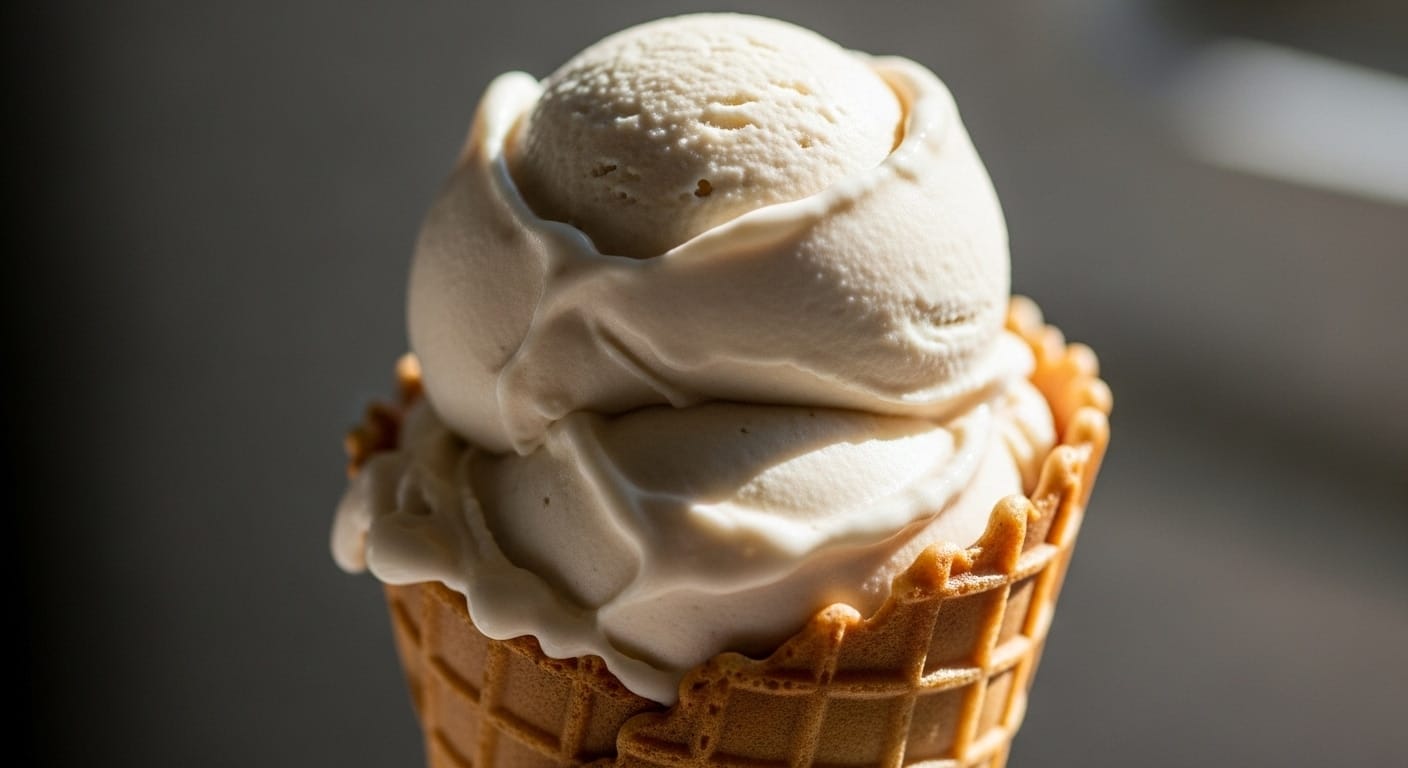
Vegan Ice Cream Made Easy: Complete Recipe & Pro Tips
If you’re looking for a dairy-free dessert that’s creamy, delicious, and guilt-free, vegan ice cream is your go-to treat. This article dives deep into what vegan ice cream is, how it’s made, why it’s healthier, and how you can make it at home using ingredients like cashew milk and coconut milk. Whether you’re dairy-intolerant, plant-based, or just exploring healthier options, this guide will cover everything you need—from the science of creamy textures to substitutes for eggs and dairy.
Looking for more frozen inspiration? Try this delicious peach ice cream recipe that’s perfect for summer!
What Is Vegan Ice Cream?
Vegan ice cream is a frozen dessert that skips animal-derived ingredients like milk, cream, and eggs. Instead, it uses plant-based alternatives such as coconut milk, almond milk, soy milk, or cashew milk to mimic the creamy texture of traditional ice cream. Unlike standard “dairy-free” labels, vegan-certified products also avoid honey, gelatin, and additives derived from animals.
To qualify as vegan, the entire recipe—from fats to flavorings—must come from plant sources only. That’s what separates vegan options from “lactose-free” or “non-dairy” varieties, which might still contain animal products.
Common Misconceptions About Vegan vs. Dairy-Free
The terms “dairy-free” and “vegan” are often used interchangeably, but they’re not identical. Dairy-free ice cream might still contain animal-derived stabilizers, while vegan ice cream ensures zero animal inputs across the board. It’s more than just avoiding lactose—it’s about ethical sourcing, sustainability, and clean labeling.
For example, many dairy-free brands use egg yolks or animal-based emulsifiers, but a truly vegan ice cream will replace these with arrowroot powder, agar-agar, or flaxseed gel.
A Brief History of Plant-Based Frozen Desserts
Believe it or not, vegan-style ice creams have been around for centuries in various forms. Ancient Chinese cooks made frozen desserts from rice and almond milk, while cultures across Southeast Asia used coconut cream to craft chilled treats. The modern revival of vegan ice cream kicked off in the 2000s, coinciding with the plant-based movement and rising lactose intolerance rates.
Now, the vegan ice cream market is booming. You can find non-dairy frozen desserts in almost every major grocery store, from luxury pints to budget-friendly options. Even big names like Ben & Jerry’s and Häagen-Dazs offer full vegan lines.
Don’t miss our mango popsicles for a refreshing, dairy-free experience using simple ingredients.
Health Benefits of Vegan Ice Cream
Is Vegan Ice Cream Healthier Than Regular Ice Cream?
Yes—vegan ice cream often delivers a healthier alternative to traditional versions. By using plant-based ingredients like cashew or coconut milk instead of dairy, it naturally contains less saturated fat and zero cholesterol. On the other hand, traditional ice cream often contains animal-derived fats and added hormones—ingredients that many individuals choose to stay away from.
Many vegan recipes also cut down on refined sugars by incorporating natural sweeteners or fruit-based alternatives, which helps support better blood sugar control.
Still, keep this in mind: “vegan” doesn’t mean low-calorie by default. Some versions include plenty of oil or sugar to enhance flavor and creaminess. To stay in control, opt for homemade batches using whole-food ingredients.
Understanding Calories, Fats & Sugars in Vegan Ice Cream
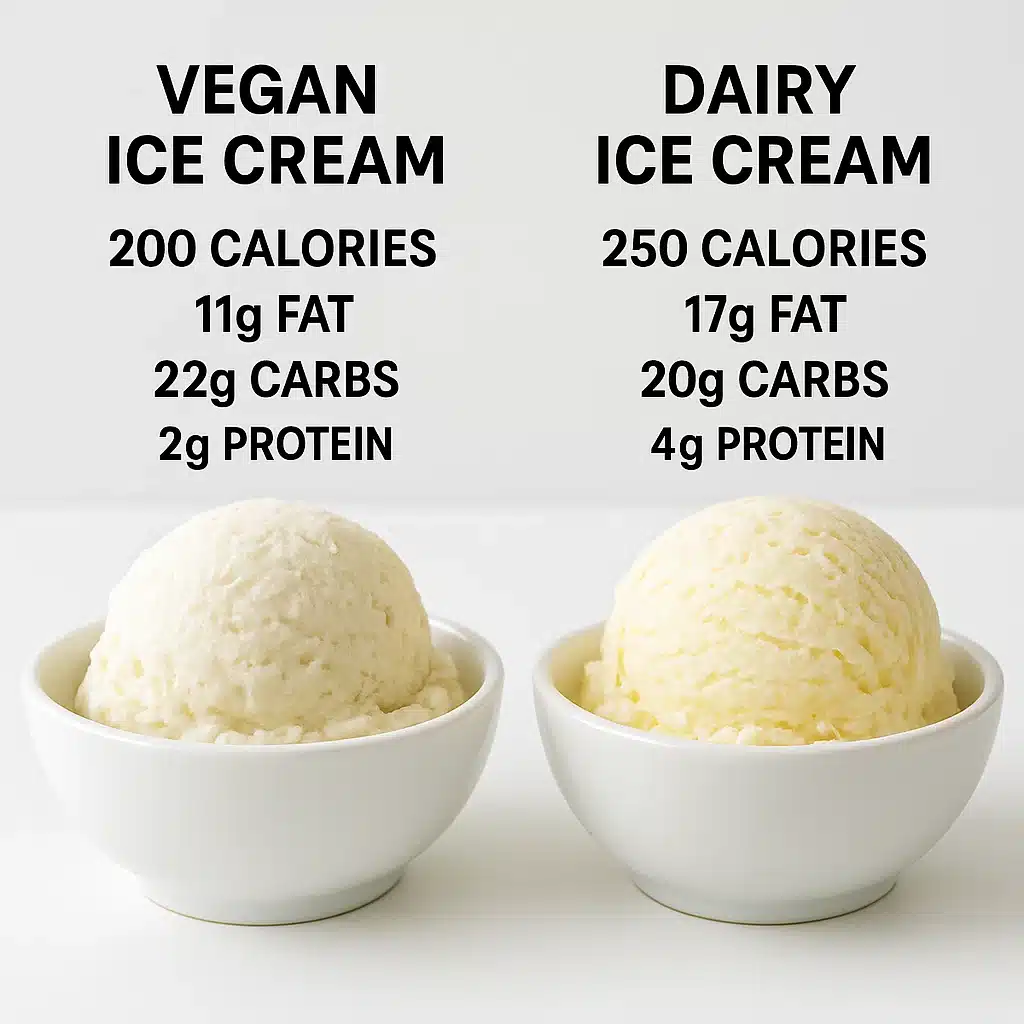
Let’s break down a typical ½-cup serving:
| Nutritional Value | Vegan Ice Cream (Cashew/Coconut base) | Regular Ice Cream |
|---|---|---|
| Calories | 180–220 | 250–300 |
| Saturated Fat | 5–7g (from coconut or cacao butter) | 8–12g |
| Cholesterol | 0mg | 20–40mg |
| Sugars | 12–18g | 20–28g |
| Fiber | 1–2g | 0g |
The takeaway? With the right recipe, you can enjoy a creamy frozen treat while avoiding cholesterol and excessive fat. Cashew milk adds natural creaminess and protein—without the need for animal products.
Check out our strawberry shortcake ice cream for a delicious plant-based spin on a classic.
Is It Suitable for Weight Loss or Keto Diets?
It can be. When tailored to your dietary needs, vegan ice cream works for keto and weight-loss goals. Try using low-carb sweeteners like monk fruit or erythritol and choose lighter non-dairy milks such as almond or hemp to reduce calories and fat content.
You don’t need to give up indulgence—just tweak the ingredients to align with your health goals. And always watch portion sizes. Even healthy ice cream adds up if you’re scooping it daily.
Looking for another wholesome option? Try our creamy coconut cream pie recipe—a vegan dessert that’s full of flavor but made with better-for-you ingredients.
Essential Ingredients for Making Vegan Ice Cream
Dairy Alternatives: Coconut Milk, Almond, Cashew, Soy, Oat
The creamy texture of vegan ice cream comes from plant-based milks. Each one brings a unique flavor, fat content, and consistency that affects the final product.
- Coconut Milk adds richness and depth due to its high fat content. It’s ideal for thick, scoopable results.
- Cashew Milk offers a silky texture with a neutral flavor that blends well with chocolate or vanilla.
- Almond Milk is lighter and slightly nutty but may result in a more icy texture unless combined with stabilizers.
- Soy Milk has a creamy finish and higher protein content, making it great for structured desserts.
- Oat Milk delivers a subtle sweetness and smooth mouthfeel, popular in commercial brands.
Choosing the right base is key. For a luxurious, dairy-like result, many homemade recipes blend cashew and coconut milk—like the one featured later in this guide.
Natural Sweeteners vs Refined Sugar in Vegan Recipes
Sweeteners are essential—not just for taste, but also for texture. Refined white sugar is still widely used in vegan recipes because it helps control ice crystallization. However, there are healthier vegan alternatives you can use depending on your goals:
- Maple syrup and agave nectar provide depth and softness.
- Coconut sugar adds a rich caramel note.
- You can use banana puree or Medjool dates as natural sweeteners that also increase the fiber content.
If you’re watching your sugar intake, consider monk fruit or erythritol, which sweeten without spiking blood sugar. Keep in mind that not all sugar substitutes freeze well, so test a small batch first.
Vegan Fats: Coconut Oil, Nut Butters, and Cacao Butter
Creamy, indulgent ice cream needs fat—and that’s where vegan-friendly oils come in. They help emulsify the mixture and give it that luscious, smooth texture.
- Coconut oil is a go-to for richness.
- Cacao butter provides a subtle chocolate aroma and firm structure.
- Nut butters like almond or cashew can be added for protein, flavor, and creaminess.
Our featured recipe combines coconut oil and cacao butter with homemade cashew milk for a texture that rivals premium dairy-based brands.
Don’t miss our banana bread with mayo—a surprisingly creamy dessert made with unconventional but delicious plant-based fats.
Best Vegan Milk for Ice Cream
Comparing Almond, Cashew, Oat, Soy, and Coconut Milk
The base milk you choose plays a huge role in the texture and flavor of your vegan ice cream. Each type brings its own strengths—and some drawbacks too.
Here’s a side-by-side breakdown:
| Plant Milk | Texture in Ice Cream | Flavor Profile | Best For |
|---|---|---|---|
| Cashew Milk | Ultra-creamy | Mild, neutral | Chocolate, vanilla, nut-based blends |
| Coconut Milk | Rich, dense | Coconut-forward | Tropical, chocolate, and caramel |
| Almond Milk | Light, slightly icy | Nutty undertone | Fruit flavors, lighter desserts |
| Soy Milk | Balanced, creamy | Slightly beany | Coffee, mocha, peanut butter |
| Oat Milk | Smooth, soft | Naturally sweet | Cinnamon, cookies, and chai blends |
Cashew milk and coconut milk tend to deliver the best texture for homemade vegan ice cream, especially when used together. They provide a stable fat base that mimics dairy without curdling or separating.
Flavor and Creaminess: Which Milk Performs Best?
Creaminess depends on the fat and protein content in your base. Coconut milk, particularly full-fat canned versions, produces the richest texture, while cashew milk blends seamlessly without overpowering the flavor.
If you prefer a mild base that lets bold flavors like vanilla extract or cacao butter stand out, cashew milk is your best choice. For a deeper flavor with built-in richness, coconut milk is the clear favorite.
Combining the two is a winning strategy—and it’s exactly what we use in the homemade recipe shared below.
Storage, Cost, and Homemade vs Store-Bought Options
Homemade plant milks like cashew or almond are incredibly fresh, but they don’t last as long in the fridge. Still, they’re often cheaper when made in bulk and allow total control over ingredients—no gums, preservatives, or added sugars.
Store-bought versions offer convenience but can include additives that affect freezing, such as stabilizers or oils. Always read the label if you’re using packaged milk for your ice cream base.
If you’re new to making milk at home, don’t worry—we’ve got you covered with simple methods coming up in our recipe section.
Discover great ideas like our recipes section where you can explore more plant-based creations using nut and coconut milks.
Homemade Vegan Ice Cream Recipe (Cashew-Coconut Base)
Ingredients You’ll Need for the Cashew-Coconut Ice Cream
This recipe creates a rich, creamy vegan ice cream using wholesome, plant-based ingredients. Here’s what you’ll need:
For the Homemade Cashew Milk:
- 1 cup Raw Cashews (150g), soaked in hot water for one hour
- 1 cup + 2 Tbsp Water (270ml)
For the Ice Cream:
- 2 cups Homemade Cashew Milk (480ml)
- 1 cup Full-Fat Canned Coconut Milk (240ml), unsweetened
- 1 cup White Granulated Sugar (200g)
- ¼ cup Water (60ml)
- ¾ cup Cacao Butter (100g), finely chopped
- ¼ cup Coconut Oil (55g)
- 1 tsp Salt
- 2 tsp Vanilla Extract
This combo creates a creamy, dairy-free base with a luxurious mouthfeel, perfect for churning into soft-serve or firm-set scoops.
Step-by-Step Preparation with Pro Tips
Step 1: Freeze Your Ice Cream Bowl
Place the bowl from your ice cream machine into the freezer the day before. It needs to be fully frozen to help your ice cream churn properly.
Step 2: Make the Cashew Milk
Allow the raw cashews to sit in freshly boiled water for about an hour until they soften. Drain, then blend with 1 cup + 2 Tbsp cold water until smooth. Use the entire mixture—no straining needed.
Step 3: Combine the Milks
In a large mixing bowl, stir together the freshly made cashew milk and coconut milk. Set aside.
Step 4: Melt the Sugar and Fats
Add the sugar and ¼ cup of water to a saucepan. Stir continuously until the sugar fully melts—you’ll know it’s done when your spoon stops scraping against the pan.
Step 5: Mix in the chopped
Mix in the chopped cacao butter, coconut oil, and salt. Stir until completely melted and combined.
Step 6: Blend It All Together
Add the melted mixture and vanilla to the milks. Blend until smooth with an immersion or regular blender.
Step 7: Chill the Mixture
Place the mixture in the freezer for 15 minutes to cool. If the edges solidify a bit, simply stir them back into the mixture.
Step 8: Churn the Ice Cream
Pour the chilled base into your ice cream machine. Churn according to the machine’s instructions until it reaches a soft-serve consistency—this usually takes 25–45 minutes.
Step 9: Freeze Until Firm
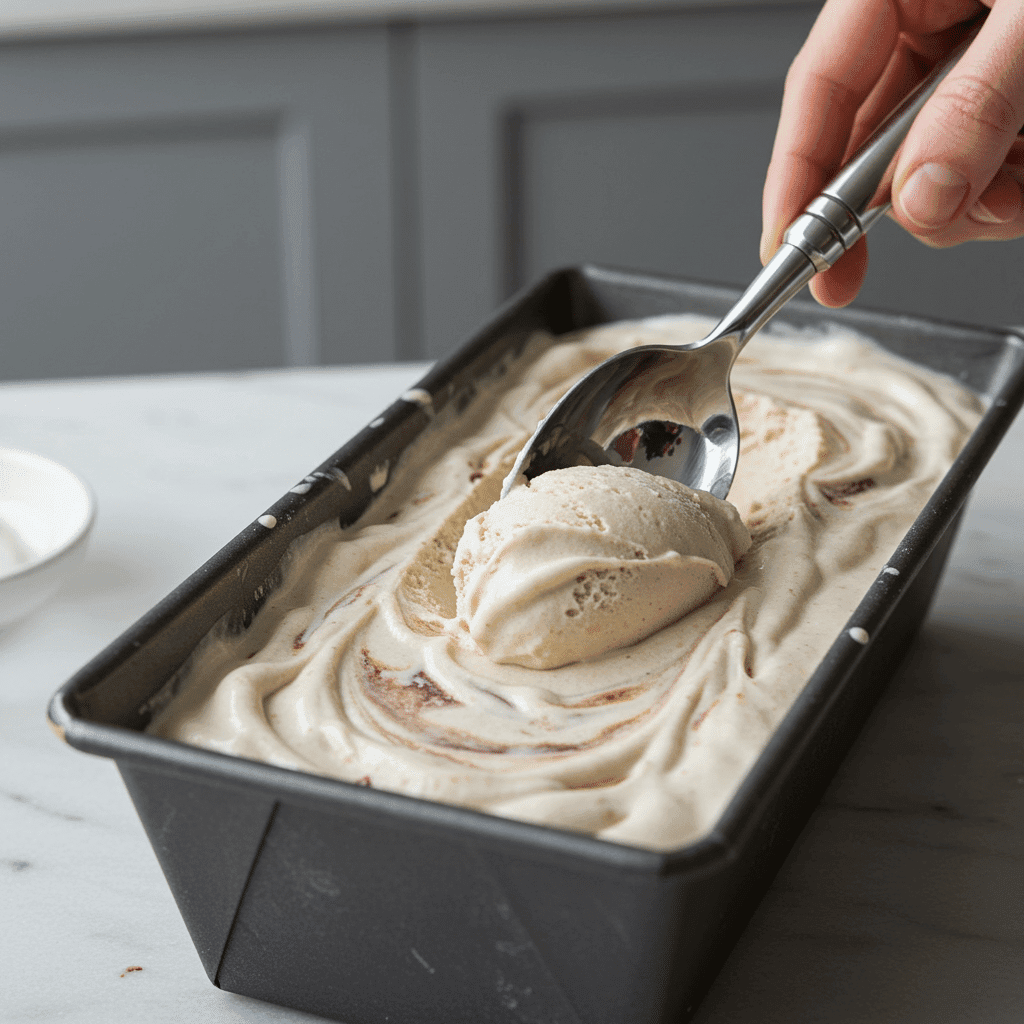
Pour the soft-serve ice cream into a loaf tin. Smooth the top with a spoon, cover, and freeze until solid.
Check out our full peach ice cream recipe if you’re in the mood for fruity flavors next time!
Equipment Recommendations for the Best Results
To make this vegan ice cream at home, you’ll need:
| Tool | Recommended Use |
|---|---|
| Ice Cream Maker | Churns and aerates for a creamy consistency |
| High-Speed Blender | Essential for smooth, lump-free cashew milk |
| Saucepan | Melts sugar and fats evenly |
| Loaf Pan | Ideal for freezing and storing your ice cream |
PART 6: Why Use These Specific Ingredients?
Why Cashew Milk Over Other Options?
Cashew milk offers a neutral flavor and natural creaminess that make it a top choice for vegan ice cream. Unlike almond or oat milk, it blends smoothly without straining and creates a luxurious texture—no gums or additives needed. Its mild profile also allows bold flavors like chocolate, mint, or vanilla to shine through.
Plus, when blended fresh at home, it retains its nutrients and avoids the preservatives often found in store-bought varieties.
What Does Arrowroot Powder Do in Vegan Ice Cream?
Arrowroot powder acts as a natural thickener and stabilizer, replacing the emulsifying role eggs or cream usually play in dairy ice cream. It helps bind the fats and liquids in your base, which prevents the dreaded ice crystal formation.
When you churn the mixture, arrowroot gives it a soft, scoopable texture while ensuring the ice cream stays smooth—even after freezing. It’s also a great alternative to cornstarch for those avoiding grains.
You can add it while heating your base (in cooked recipes) or whisk it into your blend if you’re using a no-cook method. Its neutral flavor won’t affect the taste.
Replacing Eggs: What Are the Best Plant-Based Substitutes?
Traditional ice creams often use egg yolks to enrich the custard base. In vegan versions, you can mimic this with a few smart swaps:
| Egg Substitute | Function in Ice Cream | Notes |
|---|---|---|
| Arrowroot Powder | Thickens & prevents crystallization | Neutral taste, smooth texture |
| Agar-Agar | Gelatin replacement | Best used in heated bases |
| Cashew Butter | Adds body and richness | Mild nutty flavor |
| Flaxseed Gel | Thickens naturally | Slight grainy texture if not blended |
| Coconut Cream | Boosts fat content | Adds richness and tropical flavor |
Our featured recipe skips eggs entirely and relies on a combo of cacao butter, coconut oil, and cashew milk for creaminess—and arrowroot for smooth results.
Don’t miss our mango popsicles—they’re another egg-free, plant-powered dessert to cool you down!
Texture, Taste & Storage Tips
How to Achieve Creamy Texture Without Dairy
One of the biggest challenges in making vegan ice cream is getting that rich, creamy texture we all expect from traditional versions. Fortunately, you can absolutely achieve it without dairy. Here’s how:
- Use high-fat bases like full-fat coconut milk, cashew milk, or added oils (such as coconut oil or cacao butter). These mimic the fat content of cream.
- Incorporate thickeners like arrowroot powder or tapioca starch to prevent icy textures and create a smooth mouthfeel.
- Avoid excess water in your mixture. Water freezes into hard crystals—something you don’t want in your scoop!
- Churn well using an ice cream maker. Proper churning adds air (overrun) and helps with even freezing.
Consistency starts at the ingredient level. That’s why recipes combining coconut and cashew milk tend to yield the creamiest results—with no dairy in sight.
Flavor Pairings and Natural Add-ins
Vegan ice cream isn’t limited to basic vanilla. You can create gourmet flavors right in your kitchen using real, whole ingredients:
| Add-In Type | Flavor Ideas | How to Use |
|---|---|---|
| Fruits | Strawberries, bananas, mango, blueberries | Blend in or swirl post-churning |
| Nuts & Butters | Peanut butter, almond butter, pistachios | Add before churning for smooth blends |
| Spices & Herbs | Cinnamon, cardamom, mint, basil | Infuse during blending or steep in base |
| Crunchy Mix-ins | Chocolate chips, cookie crumbles, granola | Fold in after churning for texture variation |
Try combinations like banana + cinnamon, or strawberry + basil for a fresh twist.
Looking for inspiration? Try our recipes section for more flavor-packed vegan treats you can mix into your base.
Best Ways to Store Vegan Ice Cream Without Freezer Burn
Homemade vegan ice cream doesn’t contain preservatives, so storage matters. Follow these tips to keep your ice cream as delicious as day one:
- Use a shallow, airtight container like a loaf pan with a tight cover or reusable silicone lids.
- Cover the surface with parchment paper or wax paper before sealing the container. This reduces air exposure.
- Store it toward the back of your freezer, where the temperature stays more consistent.
- Let it sit at room temp for 5–10 minutes before scooping—it’ll be easier and creamier.
When stored properly, vegan ice cream stays fresh for up to 2–3 weeks—though it rarely lasts that long!
Frequently Asked Questions About Vegan Ice Cream
What are the ingredients of vegan ice cream?
Vegan ice cream uses plant-based milks like cashew or coconut, a fat source (e.g. coconut oil or cacao butter), sweeteners, and flavorings. Natural thickeners like arrowroot powder help with texture.
Which vegan milk is best for making ice cream?
Cashew milk is great for creaminess and a neutral taste. Coconut milk adds rich texture. For best results, combine the two for a smooth, scoopable base.
What is a substitute for eggs in ice cream?
You can replace eggs with arrowroot powder, agar-agar, or cashew butter. These create a thick, creamy consistency without using animal products.
What is the best vegan thickening agent?
Arrowroot powder works best. It thickens, reduces ice crystals, and improves texture. Tapioca and cornstarch are good alternatives.
Are vegan ice creams healthy?
They can be! Most are cholesterol-free and lower in saturated fat. Homemade versions with clean ingredients are the healthiest option.
Why add arrowroot powder to ice cream?
It helps make vegan ice cream soft and smooth by preventing icy textures. It’s a natural stabilizer that improves overall consistency.
Final Thoughts + More Vegan Dessert Inspiration
Making vegan ice cream at home is easier than you think—and incredibly rewarding. With just a few plant-based ingredients like cashew milk, coconut milk, and cacao butter, you can create a creamy, flavorful dessert that’s dairy-free, egg-free, and totally satisfying.
Not only does homemade vegan ice cream give you control over the ingredients, but it also opens up endless flavor possibilities. From classic vanilla to bold fruit blends, you’re free to experiment without compromising on texture or taste. Just remember: fat, churn time, and thickeners like arrowroot powder are key to getting that perfect scoop.
Whether you’re going fully plant-based or just cutting back on dairy, this guide has clearly shown that vegan ice cream can stand up to any traditional version. Moreover, it’s better for your health, the planet, and anyone with allergies or dietary restrictions.
Looking for more plant-based dessert ideas? Try these next:
- Don’t miss our strawberry shortcake ice cream for another fruity frozen treat.
- Discover great ideas like our coconut cream pie recipe for a rich, tropical-flavored dessert.
- Check out our banana bread with mayo—unexpected, but surprisingly delicious.
- Explore the full recipe library for more vegan and dairy-free delights.
Thanks for following along—go ahead, scoop and savor every bite!
PrintCreamy Vegan Ice Cream

This rich and creamy vegan ice cream is made with homemade cashew milk and full-fat coconut milk. Naturally dairy-free and egg-free, it’s the perfect frozen dessert for plant-based diets—smooth, scoopable, and bursting with flavor.
- Prep Time: 30 mins
- freezing: 3 hour
- Cook Time: 30 mins
- Total Time: 4 hours
- Yield: 10 1x
- Category: Dessert, Ice-Cream
- Cuisine: Vegan
Ingredients
For the Homemade Cashew Milk:
1 cup Raw Cashews (150g) Soaked in hot water for one hour
1 cup + 2 Tbsp Water (270ml)
For the Ice Cream:
2 cups Homemade Cashew Milk (480ml)
1 cup Coconut Milk (240ml) Canned, Full Fat, Unsweetened
1 cup White Granulated Sugar (200g)
¼ cup Water (60ml)
¾ cup Cacao Butter (100g) (finely chopped)
¼ cup Coconut Oil (55g)
1 tsp Salt
2 tsp Vanilla Extract

Instructions
- Place the bowl from your ice cream machine into the freezer the night before you plan to make the ice cream. It must be thoroughly frozen to ensure the mixture churns and sets properly.
- Soak one cup of raw cashews in freshly boiled water for about an hour. Once softened, drain the cashews and add them to a blender with 1 cup plus 2 tablespoons of cold water. Blend until completely smooth and creamy. There’s no need to strain—this rich cashew milk is ready to use.
- Pour the cashew milk into a large mixing bowl and stir in the full-fat coconut milk. Set this creamy base aside as you prepare the sweetened fat mixture.
- Pour the sugar and water into a saucepan and place over gentle heat. Stir constantly over medium heat until the sugar dissolves completely. You’ll notice the mixture becomes clear and smooth, and your spoon will no longer scrape the pan.
- Add the chopped cacao butter, coconut oil, and salt to the saucepan. Continue stirring until all ingredients melt and combine into a silky, glossy mixture.
- Pour the warm mixture into the bowl with the cashew and coconut milk. Add vanilla extract, then blend everything using an immersion blender until fully emulsified and smooth. If you’re using a standard blender, mix everything there, then return the blend to the bowl.
- Place the bowl in the freezer for about 15 minutes to chill the mixture. If any parts begin to harden along the sides, stir to redistribute before churning.
- Transfer the cold mixture into your ice cream maker and churn according to your machine’s instructions. It usually takes 25 to 45 minutes to reach a soft-serve consistency.
- Once churned, scoop the ice cream into a loaf pan. Smooth the surface with a spoon, cover tightly, and freeze until it becomes firm enough to scoop.
Notes
Adjust water slightly based on cashew absorption
Nutrition facts are estimates and may vary based on ingredients used, portion sizes, and preparation methods.
Nutrition
- Serving Size: 10
- Calories: 345kcal
- Sugar: 21.3g
- Sodium: 243mg
- Fat: 26.1g
- Saturated Fat: 15.2g
- Unsaturated Fat: 10.9g
- Carbohydrates: 25.2g
- Fiber: 0.5g
- Protein: 3g
Keywords: Vegan Ice Cream, White Granulated Sugar, Homemade Cashew Milk, Vanilla Extract, Coconut Milk, Cacao Butter, Raw Cashews, Coconut Oil, Salt
Let’s connect! Follow me for more Joylicious Recipes: Facebook, Instagram, Pinterest