Carne En Su Jugo: A Cozy, Authentic Mexican Soup That Warms You From The Inside
The Rich Heritage of Carne en su Jugo
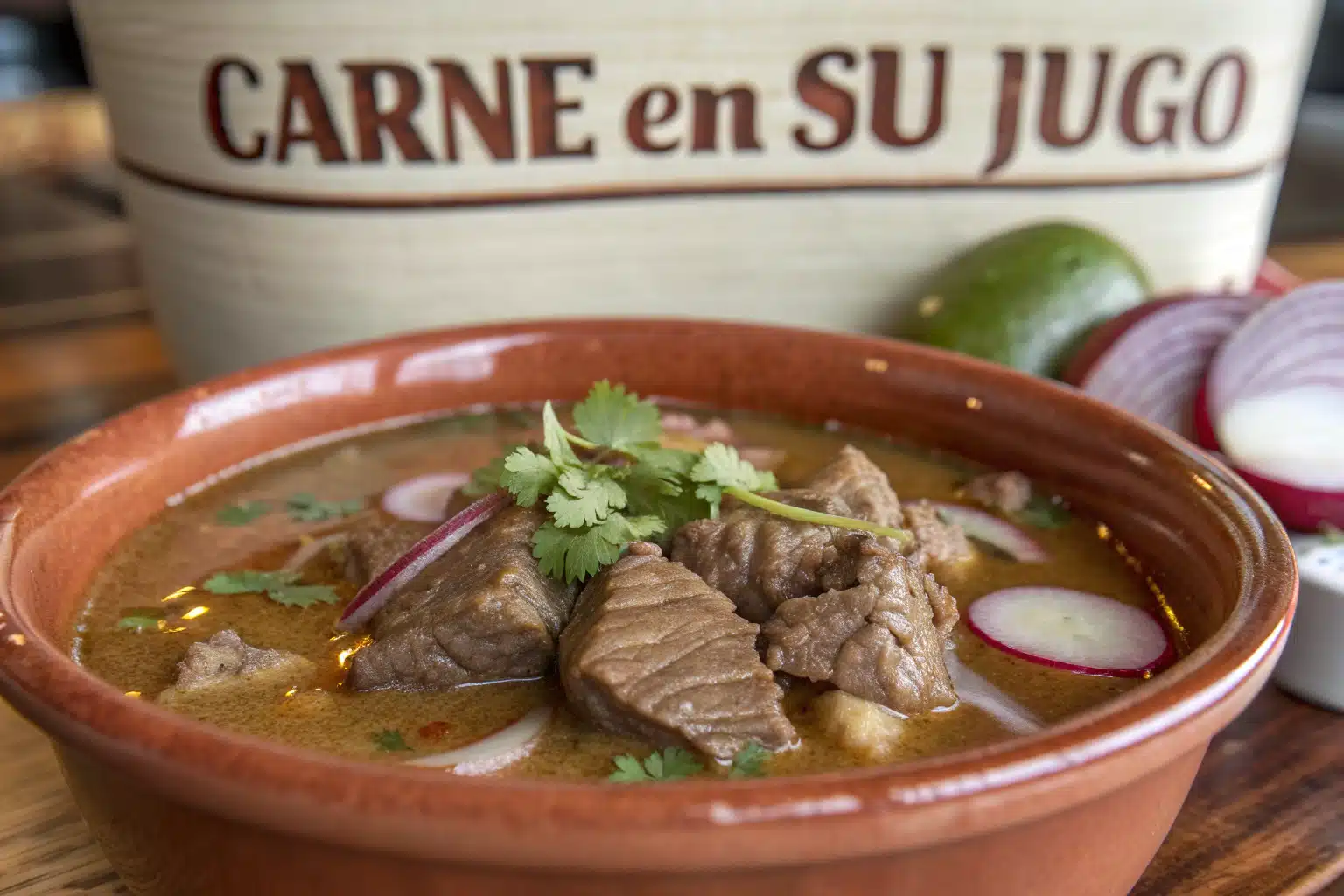
Carne en su jugo, literally “meat in its juices,” is a beloved Mexican dish that showcases the rich culinary traditions of Jalisco, particularly Guadalajara. This flavorful beef soup combines tender pieces of beef simmered in a vibrant tomatillo broth, creating a hearty, satisfying meal that’s perfect for any occasion. The magic of carne en su jugo lies in its simplicity and depth of flavor, allowing the natural taste of beef to shine through while being complemented by fresh herbs and vegetables.
“Discover great ideas like our pollo guisado” for more Mexican-inspired dishes that celebrate traditional cooking methods.
Why Carne en su Jugo Deserves a Place at Your Table
Carne en su jugo offers the perfect balance of protein, vegetables, and broth, making it a nutritious one-pot meal. Unlike many soups that require hours of simmering, this dish comes together relatively quickly while still delivering complex flavors. The combination of tender beef, savory bacon, and tangy tomatillo sauce creates a uniquely satisfying experience that’s both comforting and exciting. Whether you’re looking to expand your Mexican cuisine repertoire or simply want a hearty meal to warm up on a cool evening, carne en su jugo delivers on all fronts.
Ingredients for the Perfect Carne en su Jugo
Essential Components for Authentic Flavor
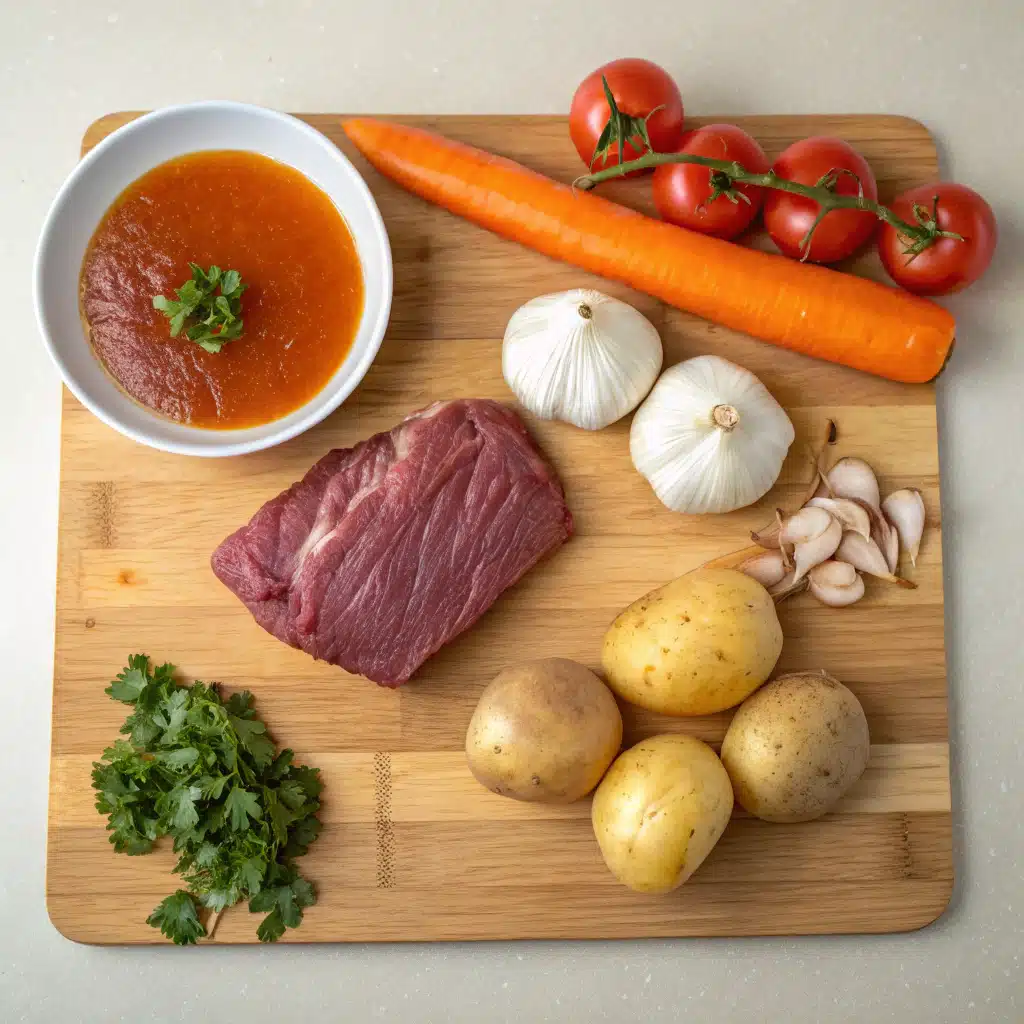
The heart of any good carne en su jugo lies in quality ingredients and the proper balance of flavors. Here’s everything you’ll need to create this traditional Mexican dish:
| For the Beans | For the Green Sauce | For the Meat |
|---|---|---|
| ½ kg black beans, soaked overnight | 10 tomatillos | 250 g bacon, chopped |
| 2 ½ liters water | 3 serrano chilies | 800 g beef milanesa, cut into small cubes |
| 1 tbsp Colima salt | ½ white onion | Colima salt, to taste |
| ¼ cup extra virgin olive oil | 2 garlic cloves | |
| ½ white onion | 8 cilantro sprigs | |
| 1 sprig epazote | 1 tsp Colima salt | |
| 1 tsp extra virgin olive oil |
The Star Ingredients Explained
The beef component in carne en su jugo traditionally uses thin-cut beef known as milanesa, which cooks quickly and remains tender. The green sauce, made primarily from tomatillos, provides a tangy, slightly acidic base that perfectly complements the richness of the meat. Bacon adds a smoky depth that elevates the entire dish, while the beans create a hearty foundation. Fresh cilantro, onions, and lime are essential garnishes that brighten the final presentation and add layers of flavor.
Step-by-Step Carne en su Jugo Preparation
Preparing the Flavorful Bean Base
The bean component of carne en su jugo provides substance and complements the meat perfectly. Here’s how to prepare them:
- Heat the olive oil in a small pot and char half an onion, face down, until it blackens slightly.
- In a pressure cooker, combine the pre-soaked black beans with water and salt, cooking for 45 minutes.
- Once the pressure is released, add the oil, charred onion, and epazote sprig to the beans.
- Simmer for an additional 20 minutes to allow the flavors to meld together.
- Remove the onion and epazote before serving. The beans should have a soupy consistency.
“Looking for inspiration? Try our black pepper chicken with mushrooms for another flavorful protein-rich dish.”
Creating the Perfect Green Sauce
The vibrant tomatillo sauce gives carne en su jugo its distinctive character and color:
- Bring a pot of water to a boil and add the tomatillos, serrano chilies, onion, garlic, and cilantro.
- Cook these ingredients for approximately 10 minutes until softened.
- Transfer the cooked ingredients to a blender and add salt, blending until smooth.
- Return the sauce to a pot with a teaspoon of olive oil and simmer for another 10 minutes.
- The sauce should thicken slightly and develop a deeper flavor.
Cooking the Meat to Perfection
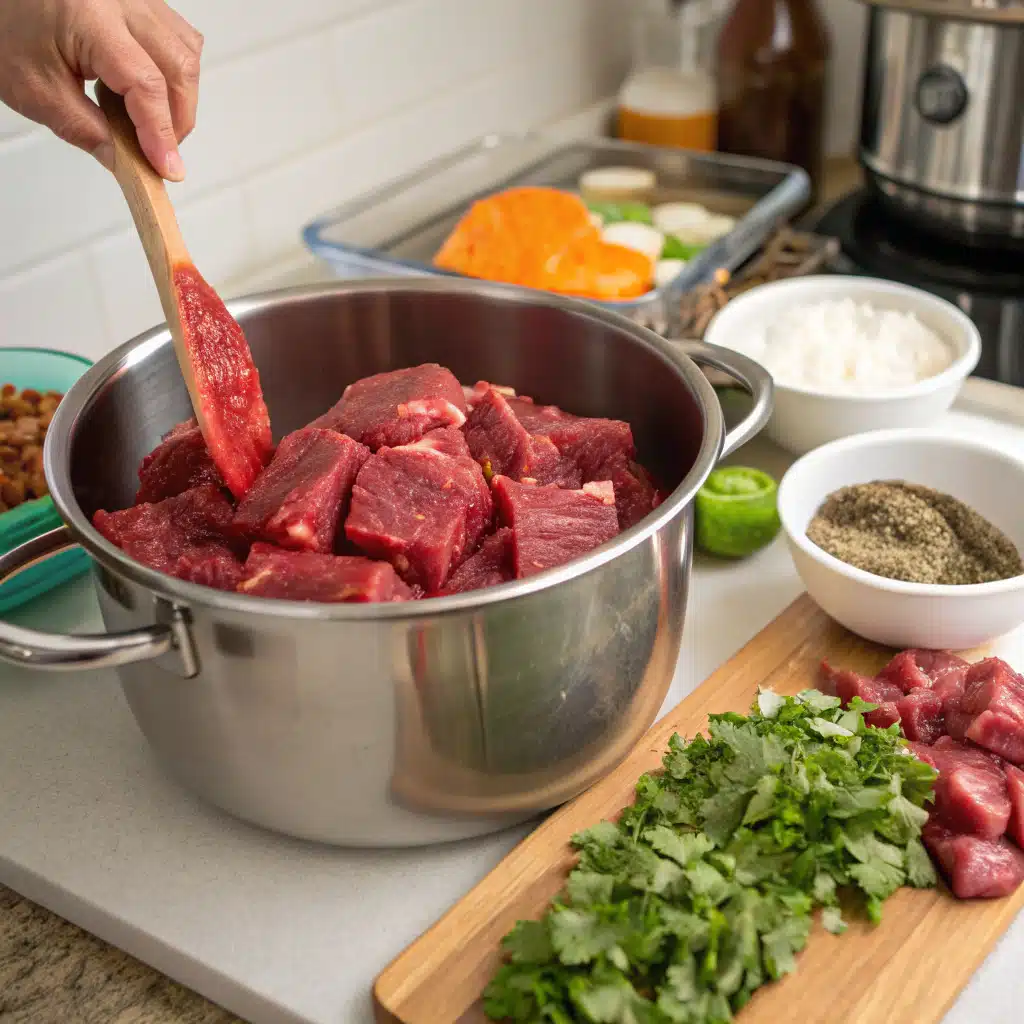
The meat preparation requires attention to detail to ensure perfect texture:
- In a skillet, cook the chopped bacon in its own fat until just cooked but not crispy.
- Remove the bacon and set aside, reserving the rendered fat in the pan.
- Add the diced beef to the same skillet, cooking it in the bacon fat until browned on all sides.
- In a pressure cooker, combine the green sauce, cooked meat, and bacon.
- Seal and cook for 15 minutes to tenderize the meat completely.
- After releasing the pressure, taste and adjust seasonings as needed.
Tips for the Best Carne en su Jugo
Selecting the Right Cuts of Meat
The quality and cut of beef you choose significantly impacts your carne en su jugo:
For authentic results, use thinly sliced beef cut from the round (milanesa style). This cut cooks quickly while remaining tender. If milanesa isn’t available, flank steak or sirloin cut into small cubes works well. The key is to ensure the pieces are small enough to cook quickly and absorb the flavors of the broth. Avoid using cuts with too much fat, as they can make the broth overly greasy.
“Here’s your guide to how to cook cubed chicken perfectly” which uses similar principles for ensuring tender meat.
Achieving the Perfect Consistency
The ideal carne en su jugo has a balance between broth and substance:
The final consistency should be somewhere between a soup and a stew – substantial enough to be satisfying but with enough broth to be considered a soup. If your dish is too thick, add a little chicken broth or water. If it’s too thin, you can simmer it uncovered to reduce the liquid. The beans should be tender but not mushy, maintaining their shape while contributing to the overall creaminess of the dish.
Balancing Flavors for Maximum Impact
The harmony of flavors makes this dish special:
Taste your carne en su jugo throughout the cooking process and adjust seasonings accordingly. The green sauce should have a bright, tangy flavor that complements the richness of the meat. If your sauce is too acidic, a pinch of sugar can help balance it. The salt level is crucial – add it gradually as the beans and bacon already contribute saltiness. Don’t be afraid to add more fresh cilantro or a squeeze of lime juice at the end to brighten the flavors.
Storing Your Carne en su Jugo
Refrigeration Guidelines for Maximum Freshness
Proper storage ensures you can enjoy your carne en su jugo for several days:
Once cooled, store your carne en su jugo in airtight containers in the refrigerator for up to 4 days. If possible, store the beans separately from the meat and broth to prevent them from absorbing too much liquid and becoming overly soft. Before storing, skim off any excess fat that rises to the surface for a cleaner flavor when reheated.
“Want more ideas? Check out our spicy salmon crispy rice bites” for another protein-rich recipe with excellent storage properties.
Freezing Techniques for Long-Term Preservation
Carne en su jugo freezes beautifully for future meals:
For longer storage, freeze portions of carne en su jugo in freezer-safe containers for up to 3 months. Leave about an inch of headspace in containers as the liquid will expand when frozen. Consider freezing the components separately – beans in one container and meat with broth in another – for better texture upon thawing. Label containers with the date and contents for easy identification. Thaw overnight in the refrigerator before reheating for best results.
Reheating Methods That Preserve Flavor
The right reheating technique makes leftovers taste freshly made:
To reheat carne en su jugo, warm it slowly over medium-low heat on the stovetop, stirring occasionally to prevent scorching. Add a small amount of water or broth if the mixture has thickened too much during storage. Avoid using a microwave if possible, as it can make the meat tough and unevenly heated. Garnish reheated portions with fresh toppings like cilantro, onion, and lime juice to refresh the flavors.
Variations on Classic Carne en su Jugo
Regional Adaptations Worth Trying
Carne en su jugo varies across Mexico, with each region adding its own twist:
In some parts of Jalisco, carne en su jugo is made with a clear broth instead of a green tomatillo base. This version focuses more on the pure flavor of the beef. In Michoacán, you might find versions that include chorizo instead of bacon for a spicier profile. Some northern Mexico adaptations include pinto beans rather than black beans. Each variation maintains the essence of carne en su jugo while reflecting local preferences and available ingredients.
Dietary Modifications Without Sacrificing Flavor
You can adapt carne en su jugo to suit various dietary needs:
For a lighter version, use lean beef cuts and reduce the amount of bacon. The soup will still be flavorful, especially if you increase the aromatics. To make it vegetarian, substitute the beef with hearty mushrooms like portobello and use vegetable broth as the base. The tomatillo sauce works wonderfully with these adaptations. For those avoiding beans, you can substitute with diced chayote or zucchini for a similar heartiness.
Creative Twists on Tradition
While respecting the dish’s heritage, try these innovative variations:
Add roasted poblano peppers to the green sauce for a smokier flavor profile. Include radishes not just as a garnish but cooked in the broth for a unique peppery note. “Don’t miss our frijoles recipe” for more bean-based inspiration that works beautifully with carne en su jugo. Some modern interpretations include a touch of beer in the cooking liquid for depth of flavor. Consider adding seasonal vegetables like corn in summer or butternut squash in fall.
Serving Your Carne en su Jugo
Traditional Accompaniments and Garnishes
The proper presentation elevates carne en su jugo from good to exceptional:
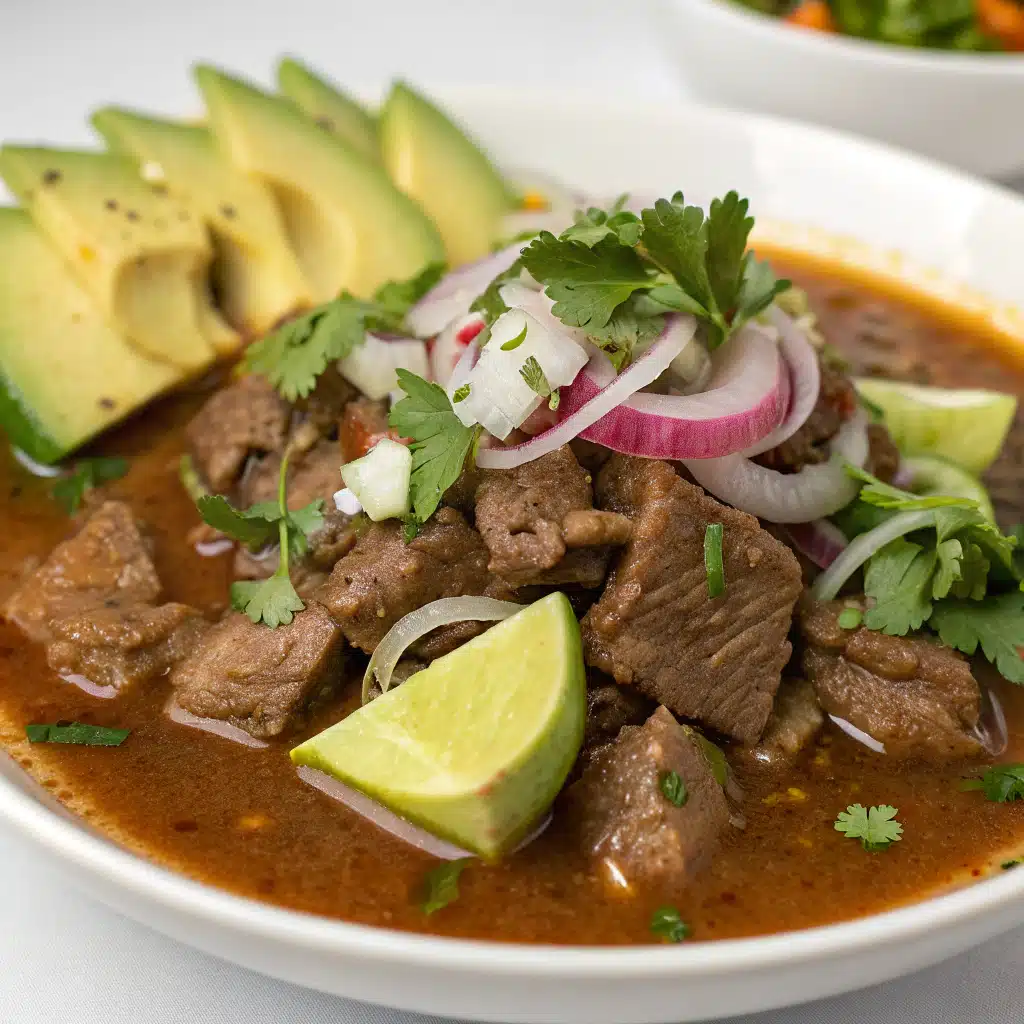
To serve authentically, place a layer of soupy beans in a deep bowl and add a generous portion of the meat and broth in the center. Traditional garnishes include finely diced raw onion, chopped cilantro, sliced radishes, and wedges of lime. Some regions also offer chopped avocado, which adds creaminess that beautifully contrasts with the tangy broth. Serve with warm corn tortillas on the side for dipping or making impromptu tacos with the meat.
Creating a Complete Meal Experience
Turn carne en su jugo into a festive dining experience:
Complement your carne en su jugo with traditional Mexican sides like fresh guacamole, queso fresco, and pico de gallo. Set up a garnish station so diners can customize their bowls according to preference. For beverages, horchata or fresh fruit aguas frescas make excellent pairings. “Check out our fresh watermelon juice recipe” for a refreshing accompaniment. Complete the meal with a light dessert like fresh mango or pineapple for a perfect finish.
Presentation Tips for Maximum Appeal
The visual aspect enhances the enjoyment of this dish:
Serve carne en su jugo in wide, shallow bowls to showcase all the components. Arrange the garnishes in small, separate piles around the edge of the bowl for visual impact. Consider using colorful serving bowls that complement the vibrant green of the soup. Provide small side plates for the tortillas and extra garnishes. A final drizzle of high-quality olive oil adds a beautiful sheen to the surface of the soup.
Frequently Asked Questions About Carne en su Jugo
What cut of beef is best for Carne en su Jugo?
The traditional cut for carne en su jugo is beef milanesa, which is a thinly sliced cut from the round. This cut cooks quickly and remains tender in the broth. If you can’t find milanesa, flank steak, sirloin, or chuck cut into small cubes (about 1/2 inch) works well. The key is choosing a cut that can become tender with relatively short cooking time while maintaining its texture in the liquid.
How do you make the green sauce for Carne en su Jugo?
The green sauce for carne en su jugo is made by boiling tomatillos, serrano chilies, onion, garlic, and cilantro until soft, then blending these ingredients with salt until smooth. This mixture is then simmered with a small amount of olive oil to develop deeper flavor. The acidity of the tomatillos creates the signature tangy profile that defines authentic carne en su jugo and helps tenderize the beef.
Is Carne en su Jugo a soup or a stew?
Carne en su jugo falls somewhere between a soup and a stew. It has more liquid than a typical stew but is heartier and more substantial than most soups. The name itself—”meat in its juices”—suggests the focus is on the flavorful broth that develops from the meat cooking in the tomatillo base. However, the consistency can vary by preference, with some versions being soupier and others more concentrated.
Where does Carne en su Jugo originate from?
Carne en su jugo originates from Jalisco, Mexico, particularly the city of Guadalajara. It’s a staple of Jalisciense cuisine and is especially popular in taquerias and restaurants specializing in traditional regional dishes. The recipe has been passed down through generations, with each family often having their own special version. Today, it’s enjoyed throughout Mexico and is gaining popularity internationally as Mexican cuisine continues to be celebrated globally.
Why does Carne en su Jugo include bacon?
Bacon serves multiple purposes in carne en su jugo. First, it adds a smoky, savory depth to the broth that complements the tangy tomatillo base. Second, the rendered fat from the bacon is used to sear the beef, imparting additional flavor. Finally, the small pieces of bacon provide textural contrast to the tender beef cubes. This ingredient demonstrates the Spanish influence on Mexican cuisine, where pork products were introduced during colonization and incorporated into indigenous cooking traditions.
What are the traditional toppings for Carne en su Jugo?
Traditional toppings for carne en su jugo include finely diced raw white onion, fresh cilantro, sliced radishes, lime wedges, and sometimes avocado chunks. These garnishes add brightness, crunch, and freshness that contrast beautifully with the hot, savory soup. Some regions also include pickled jalapeños or a spicy salsa on the side for those who prefer additional heat. Fresh corn tortillas, while not a topping, are the traditional accompaniment for dipping or making small tacos with the meat from the soup.
Conclusion
The Enduring Appeal of Carne en su Jugo
Carne en su jugo stands as a testament to the brilliance of Mexican cuisine, where simple ingredients are transformed into complex, satisfying dishes. This beef soup has endured through generations because it perfectly balances hearty satisfaction with vibrant, fresh flavors. The combination of tender meat, savory broth, and bright garnishes creates a multidimensional experience that keeps people coming back for more. Whether you’re new to Mexican cooking or a seasoned enthusiast, carne en su jugo offers an accessible yet authentic taste of Jalisco’s culinary heritage.
“Learn more about authentic Mexican recipes” to expand your repertoire beyond this delicious dish.
Making Carne en su Jugo Part of Your Culinary Repertoire
Once you master carne en su jugo, you’ll find it becomes a versatile addition to your cooking rotation. It’s perfect for weekend family meals, casual entertaining, or meal prep for busy weeks. The dish encourages communal dining and conversation as people customize their bowls with various garnishes. By understanding the principles behind this classic—the balance of meat and broth, the importance of fresh garnishes, and the layering of flavors—you can apply similar techniques to other dishes in your cooking repertoire. Embrace the tradition while making it your own, and carne en su jugo will surely become a beloved staple in your home.
PrintCarne en su Jugo

Authentic Mexican beef soup from Jalisco featuring tender beef and bacon in a tangy tomatillo broth, served with beans and fresh garnishes.
- Prep Time: 30
- Cook Time: 90
- Total Time: 2 hours
- Yield: 6 1x
- Category: Main Dish
- Cuisine: Mexican
Ingredients
For the Beans
- ½ kg black beans, soaked overnight
- 2 ½ liters water
- 1 tbsp Colima salt
- ¼ cup extra virgin olive oil
- ½ white onion
- 1 sprig epazote
For the Green Sauce:
- 10 tomatillos
- 3 serrano chilies
- ½ white onion
- 2 garlic cloves
- 8 cilantro sprigs
- 1 tsp Colima salt
- 1 tsp extra virgin olive oil
For the Meat
- 250 g bacon, chopped
- 800 g beef milanesa, cut into small cubes
- Colima salt, to taste
Instructions
- Prepare the beans by heating olive oil and charring half an onion. Cook soaked beans in a pressure cooker with water and salt for 45 minutes. Add oil, charred onion, and epazote, then simmer for 20 more minutes. Remove onion and epazote.
- Make the green sauce by boiling tomatillos, chilies, onion, garlic, and cilantro for 10 minutes. Blend with salt, then simmer with olive oil for 10 more minutes.
- Cook bacon until just done but not crispy. Remove bacon and brown the beef cubes in the bacon fat.
- Combine green sauce, cooked meat, and bacon in a pressure cooker. Cook for 15 minutes.
- To serve, place beans in a deep bowl and add meat with sauce in the center. Garnish with raw onion, cilantro, radishes, and avocado. Serve with warm tortillas.
Notes
Nutrition facts are estimates and may vary based on ingredients used, portion sizes, and preparation methods.
Nutrition
- Serving Size: 6
- Calories: 520 kcal
- Sugar: 3g
- Sodium: 780mg
- Fat: 24g
- Saturated Fat: 7g
- Carbohydrates: 32g
- Fiber: 11g
- Protein: 42g
- Cholesterol: 95mg
Keywords: carne en su jugo, Mexican beef soup, Jalisco recipe, tomatillo beef soup, traditional Mexican food
Let’s connect! Follow me for more Joylicious Recipes: Facebook, Instagram, Pinterest