
Ultimate Chicken Karaage Bowl Recipe: Crispy Japanese Fried Chicken Rice Bowl
Introduction: The Japanese Comfort Food You Need to Try
What is Chicken Karaage?
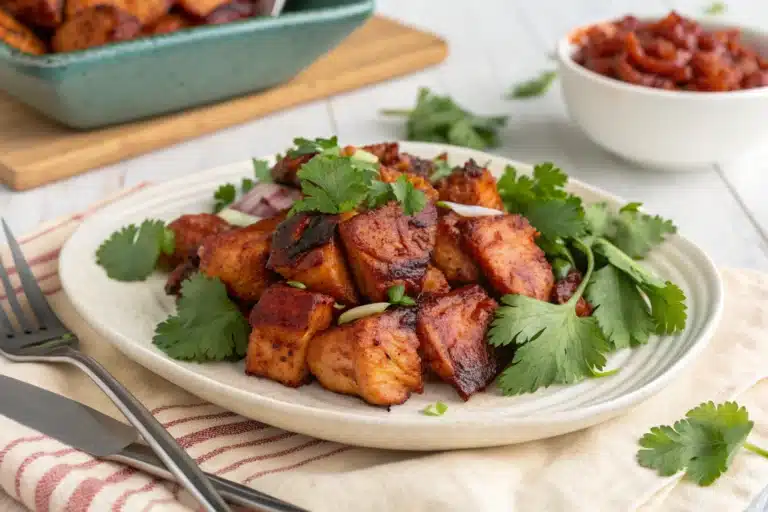
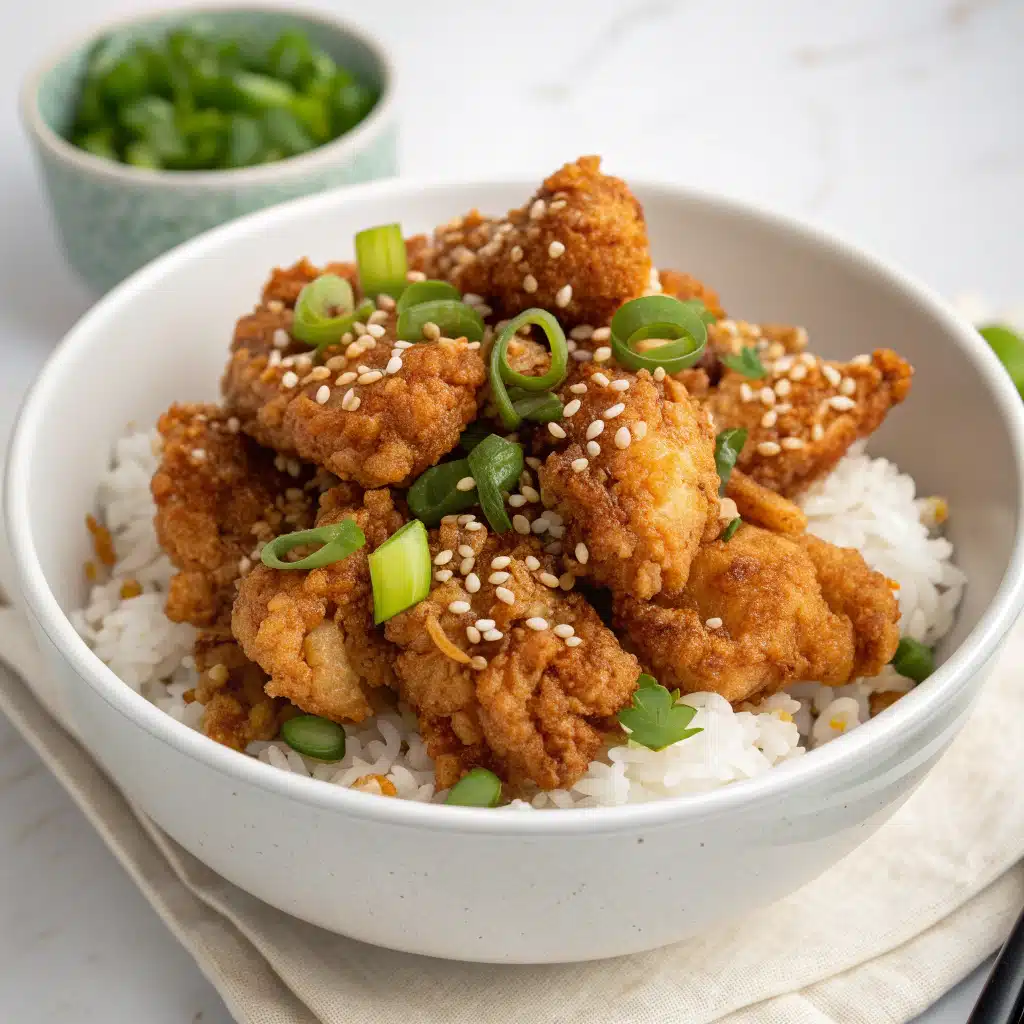
Chicken karaage bowl is a delicious Japanese dish featuring crispy, marinated fried chicken pieces served over seasoned rice with flavorful sides. This crowd-pleasing meal combines tender chicken thighs marinated in soy sauce, ginger, and garlic, coated in a light cornstarch mixture, then fried until golden and crunchy. Unlike American fried chicken, karaage has a distinct umami flavor profile thanks to its Japanese-inspired marinade. When assembled in a bowl with perfectly seasoned sushi rice, sautéed mushrooms, and tangy cucumber salad, chicken karaage bowl transforms into a balanced, satisfying meal that’s both comforting and exciting.
“Looking for inspiration? Try our crispy air fryer parmesan crusted chicken for another delicious chicken preparation method.”
Why Chicken Karaage Bowls Are So Popular
Chicken karaage bowl has gained tremendous popularity outside Japan for several compelling reasons. First, the contrasting textures – crispy chicken, fluffy rice, and crunchy vegetables – create a multisensory experience that keeps you coming back for more. Additionally, the sweet-savory flavor balance appeals to many palates, making it accessible even to those new to Japanese cuisine.
The bowl format also offers convenience and customization, allowing you to adjust components based on preference. Furthermore, chicken karaage bowls are visually striking, with vibrant components arranged artfully – perfect for those who appreciate food that’s as beautiful as it is delicious. Whether you’re looking for a meal prep option or a special dinner, chicken karaage bowl delivers satisfaction in every bite.
Ingredients for the Perfect Chicken Karaage Bowl
Essential Ingredients for Authentic Flavor
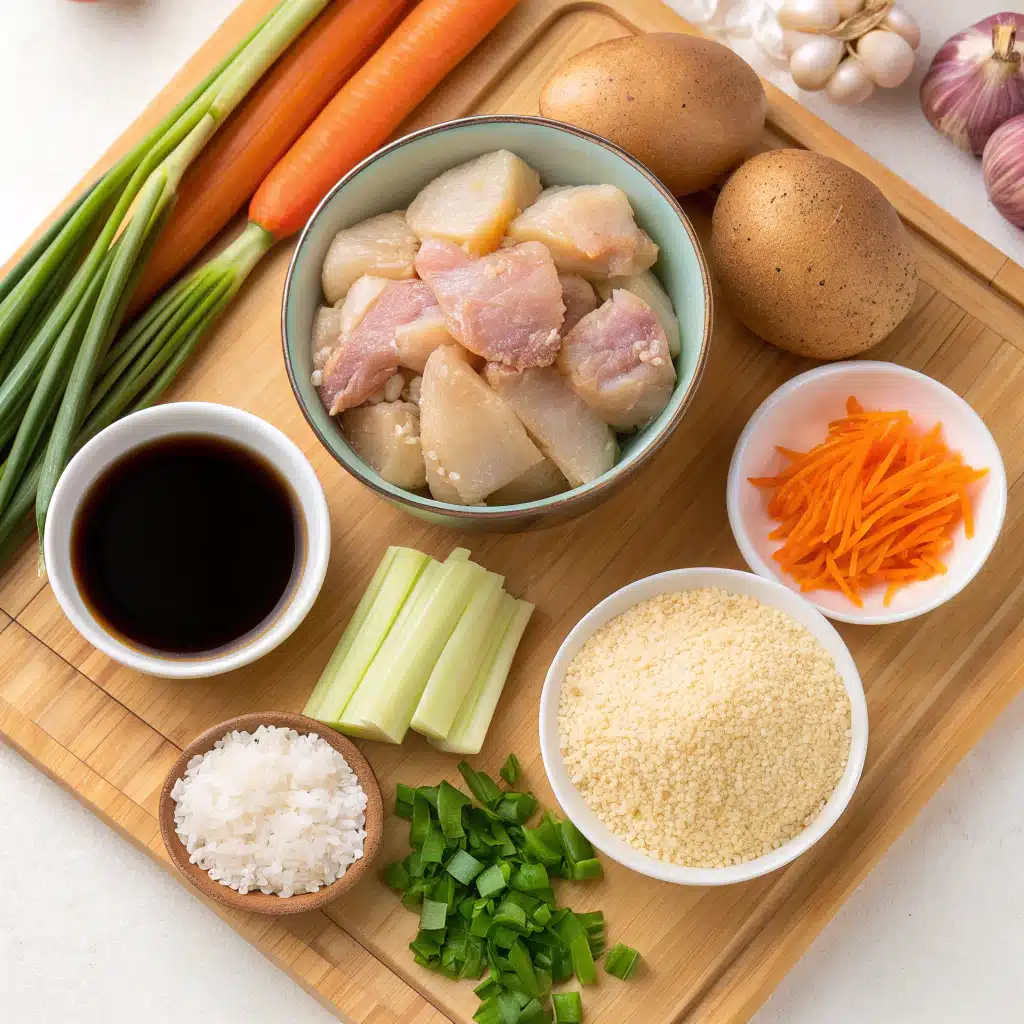
To create an authentic chicken karaage bowl, you’ll need quality ingredients that bring traditional Japanese flavors to your kitchen. Here’s what you’ll need for each component:
| Chicken Karaage | Sushi Rice | Mushrooms | Cucumber Salad | Sweet Miso Glaze |
|---|---|---|---|---|
| 1 pound boneless skinless chicken thighs | 1 cup sushi rice | 1-2 cups sliced mushrooms | 1 cup diced baby cucumbers | 1 teaspoon miso paste |
| 3 tablespoons soy sauce | 1 cup water | 1 tablespoon neutral oil | 2 tablespoons rice vinegar | 1½ tablespoons honey |
| 1 clove garlic, grated | 2 tablespoons rice vinegar | Salt and black pepper | 1 teaspoon miso paste | 1 teaspoon rice vinegar |
| 1 tablespoon fresh ginger, grated | 1 tablespoon sugar | 1 teaspoon sugar | ||
| 2 teaspoons sesame oil | 1 teaspoon salt | Optional chili | ||
| 1 teaspoon white pepper | ||||
| 2 tablespoons toasted sesame seeds | ||||
| ⅓ cup cornstarch | ||||
| 1 tablespoon all-purpose flour |
Ingredient Substitutions and Alternatives
If you can’t find some ingredients or need to accommodate dietary restrictions, there are several substitutions that work well in chicken karaage bowl. For gluten-free diets, replace soy sauce with tamari and use 100% cornstarch instead of the flour-cornstarch mix. If you don’t have sushi rice, jasmine or short-grain rice can substitute, though the texture will differ slightly.
For the mushrooms, any variety works – button, cremini, shiitake, or a mix creates delightful flavor complexity. No miso paste? Try substituting with a smaller amount of soy sauce plus a pinch of sugar to maintain the sweet-savory balance. Boneless chicken breast can replace thighs but watch cooking time carefully as they dry out faster. Finally, honey can be swapped with maple syrup or agave for a vegan-friendly glaze.
“Discover great ideas like our garlic basil roasted mushrooms for a delicious alternative side dish.”
Step-by-Step Guide to Making Chicken Karaage Bowl
Preparing the Chicken Karaage
Creating perfectly crispy chicken karaage begins with proper preparation. Follow these steps for outstanding results:
- Cut chicken thighs into 1½-inch pieces, ensuring they’re roughly the same size for even cooking.
- In a medium bowl, combine soy sauce, grated garlic, grated ginger, sesame oil, white pepper, and half the sesame seeds to create the marinade.
- Add chicken pieces to the marinade, tossing thoroughly to coat each piece. Cover and refrigerate for at least 30 minutes (or up to 8 hours for deeper flavor).
- When ready to cook, remove chicken from refrigerator and let sit at room temperature for 10 minutes.
- In a separate bowl, mix cornstarch and all-purpose flour together.
- Drain excess marinade from chicken, then dredge each piece in the cornstarch mixture, pressing gently to ensure an even coating.
- Preheat your air fryer to 400°F (or oven to 425°F if baking).
- Spray air fryer basket or lined baking sheet with cooking oil spray.
- Arrange coated chicken pieces in a single layer, ensuring they don’t touch.
- Air fry for 12-14 minutes (or bake for 15-18 minutes), flipping halfway through, until golden brown and crispy with an internal temperature of 165°F.
The result should be irresistibly crispy on the outside, while remaining juicy and flavorful inside. “Check out our honey sesame salmon for another Asian-inspired protein option that would work well in a bowl format.”
Preparing the Perfect Rice and Sides
While your chicken is marinating, prepare the accompanying components for your karaage bowl:
Sushi Rice:
- Rinse 1 cup sushi rice under cold water until the water runs clear.
- Combine rinsed rice and 1 cup water in a medium saucepan.
- Bring to a boil, then reduce heat to low, cover, and simmer for 15 minutes.
- Remove from heat and let stand, covered, for 10 minutes.
- Meanwhile, mix rice vinegar, sugar, and salt in a small bowl until dissolved.
- Gently fold the vinegar mixture into the hot rice, being careful not to mash the grains.
- Cover with a damp towel until ready to serve.
Sautéed Mushrooms:
- Heat neutral oil in a skillet over medium-high heat.
- Add sliced mushrooms, spreading them in a single layer.
- Let them cook undisturbed for 2-3 minutes to develop color.
- Stir and continue cooking for another 3-4 minutes until tender and golden brown.
- Season with salt and black pepper to taste.
Cucumber Salad:
- Combine diced cucumbers, rice vinegar, miso paste, sugar, and optional chili in a small bowl.
- Toss well and let marinate for at least 10 minutes to develop flavor.
- Stir occasionally to ensure even flavor distribution.
Each component adds a unique texture and flavor that complements the crispy chicken karaage perfectly.
Assembling and Glazing Your Chicken Karaage Bowl
The final steps bring everything together for a stunning and delicious chicken karaage bowl:
Make the Sweet Miso Glaze:
- In a small microwave-safe bowl, warm honey for 15 seconds.
- Add miso paste and rice vinegar to the warm honey.
- Whisk vigorously until completely smooth.
Glaze the Chicken:
- Place the hot, freshly cooked chicken karaage in a large bowl.
- Pour the sweet miso glaze over the chicken.
- Gently toss until each piece is lightly coated with glaze.
- Sprinkle with remaining toasted sesame seeds.
Assemble Your Bowls:
- Place a portion of seasoned sushi rice in each serving bowl.
- Arrange glazed chicken karaage on one side of the rice.
- Add sautéed mushrooms to another section.
- Place cucumber salad in the remaining space.
- For extra presentation points, sprinkle additional sesame seeds over the entire bowl.
- Serve immediately while the chicken is still crispy.
This thoughtful arrangement not only creates a visually appealing meal but also allows each component to be appreciated individually or combined in each bite according to your preference.
Tips for the Best Chicken Karaage Bowl
Achieving Perfect Crispiness Every Time
Creating chicken karaage with that ideal crispy exterior and juicy interior requires attention to a few key details. First, don’t skip the marinating time – at least 30 minutes is necessary for flavor penetration, but 2-4 hours yields even better results. When it comes to the coating, shake off excess marinade before dredging in cornstarch mix, as too much moisture prevents crispiness. For extra crunch, double-coat your chicken: dredge in cornstarch, dip briefly back in marinade, then dredge again.
Another crucial factor is oil temperature if you’re deep frying – maintain 350°F throughout cooking, and don’t overcrowd the oil which causes temperature drops. If using an air fryer, spray the chicken with oil before cooking for enhanced browning. Finally, place freshly cooked karaage on a wire rack instead of paper towels to prevent steam from softening the crust. These techniques guarantee restaurant-quality crispiness that makes chicken karaage bowl truly special.
“Don’t miss our cajun chicken with mushrooms for another flavor-packed chicken recipe.”
Balancing Flavors in Your Bowl
The key to an exceptional chicken karaage bowl lies in achieving perfect flavor harmony across all components. Start with properly seasoned rice – the vinegar mixture should be noticeable but not overwhelming. The cucumber salad provides essential brightness and acidity to cut through the richness of the fried chicken, so adjust the vinegar and miso ratio to your preference. For the mushrooms, allowing them to develop deep caramelization unlocks their umami potential, which complements the chicken beautifully.
The sweet miso glaze requires balance – too much honey overpowers the subtle miso flavor, while too little won’t provide enough contrast to the savory chicken. For enhanced flavor complexity, consider adding a sprinkle of furikake (Japanese seasoning) over your rice, or including a small amount of pickled ginger as a palate cleanser between bites. When assembling, keep components partially separated so flavors don’t blend too much before eating. Remember that proper seasoning at each step – not just at the end – is crucial for a professional-quality karaage bowl.
Time-Saving Preparation Methods
Creating chicken karaage bowl doesn’t have to be time-consuming. With these efficient strategies, you can enjoy this Japanese favorite even on busy weeknights. First, marinate chicken overnight to both save time and maximize flavor development. The rice component can be prepared in advance and refrigerated for up to two days – just microwave with a splash of water to refresh before serving. For the vegetable components, pre-slice mushrooms and cucumbers during weekend prep, storing them separately until ready to cook.
The sweet miso glaze keeps well in the refrigerator for up to a week, so consider making a larger batch. When cooking for a crowd, use the oven method for chicken karaage – you can cook larger quantities simultaneously without sacrificing quality. Invest in good storage containers that keep components separate until serving time. Finally, if you’re truly pressed for time, quality store-bought Japanese pickles can substitute for homemade cucumber salad. With these approaches, chicken karaage bowl becomes a realistic option for regular meals, not just special occasions.
Storage and Reheating Instructions for Chicken Karaage Bowl
How to Store Leftover Chicken Karaage
Properly storing leftover chicken karaage bowl components ensures they remain safe and delicious for your next meal. For the chicken karaage, allow it to cool completely before refrigerating to prevent condensation that would soften the coating. Store in an airtight container lined with paper towels to absorb excess moisture, keeping the chicken separate from other components. Cooked rice should be cooled quickly and stored in its own sealed container – never leave rice at room temperature for extended periods as it can develop harmful bacteria.
The cucumber salad will keep for 2-3 days but may release additional water; store it with a paper towel on top to absorb excess moisture. Sautéed mushrooms remain good for 3-4 days when refrigerated properly. The sweet miso glaze can be stored in a small jar or container for up to a week. Label each container with the date to track freshness, and consume all components within 3-4 days for optimal quality and safety.
Best Practices for Reheating
Reheating chicken karaage bowl components requires different approaches to maintain their distinct textures and flavors. For the chicken karaage, avoid microwaving as it turns crispy coating soggy. Instead, reheat in a preheated 350°F oven for 7-10 minutes, or use an air fryer at 370°F for 3-4 minutes until heated through and re-crisped. Cold rice clumps when refrigerated, so break it apart with a fork before reheating. Add a tablespoon of water per cup of rice, cover loosely, and microwave on medium power in 30-second intervals, stirring between each until steaming.
Alternatively, reheat rice in a small saucepan over low heat with a splash of water. Mushrooms can be quickly reheated in a hot skillet or microwave for 20-30 seconds. The cucumber salad is best enjoyed cold, so simply remove from the refrigerator 10 minutes before serving to take the chill off. When assembling reheated components, add a fresh drizzle of the sweet miso glaze to revive flavors and moisture in the chicken.
“Want more ideas? Check out creamy skillet chicken mushrooms cheese for another delicious chicken and mushroom combination.”
Meal Prep Strategies for Karaage Bowls
Chicken karaage bowl makes an excellent meal prep option with some strategic planning. For Sunday prep sessions, marinate chicken and portion into daily serving sizes before freezing – the marinade acts as a flavor-protecting barrier against freezer burn. Thaw overnight in the refrigerator before cooking. Prepare a large batch of sushi rice, cool completely, then portion into microwave-safe containers. For best texture, slightly undercook the rice initially, as reheating will complete the cooking process. Pre-slice mushrooms but cook them fresh each day or every other day for optimal flavor – they only take minutes.
The cucumber salad can be prepped with all ingredients except vinegar, which should be added the night before eating to prevent excess softening. Invest in divided containers that keep components separate until eating time. Label each container with contents and date. This approach provides the convenience of prepared meals while maintaining the distinct textures that make chicken karaage bowl special. On busy weeknights, you’ll only need to reheat components and assemble, saving valuable time without sacrificing quality.
“Here’s your guide to chicken meal prep with another delicious option.”
Delicious Variations on Classic Chicken Karaage Bowl
Regional and International Twists
Chicken karaage bowl provides a wonderful canvas for regional and international flavor variations. For a Korean-inspired version, replace the sweet miso glaze with gochujang sauce (Korean chili paste) mixed with honey and sesame oil, and add kimchi alongside your vegetables. A Chinese-influenced variation might incorporate five-spice powder into the chicken marinade and top with stir-fried bok choy instead of cucumber salad. For a Thai twist, add lemongrass and lime leaf to the marinade, substitute jasmine rice for sushi rice, and include a side of spicy papaya salad.
A Hawaiian-inspired bowl could feature pineapple-infused rice and a teriyaki glaze instead of miso. Mexican elements work surprisingly well – try adding chipotle powder to the chicken coating, serving with cilantro-lime rice, and garnishing with avocado and pico de gallo. Each regional variation maintains the essential elements of the chicken karaage bowl – crispy chicken, seasoned rice, and complementary sides – while introducing exciting new flavor profiles that reflect global cuisines.
Vegetarian and Diet-Specific Adaptations
Adapting chicken karaage bowl for different dietary needs is both possible and delicious. For vegetarian diets, replace chicken with firm tofu or tempeh – press well, marinate identically to chicken, and coat with the same cornstarch mixture before air frying or baking until crispy. Cauliflower florets make another excellent substitute when coated and prepared like traditional karaage. For gluten-free diets, ensure your soy sauce is gluten-free (or use tamari), and use 100% cornstarch for the coating.
Those following low-carb or keto diets can substitute cauliflower rice for sushi rice – simply pulse cauliflower in a food processor until rice-sized, then sauté and season similarly to traditional rice. For lower-calorie versions, use chicken breast instead of thighs and bake or air fry rather than deep fry. Vegan adaptations require substituting honey with maple syrup or agave in the glaze. Paleo dieters can replace soy sauce with coconut aminos and use arrowroot powder instead of cornstarch. With these modifications, nearly anyone can enjoy the delightful flavors and textures of a chicken karaage bowl regardless of dietary restrictions.
“Learn more about mushroom alternatives in dishes that can complement your vegetarian karaage bowl.”
Seasonal Ingredient Swaps
Adapting your chicken karaage bowl with seasonal ingredients keeps this dish exciting year-round while taking advantage of peak-season produce. In spring, incorporate tender asparagus spears alongside or in place of mushrooms, and add minced spring onions to your rice. Summer offers abundant options – replace cucumber salad with a corn and cherry tomato relish, or add quick-pickled radishes for color and crunch. Consider including thinly sliced summer squash in your vegetable mix.
Fall brings earthy flavors – try roasted sweet potatoes or kabocha squash cubes instead of mushrooms, and add toasted pepitas for seasonal crunch. Winter variations might include roasted brussels sprouts or a warm cabbage slaw dressed with rice vinegar and miso. Year-round, consider rotating different mushroom varieties based on availability – each brings unique texture and flavor. The sushi rice can also reflect seasonality through various mix-ins like toasted nuts in fall, fresh herbs in spring, or citrus zest in winter. These thoughtful seasonal adaptations maintain the essence of chicken karaage bowl while creating a dish that feels perpetually fresh and aligned with nature’s calendar.
Serving and Presentation Ideas
Plating Techniques for Beautiful Bowls
Elevate your chicken karaage bowl from tasty homemade meal to restaurant-worthy presentation with these professional plating techniques. Start with bowl selection – shallow, wide bowls with a slight curve showcase ingredients beautifully, while darker-colored bowls make the vibrant components pop visually. When arranging components, consider the “clock method” – place rice at 6 o’clock, chicken at 10 o’clock, mushrooms at 2 o’clock, and cucumber salad at 6 o’clock, leaving a small empty space in the center for visual breathing room.
Alternatively, try the “mound method” with rice as the base and other components arranged in separate sections on top. Height adds visual interest – stack chicken pieces slightly instead of laying them flat. Garnish thoughtfully with precisely placed elements like microgreens, sesame seeds, or thinly sliced scallions. For the glaze, drizzle it artfully over the chicken rather than fully tossing for a more controlled presentation. Consider a final touch of texture contrast with crispy fried garlic chips or shallots. Remember that negative space is your friend – resist the urge to overcrowd the bowl, as a slightly sparse arrangement often looks more sophisticated.
Accompaniments and Side Dishes
While chicken karaage bowl is a complete meal on its own, thoughtfully chosen accompaniments can enhance the dining experience. A small cup of miso soup makes a traditional and comforting starter that prepares the palate for the main course. Edamame beans sprinkled with sea salt provide a simple, protein-rich finger food that complements the bowl’s flavors. For an additional vegetable option, consider serving Japanese-style quick-pickled vegetables (tsukemono) on the side – daikon radish, carrots, or cabbage work beautifully.
A small dish of seaweed salad adds interesting texture and valuable nutrients. For a refreshing counterpoint to the rich chicken, cucumber sunomono (vinegared cucumber salad) makes an excellent palate cleanser. If serving chicken karaage bowl as part of a larger meal, gyoza (Japanese dumplings) make popular starters. For beverage pairings, consider Japanese green tea, which cuts through the richness of fried chicken, or a cooling barley tea (mugicha). These carefully selected accompaniments round out the meal while respecting the flavor profile of the main dish.
“Looking for inspiration? Try our lemon chili chicken bowl for another Asian-inspired bowl concept.”
Family-Style Serving Options
For casual gatherings or family meals, serving chicken karaage bowl family-style creates an interactive, communal dining experience. Set up a “build-your-own” karaage bowl station with each component in separate serving dishes. Place a large bowl of warm sushi rice as the centerpiece, surrounded by platters of glazed chicken karaage, sautéed mushrooms, and cucumber salad. Include additional optional toppings like sliced avocado, shredded nori, pickled ginger, or furikake seasoning to encourage customization. Provide different sauce options besides the sweet miso glaze – perhaps a spicy mayo, ponzu sauce, or additional plain miso glaze on the side.
Set out various garnishes like chopped scallions, cilantro, or toasted sesame seeds. This approach not only simplifies serving but allows guests to create bowls tailored to their preferences. Use decorative serving pieces that complement each other visually for an attractive table setting. For larger gatherings, consider labeled cards identifying each component for guests unfamiliar with the dish. This relaxed, customizable approach to serving chicken karaage bowl encourages conversation and creates a memorable dining experience beyond just the delicious food.
Frequently Asked Questions About Chicken Karaage Bowl
What is chicken karaage and how is it prepared?
Chicken karaage is a Japanese cooking technique where chicken (typically thighs) is marinated in soy sauce, ginger, garlic, and seasonings, then coated in a starch (usually potato starch or cornstarch) and deep-fried to crispy perfection. Unlike Western fried chicken, karaage features a lighter, crispier coating and distinctive umami flavors from the Japanese marinade ingredients. The chicken is traditionally cut into bite-sized pieces before marinating to maximize flavor absorption. After marinating (typically 30 minutes to overnight), the chicken is drained, coated in starch, and fried at 350°F until golden brown and cooked through, usually 3-4 minutes per batch. The result is juicy chicken with a delicate, crispy exterior that maintains its crunch longer than battered fried chicken. In a karaage bowl, this flavorful chicken becomes the protein centerpiece complemented by rice and vegetables.
Can chicken karaage be baked or air fried?
Yes, chicken karaage can definitely be baked or air fried with excellent results, making it a healthier alternative to traditional deep-frying. For baking, preheat your oven to 425°F, place coated chicken pieces on a parchment-lined baking sheet, spray or drizzle with a small amount of oil, and bake for 15-20 minutes, flipping halfway through, until golden and reaching an internal temperature of 165°F. For air frying, preheat your air fryer to 400°F, arrange chicken in a single layer (working in batches if needed), spray lightly with oil, and cook for 12-14 minutes, flipping halfway through. Both methods produce chicken karaage with a satisfying crunch and significantly less oil. The texture won’t be identical to deep-fried – typically slightly less crispy – but the flavor remains delicious, and many prefer these lighter preparation methods for regular enjoyment of chicken karaage bowls.
What rice works best for karaage bowls?
Short-grain Japanese rice works best for authentic chicken karaage bowls due to its sticky texture and slightly sweet flavor. Specifically, Japanese varieties like koshihikari or calrose rice are ideal. These types of rice have higher starch content, creating the slightly sticky consistency that helps the rice hold together while still maintaining distinct grains. The rice should be properly seasoned with a mixture of rice vinegar, sugar, and salt (similar to sushi rice preparation) to complement the chicken karaage’s flavors. Medium-grain rice can substitute in a pinch, though the texture will differ slightly. Long-grain varieties like jasmine or basmati, while delicious, don’t offer the same authentic experience as they’re fluffier and less cohesive. For a healthier alternative, brown short-grain rice can be used, though cooking time increases and the texture becomes chewier. Whatever rice you choose, proper washing before cooking is essential to remove excess starch and achieve the perfect texture.
Can chicken karaage bowls be meal prepped?
Chicken karaage bowls are excellent for meal prep with some strategic planning. For best results, prepare components separately and assemble just before eating. The chicken karaage can be marinated in advance and stored raw in the marinade for up to 24 hours. Once cooked, store it separately from other ingredients in an airtight container for 3-4 days. For maximum crispiness, leave the glaze off until serving time. Rice can be cooked in larger batches and portioned – just slightly undercook it as reheating will complete the cooking process. Store mushrooms separately as well. The cucumber salad can last 2-3 days but may release water, so consider preparing this fresh or storing with a paper towel to absorb excess moisture. When reheating, use an oven or air fryer for the chicken (never microwave, which makes it soggy), and microwave rice with a sprinkle of water to refresh it. Assemble components just before eating to maintain their distinct textures and prevent flavors from melding too much.
What sauces pair well with chicken karaage?
While the sweet miso glaze in this recipe complements chicken karaage beautifully, several other sauces work wonderfully with these crispy chicken bites. Japanese Kewpie mayonnaise, with its richer, tangier profile than American mayo, makes a simple but perfect dipping sauce. Spicy mayo (Kewpie mixed with sriracha or togarashi) adds a pleasant heat that balances the chicken’s richness. Ponzu sauce, a citrus-infused soy sauce, brings brightness and acidity that cuts through fried foods effectively. Tonkatsu sauce, similar to Worcestershire but thicker and fruitier, adds sweet-savory notes. For heat lovers, yuzu kosho (a fermented paste of chili peppers, yuzu peel, and salt) provides intense flavor with minimal sauce. A simple combination of soy sauce, rice vinegar, and a touch of sugar creates a light dipping sauce. For a fusion approach, gochujang-based sauces (Korean chili paste mixed with honey and sesame oil) or even Thai sweet chili sauce pair surprisingly well with chicken karaage in bowls.
Is chicken karaage spicy?
Traditional chicken karaage is not inherently spicy. The classic marinade features soy sauce, ginger, garlic, and sometimes sake or mirin, creating a savory umami profile without heat. However, chicken karaage is incredibly versatile, and many variations do incorporate spice. Some recipes add togarashi (Japanese chili powder), shichimi (seven spice blend), or cayenne pepper to the marinade or coating for heat. In this chicken karaage bowl recipe, the basic version remains non-spicy, making it family-friendly and accessible to all palates. The optional chili in the cucumber salad component adds a touch of heat that complements without overwhelming. For those who enjoy spicier food, it’s easy to adjust the heat level by adding chili powder to the marinade, incorporating wasabi into the sweet miso glaze, or serving with a spicy dipping sauce on the side. This flexibility allows you to customize the spice level of your chicken karaage bowl according to personal preference while maintaining its authentic Japanese character.
Conclusion: Mastering the Art of Chicken Karaage Bowl
Why You’ll Love This Recipe
After making this chicken karaage bowl, you’ll understand why it’s become such a beloved dish worldwide. The contrasting textures – crispy chicken against tender rice, silky mushrooms, and crunchy cucumbers – create an incredibly satisfying mouthfeel that keeps you coming back for more. The layers of flavor are equally impressive: umami-rich chicken with notes of garlic and ginger, sweet-savory miso glaze, slightly tangy rice, earthy mushrooms, and bright cucumber salad all work in harmony while maintaining their distinct characteristics.
Beyond the sensory experience, this recipe offers versatility for various dietary needs and preferences, making it suitable for family meals where individual tastes differ. The components can be prepared ahead of time, creating a meal that feels special but doesn’t require hours of last-minute preparation. Additionally, this chicken karaage bowl introduces techniques and flavor combinations that transfer well to other dishes in your cooking repertoire. Whether you’re an experienced cook or just beginning to explore Japanese cuisine, this recipe delivers consistently impressive results that will earn you praise and requests for seconds.
“Discover great ideas like our ginger sesame soba bowl for another delicious Asian-inspired bowl recipe.”
Bringing Japanese Flavors to Your Kitchen
Creating authentic chicken karaage bowl at home opens the door to a broader appreciation of Japanese cooking techniques and flavor principles. This dish exemplifies several key elements of Japanese cuisine: careful attention to contrasting textures, balanced flavors, thoughtful presentation, and respect for ingredients. As you become comfortable with components like properly seasoned sushi rice, the karaage frying technique, and simple Japanese seasonings, you’ll find yourself naturally incorporating these elements into other meals.
The umami-forward flavors of Japanese cooking – developed through ingredients like miso, soy sauce, and mushrooms – can transform your everyday cooking beyond traditional Japanese recipes. The techniques learned here, such as proper marination times and temperature control during frying, transfer well to other cuisines. Moreover, this chicken karaage bowl demonstrates the Japanese aesthetic principle of balance – not just in flavor, but in nutritional composition and visual appeal. By mastering this recipe, you gain more than just one delicious meal; you acquire cooking principles that enhance your broader culinary skills and confidence in working with international flavors at home.
PrintChicken Karaage Bowl

Crispy Japanese fried chicken with seasoned sushi rice, sautéed mushrooms and tangy cucumber salad in a sweet miso glaze.
- Prep Time: 40
- Cook Time: 30
- Total Time: 1 hour 10 minutes
- Yield: 4 1x
- Category: Main Dish
- Cuisine: Japanese
Ingredients
- Chicken Karaage:
- 1 pound boneless skinless chicken thighs
- 3 tablespoons soy sauce
- 1 clove garlic grated
- 1 tablespoon fresh ginger grated
- 2 teaspoons sesame oil
- 1 teaspoon white pepper
- 2 tablespoons toasted sesame seeds
- 1/3 cup cornstarch
- 1 tablespoon all-purpose flour
- Mushrooms:
- 1 to 2 cups sliced mushrooms
- 1 tablespoon neutral oil
- Salt and black pepper
- Sushi Rice:
- 1 cup sushi rice
- 1 cup water
- 2 tablespoons rice vinegar
- 1 tablespoon sugar
- 1 teaspoon salt
- Cucumber Salad:
- 1 cup diced baby cucumbers
- 2 tablespoons rice vinegar
- 1 teaspoon miso paste
- 1 teaspoon sugar
- Optional chili
- Sweet Miso Glaze:
- 1 teaspoon miso paste
- 1 1/2 tablespoons honey
- 1 teaspoon rice vinegar
Instructions
- Cut chicken into bite-sized pieces and marinate with soy sauce, garlic, ginger, sesame oil, white pepper, and half the sesame seeds for 30 minutes.
- Rinse rice until water runs clear. Cook with 1 cup water, bring to boil, then simmer covered for 15 minutes. Let stand 10 minutes, then mix with vinegar, sugar and salt mixture.
- Heat oil in skillet over medium-high heat and sauté mushrooms until tender and golden, about 5-7 minutes. Season with salt and pepper.
- Mix cucumbers with vinegar, miso, sugar, and optional chili. Let marinate for 10 minutes.
- Combine cornstarch and flour, then coat marinated chicken pieces.
- Air fry at 400°F for 12-14 minutes or bake at 425°F for 15-18 minutes until crispy and cooked through (165°F internal temperature).
- Warm honey, then whisk with miso paste and vinegar to create glaze.
- Toss hot chicken with glaze and remaining sesame seeds.
- Assemble bowls with rice as base, then arrange chicken, mushrooms, and cucumber salad. Serve immediately.
Notes
Nutrition facts are estimates and may vary based on ingredients used, portion sizes, and preparation methods.
Nutrition
- Serving Size: 4
- Calories: 485 Kcal
- Sugar: 8g
- Sodium: 890mg
- Fat: 18g
- Saturated Fat: 4g
- Carbohydrates: 52g
- Fiber: 2g
- Protein: 28g
- Cholesterol: 85mg
Keywords: chicken karaage, Japanese fried chicken, rice bowl, miso glaze, Japanese cuisine
Let’s connect! Follow me for more Joylicious Recipes: Facebook, Instagram, Pinterest