Ultimate Ginger Sesame Soba Bowl: A Comforting Asian-Inspired Meal
Introduction: Discover the Perfect Balance of Flavors
The Allure of Ginger Sesame Soba Bowls
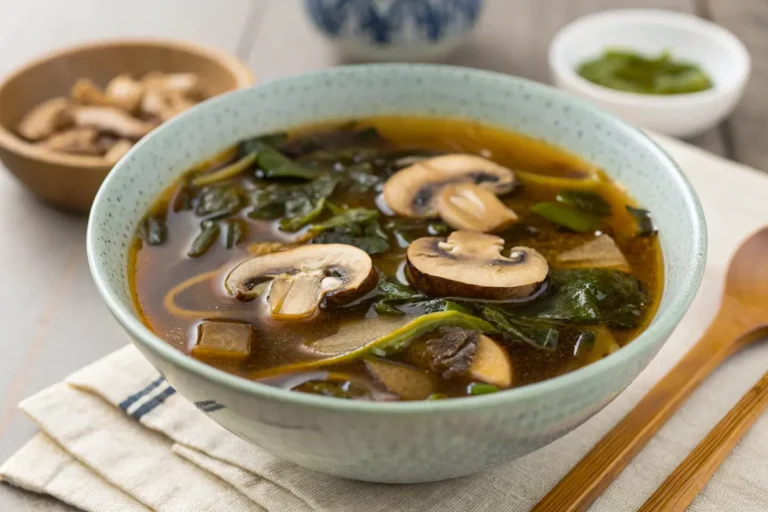
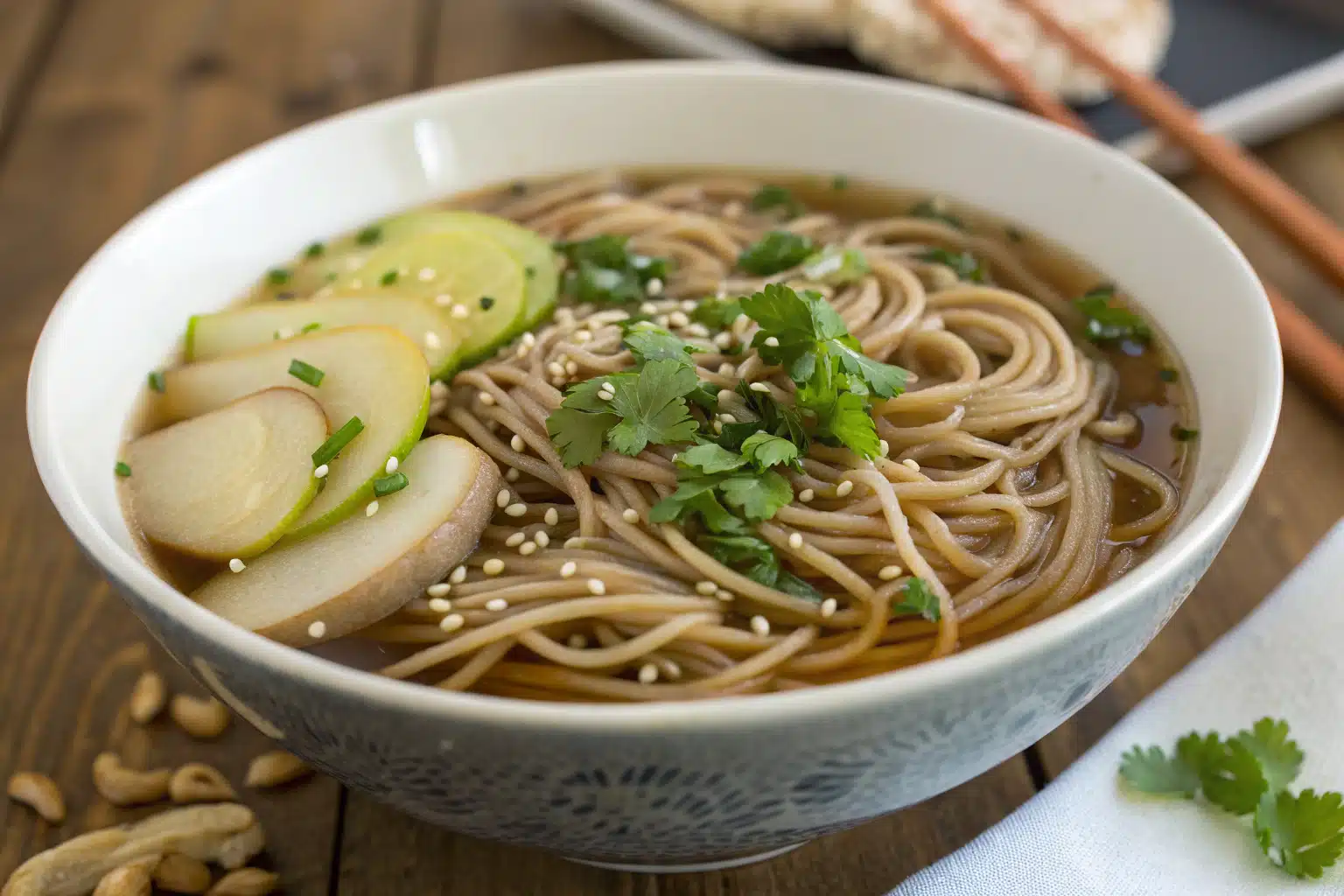
Ginger sesame soba bowl combines the nutty flavor of buckwheat noodles with the aromatic intensity of fresh ginger and toasted sesame. This Asian-inspired dish offers a perfect balance of comfort and nutrition, making it an excellent option for lunch or dinner. The umami-rich broth, tender mushrooms, and crispy tofu create a satisfying meal that will transport your taste buds to the bustling streets of Tokyo. Additionally, this ginger sesame soba bowl is incredibly versatile and can be customized to suit your preferences or dietary requirements.
“Looking for inspiration? Try our chicken vegetable soup recipe for another comforting bowl meal.”
The Health Benefits of a Ginger Sesame Soba Bowl
A ginger sesame soba bowl isn’t just delicious—it’s packed with beneficial ingredients that support your wellbeing. Soba noodles are made from buckwheat, which is naturally gluten-free and rich in protein and fiber. Fresh ginger adds anti-inflammatory properties, while sesame contributes essential fatty acids and minerals. The mushrooms in this ginger sesame soba bowl provide immune-boosting compounds, and spinach offers iron and antioxidants. Tofu rounds out the nutritional profile with plant-based protein, making this dish a powerhouse of health benefits wrapped in delightful flavors.
Ingredients: Everything You Need for a Perfect Ginger Sesame Soba Bowl
The Foundation: Noodles, Broth and Proteins
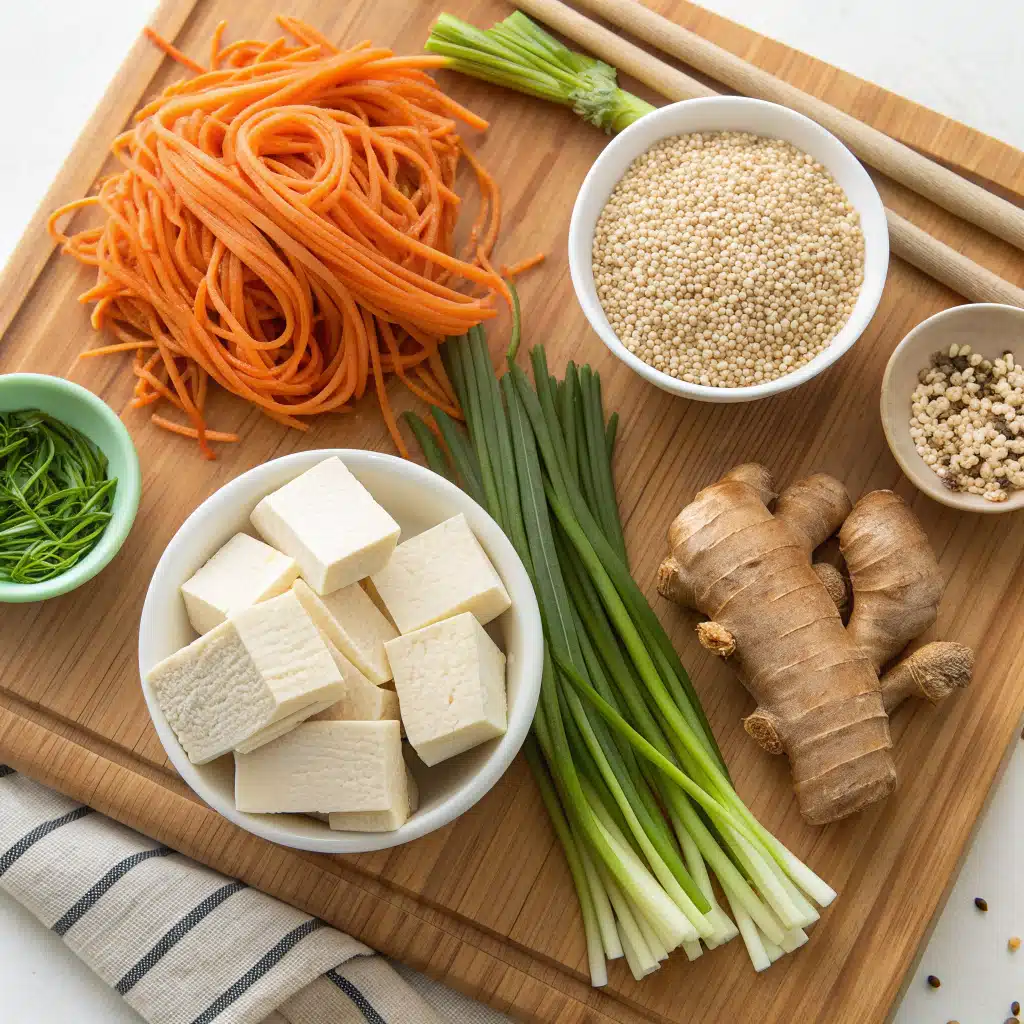
| Ingredient | Amount | Notes |
|---|---|---|
| Soba noodles | 2 servings | Traditional buckwheat noodles |
| Water | 3 cups | For the broth base |
| Firm tofu | 8-9 ounces | Sliced into triangles |
| Sesame paste | 3 tablespoons | Provides rich, nutty flavor |
| Miso | 1½ tablespoons | Adds umami depth |
| Hot water | ¼ cup | For mixing with sesame paste and miso |
Aromatics, Vegetables and Seasonings
| Ingredient | Amount | Notes |
|---|---|---|
| Green onions | 3 | Whites and greens separated, finely sliced |
| Mushrooms | 3.5 ounces | Sliced |
| Garlic cloves | 3 | Minced |
| Fresh ginger | 1 teaspoon | Grated |
| Baby spinach | 1½ cups | Adds color and nutrition |
| Oil | 2 tablespoons (divided) | 1 tsp + 1 tbsp |
| Chili crisp oil | 1 tablespoon | For heat and flavor |
| Sesame oil | 1 tablespoon | For finishing the broth |
| Soy sauce | 1 tablespoon | For marinating tofu |
| Salt | Pinch | To taste |
| Toasted sesame seeds | For garnish | Adds texture and visual appeal |
Step-by-Step: Creating Your Ginger Sesame Soba Bowl
Preparing the Flavorful Broth
Heat 1 teaspoon of oil in a medium saucepan over medium heat. Add the white parts of the green onions and sauté until softened, about 1-2 minutes.
Add the sliced mushrooms and a pinch of salt to the pan. Cook until they begin to release their moisture and become lightly browned, approximately 4-5 minutes.
Incorporate the chili crisp oil, minced garlic, and grated ginger into the mushroom mixture. Cook for another 1-2 minutes until fragrant, stirring frequently to prevent burning.
Pour 3 cups of water into the saucepan and bring to a gentle simmer. Reduce heat to low and continue simmering for 5-10 minutes to allow the flavors to meld together. “Discover great ideas like our Thai coconut chicken curry for another flavorful broth-based meal.”
Preparing the Noodles and Toppings
In a small bowl, whisk together the sesame paste, miso, and hot water until smooth. This creates a creamy emulsion that will enrich your ginger sesame soba bowl broth.
Cook the soba noodles according to package instructions, usually 4-5 minutes in boiling water. Be careful not to overcook—they should remain slightly firm. Drain and rinse under cold water to prevent sticking.
While the noodles are cooking, marinate the tofu triangles in soy sauce for 5-10 minutes, ensuring all pieces are evenly coated.
Heat 1 tablespoon of oil in a non-stick skillet over medium-high heat. Add the marinated tofu and sear until golden and crisp on both sides, about 2-3 minutes per side. Remove from heat and set aside.
Assembling Your Ginger Sesame Soba Bowl
Remove the broth from heat and stir in the sesame-miso mixture and sesame oil until fully incorporated.
Add the baby spinach and sliced green onion tops (the green parts) to the hot broth and stir until just wilted, about 30 seconds.
Divide the cooked soba noodles between serving bowls. Pour the hot ginger-sesame broth over the noodles, making sure to include plenty of mushrooms and wilted greens.
Top each ginger sesame soba bowl with the crispy seared tofu triangles. Garnish with additional sliced green onions and a generous sprinkle of toasted sesame seeds.
Tips: Mastering Your Ginger Sesame Soba Bowl
Perfecting the Noodle Texture
Cooking soba noodles properly is crucial for your ginger sesame soba bowl. Unlike wheat pasta, soba noodles cook quickly and can become mushy if overcooked. For perfect texture, cook them about 30 seconds less than package instructions suggest. After cooking, immediately drain and rinse under cold running water while gently rubbing the noodles between your fingers. This step removes excess starch and prevents clumping. If preparing ahead, toss the rinsed noodles with a few drops of sesame oil to keep them separated.
“Here’s your guide to cold brew coffee that pairs wonderfully with Asian-inspired meals.”
Enhancing the Flavor Profile
The secret to an extraordinary ginger sesame soba bowl lies in the depth of flavor. For a more intense ginger kick, let your grated ginger sit for 10 minutes before adding it to the recipe—this allows the aromatic compounds to develop fully. Using homemade vegetable or mushroom stock instead of water will add another dimension to your broth. Furthermore, don’t rush the mushroom cooking process; allowing them to brown properly develops their umami flavor. For the sesame-miso mixture, using freshly ground sesame seeds instead of pre-made paste yields a more vibrant taste, though it requires extra preparation time.
Creating Balance in Your Bowl
A successful ginger sesame soba bowl achieves balance in textures, flavors, and nutrients. Aim for a harmonious mix of soft (noodles), chewy (tofu), and crunchy (fresh garnishes) elements. For flavors, balance the earthy buckwheat noodles with the sharp ginger, rich sesame, and savory miso. Consider adding a touch of sweetness with a drizzle of maple syrup or mirin in the broth if it tastes too salty or spicy. Nutritionally, this bowl already offers protein, carbohydrates, and vegetables, but you can enhance it further with additional toppings like sliced avocado, which adds healthy fats and creamy texture.
Storage: Keeping Your Ginger Sesame Soba Bowl Fresh
Short-Term Storage Solutions
For the best experience, consume your ginger sesame soba bowl immediately after preparation. However, if you need to store leftovers, it’s essential to keep the components separate. Store the cooled broth in an airtight container in the refrigerator for up to 3 days. The cooked soba noodles should be stored separately after rinsing them well under cold water and tossing with a small amount of sesame oil to prevent sticking. The tofu will remain crispy for about 24 hours if stored in a separate container. When ready to eat, reheat the broth until simmering, then pour over the noodles and add the toppings.
“Don’t miss our miso salmon recipe for another dish that uses similar Japanese ingredients.”
Meal Prep Strategies
The ginger sesame soba bowl is excellent for meal prepping with some modifications. Prepare the broth and store it without adding the spinach or green onion tops—these are best added fresh when reheating. Cook the soba noodles al dente, rinse thoroughly, and store with a light coating of sesame oil. The tofu can be marinated and cooked in advance, though it will lose some crispiness when stored.
For maximum freshness, prepare individual containers with the noodles at the bottom, tofu on one side, and any hardy vegetables like mushrooms separately. Store the cooled broth in mason jars. When ready to eat, heat the broth, pour over the components, and add fresh greens for a quick, satisfying meal.
Freezing Components
While a complete ginger sesame soba bowl doesn’t freeze well, certain components can be frozen to extend their shelf life. The broth base (before adding the sesame-miso mixture) freezes excellently for up to 3 months in freezer-safe containers or ice cube trays for smaller portions. Thaw overnight in the refrigerator and reheat gently on the stovetop before adding the sesame-miso mixture.
Cooked tofu can be frozen, though the texture will change slightly—it becomes more porous and absorbs flavors better. Never freeze the cooked soba noodles as they become unpleasantly mushy when thawed. Instead, cook fresh noodles when you’re ready to assemble your previously frozen components into a delicious ginger sesame soba bowl.
Variations: Customizing Your Ginger Sesame Soba Bowl
Seasonal Adaptations
The ginger sesame soba bowl welcomes seasonal ingredients, creating a dish that evolves throughout the year. In spring, add tender asparagus tips, sweet peas, or tender baby bok choy. Summer variations might include sweet corn kernels, zucchini ribbons, or fresh cherry tomatoes. Fall brings opportunities to incorporate roasted kabocha squash, shredded Brussels sprouts, or thinly sliced fennel.
Winter adaptations could feature hearty kale, roasted sweet potato cubes, or caramelized onions. By adjusting your vegetable selections seasonally, you’ll ensure your ginger sesame soba bowl remains fresh, economical, and aligned with nature’s offerings.
“Check out our strawberry spinach salad for another seasonally adaptable recipe.”
Protein Alternatives
While tofu provides a traditional protein source for your ginger sesame soba bowl, numerous alternatives can satisfy different dietary preferences. For pescatarians, consider adding seared salmon chunks, poached shrimp, or flaked crab meat. Meat eaters might enjoy thinly sliced chicken breast, shredded rotisserie chicken, or ribbons of cooked beef.
Those seeking plant-based options beyond tofu could incorporate tempeh, seitan, or edamame for protein. For a completely different approach, try a soft-boiled egg with a jammy center that enriches the broth when broken. Each protein alternative brings its own texture and flavor profile, allowing you to reinvent your ginger sesame soba bowl according to your preferences.
Dietary Modifications
The ginger sesame soba bowl can be adapted to accommodate various dietary needs without sacrificing flavor. For a gluten-free version, verify your soba noodles are 100% buckwheat (some contain wheat flour) or substitute rice noodles. Those following low-carb diets can replace noodles with spiralized vegetables like zucchini or daikon radish.
To make this dish vegan, ensure your miso paste contains no bonito (fish) flavoring. For reduced sodium options, use low-sodium soy sauce and reduce the miso slightly, compensating with nutritional yeast for umami flavor. If you’re monitoring fat intake, decrease the oils and use water-sautéed techniques for cooking vegetables and tofu. These modifications maintain the essence of the ginger sesame soba bowl while addressing specific dietary concerns.
Serving: Presentation and Pairing Ideas
Elegant Presentation Techniques
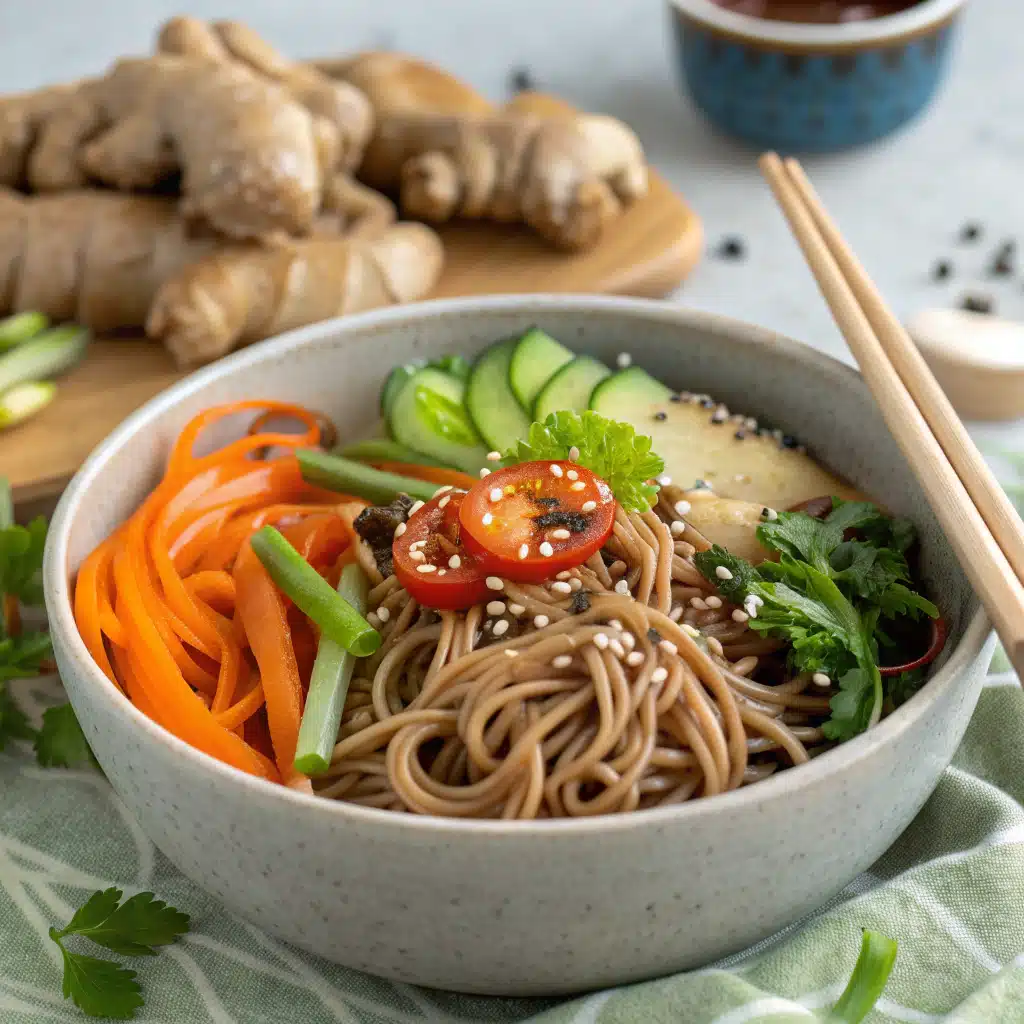
Elevate your ginger sesame soba bowl from simple comfort food to an Instagram-worthy meal with thoughtful presentation. Serve in wide, shallow ceramic bowls that showcase the colorful components. Arrange the noodles in a nest-like formation, then pour the broth around rather than directly over them, preserving their texture.
Position the tofu and larger vegetables artfully atop the noodles, then add delicate garnishes like microgreens, thinly sliced radishes, or edible flowers. For special occasions, serve additional garnishes like lime wedges, chili oil, and extra sesame seeds in tiny side dishes, allowing guests to customize their bowls. Remember that in Japanese cuisine, visual appeal is as important as taste—aim for a balance of colors, textures, and negative space in your presentation.
Complementary Side Dishes
While a ginger sesame soba bowl works perfectly as a standalone meal, thoughtfully selected side dishes can enhance the dining experience. Light starters like cucumber sunomono (vinegared cucumber salad) or a small portion of edamame sprinkled with sea salt prepare the palate without overwhelming it. For a more substantial meal, consider serving vegetable gyoza (dumplings), tempura vegetables, or a simple seaweed salad alongside your soba bowls.
A side of quick-pickled vegetables offers a refreshing contrast to the warm, savory bowl. Finish the meal with something light and cleansing like fresh fruit or a small cup of green tea ice cream. These complementary dishes maintain the Japanese-inspired theme while providing textural and flavor contrasts.
“Want more ideas? Check out our Asian cucumber salad as a perfect side for this dish.”
Temperature Considerations
The traditional way to enjoy a ginger sesame soba bowl depends largely on the season and personal preference. During colder months, serve all elements hot for maximum comfort—the steaming broth should be ladled over warm noodles just before serving, with tofu fresh from the pan. In warmer weather, consider a partially or fully chilled version (known as zaru soba in Japan): cool the noodles completely, serve the broth at room temperature or slightly warmed, and add refreshing raw vegetables. For a truly traditional summer experience, serve the cooled noodles separately from the broth as a dipping sauce. Understanding these temperature variations allows you to adapt your ginger sesame soba bowl for year-round enjoyment, transitioning from a warming winter meal to a refreshing summer dish.
FAQs: Common Questions About Ginger Sesame Soba Bowls
Can I serve a ginger sesame soba bowl cold?
Yes, you absolutely can! Cold ginger sesame soba bowls are particularly refreshing during summer months. Cook the noodles according to package directions, then rinse thoroughly under cold water until completely chilled. Serve with a room temperature or chilled broth and cold toppings for a revitalizing meal. In Japan, this style is similar to zaru soba or hiyashi chuka (cold ramen).
What vegetables work best in a ginger sesame soba bowl?
Vegetables that maintain their texture and flavor in broth work wonderfully in a ginger sesame soba bowl. Beyond the recipe’s mushrooms and spinach, excellent options include: bok choy, snap peas, carrots, bell peppers, broccoli, bean sprouts, and corn. For texture contrast, consider adding raw vegetables like thinly sliced radish or cucumber as a garnish.
Can I replace soba noodles with another noodle?
Absolutely! While traditional buckwheat soba noodles offer a distinctive nutty flavor, you can substitute them with other options. Udon provides a chewier texture, ramen offers a familiar comfort, and rice noodles make the dish gluten-free. Even spaghetti can work in a pinch, though the flavor profile will differ slightly from authentic ginger sesame soba bowls.
Is a ginger sesame soba bowl vegan?
This ginger sesame soba bowl recipe is vegan as written, as it uses plant-based ingredients including tofu as the protein. Just verify that your miso paste doesn’t contain bonito (fish flakes), as some traditional varieties do. The combination of soba noodles, vegetables, and tofu provides complete plant-based nutrition with plenty of protein and fiber.
How do I keep soba noodles from clumping?
To prevent soba noodles from clumping, cook them in plenty of boiling water, then drain and immediately rinse thoroughly under cold running water while gently separating them with your fingers. This removes excess starch that causes sticking. For storage, toss rinsed noodles with a small amount of sesame oil. If they still clump before serving, a quick dip in hot water will loosen them up.
Can I meal prep a ginger sesame soba bowl?
Yes, ginger sesame soba bowls are great for meal prep with a few adjustments. Prepare and store the broth, noodles, tofu, and pre-cooked vegetables separately. The broth can be refrigerated for up to 3 days or frozen for longer storage. Cook the noodles slightly al dente, rinse well, and toss with a bit of sesame oil before refrigerating. Add fresh elements like greens only when reheating and assembling your bowl.
Conclusion: Embracing the Art of Soba
The Cultural Significance of Soba Noodles
The ginger sesame soba bowl connects you to centuries of Japanese culinary tradition. Soba noodles have been a staple in Japan since the 17th century, where they’re valued not just as nourishment but as an art form. Master soba makers train for years to perfect the craft of hand-cutting these delicate buckwheat noodles to precise dimensions. In Japanese culture, eating soba symbolizes longevity—particularly during New Year celebrations, when “toshikoshi soba” (year-crossing noodles) are consumed for good fortune. By preparing your own ginger sesame soba bowl, you’re participating in this rich cultural heritage, bringing mindfulness and intention to your mealtime. The careful balance of flavors and textures in this dish reflects the Japanese philosophy of harmony and attention to detail in cooking.
“Learn more about Japanese cuisine through our other Asian-inspired recipes.”
Making the Ginger Sesame Soba Bowl Your Own
The beauty of the ginger sesame soba bowl lies in its adaptability. While this recipe provides a foundation, consider it a starting point for your culinary creativity. Perhaps you’ll develop a signature variation with family-favorite vegetables, a special blend of spices in your broth, or a unique garnish that becomes your trademark. As you become comfortable with the basic techniques, experiment with the proportions and ingredients to suit your personal taste preferences.
The ginger sesame soba bowl can evolve with you through different seasons of life, becoming a comfort food during cold winters or a refreshing meal during hot summers. The most memorable dishes are those that carry personal significance—so make this recipe yours, adapt it freely, and let it become part of your kitchen repertoire for years to come.
PrintGinger Sesame Soba Bowl
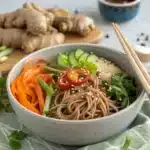
A comforting bowl of buckwheat soba noodles in rich ginger-sesame broth with crispy tofu and vegetables.
- Prep Time: 15
- Cook Time: 25
- Total Time: 40 minutes
- Yield: 2 1x
- Category: Main Dish
- Cuisine: Japanese
Ingredients
- 1 teaspoon oil
- 3 green onions, whites and greens separated, finely sliced
- 1 tablespoon chili crisp oil
- 3.5 ounces mushrooms, sliced
- Pinch of salt
- 3 garlic cloves, minced
- 1 teaspoon grated fresh ginger
- 3 cups water
- 3 tablespoons sesame paste
- 1½ tablespoons miso
- ¼ cup hot water
- 1 tablespoon sesame oil
- 1½ cups baby spinach
- 2 servings soba noodles
- 1 tablespoon oil
- 8–9 ounces firm tofu, sliced into triangles
- 1 tablespoon soy sauce
- Sliced green onion tops
- Toasted sesame seeds
Instructions
- Sauté onion whites in oil until soft, then add mushrooms with salt and cook until lightly browned.
- Add chili crisp, garlic, and ginger; cook 1-2 minutes until fragrant.
- Pour in water and simmer for 5-10 minutes.
- Meanwhile, whisk together sesame paste, miso, and hot water.
- Cook soba noodles according to package directions; rinse and drain.
- Marinate tofu in soy sauce for 5-10 minutes.
- Sear tofu in oil until golden and crispy on both sides.
- Stir sesame-miso mixture and sesame oil into broth.
- Add spinach and green onion tops to broth until just wilted.
- Assemble bowls with noodles, broth, tofu, and garnishes.
Notes
Nutrition facts are estimates and may vary based on ingredients used, portion sizes, and preparation methods.
Nutrition
- Serving Size: 2
- Calories: 520 Kcal
- Sugar: 3g
- Sodium: 890mg
- Fat: 28g
- Saturated Fat: 4g
- Carbohydrates: 45g
- Fiber: 6g
- Protein: 25g
Keywords: soba noodles, tofu, sesame, ginger, miso, Japanese, Asian cuisine
Let’s connect! Follow me for more Joylicious Recipes: Facebook, Instagram, Pinterest