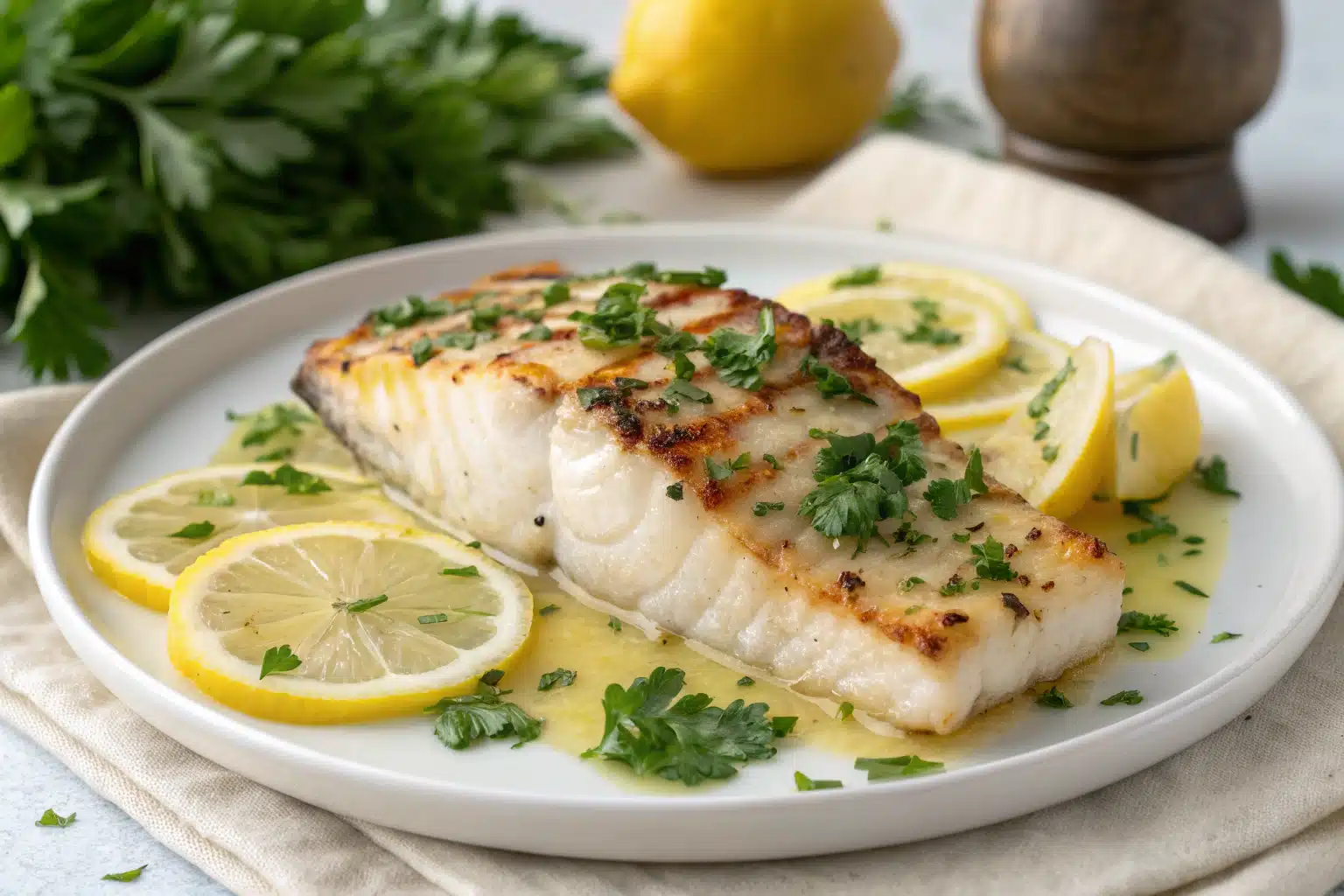
Perfect Garlic Butter Halibut: A Mouthwatering Seafood Delight
Introduction: Why Garlic Butter Halibut Is Worth Trying
The Luxurious Yet Simple Appeal of Halibut
Garlic butter halibut represents the perfect marriage of delicate seafood and rich, aromatic flavors. This premium white fish is naturally mild and slightly sweet, making it an ideal canvas for the bold combination of garlic and butter. When properly prepared, garlic butter halibut delivers a tender, flaky texture that practically melts in your mouth while offering impressive nutritional benefits. As one of the most sought-after fish varieties, halibut contains high-quality protein, omega-3 fatty acids, and essential vitamins that support overall health.
“Discover great ideas like our sushi balls recipe for another delightful seafood option.”
Why This Recipe Works Every Time
What makes this garlic butter halibut recipe special is its foolproof approach to cooking this premium seafood. The method combines a perfect sear with gentle heat to ensure the halibut remains moist while developing beautiful flavor. Additionally, the mushroom-lemon-caper sauce creates a restaurant-quality finishing touch that elevates the dish beyond an ordinary fish dinner. Whether you’re a seafood enthusiast or cooking halibut for the first time, this recipe strikes the ideal balance between sophisticated flavor and straightforward technique.
Premium Ingredients for Garlic Butter Halibut
The Star of the Show: Choosing Quality Halibut
For the best garlic butter halibut, selecting high-quality fish is essential. Look for halibut with firm, translucent flesh that appears moist rather than dried out. Fresh halibut should have a mild, clean ocean scent without any strong fishy odor. While Pacific halibut is generally more sustainable, Atlantic halibut can also work well if it comes from a reputable source. When possible, purchase your halibut the day you plan to cook it, though properly stored fish can remain fresh for 1-2 days in the refrigerator. Remember that halibut’s delicate flavor and texture make it worth investing in good quality fillets.
Complete Ingredient Breakdown
| Main Ingredients | Quantity | Notes |
|---|---|---|
| Fresh halibut | 1 pound | Skinned and cut into 2 portions |
| Olive oil | 1 tablespoon | For initial searing |
| Butter | 5 tablespoons total | Divided (2 + 1 + 2) throughout recipe |
| Kosher salt | 3/4 teaspoon | Divided |
| Black pepper | To taste | Freshly ground recommended |
| Lemon slices | 4-5 pieces | For cooking and garnish |
| Mushrooms | 6 ounces | Sliced (cremini or white button work well) |
| Garlic | 3 teaspoons | Finely chopped (about 3 cloves) |
| Low-sodium chicken broth | 1/2 cup | Creates sauce base |
| Lemon juice | 3 tablespoons | Fresh is preferable |
| Lemon zest | 1 teaspoon | From fresh lemon |
| Capers | 2 tablespoons | Drained |
| Fresh parsley | 2 tablespoons | Chopped |
Step-by-Step Perfect Garlic Butter Halibut
Preparing and Seasoning the Halibut
- Start by patting the halibut fillets dry with paper towels. This crucial step ensures proper searing and prevents the fish from steaming instead.
- Lightly season the halibut with approximately 1/4 teaspoon of kosher salt, distributing it evenly across both portions.
- Allow the seasoned fish to rest at room temperature for about 5-10 minutes while preparing your skillet.
- Heat a large skillet over medium heat, then add the olive oil and 2 tablespoons of butter. Allow the butter to melt completely and just begin to turn golden, which provides perfect flavor for the initial sear. “Looking for inspiration? Try our garlic parmesan chicken pasta for another garlic-butter delight.”
The Perfect Cooking Technique
- Place the halibut in the hot pan top-side down (the side that previously had skin should face up). Season the exposed surface with the remaining 1/2 teaspoon salt and black pepper to taste.
- Cook the halibut without moving it for about 5 minutes, allowing a beautiful golden crust to develop.
- Using a thin spatula, carefully flip the halibut fillets. The fish should release easily from the pan when properly seared.
- Nestle the lemon slices around the fish in the pan. This infuses the cooking environment with bright citrus notes.
- Continue cooking for another 3-5 minutes, or until the halibut flakes easily with a fork but remains slightly translucent in the very center. For perfectly cooked garlic butter halibut, the internal temperature should reach 130-135°F.
- Transfer the fish and lemon slices to a warm plate and cover loosely with foil.
Creating the Luscious Garlic Butter Sauce
- Pour off excess fat from the skillet, leaving about 2 tablespoons behind to capture the flavorful fond.
- Return the pan to medium heat and add 1 tablespoon of butter.
- Once melted, add the sliced mushrooms and cook until they develop a rich golden-brown color, about 4-6 minutes.
- Add the finely chopped garlic and cook for just 1 minute, stirring continuously to prevent burning.
- Pour in the chicken broth, using a wooden spoon to scrape up any browned bits from the bottom of the pan. These flavorful bits significantly enhance the sauce.
- Allow the liquid to reduce slightly, about 2-3 minutes.
- Stir in the fresh lemon juice, lemon zest, drained capers, and chopped parsley, creating a vibrant, aromatic sauce.
- Remove the skillet from the heat and whisk in the final 2 tablespoons of butter until the sauce becomes smooth and glossy.
- Return the halibut fillets and any accumulated juices to the pan.
- Gently spoon the sauce over the fish for 30-45 seconds over medium-low heat, allowing the flavors to meld without overcooking the fish.
Essential Tips for Perfect Garlic Butter Halibut
Temperature Control Secrets
Achieving perfectly cooked garlic butter halibut largely depends on proper temperature management throughout the cooking process. Start with room-temperature fish by allowing your halibut to sit out for 10-15 minutes before cooking. This promotes even cooking from edge to center. When searing, maintain a medium heat that allows the butter to turn golden without burning.
Resist the urge to use high heat, as halibut can quickly become dry. Additionally, remember that halibut continues cooking briefly after being removed from heat. Therefore, aim to take the fish off the heat when it’s nearly done (about 130°F internal temperature) rather than fully cooked, as it will reach the perfect doneness while resting.
“Check out our sous vide chicken breast guide for another temperature-controlled cooking method.”
Preventing Dry Halibut
The biggest challenge when cooking halibut is preventing it from becoming dry. To ensure moist, tender garlic butter halibut, always watch cooking time carefully—halibut typically needs just 3-5 minutes per side depending on thickness. The fish should remain slightly translucent in the center when removed from heat. The butter in this recipe also helps maintain moisture, so don’t reduce the amount specified.
For extra insurance against dryness, consider briefly brining your halibut before cooking by submerging it in a solution of 1 tablespoon kosher salt dissolved in 4 cups of cold water for 15 minutes. Finally, the finishing technique of spooning the sauce over the fish adds another layer of protection against dryness, helping to create that perfect texture.
Selecting Complementary Flavors
While garlic and butter create a classic foundation for halibut, the additional ingredients in this recipe are carefully selected to complement rather than overwhelm the fish. The acidity from fresh lemon brightens the dish and cuts through the richness of the butter. Capers add briny pops of flavor that enhance the oceanic quality of the halibut. Fresh parsley brings color and a clean herbaceous note.
When preparing this dish, don’t substitute dried herbs for fresh, as they won’t provide the same vibrant flavor. If you want to experiment, other herbs that work beautifully with garlic butter halibut include dill, thyme, or chives. For the mushrooms, both cremini and button varieties work well, but for a more luxurious version, consider shiitake or oyster mushrooms for their distinctive flavors.
Proper Storage and Reheating
Refrigerating Leftover Garlic Butter Halibut
If you have leftover garlic butter halibut, proper storage is crucial to maintain its quality and safety. First, allow the fish to cool completely, but don’t leave it at room temperature for more than two hours. Transfer the halibut and sauce to an airtight container, separating pieces with parchment paper if stacking. Refrigerate promptly, where it will keep well for up to two days.
For best results, store the sauce separately from the fish if possible. This prevents the halibut from becoming soggy while refrigerated. Label the container with the date to track freshness, and place it in the coldest part of your refrigerator, typically the back of the bottom shelf.
“Want more ideas? Check out our chicken and stove top stuffing bake for another easy-to-store meal.”
Freezing Options and Considerations
While fresh is always best for seafood, you can freeze leftover garlic butter halibut if necessary. To freeze properly, place completely cooled halibut portions in a freezer-safe container, removing as much air as possible. Alternatively, wrap individual portions tightly in plastic wrap, then in aluminum foil before placing in a freezer bag. The sauce can be frozen separately in ice cube trays, then transferred to freezer bags once solid. Properly frozen garlic butter halibut will maintain good quality for up to one month. However, be aware that the texture may change slightly upon thawing. The sauce might also separate, though it can be reconstituted by gently warming and whisking.
Best Practices for Reheating
Reheating garlic butter halibut requires gentle methods to prevent drying out the fish. The best approach is to place the fish and sauce in a covered baking dish and warm in a preheated 275°F oven for about 10-15 minutes, or until the internal temperature reaches 125-130°F. Alternatively, use a skillet over low heat with a splash of water or additional broth added to create steam, covering the pan with a lid.
Microwave reheating is not recommended as it tends to overheat the edges while leaving the center cold, resulting in rubbery fish. If you’ve frozen the halibut, thaw it overnight in the refrigerator before reheating rather than using direct heat from frozen, which causes uneven warming. Add a small pat of fresh butter on top just before serving to refresh the flavor and moisture.
Delicious Variations on Garlic Butter Halibut
Pan-Seared vs. Baked Methods
While this recipe features a pan-seared method for garlic butter halibut, baking offers an excellent alternative that many home cooks find even more approachable. For baked garlic butter halibut, preheat your oven to 400°F and place the seasoned halibut in a baking dish. Drizzle with melted garlic butter and bake for 10-12 minutes until the fish flakes easily.
The pan-seared method creates a wonderful crust and allows for developing the sauce in the same pan, capturing all the flavors. Baking, however, requires less monitoring and reduces the risk of overcooking. For the best of both worlds, you can quickly sear the halibut on both sides, then transfer to the oven to finish cooking. This combined approach delivers the flavorful crust from searing with the gentle, even cooking of baking.
Herb and Spice Variations
While the classic garlic butter combination forms the foundation of this recipe, experimenting with different herbs and spices can create exciting variations of garlic butter halibut. For a Mediterranean twist, add 1 teaspoon of dried oregano and 1/4 cup of chopped sun-dried tomatoes to the sauce. A Cajun-inspired version can be created by adding 1-2 teaspoons of Cajun seasoning to the fish before cooking.
For an Asian-influenced dish, incorporate 1 tablespoon of grated ginger and 1 tablespoon of soy sauce into the sauce, finishing with sliced green onions instead of parsley. Fresh dill and a tablespoon of Dijon mustard create a Scandinavian-inspired variation that pairs beautifully with the halibut. When adding stronger spices, reduce the amount of garlic slightly to maintain balance in the dish’s flavor profile.
Alternative Sauce Companions
While the mushroom-lemon-caper sauce in this garlic butter halibut recipe creates a wonderful complement to the fish, several alternative sauces can provide delicious variations. A simple lemon-dill cream sauce made with heavy cream, lemon juice, and fresh dill creates a rich, herbal accompaniment. For a brighter option, try a fresh tomato-basil sauce with chopped tomatoes, basil, a splash of white wine, and a touch of butter. A white wine sauce using dry white wine, shallots, and a splash of cream offers elegant simplicity.
“Don’t miss our garlic parmesan green beans which would pair perfectly with any of these sauce variations.”
Serving Your Garlic Butter Halibut
Perfect Side Dish Pairings
Garlic butter halibut deserves thoughtful side dishes that complement its delicate flavor without overwhelming it. Roasted asparagus with a sprinkle of lemon zest makes an excellent vegetable accompaniment, cooking in just the right amount of time to match your fish preparation. Herb-roasted baby potatoes provide a satisfying starch that pairs beautifully with the garlic butter sauce.
For a lighter option, consider a simple arugula salad with shaved Parmesan and a lemon vinaigrette. Wild rice pilaf offers nutty texture that stands up well to the flavorful sauce, while still allowing the halibut to shine. Steamed green beans with toasted almonds add color and crunch to your plate. For a more substantial meal, creamy risotto serves as a luxurious bed for the halibut, absorbing the delicious sauce.
Wine and Beverage Suggestions
The ideal beverage pairing for garlic butter halibut balances the richness of the butter while complementing the delicate fish. A crisp, unoaked Chardonnay offers subtle fruit notes and refreshing acidity that cuts through the butter without overwhelming the halibut. Alternatively, Sauvignon Blanc provides bright citrus notes that echo the lemon in the dish.
For something different, try a dry Riesling, which offers a touch of sweetness that works beautifully with the garlic and capers. If you prefer non-alcoholic options, sparkling water with a squeeze of lemon and a sprig of fresh mint provides a refreshing contrast to the rich dish. Iced green tea with a hint of honey offers another sophisticated non-alcoholic pairing that cleanses the palate between bites of this flavorful fish.
Presentation Tips for Impressive Serving
Elevate your garlic butter halibut from everyday meal to special occasion with thoughtful presentation. Serve the fillets atop a small pool of the mushroom-lemon-caper sauce rather than drowning the fish, allowing its beautiful color to remain visible. Place a cooked lemon slice on top of each portion and scatter fresh herbs like parsley or microgreens over the plate for vibrant color contrast.
White or light-colored plates showcase the golden sear of the fish best. For a restaurant-style presentation, use the back of a spoon to create an artistic swoop of sauce on one side of the plate, then position the halibut alongside it. Serve immediately after plating to maintain the perfect temperature and appearance.
“Here’s your guide to grilled chicken street tacos for another beautifully presented meal idea.”
Frequently Asked Questions
How do you keep halibut moist when baking garlic butter halibut?
To keep halibut moist when baking, wrap it in parchment paper or foil with butter and seasonings, creating a steam packet. Bake at a moderate temperature (375°F) for 10-12 minutes depending on thickness. Adding a splash of white wine or lemon juice to the packet creates additional moisture. Always check for doneness earlier rather than later, as halibut quickly becomes dry when overcooked. The internal temperature should reach 130-135°F for perfectly moist halibut.
Can I pan-sear garlic butter halibut instead of baking?
Absolutely! Pan-searing is actually an excellent method for cooking garlic butter halibut. Heat a skillet over medium heat with butter and oil, then sear the seasoned halibut for about 3-5 minutes per side, depending on thickness. This creates a flavorful crust while maintaining moisture inside. For thicker pieces, finish cooking in a 375°F oven for 5-7 minutes after searing both sides.
What herbs complement garlic butter halibut?
Fresh dill provides a classic pairing with halibut, offering a bright, slightly tangy flavor. Thyme adds earthy notes that complement the butter beautifully. Chives or green onions contribute a mild onion flavor without overpowering. Parsley brightens the dish with fresh color and mild flavor. Tarragon offers a sophisticated anise note that works especially well with the lemon and butter elements.
How long does halibut need to cook?
Halibut typically requires 4-5 minutes per inch of thickness when pan-searing (about 3-5 minutes per side for standard fillets). When baking, allow 10-12 minutes total at 400°F. The most reliable indicator of doneness is when the fish flakes easily but still appears moist, with an internal temperature of 130-135°F. Cooking times vary based on the thickness of your fillets, so always check for doneness rather than relying solely on time.
Can I use frozen halibut for garlic butter halibut?
Yes, frozen halibut can work well for this recipe, though fresh is preferable. Thaw frozen halibut completely in the refrigerator overnight before cooking. Pat it thoroughly dry with paper towels to remove excess moisture, which helps achieve a better sear. Frozen and thawed halibut may release slightly more moisture during cooking, so you might need to extend the cooking time by 1-2 minutes. The flavor remains excellent as long as the halibut was properly frozen soon after catching.
What sides pair well with garlic butter halibut?
Roasted or steamed vegetables like asparagus, green beans, or Brussels sprouts complement the richness of garlic butter halibut. Creamy polenta or risotto provides an elegant base for the fish and sauce. Simple salads with light vinaigrettes offer fresh contrast. Roasted or mashed potatoes soak up the delicious sauce. For a light summer meal, try a cucumber and tomato salad dressed with lemon and olive oil alongside your halibut.
Conclusion: Mastering Garlic Butter Halibut
Why This Recipe Will Become a Favorite
This garlic butter halibut recipe strikes the perfect balance between impressive restaurant-quality results and accessible home cooking techniques. The combination of delicate fish with the rich, aromatic garlic butter sauce creates a dish that feels special without requiring advanced culinary skills. The addition of mushrooms, capers, and lemon brings depth and brightness that elevates the halibut beyond a simple weeknight dinner.
Once you master this recipe, you’ll discover it’s versatile enough to serve for both casual family meals and sophisticated dinner parties. What truly makes this garlic butter halibut recipe a standout is how it showcases the natural quality of the fish while enhancing it with complementary flavors that don’t overwhelm.
“Learn more about cooking boneless chicken thighs for another protein option using similar cooking principles.”
Building Your Seafood Cooking Confidence
Success with this garlic butter halibut recipe can serve as a gateway to greater seafood cooking confidence. The techniques you’ll learn—proper temperature control, preventing dryness, creating a complementary sauce, and timing the cooking process—apply to many other seafood varieties. After mastering halibut, you might feel empowered to try similar approaches with sea bass, cod, or even salmon.
Understanding how fish responds to heat and how to preserve moisture are valuable skills that transfer across recipes. Moreover, the sauce-making technique in this recipe provides a foundation for countless variations you can apply to other dishes. By focusing on quality ingredients and straightforward methods, this recipe demonstrates that impressive seafood dishes are within reach for home cooks of all experience levels.
PrintGarlic Butter Halibut
Tender halibut fillets cooked in garlic butter and topped with a flavorful mushroom-lemon-caper sauce for a restaurant-quality seafood dinner at home.
- Prep Time: 10
- Cook Time: 20
- Total Time: 30 minutes
- Yield: 2 1x
- Category: Main Dish
- Cuisine: American
Ingredients
- 1 pound fresh halibut, skinned and cut into 2 portions
- 1 tablespoon olive oil
- 2 tablespoons butter
- 3/4 teaspoon kosher salt, divided
- Black pepper, to taste
- 4–5 lemon slices
- 1 tablespoon butter
- 6 ounces mushrooms, sliced
- 3 teaspoons garlic, finely chopped
- 1/2 cup low-sodium chicken broth
- 3 tablespoons lemon juice
- 1 teaspoon lemon zest
- 2 tablespoons capers, drained
- 2 tablespoons chopped fresh parsley
- 2 tablespoons butter (to finish the sauce)
Instructions
- Season halibut with 1/4 teaspoon salt and set aside while heating a large skillet over medium heat.
- Add olive oil and 2 tablespoons butter to the skillet. When butter turns golden, place halibut top-side down and season with remaining salt and pepper.
- Cook without moving for 5 minutes, then gently flip. Add lemon slices around the fish and cook 3-5 minutes more until fish flakes easily.
- Transfer fish and lemon to a warm plate. Pour off excess fat, leaving 2 tablespoons in the pan.
- Add 1 tablespoon butter and mushrooms, cooking until browned (4-6 minutes). Add garlic and cook 1 minute more.
- Pour in chicken broth and reduce slightly. Stir in lemon juice, zest, capers, and parsley.
- Remove from heat and whisk in remaining 2 tablespoons butter until smooth.
- Return halibut to pan and spoon sauce over fish for 30-45 seconds over medium heat. Serve immediately.
Notes
For the most tender result, avoid overcooking halibut. The fish is done when it just begins to flake and is slightly translucent in the center. Nutrition facts are estimates and may vary based on ingredients used, portion sizes, and preparation methods.
Nutrition
- Serving Size: 2
- Calories: 425 Kcal
- Sugar: 2g
- Sodium: 680mg
- Fat: 28g
- Saturated Fat: 14g
- Carbohydrates: 8g
- Fiber: 1g
- Protein: 36g
- Cholesterol: 120mg
Keywords: garlic butter halibut, seafood recipe, lemon caper sauce, pan-seared halibut, butter garlic fish
Let’s connect! Follow me for more Joylicious Recipes: Facebook, Instagram, Pinterest