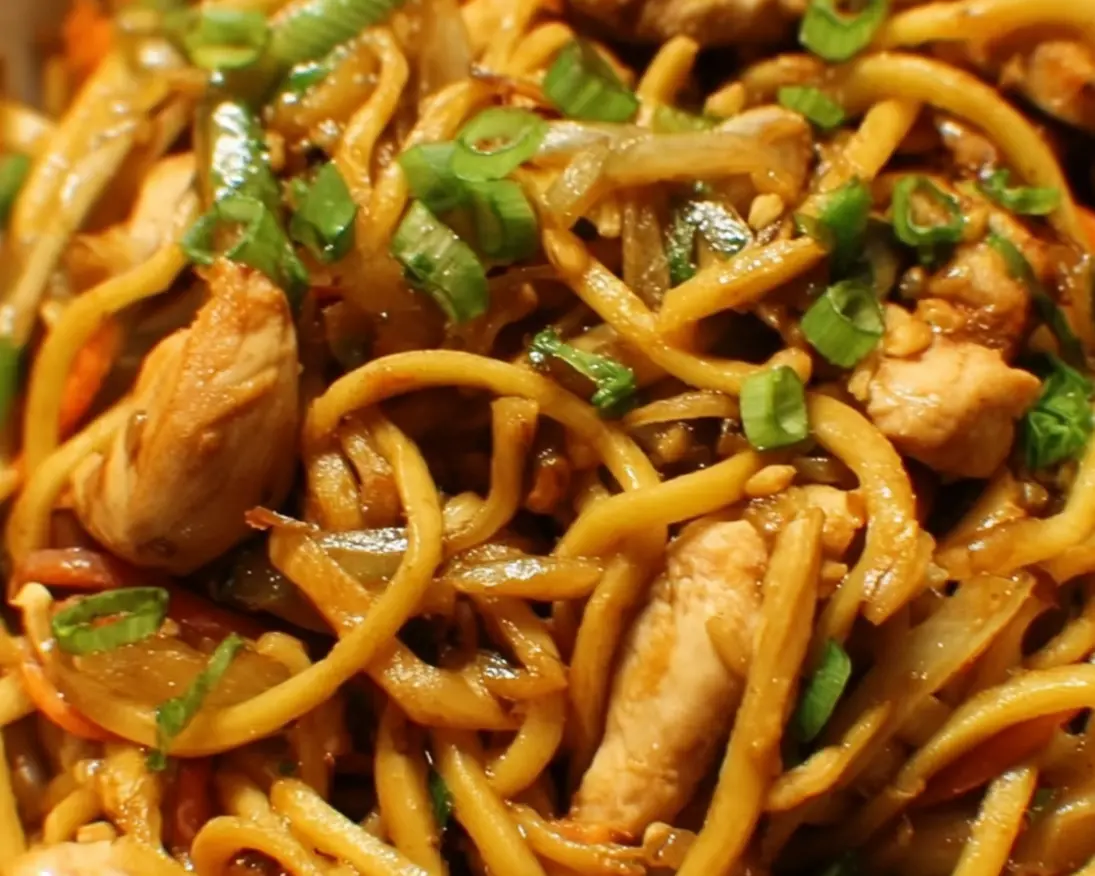
30-Minute Chicken Lo Mein Homemade Recipe | Better Than Takeout
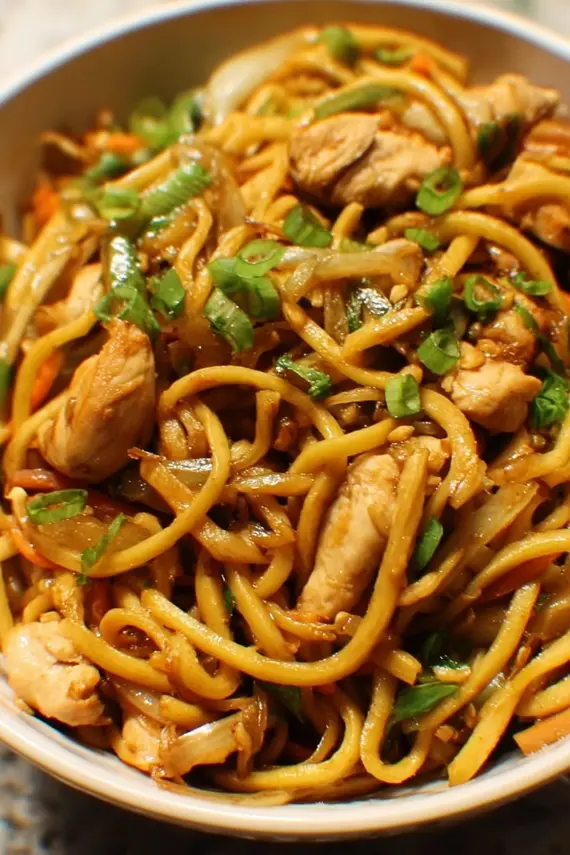
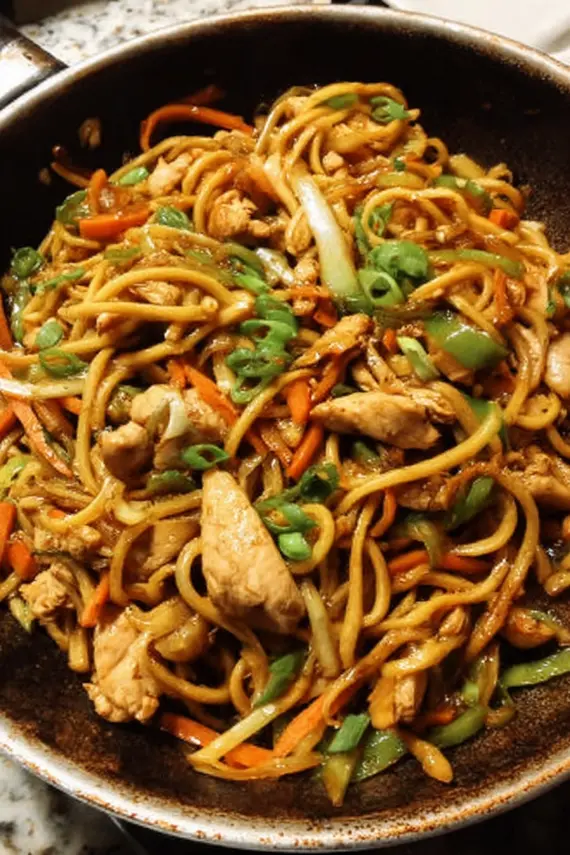
Chicken lo mein homemade is the ultimate weeknight dinner solution that brings authentic Asian flavors right to your kitchen. This quick and satisfying dish combines tender chicken, colorful vegetables, and silky noodles tossed in a savory sauce that rivals your favorite takeout.
Making this dish from scratch gives you complete control over ingredients and flavors, resulting in a healthier and more delicious alternative to restaurant versions. With just a few pantry staples and fresh ingredients, you’ll have a restaurant-quality meal on the table in under 30 minutes.
Essential Ingredients for Perfect Homemade Chicken Lo Mein
The Foundation Components
The key to authentic chicken lo mein starts with quality ingredients that create the perfect balance of flavors and textures. Each component plays a crucial role in this beloved stir-fry dish.
| Ingredient | Amount | Notes |
|---|---|---|
| Lo mein noodles | 8 oz | Fresh or dried; Chinese egg noodles are traditional |
| Chicken breasts | 2 (about 1 pound) | Sliced thin, against the grain for tenderness |
| Soy sauce | 2 tbsp | Low-sodium preferred for better flavor control |
| Oyster sauce | 1 tbsp | Provides rich umami depth |
| Sesame oil | 1 tbsp | Use toasted sesame oil for more flavor |
| Garlic | 2 cloves | Minced fresh; adjust to taste |
| Carrots | 1/3 cup | Julienned or thinly sliced |
| Bell pepper | 1/3 cup | Thinly sliced, any color works |
| Snap peas | 1/3 cup | Trimmed and halved diagonally |
| Green onions | 2 stalks | Sliced diagonally, whites and greens separated |
Sauce Enhancers (Optional)
For an even more complex flavor profile, consider these additional ingredients:
| Brown sugar | 1 tsp | Balances the savory elements |
| Ginger | 1 tsp | Freshly grated for bright flavor |
| Hoisin sauce | 1 tsp | Adds sweetness and depth |
Master the Wok: Step-by-Step Chicken Lo Mein Instructions
Preparation Phase
- Prepare the noodles: Cook lo mein noodles according to package directions until al dente, typically 4-5 minutes. Drain immediately and rinse under cold water to stop the cooking process. Toss with a few drops of sesame oil to prevent sticking and set aside.
- Prepare your protein: Slice chicken breasts into thin, uniform strips against the grain for maximum tenderness. Consider marinating the chicken in a tablespoon of soy sauce and a teaspoon of cornstarch for 10 minutes if time allows for juicier results.
- Ready your workspace: Have all vegetables prepped and sauce ingredients measured before heating your wok. “The ginger garlic healing broth quick technique offers similar staged-cooking approaches to prevent burning while developing maximum flavor.”
- Heat your wok: In a wok or large skillet, heat sesame oil over medium-high heat until it shimmers but doesn’t smoke. The proper temperature is crucial for stir-frying.
- Cook aromatics and protein: Add garlic (and optional ginger) to the hot oil and stir for 10 seconds until fragrant. Quickly add chicken strips and stir-fry until the chicken is just cooked through, about 3-4 minutes. The chicken should be opaque with slightly golden edges.
- Add vegetables: Toss in your mixed vegetables along with the white parts of the green onions. Stir-fry for 2–3 minutes until vegetables are crisp-tender. “The balsamic grilled chicken easy bold technique offers similar staged-cooking approaches to prevent burning while developing maximum flavor.”
- Combine everything: Add cooked noodles to the wok along with soy sauce and oyster sauce. Use tongs or two wooden spoons to toss everything together, ensuring the noodles are evenly coated with sauce. Cook for another 1-2 minutes until everything is heated through.
- Finish and serve: Garnish with the green parts of green onions. Serve immediately in warm bowls for the best taste experience.
Chef’s Secrets: Elevate Your Chicken Lo Mein Game
Technique Refinements
- Noodle perfection: Cook noodles slightly under package instructions as they’ll continue cooking when added to the wok. “The creamy cheddar garlic chicken bake technique offers similar staged-cooking approaches to prevent burning while developing maximum flavor.”
- High heat is your friend: For authentic stir-fry results, your wok or pan should be very hot before adding ingredients. This creates the characteristic “wok hei” or breath of the wok flavor.
- Protein prep matters: Slice chicken against the grain and uniform in thickness for even cooking. Consider velveting (marinating in cornstarch and egg white) for restaurant-quality tenderness.
- Sauce consistency: If your sauce is too thin, mix 1 teaspoon of cornstarch with 1 tablespoon cold water and add to the wok during the final minute of cooking.
- Vegetable order: Add harder vegetables (carrots) first, followed by softer ones (bell peppers, then snap peas) to ensure everything is cooked properly.
- Wok management: Keep ingredients moving constantly to prevent burning. If your pan seems overcrowded, cook in batches – overcrowding leads to steaming rather than stir-frying.
- Balance is key: The perfect lo mein has a balance of savory, sweet, and umami flavors. Taste before serving and adjust seasonings as needed.
Smart Storage Solutions for Leftover Lo Mein
Keeping Your Noodles Fresh
“The broasted chicken technique offers similar staged-cooking approaches to prevent burning while developing maximum flavor.” For your chicken lo mein, proper storage is essential to maintain its quality.
Store leftover chicken lo mein in an airtight container in the refrigerator for up to 3 days. The flavors often deepen overnight, making next-day lo mein especially delicious. For best texture, let the dish cool completely before refrigerating to prevent the noodles from becoming mushy.
Reheating Methods
To revive refrigerated lo mein, add a splash of water or chicken broth before reheating. For best results, reheat in a wok or skillet over medium heat for about 3-4 minutes, stirring frequently. Microwave reheating works too – cover with a damp paper towel and heat in 30-second increments, stirring between each.
Freezing is possible but not ideal, as the noodle texture can deteriorate. If you must freeze, store in an airtight container for up to 1 month. Thaw overnight in the refrigerator before reheating.
Delicious Variations on Classic Chicken Lo Mein
Creative Protein Swaps
The versatility of lo mein makes it perfect for customization. “The chicken khao soi technique offers similar staged-cooking approaches to prevent burning while developing maximum flavor.” Here are some exciting variations to try:
- Shrimp Lo Mein: Substitute peeled and deveined shrimp for chicken. Cook shrimp just until pink (about 2 minutes) to prevent overcooking.
- Beef Lo Mein: Use thinly sliced flank steak or sirloin. Marinate briefly in soy sauce and a touch of baking soda for tenderness.
- Vegetarian Lo Mein: Skip the meat and double the vegetables. Add firm tofu, mushrooms, or edamame for protein.
- Spicy Lo Mein: Add sriracha, red pepper flakes, or fresh sliced chilies for heat. Balance with a touch more honey or brown sugar.
- Peanut Lo Mein: Add 1-2 tablespoons of homemade peanut sauce to the dish for a creamy, nutty flavor profile.
- Breakfast Lo Mein: Use leftover lo mein as the base for a unique breakfast by topping with a fried egg and extra green onions.
Serving Suggestions to Complete Your Asian-Inspired Meal
Perfect Pairings and Presentations
“The creamy pepper jack chicken recipe technique offers similar staged-cooking approaches to prevent burning while developing maximum flavor.” For your chicken lo mein, consider these serving ideas:
- Traditional presentation: Serve in a large shallow bowl with chopsticks and a spoon. Garnish with additional thinly sliced green onions and a sprinkle of toasted sesame seeds.
- Side accompaniments: Pair with simple steamed or roasted vegetables like bok choy or broccoli that complement without overwhelming the dish.
- Appetizer additions: Start the meal with homemade vegetable spring rolls, edamame, or a small serving of hot and sour soup.
- Family-style serving: Present in the center of the table in a large serving dish with small bowls for individual portions, encouraging sharing and conversation.
- Garnish options: Offer additional garnishes like fresh cilantro, lime wedges, chopped peanuts, or crispy fried wonton strips for texture contrast.
Common Questions About Homemade Lo Mein
FAQ
What’s the difference between lo mein and chow mein?
Lo mein and chow mein both use egg noodles, but the cooking methods differ. Lo mein noodles are boiled first and then tossed with sauce and ingredients. Chow mein noodles are parboiled and then stir-fried until crispy. Lo mein has a softer, more sauce-coated texture, while chow mein offers more crunch. In authentic chicken lo mein homemade recipes, the noodles should remain tender and silky, not crispy.
Can I make chicken lo mein ahead of time for a party?
Yes, but with some adjustments. Prepare all components separately up to a day in advance: cook and refrigerate noodles (tossed with a bit of oil), prep and store vegetables, and cook chicken. On serving day, heat your wok, quickly stir-fry each component starting with chicken, add vegetables, then noodles, and finally sauce. This method preserves the fresh texture and flavor better than fully cooking and reheating the entire dish. If making for a party, consider slightly undercooking the noodles initially so they don’t become mushy when finished.
What can I substitute for oyster sauce in lo mein?
If you don’t have oyster sauce, you can create a substitute by mixing 2 teaspoons soy sauce with 1/4 teaspoon sugar and a dash of Worcestershire sauce. Hoisin sauce makes a good alternative, though it’s sweeter, so reduce any other sweet elements in your recipe. For vegetarian options, look for mushroom-based ‘vegetarian oyster sauce’ or use soy sauce with a splash of vegetable broth reduced to concentrate the umami flavor. Remember that authentic chicken lo mein homemade recipes typically include oyster sauce for its distinct flavor, but these substitutions will still yield delicious results.
Mastering the Art of Homemade Asian Noodles
Your Gateway to Authentic Chinese Cooking
Making chicken lo mein homemade is more than just recreating a takeout favorite—it’s about connecting with the rich traditions of Chinese cooking in your own kitchen. This versatile dish can be adapted to your preferences and available ingredients while still maintaining its essential character.
Whether you’re cooking for a quick weeknight dinner or impressing guests at a dinner party, this homemade chicken lo mein recipe delivers restaurant-quality results with minimal effort. The perfect balance of tender chicken, colorful vegetables, and silky noodles coated in savory sauce makes this dish a guaranteed favorite for years to come.
30-Minute Chicken Lo Mein
Chicken lo mein homemade is the ultimate weeknight dinner solution that brings authentic Asian flavors right to your kitchen. This quick and satisfying dish combines tender chicken, colorful vegetables, and silky noodles tossed in a savory sauce that rivals your favorite takeout.
Category: Dinner
Cuisine: Chinese
Calories: 380 kcal
Ingredients
- 8 oz lo mein noodles, 2 chicken breasts (about 1 pound), sliced thin, 2 tbsp soy sauce, 1 tbsp oyster sauce, 1 tbsp sesame oil, 2 cloves garlic, minced, 1/3 cup carrots, julienned, 1/3 cup bell pepper, thinly sliced, 1/3 cup snap peas, trimmed, 2 green onions, sliced
Equipment
- Mixing Bowl
- Measuring Cups
- Cooking Tool
Instructions
- Cook lo mein noodles according to package directions until al dente. Drain and rinse with cold water. 2. Heat sesame oil in a wok over medium-high heat. 3. Add minced garlic and stir for 10 seconds until fragrant. 4. Add sliced chicken and stir-fry until just cooked through, about 3-4 minutes. 5. Add mixed vegetables and white parts of green onions. Stir-fry for 2-3 minutes until vegetables are crisp-tender. 6. Add cooked noodles, soy sauce, and oyster sauce to the wok. 7. Toss everything together until noodles are evenly coated with sauce and heated through. 8. Garnish with green parts of green onions and serve immediately.
Notes
- For extra flavor, consider adding 1 tsp brown sugar, 1 tsp freshly grated ginger, or 1 tsp hoisin sauce to the sauce mixture. Slice chicken against the grain for maximum tenderness.
Let’s connect! Follow me for more Joylicious Recipes: Facebook, Instagram, Pinterest