The Ultimate Chicken Pho Noodle Soup Recipe: Authentic Vietnamese Comfort
Introduction: Discover the Soul-Warming Magic of Chicken Pho
The Vietnamese Tradition of Pho
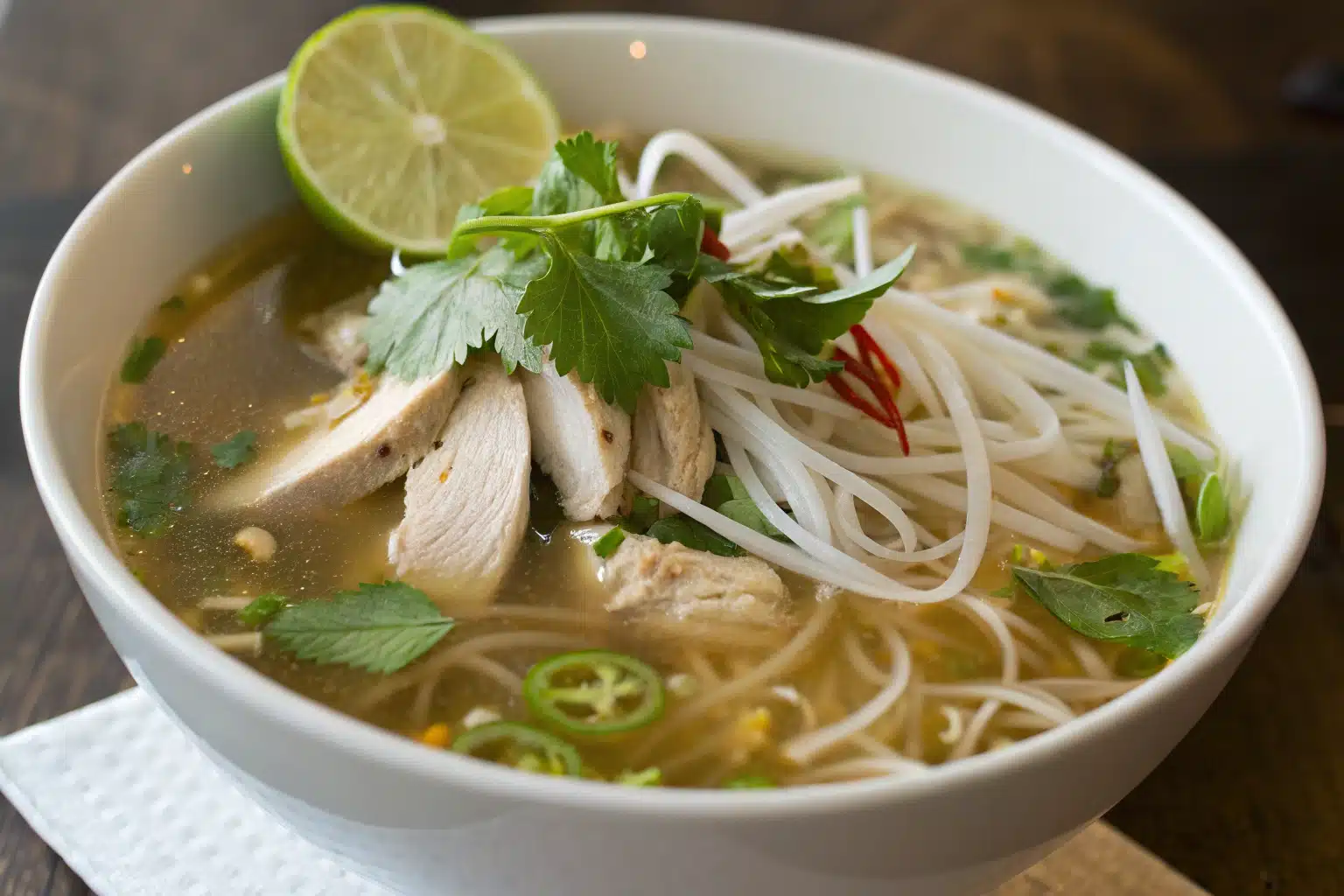
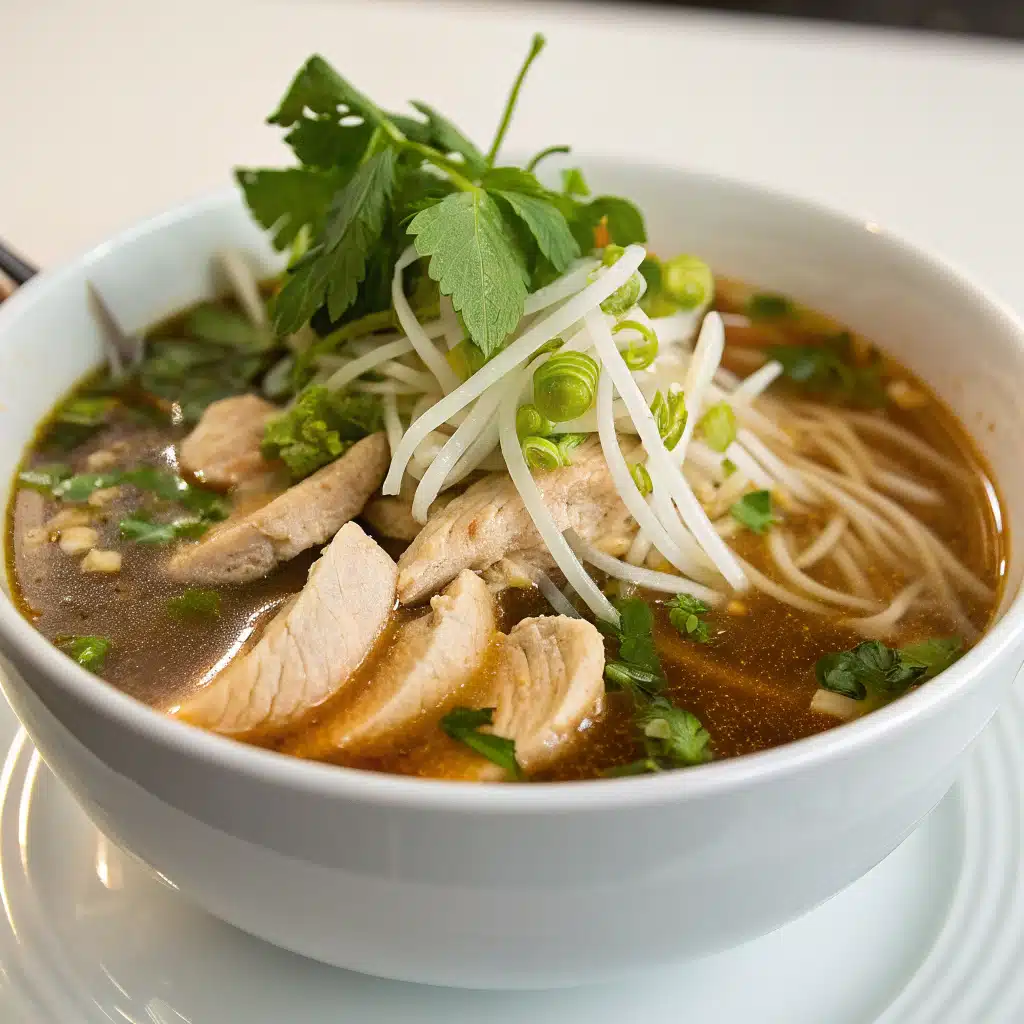
Chicken pho noodle soup represents the heart and soul of Vietnamese cuisine, combining aromatic spices, tender chicken, and silky rice noodles in a rich, flavorful broth. This beloved dish has traveled from the bustling streets of Hanoi to become a global comfort food phenomenon. Traditional chicken pho noodle soup is characterized by its complex layering of flavors, achieved through the slow simmering of chicken and aromatic spices like coriander, fennel, ginger, and lemongrass. “If you enjoy this fragrant soup, you might also appreciate our Chicken Vegetable Soup Recipe for another nourishing option.” The beauty of chicken pho noodle soup lies in its perfect balance of savory, sweet, and umami flavors that create a truly memorable dining experience.
The Health Benefits of Chicken Pho Noodle Soup
Beyond its incredible taste, chicken pho noodle soup offers numerous health benefits that make it more than just comfort food. The clear broth is naturally low in fat while being packed with nutrients from simmered bones and vegetables. Meanwhile, fresh herbs like cilantro and green onions add vital antioxidants and vitamins. The daikon radish in our recipe provides additional fiber and immune-supporting properties. Additionally, the warm broth helps soothe sore throats and congestion, making chicken pho noodle soup an ideal meal during cold and flu season. The combination of protein from tender chicken thighs and complex carbohydrates from rice noodles creates a balanced meal that satisfies hunger while providing sustainable energy.
Ingredients: Everything You Need for Perfect Chicken Pho
The Foundation of Flavor: Broth Ingredients
The soul of any chicken pho noodle soup lies in its broth, a complex symphony of aromatics and spices that develop during slow simmering. To create an authentic base, you’ll need these essential components:
| Ingredient | Quantity | Purpose |
|---|---|---|
| Yellow onion | 1 medium, halved | Adds sweetness and depth |
| Fresh ginger | 4-inch piece, halved | Provides warm, spicy notes |
| Lemongrass | 1 stalk, trimmed and smashed | Contributes citrusy aroma |
| Coriander seeds | 2 teaspoons | Adds earthy, floral notes |
| Fennel seeds | 2 teaspoons | Provides subtle anise flavor |
| Boneless, skinless chicken thighs | 1 pound | Creates rich, meaty foundation |
| Daikon | 1 medium, peeled and chunked | Adds subtle sweetness |
| Salt | 2 teaspoons, plus more to taste | Enhances all flavors |
| Low-sodium chicken broth | 4 cups | Intensifies chicken flavor |
The Fresh Elements: Noodles and Toppings
What truly elevates chicken pho noodle soup from good to extraordinary are the fresh components added just before serving. These ingredients provide texture, color, and brightness:
| Ingredient | Quantity | Purpose |
|---|---|---|
| Baby bok choy | 3-4 cups, halved or quartered | Adds tender greens and nutrients |
| Pho-style rice noodles | 1 package | Provides traditional base and texture |
| Green onions | 2 stalks, finely sliced | Adds fresh onion flavor and color |
| Fresh cilantro | 2 tablespoons, minced | Contributes bright, herbal notes |
| Fried shallots | 1/4 cup | Provides crunchy texture and savory flavor |
| Fish sauce | To taste (optional) | Enhances umami depth |

Step-by-Step: How to Make Authentic Chicken Pho Noodle Soup
Creating the Aromatic Broth Base
The foundation of exceptional chicken pho noodle soup begins with developing deep, complex flavors through proper technique. Follow these critical first steps:
Preheat your broiler to high. Place halved onion and ginger pieces, cut side up, on a baking sheet and broil for 10-15 minutes until charred and fragrant. This charring creates caramelized flavors essential to authentic chicken pho noodle soup.
While aromatics are broiling, heat a small skillet over medium heat. Add coriander and fennel seeds, toasting for 1-3 minutes until fragrant, stirring frequently to prevent burning. Transfer to a spice pouch or tie in cheesecloth for easy removal later.
Fill a large stockpot with 8 cups of water. Add the charred onion, ginger, chicken thighs, daikon chunks, lemongrass, spice pouch, and 2 teaspoons of salt.
Bring the pot to a boil over high heat, then immediately reduce to a gentle simmer. Allow the mixture to cook uncovered for 30 minutes, occasionally skimming any foam that rises to the surface.
Preparing the Chicken and Finishing the Broth
The next phase focuses on properly cooking the chicken while developing the broth further:
After 30 minutes, carefully remove the chicken thighs from the pot and set aside to cool slightly. “If you’re interested in other chicken cooking techniques, our How to Cook Cubed Chicken Perfectly guide provides excellent tips.”
Add the baby bok choy to the simmering broth and cook for 3-5 minutes until just tender but still bright green.
While the bok choy cooks, shred the chicken thighs into bite-sized pieces using two forks or clean hands.
Pour in the 4 cups of low-sodium chicken broth to enhance the flavor, and allow the soup to simmer for an additional 30 minutes to marry the flavors.
For a clearer, more refined broth, strain the liquid through a fine-mesh sieve into another pot, discarding the solids. Return the strained broth to medium heat to keep warm.
- Assembling Your Chicken Pho Noodle Soup
The final steps bring all components together for a perfect bowl of chicken pho noodle soup:
Cook the rice noodles according to package instructions, typically by soaking in hot water for 6-10 minutes until tender but still slightly firm. Drain thoroughly and rinse with cold water to prevent sticking.
To serve, divide the cooked noodles among large soup bowls. Top with the shredded chicken and cooked bok choy portions.
Sprinkle each bowl with sliced green onions, minced cilantro, and fried shallots for flavor and texture.
Carefully ladle the hot broth over each bowl, allowing the heat to warm all components.
Offer fish sauce on the side for diners to adjust saltiness and umami to their preference.
Tips: Secrets to Exceptional Chicken Pho Noodle Soup
Broth Mastery: Creating Depth of Flavor
The heart of exceptional chicken pho noodle soup lies in its broth, and these professional tips will elevate yours to restaurant quality. First, never rush the simmering process—a minimum of one hour total simmering time allows flavors to fully develop and meld. Additionally, charring the ginger and onion is non-negotiable; this step creates complex caramelized flavors that form the backbone of authentic chicken pho noodle soup. Consider adding chicken bones or a whole chicken carcass (if available) to intensify the broth’s richness. “For another flavorful chicken creation, check out our Garlic Butter Chicken Bites recipe that comes together in just 15 minutes.” Furthermore, when seasoning your broth, start with less salt and fish sauce than you think necessary—you can always add more, but you can’t take it away once added.
Noodle Know-How: Perfect Texture and Timing
Mastering rice noodle preparation is crucial for ideal chicken pho noodle soup texture. To prevent soggy noodles, cook them separately from the broth and slightly undercook them—they’ll continue softening in the hot broth. After cooking, rinse rice noodles thoroughly with cold water to remove excess starch and prevent clumping. For make-ahead preparation, store cooked noodles tossed with a small amount of neutral oil in the refrigerator.
Always add noodles to individual serving bowls rather than the main broth pot; this prevents them from absorbing too much liquid and becoming mushy. Finally, if using dried rice noodles rather than fresh, extend the soaking time by 2-3 minutes beyond package directions for the perfect chewy texture in your chicken pho noodle soup.
Herb and Garnish Guidance: Maximum Freshness
The vibrant herbs and garnishes in chicken pho noodle soup aren’t merely decorative—they’re integral flavor components that complete the dish. For maximum aroma, prepare herbs just before serving; cutting them too far in advance leads to oxidation and diminished fragrance. When slicing green onions, cut them on a sharp diagonal to increase surface area and release more flavor.
Consider offering additional fresh herbs like Thai basil, mint, or sawtooth herb (culantro) alongside traditional cilantro for personalized bowls. Fried shallots can be made ahead: thinly slice shallots and fry in neutral oil until golden, then drain on paper towels for a crunchy topping that keeps for weeks in an airtight container. Finally, provide lime wedges alongside finished soup; the fresh citrus juice brightens flavors and cuts through the richness of chicken pho noodle soup.
Storage: Making the Most of Your Chicken Pho
Proper Refrigeration Techniques
Storing chicken pho noodle soup properly ensures you can enjoy it for days after making it. For optimal freshness, separate your pho components before refrigeration. Store the broth in airtight containers, where it will keep for up to 4 days. The flavorful broth actually improves after a day as the spices continue to infuse.
Store cooked chicken separately in its own container to prevent it from becoming waterlogged in the broth. Never store assembled soup with noodles already in the broth—they’ll continue absorbing liquid and become mushy. Instead, keep cooked rice noodles in a separate container tossed with a small amount of neutral oil to prevent sticking. Fresh herbs and garnishes should be stored unwashed in paper towels inside a sealed container.
“If you’re interested in other make-ahead meals, our Chicken and Stuffing Casserole Recipe offers another excellent option.”
Freezing Your Chicken Pho Components
Chicken pho noodle soup can be partially frozen for convenient future meals. The broth freezes exceptionally well in airtight containers or freezer bags for up to 3 months. Before freezing, ensure the broth has cooled completely to room temperature. For portion control, freeze broth in 2-cup containers or ice cube trays for smaller amounts. The cooked chicken can also be frozen separately in airtight containers for up to 2 months.
However, never freeze the rice noodles or fresh garnishes as their texture will deteriorate significantly. When ready to enjoy your frozen chicken pho noodle soup, thaw the broth and chicken overnight in the refrigerator for the best results. Simply prepare fresh noodles and garnishes when reheating for a meal that tastes nearly identical to freshly made pho.
Reheating for Maximum Flavor
Reheating chicken pho noodle soup correctly preserves its delicate flavors and textures. For the best results, heat the broth separately in a saucepan over medium heat until steaming hot (about 195°F). Ensure you bring it to a steaming temperature but avoid rapid boiling, which can make the broth cloudy. If the broth has reduced during storage, add a few tablespoons of chicken stock or water to restore its original consistency.
To reheat refrigerated chicken, either add it directly to the hot broth to warm through or microwave it separately with a splash of water to maintain moisture. Never reheat noodles from refrigerated storage; instead, prepare fresh noodles for each serving. When assembling reheated chicken pho noodle soup, place room-temperature noodles in the bowl first, followed by chicken, then pour the hot broth over everything to warm all components without overcooking them.
Variations: Creative Twists on Chicken Pho Noodle Soup
Protein Alternatives
While traditional chicken pho noodle soup relies on chicken thighs, exploring different protein options creates exciting new versions of this beloved dish. For a leaner option, substitute boneless, skinless chicken breasts, but reduce the simmering time to 20 minutes to prevent them from becoming tough. “If you enjoy versatile chicken recipes, our Creamy Garlic Chicken Recipe offers another delicious way to prepare this protein.” Seafood pho is another excellent variation—add shrimp, firm white fish, or even scallops during the final minutes of cooking for a lighter, oceanic twist.
For a heartier vegetarian version, replace chicken with extra-firm tofu, lightly browned in a skillet before adding to the soup, or incorporate meaty mushrooms like shiitake or king oyster varieties. A combination of proteins also works beautifully; try mixing chicken with shrimp or tofu for interesting texture contrasts in your chicken pho noodle soup variation.
Regional Vietnamese Inspirations
Chicken pho noodle soup varies across different regions of Vietnam, each with distinctive characteristics worth exploring. Northern-style pho (Hanoi) features a clearer broth with fewer garnishes—try this variation by reducing spices slightly and focusing on the pure chicken flavor. Southern-style pho (Saigon) incorporates more herbs and bean sprouts—adapt by increasing the herb garnishes and adding a cup of fresh bean sprouts to each serving.
Central Vietnamese pho often includes a spicier element—add a tablespoon of chili oil or include thinly sliced fresh chiles as a garnish option. For a fusion approach, incorporate elements of bún bò Huế (another famous Vietnamese soup) by adding lemongrass-infused chili oil as a finishing touch to your chicken pho noodle soup. These regional variations maintain the soul of traditional pho while offering new flavor dimensions to explore.
Seasonal Adaptations
Modify your chicken pho noodle soup to highlight the best produce each season offers. In spring, incorporate tender asparagus tips or fresh peas during the last minutes of cooking, and increase the herb garnishes for brightness. Summer chicken pho noodle soup benefits from corn kernels cut fresh from the cob and cherry tomatoes added just before serving. For autumn, add cubed butternut squash or pumpkin to the simmering broth and include fresh mushrooms for earthy depth.
Winter versions can incorporate hearty greens like kale or collards (added to the broth for the final 5 minutes) and extra ginger for warming properties. Additionally, consider seasonal fruit as unexpected garnishes—pomegranate seeds add surprising freshness to winter pho, while stone fruit like sliced peaches can complement summer versions with their subtle sweetness contrasting against the savory chicken pho noodle soup.
Serving: Creating the Perfect Pho Experience
Traditional Vietnamese Serving Style
Serving chicken pho noodle soup in the authentic Vietnamese tradition enhances the entire dining experience. Traditionally, pho is served in large, deep bowls that provide ample space for broth while keeping the contents hot longer. Preheating these bowls with hot water before serving ensures your chicken pho noodle soup maintains its temperature throughout the meal.
The authentic serving sequence matters: first place noodles in the bowl, then arrange chicken and vegetables, and finally ladle the hot broth over everything just before serving. In Vietnam, chicken pho noodle soup is traditionally accompanied by a separate plate of fresh herbs, bean sprouts, and lime wedges, allowing diners to customize each spoonful. Provide small dipping dishes containing hoisin sauce and sriracha for additional personalization.
“For more Asian-inspired recipes, our Miso Salmon Recipe offers another delicious option with complex flavors.”
Modern Presentation Ideas
Contemporary presentations of chicken pho noodle soup can create memorable dining experiences while honoring traditional flavors. For elegant dinner parties, consider serving deconstructed pho—present clear glass bowls of hot broth alongside individual plates arranged with artfully placed noodles, chicken, and garnishes for guests to combine themselves. Create a pho bar for casual gatherings by setting out large tureens of hot broth alongside separate containers of noodles, chicken, and all traditional garnishes, allowing guests to build personalized bowls.
For a visually striking presentation, serve individual portions in wide, shallow bowls with ingredients arranged in sections, then pour the broth tableside from small pitchers. Mini pho cups make perfect appetizers—serve chicken pho noodle soup in small cups with decorative spoons for an elegant passed hors d’oeuvre that captures the essence of the dish in one bite.
Complementary Side Dishes
While chicken pho noodle soup is certainly substantial enough to stand alone as a complete meal, traditional Vietnamese accompaniments can enhance the dining experience. Fresh spring rolls (gỏi cuốn) with shrimp or vegetables provide a light, refreshing counterpoint to the warm soup. A simple side salad of shredded cabbage and carrots dressed with rice vinegar, a touch of sugar, and fish sauce offers a crisp, acidic element that cleanses the palate between spoonfuls of rich pho.
Vietnamese pickled vegetables (đồ chua) made with daikon and carrots add a tangy crunch that contrasts beautifully with the soft noodles in chicken pho noodle soup. For a more substantial meal, serve crispy Vietnamese crepes (bánh xèo) filled with bean sprouts as a savory accompaniment. Complete the authentic experience with Vietnamese iced coffee (cà phê sữa đá) or a pot of jasmine tea, both traditional beverages that complement the complex flavors of chicken pho noodle soup.
FAQs: Your Chicken Pho Noodle Soup Questions Answered
What noodles are best for chicken pho noodle soup?
Traditional chicken pho noodle soup is made with flat rice noodles (bánh phở), which come in various widths. Medium-width rice noodles (about 1/8 inch) are most commonly used and provide the authentic texture and appearance. Fresh rice noodles are ideal if you can find them at Asian markets, as they have a superior texture and require minimal cooking—just a quick dip in hot water. Dried rice noodles are more widely available and work perfectly well; look for packages labeled “pho noodles” or “rice stick noodles.” In a pinch, you can substitute rice vermicelli (bún), though they’re thinner than traditional pho noodles. Avoid egg noodles or wheat noodles, as they dramatically change the dish’s character and absorb broth differently than rice noodles.
How do you make a flavorful broth for chicken pho noodle soup?
Creating a richly flavored chicken pho broth requires several key techniques. Start by charring onions and ginger under the broiler until blackened in spots to develop deep, caramelized flavors. Toast your spices (coriander, fennel) in a dry pan until fragrant to release their essential oils before adding to the broth. Use bone-in chicken parts like backs or wings alongside your chicken thighs for enhanced body and richness. A long, slow simmer (at least 1-2 hours) allows flavors to fully develop—never rush this step. Skim the broth regularly to maintain clarity. The addition of daikon provides subtle sweetness that balances the savory elements. Finally, season gradually with fish sauce at the end of cooking for umami depth without overwhelming the delicate chicken flavor.
Can I use leftover chicken for pho?
Yes, leftover cooked chicken can be used in chicken pho noodle soup with some adjustments. Since you won’t be cooking the chicken in the broth, you’ll need to enhance the broth’s flavor in other ways. Use chicken bones or a store-bought rotisserie chicken carcass to create the base broth, simmering with all the traditional aromatics. Once your broth is flavorful and strained, shred your leftover chicken and add it to individual serving bowls with the noodles, then pour hot broth over to warm the meat without overcooking it. This method is especially useful for quick weeknight meals. For best results, only use leftover chicken that’s no more than 2-3 days old and was properly refrigerated. If your leftover chicken was heavily seasoned with non-Vietnamese flavors, rinse it briefly under warm water before using to prevent flavor clashes.
What herbs are essential in chicken pho noodle soup?
Fresh herbs are crucial to authentic chicken pho noodle soup, providing brightness that balances the rich broth. Cilantro is the most essential herb, used both in the simmering broth and as a fresh garnish. Green onions, both the white and green parts, add a mild onion flavor that enhances the soup without overwhelming it. Traditional Vietnamese service includes a separate herb plate with Thai basil (húng quế), which has a slightly spicy, anise flavor distinct from Italian basil. Mint provides a cooling effect that balances the warm spices. In Vietnam, sawtooth herb (ngò gai or culantro) is often included for its intense cilantro-like flavor. Bean sprouts, though not herbs, are typically served alongside these fresh greens for added crunch and are considered an essential fresh element in southern-style chicken pho noodle soup.
How do you adjust spice levels in chicken pho?
Chicken pho noodle soup can be customized to accommodate various spice preferences. For a milder soup, reduce the amount of ginger and omit any fresh chilies from the broth. Conversely, for spicier pho, add sliced fresh jalapeños or Thai bird chilies to the finished soup. The traditional Vietnamese approach is to serve chicken pho noodle soup with a moderate base spice level, then provide condiments that allow each diner to adjust their own bowl. Offer sriracha sauce and sliced fresh chilies for heat-lovers. Hoisin sauce can balance heat with sweetness. Experimenting with spice combinations in the broth itself—adding star anise, cloves, or cinnamon sticks—creates different dimensions of spice without necessarily increasing heat levels. Remember that spices will intensify if the broth sits overnight, so a batch intended for leftovers might benefit from slightly reduced initial spicing.
Can chicken pho noodle soup be made in an Instant Pot?
Absolutely! Making chicken pho noodle soup in an Instant Pot reduces cooking time dramatically while still producing flavorful results. Start by using the Sauté function to char the onions and ginger directly in the pot, then toast the spices. Add chicken thighs, daikon, lemongrass, and spices with 8 cups of water. Seal and cook on High Pressure for 15 minutes, followed by a 10-minute natural pressure release. Remove the chicken to shred it, then strain the broth and return it to the pot. Add the chicken broth and continue with the regular recipe using the Sauté function to simmer. This method compresses a 2-hour process into about 45 minutes total while maintaining excellent flavor development. The pressure cooking environment actually helps extract flavor from ingredients more efficiently, resulting in a chicken pho noodle soup that rivals traditional stovetop methods with significantly less time investment.
Conclusion: Mastering the Art of Chicken Pho
Cultural Significance of Sharing Pho
Chicken pho noodle soup represents much more than just a delicious meal—it embodies the heart of Vietnamese hospitality and family tradition. In Vietnam, pho is often enjoyed as a breakfast dish, with families gathering at local pho shops or around their home tables to start the day with this nourishing soup. The communal nature of preparing and enjoying chicken pho noodle soup—with its shared broth and personalized garnishes—mirrors the Vietnamese cultural value of togetherness.
When you prepare chicken pho noodle soup for friends and family, you’re participating in a tradition that spans generations and continents. The slow, careful preparation of the broth can be seen as an act of love, while the customizable nature of each bowl respects individual preferences within the community.
“Looking for more soups that bring people together? Try our Ultimate Homemade Chicken Noodle Soup Recipe for another comforting option.”
The Rewarding Journey of Homemade Pho
Making chicken pho noodle soup from scratch might seem daunting initially, but the process is incredibly rewarding and becomes more intuitive with each batch. Your first homemade pho may not match the depth of one simmered for hours in a Vietnamese kitchen passed down through generations, but it will still far surpass most restaurant versions found outside Vietnam. Each time you prepare chicken pho noodle soup, you’ll develop a better understanding of how the ingredients interact and how to balance the complex flavors.
You’ll learn to trust your palate—adding a splash more fish sauce here, adjusting the charring time of aromatics there—until you’ve created a version that perfectly suits your taste. The techniques you master while making chicken pho noodle soup—from creating clear broths to balancing complex flavors—will enhance your overall cooking skills across many cuisines. Most importantly, you’ll gain the satisfaction of creating something truly nourishing and delicious from simple ingredients, connecting to culinary traditions that have brought comfort to millions around the world.
PrintChicken Pho Noodle Soup
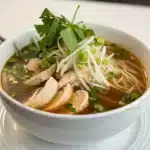
Authentic Vietnamese chicken pho with aromatic spices, tender chicken thighs, and silky rice noodles in a rich, flavorful broth.
- Prep Time: 20 minutes
- Cook Time: 1 hour 30 minutes
- Total Time: 1 hour 50 minutes
- Yield: 4-6 1x
- Category: Main Dish
- Cuisine: Vietnamese
Ingredients
- 1 medium yellow onion, halved
- 1 large piece fresh ginger (about 4 inches), halved
- 1 stalk lemongrass, trimmed and lightly smashed
- 2 teaspoons coriander seeds
- 2 teaspoons fennel seeds
- 1 pound boneless, skinless chicken thighs
- 1 medium daikon, peeled and cut into chunks
- 2 teaspoons salt, plus more to taste
- 4 cups low-sodium chicken broth
- 3–4 cups baby bok choy, halved or quartered
- 1 package pho-style rice noodles (fresh or dried)
- 2 stalks green onions, finely sliced
- 2 tablespoons fresh cilantro, minced
- 1/4 cup fried shallots
- Fish sauce to taste (optional)
Instructions
- Char onion and ginger under the broiler for 10-15 minutes until blackened in spots.
- Toast coriander and fennel seeds in a dry pan for 1-3 minutes until fragrant. Place in a spice pouch or cheesecloth.
- In a large pot, combine charred aromatics, chicken, daikon, lemongrass, spice pouch, and salt. Cover with water.
- Bring to a boil, then reduce heat and simmer for 30 minutes.
- Remove chicken and set aside. Add bok choy to the broth.
- Shred the chicken into bite-sized pieces.
- Add chicken broth to the pot and simmer for another 30 minutes. Strain for a clearer broth if desired.
- Cook noodles according to package directions.
- Assemble bowls with noodles, chicken, bok choy, herbs, and shallots.
- Ladle hot broth over each bowl and season with fish sauce if desired.
Notes
Nutrition facts are estimates and may vary based on ingredients used, portion sizes, and preparation methods.
Nutrition
- Serving Size: 4
- Calories: 320 Kcal
- Sugar: 3g
- Sodium: 890mg
- Fat: 8g
- Saturated Fat: 2g
- Carbohydrates: 42g
- Fiber: 3g
- Protein: 24g
- Cholesterol: 85mg
Keywords: chicken pho, Vietnamese soup, rice noodle soup, homemade pho, chicken soup
Let’s connect! Follow me for more Joylicious Recipes: Facebook, Instagram, Pinterest