
The Best Parmesan Roast Turkey Recipe for Your Holiday Table
Introduction: Elevate Your Turkey Game
Why Parmesan Roast Turkey Stands Out
Parmesan roast turkey transforms the traditional holiday centerpiece into a show-stopping masterpiece of flavor and texture. This technique combines the savory depth of Parmesan cheese with aromatic herbs and butter to create a turkey that’s moist on the inside and boasts a perfectly crispy, golden crust on the outside. Unlike conventional roasting methods, this approach infuses the meat with rich flavor while ensuring that coveted crispy exterior everyone fights over.
“Looking for inspiration? Try our garlic parmesan baked chicken recipe for a similar flavor profile on a smaller scale.”
The Science Behind Perfect Parmesan Crusting
The magic of Parmesan roast turkey lies in the cheese’s unique properties. When Parmesan roasts, it undergoes a transformation—becoming nutty, complex, and forming that sought-after crispy exterior. The high fat content in both the cheese and butter creates a natural basting effect, keeping the meat juicy while protecting it from drying out. Additionally, the salt in the Parmesan helps season the turkey thoroughly, enhancing its natural flavors without overwhelming them. The spatchcocking technique allows the turkey to cook more evenly and quickly, resulting in perfectly done meat from breast to thigh.
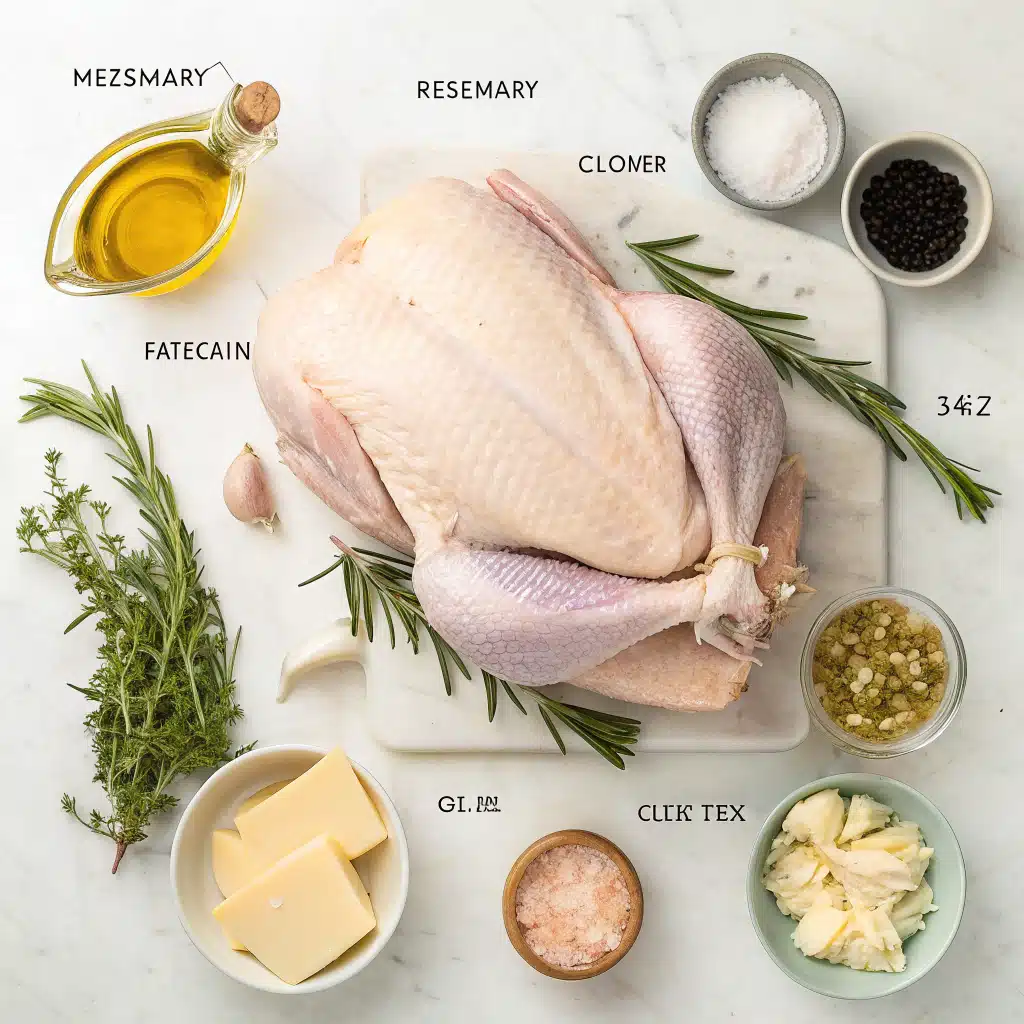
Ingredients for Parmesan Roast Turkey
The Foundation Elements
| Ingredient | Amount | Notes |
|---|---|---|
| Turkey | 10-12 pounds | Spatchcocked by your butcher |
| Unsalted butter | 1 stick (8 tablespoons) | Room temperature |
| Fresh rosemary | 2 teaspoons | Minced |
| Fresh thyme | 2 teaspoons | Minced |
| Garlic | 2 cloves | Minced |
| Lemon zest | From 1 lemon | Finely grated |
| Parmesan cheese | 1½ cups (about 6 ounces) | Freshly grated |
| Kosher salt | To taste | About 1 tablespoon plus 1 teaspoon |
| Black pepper | To taste | Freshly ground |
| Extra-virgin olive oil | 2 tablespoons | High quality |
Choosing Quality Ingredients
The secret to an exceptional Parmesan roast turkey begins with selecting premium ingredients. For the turkey, look for one that’s free-range, organic, or heritage for the best flavor and texture. Fresh herbs make a significant difference—their aromatic oils release during cooking to infuse the meat with vibrant flavors. When it comes to Parmesan, only use authentic Parmigiano-Reggiano and grate it yourself just before using. Pre-grated cheese often contains anti-caking agents that can inhibit proper melting and crust formation. Quality matters in every component, as each contributes to the final masterpiece.
Step-by-Step Parmesan Turkey Roasting
Preparation Phase
- Position an oven rack in the center of the oven and preheat to 375°F. This moderate temperature will allow the turkey to cook through while developing a golden Parmesan crust.
- Set up your roasting station by fitting a wire rack inside a rimmed baking sheet. This elevation allows air to circulate under the turkey, resulting in even cooking and crispy skin all around.
- In a medium bowl, create your Parmesan-butter mixture by combining softened butter, minced rosemary, thyme, garlic, lemon zest, ½ cup of the Parmesan cheese, 1 teaspoon salt, and several grinds of black pepper. Mix until smooth and well incorporated.
- Pat the spatchcocked turkey dry with paper towels. Thorough drying is essential for achieving crispy skin, as moisture is the enemy of crispiness.
- Season the turkey generously on both sides (flesh and skin) with 1 tablespoon salt and several grinds of black pepper.
“Don’t miss our crispy parmesan crusted chicken recipe if you’re looking for more ways to use this delicious cheese coating technique.”
The Roasting Process
- Place the seasoned turkey skin-side up on your prepared baking sheet with rack.
- Using your fingers, gently work between the skin and meat of the breast and top of the legs to create pockets, being careful not to tear the skin.
- Take the prepared Parmesan-butter mixture and distribute it evenly under the loosened skin, massaging it to spread evenly throughout the breast and leg areas.
- Drizzle the olive oil over the skin and rub to coat evenly, ensuring complete coverage.
- Sprinkle the remaining 1 cup of freshly grated Parmesan cheese over the entire surface of the turkey, pressing gently to adhere.
- Roast the turkey until the Parmesan forms a golden-brown crust and an instant-read thermometer inserted into the thickest part of the thigh registers 165°F, approximately 1½ to 2 hours.
- Remove from the oven and allow to rest for a full 30 minutes before carving. This crucial resting period allows juices to redistribute throughout the meat.
Tips for Parmesan Turkey Success
Perfecting the Cheese Application
The Parmesan cheese layer is what sets this recipe apart, so applying it correctly is crucial. For best results, use finely grated fresh Parmesan rather than pre-grated varieties, which contain anti-caking agents that can affect melting. Apply the cheese in an even layer, and don’t worry if some falls onto the baking sheet—it will create delicious crispy bits you can collect later. If you notice the cheese browning too quickly during roasting, loosely tent the turkey with foil to prevent burning while allowing the meat to finish cooking.
“Here’s your guide to crispy air fryer parmesan crusted chicken which uses similar techniques on a smaller scale.”
Mastering the Herb-Butter Mixture
The herb-butter mixture is the flavor foundation of this recipe. For maximum impact, allow the butter to fully soften at room temperature before mixing—this ensures the herbs and seasonings distribute evenly. Finely mince your herbs and garlic to avoid lumps and ensure their flavors infuse thoroughly. When applying under the skin, take your time to push the mixture as far as possible without tearing the skin, then gently massage from the outside to distribute it evenly. This method ensures the flavors penetrate the meat while keeping the skin intact for that perfect crispy finish.
Temperature Control Strategies
Temperature management is critical for perfectly roasted Parmesan turkey. Start checking the internal temperature after about 1 hour of roasting, focusing on the thickest part of the thigh and breast. A digital instant-read thermometer is the most reliable tool for this job. If you notice the cheese crust browning too quickly before the turkey reaches the target internal temperature of 165°F, tent the turkey loosely with foil.
Remember that spatchcocked turkeys cook significantly faster than traditional whole turkeys, so monitor closely to avoid overcooking. Let the turkey rest at room temperature for at least 30 minutes before carving to allow juices to redistribute.
Storing Your Parmesan Roast Turkey
Short-Term Storage Solutions
Properly storing your Parmesan roast turkey ensures you’ll enjoy those delicious leftovers safely. For short-term storage, allow the turkey to cool completely before refrigerating. Separate the meat from the bones for more efficient storage and easier use in leftover recipes.
Store the carved meat in shallow airtight containers, which help it cool quickly and evenly in the refrigerator. Consume refrigerated turkey within 3-4 days for best quality and safety. If you notice the Parmesan crust softening during storage, you can crisp it up by briefly placing the pieces under the broiler before serving.
“Check out our turkey recipe for perfect roast for more tips on preparing and storing holiday poultry.”
Freezing Guidelines for Parmesan Turkey
For longer-term storage, freezing your Parmesan roast turkey is an excellent option. Cool the turkey completely before freezing to prevent ice crystals from forming and compromising texture. Remove the meat from the bones and slice or shred it according to how you plan to use it later. Package in freezer-safe containers or heavy-duty freezer bags, removing as much air as possible to prevent freezer burn.
For best quality, use frozen turkey within 2-3 months. When ready to use, thaw overnight in the refrigerator rather than at room temperature. While the Parmesan crust won’t maintain its original crispness after freezing, the flavor will still be delicious in sandwiches, soups, or casseroles.
Creative Leftover Management
Beyond basic storage, planning for creative leftover usage can elevate your post-holiday meals. Consider portioning the turkey specifically for planned leftover dishes—set aside chunks for turkey soup, slice breast meat thinly for sandwiches, and dice some for casseroles or pasta dishes. Store different cuts separately based on their intended use.
Create ready-to-go meal kits by packaging turkey portions with complementary leftover sides. For example, combine diced turkey with leftover vegetables in a container, ready to be transformed into a quick pot pie or soup. This strategic approach to leftover management reduces food waste and makes post-holiday meals more exciting.
Variations on Parmesan Roast Turkey
Seasonal Herb Adaptations
The herb profile in this Parmesan roast turkey can be adapted to highlight seasonal flavors or personal preferences. In spring, consider incorporating fresh dill and lemon thyme for a brighter profile. Summer adaptations might include basil and oregano for a Mediterranean twist. Fall variations work beautifully with sage and marjoram, while winter preparations could feature rosemary and savory. You can also experiment with herb combinations that reflect specific cuisines—Italian herbs like basil and oregano, French herbs like tarragon and chervil, or Middle Eastern flavors with za’atar and mint.
“Discover great ideas like our garlic parmesan grilled chicken which showcases how these flavors work in different cooking methods.”
Cheese Blend Variations
While Parmigiano-Reggiano is the star of this recipe, exploring different cheese blends can create exciting variations. Consider combining Parmesan with Pecorino Romano for a sharper, more robust flavor profile. For a more complex crust, try a blend of Parmesan, Asiago, and Grana Padano. Adding a small amount (about 25% of the total cheese amount) of a softer cheese like Gruyère or aged Gouda can create a more substantial crust with different melting properties.
Just be sure that any cheese you add has a relatively low moisture content to ensure it creates a crispy rather than soggy crust. Each cheese variation will impart different flavor notes and textures to your finished turkey.
Spatchcocked vs. Traditional Roasting
While this recipe calls for a spatchcocked turkey, you can adapt the Parmesan crusting technique for a traditional whole-bird roast. For a whole turkey, you’ll need to increase the cooking time to approximately 13-15 minutes per pound at 375°F. The Parmesan-butter mixture should be applied under the skin of the breast and thighs as in the original recipe.
When roasting a whole bird, wait to apply the external Parmesan coating until the turkey is about two-thirds of the way through its estimated cooking time to prevent excessive browning. You may need to tent the breast with foil toward the end of cooking to protect the Parmesan crust while the dark meat finishes cooking. Rest the turkey for at least 45 minutes before carving.
Serving Your Parmesan Roast Turkey
Presentation Strategies
A beautifully presented Parmesan roast turkey makes a stunning centerpiece for any holiday table. To showcase its golden, crispy crust, consider serving the carved turkey on a large wooden board or platter lined with fresh herbs like rosemary sprigs and thyme. Arrange the sliced meat in overlapping layers rather than in a pile to display the crust.
Garnish with fresh lemon wedges and additional herb sprigs for color and aroma. For an elegant touch, place small bunches of fresh herbs and citrus slices around the platter’s edge. If you’ve collected any crispy Parmesan bits from the roasting pan, sprinkle these over the sliced meat as delicious garnish.
“Learn more about crispy parmesan chicken and rice recipe for additional inspiration on pairing these flavors with various side dishes.”
Complementary Side Dishes
The rich, savory flavors of Parmesan roast turkey pair beautifully with a variety of side dishes. For a cohesive meal, consider sides that complement the herb and cheese profile. Roasted garlic mashed potatoes provide a creamy contrast to the crispy turkey. A bright arugula salad with lemon vinaigrette cuts through the richness with acidity and peppery notes.
Roasted vegetables like Brussels sprouts, carrots, or fennel seasoned simply with olive oil and salt allow the turkey to remain the star. For a starch option beyond potatoes, consider wild rice pilaf with mushrooms or a simple pasta tossed with olive oil and herbs. Cranberry sauce with orange zest offers a traditional sweet-tart counterpoint that works particularly well with the savory Parmesan crust.
Carving and Serving Tips
Carving a spatchcocked Parmesan turkey differs slightly from carving a traditional bird. Begin by removing the legs and thighs by cutting through the joint that connects them to the body. Next, separate the thighs from the drumsticks at the joint. For the breast meat, cut along each side of the breastbone, then slice the breast meat perpendicular to the bone into medallions of even thickness.
This method ensures each serving has some of the delicious Parmesan crust. Serve the turkey while still warm but not hot—about 15 minutes after carving is ideal. Provide a small dish of extra grated Parmesan on the table for guests who want to add an additional sprinkle to their serving. Remember to drizzle any accumulated juices over the sliced meat for extra moisture and flavor.

Frequently Asked Questions About Parmesan Roast Turkey
What does Parmesan cheese add to roast turkey?
Parmesan cheese adds a savory umami depth to turkey while creating a gorgeous golden, crispy crust. The cheese’s salt content enhances the turkey’s natural flavors, and its fat content helps keep the meat moist while cooking. As it bakes, the Parmesan develops complex nutty notes that complement the mild flavor of turkey beautifully.
Will the Parmesan burn in the oven?
When applied properly, the Parmesan shouldn’t burn but rather form a golden-brown crust. The key is maintaining the proper oven temperature (375°F) and monitoring the turkey as it cooks. If you notice the cheese browning too quickly, loosely tent the turkey with aluminum foil to slow the browning while allowing the meat to continue cooking.
Should the cheese be added under or on top of the skin?
For optimal results, use both approaches. The Parmesan-butter mixture goes under the skin to flavor and baste the meat directly, while additional Parmesan goes on top of the skin to create the crispy, golden crust. This two-layer approach ensures maximum flavor infusion and the perfect exterior texture.
What herbs pair best with Parmesan turkey?
Classic Mediterranean herbs like rosemary, thyme, and garlic pair exceptionally well with Parmesan turkey. Other excellent options include sage, oregano, and marjoram. Fresh herbs provide the brightest flavor, but dried herbs can work in a pinch—just use one-third the amount called for in the recipe.
Can I use pre-grated Parmesan?
While convenient, pre-grated Parmesan contains anti-caking agents that can affect how the cheese melts and browns. For the best results, grate fresh Parmigiano-Reggiano yourself just before using. If you must use pre-grated cheese, look for varieties without added cellulose powder for better melting properties.
How do I ensure the Parmesan crust stays crispy?
To maintain a crispy Parmesan crust, ensure your turkey is thoroughly patted dry before applying the cheese. Roast at the recommended temperature, allowing adequate space around the turkey for air circulation. Let the turkey rest after cooking before carving, and serve promptly after carving for the crispiest texture.
Conclusion: Perfecting Your Parmesan Turkey
Troubleshooting Common Issues
Even experienced cooks can encounter challenges when preparing Parmesan roast turkey. If your cheese crust browns too quickly, loosely cover it with foil while the turkey continues cooking. For undercooked turkey with a perfectly browned crust, reduce the oven temperature to 325°F and continue cooking until the internal temperature reaches 165°F.
If the crust isn’t browning enough, try brushing the surface with a little more olive oil or briefly broiling (watching carefully) for the last few minutes. Uneven cooking can occur if your turkey wasn’t properly spatchcocked—ensure it lies flat on the roasting rack. If the butter-herb mixture clumps during application, allow it to come to room temperature for easier spreading. Remember that practice makes perfect, and even less-than-ideal results will still be delicious.
Making It Your Signature Holiday Dish
With its impressive presentation and delicious flavor profile, Parmesan roast turkey has the potential to become your signature holiday dish. Consider developing your own variation by adjusting the herb blend to reflect your family’s preferences or cultural background. Perhaps incorporate a family-favorite herb or spice into the butter mixture, or add a signature ingredient like lemon juice, orange zest, or a touch of honey. Document what works well and refine your approach each time you prepare it. Share your process with guests or family members who show interest—passing down culinary traditions creates meaningful connections.
“Want more ideas? Check out creamy garlic herb chicken recipe for inspiration on different flavor combinations that work well with poultry.”
Parmesan Roast Turkey
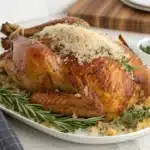
A show-stopping holiday turkey with a crispy Parmesan cheese crust and herb-butter infused meat that stays juicy and flavorful.
- Prep Time: 30
- Cook Time: 2 hours
- Total Time: 2 hours 30 minutes
- Yield: 8–10 1x
- Category: Main Dish
- Cuisine: American
Ingredients
- 1 stick (8 tablespoons) unsalted butter, at room temperature
- 2 teaspoons minced fresh rosemary
- 2 teaspoons minced fresh thyme
- 2 cloves garlic, minced
- Finely grated zest of 1 lemon
- 1 1/2 cups grated Parmesan (about 6 ounces)
- Kosher salt and freshly ground black pepper
- One 10– to 12-pound turkey, spatchcocked by your butcher
- 2 tablespoons extra-virgin olive oil
Instructions
- Position rack in center of oven and preheat to 375°F. Fit wire rack inside rimmed baking sheet.
- Mix butter, herbs, garlic, lemon zest, 1/2 cup Parmesan, salt and pepper until smooth.
- Pat turkey dry and season with salt and pepper on all sides. Place skin-side up on prepared baking sheet.
- Carefully loosen skin over breast and legs, then spread herb-butter mixture underneath.
- Rub olive oil over skin and sprinkle with remaining Parmesan.
- Roast until Parmesan is golden and internal temperature reaches 165°F, about 1.5-2 hours.
- Rest turkey for 30 minutes before carving.
Notes
Nutrition facts are estimates and may vary based on ingredients used, portion sizes, and preparation methods.
Nutrition
- Serving Size: 1
- Calories: 385 Kcal
- Sodium: 580mg
- Fat: 22g
- Saturated Fat: 9g
- Carbohydrates: 1g
- Protein: 47g
- Cholesterol: 180mg
Keywords: Parmesan turkey, roast turkey, crispy turkey, holiday turkey, cheese-crusted turkey
Let’s connect! Follow me for more Joylicious Recipes: Facebook, Instagram, Pinterest