The Best Parker House Rolls Recipe: Light, Fluffy, and Homemade
Introduction: The Classic American Dinner Roll
The Rich History of Parker House Rolls
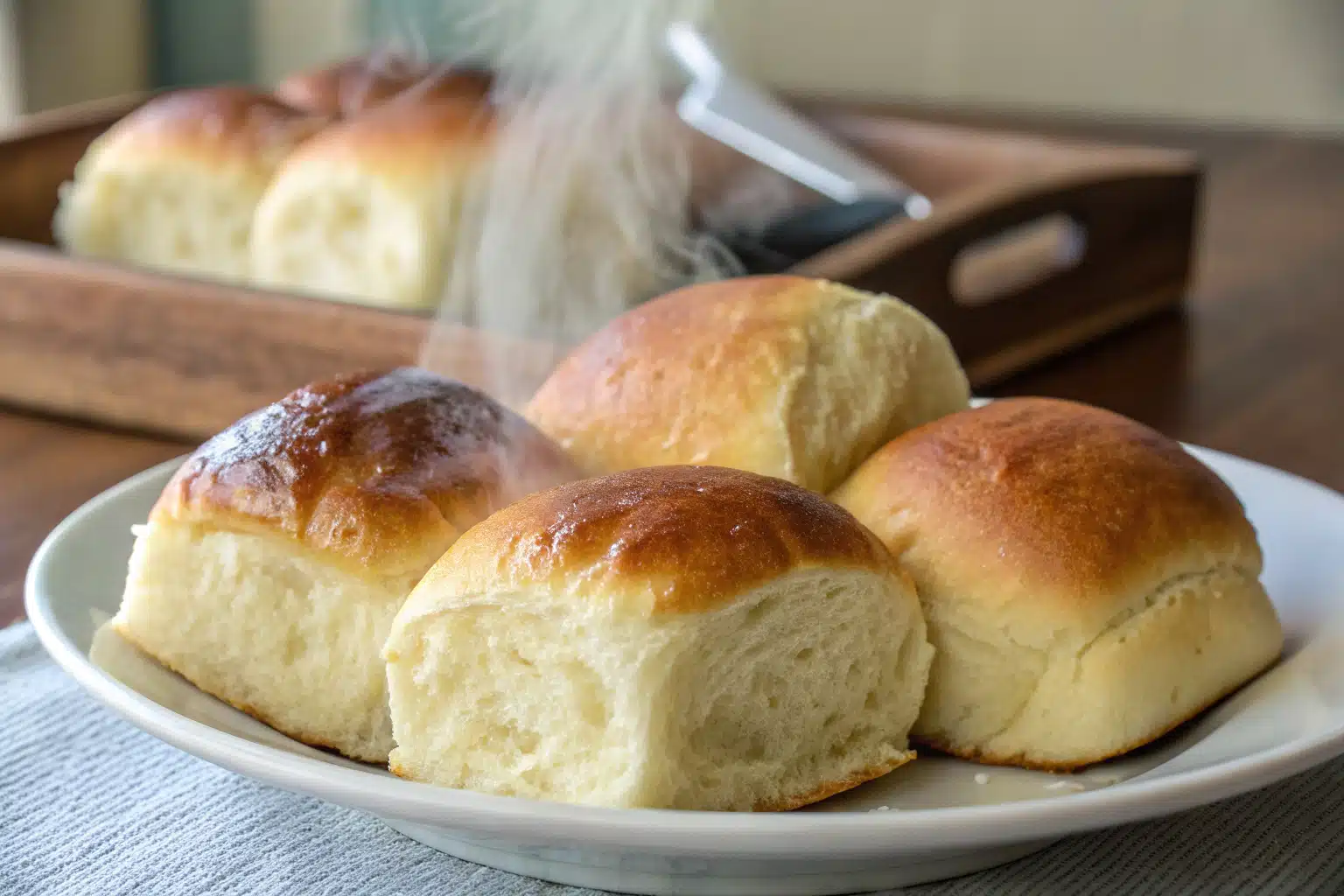
Parker House rolls have graced American dinner tables for over 150 years, earning their place as a beloved classic in our culinary tradition. These soft, buttery rolls originated in the 1870s at the Parker House Hotel in Boston (now the Omni Parker House), where they quickly became famous for their distinctive folded shape and exceptional texture. Parker House rolls have since become synonymous with comfort, tradition, and the perfect accompaniment to holiday feasts and Sunday dinners alike. What makes these rolls so special isn’t just their history, but their irresistible combination of a golden exterior and pillowy interior that’s unmatched by other dinner rolls.
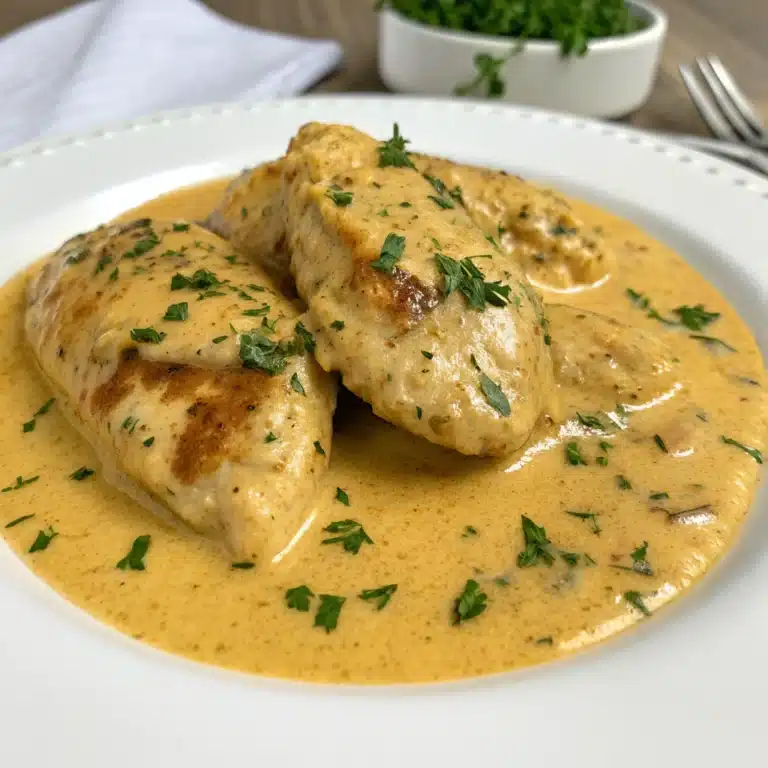
“Looking for inspiration? Try our creamy garlic herb chicken recipe which pairs beautifully with these rolls.”
Why Parker House Rolls Stand Apart
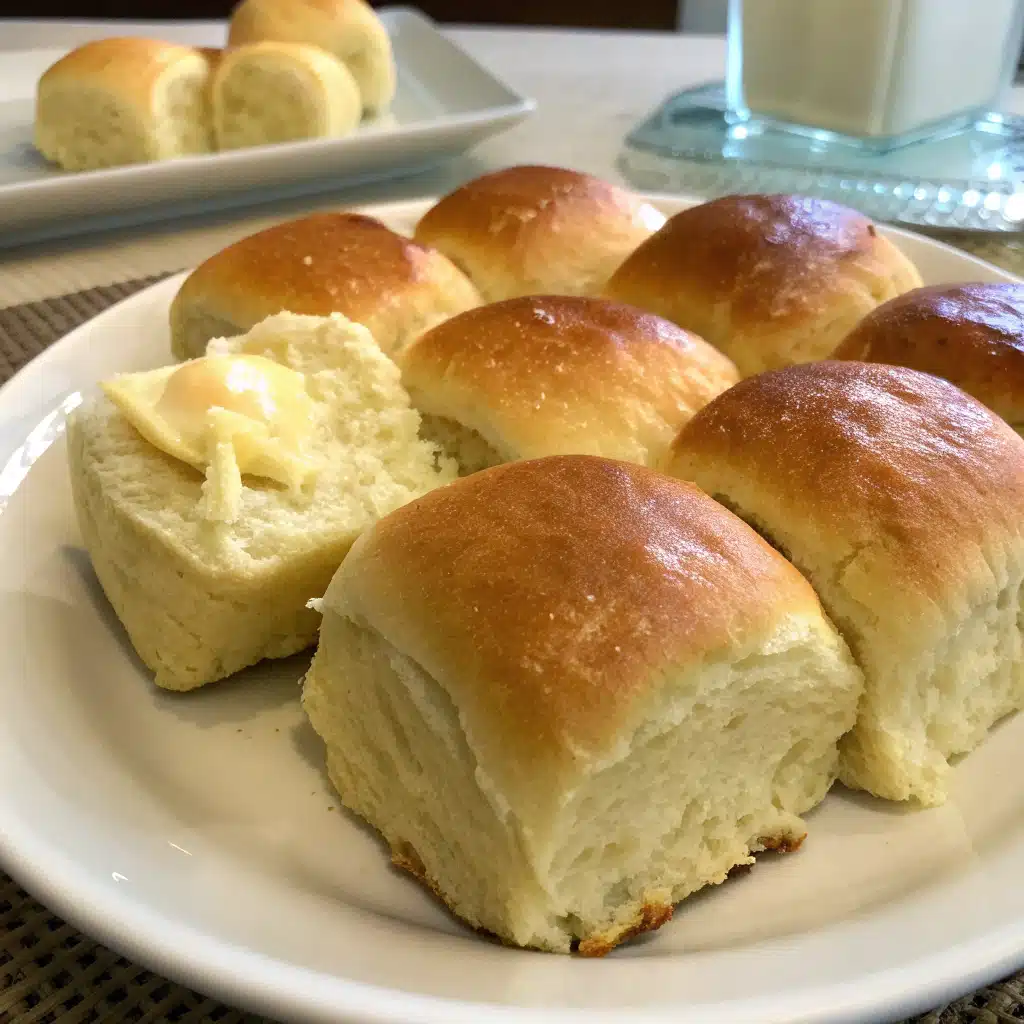
What separates Parker House rolls from ordinary dinner rolls is their unique folding technique that creates distinct layers and their generous butter treatment. The signature fold not only creates an attractive appearance but also results in layers that pull apart beautifully, revealing a tender, pillowy interior.
The richness comes from butter incorporated throughout the dough, plus additional brushings before and after baking. Unlike standard dinner rolls, Parker House rolls feature a higher fat content and a touch more sugar, giving them their characteristic melt-in-your-mouth quality and slightly sweet flavor profile. The result is a roll that’s simultaneously light and rich – a paradoxical combination that’s made them an enduring favorite for generations.
Ingredients: Everything You Need for Perfect Parker House Rolls
The Foundation Ingredients
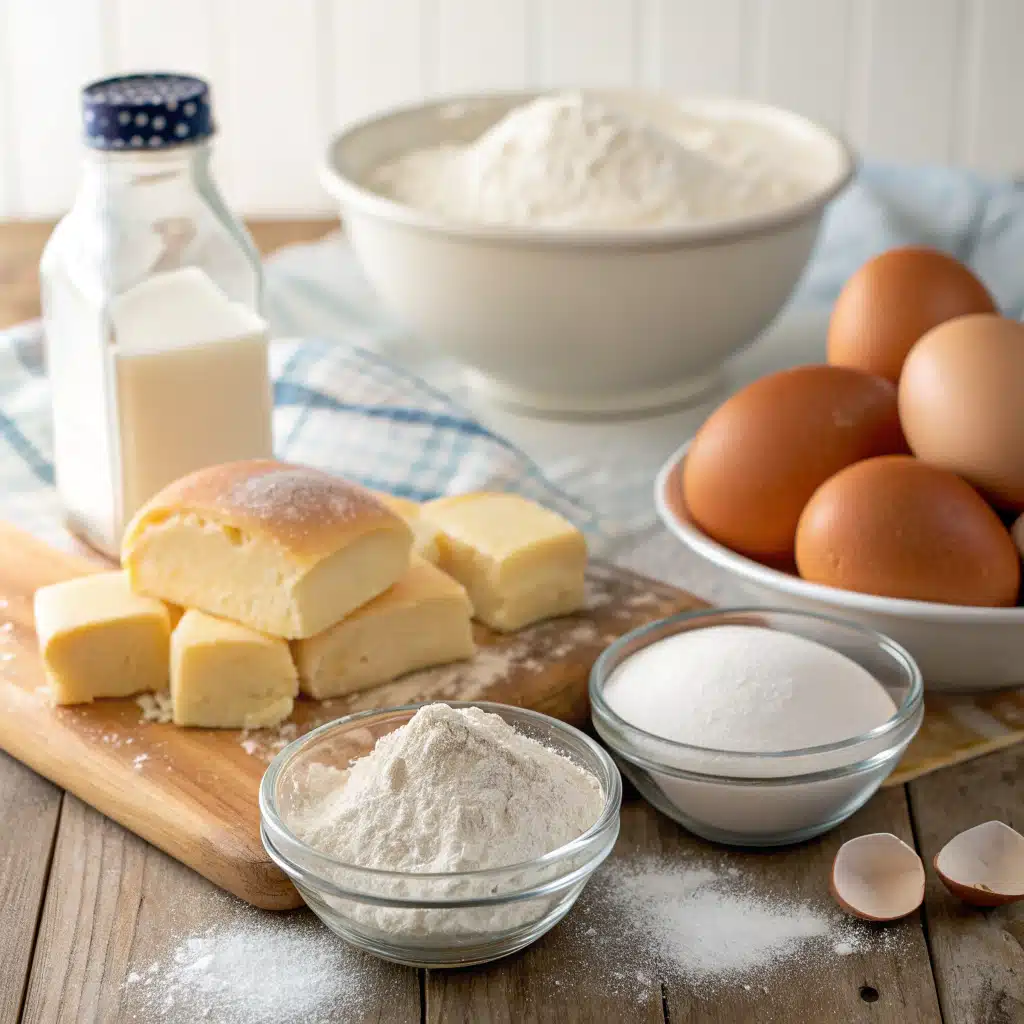
Creating perfect Parker House rolls starts with gathering quality ingredients. The foundation of these rolls combines simple pantry staples that work together to create something truly special. Here’s what you’ll need for the base dough:
| Ingredient | Amount | Notes |
|---|---|---|
| All-purpose flour | 6 cups | Provides structure and texture |
| Active dry yeast | 1 package (2¼ tsp) | The leavening agent |
| Warm water | ½ cup | To activate the yeast (105-110°F) |
| Milk | 1½ cups | Creates tenderness |
| Unsalted butter | 1 stick (½ cup), plus extra for brushing | For richness and flavor |
| Sugar | ½ cup | Adds sweetness and helps browning |
| Large eggs | 3, lightly beaten | Provides structure and richness |
| Salt | 1½ teaspoons | Enhances flavor |
The Secret to Exceptional Flavor
What elevates Parker House rolls from good to exceptional lies in understanding the role of each ingredient. The combination of milk and butter creates tenderness, while eggs add richness and structure. Sugar isn’t just for sweetness—it feeds the yeast and helps achieve that beautiful golden-brown color. For truly exceptional Parker House rolls, consider these ingredient tips:
- Use high-quality unsalted butter, as its flavor will be prominent.
- Warm the milk just until small bubbles form around the edge (scalding), which improves texture.
- Room temperature eggs incorporate more easily into the dough.
- Adding a touch of tanginess with a tablespoon of buttermilk can enhance flavor depth.
Step-by-Step: Making Perfect Parker House Rolls Every Time
Preparing the Dough
Creating the perfect Parker House roll dough requires attention to detail, but the process is straightforward. Follow these steps for dough that’s just right:
- Begin by warming the milk in a small saucepan until it just simmers. Remove from heat immediately.
- Add the butter and sugar to the warm milk, stirring until the butter melts completely. Set aside to cool until lukewarm.
- While the milk mixture cools, dissolve the yeast in ½ cup of warm water (105-110°F) in the bowl of a stand mixer. Let it sit for about 5 minutes until foamy and activated.
- Add the cooled milk mixture, beaten eggs, salt, and 3 cups of flour to the yeast mixture.
- Using the dough hook attachment, mix on low speed until combined, then increase to medium speed and mix until smooth, about 2 minutes.
- Gradually add the remaining 3 cups of flour, ½ cup at a time, mixing well after each addition until a soft, slightly sticky dough forms.
- Continue kneading with the dough hook for about 5-7 minutes until the dough becomes elastic and smooth.
“Don’t miss our garlic parmesan baked chicken that makes a perfect main course to serve with these Parker House rolls.”
Rising and Shaping for Perfect Layers
The rising and shaping process is where Parker House rolls develop their signature texture and appearance:
- Transfer the dough to a lightly floured surface and knead by hand for 1-2 minutes to ensure smoothness.
- Place the dough in a large greased bowl, turning once to coat all sides. Cover with plastic wrap or a clean kitchen towel.
- Let the dough rise in a warm, draft-free area for 60-70 minutes, or until it has doubled in size.
- Once doubled, gently punch down the dough to release air bubbles.
- Turn the dough onto a lightly floured surface and roll it to a ½-inch thickness.
- Using a 2½-3 inch round cutter or glass, cut the dough into circles.
- For the signature Parker House fold, use a wooden spoon handle to make an off-center crease in each circle.
- Fold each circle along the crease, with the larger half slightly overlapping the smaller half, pressing lightly at the crease.
- Arrange the folded rolls on parchment-lined baking sheets, placing them about ½ inch apart.
- Brush the tops lightly with melted butter.
Baking for Golden Perfection
The final stages will transform your dough into beautifully golden, soft Parker House rolls:
- Cover the shaped rolls with a clean kitchen towel and let them rise for another 30-40 minutes until puffy and nearly doubled in size.
- While the rolls are rising, preheat your oven to 350°F (175°C).
- Once the rolls have completed their second rise, they should look puffy and should spring back slowly when gently poked.
- Bake the rolls for 18-20 minutes, rotating the pan halfway through for even browning.
- The rolls are done when they’re golden brown on top and sound hollow when tapped on the bottom.
- Remove from the oven and immediately brush the tops with additional melted butter for that signature shine and flavor.
- Let cool for 5-10 minutes before serving warm.
Tips for Perfect Parker House Rolls Every Time
Mastering the Yeast
The success of your Parker House rolls largely depends on properly handling the yeast. For foolproof results, follow these expert tips:
- Temperature matters tremendously. The water used to activate your yeast should be between 105°F and 110°F – warm enough to activate the yeast but not hot enough to kill it. Use a kitchen thermometer for precision.
- Always check that your yeast is alive and active before proceeding. After combining it with warm water, it should become foamy within 5-10 minutes. If it doesn’t foam, your yeast may be dead, and you should start over with fresh yeast.
- Store unused yeast in the refrigerator or freezer to extend its shelf life. Cold yeast can be used directly in your recipe – no need to bring it to room temperature first.
- For added insurance, particularly in winter months, create a warm environment for rising by preheating your oven to its lowest setting for 1-2 minutes, then turning it off and placing the covered dough inside.
“Here’s your guide to homemade biscuit recipes which shares similar techniques to these Parker House rolls.”
Achieving Soft, Fluffy Texture
The signature pillowy texture of Parker House rolls requires attention to several key factors:
- Don’t rush the kneading process. Proper gluten development takes time – about 5-7 minutes with a stand mixer or 8-10 minutes by hand. The dough should feel elastic and smooth when properly kneaded.
- Both rises are crucial for texture development. The first rise allows the yeast to create carbon dioxide bubbles throughout the dough, while the second rise ensures that your shaped rolls will be light and airy.
- Avoid adding too much flour during kneading. The dough should remain slightly tacky – not dry. A slightly sticky dough results in moister rolls.
- Handle the dough gently after the first rise to avoid deflating all those precious air bubbles. A gentle touch preserves the airy structure.
- Scalding the milk (heating it until bubbles form around the edge) before adding it to your dough helps break down milk proteins that can inhibit rising.
Troubleshooting Common Issues
Even experienced bakers encounter challenges when making Parker House rolls. Here’s how to address common problems:
- If your rolls are dense or heavy, you likely didn’t allow enough rising time or your kitchen was too cool. Next time, give the dough more time to rise or find a warmer spot.
- For rolls that spread too much during baking, your dough might have been too wet. Add a little more flour during the kneading process, or place the rolls closer together on the baking sheet to help them rise upward instead of outward.
- If the bottoms brown too quickly, try using a light-colored baking sheet or adding an extra baking sheet underneath as insulation.
- Uneven browning can be solved by rotating your pans halfway through baking and ensuring your oven temperature is accurate with an oven thermometer.
- If your rolls have a yeasty flavor, you may have used too much yeast or allowed the dough to overproof. Follow the recipe measurements precisely and watch your rising times carefully.
Storage: Keeping Parker House Rolls Fresh
Proper Storage Methods
Parker House rolls are at their absolute best when fresh from the oven, but with proper storage techniques, you can maintain their quality for several days. Here’s how to keep your Parker House rolls tasting delicious:
- Allow freshly baked rolls to cool completely before storage to prevent condensation, which can make them soggy.
- For short-term storage (1-2 days), place the rolls in an airtight container or resealable plastic bag at room temperature. Adding a paper towel helps absorb excess moisture.
- For storage up to 5 days, refrigerate the rolls in an airtight container. This slows staling, though the texture may change slightly.
- When ready to enjoy refrigerated rolls, remove them from the refrigerator about 30 minutes before serving to allow them to come to room temperature.
- To restore freshness, wrap individual rolls in a damp paper towel and microwave for 10-15 seconds, or warm the entire batch in a 300°F oven for 5-7 minutes.
“Discover great ideas like our easy homemade chicken pot pie recipe that’s another comfort food classic to pair with your Parker House rolls.”
Freezing Parker House Rolls
Freezing is an excellent option for longer storage and allows you to enjoy homemade Parker House rolls whenever the craving strikes:
- For freezing baked rolls, allow them to cool completely, then wrap them tightly in aluminum foil and place in a freezer bag, removing as much air as possible.
- Label the package with the date; frozen baked rolls maintain best quality for up to 3 months.
- To thaw and reheat, keep the rolls wrapped in foil and place them in a 300°F oven for about 15 minutes, or until warmed through.
- Alternatively, you can freeze unbaked rolls after shaping them. Place the shaped rolls on a baking sheet and freeze until solid, then transfer to a freezer bag.
- When ready to bake, arrange the frozen rolls on a baking sheet, cover, and let them thaw and complete their second rise (this may take 3-5 hours), then bake as directed.
Make-Ahead Strategies
Planning ahead for special occasions or holiday meals becomes easier with these make-ahead strategies for Parker House rolls:
- Prepare the dough through the first rise, then refrigerate it overnight (up to 24 hours). The cold will slow yeast activity without stopping it completely.
- When ready to proceed, allow the refrigerated dough to sit at room temperature for 30 minutes before shaping.
- For partially baked rolls, bake them until they’re just beginning to color (about 7-8 minutes), then cool completely and freeze. When ready to serve, bake the partially baked rolls at 350°F for 7-8 minutes until golden.
- Another time-saving option is to prepare the dough and shape the rolls, then freeze them before the second rise. Thaw overnight in the refrigerator, then allow to complete the second rise at room temperature before baking.
- For the freshest results with minimal day-of effort, prepare everything up to the second rise, then refrigerate the shaped rolls overnight. Allow them to come to room temperature for about 30-45 minutes before baking.
Variations: Delicious Twists on Classic Parker House Rolls
Flavor Enhancements
While traditional Parker House rolls are delicious in their simplicity, these flavor variations can transform them into something even more special:
- Herb-infused rolls: Add 2 tablespoons of finely chopped fresh herbs such as rosemary, thyme, or chives to the dough during mixing. For an extra touch, sprinkle additional herbs mixed with flaky salt on top before baking.
- Garlic butter rolls: Replace the regular butter brush with garlic butter by combining 4 tablespoons of melted butter with 2 minced garlic cloves and a pinch of salt. Brush this mixture over the rolls before and after baking.
- Parmesan and black pepper: Add ½ cup of finely grated Parmesan cheese and 1 teaspoon of freshly ground black pepper to the dough. Sprinkle additional Parmesan on top before baking for a crispy, cheesy crust.
- Honey butter variation: Enhance the rolls’ sweetness by brushing them with honey butter (equal parts honey and melted butter) immediately after baking.
- Onion rolls: Add 2 tablespoons of dried onion flakes to the dough and brush the tops with butter mixed with a pinch of onion powder before baking.
“Check out our bread recipes collection for more delicious homemade bread ideas to try after mastering these Parker House rolls.”
Different Shapes and Presentations
Parker House rolls don’t always have to maintain their traditional folded shape. These alternative presentations offer visual interest and different textures:
- Cloverleaf rolls: Divide the dough into small, equal-sized pieces and place three pieces in each cup of a greased muffin tin. They’ll join together during baking to create a charming cloverleaf appearance.
- Pull-apart pan rolls: Arrange shaped balls of dough close together in a round or square baking pan so they grow together during baking, creating soft sides that pull apart.
- Knotted rolls: Roll pieces of dough into ropes about 6 inches long, then tie each into a loose knot. Tuck the ends underneath for an elegant presentation.
- Spiral rolls: Roll the dough into a rectangle, brush with melted butter, then roll up jelly-roll style and cut into slices. Place the slices cut-side up in a muffin tin or on a baking sheet.
- Mini sandwich rolls: Shape the dough into smaller rounds without folding for perfect slider-sized buns. Brush with egg wash before baking for a shiny finish.
Whole Grain and Specialty Variations
For bakers looking to incorporate more whole grains or accommodate dietary preferences, these variations offer delicious alternatives:
- Whole wheat Parker House rolls: Replace up to half of the all-purpose flour with whole wheat flour. You may need to add an extra tablespoon or two of liquid since whole wheat flour absorbs more moisture.
- Multigrain version: Replace ½ cup of the all-purpose flour with a mixture of other grains such as oats, cornmeal, or quinoa flour. For added texture, sprinkle the tops with rolled oats before baking.
- Honey whole wheat: Use honey instead of sugar in the dough and replace part of the all-purpose flour with whole wheat for a nutritious twist with natural sweetness.
- Gluten-free adaptation: While challenging, it’s possible to make a gluten-free version using a high-quality gluten-free flour blend with xanthan gum. Add an additional egg to help with structure.
- Vegan Parker House rolls: Replace the butter with a high-quality plant-based butter, the milk with almond or oat milk, and the eggs with a combination of applesauce and cornstarch (about ¼ cup applesauce plus 1 tablespoon cornstarch per egg).
Serving: Perfect Pairings and Presentation
Ideal Meal Pairings
Parker House rolls complement a wide variety of meals and can elevate everyday dinners to special occasions. Here are some perfect pairings:
- Holiday feasts: These rolls are traditional accompaniments to Thanksgiving turkey, Christmas ham, or Easter lamb, where they’re perfect for sopping up flavorful gravies and sauces.
- Sunday roasts: Parker House rolls add a special touch to a classic Sunday dinner of roast chicken, beef, or pot roast. Their soft texture and buttery flavor complement hearty meats beautifully.
- Homestyle soups and stews: From classic chicken noodle soup to hearty beef stew, Parker House rolls are the ideal side for dipping and savoring every last bit of broth.
- Elegant dinner parties: Serve with butter rosettes and sea salt for an elevated accompaniment to a sophisticated meal, particularly alongside seafood or pasta dishes.
- Breakfast and brunch: Leftover Parker House rolls make exceptional vehicles for breakfast sandwiches or can be served with honey butter and jam as part of a special morning spread.
“Want more ideas? Check out our buttercup squash recipes which offer great pairings with these Parker House rolls.”
Creative Serving Ideas
Elevate your Parker House rolls with these creative serving suggestions that add visual appeal and enhance flavor:
- Butter flights: Serve rolls with a selection of compound butters such as herb, honey, maple, or citrus-infused varieties for guests to sample.
- Bread basket presentation: Line a basket with a clean, warm kitchen towel and fold it over the rolls to keep them warm throughout the meal. Add sprigs of fresh herbs for an aromatic touch.
- Individual servings: Place a warm roll on each dinner plate before serving the meal, perhaps wrapped in a cloth napkin for an elegant touch.
- Pull-apart presentation: If baked as connected rolls, serve them uncut on a wooden board or decorative platter with small bowls of butter, honey, or jam nearby.
- Bread board display: Arrange rolls on a rustic wooden board alongside small dishes of flavored oils, butter, and sea salt for a restaurant-quality presentation.
Butter and Spread Enhancements
The perfect Parker House roll deserves an equally perfect accompaniment. These butter and spread enhancements will take your rolls to another level:
- Cultured butter: With its tangy depth of flavor, high-quality cultured butter makes an exceptional pairing with the slightly sweet Parker House rolls.
- Herb compound butter: Mix softened butter with minced fresh herbs like thyme, rosemary, and parsley, plus a touch of lemon zest for brightness.
- Honey butter: Whip equal parts softened butter and honey until light and fluffy for a sweet complement to the rolls’ rich flavor.
- Maple bacon butter: Combine softened butter with a touch of real maple syrup and very finely minced cooked bacon for a sweet-savory spread.
- Roasted garlic butter: Roast a head of garlic until soft and sweet, then mix the cloves into softened butter with a pinch of salt for a mellow, aromatic spread.
- Sweet cream butter with flaky salt: Sometimes simplicity is best – serve high-quality unsalted butter topped with a sprinkle of flaky sea salt to let the rolls’ flavor shine.
FAQs: Everything You Need to Know About Parker House Rolls
What makes Parker House rolls different from regular dinner rolls?
Parker House rolls distinguish themselves through their unique folded shape, creating a pocket that captures melted butter, and their exceptional tenderness. Unlike standard dinner rolls, they feature a higher butter and milk content, giving them a rich, slightly sweet flavor and incredibly soft texture. The signature fold not only creates their distinctive appearance but also forms layers that pull apart beautifully. Additionally, Parker House rolls receive butter treatments both before and after baking, resulting in their characteristic glossy tops and indulgent buttery flavor.
Can I prepare the dough a day in advance?
Yes, you can prepare Parker House roll dough a day in advance using the cold fermentation method. Make the dough through the first rise, then punch it down and refrigerate it in a greased bowl covered with plastic wrap for up to 24 hours. The cold temperature slows yeast activity without stopping it completely, allowing flavors to develop further. When ready to bake, remove the dough from the refrigerator and let it sit at room temperature for about 30 minutes before shaping. This make-ahead method actually improves flavor while saving same-day preparation time.
How do I achieve soft, fluffy layers?
Achieving soft, fluffy layers in Parker House rolls requires attention to several key factors. First, proper kneading develops gluten structure without overworking the dough. Second, allow both rises to fully complete – rushed rising results in dense rolls. Third, handle the dough gently after the first rise to preserve air bubbles. Fourth, the folding technique creates natural separation points, so ensure you’re creating an off-center crease rather than folding directly in half. Finally, brush with butter immediately after baking while still hot to keep the crust soft and enhance the layers’ ability to pull apart.
Can I freeze the dough or baked rolls?
Both the dough and baked Parker House rolls freeze exceptionally well. For freezing dough, prepare through shaping, place on a baking sheet until firm, then transfer to freezer bags for up to one month. Thaw overnight in the refrigerator, then allow to complete the second rise at room temperature before baking. For freezing baked rolls, cool completely, wrap tightly in foil, then place in freezer bags for up to three months. Thaw at room temperature and reheat wrapped in foil at 300°F for 10-15 minutes. For best results with either method, use the frozen products within one month.
Should Parker House rolls be brushed with butter before or after baking?
Ideally, Parker House rolls should be brushed with butter both before and after baking for maximum flavor and texture. Brush them lightly with melted butter after shaping and before the second rise – this helps keep the surface pliable as they expand and contributes to flavor. Then, most importantly, brush them again immediately after baking while still hot. This post-bake butter application is essential – it soaks into the warm crust, creating the signature soft, flavorful exterior that Parker House rolls are known for. The double-butter approach ensures these rolls live up to their rich, indulgent reputation.
Why do the rolls need two rises?
The two rises in Parker House rolls serve distinct purposes essential for proper texture and flavor development. The first rise (bulk fermentation) allows yeast to multiply and produce carbon dioxide, creating a network of bubbles throughout the dough that forms the foundation of the rolls’ light texture. The second rise, after shaping, allows the gluten to relax and the rolls to achieve their final volume. Skipping either rise would result in dense, under-developed rolls lacking the signature airy texture. Additionally, these fermentation periods develop complex flavors through enzymatic activity that simply can’t be rushed.
Conclusion: Mastering the Art of Parker House Rolls
Perfecting Your Technique
Making truly exceptional Parker House rolls is a skill that improves with practice, observation, and understanding of the process. As you make these rolls more frequently, you’ll develop an intuition for the dough’s proper consistency, the ideal rising times for your kitchen’s unique environment, and the perfect baking duration for your oven. Pay attention to subtle details like how the dough feels when properly kneaded – it should be smooth, elastic, and slightly tacky but not sticky.
Notice how the properly proofed rolls spring back slowly when gently poked. These sensory cues will guide you better than strict timelines. Remember that even “imperfect” homemade Parker House rolls usually taste far better than store-bought alternatives, so embrace the learning process. Each batch will teach you something new about the art of breadmaking.
“Learn more about homemade dinner roll techniques with our related bread recipes.”
Carrying on a Culinary Tradition
When you bake Parker House rolls, you’re participating in a rich American culinary tradition that spans generations. These rolls have graced holiday tables and special occasion meals for over 150 years, creating memorable dining experiences and fostering connections. There’s something deeply satisfying about carrying forward this heritage of craftsmanship and care in food preparation. In our fast-paced world, the process of making Parker House rolls – from kneading the dough to watching it rise, shaping each roll by hand, and sharing the warm, fragrant results with others – offers a meaningful connection to tradition.
As you master these rolls, consider creating your own variations or slight adaptations that might become your family’s signature version. The best recipes evolve through the hands of many bakers while maintaining their essential character. By making Parker House rolls part of your baking repertoire, you help ensure this classic American bread continues to bring joy to tables for generations to come.
PrintParker House Rolls
Classic buttery Parker House rolls with soft, fluffy layers – the perfect addition to any meal.
- Prep Time: 2 h 30 min
- Cook Time: 20 minutes
- Total Time: 50 minute
- Yield: 24 1x
- Category: Bread
- Cuisine: American
Ingredients
- 1 1/2 cups milk
- 1 stick unsalted butter, cut into pieces, plus more for brushing
- 1/2 cup sugar
- 1 package active dry yeast
- 1/2 cup warm water
- 3 large eggs, lightly beaten
- 1 1/2 teaspoons salt
- 6 cups all-purpose flour
Instructions
- Heat milk until simmering. Remove from heat, add butter and sugar, and let cool until lukewarm.
- Dissolve yeast in warm water in mixer bowl and let stand until foamy, about 5 minutes.
- Combine milk mixture, eggs, yeast, salt, and 3 cups flour in mixer with dough attachment. Mix until smooth.
- Add remaining flour gradually until a smooth dough forms. Knead 5 minutes.
- Place in greased bowl, cover, and let rise until doubled (60-70 minutes).
- Punch down dough, roll to 1/2-inch thickness, and cut into rounds.
- Make an off-center crease in each round and fold larger half over smaller half.
- Place on parchment-lined baking sheet. Cover and let rise again (30-40 minutes).
- Preheat oven to 350°F and bake for 18-20 minutes until golden brown.
- Brush hot rolls with melted butter immediately after baking.
Notes
For make-ahead convenience, prepare the dough through the first rise, refrigerate overnight, then shape and complete the second rise before baking. Nutrition facts are estimates and may vary based on ingredients used, portion sizes, and preparation methods.
Nutrition
- Serving Size: 1
- Calories: 190Kcal
- Sugar: 5g
- Sodium: 160mg
- Fat: 7g
- Saturated Fat: 4g
- Carbohydrates: 28g
- Fiber: 1g
- Protein: 4g
- Cholesterol: 40mg
Keywords: Parker House Rolls, Dinner Rolls, Homemade Bread, Butter Rolls, Thanksgiving Rolls
Let’s connect! Follow me for more Joylicious Recipes: Facebook, Instagram, Pinterest