Perfect Turkey Recipe: Juicy, Tender, and Easy to Make Every Time
Why Turkey Recipes Matter for Special Occasions
Turkey recipes remain the centerpiece of American holiday celebrations, bringing families together around tables across the country. A perfectly roasted turkey with crispy golden skin and tender, juicy meat creates memories that last far beyond the meal itself. However, achieving that picture-perfect turkey can be intimidating for many home cooks. The good news? With the right turkey recipe and technique, anyone can create a showstopping centerpiece that earns rave reviews from even the most discerning guests.
“Learn more about how to plan a complete holiday menu with our garlic parmesan chicken pasta for those seeking alternatives to traditional turkey.”
The Science Behind a Perfect Turkey Recipe
The perfect turkey recipe balances moisture retention with flavor development. Understanding how heat affects protein structure in turkey meat is crucial for success. When cooked properly, the collagen in turkey breaks down slowly, creating a tender texture while maintaining moisture. The herb butter used in this turkey recipe serves multiple purposes: it adds flavor, creates a moisture barrier, and helps achieve that coveted golden-brown skin. Temperature control is equally important—cooking at a moderate 325°F allows the turkey to cook evenly without drying out. This comprehensive turkey recipe incorporates these scientific principles to deliver consistently delicious results.
Ingredients for the Perfect Turkey Recipe
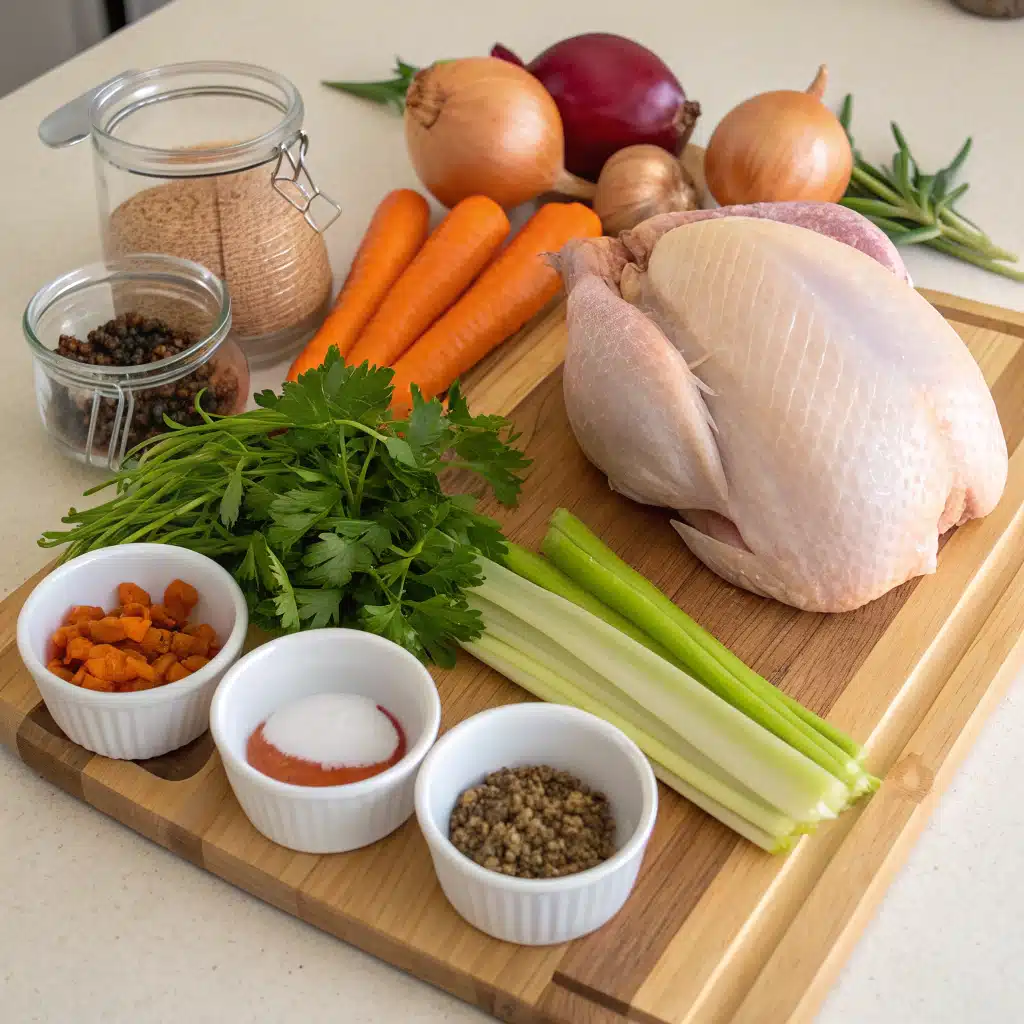
The Foundation: Selecting Your Turkey and Fresh Components
| Main Ingredients | Quantity | Notes |
|---|---|---|
| Turkey (whole) | 12-20 pounds | Fresh or completely thawed |
| Onion | 1 | Peeled and quartered |
| Lemon | 1 | Quartered |
| Apple | 1 | Your favorite variety, quartered |
| Fresh rosemary | 0.75 ounce container | Reserve some for garnish |
| Fresh thyme | 0.75 ounce container | Reserve some for garnish |
| Fresh sage | 0.75 ounce container | Reserve some for garnish |
The Flavor Enhancer: Herb Butter Ingredients
| Herb Butter Components | Quantity | Notes |
|---|---|---|
| Unsalted butter | 1 cup | Softened to room temperature |
| Salt | 1 teaspoon | Kosher salt preferred |
| Freshly ground black pepper | 1/2 teaspoon | Freshly ground for best flavor |
| Garlic | 6-8 cloves | Minced |
| Fresh herbs | 2-3 tablespoons | Chopped (from the herbs above) |
Step-by-Step Turkey Recipe Instructions
Preparation Phase: Getting Your Turkey Ready
Thawing Process: If your turkey is frozen, thaw it in the refrigerator, allowing approximately 24 hours for every 5 pounds of turkey. Add an extra day to ensure complete thawing.
Pre-Roasting Preparation: Remove the thawed turkey from the refrigerator 1 hour before roasting to bring it to room temperature, which promotes even cooking.
Oven Setup: Adjust your oven rack so the turkey will sit in the center of the oven, then preheat to 325°F for consistent, gentle heat that yields a juicy turkey.
Herb Butter Creation: Combine softened butter, minced garlic, salt, pepper, 1 tablespoon fresh chopped rosemary, 1 tablespoon fresh chopped thyme, and 1/2 tablespoon fresh chopped sage in a bowl. Mix thoroughly until well combined.
Turkey Preparation: Remove turkey from packaging and extract the neck and giblets from inside the cavities (reserve for gravy if desired). Pat the turkey thoroughly dry with paper towels to ensure crispy skin.
“Discover great ideas like our butter-based chicken recipes that use similar techniques to enhance flavor.”
Seasoning and Stuffing Your Turkey

Cavity Seasoning: Season the inside of the turkey cavity generously with salt and pepper, creating a foundation of flavor.
Aromatics Addition: Stuff the cavity with the quartered lemon, onion, apple, and remaining fresh herbs. These aromatics infuse the meat with subtle flavor as the turkey roasts.
Butter Application: Gently loosen the skin over the turkey breast with your fingers, being careful not to tear it. Spread several tablespoons of the herb butter mixture underneath the skin, directly on the breast meat for maximum flavor penetration.
Wing Preparation: Tuck the wings underneath the turkey to prevent them from burning and place the turkey on a roasting rack inside a roasting pan.
Final Butter Coating: Microwave the remaining herb butter for about 30 seconds until softened but not completely melted. Use a basting brush to coat the entire outside of the turkey, including legs and wings, with the herb butter.
Roasting Process: Cooking Your Turkey to Perfection
Initial Roasting: Place the turkey in the preheated oven and roast at 325°F for approximately 13-15 minutes per pound. For a 15-pound turkey, this will be about 3.25-3.75 hours total.
Monitoring: Check the turkey about halfway through cooking. Once the skin becomes golden brown, cover the breast portion with aluminum foil to prevent overcooking while the rest of the turkey finishes.
Temperature Testing: Cook until an instant-read thermometer inserted into the thickest part of the thigh (without touching bone) registers 165°F. Also check the breast, which should also reach 165°F.
Resting Period: Remove the turkey from the oven and let it rest for 20-30 minutes before carving. This crucial step allows juices to redistribute throughout the meat, ensuring every slice is moist.
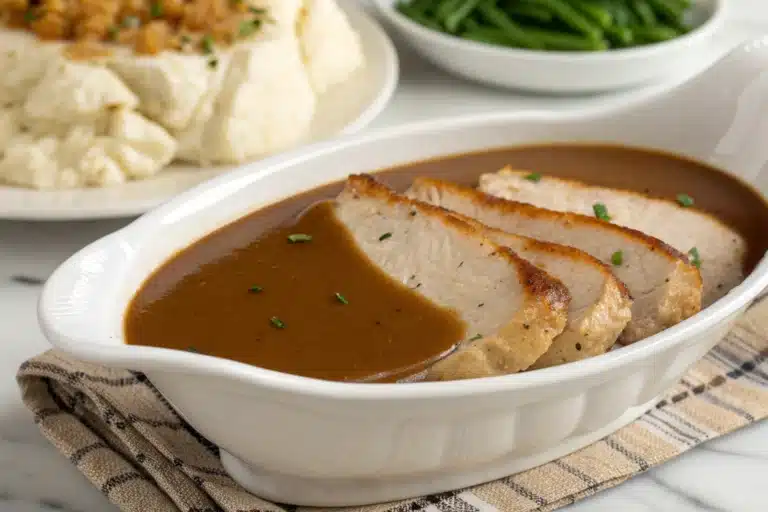
Gravy Preparation: While the turkey rests, use the drippings from the roasting pan to make a delicious gravy if desired.
Tips for Turkey Recipe Success
Understanding Turkey Size and Cooking Time
When selecting a turkey recipe, understanding the relationship between size and cooking time is essential. As a general rule, allow 13-15 minutes of cooking time per pound at 325°F. However, this varies based on oven accuracy, the starting temperature of the turkey, and whether it’s stuffed. For the most reliable results, always use a meat thermometer instead of relying solely on timing. A 12-pound turkey typically requires about 3 hours, while a 20-pound turkey needs approximately 5 hours. Remember that dark meat takes longer to cook than white meat, which is why monitoring both the breast and thigh temperatures is crucial for turkey recipe success.
“Check out our guide to poultry cooking times for more information on perfecting cooking times.”
The Secret to Moist Turkey: Brining Alternatives
While this turkey recipe doesn’t require brining, it’s worth understanding this technique. Traditional brining involves soaking the turkey in a salt solution for 12-24 hours before cooking, which helps the meat retain moisture. However, the herb butter method in this recipe accomplishes similar results with less effort. If you want to experiment with brining in future turkey recipes, consider a dry brine: simply rub kosher salt all over the turkey (about 1 tablespoon per 4 pounds) and refrigerate uncovered for 12-24 hours before following the rest of this recipe. This creates a concentrated layer of seasoning that helps the turkey retain moisture without the mess of liquid brining.
Temperature Monitoring: The Key to Perfect Doneness
The most reliable way to ensure turkey recipe success is using an instant-read thermometer. Insert it into the thickest part of the thigh without touching bone, which should register 165°F when done. The breast should also reach 165°F, but check multiple spots since thickness varies. Invest in a good-quality digital thermometer with a thin probe to minimize juice loss during testing. For even more precision, consider a probe thermometer that remains in the turkey during cooking with an external display, allowing you to monitor progress without opening the oven and losing heat.
Storage and Leftovers from Your Turkey Recipe
Proper Cooling and Refrigeration Techniques
After enjoying your turkey recipe, proper storage ensures food safety and preserves quality. Allow leftover turkey to cool to room temperature, but don’t leave it out for more than two hours. Divide the meat into smaller portions rather than storing the whole turkey intact—this accelerates cooling and makes reheating more convenient. Refrigerate turkey in shallow, airtight containers or wrap tightly with heavy-duty aluminum foil or plastic wrap. Properly stored, cooked turkey remains safe in the refrigerator for 3-4 days.
“Don’t miss our creative leftover recipes that transform yesterday’s turkey into exciting new meals.”
Freezing Leftover Turkey for Future Meals
Your turkey recipe will yield plenty of leftovers that freeze beautifully for future meals. For best quality, freeze turkey within 24 hours of cooking. Remove meat from bones and package in portion-sized, freezer-safe containers or heavy-duty freezer bags, removing as much air as possible.
For extra protection against freezer burn, wrap portions in aluminum foil before placing in freezer bags. Label packages with the date and contents. Frozen turkey maintains optimal quality for about 2-3 months but remains safe indefinitely if kept at 0°F or below. Thaw frozen turkey in the refrigerator for the safest results, allowing approximately 24 hours for every 5 pounds.
Creative Ways to Repurpose Turkey Leftovers
This turkey recipe keeps on giving through versatile leftovers. Transform sliced turkey into sandwiches with cranberry sauce and stuffing for a post-holiday classic. Dice turkey for hearty soups, adding the carcass to make rich stock as the base. Create quick turkey pot pies by combining chopped turkey with leftover vegetables and gravy, then topping with refrigerated biscuit dough. For a lighter option, toss turkey with mixed greens, dried cranberries, and walnuts for a satisfying salad. Turkey enchiladas, quesadillas, or pasta dishes offer international flair to extend your turkey enjoyment for days after the main event.
Variations on the Classic Turkey Recipe
Herb and Spice Alternatives for Different Flavor Profiles
While this turkey recipe features a traditional herb butter blend, numerous variations can create distinctive flavor profiles. For a Mediterranean twist, replace some of the herbs with rosemary, oregano, and lemon zest, then stuff the cavity with lemon halves and whole garlic cloves.
Create a Southwestern turkey by incorporating chili powder, cumin, and cilantro into the butter, with lime instead of lemon in the cavity. For Asian-inspired flavors, blend the butter with ginger, garlic, and lemongrass, perhaps adding star anise and cinnamon sticks to the cavity. French herbs like tarragon, chervil, and parsley create an elegant variation, while smoked paprika and garlic powder add depth for a more robust profile.
“Looking for inspiration? Try our international flavor combinations that can be adapted for turkey recipes.”
Alternative Cooking Methods for Your Turkey Recipe
This traditional roasted turkey recipe can be adapted to various cooking methods. For faster results, spatchcocking (removing the backbone and flattening the turkey) reduces cooking time by about 30% while promoting even cooking. Prepare the turkey with herb butter as directed, but roast at 450°F for about 10 minutes, then reduce to 350°F until done.
Deep-frying creates exceptionally crispy skin and moist meat—skip the herb butter but inject the turkey with seasoned broth before carefully lowering it into hot oil. Smoking imparts rich flavor; apply herb butter under the skin, then smoke at 225-250°F until the internal temperature reaches 165°F. For smaller gatherings, consider roasting just a turkey breast using the same herb butter technique but adjusting cooking time accordingly.
Dietary Adaptations: Making Your Turkey Recipe Work for Everyone
This versatile turkey recipe can be modified to accommodate various dietary needs without sacrificing flavor. For dairy-free guests, replace butter with olive oil or dairy-free margarine combined with the same herbs and seasonings. Those watching sodium can reduce or omit added salt, relying on herbs and garlic for flavor.
For gluten-free diners, this recipe is naturally compliant—just ensure any additional sides or gravy use gluten-free ingredients. If cooking for fewer people, consider a smaller turkey or just a breast portion, maintaining the same herb butter ratio but scaling down quantities. Remember that dietary adaptations may slightly alter cooking times or texture, so monitor temperature carefully for perfect results regardless of modifications.
Serving Your Turkey Recipe
Carving Techniques for Presentation and Service
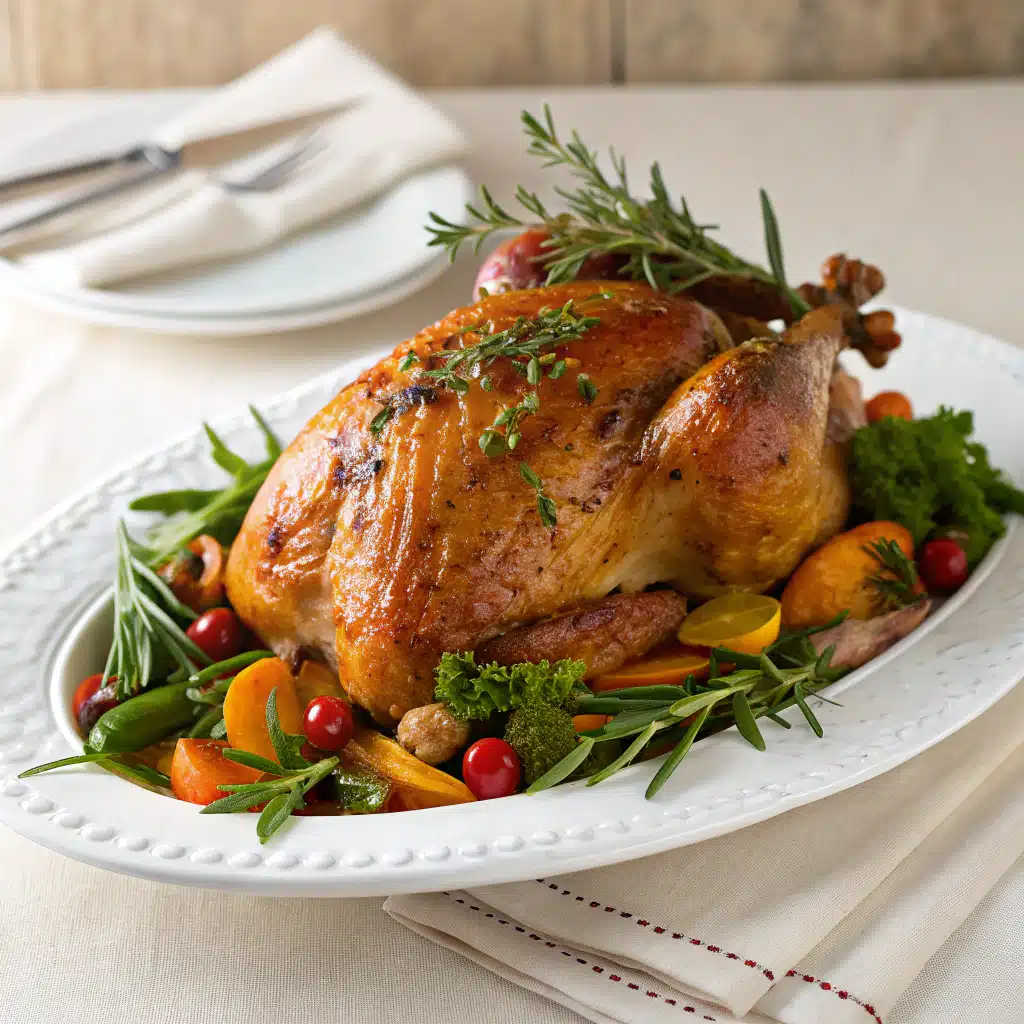
Proper carving transforms your turkey recipe from a whole bird to an elegant presentation. Begin by allowing the turkey to rest for at least 20-30 minutes after removing from the oven, which helps retain juices when cutting. Use a sharp carving knife and sturdy fork on a stable cutting board with a groove to catch juices.
Start by removing the legs and thighs by cutting through the skin between the breast and thigh, then pop the joint and cut through to separate. Next, remove the wings by finding the joint and cutting through. For the breast meat, find the breastbone in the center and slice downward along one side, gradually angling the knife outward to remove the entire breast half. Slice the breast meat against the grain into 1/4-inch thick pieces for the most tender result. Arrange the sliced meat decoratively on a warmed platter, with dark meat on one side and white meat on the other.
Complementary Side Dishes for Your Turkey Recipe
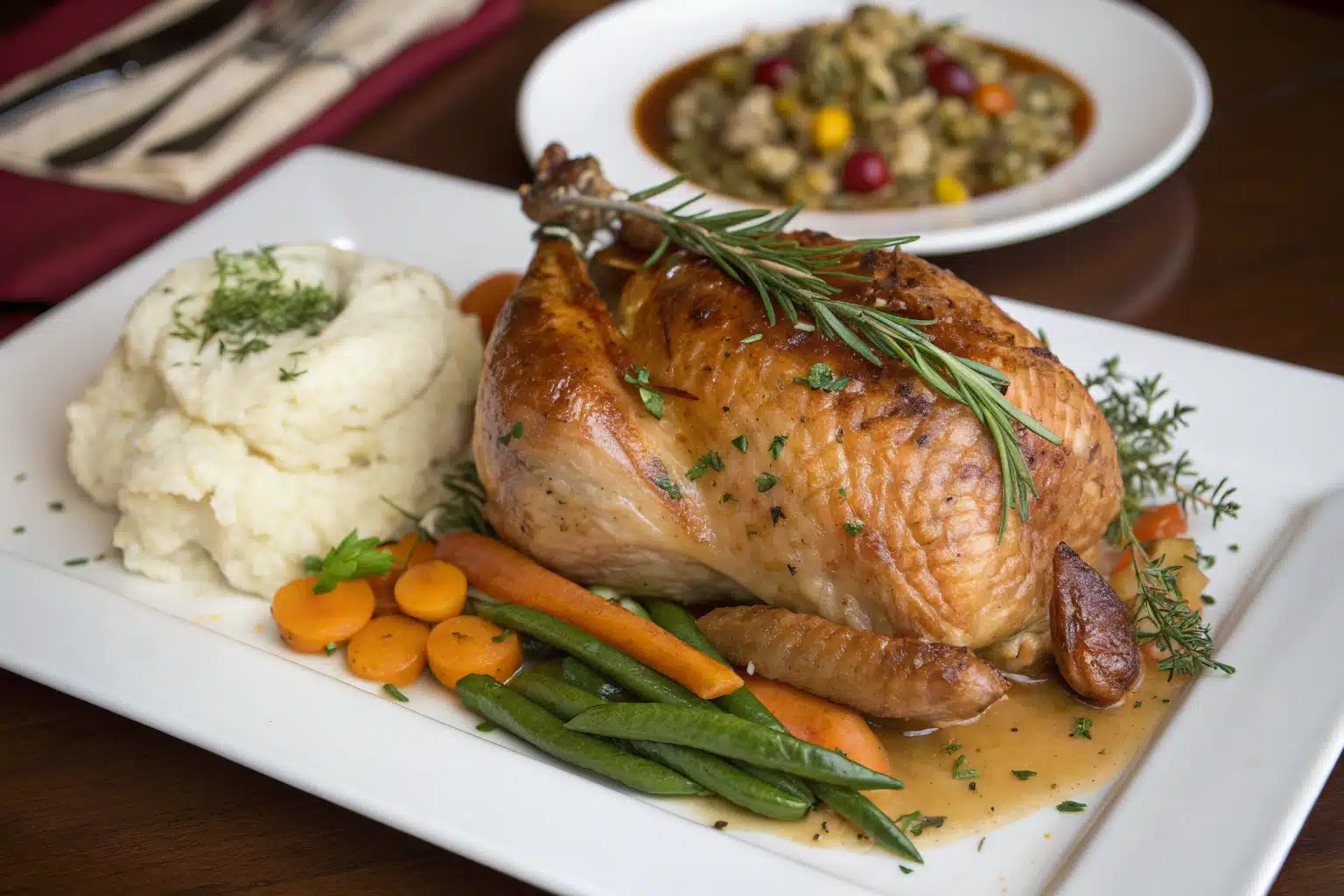
The perfect turkey recipe deserves equally impressive accompaniments. Traditional pairings include creamy mashed potatoes, savory stuffing, and tart cranberry sauce. For vegetables, consider roasted Brussels sprouts with bacon, honey-glazed carrots, or green bean casserole. Sweet potatoes—whether candied, mashed, or roasted—provide a sweet counterpoint to savory turkey. Dinner rolls or cornbread offer a vehicle for sopping up delicious gravy. For a fresh element, include a crisp salad with seasonal ingredients like apple, pear, or dried cranberries.
“Want more ideas? Check out our side dish collection for perfect turkey recipe accompaniments.”
Frequently Asked Questions About Turkey Recipes
Which is the best way to cook turkey?
Roasting at 325°F is the classic and most reliable method, producing juicy meat and golden skin without special tools. Alternatives like spatchcocking for speed, deep-frying for crispiness, or smoking for flavor work well, but roasting remains the most practical for home cooks and holiday gatherings.
What is the secret to a moist turkey?
Moisture depends on avoiding overcooking. Use a thermometer, remove the bird at 165°F, and let it rest 20–30 minutes to redistribute juices. Applying herb butter under the skin, tenting the breast with foil, and slicing against the grain all keep the meat tender.
What cooking method is best for turkey?
Roasting balances ease, flavor, and presentation. Cooking slowly at 325°F prevents dryness, allows fat to render, and creates drippings for gravy. While frying or smoking offer unique results, roasting works for any size turkey with no special equipment.
What seasonings go on turkey?
Salt, pepper, sage, thyme, and rosemary are timeless choices. Garlic deepens flavor, while regional twists range from Cajun spice to chili, cumin, or citrus-ginger blends. Herb butter under and over the skin ensures seasoning permeates the meat.
Do you cook turkey in oil or water?
Neither is required. Water prevents browning, and butter supplies needed fat. A splash of broth or pan vegetables may be added if drippings risk burning, but avoid covering the turkey directly.
How to prep a turkey before roasting?
Thaw in the fridge (24 hours per 5 lbs.), dry thoroughly, and season inside and out. Stuff the cavity with aromatics, spread herb butter under the skin, and place on a rack. Trussing wings and legs ensures even cooking.
Conclusion
Why This Turkey Recipe Works Every Time
This turkey recipe succeeds consistently because it addresses the fundamental challenges of turkey preparation. The herb butter technique creates a flavor-rich moisture barrier that penetrates the meat while promoting beautiful browning. The moderate roasting temperature of 325°F allows proteins to cook gently without toughening, while giving fat and collagen time to render and moisturize.
Strategic foil tenting prevents the breast from overcooking before the dark meat reaches safe temperature. Perhaps most importantly, this recipe emphasizes temperature testing over timing, accommodating variations in oven performance and turkey size. The stuffing of aromatics infuses subtle flavor without increasing cooking time. Finally, the crucial resting period ensures that carefully preserved juices remain in the meat rather than running onto the cutting board.
“Here’s your guide to making the most of poultry in other dishes when you’re ready to explore beyond turkey recipes.”
Making This Turkey Recipe Part of Your Tradition
Beyond technique, this turkey recipe creates a foundation for meaningful traditions. The aromatic blend of herbs, butter, and roasting turkey signals celebration to everyone in the home. The process itself—from preparation to serving—creates natural gathering points for family participation. Children can help mix herb butter or stuff aromatics, while carving often becomes a cherished role passed between generations. Consider personalizing this recipe with your family’s preferences: perhaps adding special herbs, adjusting seasonings, or incorporating regional ingredients that reflect your heritage.
Document your process each year, noting adjustments and reactions to refine your approach. Over time, this turkey recipe becomes more than instructions—it transforms into a sensory tradition that connects celebrations across years, even as family circumstances change. The most successful recipes become part of our shared stories, and this reliable turkey preparation deserves that honored place in your celebration repertoire.
PrintPerfect Herb Butter Turkey Recipe
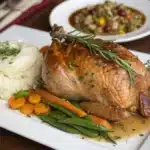
A foolproof turkey recipe featuring herb butter for incredibly juicy, flavorful results every time.
- Prep Time: 30 minutes
- Cook Time: 3-5 hours (depending on size)
- Total Time: 15 minute
- Yield: 10–16 servings 1x
- Category: Dinner
- Cuisine: American
Ingredients
- 1 12-20 pound turkey
- 1 onion, peeled and quartered
- 1 lemon, quartered
- 1 apple (your favorite kind), quartered
- 0.75 ounce container fresh rosemary
- 0.75 ounce container fresh thyme
- 0.75 ounce container fresh sage
- 1 cup unsalted butter, softened
- 1 teaspoon salt
- 1/2 teaspoon freshly ground black pepper
- 6–8 cloves garlic, minced
- fresh chopped herbs
Instructions
- Thaw turkey in refrigerator (24 hours per 5 pounds plus an extra day).
- Remove turkey from refrigerator 1 hour before roasting.
- Preheat the oven to 325°F, making sure the rack is placed in the middle.
- Make herb butter by combining softened butter, garlic, salt, pepper, and chopped herbs.
- Remove turkey from packaging, discard giblets, and pat completely dry.
- Season cavity with salt and pepper; stuff with quartered lemon, onion, apple, and herbs.
- Loosen skin over breast and spread herb butter underneath.
- Tuck wings under turkey and place on roasting rack.
- Brush remaining herb butter over entire exterior.
- Roast for 13-15 minutes per pound until internal temperature reaches 165°F.
- Tent with foil when skin turns golden brown to prevent overcooking.
- Rest for 20-30 minutes before carving.
Notes
Nutrition facts are estimates and may vary based on ingredients used, portion sizes, and preparation methods.
Nutrition
- Serving Size: 10-16 servings
- Calories: 350
- Sugar: 0g
- Sodium: 390mg
- Fat: 16g
- Saturated Fat: 7g
- Carbohydrates: 2g
- Fiber: 0g
- Protein: 48g
- Cholesterol: 185mg
Keywords: turkey recipe, roast turkey, herb butter turkey, holiday turkey, thanksgiving turkey
Let’s connect! Follow me for more Joylicious Recipes: Facebook, Instagram, Pinterest