Homestyle Eggplant Rollatini: Cheesy, Comforting, And Full Of Italian Flavor
Introduction: The Perfect Italian Comfort Dish
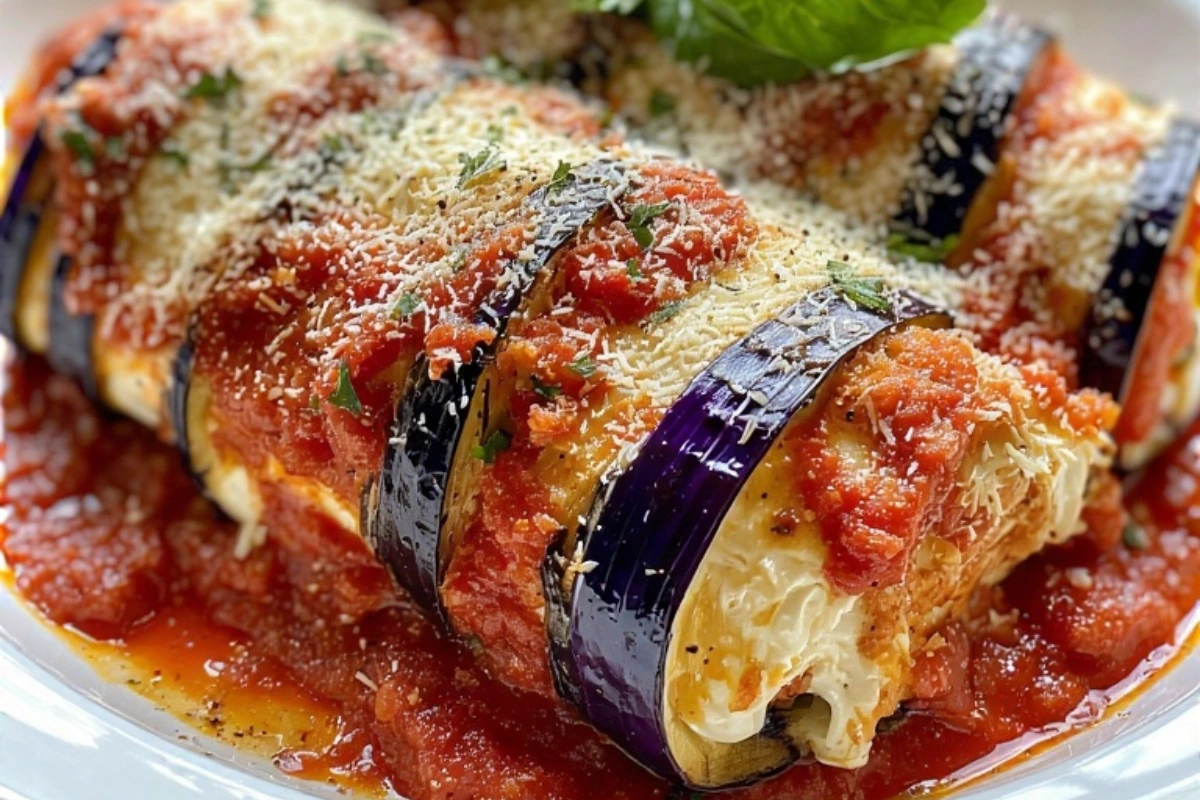
Eggplant rollatini is a beloved Italian-American classic that transforms the humble eggplant into a mouthwatering, cheese-filled delight. This traditional dish features thinly sliced eggplant wrapped around a rich ricotta filling, baked in marinara sauce until bubbly and golden. Perfect for family dinners or special occasions, eggplant rollatini offers a lighter alternative to heavier pasta dishes while still delivering that satisfying Italian flavor profile we all crave.
The Origins and Appeal of Eggplant Rollatini
Originating from southern Italy, eggplant rollatini has become a staple in Italian-American cuisine. Unlike its cousin eggplant parmesan, rollatini showcases the versatility of eggplant by using it as a wrapper rather than simply layering it. The name “rollatini” comes from the Italian word “rollare,” meaning to roll, describing how the eggplant slices are rolled around the cheese filling.
“Looking for inspiration? Try our creamy garlic chicken pasta for another comforting meal option.”
Why You’ll Love This Recipe
This eggplant rollatini recipe strikes the perfect balance between impressive and approachable. The thinly sliced eggplant becomes tender when baked, complementing the creamy ricotta filling and tangy marinara sauce. Additionally, this dish is vegetarian-friendly, making it versatile for various dietary preferences. The combination of three cheeses—ricotta, parmesan, and mozzarella—creates a rich, satisfying flavor profile that will please even the most discerning palates.
Ingredients: Everything You Need for Perfect Eggplant Rollatini
The Foundation: Eggplant and Cheese Components
| For the Eggplant Base | For the Cheese Filling |
|---|---|
| 2 medium eggplants | 1 (15-ounce) container whole-milk ricotta cheese |
| Kosher salt for drawing moisture | 1 cup grated parmesan cheese |
| Cooking spray | 1 large egg |
| 1 tsp. dried basil | |
| 1/2 tsp. kosher salt |
The Finishing Touches
| For Assembly and Garnish | For Serving |
|---|---|
| 1 (25-ounce) jar marinara sauce | Green salad |
| 1 cup shredded mozzarella cheese | |
| Chopped fresh basil, for garnish |
Quality Ingredients Make a Difference
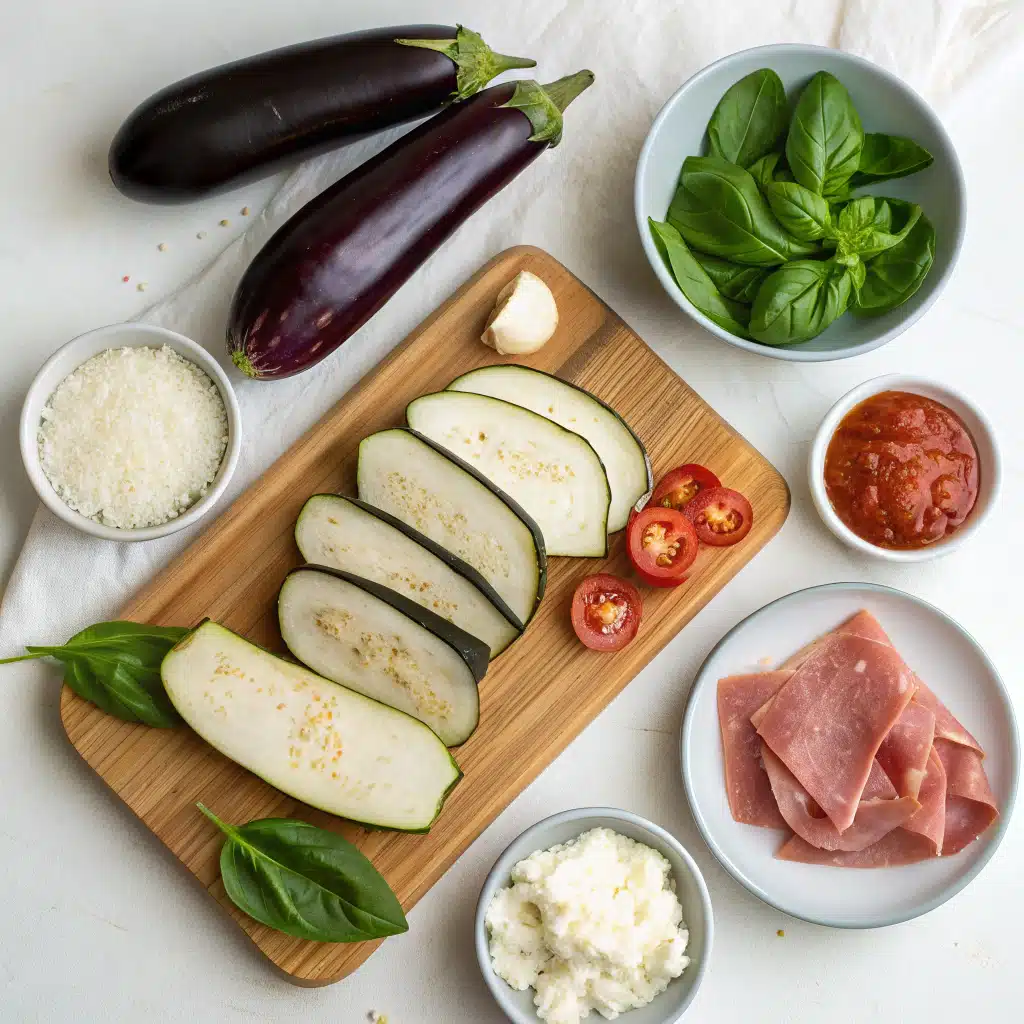
When preparing eggplant rollatini, the quality of your ingredients significantly impacts the final result. Look for firm, glossy eggplants with no soft spots for the best texture. For the cheese filling, whole-milk ricotta provides the creamiest consistency, while freshly grated parmesan delivers more flavor than pre-packaged options. If possible, use a high-quality marinara sauce or make your own for an extra touch of homemade goodness.
Step-by-Step: Creating Your Eggplant Rollatini Masterpiece
Preparing the Eggplant
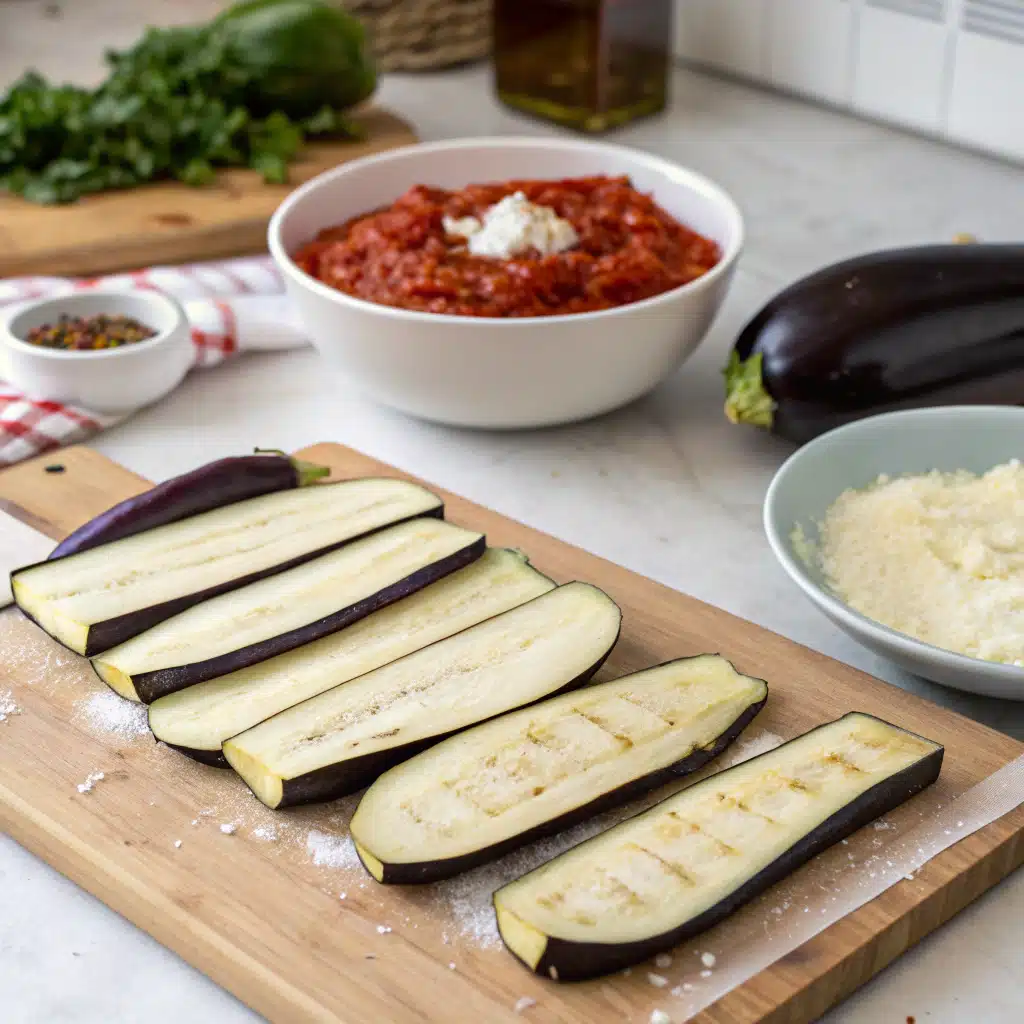
- Slice the eggplants lengthwise into approximately 1/8-inch thick pieces. Uniformity is key for even cooking.
- Arrange the sliced eggplant on a rack set over a baking sheet, then sprinkle generously with kosher salt on both sides.
- Allow the eggplant to rest for 20-30 minutes. This crucial step draws out moisture and bitterness.
- Meanwhile, preheat your oven to 375°F and prepare a separate baking sheet with cooking spray.
- After resting, thoroughly pat the eggplant slices dry with kitchen towels to remove excess moisture and salt.
- Arrange the dried eggplant slices on the prepared baking sheet and bake until slightly browned and pliable, approximately 15 minutes.
- Remove from oven and let cool slightly while preparing the filling.
“Here’s your guide to vegetable soup recipes that pair beautifully with eggplant rollatini.”
Creating the Cheese Filling and Assembly
- In a medium bowl, combine the ricotta cheese, parmesan cheese, egg, dried basil, and 1/2 teaspoon of kosher salt. Mix thoroughly until well incorporated.
- Increase the oven temperature to 400°F for the final baking stage.
- Spread 1 cup of marinara sauce evenly across the bottom of a 9-by-13-inch baking dish.
- Working with one eggplant slice at a time, place approximately 2 heaping tablespoons of the ricotta mixture at one end of the slice.
- Gently spread the filling across the eggplant slice, then carefully roll into a tight spiral.
- Place each rolled eggplant, seam-side down, in the prepared baking dish. Continue until all slices are filled and arranged.
- Pour the remaining marinara sauce over the rolled eggplant, ensuring all pieces are covered.
- Sprinkle the shredded mozzarella cheese evenly over the top.
Baking to Perfection
- Cover the baking dish tightly with aluminum foil to prevent the cheese from burning.
- Bake at 400°F for approximately 30 minutes, until the sauce begins to bubble around the edges.
- Remove the foil and continue baking for an additional 10 minutes, until the cheese is melted and develops a light golden-brown color.
- Once done, remove from the oven and allow to rest for 5-10 minutes before serving. This resting period allows the flavors to meld together.
- Garnish with freshly chopped basil just before serving for a pop of color and fresh flavor.
Tips: Master the Art of Perfect Eggplant Rollatini
Selecting and Preparing Eggplant
Choosing the right eggplant and properly preparing it are crucial steps for successful rollatini. Look for medium-sized eggplants with smooth, unblemished skin and a firm texture. These will be easier to slice thinly and will have fewer seeds. When slicing the eggplant, use a sharp knife or mandoline to achieve consistent thickness, which ensures even cooking. The salting process is essential—don’t skip it! Not only does it remove bitterness, but it also helps prevent soggy rollatini by drawing out excess moisture.
“Check out our crispy chicken caesar sandwich for another impressive meal idea.”
Perfecting the Cheese Filling
The cheese filling is where much of the flavor in eggplant rollatini comes from, so getting it right makes all the difference. For the best texture, allow the ricotta to drain in a fine-mesh sieve for about 30 minutes before using it in your filling mixture. This removes excess whey and prevents a watery filling. When mixing the filling ingredients, fold them together gently rather than vigorously stirring to maintain a light, fluffy texture. For added flavor dimensions, consider incorporating fresh herbs like oregano, thyme, or parsley along with the dried basil.
Troubleshooting Common Issues
Even experienced cooks can encounter challenges when making eggplant rollatini. If your eggplant slices tear when rolling, they may be too thick or not baked long enough initially. The pre-baking step should make them pliable without being mushy. If your rollatini seems watery after baking, you may not have removed enough moisture from the eggplant or ricotta. Extending the final uncovered baking time by 5-10 minutes can help evaporate excess liquid. For rollatini that holds its shape better when served, allow it to rest for a full 10 minutes after baking before cutting into it.
Storage: Enjoying Your Eggplant Rollatini Beyond Day One
Refrigerating Leftovers
Eggplant rollatini makes excellent leftovers, often tasting even better the next day as the flavors continue to meld. To properly store leftovers, allow the dish to cool completely, then cover the baking dish tightly with plastic wrap or aluminum foil, or transfer portions to airtight containers. Properly stored eggplant rollatini will keep in the refrigerator for up to 4 days. When reheating, cover with foil and warm in a 350°F oven for about 15-20 minutes until heated through. This method preserves the texture better than microwave reheating, though the microwave works for single servings in a pinch.
“Want more ideas? Check out our easy fry bread recipe for a versatile side dish.”
Freezing Instructions
Eggplant rollatini freezes surprisingly well, making it perfect for meal prep or preparing larger batches. You can freeze it either before or after baking. For pre-baking freezing, assemble the dish completely but don’t bake it. Cover tightly with a layer of plastic wrap followed by aluminum foil to prevent freezer burn. When ready to enjoy, thaw in the refrigerator overnight, then bake as directed, adding about 10-15 minutes to the covered baking time. For freezing after baking, allow the dish to cool completely, then portion it into freezer-safe containers. Frozen eggplant rollatini will maintain quality for up to 3 months.
Make-Ahead Options
Eggplant rollatini is ideal for make-ahead meal planning. You can prepare components separately up to a day in advance: slice and pre-bake the eggplant, prepare the cheese filling, and even assemble the entire dish. Store the prepared components or assembled dish covered in the refrigerator until ready to bake. If fully assembling in advance, add an extra 10 minutes to the covered baking time since the ingredients will be cold from refrigeration. This make-ahead flexibility makes eggplant rollatini perfect for entertaining or busy weeknights when you want to minimize day-of preparation.
Variations: Creative Twists on Classic Eggplant Rollatini
Different Cheese Combinations
While the traditional ricotta, parmesan, and mozzarella combination is delicious, experimenting with different cheeses can create exciting flavor variations. For a tangier profile, substitute some of the ricotta with goat cheese or blend in some feta. Fontina or provolone can replace mozzarella for a more complex flavor, while smoked mozzarella adds an interesting depth. For a dairy-free version, use plant-based ricotta and mozzarella alternatives, which have improved dramatically in texture and taste in recent years.
“Discover great ideas like our creamy cheesy chicken enchiladas for another crowd-pleasing dinner.”
Adding Vegetables and Proteins
Enhance both the nutritional value and flavor complexity of eggplant rollatini by incorporating additional vegetables or proteins. Spinach is a classic addition—simply sauté until wilted, drain well, and mix into the ricotta filling. Other delicious options include roasted red peppers, artichoke hearts, or sun-dried tomatoes chopped and folded into the cheese mixture. For non-vegetarian versions, consider adding cooked and crumbled Italian sausage, ground turkey, or finely chopped prosciutto to the filling. These additions not only enrich the flavor but also make the dish more substantial.
Alternative Sauces and Flavor Profiles
While traditional marinara sauce creates the classic eggplant rollatini experience, exploring different sauces can transform this dish entirely. A creamy alfredo sauce creates an indulgent variation, while pesto adds bright, herbal notes. For a unique fusion approach, try a spicy arrabbiata sauce or even a creamy vodka sauce. You can also experiment with different herbs and spices in both the filling and sauce—try adding red pepper flakes for heat, fresh mint for brightness, or smoked paprika for depth. These simple substitutions allow you to customize eggplant rollatini to complement the rest of your meal or match seasonal ingredients.
Serving: Presenting Your Eggplant Rollatini
Perfect Side Dish Pairings
Eggplant rollatini is a versatile main dish that pairs beautifully with a variety of sides. For a traditional Italian meal, serve alongside a simple green salad dressed with olive oil and balsamic vinegar. Crusty Italian bread or garlic bread makes an excellent accompaniment for sopping up extra sauce. For a more substantial meal, consider serving with a side of al dente spaghetti or other pasta. Roasted vegetables such as zucchini, bell peppers, or asparagus provide a lighter option that complements the richness of the rollatini. A simple sautéed spinach or broccoli rabe with garlic offers a traditional Italian pairing that balances the dish perfectly.
“Learn more about caprese salad for a classic Italian starter to serve with your eggplant rollatini.”
Presentation Tips
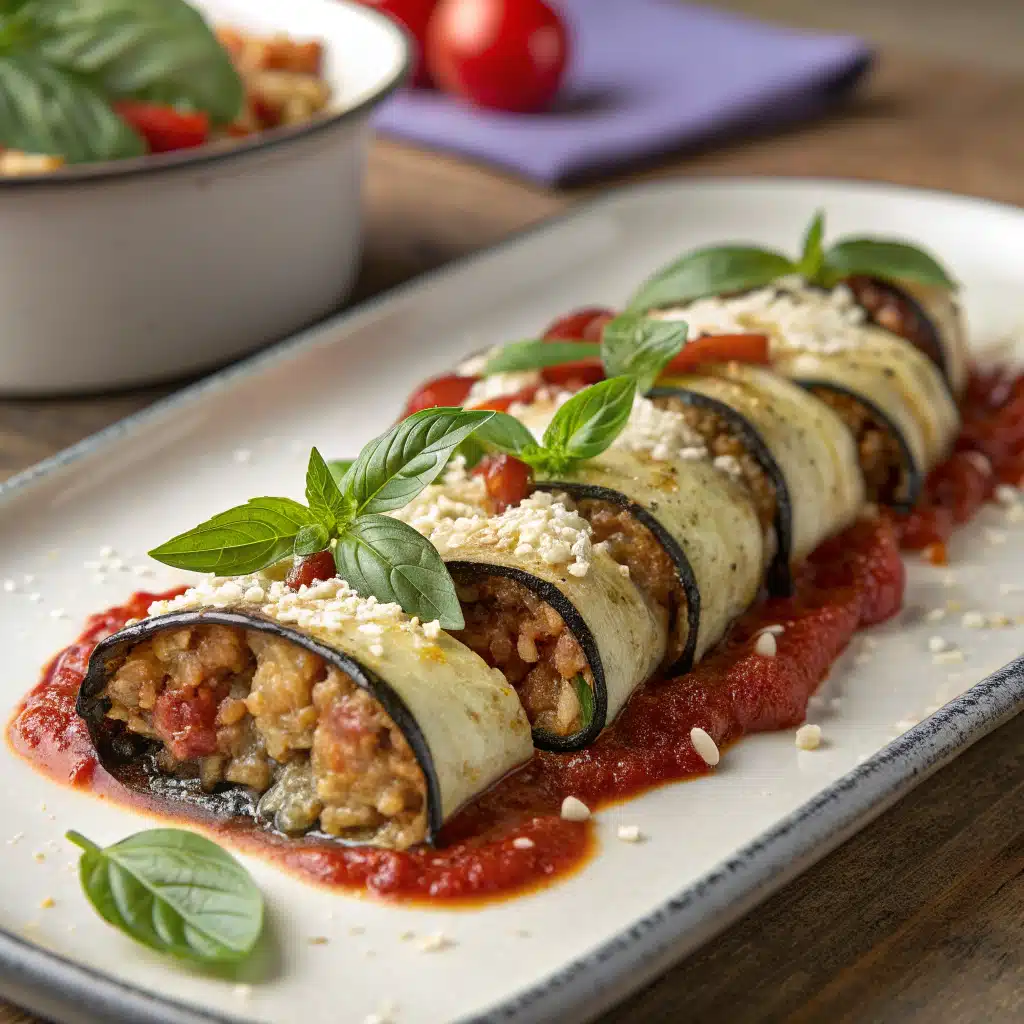
How you present eggplant rollatini can elevate it from a homey comfort food to an impressive dinner party dish. When plating individual servings, use a spatula to carefully transfer 2-3 rollatini per plate, maintaining their shape. Spoon a little extra warmed marinara sauce around (not over) the rollatini to create a beautiful bed of sauce. Garnish with a sprinkle of freshly grated parmesan, a few small fresh basil leaves, or a chiffonade of basil across the top. For family-style serving, bring the entire baking dish to the table, garnished with fresh herbs, allowing guests to appreciate the bubbling cheese and colorful presentation.
Meal Planning Around Eggplant Rollatini
Eggplant rollatini can function as either a main course or a substantial side dish, making it extremely versatile for meal planning. As a vegetarian main dish, pair it with lighter sides like roasted vegetables, salad, or a grain-based side such as quinoa or farro. When serving as a side dish alongside protein, consider Italian-seasoned grilled chicken or fish. For entertaining, eggplant rollatini works beautifully as part of an Italian-themed spread, alongside antipasto platters, bruschetta, and other pasta dishes. Its make-ahead friendly nature also makes it perfect for meal prep—prepare a batch on Sunday for easy reheating throughout the week.
FAQs: Everything You Need to Know About Eggplant Rollatini
What is eggplant rollatini made of?
Eggplant rollatini consists of thinly sliced, pre-baked eggplant wrapped around a filling of ricotta, parmesan, and herbs. The rolls are arranged in a baking dish, covered with marinara sauce and mozzarella cheese, then baked until bubbling and golden. The combination creates a perfect balance of flavors with the tender eggplant, creamy cheese filling, and tangy tomato sauce.
What’s the difference between eggplant rollatini and eggplant parmesan?
While both dishes feature eggplant, cheese, and marinara sauce, the preparation differs significantly. Eggplant parmesan layers breaded and fried (or baked) eggplant slices with sauce and cheese, creating a lasagna-like casserole. Eggplant rollatini, however, uses thinner eggplant slices that are rolled around a ricotta filling, resulting in individual stuffed portions. Rollatini is generally lighter since the eggplant is typically not breaded.
Should you peel the eggplant for rollatini?
Peeling is optional and based on personal preference. The skin adds color, nutrition, and helps the rolls hold their shape. However, if the eggplant skin is tough or bitter (more common in larger, older eggplants), peeling may improve the texture. For younger, smaller eggplants, the skin is usually tender enough to leave on.
How do you keep eggplant from getting soggy when making rollatini?
The key to preventing soggy eggplant rollatini is removing excess moisture before assembly. Salt the eggplant slices and let them sit for 20-30 minutes to draw out water, then thoroughly pat them dry. Pre-baking the slices also helps remove moisture and partially cook the eggplant before assembly. Finally, don’t oversauce the dish—use enough marinara to cover but not drown the rollatini.
Do you need to salt eggplant before cooking it?
Salting eggplant before cooking serves two purposes: it draws out moisture and removes potential bitterness, especially in larger eggplants. For rollatini, salting is highly recommended as it helps prevent the finished dish from becoming watery. Modern cultivated eggplants are generally less bitter than their predecessors, but salting still improves the texture significantly for this dish.
Can eggplant rollatini be made ahead of time?
Yes, eggplant rollatini is excellent for make-ahead preparation. You can assemble the entire dish up to 24 hours before baking and store it covered in the refrigerator. Alternatively, you can prepare components separately (pre-bake the eggplant, make the filling) and assemble just before baking. Fully cooked rollatini can be refrigerated for up to 4 days or frozen for up to 3 months.
Conclusion: Why Eggplant Rollatini Deserves a Place in Your Recipe Collection
The Versatility and Value of Eggplant Rollatini
Eggplant rollatini stands out as a versatile dish that delivers exceptional flavor while being remarkably adaptable. It works as a main course for vegetarians or as a side dish alongside other proteins. The recipe can be scaled up for large gatherings or down for an intimate dinner. Furthermore, eggplant rollatini represents excellent value—transforming affordable ingredients into a dish that feels special and restaurant-worthy. Its make-ahead friendly nature also adds practical value, allowing you to prepare it when convenient and enjoy it when needed.
“Don’t miss our butternut squash soup recipe for another seasonal favorite.”
Mastering Italian Comfort Food at Home
Creating eggplant rollatini at home connects you with a rich tradition of Italian cooking that values simple ingredients prepared with care. As you master this dish, you’ll develop techniques—like properly salting eggplant and creating the perfect cheese filling—that transfer to many other recipes. There’s something deeply satisfying about rolling each eggplant slice around its creamy filling, arranging them in the dish, and witnessing the transformation that happens in the oven. The process itself becomes a rewarding culinary experience, not just the end result.
By adding eggplant rollatini to your cooking repertoire, you gain a dish that impresses guests, satisfies family, and provides leftovers that only get better with time. Whether you stick to the classic preparation or experiment with variations, this Italian favorite delivers comfort food at its finest—proving that vegetable-forward dishes can be just as satisfying and crave-worthy as any meat-centered meal.
PrintEggplant Rollatini
A classic Italian dish featuring tender slices of eggplant rolled around a rich ricotta filling, baked in marinara sauce until bubbly and golden.
- Prep Time: 45
- Cook Time: 55
- Total Time: 1 hour 40 minutes
- Yield: 6 1x
- Category: Main Dish
- Cuisine: Italian
Ingredients
- 2 medium eggplants
- 1/2 tsp. kosher salt, plus more for the eggplant
- Cooking spray
- 1 (15-ounce) container whole-milk ricotta cheese
- 1 cup grated parmesan cheese
- 1 large egg
- 1 tsp. dried basil
- 1 (25-ounce) jar marinara sauce
- 1 cup shredded mozzarella cheese
- Chopped fresh basil, for garnish
- Green salad, for serving
Instructions
- Slice eggplants lengthwise into 1/8-inch pieces. Arrange on a rack over a baking sheet, sprinkle with salt, and let sit 20-30 minutes.
- Preheat oven to 375°F. Spray a baking sheet with cooking spray.
- Pat eggplant dry, arrange on the baking sheet, and bake until soft, about 15 minutes. Let cool.
- Combine ricotta, parmesan, egg, dried basil, and 1/2 tsp salt in a bowl.
- Spread 1 cup marinara in a 9×13-inch baking dish. Increase oven to 400°F.
- Top each eggplant slice with 2 tbsp ricotta filling, spread evenly, then roll into a spiral.
- Place rolls seam-side down in the dish, top with remaining sauce and mozzarella.
- Cover with foil and bake 30 minutes. Uncover and bake 10 more minutes until cheese is lightly browned.
- Cool 5-10 minutes, garnish with fresh basil, and serve with salad.
Notes
Nutrition facts are estimates and may vary based on ingredients used, portion sizes, and preparation methods.
Nutrition
- Serving Size: 6
- Calories: 325kcal
- Sugar: 8g
- Sodium: 680mg
- Fat: 18g
- Saturated Fat: 9g
- Carbohydrates: 24g
- Fiber: 6g
- Protein: 19g
- Cholesterol: 75mg
Keywords: eggplant rollatini, Italian recipe, baked eggplant, ricotta filling, vegetarian dinner
Let’s connect! Follow me for more Joylicious Recipes: Facebook, Instagram, Pinterest