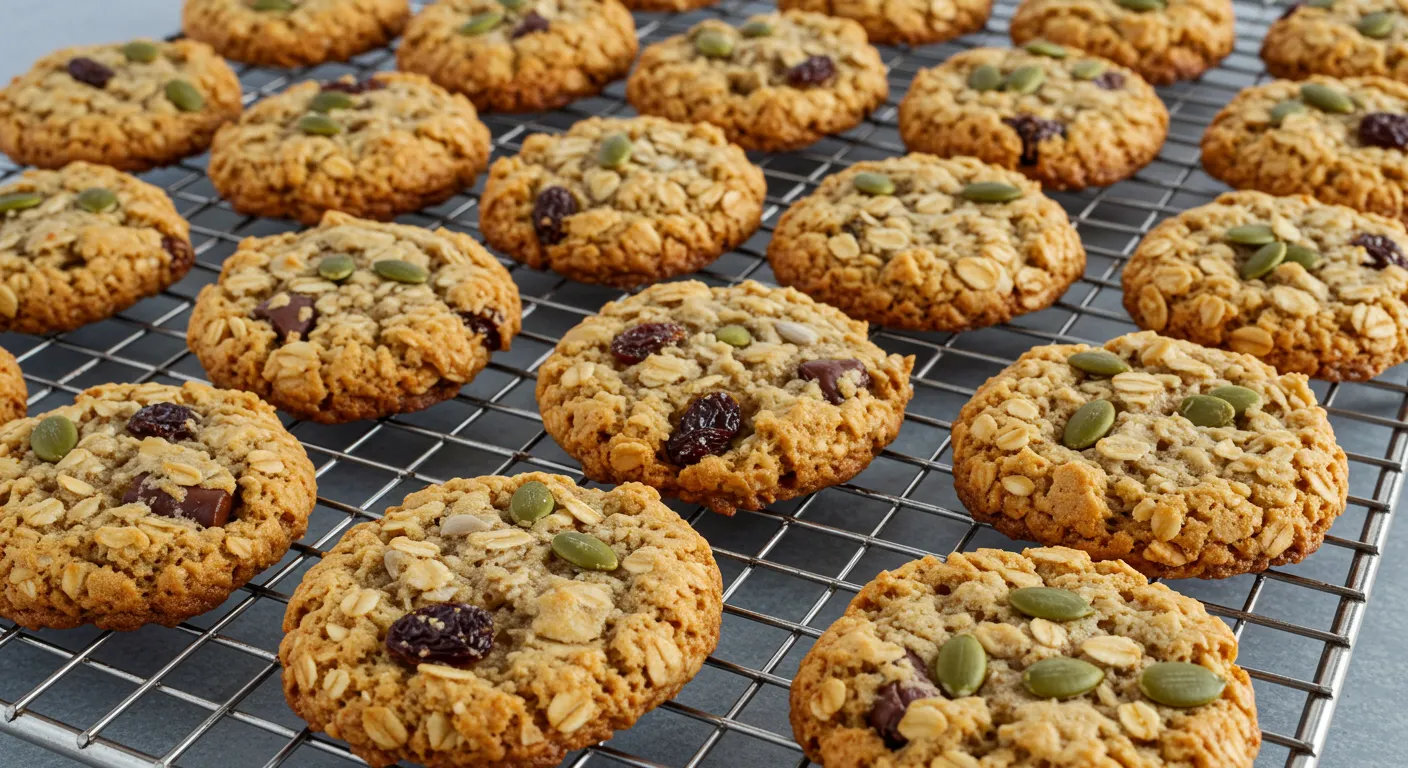
The Best Healthy Breakfast Cookies – Quick, Delicious & Satisfying
Introduction
Why Healthy Breakfast Cookies Are a Game-Changer
Healthy breakfast cookies have revolutionized morning routines for busy families everywhere. These nutrient-packed treats combine the convenience of grab-and-go eating with wholesome ingredients that provide sustained energy. Unlike traditional cookies loaded with refined sugars and empty calories, healthy breakfast cookies feature whole grains, natural sweeteners, and beneficial add-ins like seeds, nuts, and dried fruits. They’re perfect for those hectic mornings when you need something substantive but don’t have time for a sit-down meal. Additionally, they’re customizable to accommodate dietary restrictions and preferences, making them ideal for households with varying nutritional needs.
“Check out our blueberry buttermilk pancake bake for another delicious breakfast option.”
Nutritional Benefits of Starting Your Day with Breakfast Cookies
Starting your day with healthy breakfast cookies offers numerous nutritional advantages. First, they provide complex carbohydrates from oats that release energy slowly throughout the morning, preventing the mid-morning crash associated with sugary breakfast options. Second, ingredients like nut butters and seeds contribute protein and healthy fats that promote satiety and brain function.
Third, the natural sweeteners used, such as maple syrup and fruit, offer vitamins and minerals alongside their sweetening properties. Many recipes also incorporate ingredients rich in fiber, which aids digestion and helps maintain stable blood sugar levels. Finally, these cookies often include superfoods like flaxseed that provide omega-3 fatty acids and antioxidants, supporting overall health and wellbeing.
Ingredients for Healthy Breakfast Cookies
Core Ingredients and Their Benefits
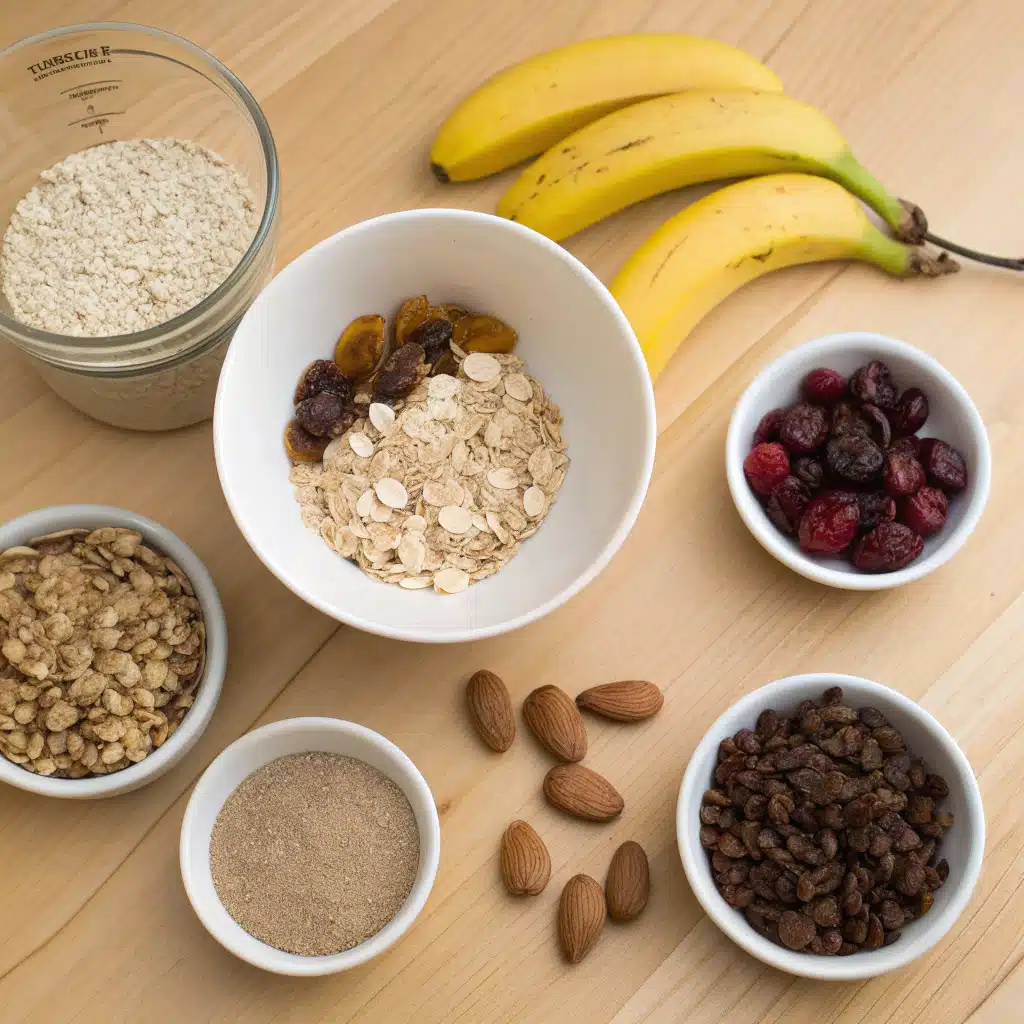
The foundation of healthy breakfast cookies relies on nutrient-dense core ingredients that provide both flavor and nutritional value. Oats, the primary ingredient, offer complex carbohydrates, fiber, and essential minerals like manganese and phosphorus. Their high soluble fiber content helps lower cholesterol and stabilize blood sugar. Nut or seed butters contribute healthy fats, protein, and a creamy texture that binds the cookies together while adding satiating properties.
Natural sweeteners such as maple syrup or honey provide antioxidants and minerals not found in refined sugars, while adding necessary moisture and sweetness. Bananas not only add natural sweetness but also potassium, vitamin B6, and serve as a partial egg replacement in many recipes. Cinnamon brings warmth and contains anti-inflammatory properties, while a small amount of salt enhances the overall flavor profile of these nutritious treats.
| Ingredient | Amount | Nutritional Benefit |
|---|---|---|
| Oats (quick or rolled) | 2 cups (170g) | Fiber, complex carbs, manganese |
| Almond/peanut/sunflower butter | 1 cup (250g) | Protein, healthy fats, vitamin E |
| Maple syrup | 1/4 cup (60ml) | Minerals, antioxidants, natural sweetener |
| Apple butter | 1/3 cup (60g) | Fiber, vitamin C, natural moisture |
| Mashed banana | 1/2 cup (115g) | Potassium, vitamin B6, natural binder |
| Dried cranberries | 1/2 cup (75g) | Antioxidants, vitamin C, natural sweetness |
| Pepitas (pumpkin seeds) | 1/2 cup (70g) | Magnesium, zinc, plant-based protein |
| Raisins | 1/2 cup (75g) | Iron, potassium, natural sweetness |
| Ground flaxseed (optional) | 1/4 cup (28g) | Omega-3 fatty acids, lignans, fiber |
| Salt | 1/2 teaspoon | Flavor enhancement |
| Ground cinnamon | 1 teaspoon | Anti-inflammatory properties, flavor |
Substitutions and Alternatives for Dietary Restrictions
Healthy breakfast cookies can be easily adapted for various dietary restrictions without sacrificing taste or texture. For gluten-free options, use certified gluten-free oats and ensure all other ingredients are free from cross-contamination. Those with nut allergies can substitute sunflower seed butter, pumpkin seed butter, or tahini for almond or peanut butter. Vegan bakers can rely on maple syrup instead of honey and ensure all other ingredients are plant-based. For lower-sugar versions, reduce the maple syrup and increase mashed banana or unsweetened applesauce.
“Learn more about healthy grilled teriyaki chicken bowls for a protein-packed meal option.”
Several ingredient substitutions can accommodate specific dietary needs:
- For egg-free binding: Use additional mashed banana, applesauce, or a flax egg (1 tablespoon ground flaxseed mixed with 3 tablespoons water)
- For oil-free options: Use more fruit puree like applesauce or banana
- For grain-free versions: Substitute almond flour or coconut flour for some or all of the oats (may require recipe adjustments)
- For sugar-free needs: Use mashed ripe bananas, date paste, or sugar-free applesauce in place of maple syrup
- For fruit alternatives: Substitute chopped dried apricots, dates, or berries for cranberries and raisins
Step-by-Step Instructions for Making Healthy Breakfast Cookies
Preparing Your Kitchen and Ingredients
Before diving into the baking process, proper preparation ensures your healthy breakfast cookies turn out perfectly every time. Start by gathering all ingredients and measuring tools. This mise en place approach prevents mid-recipe scrambling and ensures nothing is forgotten. Next, preheat your oven to 325°F (163°C) to achieve the ideal baking temperature that allows the cookies to cook thoroughly without over-browning. Line two large baking sheets with parchment paper or silicone baking mats to prevent sticking and make cleanup easier.
For ingredients preparation:
- Measure all dry and wet ingredients separately for easier mixing
- Mash the banana until smooth and free of chunks for even distribution
- If using whole rolled oats rather than quick oats, you may pulse them briefly in a food processor for a finer texture
- Bring refrigerated ingredients to room temperature for better incorporation
- Chop any larger dried fruits into smaller pieces if needed for even distribution
Mixing and Forming the Perfect Breakfast Cookie Dough
Creating the perfect healthy breakfast cookie dough requires attention to technique and texture. Begin by combining all ingredients in a large bowl of a stand mixer fitted with a paddle attachment, or use a hand mixer for similar results. Mix at medium speed until everything is thoroughly incorporated. The resulting dough will be noticeably thick and somewhat heavy, which is ideal for creating substantial breakfast cookies that won’t spread excessively during baking.
“Want more ideas? Check out our easy crumbl sugar cookie recipe for a sweet treat.”
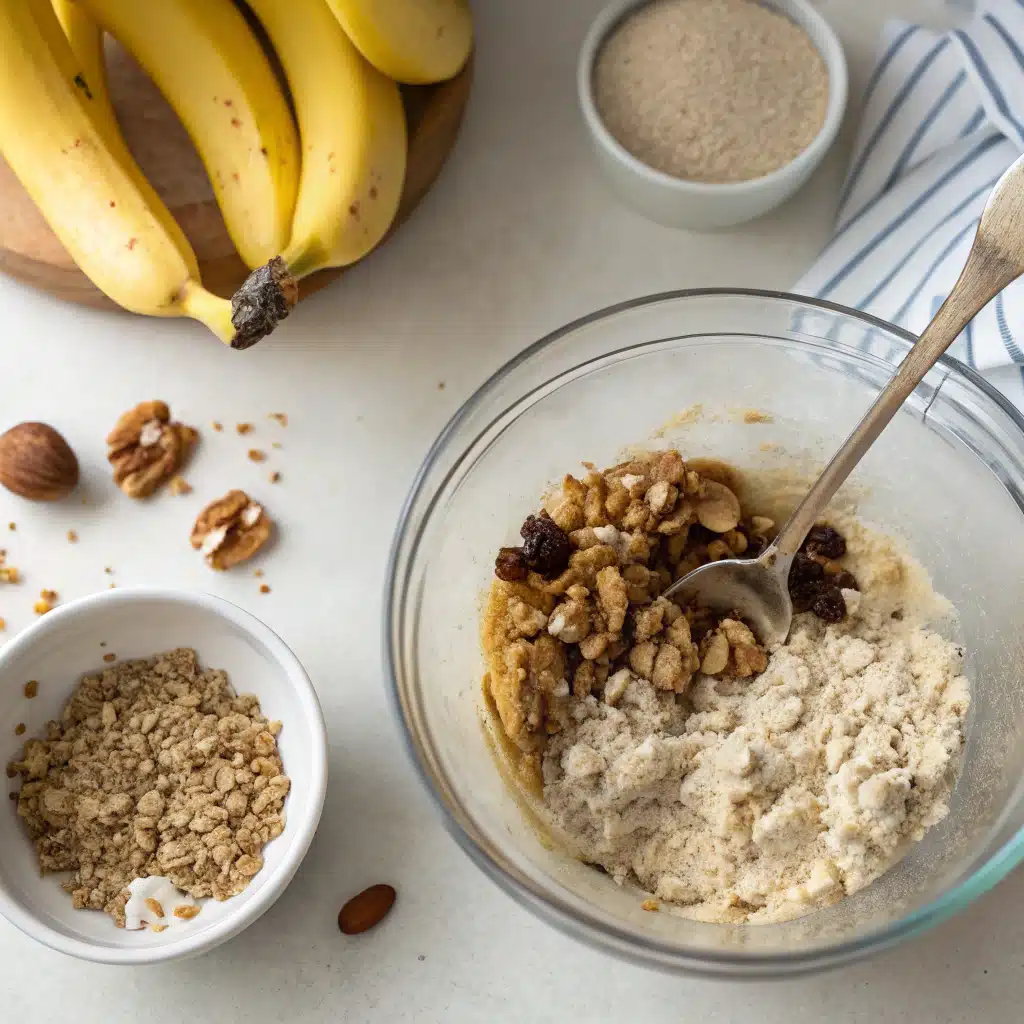
When mixing:
- Add the nut butter, maple syrup, apple butter, and mashed banana first, blending until smooth
- Incorporate the oats, cinnamon, salt, and optional flaxseed, mixing until just combined
- Fold in the dried cranberries, pepitas, and raisins with a spatula to avoid breaking them
- If the dough seems too dry, add 1-2 tablespoons of water or plant milk
- If too wet, add 1-2 tablespoons additional oats
After achieving the right consistency, use a 1/4 cup measuring cup to portion out uniform mounds of dough onto the prepared baking sheets. This standardized approach ensures even cooking and consistent serving sizes. Using the back of a spoon, gently flatten each mound into a cookie shape approximately 1/2-inch thick. Remember that these cookies won’t spread during baking, so the shape you create now will be the final shape of your cookies.
Baking and Cooling for Perfect Texture
The baking and cooling process is crucial for achieving the ideal texture in healthy breakfast cookies—firm enough to hold together but not overly dry. Place the prepared cookie sheets in the preheated oven and bake for 16-19 minutes. The cookies are done when the edges turn a light golden brown while the centers remain slightly soft. Avoid overbaking, which can result in dry, crumbly cookies that lose their nutritional appeal.
Once baked, allow the cookies to cool directly on the baking sheets for 10 minutes. This cooling period allows the cookies to firm up and set, making them easier to handle without breaking. After the initial cooling, transfer the cookies to a wire rack to cool completely. This two-step cooling process ensures the perfect chewy texture by allowing air circulation around the entire cookie while preventing excess moisture from being trapped underneath.
During the cooling process, the cookies will continue to firm up slightly as the residual heat completes the cooking process and the ingredients set. The finished texture should be chewy with a slight crispness on the outside—substantial enough to be satisfying but tender enough to be enjoyable as a breakfast option.
Tips for Perfect Healthy Breakfast Cookies
Achieving the Ideal Moisture Balance
Creating perfectly moist healthy breakfast cookies requires understanding the critical moisture-contributing ingredients and how they interact. The primary moisture sources in these cookies are mashed banana, apple butter, and maple syrup. To ensure your cookies maintain ideal moisture:
- Use ripe bananas with brown spots for maximum natural sweetness and moisture
- Measure wet ingredients precisely—even small variations can affect the final texture
- If using homemade apple butter, ensure it’s not too watery; commercial versions typically have the right consistency
- For extra moisture without additional sweetness, consider adding 1-2 tablespoons of milk (dairy or plant-based)
- Allow the dough to rest for 5 minutes before portioning to let the oats absorb some moisture
- Slightly underbake the cookies rather than overbaking—they should be set but still soft in the center
The texture of your dough can tell you a lot about the final product. It should be thick enough to hold its shape when scooped but moist enough to press together easily. If your cookies consistently turn out dry, try reducing the baking time by 2-3 minutes or increasing the banana or apple butter by 1-2 tablespoons.
Storage and Freezing Recommendations
Proper storage is essential for maintaining the freshness and quality of healthy breakfast cookies. After cooling completely, store cookies in an airtight container at room temperature for up to 5 days. For extended freshness, refrigerate for up to 10 days. Place parchment paper between layers to prevent sticking.
“Don’t miss our chocolate raspberry overnight oats recipe for another make-ahead breakfast option.”
These cookies freeze exceptionally well, making them perfect for meal prep:
- Cool cookies completely before freezing
- Arrange in a single layer on a baking sheet and freeze until solid (about 1-2 hours)
- Transfer to freezer-safe bags or containers, separating layers with parchment paper
- Label with the date and contents
- Freeze for up to 3 months for best quality
To thaw frozen cookies, either:
- Place in the refrigerator overnight
- Leave at room temperature for 1-2 hours
- Microwave for 15-20 seconds from frozen
- Reheat in a 300°F oven for 5 minutes for a fresh-baked texture
For maximum convenience, prepare a double batch and freeze half for future busy mornings.
Troubleshooting Common Issues
Even experienced bakers occasionally encounter challenges when making healthy breakfast cookies. Here are solutions to the most common problems:
If your cookies are too crumbly:
- Add 1-2 tablespoons more nut butter as a binding agent
- Ensure your banana is thoroughly mashed with no chunks
- Try adding an egg or flax egg for additional binding
- Make sure you’re not overbaking, which dries out the cookies
For cookies that spread too much:
- Chill the dough for 30 minutes before baking
- Add 2-3 tablespoons more oats to absorb excess moisture
- Ensure your oven is properly preheated
- Check that your baking sheets aren’t warm from previous batches
If the cookies are too dense:
- Use a combination of quick oats and rolled oats for varied texture
- Incorporate 1/4 teaspoon of baking soda for slight lift
- Don’t overmix the dough, which can compact the ingredients
- Flatten cookies less before baking
For cookies that lack sweetness:
- Add an extra tablespoon of maple syrup
- Increase cinnamon to enhance perceived sweetness
- Use sweeter dried fruits like dates or golden raisins
- Add a few tablespoons of mini chocolate chips
Storage and Freshness
Maintaining Optimal Texture and Flavor
The key to maintaining the optimal texture and flavor of healthy breakfast cookies lies in proper storage techniques and understanding how ingredients change over time. Different storage methods affect moisture retention, which is crucial for these cookies’ appealing chewy texture. At room temperature, cookies should be stored in an airtight container with a slice of bread to help maintain moisture levels. The bread will become stale instead of your cookies, acting as a humidity regulator.
Refrigeration extends shelf life but can cause cookies to firm up. To counteract this, allow refrigerated cookies to come to room temperature for 10-15 minutes before eating, or warm them briefly in a microwave for 10 seconds. To maintain the original soft texture after refrigeration, wrap individual cookies in parchment paper before placing them in the container, which helps retain moisture.
For the longest-term storage, vacuum-sealed bags remove air that can cause staleness and freezer burn when freezing. If vacuum sealing isn’t available, press as much air out of freezer bags as possible before sealing. The ingredients in these cookies that are most susceptible to quality changes are the oats, which can become soggy, and the dried fruits, which may harden over time.
Reviving Day-Old Cookies
Even with proper storage, healthy breakfast cookies may gradually lose their ideal texture after several days. Fortunately, several effective methods can revive them to near-freshly-baked quality. For cookies that have become too firm, place them in a microwave for 10-12 seconds, which reactivates the moisture within the cookie and softens the texture. Alternatively, wrap the cookie in a slightly damp paper towel and microwave for 5-7 seconds—the steam created helps rehydrate the cookie without making it soggy.
“Here’s your guide to fluffy oatmeal pancakes without banana for another healthy breakfast.”
For a crispier exterior while maintaining a soft interior, place cookies in a toaster oven for 1-2 minutes at 300°F. This reheating method is particularly effective for cookies that have become slightly soggy from refrigeration. To add back some moisture without reheating, place cookies in a container with a slice of apple overnight—the cookies will absorb moisture from the fruit.
To enhance the flavor of day-old cookies, consider these simple upgrades:
- Spread a thin layer of additional nut butter on top
- Drizzle with a small amount of honey or maple syrup
- Warm and serve with a dollop of Greek yogurt
- Crumble over overnight oats for added texture
- Dip half the cookie in melted dark chocolate for a flavor boost
Making Ahead for Busy Mornings
Healthy breakfast cookies are the ultimate make-ahead breakfast solution for hectic mornings when time is scarce. For weekly meal prep, dedicate an hour on Sunday to bake a batch that will last throughout the week. After cooling completely, portion cookies into individual grab-and-go containers or bags, paired with fruit or yogurt for a complete breakfast. This preparation eliminates morning decision-making and ensures a nutritious start regardless of time constraints.
For longer-term preparation, establish a monthly baking session to stock your freezer with multiple batches. Label each container with the date and any special ingredients for easy identification. Create a variety of flavors in one session to prevent breakfast monotony—divide your base dough into portions and add different mix-ins to each.
Consider these practical grab-and-go combinations:
- Breakfast cookie + apple + string cheese
- Two breakfast cookies + individual Greek yogurt cup
- Breakfast cookie + banana + hard-boiled egg
- Crumbled cookie over single-serve unsweetened applesauce
- Breakfast cookie sandwich with a thin layer of cream cheese
Variations and Customizations
Seasonal Flavor Variations
Adapting healthy breakfast cookies to reflect seasonal ingredients and flavors creates variety while taking advantage of fresh, in-season produce. During spring, incorporate lemon zest and dried blueberries, perhaps with a tablespoon of poppy seeds for bright, refreshing cookies that celebrate the season’s renewal. Add 1 tablespoon of lemon zest and substitute dried blueberries for the cranberries and raisins in the original recipe.
Summer breakfast cookies can feature dried strawberries or cherries with white chocolate chips and coconut flakes, creating a tropical-inspired treat that pairs perfectly with morning coffee. Reduce the maple syrup by 1 tablespoon and add 1/4 cup diced dried strawberries and 2 tablespoons unsweetened coconut flakes.
For fall variations, embrace classic autumn flavors by incorporating pumpkin puree, pumpkin pie spice, and pepitas. Substitute 1/4 cup of the mashed banana with pumpkin puree and add 1 teaspoon of pumpkin pie spice to the dry ingredients. The pepitas already in the recipe complement this autumn theme perfectly.
Winter holiday cookies can feature dried cranberries, orange zest, and a touch of nutmeg or cloves for a festive breakfast option during the busiest time of year. Add 1 tablespoon of orange zest and 1/4 teaspoon of nutmeg to the original recipe for a holiday twist that still maintains the nutritional integrity of these breakfast cookies.
“Looking for inspiration? Try our banana chocolate chip cookies for another wholesome treat.”
Dietary Adaptation Ideas
Healthy breakfast cookies can be adapted to accommodate various dietary requirements without sacrificing taste or texture. For keto-friendly versions, replace oats with a mixture of almond flour and coconut flour (1 cup almond flour and 1/2 cup coconut flour), use sugar-free maple syrup, and increase nut butter to 1 1/4 cups. Add 1/4 teaspoon of xanthan gum to help with binding in the absence of oats.
Protein-boosted versions can incorporate protein powder for increased nutritional value. Substitute 1/4 cup of the oats with unflavored or vanilla protein powder and add an extra tablespoon of liquid to maintain moisture. Additionally, incorporating chopped nuts or hemp seeds can further increase protein content.
For grain-free adaptations, replace oats entirely with a mixture of ground nuts and seeds. Try 1 cup almond flour, 1/2 cup ground flaxseed, and 1/2 cup coconut flour, increasing both eggs and nut butter to maintain proper binding. This version works well for those following paleo or grain-restricted diets.
Sugar-free variations can rely entirely on fruit for sweetness. Omit the maple syrup and increase mashed banana to 3/4 cup. Additionally, adding 1/4 cup of unsweetened applesauce and using date paste instead of dried fruits creates a naturally sweet cookie without added sugars.
Kid-Friendly Modifications
Making healthy breakfast cookies appealing to children while maintaining their nutritional value requires thoughtful modifications. Try fun shapes and sizes by using cookie cutters on the flattened dough before baking or making mini cookies that are perfect for small hands. Reduce portion size to 2 tablespoons of dough per cookie and decrease baking time by 3-4 minutes for kid-sized treats.
Add color and visual appeal with natural ingredients like mini chocolate chips, colorful dried fruits, or a light drizzle of yogurt icing (made from powdered sugar and Greek yogurt). Limit additions to 1/4 cup to maintain the cookie’s nutritional profile while making it visually exciting for children.
Involve kids in the creation process by setting up a “cookie bar” with measured ingredients where they can choose their mix-ins. Prepare the base dough, then let children add their selected ingredients from options like chocolate chips, dried fruits, and seeds. This involvement increases the likelihood they’ll enjoy eating what they’ve helped create.
Consider these kid-tested flavor combinations:
- “Monkey Cookie”: Add mini chocolate chips and use all banana instead of apple butter
- “Berry Blast”: Use dried strawberries and blueberries with white chocolate chips
- “Cookie Dough”: Add mini chocolate chips and a drop of vanilla extract
- “PB&J”: Use all peanut butter and add dried strawberries or raspberries
- “Birthday Cake”: Add rainbow sprinkles and a drop of almond extract
Serving Suggestions
Pairing Ideas for a Complete Breakfast
While healthy breakfast cookies offer substantial nutrition on their own, pairing them with complementary foods creates a more complete nutritional profile. For protein enhancement, serve with a side of Greek yogurt topped with a sprinkle of granola or fresh berries. The protein and probiotics in the yogurt complement the fiber and complex carbohydrates in the cookies, creating a balanced meal that supports muscle maintenance and gut health.
For additional fruit servings, pair with a small fruit salad featuring seasonal options like berries, citrus segments, or sliced apples. This combination increases vitamin intake and provides hydration through the water content in fresh fruit. Alternatively, blend a quick smoothie with spinach, banana, and milk to accompany your breakfast cookie for added nutrients and hydration.
For heartier appetites, serve alongside scrambled eggs or tofu to increase protein and create a more substantial meal. This pairing is especially beneficial on active days or when breakfast needs to sustain energy levels for several hours. For a warming option in cooler months, serve with a small cup of hot chocolate made with almond milk and unsweetened cocoa powder, which provides comfort without excessive sugar.

Creative Uses Beyond Breakfast
Healthy breakfast cookies are versatile enough to serve throughout the day in various creative ways. For afternoon energy boosts, pack a cookie as a pre-workout snack, as the combination of complex carbohydrates and protein provides sustained energy without heaviness. The portable nature makes them perfect for busy days when regular meals might be delayed.
“Discover great ideas like cookie dough bites for another healthy snack option.”
In lunchboxes, crumble cookies over yogurt parfaits or include whole as a nutritious dessert alternative. The sturdy texture holds up well in packed meals, and the balanced sweetness satisfies dessert cravings without excessive sugar. For outdoor adventures, these cookies make ideal hiking or camping food due to their durability, energy-providing ingredients, and resistance to crumbling.
As a dessert base, crumble cookies to create nutritious parfaits or no-bake cheesecake crusts. Layer crumbled cookies with Greek yogurt and fruit for a healthier trifle, or process with a small amount of coconut oil to form a nutrient-dense pie crust alternative. For evening snacking, serve with herbal tea as a satisfying option that won’t disrupt sleep patterns like sugary desserts might.
For special occasions:
- Birthday breakfast: Add a candle to a breakfast cookie and serve with fruit
- Holiday mornings: Arrange cookies with colorful fruit for a festive breakfast platter
- Brunch gatherings: Create a breakfast cookie bar with various toppings
- Post-sports events: Offer as a nutritious team snack for young athletes
- Road trips: Pack in individual portions for healthy travel snacking
Portion Control and Nutritional Balance
Understanding appropriate portions and nutritional balance helps maximize the benefits of healthy breakfast cookies while supporting overall dietary goals. The standard 1/4-cup portioning (approximately 70g) creates cookies that contain roughly 200-250 calories each, depending on specific ingredients. This size typically provides approximately 5-7g of protein, 25-30g of complex carbohydrates, and 10-12g of healthy fats, creating a balanced macronutrient profile that supports sustained energy.
For weight management goals, limit to one cookie (the standard 1/4-cup size) paired with protein-rich accompaniments like Greek yogurt or eggs. This approach provides satiety while controlling overall calorie intake. Consider making smaller cookies (2 tablespoons of dough) if you prefer having two with your breakfast or if serving to children.
For athletic performance, these cookies can be adapted to support training needs. Increase protein content by adding protein powder or increasing nut butter, and consider adding electrolytes for post-workout recovery by incorporating a small amount of salt or using salted nut butter. The combination of easily digestible carbohydrates and protein makes them suitable for both pre- and post-workout nutrition.
For families with varying nutritional needs, create a base batch and portion differently:
- Adults: Standard 1/4-cup size (70g)
- Teens and active individuals: Larger 1/3-cup size (90g)
- Younger children: Smaller 2-tablespoon size (35g)
- Toddlers: Mini 1-tablespoon size (17g)
Frequently Asked Questions
What are healthy breakfast cookies made of?
Healthy breakfast cookies use nutrient-rich ingredients for lasting energy. They’re typically made with whole oats for fiber, nut or seed butter for protein and healthy fats, and natural sweeteners like honey or mashed banana. Add-ins such as dried fruit, flaxseed, or chia boost nutrition, while spices like cinnamon enhance flavor. Unlike regular cookies, they skip refined flours and sugars, focusing on wholesome, natural ingredients.
Are breakfast cookies actually healthy?
Breakfast cookies can be healthy if made with wholesome ingredients and eaten in moderation. The best versions use oats, nut butter, and natural sweeteners to provide fiber, protein, and lasting energy. However, many store-bought options contain added sugars and preservatives. Homemade or clean-label varieties with simple ingredients are the healthiest choice for a quick, balanced breakfast.
Can you make breakfast cookies without sugar?
Yes, you can make breakfast cookies without refined sugar by using natural sweeteners. Mashed bananas, applesauce, or dried fruits like dates and raisins add natural sweetness and moisture. Spices such as cinnamon or vanilla enhance flavor, while monk fruit or stevia can boost sweetness without sugar. The key is balancing these ingredients to keep the cookies tasty and well-textured.
What can I use instead of butter in healthy breakfast cookies?
You can replace butter in breakfast cookies with several healthy alternatives. Nut or seed butters add protein and healthy fats, while mashed avocado provides creamy texture and heart-healthy oils. Unsweetened applesauce or mashed banana work 1:1 for lower fat and natural sweetness. Greek yogurt boosts protein and softness, and coconut oil mimics butter’s texture with added healthy fats. Each option slightly changes flavor and texture but keeps the cookies moist and nutritious.
How do you make healthy breakfast cookies chewy instead of dry?
To make chewy, moist breakfast cookies, use moisture-rich ingredients like mashed banana, applesauce, or nut butter. Avoid overbaking—remove them when edges are set but centers are soft. Store in an airtight container to keep them fresh. Add moisture-retaining ingredients like ground flaxseed and use enough binders, such as nut butter, for chewiness. Let cookies cool on the baking sheet before moving them to a rack to preserve their soft texture.
Are healthy breakfast cookies good for weight loss?
Healthy breakfast cookies can aid weight loss when made with wholesome ingredients and eaten in moderation. Their fiber and protein content help you stay full longer, while whole grains provide steady energy. Portion control is key—most contain around 200–250 calories—so stick to one cookie and pair it with extra protein like Greek yogurt or eggs. Choose recipes high in fiber and protein but low in added sugars for the best results.
Conclusion
Incorporating Healthy Breakfast Cookies into Your Weekly Routine
Making healthy breakfast cookies a regular part of your weekly routine offers significant benefits for both nutrition and convenience. Consider designating a specific day each week for baking a batch that will provide grab-and-go breakfasts throughout busy weekdays. Sunday afternoon baking sessions work well for many families, creating ready-to-eat options when morning time is scarce.
“Discover more about no-knead seeded oat bread for another healthy breakfast staple.”
To streamline the process, prepare dry and wet ingredients separately the night before baking. Store pre-measured dry ingredients in airtight containers and refrigerate wet ingredients until ready to combine and bake. For even greater efficiency, prepare double batches of the base dough, then divide and customize with different mix-ins to create variety without additional effort.
Integrate these nutritious cookies into various meal patterns by:
- Pairing with protein-rich foods like yogurt or eggs for complete breakfasts
- Including in lunchboxes as nutritious treats for both children and adults
- Serving as pre-workout fuel before morning exercise
- Offering as after-school snacks that provide sustained energy
- Keeping in your desk drawer for mid-morning office hunger
The Benefits of Homemade vs. Store-Bought Options
Homemade healthy breakfast cookies offer numerous advantages over their commercially available counterparts. First, ingredient control allows you to avoid preservatives, excessive sugars, and artificial additives commonly found in packaged products. You can select organic, locally-sourced, or allergen-free ingredients based on your specific needs and preferences. Second, cost savings are substantial—homemade cookies typically cost 30-50% less than premium store-bought “healthy” cookies, with a batch of 12-15 homemade cookies costing roughly the same as a package of 5-6 commercial ones.
Nutritional customization represents another significant benefit. Homemade versions can be tailored to specific dietary requirements—higher protein, lower sugar, or adapted for allergies—while commercial options offer limited variations. Additionally, environmental impact is reduced through decreased packaging waste and potentially lower carbon footprint when using local ingredients.
The sensory experience of homemade cookies is unmatched, with fresher flavors and textures than packaged alternatives that may have been manufactured weeks earlier. Perhaps most importantly, the educational value for families is substantial, as children who participate in baking learn about nutrition, cooking skills, and the value of homemade food, creating healthy relationships with eating that can last a lifetime.
PrintHealthy Breakfast Cookies
Nutritious, chewy breakfast cookies packed with oats, nut butter, and wholesome ingredients for a perfect grab-and-go morning option.
- Prep Time: 15
- Cook Time: 18
- Total Time: 33 minutes
- Yield: 12 1x
- Category: Breakfast
- Cuisine: American
Ingredients
- 2 cups (170g) quick oats or old-fashioned whole rolled oats
- 1/2 teaspoon salt
- 1 teaspoon ground cinnamon
- 1 cup (250g) almond butter, peanut butter, or sunflower seed butter
- 1/4 cup (60ml) pure maple syrup (or honey)
- 1/3 cup (60g) apple butter
- 1/2 cup (115g) mashed banana (about 1 large banana)
- 1/2 cup (75g) dried cranberries
- 1/2 cup (70g) pepitas (pumpkin seeds)
- 1/2 cup (75g) raisins
- optional: 1/4 cup (28g) ground flaxseed
Instructions
- Preheat oven to 325°F (163°C) and line 2 baking sheets with parchment paper.
- Combine all ingredients in a large bowl using a stand or hand mixer until thoroughly incorporated.
- Using a 1/4 cup measure, portion cookie dough onto prepared sheets and flatten slightly with the back of a spoon.
- Bake for 16-19 minutes until edges are lightly browned.
- Cool on baking sheets for 10 minutes, then transfer to a wire rack to cool completely.
Notes
Store at room temperature for up to 5 days or refrigerate for up to 10 days in an airtight container. These cookies freeze well for up to 3 months. Nutrition facts are estimates and may vary based on ingredients used, portion sizes, and preparation methods.
Nutrition
- Serving Size: 12
- Calories: 245kcal
- Sugar: 14g
- Sodium: 110mg
- Fat: 12g
- Saturated Fat: 2g
- Carbohydrates: 30g
- Fiber: 5g
- Protein: 7g
Keywords: healthy breakfast, breakfast cookies, oatmeal cookies, healthy snack
Let’s connect! Follow me for more Joylicious Recipes: Facebook, Instagram, Pinterest