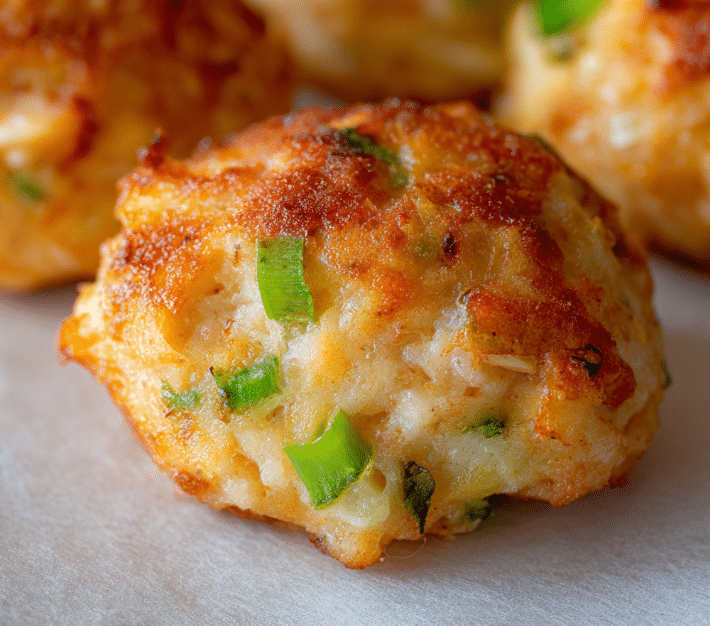

Authentic Kolache Recipe: A Traditional Czech Pastry with Sweet & Savory Fillings
What Are Kolaches and Their Origins
Kolache recipe enthusiasts know that these delightful pastries are a treasure of Czech culinary tradition. Originating in Central Europe, kolaches (pronounced ko-LAH-chee) have become particularly beloved in Texas, where Czech immigrants brought their cherished recipes in the mid-1800s. These soft, pillowy pastries feature a sweet yeast dough cradle that holds fruit, cheese, or sometimes savory fillings. Unlike many other pastries, kolaches have maintained their authentic character through generations, becoming a breakfast staple and celebration food in Czech-American communities.
Why This Kolache Recipe Stands Out
This kolache recipe delivers exceptionally soft, slightly sweet dough with the perfect balance of richness and lightness. What makes these kolaches special is the combination of whole milk and butter that creates a tender texture, while the overnight refrigeration option develops deeper flavor.
“Discover great ideas like our creamy ricotta cheese recipes that pair beautifully with fruit flavors”, just as these kolaches showcase versatility with their cheese and fruit filling options. Whether you’re a seasoned baker or trying kolaches for the first time, this recipe’s detailed instructions ensure success with every batch.
Essential Ingredients for Perfect Kolache Recipe
Dough Components and Their Importance
| Dough Ingredients | Quantity | Function |
|---|---|---|
| Whole milk | 1 cup (236.59 g) | Provides softness and richness |
| Butter, melted | 10 tablespoons (147.87 g) | Adds tenderness and flavor |
| Large egg | 1 | Binds ingredients and adds richness |
| Large egg yolks | 2 | Creates a tender, golden crumb |
| All-purpose flour | 3.5 cups (437.5 g), up to 4 cups | Forms the structure of the dough |
| Sugar | 1/3 cup (66.67 g) | Sweetens and helps with browning |
| Instant yeast | 2 1/4 teaspoons | Leavens the dough |
| Salt | 1/2 teaspoon | Enhances flavor |
The key to exceptional kolache dough lies in high-quality ingredients and precise measurements. Whole milk provides the perfect fat content for tender pastries, while melted butter adds richness without making the dough heavy. The combination of whole eggs and extra yolks creates a beautiful golden color and adds structure to these airy treats.
Traditional Filling Options
| Filling Type | Ingredients | Quantity |
|---|---|---|
| Cheese Filling | Cream cheese, softened | 6 ounces (170.1 g) |
| Sugar | 3 tablespoons | |
| Flour | 1 tablespoon | |
| Lemon zest, grated | 1/2 teaspoon | |
| Ricotta cheese | 6 ounces (170.1 g) | |
| Fruit Filling | Fresh or frozen fruit (pineapple, blueberries, cherries, etc.) | 10 ounces (283.5 g) |
| Sugar | 5 tablespoons | |
| Cornstarch | 4 teaspoons | |
| Streusel Topping | All-purpose flour | 1 tablespoon |
| Sugar | 2 tablespoons plus 2 teaspoons | |
| Unsalted butter, chilled and cut into pieces | 1 tablespoon | |
| Egg Wash | Egg | 1 |
| Milk | 1 tablespoon |
Traditional kolaches feature either sweet cheese or fruit fillings. The cheese filling combines tangy cream cheese with subtle sweetness and a hint of lemon, while the ricotta adds a light, creamy texture. For fruit fillings, the cornstarch thickens the natural juices, creating a jam-like consistency that won’t run or soak into the dough. The streusel topping adds a delightful textural contrast to the soft pastry beneath.

Step-by-Step Kolache Recipe Instructions
Preparing the Perfect Kolache Dough
- Combine 1 cup of whole milk, 10 tablespoons of melted butter, 1 large egg, and 2 egg yolks in a measuring cup or small bowl. The mixture will look slightly lumpy, which is normal.
- In the bowl of a stand mixer fitted with a dough hook, combine 3.5 cups of all-purpose flour, 1/3 cup sugar, 2 1/4 teaspoons instant yeast, and 1/2 teaspoon salt.
- Add the milk mixture to the dry ingredients and mix on low speed for 2 minutes to combine.
Increase the mixer speed to medium and continue kneading for 8-12 minutes, until the dough becomes smooth and no longer sticks to the sides of the bowl. If the dough seems too sticky after 5 minutes, add additional flour, 1 tablespoon at a time.
Transfer the dough to a lightly oiled bowl, cover with plastic wrap, and let rise in a warm place for 1 hour, or until doubled in size. Alternatively, you can refrigerate the dough overnight for enhanced flavor development.
Creating the Traditional Fillings
Cheese filling:
- In a medium bowl, combine 6 ounces of softened cream cheese, 3 tablespoons of sugar, 1 tablespoon of flour, and 1/2 teaspoon of grated lemon zest.
- Mix with an electric mixer on medium speed for about 1 minute until smooth and well-incorporated.
- Add 6 ounces of ricotta cheese and mix for an additional 30 seconds until just combined.
- Cover and refrigerate until needed.
Fruit filling:
- In a microwave-safe bowl, combine 10 ounces of your chosen fruit (pineapple, blueberries, cherries, or other berries), 5 tablespoons of sugar, and 4 teaspoons of cornstarch.
- Mix thoroughly to ensure the cornstarch is evenly distributed.
- Microwave on high for 6-8 minutes, stirring halfway through cooking, until the mixture has thickened.
- Allow to cool slightly before using.
Streusel topping:
- In a small bowl, combine 1 tablespoon of all-purpose flour, 2 tablespoons plus 2 teaspoons of sugar, and 1 tablespoon of chilled, diced butter.
- Use your fingertips to work the butter into the dry ingredients until the mixture resembles coarse crumbs.
- Cover and refrigerate until ready to use.
Assembling and Baking Your Kolaches
If using refrigerated dough, remove it from the refrigerator and let it sit at room temperature for 30-45 minutes before proceeding.
Line two baking sheets with parchment paper and preheat your oven to 350°F (175°C).
Gently punch down the risen dough to release air bubbles, then divide it into 16 equal portions. Roll each portion into a smooth ball.
Place the dough balls on the prepared baking sheets, leaving about 2-3 inches between each one. Cover with plastic wrap and let rest in a warm place for 1.5 hours, or until visibly puffy and soft. Note that cold dough may require a longer second rise of up to 2 hours.
Grease and flour the bottom of a 1/3 cup dry measure or a glass with a 2 1/4-inch diameter. Use this to make deep indentations in the center of each dough ball, pressing down until the bottom of the measure touches the baking sheet.
Fill each indentation with about 1.5 tablespoons of your prepared filling.
In a small bowl, beat together 1 egg with 1 tablespoon of milk to make an egg wash. Brush the exposed dough (not the filling) with the egg wash.
Sprinkle the streusel topping around the edges of each kolache.
Bake for 20–25 minutes, or until the edges turn lightly golden. Be careful not to overbake – authentic kolaches should remain quite pale.
Allow the kolaches to cool on the baking sheets for about 20 minutes before serving.
“Learn more about easy breakfast pastry options that save time while delivering great flavor,”

Expert Tips for Kolache Recipe Success
Working with Yeast Dough Effectively
Mastering kolache recipe dough is essential for authentic results. Always use fresh instant yeast and check the expiration date before starting. The milk should be warm but not hot (around 110°F/43°C) to properly activate the yeast without killing it. When kneading, watch for the dough to pass the “window pane test” – a small piece should stretch thin enough to see light through without tearing.
For exceptional flavor development, take advantage of the overnight refrigeration option. This slow, cold fermentation allows the yeast to work gradually, creating more complex flavors.
“Check out our condensed milk bread recipe for another delicious enriched dough treat” that uses similar techniques to these kolaches.
Common Troubleshooting for Kolache Recipe
Even experienced bakers sometimes encounter challenges with kolache recipes. If your dough doesn’t rise properly, check that your yeast is fresh and that your rising environment is warm enough (ideally 75-85°F/24-29°C). For stubborn dough, try creating a proofing box by placing the covered dough in an oven with just the light turned on.
If your indentations fill back in during baking, you likely didn’t press deep enough initially or allowed the second rise to go too long. The indentation should be quite dramatic, almost reaching the baking sheet. For fruit fillings that seem too runny, cook them longer next time or add an extra teaspoon of cornstarch to achieve the perfect consistency.
Time-Saving Strategies Without Sacrificing Quality
While traditional kolache recipes require time for proper rising, there are ways to streamline the process. Prepare the fillings and streusel topping while the dough undergoes its first rise to maximize efficiency. The overnight refrigeration method actually saves morning prep time – simply shape and bake in the morning for fresh kolaches without the early wake-up.
For busy bakers, the formed but unbaked kolaches can be refrigerated on baking sheets for up to 24 hours. Simply remove them from the refrigerator about 30 minutes before baking to take the chill off. This approach gives you fresh-baked kolaches with minimal morning effort – perfect for holiday breakfasts or weekend brunches.
Proper Storage and Serving of Kolaches
How to Store Kolaches to Maintain Freshness
Freshly baked kolaches taste best the day they’re made, but proper storage can help maintain their quality. For same-day storage, simply cover the kolaches loosely with a clean kitchen towel at room temperature. For longer storage, once completely cooled, place them in an airtight container and store at room temperature for up to 2 days.
To keep them fresh longer, refrigeration is an option, though the texture may change slightly. Don’t miss our storage tips for homemade pastries that keep them tasting fresh, which applies to these kolaches as well. Line the storage container with paper towels to absorb any excess moisture and prevent sogginess.
Freezing and Reheating Techniques
Kolaches freeze exceptionally well, making them perfect for batch preparation. To freeze, allow baked kolaches to cool completely, then place them on a baking sheet in a single layer and freeze until solid (about 2 hours). Transfer the frozen kolaches to freezer-safe bags or containers, separating layers with parchment paper. They’ll maintain quality for up to 3 months.
To reheat frozen kolaches, thaw them overnight in the refrigerator, then warm in a 325°F (165°C) oven for 8-10 minutes. For a quicker option, microwave a thawed kolache for 15-20 seconds. Alternatively, wrap frozen kolaches in foil and heat in a 300°F (150°C) oven for 15-20 minutes until warmed through.
Best Serving Suggestions and Pairings
Kolaches shine as part of a complete breakfast or brunch spread. Serve them slightly warm with freshly brewed coffee, hot chocolate, or tea. For a more substantial meal, pair them with fresh fruit and yogurt for balance. In Czech traditions, kolaches often appear at celebrations alongside other pastries and cakes.
For an authentic Texas-Czech experience, serve a variety of kolache flavors – traditional fruit and cheese alongside modern adaptations like sausage-filled klobasniky (often mistakenly called kolaches in Texas). A breakfast board featuring different kolache varieties makes for an impressive and crowd-pleasing presentation that honors this cherished pastry tradition.
Delicious Kolache Recipe Variations
Modern Adaptations of the Traditional Kolache Recipe
While traditional kolache recipes feature fruit or cheese fillings, modern adaptations have expanded the possibilities. Sweet variations include chocolate-filled kolaches using high-quality chocolate that melts during baking, or Nutella and banana combinations that bring a contemporary twist. Cream cheese bases can be flavored with extracts like almond, vanilla, or coconut for subtle flavor variations.
American adaptations have introduced cinnamon apple, blueberry cream cheese, and even peanut butter and jelly kolaches.
Want more ideas? Check out our berry breakfast casserole for inspiration on using seasonal fruits in breakfast pastries, just as you can in these adaptable kolaches.
Many home bakers also incorporate seasonal fruits like peaches, apricots, or cranberries depending on availability.
Savory Kolache Options
Though purists might argue that savory versions aren’t true kolaches (in Texas, they’re technically “klobasniky”), these meat-filled pastries have become increasingly popular. The same sweet dough can be used without streusel to create savory versions filled with:
- Breakfast sausage with cheddar cheese
- Ham and Swiss cheese
- Bacon, egg, and cheese
- Jalapeño, sausage, and cream cheese
- Pulled pork with barbecue sauce
To accommodate these heartier fillings, shape the dough slightly differently – create a deeper well or fold the dough around the filling instead of just making an indentation. These savory adaptations make excellent grab-and-go breakfast options or party appetizers.
Regional Variations Across America
As Czech immigrants settled across America, regional kolache variations emerged. In Texas, particularly in communities like West, Ellinger, and Caldwell, kolaches tend to be larger with generous fruit fillings and often include savory variations. The “Texas kolache” has almost become its own category, featuring both traditional Czech flavors and Tex-Mex influences like chorizo and jalapeño.
In Midwestern states like Nebraska, Iowa, and Minnesota, kolaches often stay truer to Czech origins with more traditional fruit fillings and shapes. Some regions shape kolaches as squares with the corners folded in rather than rounds with indentations. Wisconsin and Michigan versions sometimes incorporate local fruits like cherries from Door County or blueberries from Michigan’s abundant crops.
Each regional variation reflects both the Czech heritage and local ingredients, showing how this adaptable pastry has become thoroughly American while maintaining its European roots.
Serving Suggestions for Your Homemade Kolaches
Creating a Complete Kolache Breakfast Experience
Transform your kolache recipe into a complete breakfast experience by creating a thoughtful spread. Arrange freshly baked kolaches on a wooden board or serving platter, combining both fruit and cheese varieties for a visually appealing presentation. Add fresh fruit like berries, sliced peaches, or sectioned citrus to complement the pastries.
For a balanced meal, include protein options like yogurt parfaits, hard-boiled eggs, or a small cheese board. A carafe of freshly brewed coffee, hot chocolate for children, or a selection of teas completes the experience.
Here’s your guide to creating perfect breakfast spreads for any occasion, which pairs beautifully with these homemade kolaches for special gatherings.
Kolaches for Special Occasions and Holidays
In Czech culture, kolaches traditionally appear at weddings, holidays, and special celebrations. For holiday breakfasts, create themed kolaches with seasonal fillings – cranberry for Thanksgiving, eggnog-infused cheese filling for Christmas, or pastel-colored fruit fillings for Easter. Shape special occasion kolaches in decorative patterns, such as flowers or braids, to elevate their presentation.
Wedding kolaches often feature white fillings like vanilla cream cheese or white chocolate, sometimes decorated with edible flowers or gold leaf for an elegant touch. For graduation celebrations or milestone birthdays, consider customizing fillings to the guest of honor’s favorite flavors. These special occasion kolaches become more than just pastries – they’re edible symbols of celebration and tradition.
Building a Kolache Tradition in Your Family
Creating family traditions around kolaches builds meaningful connections to food heritage. Establish a monthly “Kolache Sunday” where family members gather to prepare and enjoy these special pastries together. Assign different roles – children can help shape dough balls or sprinkle streusel, while adults handle the filling preparation and baking.
Document your family’s kolache journey by keeping a kolache recipe journal noting favorite fillings, special occasions when they were served, and photos of family members enjoying them. Pass down these recipes and traditions to younger generations, perhaps creating signature family variations that become part of your household’s culinary identity.
Consider hosting a kolache exchange with friends, where each family brings their own variation to share. This builds community while exposing everyone to new flavor combinations and techniques – continuing the evolution of this cherished pastry tradition.

Frequently Asked Questions About Kolache Recipe
What is kolache dough made of?
Kolache dough is made from a rich, slightly sweet yeast dough that includes milk, butter, eggs, flour, sugar, yeast, and salt. This enriched dough creates the soft, pillowy texture that’s characteristic of authentic kolaches. The higher fat content from butter, milk, and eggs distinguishes kolache dough from standard bread dough, making it more similar to brioche or other enriched pastry doughs.
Are kolaches Czech or Polish?
Kolaches are Czech pastries, traditionally called “koláče.” Though similar treats exist in Poland, true kolaches are Czech. Immigrants brought them to the U.S., especially Texas, where they became a staple of Czech-American culture.
What is the best filling for kolaches?
Traditional Czech kolaches use fillings like prune, apricot, poppy seed, or cheese. American versions favor cream cheese, cherry, apple, and berries. Sweet cheese remains a favorite base for adding flavors.
Why are Texas kolaches different?
Texas kolaches differ from the Czech original. Traditional kolaches are sweet, open-faced pastries, while in Texas, savory meat-filled versions—often with sausage, cheese, or jalapeños—emerged. Popular in Czech-Texan towns like West, these blends reflect both heritage and local influence.
What the heck is a kolache?
A kolache is a Czech pastry made from a slightly sweet yeast dough with an indentation in the center filled with fruit, cheese, or sometimes meat. The open-faced pastry is typically round, with the filling visible in the center and often topped with a sweet streusel. They’re beloved breakfast items in Czech communities across America, especially in Texas, where they’ve become a regional specialty.
What is the best flour to use for kolaches?
All-purpose flour (10–12% protein) gives kolaches their ideal soft texture. Bread flour adds too much chew, while cake or whole-grain flours make them less authentic. For best results, measure flour by weight.
Conclusion: Mastering the Art of Kolache Recipe Making
Embracing the Cultural Heritage of Kolaches
The kolache recipe represents more than just a delicious pastry – it’s a living connection to Czech culinary heritage that has been preserved and adapted across generations and continents. As you master these traditional treats, you’re participating in a cultural tradition that stretches back hundreds of years. The careful preparation of kolaches honors the Czech immigrants who brought these recipes to America, preserving their food traditions despite distance from their homeland.
In many Czech-American communities, particularly in Texas and the Midwest, kolaches remain central to cultural identity and celebration. Looking for inspiration? Try our traditional breakfast recipes from around the world for more cultural food experiences, similar to how these kolaches connect us to Czech culinary traditions. By making kolaches in your own kitchen, you’re helping keep this heritage alive.
Your Journey to Perfect Kolaches
Mastering the kolache recipe is a journey that rewards patience and practice. Your first batch may not be perfect, but with each attempt, you’ll gain confidence in working with the enriched dough and discover your preferred fillings and techniques. Pay attention to the dough’s texture during kneading, the proper rising times, and the careful balance of fillings to create your ideal kolache.
Remember that the best kolaches often come from bakers who understand that this pastry sits at the intersection of science and art. The science lies in proper ingredient ratios and techniques, while the art comes through in shaping, filling choices, and presentation. As you become more comfortable with the basic recipe, don’t be afraid to experiment with seasonal fruits or family-favorite flavor combinations to make this recipe truly your own.
With practice, you’ll develop an intuitive sense for when the dough has been kneaded enough, how deep to make the indentations, and exactly how much filling creates the perfect balance. Soon, your homemade kolaches will become a signature dish that friends and family request by name – a delicious legacy of your baking journey.
PrintKolache Recipe

Traditional Czech pastries with sweet yeast dough and delicious fillings – perfect for breakfast or brunch!
- Prep Time: 30 minutes
- Cook Time: 25 minutes
- Total Time: 55 minutes
- Yield: 16 1x
- Category: Breakfast
- Cuisine: Czech
Ingredients
- 1 cup (236.59 g) whole milk
- 10 tablespoons (147.87 g) butter , melted
- 1 large (1 large ) egg
- 2 large (2 large ) egg yolks
- 3.5 cups (437.5 g) all purpose flour (17.5 ounces)* (up to 4 cups)
- 1/3 cup (66.67 g) sugar (2.3 ounces)
- 2 1/4 teaspoons (2 1/4 teaspoons) instant yeast
- 1/2 teaspoon (1/2 teaspoon) salt
- 6 ounces (170.1 g) cream cheese , softened
- 3 tablespoons (3 tablespoons) sugar**
- 1 tablespoon flour
- 1/2 teaspoon lemon zest grated
- 6 ounces (170.1 g) ricotta cheese (3/4 cup)
- 10 ounces (283.5 g) pineapple , blueberries, cherries, or other berries (fresh or frozen)
- 5 tablespoons sugar
- 4 teaspoons cornstarch
- 1 tablespoon all purpose flour
- 2 tablespoons sugar plus 2 teaspoons
- 1 tablespoon unsalted butter cut into 8 pieces and chilled
- 1 egg mixed with 1 tablespoon milk
Instructions
- Combine milk, butter, egg, and egg yolks in a measuring cup.
- In a stand mixer, combine flour, sugar, yeast, and salt, then add milk mixture and knead on low for 2 minutes.
- Increase to medium speed and knead 8-12 minutes until dough no longer sticks to bowl.
- Place dough in oiled bowl and let rise 1 hour or refrigerate overnight.
- For cheese filling: Mix cream cheese, sugar, flour, and lemon zest for 1 minute, then fold in ricotta. Refrigerate until needed.
- For fruit filling: Combine fruit, sugar, and cornstarch in microwave-safe bowl. Microwave 6-8 minutes, stirring halfway.
- For streusel: Mix flour, sugar, and cold butter pieces with fingers. Refrigerate until needed.
- Divide dough into 16 equal balls and arrange on parchment-lined baking sheets.
- Let dough rise 1.5-2 hours until puffy.
- Preheat oven to 350°F. Make deep indentations in each dough ball.
- Fill each with 1.5 tablespoons of filling, brush with egg wash, and sprinkle with streusel.
- Bake 20-25 minutes until very light golden. Cool 20 minutes before serving.
Notes
Nutrition facts are estimates and may vary based on ingredients used, portion sizes, and preparation methods.
For best results, refrigerate the dough overnight to develop more flavor. Kolaches freeze well for up to 3 months if wrapped properly.
Nutrition
- Serving Size: 16
- Calories: 275
- Sugar: 14g
- Sodium: 152mg
- Fat: 13g
- Saturated Fat: 8g
- Carbohydrates: 32g
- Fiber: 1g
- Protein: 6g
- Cholesterol: 85mg
Keywords: kolache recipe, Czech pastry, fruit kolaches, cheese kolaches, breakfast pastry
Let’s connect! Follow me for more Joylicious Recipes: Facebook, Instagram, Pinterest