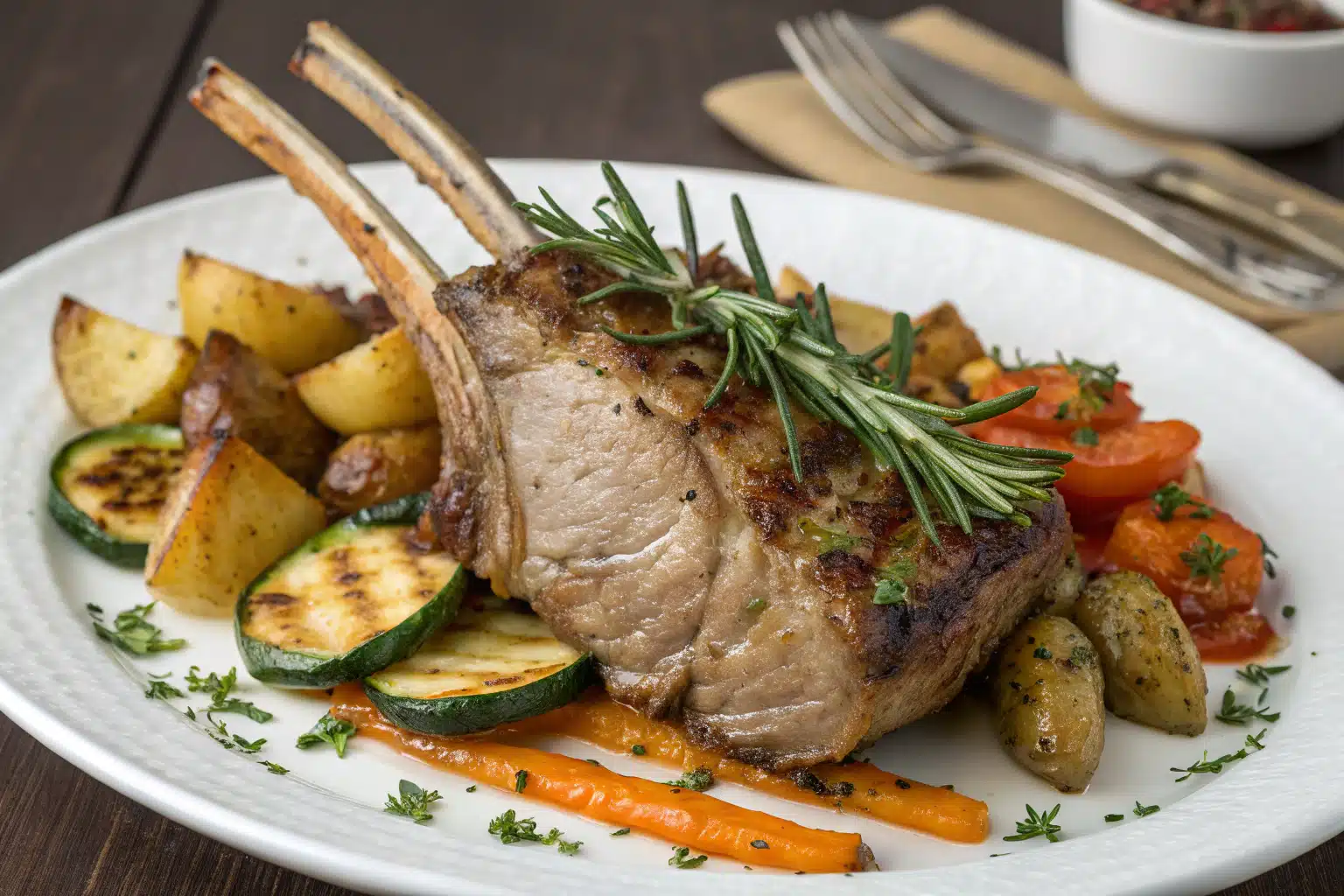
Mediterranean Roasted Lamb: Tender, Flavorful, and Perfect for Any Occasion
Introduction: The Art of Mediterranean Lamb Roasting
Embracing the Rich Mediterranean Tradition
Mediterranean roasted lamb stands as one of the most celebrated culinary treasures from the coastal regions of Greece, Italy, and beyond. This magnificent dish combines tender lamb with aromatic herbs and bright citrus flavors to create a meal that’s both rustic and sophisticated. The tradition of roasting lamb in Mediterranean countries stretches back centuries, where it became the centerpiece of family gatherings, religious celebrations, and festive occasions. Today, Mediterranean roasted lamb continues to captivate food enthusiasts worldwide with its remarkable depth of flavor and impressive presentation.
Why Mediterranean Roasted Lamb Remains a Culinary Favorite
What makes Mediterranean roasted lamb truly special is its perfect balance of flavors. The natural sweetness of the lamb pairs beautifully with garlic, rosemary, oregano, and lemon—all signature ingredients in Mediterranean cooking. Furthermore, the slow-roasting method used in authentic Mediterranean roasted lamb recipes ensures the meat becomes exceptionally tender while developing a caramelized exterior. “Looking for inspiration? Try our Lamb Steaks with Mushrooms for another delicious lamb preparation.” Whether you’re hosting a special dinner party or creating a memorable Sunday family meal, this dish promises to impress with its incredible aroma and mouthwatering taste.
Ingredients: The Foundation of Perfect Mediterranean Roasted Lamb
Premium Lamb Cuts and Aromatic Herbs
The secret to extraordinary Mediterranean roasted lamb begins with selecting quality ingredients. The combination of boneless lamb leg and stew meat provides textural contrast and depth of flavor that makes this dish truly special. The herbs and aromatics work together to create that distinctive Mediterranean profile that transports you directly to sun-drenched coastal villages.
| Main Ingredients | Aromatics & Herbs | Liquids & Oils |
|---|---|---|
| 4 lb boneless lamb stew meat | 1-2 whole garlic bulbs | 6 tablespoons olive oil |
| 3 lb boneless lamb leg, trimmed | 12 whole black peppercorns | Juice of 3 lemons |
| 6 baby onions, peeled | 6 bay leaves | 5 cups vegetable broth |
| 12 oz mushrooms, halved or sliced | 2 rosemary sprigs | Salt, to taste |
| 1 tablespoon dried oregano | Freshly ground black pepper, to taste |
The Role of Each Ingredient in Mediterranean Roasted Lamb
Every component in Mediterranean roasted lamb serves a specific purpose. The olive oil helps tenderize the meat while carrying the aromatic flavors deep into the fibers. Garlic adds pungent notes that mellow beautifully during roasting. Lemon brightens the rich meat with its acidity, while rosemary and oregano contribute their signature resinous, herbaceous character. The combination of vegetable broth with the natural juices from the lamb creates an incredible sauce that forms during cooking. The mushrooms absorb all these flavors, becoming delectable morsels that complement the tender lamb perfectly. Together, these ingredients create the symphony of flavors that defines authentic Mediterranean roasted lamb.

Step-by-Step: Creating Your Mediterranean Roasted Lamb Masterpiece
Preparing and Marinating the Lamb
The journey to perfect Mediterranean roasted lamb begins with a flavorful marinade that infuses the meat with incredible depth and complexity. Follow these steps for marinade success:
In a large bowl, combine 3 tablespoons olive oil, 6 crushed garlic cloves from the garlic bulbs, black peppercorns, bay leaves, juice of 1 lemon, and 1 sprig of rosemary. Mix well to create a fragrant marinade.
Place both the boneless lamb leg and stew meat in the bowl and use your hands to thoroughly coat all pieces with the marinade, massaging it into the meat to ensure maximum flavor penetration.
Cover the bowl tightly with plastic wrap or transfer to a large resealable bag. Refrigerate for at least 3 hours, though overnight marination (8-12 hours) will yield even more flavorful Mediterranean roasted lamb.
About 30 minutes before cooking, remove the marinated lamb from the refrigerator and allow it to come to room temperature. This ensures more even cooking and better browning.
The Roasting Process for Perfect Mediterranean Roasted Lamb
Proper roasting is essential for achieving that signature Mediterranean roasted lamb texture—tender, juicy, and full of flavor:
Preheat your oven to 425°F (220°C). This initial high temperature will help sear the exterior of the lamb, locking in juices and creating wonderful caramelization.
Transfer the marinated lamb to a large roasting pan. Add the baby onions, remaining garlic cloves (whole or lightly crushed), remaining 3 tablespoons olive oil, juice and peels from the remaining 2 lemons, vegetable broth, dried oregano, remaining rosemary sprig, and the mushrooms.
Just before placing the pan in the oven, season the lamb generously with salt. “Check out our Greek Lamb Orzo Stew for another delicious Mediterranean lamb option.”
After 15 minutes at the high temperature, lower the oven to 340°F (170°C) and continue roasting uncovered for approximately 3 hours. This slow-cooking approach allows the Mediterranean roasted lamb to become incredibly tender while the flavors meld together beautifully.
Finishing Touches for Mediterranean Roasted Lamb
The final steps ensure your Mediterranean roasted lamb reaches its full potential:
Test for doneness by inserting a fork into the thickest part of the lamb—it should slide in easily and the meat should be ready to fall apart. If needed, continue cooking for an additional 15-30 minutes.
Once done, remove the roasting pan from the oven and allow the Mediterranean roasted lamb to rest for 30 minutes before serving. This crucial step allows the juices to redistribute throughout the meat, ensuring maximum tenderness and flavor.
For service, you may choose to slice the lamb leg and portion the stew meat, or for a more rustic presentation, shred the meat directly in the pan, allowing it to mingle with the delicious sauce that has developed during cooking.
Tips: Secrets to Exceptional Mediterranean Roasted Lamb
Selecting the Perfect Cuts for Mediterranean Roasted Lamb
The foundation of outstanding Mediterranean roasted lamb begins with selecting the right cuts of meat. Here are expert recommendations:
Boneless lamb leg is ideal for Mediterranean roasted lamb because it offers consistent texture and wonderful flavor. When selecting a lamb leg, look for meat with a bright pink color and modest marbling—this ensures juiciness without excessive fattiness. For the stew meat component, shoulder cuts work exceptionally well as they become particularly tender during slow roasting. If possible, source lamb from grass-fed animals for the most authentic Mediterranean flavor profile. When trimming the lamb, leave a thin layer of fat to baste the meat naturally during cooking, contributing to that melt-in-your-mouth quality that defines perfect Mediterranean roasted lamb.
Herb and Spice Combinations for Authentic Flavor
The aromatic profile of Mediterranean roasted lamb comes from its carefully selected herbs and spices:
Rosemary and oregano form the backbone of traditional Mediterranean roasted lamb seasoning, but don’t stop there. Consider incorporating thyme or mint for additional aromatic complexity. Fresh herbs will provide brighter flavors, while dried herbs offer more concentrated notes. For maximum impact, use both—dried herbs in the marinade and fresh herbs added during the final hour of roasting. The black peppercorns should be left whole for a gentler, more aromatic heat that develops during the long cooking process. For a regional variation, consider adding a pinch of cinnamon or allspice, which are often used in Greek and Middle Eastern preparations of Mediterranean roasted lamb.
“Want more ideas? Check out our Greek Lamb Meatballs for another take on Mediterranean lamb flavors.”
Temperature Control for Perfect Tenderness
Mastering the cooking temperature is essential for creating the most tender Mediterranean roasted lamb:
The two-temperature approach—starting hot then reducing to a gentle roast—is key to perfect Mediterranean roasted lamb. The initial high heat (425°F/220°C) creates a flavorful crust through the Maillard reaction, sealing in juices. The subsequent lower temperature (340°F/170°C) allows the connective tissues in the lamb to break down slowly, resulting in that signature fall-apart tenderness.
Using a meat thermometer can be helpful for larger cuts—aim for an internal temperature of 145°F (63°C) for medium-rare or 160°F (71°C) for medium. Remember that the temperature will continue to rise about 5-10 degrees during the resting period. For maximum juiciness, resist the temptation to cut into the Mediterranean roasted lamb immediately after removing it from the oven; the 30-minute rest is non-negotiable for truly exceptional results.
Storage: Enjoying Mediterranean Roasted Lamb Beyond the First Meal
Proper Cooling and Refrigeration
One of the many benefits of Mediterranean roasted lamb is how well it keeps, often tasting even better the next day as the flavors continue to develop:
After enjoying your initial serving, allow any remaining Mediterranean roasted lamb to cool to room temperature, but don’t leave it out for more than two hours. Separate the meat from the vegetables and sauce for more storage flexibility. Store the cooled lamb and accompaniments in airtight containers in the refrigerator, where they’ll keep beautifully for up to 4 days. The sauce should be stored separately in a jar or container with a tight-fitting lid. For easier reheating, consider slicing or shredding all the remaining lamb before refrigerating it. Label your containers with the date to keep track of freshness—though it’s unlikely your delicious Mediterranean roasted lamb will remain uneaten for long!
Freezing Techniques for Mediterranean Roasted Lamb
Mediterranean roasted lamb freezes exceptionally well, making it perfect for meal prep and future enjoyment:
For longer-term storage, Mediterranean roasted lamb can be frozen for up to 3 months without significant loss of quality. For best results, cool the lamb completely before freezing. Portion the meat in meal-sized servings using freezer-safe containers or vacuum-sealed bags to prevent freezer burn. The sauce can be frozen separately in ice cube trays, then transferred to freezer bags once solid—this allows you to thaw exactly the amount of sauce you need. When freezing the vegetables, keep in mind that mushrooms and onions may change slightly in texture after freezing, but their flavor will remain excellent. Label each package with the contents and date, and consider including reheating instructions for convenience.
Reheating Methods While Preserving Moisture
Proper reheating is crucial to maintain the tenderness and flavor of Mediterranean roasted lamb:
To reheat refrigerated Mediterranean roasted lamb, the oven method produces the best results. Place the lamb and sauce in an oven-safe dish, cover with foil, and warm at 325°F (165°C) for 15-20 minutes until heated through. Adding a few tablespoons of broth before covering will create steam that helps keep the meat moist. For quicker results, microwave portions on 70% power with a splash of broth, checking and stirring every 30 seconds to prevent overheating. “Discover great ideas like our Mushroom Roast Lamb for another take on this classic dish.” When reheating frozen Mediterranean roasted lamb, thaw it overnight in the refrigerator first for the best texture. The key to successfully reheating this dish is patience and gentle heat—rushing the process with high temperatures will dry out the previously tender meat.
Variations: Creative Twists on Mediterranean Roasted Lamb
Regional Mediterranean Influences
Mediterranean roasted lamb offers wonderful opportunities for regional variations that showcase the diverse culinary traditions of the Mediterranean basin:
Greek-Style Mediterranean Roasted Lamb incorporates more lemon, oregano, and garlic, often with the addition of olive-oil roasted potatoes in the same pan. For an Italian twist, add fennel seeds, red wine instead of some of the broth, and serve with creamy polenta instead of traditional sides. A Moroccan-inspired variation might include warm spices like cumin, coriander, and cinnamon, with dried fruits added during the last hour of cooking for a sweet-savory contrast. Spanish Mediterranean roasted lamb often features smoked paprika (pimentón), sherry vinegar, and sometimes a touch of honey for depth and balance. Each regional variation maintains the soul of Mediterranean roasted lamb while celebrating local flavor traditions.
Seasonal Adaptations and Accompaniments
Adapt your Mediterranean roasted lamb to showcase the best of each season’s produce:
In spring, highlight the season’s first vegetables by adding fresh peas, tender young carrots, and early asparagus during the final 30 minutes of cooking. Summer Mediterranean roasted lamb can incorporate ripe cherry tomatoes, zucchini, and fresh herbs like basil and mint. For fall, consider adding cubes of butternut squash, fresh figs (if available), and heartier herbs like sage to your Mediterranean roasted lamb. Winter versions benefit from root vegetables like parsnips and turnips, which become wonderfully sweet during the long roasting process. Regardless of season, consider serving Mediterranean roasted lamb with an appropriate grain—from spring farro salads to winter barley risottos—to complete the meal.
Dietary Modifications Without Compromising Flavor
Mediterranean roasted lamb can be adapted for various dietary needs while maintaining its essential character:
For lower-fat versions of Mediterranean roasted lamb, trim visible fat more aggressively and reduce olive oil to 4 tablespoons total. After cooking, refrigerate the sauce until fat solidifies on top, then remove it before reheating. Those seeking to reduce sodium can omit the added salt and use low-sodium vegetable broth, relying on herbs and lemon for flavor. Mediterranean roasted lamb works wonderfully with alternative cooking methods, too—a pressure cooker can create tender results in about 60 minutes, while a slow cooker on low for 8 hours yields exceptional tenderness (though you’ll miss some of the caramelization).
“Don’t miss our Osso Buco with Mushrooms for another slow-cooked Mediterranean favorite.” For dairy-free entertaining, this dish is naturally accommodating and satisfying without any modifications.
Serving: Presenting Your Mediterranean Roasted Lamb
Traditional Mediterranean Accompaniments
The proper accompaniments elevate Mediterranean roasted lamb from excellent to extraordinary:
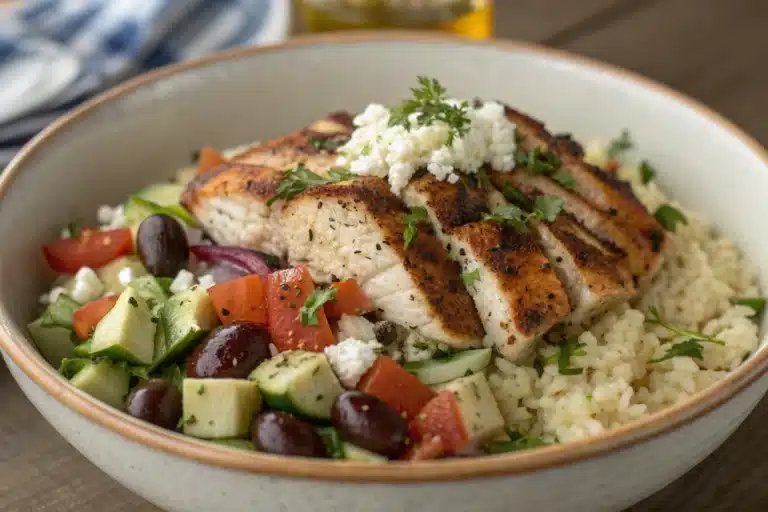
Creamy mashed potatoes make a perfect bed for Mediterranean roasted lamb, soaking up the flavorful sauce. Traditional Greek-style roasted potatoes with lemon and oregano offer a more authentic pairing. Mediterranean roasted lamb also pairs beautifully with fluffy couscous or orzo pasta, which absorbs the rich sauce wonderfully. A simple Greek salad with tomatoes, cucumbers, red onions, feta cheese, and kalamata olives provides a fresh, bright counterpoint to the rich lamb. For bread, nothing beats warm pita or a crusty country loaf for scooping up every last bit of the delicious sauce. Consider serving olives, stuffed grape leaves, or hummus as appetizers to set the Mediterranean theme from the start of your meal.
Wine Pairings and Complementary Beverages
The right beverage pairing can enhance the flavors of Mediterranean roasted lamb significantly:
For non-alcoholic options, try sparkling water infused with lemon and mint, which cleanses the palate between bites. Traditional Mediterranean beverages like pomegranate juice or a yogurt drink with mint complement the flavors of the lamb beautifully. Iced mint tea makes a refreshing accompaniment, especially for summer meals. For special occasions, a festive rose water lemonade offers both refreshment and elegance.
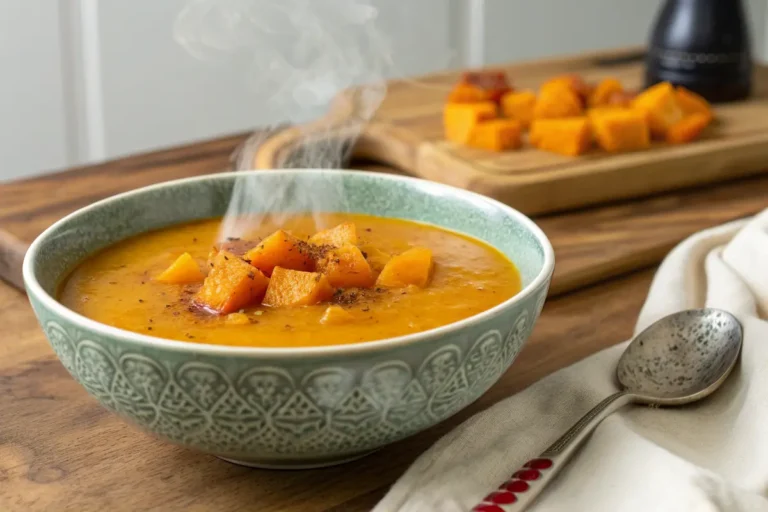
“Here’s your guide to Roasted Vegetable Tomato Soup which makes a lovely starter before serving Mediterranean roasted lamb.”
Presentation Ideas for Maximum Impact
How you present Mediterranean roasted lamb can transform the dining experience:
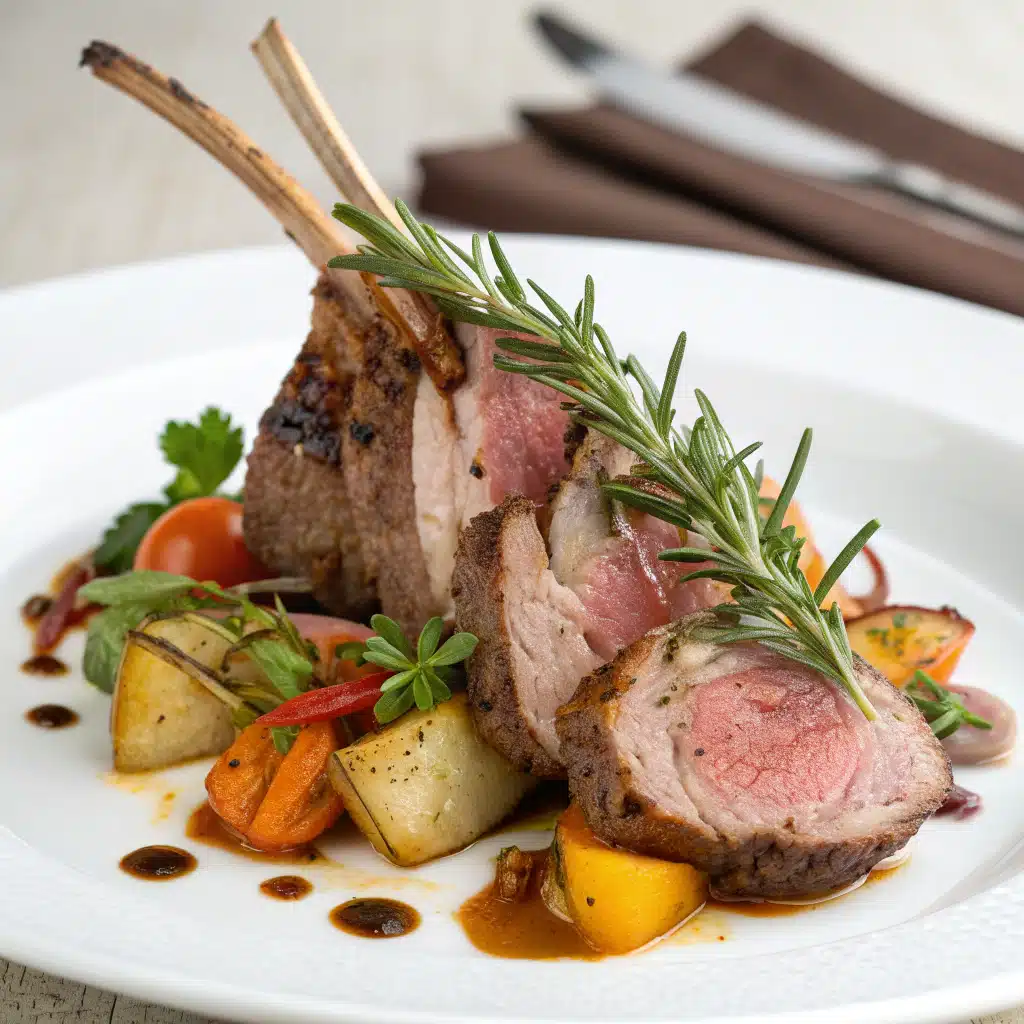
Serve the Mediterranean roasted lamb family-style in its roasting dish for a rustic, convivial presentation, bringing the pan directly to the table on a heatproof trivet. For a more formal presentation, arrange sliced lamb on a platter surrounded by the roasted vegetables and drizzled with the strained sauce. Garnish with fresh herbs and lemon wedges for color and aroma. Consider a layered presentation by placing the lamb over a bed of grains or mashed potatoes, then surrounding with roasted vegetables. Warm your serving plates in the oven (while the lamb rests) for a restaurant-quality touch that keeps the food at perfect temperature. Finally, include small bowls of additional sauce on the table, allowing guests to add more of the flavorful liquid as desired.
FAQs: Everything You Need to Know About Mediterranean Roasted Lamb
What cut of lamb is best for Mediterranean roasted lamb?
For the most authentic and delicious Mediterranean roasted lamb, boneless leg of lamb is considered the gold standard. It offers the perfect balance of tenderness and flavor while remaining relatively lean. The addition of lamb stew meat (typically from the shoulder) in this recipe provides textural contrast and deeper flavor. If boneless leg isn’t available, bone-in leg works beautifully—just increase the cooking time by approximately 30 minutes. For smaller gatherings, lamb shoulder alone makes an excellent alternative, as its higher fat content results in extremely tender meat after slow roasting.
What herbs are commonly used in Mediterranean lamb recipes?
The classic herb combination for Mediterranean roasted lamb includes rosemary, oregano, thyme, and bay leaves. Rosemary’s piney aroma perfectly complements lamb’s natural flavor, while oregano provides that signature Mediterranean character. Fresh mint is also traditional in Greek-style preparations, typically added just before serving for brightness. Parsley works well as both a cooking ingredient and fresh garnish. In more eastern Mediterranean versions, you might find additions like marjoram, sage, or even za’atar spice blend, which includes dried thyme, oregano, and sesame seeds.
How long should lamb roast for tender results?
For perfectly tender Mediterranean roasted lamb, the roasting time depends on both the cut and your desired doneness. This recipe’s approach—starting at 425°F then reducing to 340°F for about 3 hours—yields extremely tender, fall-apart meat. A good rule of thumb for large cuts like leg or shoulder is approximately 25 minutes per pound at 325°F for medium doneness, but the slow-roast method in this recipe intentionally extends that time to break down connective tissues more thoroughly. Using a meat thermometer provides precision: 145°F for medium-rare, 160°F for medium, and 170°F for well-done.
Can Mediterranean roasted lamb be cooked ahead of time?
Mediterranean roasted lamb is an excellent make-ahead dish, often tasting even better the next day as the flavors continue to meld. Prepare the entire dish up to two days in advance, then refrigerate after cooling. To serve, gently reheat in a 325°F oven, covered with foil, until warmed through (approximately 30 minutes). For best results, slice the lamb after reheating rather than before storing. Alternatively, you can marinate the lamb up to 24 hours ahead of time, then proceed with roasting on the day of serving.
What vegetables pair well with roasted lamb?
Mediterranean roasted lamb pairs beautifully with a variety of vegetables. This recipe incorporates mushrooms and baby onions, which absorb the flavorful juices during roasting. Other excellent options include bell peppers, eggplant, zucchini, artichokes, and cherry tomatoes—all Mediterranean staples. Root vegetables like potatoes, carrots, and parsnips roast to sweet perfection alongside the lamb. For a complete one-pan meal, consider adding halved fingerling potatoes, carrots, and fennel bulb to the roasting pan. Green vegetables like asparagus or broccolini are best added during the final 20-30 minutes of cooking.
How do you keep lamb juicy while roasting?
To ensure your Mediterranean roasted lamb remains juicy, several techniques are essential. First, marinating the meat infuses flavor while beginning the tenderizing process. Using a combination of olive oil and broth creates a moist roasting environment. Keeping some fat on the lamb provides natural basting as it renders. The initial high-temperature sear followed by slow roasting at a moderate temperature prevents moisture loss. Roasting the lamb with the liquid ingredients creates steam that helps maintain juiciness. Perhaps most importantly, allowing the meat to rest for 30 minutes after roasting permits the juices to redistribute throughout the meat instead of running out when cut.
Conclusion: Mastering the Art of Mediterranean Roasted Lamb
The Timeless Appeal of Mediterranean Roasted Lamb
Mediterranean roasted lamb stands as a testament to the timeless wisdom of regional cooking traditions. This dish exemplifies how simple, quality ingredients combined with patient cooking techniques can create something truly extraordinary. The tender, aromatic meat paired with vegetables that have soaked up the flavorful juices represents Mediterranean cuisine at its finest—unfussy yet sophisticated, rustic yet elegant. Whether you’re preparing it for a special occasion or a memorable family dinner, Mediterranean roasted lamb brings people together around the table in celebration of good food and shared traditions.
“Learn more about French Onion Chuck Roast for another slow-roasted meat option.”
Beyond the Recipe: Embracing Mediterranean Cooking Principles
The principles that make Mediterranean roasted lamb so special extend beyond this single recipe. The Mediterranean approach to cooking—focusing on quality ingredients, balanced flavors, and techniques that bring out the best in each component—can enhance all your culinary endeavors. The patience required for slow-roasting rewards you with depth of flavor that cannot be rushed.
The harmonious combination of herbs, acid from lemons, sweetness from onions, and umami from mushrooms demonstrates how complex flavors can develop from relatively simple ingredients. As you master Mediterranean roasted lamb, you’ll find yourself applying these same principles to other dishes, elevating your entire culinary repertoire. This dish isn’t just a recipe; it’s an education in what makes Mediterranean cuisine so beloved worldwide.
PrintMediterranean Roasted Lamb
Tender, aromatic lamb slow-roasted with garlic, herbs, mushrooms, and lemon for an authentic Mediterranean feast.
- Prep Time: 30 minutes
- Cook Time: 3 hours 15 minutes
- Total Time: 3 hours 45 minutes
- Yield: 8 1x
- Category: Main Course
- Cuisine: Mediterranean
Ingredients
- 4 lb boneless lamb stew meat
- 3 lb boneless lamb leg, trimmed
- 6 tablespoons olive oil
- 1–2 whole garlic bulbs
- 12 whole black peppercorns
- 6 bay leaves
- 3 lemons
- 2 rosemary sprigs
- 6 baby onions, peeled
- 12 oz mushrooms, halved or sliced
- 5 cups vegetable broth
- 1 tablespoon dried oregano
- Salt, to taste
- Freshly ground black pepper, to taste
Instructions
- Combine 3 tablespoons olive oil, 6 crushed garlic cloves, peppercorns, bay leaves, juice of 1 lemon, and 1 rosemary sprig in a bowl.
- Coat lamb thoroughly with marinade, cover, and refrigerate 3 hours or overnight.
- Preheat oven to 425°F.
- Place marinated lamb in roasting pan. Add onions, remaining garlic, olive oil, lemon juice and peels, broth, oregano, rosemary, mushrooms, and pepper.
- Season with salt just before roasting.
- Lower oven temperature to 340°F after 15 minutes.
- Roast uncovered for 3 hours until lamb is very tender.
- Rest lamb 30 minutes before serving.
- Serve with vegetables and sauce from the pan.
Notes
For maximum flavor, marinate the lamb overnight. The longer cooking time ensures incredibly tender meat. Nutrition facts are estimates and may vary based on ingredients used, portion sizes, and preparation methods.
Nutrition
- Serving Size: 8
- Calories: 580 Kcal
- Sugar: 2g
- Sodium: 410mg
- Fat: 32g
- Saturated Fat: 12g
- Carbohydrates: 8g
- Fiber: 1g
- Protein: 62g
- Cholesterol: 185mg
Keywords: Mediterranean lamb, roasted lamb, Greek lamb, lemon garlic lamb, slow roasted lamb
Let’s connect! Follow me for more Joylicious Recipes: Facebook, Instagram, Pinterest