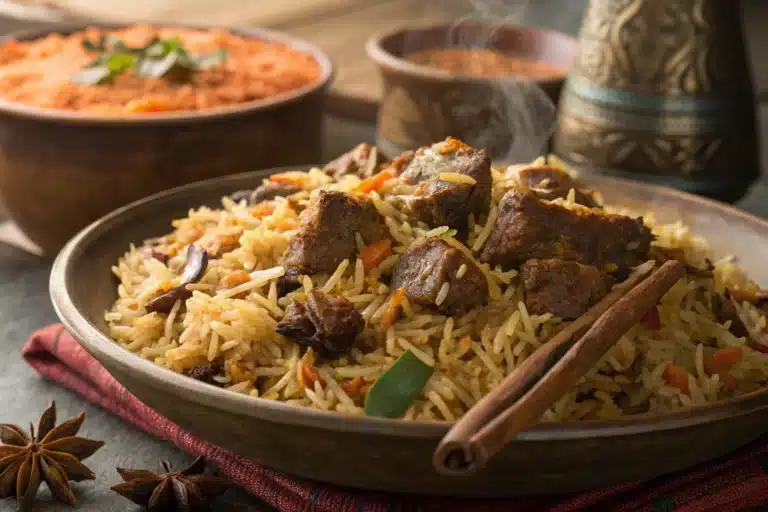
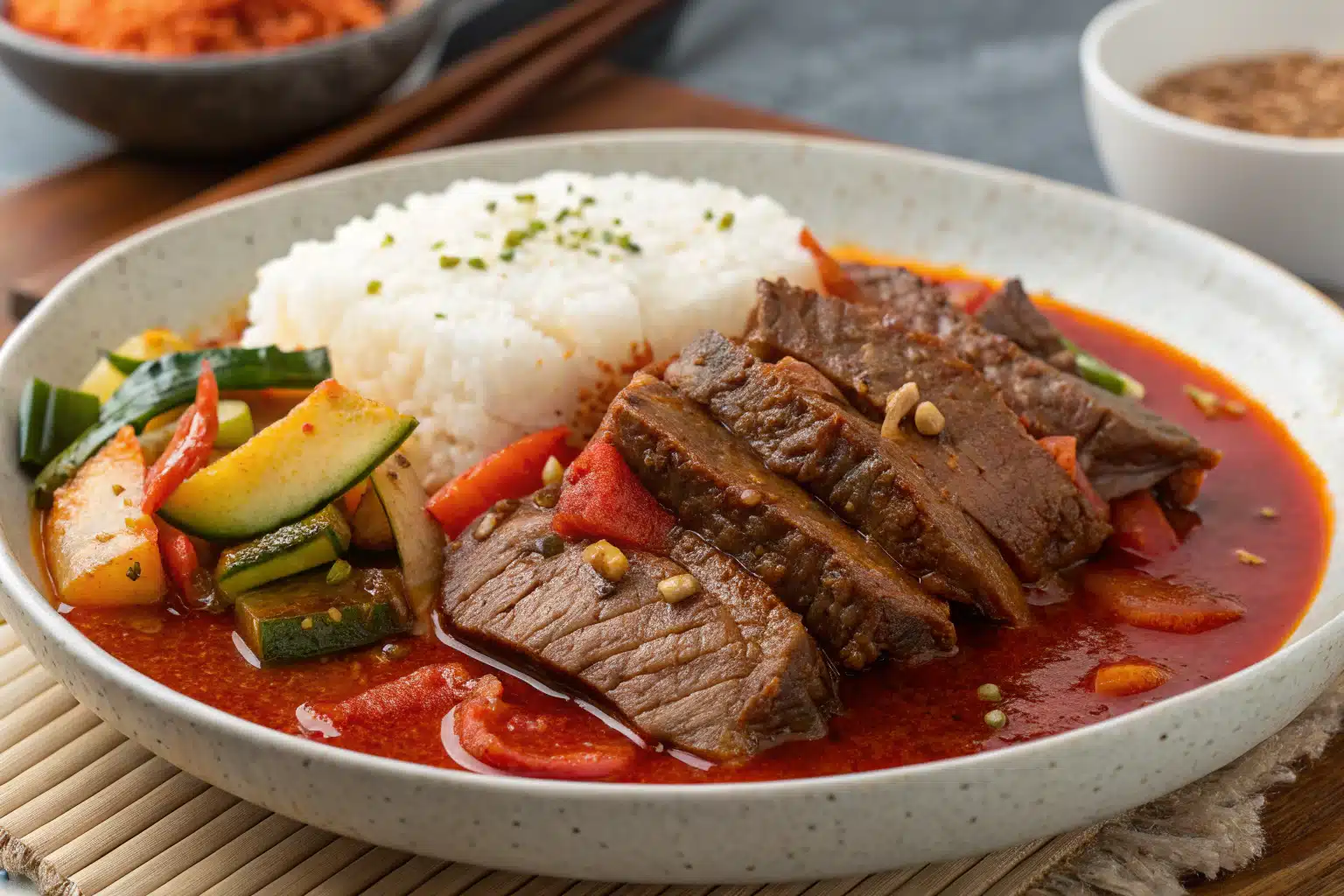
Ultimate Gochujang Braised Beef: Korean-Inspired Comfort Food
Discovering the Rich Flavors of Gochujang Braised Beef
Gochujang braised beef combines the savory depth of tender beef with the complex heat of Korean chili paste for an unforgettable meal that’s both comforting and exciting. This slow-cooked masterpiece transforms humble chuck roast into something extraordinary through the magic of low, slow cooking and bold Asian flavors. The resulting dish features melt-in-your-mouth beef bathed in a sauce that perfectly balances sweet, spicy, and umami notes—creating a crave-worthy dinner that will quickly become a family favorite.
Why You’ll Love This Gochujang Braised Beef Recipe
Gochujang braised beef delivers remarkable flavor with minimal effort. The robust taste profile combines the fermented complexity of gochujang with tender beef that practically falls apart at the touch of your fork. Plus, this dish makes your kitchen smell amazing as it slowly cooks to perfection. “Check out our beef rolls for another delicious beef recipe that’s perfect for entertaining.” While the beef braises, you’ll have plenty of time to prepare simple side dishes or just relax until dinner is ready.
Essential Ingredients for Perfect Gochujang Braised Beef
The Key Components
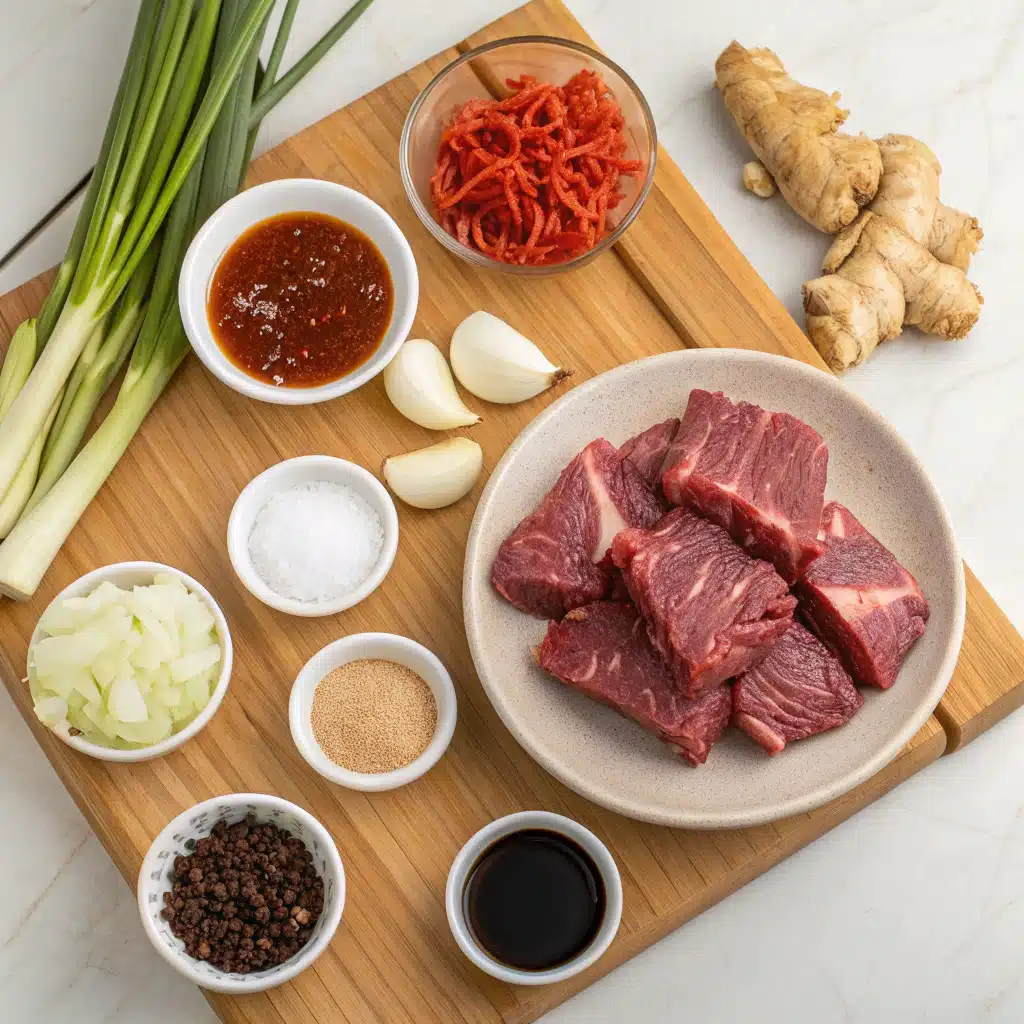
Gochujang braised beef relies on a few essential ingredients that work together to create its distinctive flavor profile. Each component plays a crucial role in developing the rich, complex taste that makes this dish so special.
| Ingredient | Amount | Notes |
|---|---|---|
| Chuck roast | 4-5 lbs, cut into 3-inch pieces | The ideal cut for braising |
| Kosher salt | 1 tbsp | For seasoning the meat |
| Vegetable oil | 1 tbsp | For browning the beef |
| Sweet onion | 1, thinly sliced | Adds natural sweetness |
| Mushrooms | 8 oz, sliced | Creates depth of flavor |
| Garlic cloves | 6, finely chopped | Aromatic base |
| Fresh ginger | 1 tbsp, grated | Adds warmth and zing |
| Gochujang paste | 2 tbsp | The star ingredient |
| Brown sugar | 1/4 cup | Balances the heat |
| Soy sauce/tamari | 1/2 cup (low sodium) | Provides umami flavor |
| Beef broth | 2 cups | Creates the braising liquid |
| Cooked rice | For serving | Perfect for soaking up sauce |
| Fresh cilantro | For serving | Adds brightness |
| Kimchi | Optional | For authentic Korean flavor |
Understanding Gochujang: The Heart of the Dish
Gochujang is the vital ingredient that gives this braised beef its distinctive character. This fermented Korean chili paste brings a complex blend of spicy, sweet, and savory notes that ordinary hot sauce simply can’t match. The paste is traditionally made from red chili powder, glutinous rice, fermented soybeans, and salt, which develop deep umami flavors during fermentation. “Looking for inspiration? Try our gochujang chicken sheet pan recipe for another delicious way to use this versatile ingredient.”
Step-by-Step Guide to Making Gochujang Braised Beef
Preparation and Browning
Preheat your oven to 350°F and position a rack in the lower third of the oven.
Thoroughly pat the beef chunks dry with paper towels, then season all sides evenly with the kosher salt. Proper drying ensures good browning, which is essential for developing flavor.
Heat the vegetable oil in a large Dutch oven over medium-high heat until it shimmers. Working in batches to avoid overcrowding, add the beef pieces and brown them thoroughly on all sides, approximately 3-4 minutes per side. Once browned, transfer the beef to a plate and set aside.
Reduce the heat to medium, then add the sliced onion and mushrooms to the same pot. Cook for 4-6 minutes, stirring occasionally, until they begin to soften and release their moisture. The mushrooms will add tremendous depth of flavor to the final dish.
Creating the Flavorful Braising Liquid
Add the minced garlic and freshly grated ginger to the pot, stirring continuously for about 1 minute until fragrant. If you notice the bottom of the pot becoming too dark, add about 1/4 cup of the beef broth to deglaze, scraping up all those delicious browned bits.
Stir in the gochujang paste, brown sugar, and soy sauce, mixing thoroughly until completely combined. This creates the base of your braising liquid, with each ingredient contributing essential flavor elements.
Return the browned beef and any accumulated juices to the pot. Pour in the remaining beef broth and bring the mixture to a gentle simmer. Allow it to reduce slightly for about 5 minutes, which will concentrate the flavors.
Cover the Dutch oven with a tight-fitting lid and transfer it to the preheated oven. Bake for approximately 2 hours, or until the beef becomes incredibly tender and easily shreds when tested with a fork.
Expert Tips for Exceptional Gochujang Braised Beef
Choosing the Right Cut of Beef
The best gochujang braised beef starts with the right cut. Chuck roast is ideal because it contains sufficient marbling and connective tissue that breaks down during slow cooking, resulting in tender, flavorful meat. If chuck isn’t available, other good options include beef brisket or short ribs, though cooking times may need slight adjustment. The key is choosing a cut with enough fat and collagen to withstand prolonged cooking while becoming tender rather than tough.
Balancing Heat and Sweetness
Gochujang braised beef should offer complex flavor rather than overwhelming spiciness. The relationship between the gochujang and brown sugar is crucial for achieving this balance. If you’re sensitive to heat, start with just 1 tablespoon of gochujang and increase to taste. Conversely, if you love spicy food, you can add up to 3 tablespoons. The brown sugar not only counteracts heat but also enhances the caramelization of the sauce during braising.
“Here’s your guide to chile beef with mushrooms for another spicy beef option you might enjoy.”
Perfecting the Braising Technique
Successful braising requires patience and attention to detail. First, don’t rush the browning process—it’s essential for developing flavor. Second, maintain a gentle simmer rather than a rolling boil during the stovetop phase. Finally, check for doneness by attempting to shred a piece of beef with two forks; it should yield easily with minimal resistance. If the meat isn’t tender enough after the initial cooking time, return it to the oven for additional 15-30 minute increments until it reaches the perfect consistency.
Storing and Enjoying Leftover Gochujang Braised Beef
Refrigeration and Reheating Methods
Gochujang braised beef actually improves in flavor after a day in the refrigerator, making it perfect for meal prep. To store properly, allow the beef to cool completely before transferring it to airtight containers. It will keep safely in the refrigerator for up to 4 days. When reheating, the best method is to warm it slowly in a covered pot on the stovetop over medium-low heat, adding a small amount of beef broth or water if the sauce has thickened too much. Alternatively, you can reheat individual portions in the microwave in 1-minute intervals, stirring between each until heated through.
Freezing for Future Meals
Gochujang braised beef freezes exceptionally well, making it a fantastic option for batch cooking. Once completely cooled, portion the beef and sauce into freezer-safe containers or heavy-duty freezer bags, removing as much air as possible. Be sure to label with the date and contents. “Want more ideas? Check out our coffee braised short ribs for another freezer-friendly beef recipe.” The braised beef will maintain optimal quality for up to 3 months in the freezer. To thaw, transfer to the refrigerator for 24 hours before reheating using the methods described above.
Making the Most of Leftovers
Leftover gochujang braised beef is incredibly versatile and can be transformed into entirely new meals. Try shredding it for Korean-inspired tacos topped with quick-pickled vegetables and a squeeze of lime. Alternatively, serve it over steamed rice with a fried egg on top for a hearty breakfast or brunch. You can also use it as a filling for savory hand pies or empanadas, or toss it with cooked noodles and extra sauce for a satisfying pasta dish. This adaptability makes it worth making a full batch even for smaller households.
Delicious Variations on Gochujang Braised Beef
Slow Cooker Adaptation
Gochujang braised beef adapts beautifully to slow cooker preparation, perfect for busy days when you can’t monitor the oven. Follow the same steps for browning the meat and creating the braising liquid, then transfer everything to your slow cooker instead of the Dutch oven. Cook on low for 7-8 hours or on high for 4-5 hours, until the beef is fork-tender. This method is particularly convenient during summer months when you’d rather not heat up the kitchen with the oven. The slower cooking time allows the flavors to develop even more deeply.
Vegetable Additions
While the basic recipe is delicious, you can enhance the nutritional value and flavor complexity of your gochujang braised beef by incorporating additional vegetables. Try adding sliced carrots, bell peppers, or baby bok choy during the last 30-45 minutes of cooking. For a heartier variation, include cubed sweet potatoes or butternut squash from the beginning of the braising time. These vegetables will absorb the flavorful sauce while adding color, texture, and nutrients to the finished dish.
“Discover great ideas like our mushroom chuck roast for more ways to incorporate vegetables into braised beef dishes.”
Flavor Boosters
Experienced cooks can experiment with additional flavor elements to create their own signature version of gochujang braised beef. Consider adding a tablespoon of sesame oil just before serving for nutty depth, or incorporate a splash of rice vinegar for brightness. For a more complex flavor profile, include a cinnamon stick, star anise, or a few dried shiitake mushrooms in the braising liquid. You might also try replacing part of the beef broth with coconut milk for a creamier, slightly sweeter result. Each of these modifications will take your gochujang braised beef in a slightly different—but equally delicious—direction.
Perfect Pairings for Serving Gochujang Braised Beef
Traditional Korean-Inspired Sides
Gochujang braised beef pairs beautifully with traditional Korean accompaniments that complement its rich, spicy flavors. Steamed white rice is the most classic option, providing a neutral base that soaks up the delicious sauce. Kimchi offers a contrasting tangy crunch and introduces beneficial probiotics to your meal. Other excellent traditional sides include quick cucumber pickles (oi muchim), seasoned spinach (sigeumchi namul), or Korean bean sprout salad (kongnamul muchim). These fresh, vibrant side dishes balance the richness of the braised beef and create an authentic Korean dining experience.
Modern Fusion Accompaniments
For a more contemporary presentation, gochujang braised beef works wonderfully with fusion-inspired sides. Consider serving it over creamy polenta or mashed potatoes instead of rice for an interesting textural contrast. A simple slaw made with Napa cabbage, carrots, and a rice vinegar dressing provides refreshing crunch. You might also pair it with roasted Brussels sprouts or cauliflower that can stand up to the robust flavors of the beef. For a complete meal with minimal additional effort, warm some crusty bread to soak up the delicious sauce.
“Don’t miss our beef and vegetable roast for more inspiration on complementary vegetables to serve with beef.”
Beverage Suggestions
The right beverage can elevate your gochujang braised beef experience. Traditional Korean barley tea (boricha) offers a roasted, slightly nutty flavor that pairs well with the spicy beef. For non-alcoholic options, try a cooling cucumber-mint infused water or fresh lemonade to balance the heat. Cold brew coffee surprisingly complements the deep, umami flavors in the dish. Sparkling water with a squeeze of lime provides effervescent refreshment that cleanses the palate between bites of the rich beef.
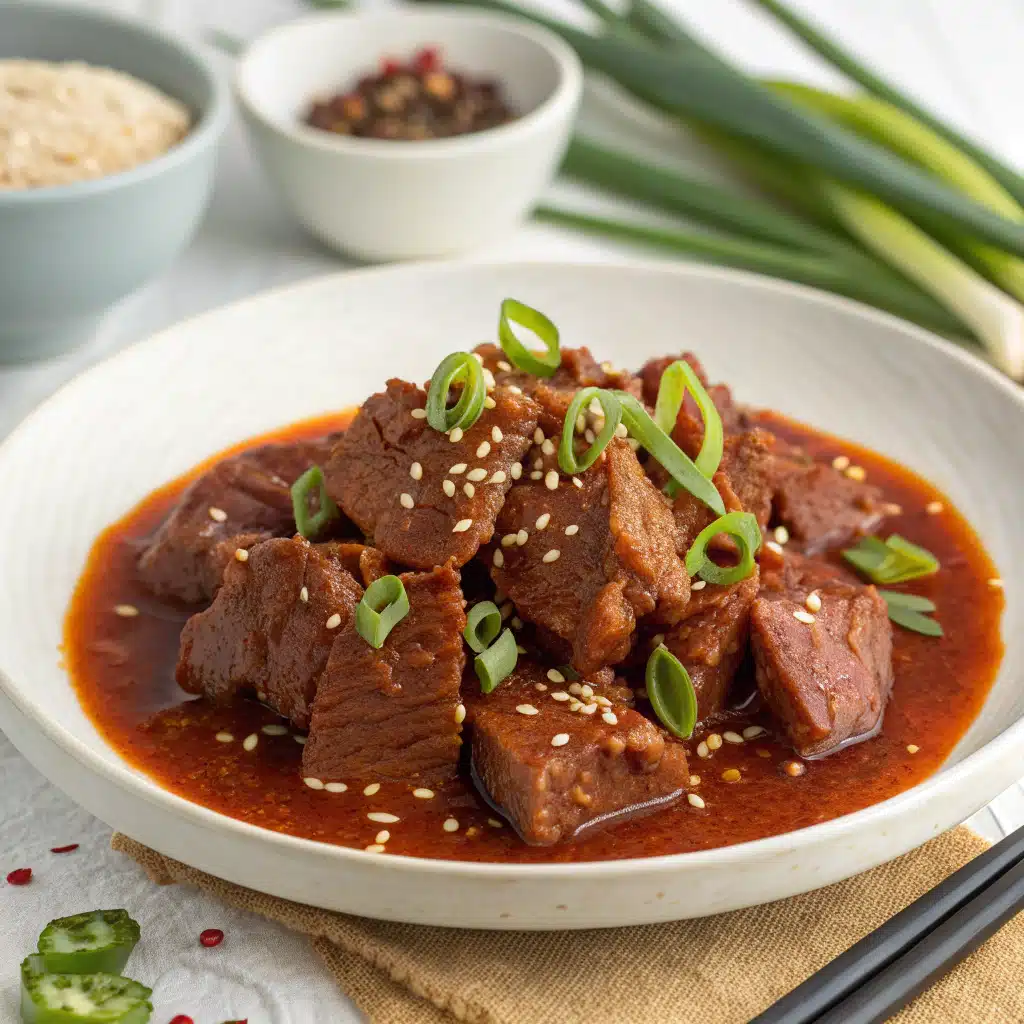
Frequently Asked Questions About Gochujang Braised Beef
What is gochujang and how spicy is it for braised beef?
Gochujang is a Korean fermented chili paste made from red chilies, glutinous rice, fermented soybeans, and salt. Its heat level typically ranges from medium to hot, depending on the brand. In braised beef, the spiciness becomes moderated by the other ingredients like brown sugar and beef broth, creating a complex heat rather than overwhelming spiciness. Most commercial gochujang available in American supermarkets is moderately spicy, but you can adjust the amount used according to your heat tolerance.
What cut of beef works best for gochujang braised beef?
Chuck roast is ideal for gochujang braised beef due to its perfect balance of fat, connective tissue, and flavor. These elements break down during slow cooking to create tender, succulent meat. Other excellent options include beef brisket, short ribs, or bottom round roast. The key is choosing a cut with sufficient marbling that benefits from long, slow cooking methods.
Can gochujang braised beef be made in a slow cooker?
Absolutely! Gochujang braised beef adapts perfectly to slow cooker preparation. Brown the meat and sauté the aromatics as directed in the recipe, then transfer everything to your slow cooker. Cook on low for 7-8 hours or on high for 4-5 hours until the beef is fork-tender. This method is particularly convenient for busy days.
How do you balance sweetness and heat in gochujang beef?
The balance between sweetness and heat in gochujang beef comes from the careful ratio of gochujang to brown sugar. For a milder dish, reduce the gochujang to 1 tablespoon and maintain the 1/4 cup of brown sugar. For spicier results, increase gochujang to 3 tablespoons. You can also add a tablespoon of honey or maple syrup for additional sweetness without altering the other flavors too dramatically.
What side dishes pair well with gochujang braised beef?
Traditional Korean accompaniments include steamed rice, kimchi, quick cucumber pickles, and seasoned spinach. For Western-inspired pairings, try mashed potatoes, creamy polenta, roasted vegetables, or a simple green salad with rice vinegar dressing. The rich, flavorful sauce also makes crusty bread an excellent accompaniment for sopping up every last bit.
Can leftover gochujang beef be frozen?
Yes, gochujang braised beef freezes excellently for up to 3 months. Cool the beef completely, then store in airtight containers or freezer bags with the sauce. Thaw overnight in the refrigerator before reheating gently on the stovetop or in the microwave. The flavors often deepen during freezing, making this dish perfect for make-ahead meals.
Conclusion: Mastering the Art of Gochujang Braised Beef
Bringing Korean Flavors to Your Kitchen
Gochujang braised beef represents the perfect fusion of traditional Korean flavors with comfortable, familiar Western braising techniques. By incorporating this versatile chili paste into your cooking repertoire, you open the door to a world of exciting new flavor combinations. This dish serves as an excellent introduction to Korean cuisine for those who might be unfamiliar with its distinctive tastes. The beauty of gochujang braised beef lies in its accessibility—using ingredients that are increasingly available in regular supermarkets—while delivering authentic, complex flavors that will expand your culinary horizons.
“Learn more about beef ragu with gnocchi for another globally-inspired beef dish to try.”
Why This Recipe Works Every Time
The success of gochujang braised beef relies on solid culinary principles that ensure great results. The initial browning of the meat develops deep flavor through the Maillard reaction. The slow braising process allows tough cuts to become remarkably tender. The balanced combination of sweet, savory, spicy, and umami elements creates a harmonious flavor profile that satisfies on multiple levels. Finally, the recipe’s forgiving nature means that even with slight variations in technique or timing, you’ll still achieve a delicious result. These fundamental cooking principles make gochujang braised beef not just a recipe to try once, but a technique to master and return to again and again as part of your regular cooking rotation.
PrintGochujang Braised Beef
Tender beef slowly cooked in a sweet and spicy Korean-inspired sauce that’s perfect served over rice.
- Prep Time: 20 minutes
- Cook Time: 2 hours 20 minutes
- Total Time: 2 hours 40 minutes
- Yield: 6 1x
- Category: Main Dish
- Cuisine: Korean-Inspired
Ingredients
- 4–5 lb chuck roast, cut into 3-inch pieces
- 1 tbsp kosher salt
- 1 tbsp vegetable oil
- 1 sweet onion, thinly sliced
- 8 oz mushrooms, sliced
- 6 garlic cloves, finely chopped
- 1 tbsp freshly grated ginger
- 2 tbsp gochujang paste
- ¼ cup brown sugar
- ½ cup low-sodium soy sauce or tamari
- 2 cups beef broth
- Cooked rice, for serving
- Fresh cilantro, for serving
- Kimchi, optional
Instructions
- Preheat oven to 350°F with rack in lower third. Pat beef dry and season with salt.
- Heat oil in Dutch oven over medium-high heat. Brown beef in batches and set aside.
- Reduce heat to medium. Cook onion and mushrooms for 4-6 minutes until softened. Add garlic and ginger, cooking 1 minute. If pot begins to brown too much, add ¼ cup broth.
- Stir in gochujang, brown sugar, and soy sauce until combined.
- Return beef and juices to pot. Add remaining broth and bring to simmer. Let reduce for 5 minutes.
- Cover and transfer to oven. Bake for 2 hours until beef is fork-tender.
- Serve over rice with cilantro and optional kimchi.
Notes
Nutrition facts are estimates and may vary based on ingredients used, portion sizes, and preparation methods.
Nutrition
- Serving Size: 6
- Calories: 485 Kcal
- Sugar: 12g
- Sodium: 1320mg
- Fat: 24g
- Saturated Fat: 9g
- Carbohydrates: 18g
- Fiber: 1g
- Protein: 51g
- Cholesterol: 145mg
Keywords: gochujang braised beef, Korean beef, braised chuck roast, spicy beef, Asian beef recipe
Let’s connect! Follow me for more Joylicious Recipes: Facebook, Instagram, Pinterest