Quick and Flavorful One Pan Simple Asian Shrimp Noodles
A Weeknight Dinner Game-Changer
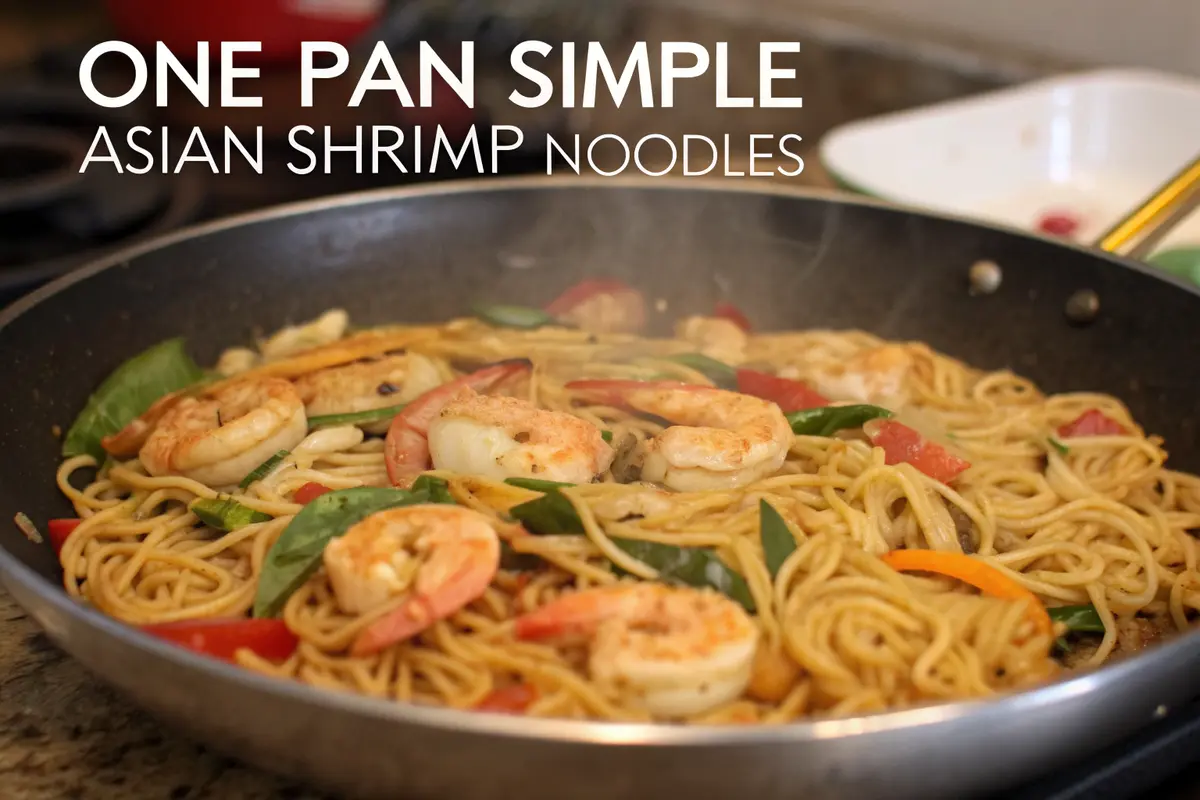
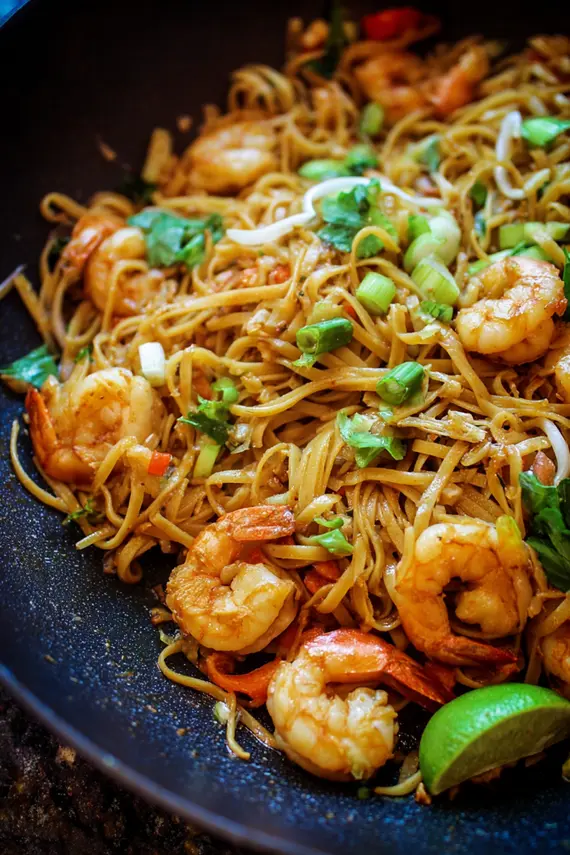
One pan simple Asian shrimp noodles combine succulent seafood, tender noodles, and aromatic Asian flavors in a single skillet for maximum convenience and minimal cleanup. This dish delivers the perfect balance of savory, slightly sweet, and umami flavors with a delightful contrast between the juicy shrimp and satisfying noodles. “The ditalini pasta recipe offers similar staged-cooking approaches to prevent burning while developing maximum flavor.” Whether you’re craving a quick lunch, easy weeknight dinner, or impressive yet effortless meal for guests, this versatile dish fits the bill perfectly.
This crowd-pleasing recipe works beautifully for casual family dinners around the kitchen table or elegant dinner parties where you want to impress without spending hours in the kitchen. Serve it as a complete meal on its own or pair it with simple vegetable sides for a more substantial feast that comes together in minutes rather than hours.
Essential Ingredients for Perfect Shrimp Noodle Harmony
Building Layers of Asian-Inspired Flavor
Creating delicious one pan simple Asian shrimp noodles requires the right combination of ingredients to deliver authentic flavor without unnecessary complexity. The base ingredients provide the foundation, while optional additions allow you to customize the dish to your preferences. “For a complete meal experience, consider pairing these shrimp noodles with cilantro lime rice for a refreshing contrast to the savory noodles.”
| Core Ingredients | Quantity | Notes |
|---|---|---|
| Shrimp, peeled and deveined | 12 oz | Medium or large size works best |
| Thin egg noodles or rice noodles | 8 oz | Pre-cooked or quick-cooking varieties |
| Soy sauce | 2 tbsp | Low-sodium option available |
| Sesame oil | 1 tbsp | Adds nutty flavor, don’t substitute |
| Garlic, minced | 2 cloves | Fresh provides best flavor |
| Fresh ginger, grated | 1 tsp | Essential aromatic element |
| Green onions, sliced | 2 stalks | Reserve some for garnish |
| Vegetable oil | 1 tbsp | For high-heat cooking |
| Flavor Boosters (Optional) | Quantity | Notes |
| Hoisin sauce | 1 tbsp | Adds sweetness and depth |
| Sriracha or chili garlic sauce | 1-2 tsp | Adjust to taste for heat |
| Rice vinegar | 1 tsp | Brightens flavors |
| Brown sugar | 1 tsp | Balances savory elements |
| Texture Additions (Optional) | Quantity | Notes |
| Red bell pepper, thinly sliced | 1 medium | Adds color and crunch |
| Carrots, julienned | 1 medium | Adds sweetness and texture |
| Snow peas or sugar snap peas | 1 cup | Provides fresh crunch |
| Bean sprouts | 1 cup | Add at the end to maintain crispness |
| Crushed peanuts | 2 tbsp | Sprinkle on top for crunch |
| Garnishes (Optional) | Quantity | Notes |
| Cilantro, roughly chopped | ¼ cup | Brightens the dish |
| Lime wedges | 1 lime | Squeeze fresh before eating |
| Toasted sesame seeds | 1 tbsp | Enhances nutty flavor |
Quality Ingredients Make a Difference
For this simple asian shrimp noodle stir-fry, ingredient quality significantly impacts the final flavor. Fresh shrimp will deliver the best texture and sweetness compared to previously frozen options. If using frozen shrimp, ensure they’re fully thawed and patted dry before cooking to achieve proper browning. Similarly, fresh garlic and ginger provide much more vibrant flavors than their pre-packaged alternatives, though the latter can work in a pinch when time is short.
Master the One-Skillet Cooking Method
Simple Steps for Perfect Results Every Time
The beauty of this one pan shrimp pasta dish lies in its straightforward preparation that builds flavors progressively in a single skillet. This efficient approach minimizes cleanup while maximizing the development of complex flavors. “If you enjoy Asian-inspired one-pot meals, you’ll also appreciate the chicken karaage bowl which offers similar convenience with crispy Japanese fried chicken.”
- Prepare the noodles: Cook the noodles according to package directions until just al dente (slightly firm), usually 1-2 minutes less than recommended cooking time. Drain thoroughly, rinse with cold water to stop cooking, and toss with a few drops of oil to prevent sticking. Set aside.
- Heat your pan properly: Place a large skillet or wok over medium-high heat. Add the vegetable oil and wait until it shimmers slightly, indicating it’s properly heated (about 30-45 seconds).
- Create the aromatic base: Add minced garlic and grated ginger to the hot oil. Sauté for exactly 30 seconds, stirring constantly until fragrant but not browned. This quick cooking releases their essential oils without burning.
- Cook the shrimp perfectly: Add shrimp to the pan in a single layer, being careful not to overcrowd. Cook for 2-3 minutes per side until they turn from translucent gray to opaque pink with slight golden edges. The shrimp should curl into a loose “C” shape when properly cooked (an overly tight curl indicates overcooking).
- Add vegetables (if using): If including bell peppers, carrots, or snow peas, add them now and stir-fry for 1-2 minutes until crisp-tender. More delicate vegetables like bean sprouts should be added in the next step.
- Combine and season: Add the pre-cooked noodles, soy sauce, sesame oil, and any optional sauce ingredients (hoisin, sriracha, rice vinegar). Toss everything together using tongs or two spoons, ensuring all ingredients are evenly coated. Cook for 1-2 minutes until everything is hot and well combined.
- Finish with fresh elements: Turn off heat and stir in most of the sliced green onions, reserving some for garnish. Add any delicate ingredients like bean sprouts now.
- Garnish and serve: Transfer the finished dish to serving plates or a large platter. Garnish with remaining green onions, cilantro, sesame seeds, or crushed peanuts if desired. Serve immediately with lime wedges on the side for a bright, fresh flavor accent.
Critical Timing Considerations
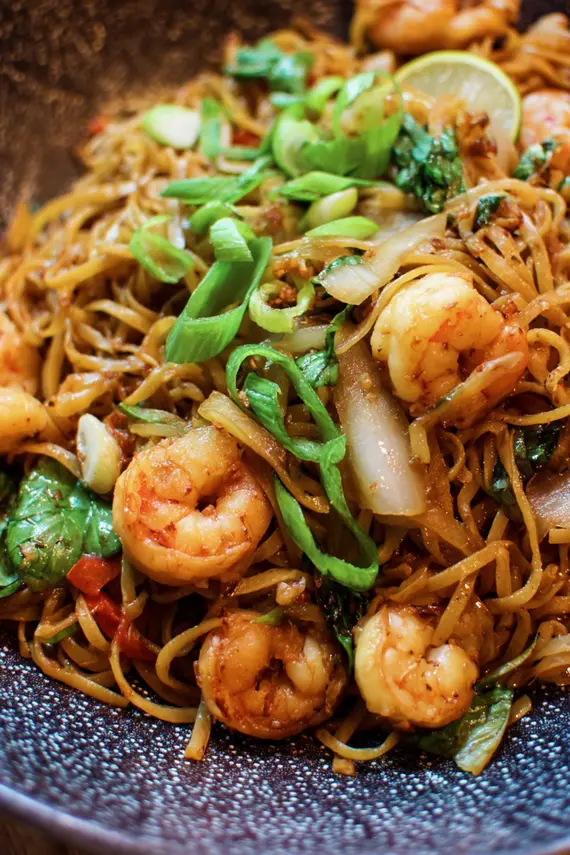
The key to perfecting this quick shrimp noodle dinner lies in precise timing. Overcooking the shrimp will result in a rubbery texture, while inadequately heating the noodles may leave them clumpy or undercooked. If you’re adding vegetables, introduce them according to their cooking times – harder vegetables like carrots first, followed by medium-textured ones like bell peppers, and finally quick-cooking items like bean sprouts at the very end.
Expert Tips for Elevated Shrimp Noodles
Professional Techniques for Home Cooks
Elevate your simple shrimp noodle recipe with these professional tips that transform a basic dish into a restaurant-quality meal. These practical suggestions address common challenges and enhance both flavor and texture. “The creamy skillet chicken mushrooms cheese recipe uses similar one-pan cooking principles to create a rich, satisfying meal.”
- Pat shrimp dry before cooking: Remove excess moisture with paper towels to ensure proper browning and prevent steaming. This simple step dramatically improves texture and flavor development.
- Don’t overcrowd the pan: Cook shrimp in batches if necessary to maintain high heat and achieve proper searing. Overcrowding causes steaming instead of browning, resulting in less flavorful results.
- Slightly undercook your noodles: Aim for al dente texture when pre-cooking noodles since they’ll continue cooking when added back to the hot pan. This prevents mushiness in the final dish.
- Create a sauce slurry: Mix soy sauce and other liquid ingredients together before adding to the pan for more even distribution. This prevents some bites from being too salty while others lack flavor.
- Velvet the shrimp for restaurant-quality texture: For exceptionally tender shrimp, marinate them in a mixture of 1 egg white, 1 tablespoon cornstarch, and ½ teaspoon salt for 15 minutes before cooking. This traditional Chinese technique creates a protective coating that prevents overcooking.
- Add a splash of water when reheating: If your noodles seem dry during final heating, add 1-2 tablespoons of water rather than more oil. The water creates steam that helps redistribute sauce while keeping the dish light.
- Finish with acid: A squeeze of fresh lime juice just before serving brightens all flavors and cuts through the richness of the dish. This professional touch makes a remarkable difference in taste perception.
Troubleshooting Common Issues
Even experienced cooks occasionally encounter challenges when preparing one pan shrimp pasta. If your noodles are sticking together, try adding them to the pan gradually while tossing continuously. For shrimp that’s cooking unevenly, ensure they’re similar in size or adjust cooking times accordingly for different sizes. If your sauce seems too thin, create a quick slurry with ½ teaspoon cornstarch mixed with 1 tablespoon cold water and stir it in during the final cooking stage.
Smart Storage Solutions for Leftovers
Maintaining Freshness and Flavor
While this asian shrimp noodle stir-fry is best enjoyed immediately after preparation, proper storage techniques can preserve its quality for later meals. Understanding how to store, reheat, and revitalize leftovers ensures nothing goes to waste. “For another make-ahead breakfast option that maintains excellent texture, try the chocolate raspberry overnight oats which offers similar convenience with sweet rather than savory flavors.”
For refrigerated storage, allow the dish to cool completely before transferring to an airtight container. Properly stored one pan simple asian shrimp noodles will maintain quality for up to 2 days in the refrigerator. The noodles will absorb sauce as they sit, so the texture will change somewhat, becoming softer but often more flavorful as ingredients meld.
When reheating, add a splash of water or chicken broth to restore moisture, then warm gently in a skillet over medium-low heat until just heated through. Alternatively, microwave in 30-second intervals at 70% power, stirring between each interval to ensure even heating. Avoid high heat or extended cooking during reheating, as this will further cook the shrimp and potentially make them tough.
Component Storage for Maximum Freshness
For the best possible leftover experience, consider storing components separately when possible. Keep cooked shrimp in one container and noodles with vegetables in another. This prevents the seafood from developing strong aromas and allows you to reheat each element optimally. Recombine just before serving for the freshest taste and texture.
Freezing this dish is generally not recommended, as both the shrimp and noodles can develop unpleasant textures when thawed. If you must freeze portions, do so in individual servings and use within 1 month. Thaw overnight in the refrigerator and rejuvenate with fresh garnishes like green onions, cilantro, and a squeeze of lime when serving.
Creative Variations to Refresh Your Noodle Routine
Customized Flavor Profiles
One of the greatest advantages of this simple shrimp noodle recipe is its adaptability. With minor adjustments, you can create entirely different dining experiences while maintaining the convenient one-pan preparation method. These variations keep your meal rotation interesting without requiring entirely new recipes or techniques.
Thai-Inspired Peanut Version
Transform the base recipe with the addition of a quick peanut sauce. Whisk together 2 tablespoons creamy peanut butter, 1 tablespoon soy sauce, 1 tablespoon lime juice, 1 teaspoon brown sugar, and 1-2 tablespoons warm water until smooth. Add this mixture during the final cooking stage instead of the plain soy sauce. Garnish with crushed peanuts, fresh cilantro, and lime wedges for an authentic Thai-inspired flavor profile. This variation adds richness and depth while maintaining the quick cooking approach.
Korean Gochujang Heat
Create a spicy Korean twist by incorporating 1-2 tablespoons of gochujang (Korean chili paste) mixed with 1 tablespoon honey and 1 teaspoon rice vinegar. Add this mixture when combining the noodles and shrimp. Top with toasted sesame seeds and thinly sliced cucumber for cooling contrast. This variation delivers a complex sweet-spicy profile that transforms the entire dish while still using the one-pan method.
Lemongrass-Coconut Fusion
For a Southeast Asian flavor profile, sauté 1 tablespoon minced lemongrass with the garlic and ginger. Then add ¼ cup coconut milk along with the soy sauce during the final cooking stage. Finish with fresh basil or cilantro and a squeeze of lime. This variation creates a lighter, aromatic sauce that complements the shrimp beautifully while maintaining the dish’s quick-cooking appeal.
Vegetable-Forward Option
Double the vegetables to create a more nutritionally balanced meal. Add 2 cups of mixed vegetables such as snow peas, broccoli florets, thinly sliced carrots, and baby corn along with the shrimp. This variation emphasizes fresh, crisp textures and creates a more colorful presentation while still maintaining the convenient one-pan preparation.
Gluten-Free Adaptation
Make this dish gluten-free by using rice noodles and substituting tamari or coconut aminos for the soy sauce. Add 1 teaspoon of fish sauce for depth of flavor if using coconut aminos. This variation accommodates dietary restrictions without sacrificing the dish’s signature flavors or convenience.
Presentation Ideas for Impressive Meals
Elevating Your Dining Experience
Though simple to prepare, this quick shrimp noodle dinner can be presented with flair that makes it suitable for both casual family meals and special occasions. Thoughtful presentation transforms this convenient dish into something that looks and feels special. Easy bold salad in a jar recipes make perfect accompaniments to these shrimp noodles when you need a complete meal with vibrant contrasts.
For everyday servings, consider twirling the noodles into a neat mound in wide, shallow bowls, then arrange the shrimp and vegetables decoratively on top. This simple technique creates height and visual appeal with minimal effort. Finish with a strategic sprinkle of sliced green onions, sesame seeds, or chopped herbs that adds color contrast.
When entertaining, serve family-style on a large platter with raised edges to contain the sauce. Arrange the dish with noodles as the base, shrimp and vegetables artfully placed on top, and garnishes added at strategic points for color. Provide serving tongs and a large spoon to make sharing easy. Place small dishes of additional garnishes like lime wedges, chili oil, or chopped herbs nearby so guests can customize their portions.
Perfect Side Pairings
While this one pan simple asian shrimp noodles dish works beautifully as a stand-alone meal, thoughtful sides can round out the dining experience. Consider serving alongside cucumber salad dressed simply with rice vinegar and a touch of sugar for refreshing contrast. Steamed or roasted bok choy drizzled with sesame oil provides a nutritious green element, while a small bowl of miso soup makes an authentic starter that prepares the palate.
For a more substantial spread, offer steamed rice as an additional option for those who prefer to mix the shrimp and sauce components with rice rather than noodles. “The hibachi fried rice recipe would make an exceptional side dish with these shrimp noodles for a Japanese-inspired feast.”
Common Questions About Asian Shrimp Noodles
Expert Answers to Your Cooking Concerns
Can I prepare any components of this dish ahead of time?
Yes, several elements can be prepared in advance to streamline cooking. Clean and devein shrimp up to 24 hours before cooking, storing them covered in the refrigerator. Slice all vegetables and store in airtight containers or zip-top bags with a paper towel to absorb moisture. You can even cook the noodles according to package directions, rinse with cold water, toss with a small amount of oil to prevent sticking, and refrigerate for up to 24 hours. When ready to cook, simply bring all components to room temperature and proceed with the recipe. This advance preparation reduces the active cooking time to just about 10 minutes.
How can I tell when the shrimp are perfectly cooked?
Perfectly cooked shrimp undergo a distinctive transformation in both color and shape. Watch for them to change from translucent bluish-gray to opaque pink with slight whiteness. The shape should form a loose “C” – if they curl into a tight “O” shape, they’re overcooked. For medium to large shrimp, cooking typically takes 2-3 minutes per side, but visual cues are more reliable than timing. Remove them from heat as soon as the last bit of translucency disappears from the thickest part to ensure tenderness and juiciness.
What’s the best type of noodle to use for this dish?
While the recipe specifies thin egg noodles or rice noodles, several varieties work well depending on your preference. Chinese egg noodles provide authentic texture and flavor absorption. Rice noodles (particularly the thinner varieties like rice vermicelli) offer a lighter alternative and make the dish gluten-free. Japanese ramen or soba noodles can also work beautifully. Avoid Italian pasta varieties like spaghetti or linguine as they have different starch content and sauce absorption properties that won’t achieve the authentic Asian flavor profile. Whatever noodle you choose, slightly undercook it initially since it will continue cooking when added back to the hot pan.
Final Thoughts on One-Pan Asian Shrimp Delights
A Versatile Recipe for Your Regular Rotation
One pan simple Asian shrimp noodles represent the perfect balance between convenience, flavor, and satisfaction. By combining succulent seafood, tender noodles, and vibrant aromatics in a single skillet, this dish delivers restaurant-quality results with minimal effort and cleanup. The versatility of this recipe allows for countless adaptations to suit your pantry ingredients, flavor preferences, and dietary needs. “For another quick and flavorful meal option, the ditalini pasta recipe offers similar convenience with an Italian twist.”
Whether you’re cooking for a busy weeknight dinner, meal prepping for lunches, or impressing dinner guests, this recipe provides a reliable foundation that can be dressed up or down as needed. The one-pan approach not only simplifies preparation but also intensifies flavors as ingredients cook together, creating deeper complexity than separately cooked components would achieve.
As you experiment with different variations, ingredient combinations, and serving suggestions, you’ll find this dish becoming a dependable part of your cooking repertoire. Its adaptability to seasonal produce and pantry staples makes it particularly valuable for creative home cooks who appreciate efficiency without sacrificing taste or quality. Master this simple yet impressive dish, and you’ll have a go-to meal solution for countless dining occasions.
PrintOne Pan Simple Asian Shrimp Noodles
- Succulent shrimp and tender noodles come together in a flavorful Asian-inspired sauce.
- This quick and easy one-pan meal delivers restaurant-quality taste with minimal effort.
- Perfect for busy weeknights when you want something delicious without the fuss.
- Prep Time: 15
- Cook Time: 10
- Total Time: 25 minutes
- Yield: 4 servings 1x
- Category: Dinner
- Method: Skillet
- Cuisine: Asian-Inspired
Ingredients
- 12 oz shrimp, peeled and deveined
- 8 oz thin egg noodles or rice noodles
- 2 tbsp soy sauce
- 1 tbsp sesame oil
- 2 cloves garlic, minced
- 1 tsp fresh ginger, grated
- 2 green onions, sliced (divided for cooking and garnish)
- 1 tbsp vegetable oil
- 1 red bell pepper, thinly sliced (optional)
- 1 cup snow peas (optional)
- 1 tbsp hoisin sauce (optional)
- 1 tsp sriracha or chili garlic sauce (optional, adjust to taste)
- ¼ cup cilantro, roughly chopped (optional)
- 1 lime, cut into wedges (optional)
- 1 tbsp toasted sesame seeds (optional)
Instructions
- Cook the noodles according to package directions until just al dente (slightly undercooked). Drain, rinse with cold water, and toss with a few drops of oil to prevent sticking. Set aside.
- Heat vegetable oil in a large skillet over medium-high heat until shimmering.
- Add minced garlic and grated ginger, sauté for 30 seconds until fragrant but not browned, stirring constantly.
- Add shrimp in a single layer, cook 2-3 minutes per side until pink and opaque. They should form a loose C-shape when properly cooked.
- If using bell peppers and snow peas, add them now and stir-fry for 1-2 minutes until crisp-tender.
- Stir in cooked noodles, soy sauce, sesame oil, and optional hoisin sauce and sriracha if using. Toss everything together to combine and heat through, about 1-2 minutes.
- Turn off heat and mix in half the sliced green onions.
- Transfer to serving plates and garnish with remaining green onions, cilantro, sesame seeds, and lime wedges.
Notes
- For best results, slightly undercook the noodles initially as they’ll continue cooking when added back to the hot pan.
- Pat the shrimp dry before cooking for better browning.
- For a gluten-free version, use rice noodles and substitute tamari for soy sauce.
- Nutrition facts are estimates and may vary based on ingredients used, portion sizes, and preparation methods.
Nutrition
- Serving Size: 1 serving
- Calories: 315
- Sugar: 2
- Sodium: 720
- Fat: 10
- Saturated Fat: 1.5
- Unsaturated Fat: 7.5
- Carbohydrates: 36
- Fiber: 2
- Protein: 22
- Cholesterol: 145
Keywords: one pan simple asian shrimp noodles, asian shrimp noodle stir-fry, one pan shrimp pasta, quick shrimp noodle dinner, simple shrimp noodle recipe
Let’s connect! Follow me for more Joylicious Recipes: Facebook, Instagram, Pinterest