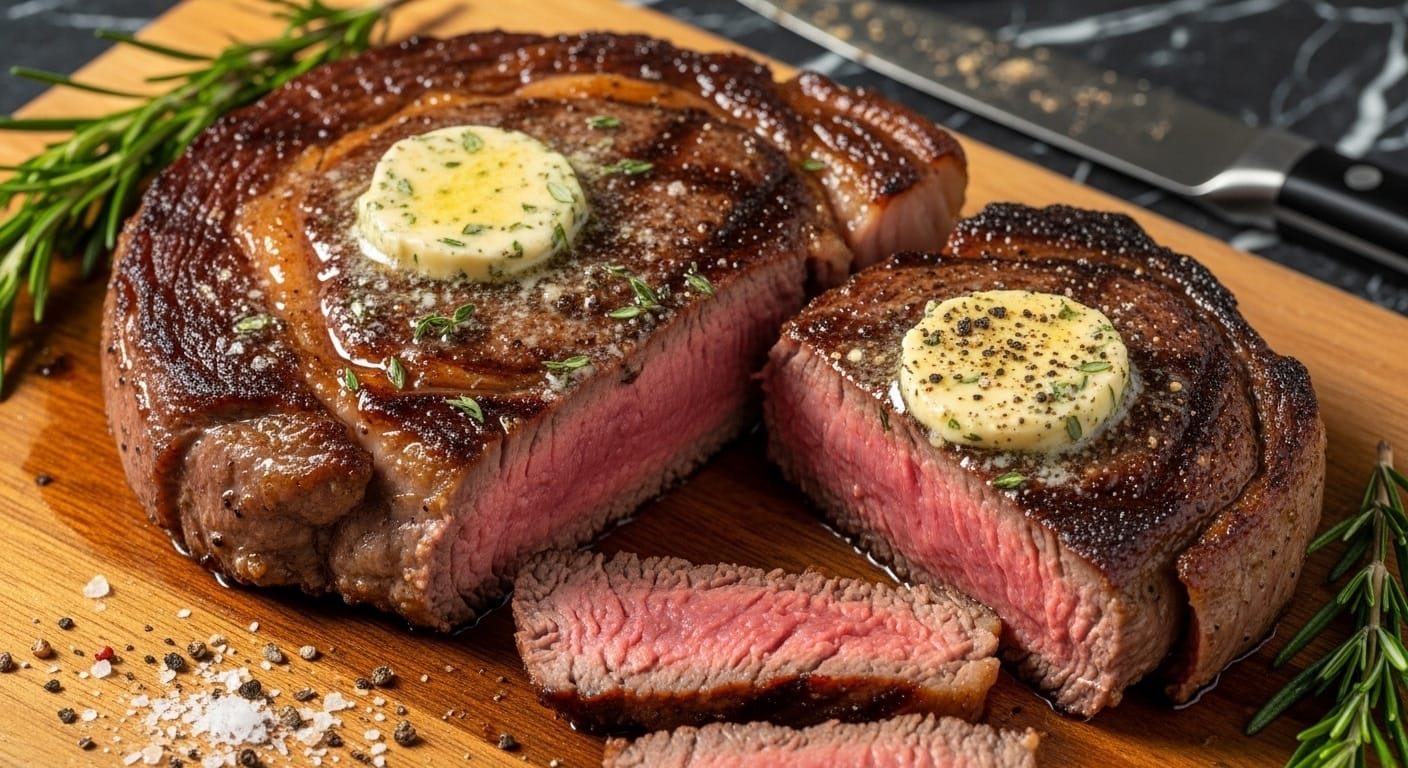
How to Make the Best Sous Vide Ribeye at Home: Foolproof Method
Sous vide ribeye is the ultimate way to achieve steakhouse-level flavor and tenderness from the comfort of your home. With precise temperature control and a foolproof cooking process, sous vide takes the guesswork out of preparing a perfectly juicy ribeye steak. Whether you’re new to sous vide or a seasoned home chef, this guide will walk you through every step—from choosing the right cut to sealing, cooking, searing, and serving.
In this article, we’ll break down the best cooking times and temperatures for ribeye, explain how to get that crispy crust after sous vide, and show you exactly how to prepare an herb compound butter that elevates your steak to gourmet level. You’ll also find expert tips, answers to common sous vide steak questions, and pairing suggestions to serve a showstopping meal.
Looking for inspiration? Try our Sous Vide Chicken Breast – Perfect Results Made Easy for another protein done right.
Now, let’s dive into what makes sous vide ribeye the go-to choice for next-level steak lovers.
Introduction to Sous Vide Ribeye
What Is Sous Vide Cooking?
Sous vide (French for “under vacuum”) is a method of cooking food sealed in airtight bags, submerged in a precisely temperature-controlled water bath. This technique ensures that the ribeye is cooked evenly throughout without risk of overcooking. Unlike pan-searing or grilling, sous vide allows you to dial in the exact doneness you prefer—rare, medium-rare, or medium—every single time.
It’s a favorite among top chefs because it locks in moisture, preserves the meat’s natural flavor, and gives consistent results. For thick cuts like ribeye, sous vide is the gold standard of steak perfection.
Why Sous Vide Ribeye Is a Game-Changer
Ribeye is prized for its marbling and flavor, but it can be tricky to cook evenly, especially when thick-cut. That’s where sous vide shines. It slowly brings the meat to the perfect internal temperature from edge to center, ensuring every bite is melt-in-your-mouth tender.
No more gray rings of overcooked meat or chewy textures. With sous vide ribeye, you can confidently serve steak that’s pink and juicy all the way through—finished with a mouthwatering crust after a quick sear. It’s the kind of steak that earns rave reviews at your table, every single time.
Choosing the Right Ribeye for Sous Vide
Bone-In vs Boneless Ribeye Cuts
When preparing sous vide ribeye, the cut of steak you choose plays a big role in the final flavor and texture. Ribeye comes in both bone-in and boneless varieties. Bone-in ribeye, also called a cowboy or tomahawk steak, offers slightly more flavor due to marrow and connective tissue near the bone. It also looks impressive for special meals.
Boneless ribeye, on the other hand, is easier to vacuum seal and quicker to sear evenly after sous vide. It’s a more practical choice if you’re cooking multiple steaks or need uniform portions. Either cut works beautifully with sous vide, but your choice may depend on the occasion and presentation style.
Steak Thickness: Why It Matters
Thickness matters more than weight in sous vide cooking. For sous vide ribeye, aim for steaks that are at least 1.5 inches thick. Thinner steaks (under 1 inch) cook too quickly, leaving little room for control. Thicker cuts allow for a longer cook time, which leads to better collagen breakdown and more tender meat.
Here’s a quick reference guide for ribeye steak thickness and sous vide cook time:
| Thickness | Minimum Time | Maximum Time |
|---|---|---|
| 1 inch | 1 hour | 2 hours |
| 1.5 inches | 1 hour | 4 hours |
| 2 inches | 2 hours | 5 hours |
Thicker steaks also retain juiciness better during the searing phase because they’re less likely to overcook in the pan. If you’re going for the ultimate sous vide steak recipe, start with a thick-cut, well-marbled ribeye.
Don’t miss our Sous Vide Beef Tenderloin for another luxurious cut made sous vide-style.
Prepping Your Ribeye for Sous Vide
Seasoning the Ribeye: Salt, Pepper, and Herbs
When it comes to seasoning sous vide ribeye, simplicity wins. Start with a generous coating of kosher salt and freshly cracked black pepper on both sides. Salt is critical because it helps break down muscle proteins during the long cook time, making your steak more tender and flavorful.
You can also add a layer of flavor by including fresh herbs like rosemary, thyme, or tarragon. Garlic cloves and lemon zest are excellent aromatics to place inside the bag. These additions infuse your ribeye with subtle complexity without overpowering its rich, beefy taste.
Pro Tip: Season right before vacuum sealing. Avoid marinating ribeye in acidic ingredients, which can affect texture in sous vide.
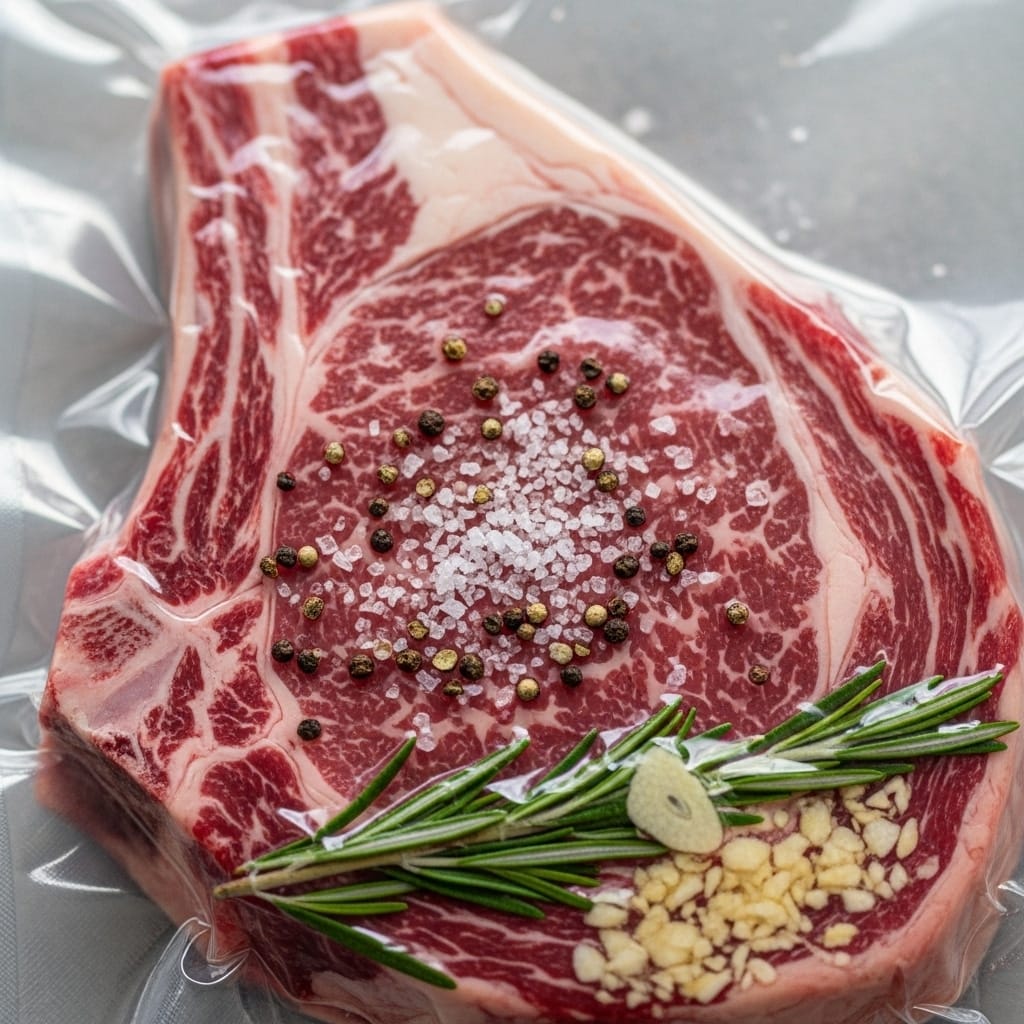
Vacuum Sealing: Methods and Equipment
Vacuum sealing ensures your ribeye cooks evenly and retains moisture. You can use:
- A vacuum sealer machine (recommended for perfect air removal)
- A resealable freezer bag using the water displacement method
For best results, seal one steak per bag, laying it flat in the bag for uniform thickness. Make sure to double-check the seal to prevent water infiltration during cooking.
If you’re using herbs or garlic, place them beside—not on top of—the steak to keep seasoning distribution even. This step is especially important if you’re aiming for pro-level results with your sous vide ribeye.
Looking for a delicious compound butter to take it to the next level? Don’t miss our Garlic Parmesan Beef Chops with Cream Sauce for herby inspiration.
Sous Vide Ribeye Cooking Times and Temperatures
Ideal Sous Vide Temps for Ribeye (Rare to Well-Done)
The real magic of sous vide ribeye lies in temperature control. Unlike traditional methods, you can choose your desired doneness and achieve it with precision. Here’s a quick breakdown of the most common temperature settings:
| Doneness | Sous Vide Temp | Texture Description |
|---|---|---|
| Rare | 120°F (49°C) | Very soft, deep red center |
| Medium-Rare | 129–132°F (54–56°C) | Juicy, pink center — steakhouse style |
| Medium | 135–140°F (57–60°C) | Slightly firm, less pink |
| Medium-Well | 145°F (63°C) | Firm, mostly gray with some pink |
| Well-Done | 150°F+ (66°C+) | Fully cooked, very little pink |
For ribeye, 130°F is the sweet spot for that melt-in-your-mouth medium-rare perfection.
Remember: The steak won’t cook past this temperature, no matter how long you leave it in the water bath—just don’t go past the recommended time limits for safety.
How Long to Sous Vide a Ribeye (1.5-inch vs 2-inch Cuts)
Cook time affects texture more than doneness in sous vide cooking. A 1.5-inch thick ribeye steak sous vide should cook for 1 to 4 hours at your target temp. This time range allows collagen to soften while keeping the meat juicy.
Here’s a helpful time chart for common cuts:
| Thickness | Time Range | Notes |
|---|---|---|
| 1.5 inches | 1–4 hours | Ideal balance for tenderness and moisture |
| 2 inches | 2–5 hours | Great for rich, slow-cooked texture |
⚠️ Safety Tip: If cooking below 130°F, do not exceed 2.5 hours, as this can create food safety concerns.
For more juicy techniques, check out our Sous Vide Prime Rib — it’s a holiday favorite.
Searing Ribeye After Sous Vide
How to Pat Dry for the Perfect Sear
Once your ribeye is cooked sous vide, it’s crucial to pat it completely dry before searing. Moisture on the surface can cause the steak to steam instead of sear, which ruins the crust you’ve worked so hard to earn.
Use several layers of paper towels and gently press all sides of the steak until it feels dry to the touch. Don’t forget the edges—these are essential for a full sear.
Re-season the steak with a little kosher salt and black pepper after drying. Since some seasoning can be lost during sous vide cooking, this step revives bold flavor.
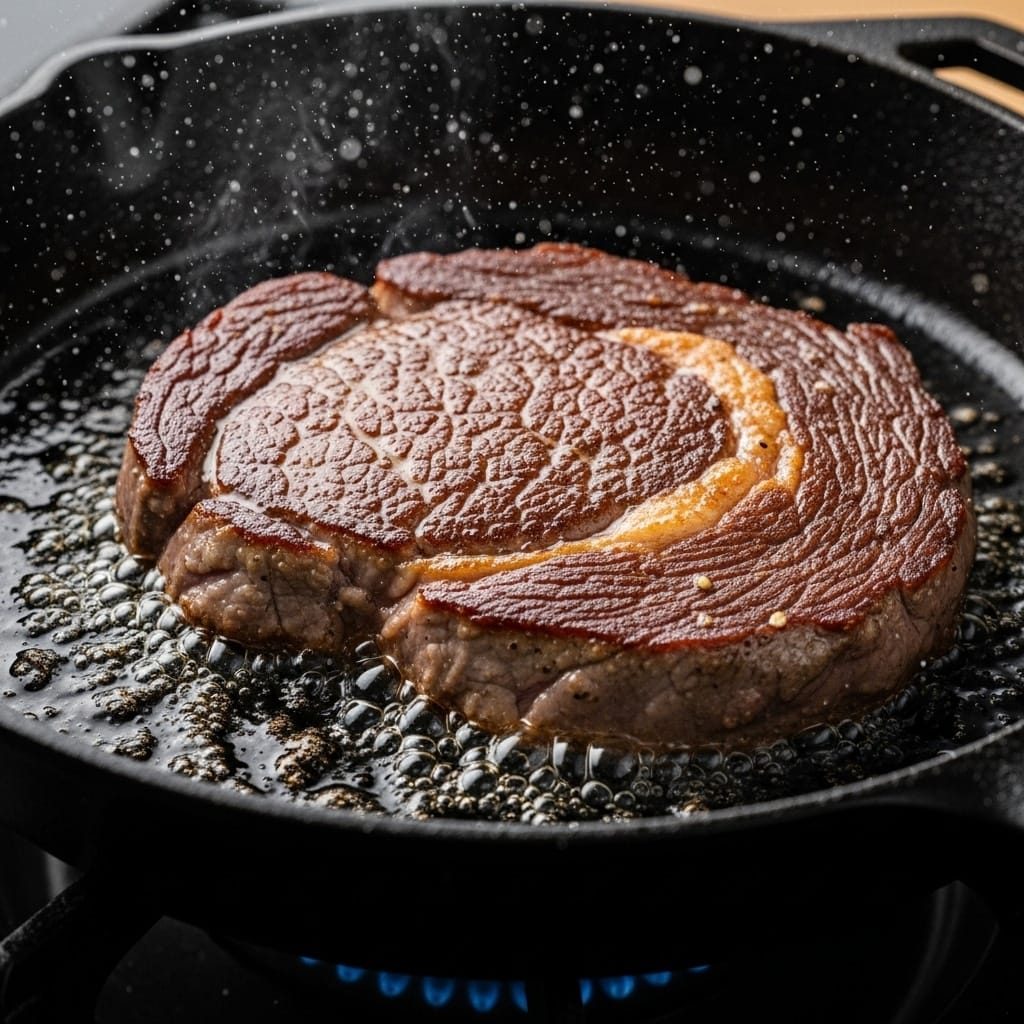
Cast Iron Skillet vs Grill Finishing Techniques
There are two trusted methods to finish a sous vide ribeye steak: searing in a cast iron pan or grilling over high heat. Both work well, but they have different strengths:
Cast Iron Skillet:
- Heat 1 tablespoon of avocado or canola oil over high heat until shimmering.
- Sear each side for 60 seconds, pressing gently with tongs for full contact.
- Use tongs to sear the edges for 20–30 seconds each.
Grill Finish:
- Preheat grill to high heat (450°F to 500°F).
- Place steak directly over the hottest spot.
- Grill 1 minute per side for a crisp, smoky crust.
- Finish with a quick edge sear.
For both methods, don’t overcrowd the pan or grill—sear one steak at a time to maintain high heat.
Immediately after searing, top the steak with a pat of compound butter. Let it melt while the steak rests for 2–3 minutes. This locks in flavor and elevates the ribeye to steakhouse status.
Discover great ideas like our Pan-Seared Steak with Butter Sauce for more finishing techniques worth trying.
Sous Vide Ribeye Recipe with Compound Butter
Full Ingredient List for Sous Vide Ribeye
Here’s everything you need to create restaurant-quality sous vide ribeye at home:
For the Ribeye:
- 2 ribeye steaks, 1½-inch thick
- 1 tablespoon avocado oil (or canola or vegetable oil)
- Kosher salt and freshly ground black pepper
For the Compound Butter:
- ½ cup unsalted butter (room temperature)
- ¼ cup chopped fresh parsley
- 3 cloves garlic (grated or finely minced)
- Zest of 1 lemon
- 3 teaspoons chopped fresh herbs (rosemary, tarragon, basil, thyme)
- ½ teaspoon kosher salt
- ¼ teaspoon ground black pepper
This flavorful butter will take your steak to the next level, infusing every bite with garlicky, herbaceous richness.
Step-by-Step Instructions for Perfect Results
Step 1: Preheat and Season
- Set your sous vide circulator to 130°F for medium-rare.
- Season ribeyes generously with kosher salt and black pepper.
Step 2: Seal and Submerge
- Vacuum seal each steak in its own bag.
- Place in the water bath and cook for 1 to 4 hours (for 1.5-inch thick steaks).
- Note: If you go below 130°F, do not exceed 2½ hours for food safety.
Step 3: Make Compound Butter
- While steaks cook, mix all butter ingredients in a bowl.
- Transfer to parchment paper or plastic wrap and roll into a log.
- Chill in fridge for 1 hour or freeze for 15 minutes to firm.
Step 4: Remove, Dry, and Sear
- Take the steaks out of the sous vide bags and thoroughly dry them using paper towels to remove all surface moisture.
- In a large cast iron skillet, heat avocado oil over high heat until shimmering.
- Sear steak for 1 minute per side, then sear edges using tongs.
- To achieve a deeper, crispier crust, gently press the steaks against the hot pan surface during searing.
Step 5: Rest and Serve
- Transfer steak to a cutting board.
- Top with a thick slice of your compound butter while hot.
- Let rest 2–3 minutes, then slice and serve.
Looking for another flavor-packed idea? Don’t miss our Southwest Steak Avocado Bowl with Cilantro Cream Sauce for your next steak night.
Tips, Mistakes, and FAQs Answered
Is 4 Hours Too Long to Sous Vide Ribeye?
Not at all—4 hours is perfectly safe and effective for a 1½-inch thick sous vide ribeye steak, especially when cooking at or above 130°F. In fact, longer cook times within the safe range help further break down connective tissue, making the steak even more tender. Just be sure not to go over 2½ hours if you’re cooking below 130°F.
Can You Overcook a Steak in Sous Vide?
In terms of doneness, it’s nearly impossible to overcook the steak since it will never rise above the temperature of the water bath. However, overcooking in time (leaving it in too long) can result in a mushy or overly soft texture, especially for thinner steaks. Stick to the recommended time windows:
| Thickness | Temp | Max Time |
|---|---|---|
| 1 inch | 130°F | 2 hours |
| 1.5 inch | 130°F | 4 hours |
| 2 inches | 130°F | 5 hours |
Should You Season Steaks Before or After Sous Vide?
Season before sous vide. Salt helps tenderize and flavor the meat throughout the cooking process. For best results, season just before sealing to prevent the meat from curing. After sous vide, you can lightly re-season with salt and pepper to freshen up the outer crust before searing.
What Temperature for Sous Vide Steak?
The ideal sous vide ribeye temperature is 130°F for medium-rare. If you prefer rare or medium, use 120°F or 135°F respectively. This guarantees edge-to-edge doneness with no guesswork.
How to Sear a Ribeye After Sous Vide?
To finish a ribeye after sous vide:
- Dry it completely to avoid steaming.
- Heat a skillet with high-smoke point oil (like avocado oil).
- Sear for 60 seconds per side, pressing the steak down for even crust.
- Don’t skip searing the edges—it makes a big difference in taste and texture.
How Long Does It Take to Sous Vide a Ribeye?
For a 1½-inch thick steak, the sweet spot is 1 to 4 hours at 130°F. Thinner steaks need less time, while thicker cuts like a tomahawk can go up to 5 hours without quality loss.
Looking for more beef brilliance? Don’t miss our Sous Vide Beef Tenderloin — it’s buttery and elegant.
Serving Suggestions and Pairings
Wine, Potatoes, and Vegetable Pairings
A sous vide ribeye steak deserves a plate that’s just as thoughtful. The right pairings elevate the experience and round out the meal beautifully.
Wines That Pair Perfectly:
- Cabernet Sauvignon – Bold enough to stand up to the steak’s richness
- Malbec – Smooth, with dark fruit notes that complement ribeye’s fat
- Syrah/Shiraz – Peppery, smoky notes match the seared crust
Potato Sides:
- Garlic mashed potatoes
- Crispy herb-roasted fingerlings
- Parmesan truffle fries
Vegetable Pairings:
- Grilled asparagus with lemon zest
- Roasted Brussels sprouts with balsamic glaze
- Creamed spinach or sautéed mushrooms
Keep your flavors balanced—don’t overpower the steak’s natural richness, especially when topped with that compound herb butter.
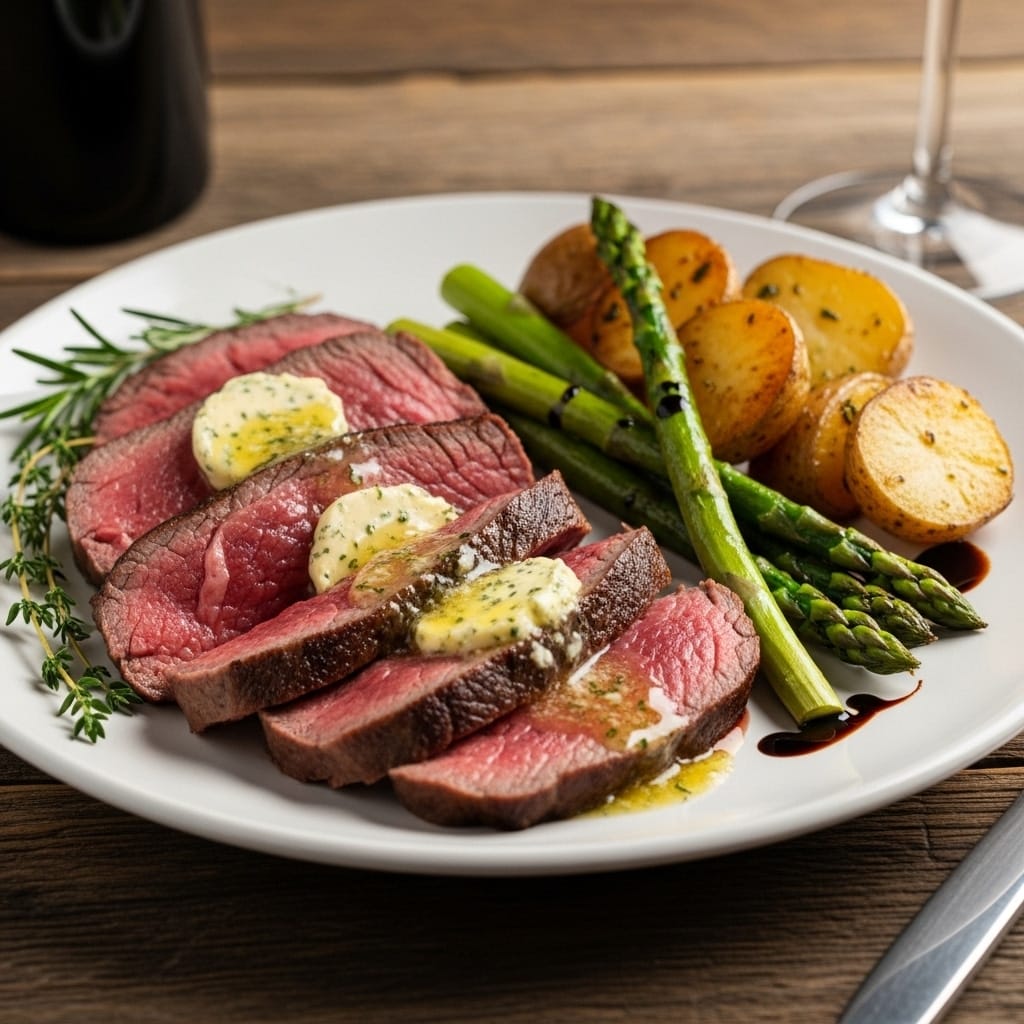
How to Slice and Serve for Presentation
Let the steak rest for 2 to 3 minutes after searing to allow juices to redistribute. Then, using a sharp slicing knife, cut across the grain into ½-inch thick slices. This ensures every bite is tender.
For a visually impressive plate:
- Fan the slices slightly
- Add a pat of chilled compound butter on top
- Garnish with fresh parsley or thyme
- Serve with sides in individual ramekins or bowls for a clean, elegant look
Hosting a dinner party? Add an extra gourmet touch with our Garlic Parmesan Beef Chops with Cream Sauce as a second meat course or alternative option.
Advanced Tips for Ribeye Perfection
Reverse Sear with Sous Vide
While most people sear after sous vide, you can also try a reverse sear for an added layer of flavor. With this method, the ribeye gets a light sear before going into the water bath, and then a final sear once it’s done cooking.
So why does this technique work? First, it builds a flavor base early on. Secondly, it creates a deeper crust during the final sear, thanks to the caramelization that started earlier. As a result, your steak will have a more complex, savory bite.
Here’s how to reverse sear a ribeye:
- Quickly sear the steak for 30 seconds per side before vacuum sealing
- Proceed with sous vide at your desired temperature
- After cooking, pat the steak dry and sear again to crisp the exterior
Although it adds one extra step, the payoff is worth it—especially when you’re serving guests or aiming for steakhouse quality at home.
Infusing Aromatics in the Bag (Garlic, Thyme, etc.)
Another advanced tip for elevating your sous vide ribeye is adding aromatics directly into the vacuum bag. This step enhances the steak’s flavor without overpowering it.
For best results, use aromatics like:
- Crushed garlic cloves
- Fresh rosemary or thyme sprigs
- A strip of lemon zest
- A bay leaf for subtle earthiness
Instead of placing herbs right on top of the meat, position them alongside it. This allows even distribution of flavor during the entire cooking process. Moreover, it helps keep the surface dry, which is essential for a perfect sear later on.
Additionally, you could add a pat of compound butter into the bag before sealing. While this isn’t required, it can provide an extra rich layer of flavor. However, keep in mind that some butters may separate slightly during sous vide, so it’s best used with care.
Still curious about protein perfection? Don’t miss our Sous Vide Chicken Breast – Perfect Results Made Easy to explore this method with other meats.
Frequently Asked Questions About Sous Vide Ribeye
How long does it take to sous vide a ribeye?
It typically takes 1 to 4 hours to sous vide a 1½-inch thick ribeye steak at 130°F. However, thicker cuts like 2 inches may benefit from up to 5 hours. That said, don’t cook for too long, or the texture may become overly soft.
What temperature for sous vide steak?
For most people, 130°F is the ideal temperature for a medium-rare sous vide ribeye—the sweet spot for tenderness and flavor. You can adjust to your preference using this scale:
Rare: 120°F
Medium-Rare: 130°F
Medium: 135°F
Medium-Well: 140°F
Well-Done: 150°F+
How to sear a ribeye after sous vide?
After cooking sous vide, pat the steak completely dry. Heat a cast iron pan over high heat with avocado oil. Sear each side for about 60 seconds, pressing gently to ensure full surface contact. Don’t forget to sear the edges too for a rich crust.
Should you season steaks before or after sous vide?
Always season before sous vide. Salt and pepper help draw out flavor and improve texture as the steak cooks. After sous vide, re-season lightly before searing to freshen up the crust.
Is 4 hours too long to sous vide a steak?
No, 4 hours is totally fine for steaks 1.5 to 2 inches thick. As long as you’re cooking at or above 130°F, you’re within a safe range. Longer cook times can actually improve tenderness.
Can you overcook steak in sous vide?
You can’t overcook it in the traditional sense because the meat won’t exceed the water bath temperature. However, cooking for too long can result in a mushy or overly soft texture. Stick to recommended time limits for best results.
Conclusion
If you want a steak that’s tender, flavorful, and cooked to absolute perfection every time, sous vide ribeye is your answer. This method eliminates guesswork, delivers consistent doneness, and lets you control every variable from seasoning to sear. With the right cut, temperature, and a little planning, you’ll serve up steakhouse-quality results at home—without the stress.
Whether you’re aiming for a special dinner, impressing guests, or just indulging in a flawless steak night, sous vide delivers. Don’t forget to pair your ribeye with bold red wine, fresh sides, and a finishing touch of homemade compound butter.
Looking for your next gourmet beef recipe? Check out our Sous Vide Prime Rib for another showstopper meal.
Let’s connect! Follow me for more Joylicious Recipes:
PrintHow to Make the Best Sous Vide Ribeye at Home: Foolproof Method

Cook the perfect sous vide ribeye steak at home with this step-by-step recipe. Infused with garlic-herb compound butter, this steak is tender, juicy, and full of flavor from edge to edge.
- Prep Time: 5 minutes
- Cook Time: 1 hour
- Total Time: 1 hour 5 minutes
- Yield: 2 servings 1x
Ingredients
For the Ribeye Steaks:
2 ribeye steaks (1½ inches thick)
1 tablespoon avocado oil (or canola/vegetable oil)
Kosher salt, to taste
Freshly ground black pepper, to taste
For the Herb Compound Butter:
½ cup unsalted butter (room temperature)
¼ cup chopped fresh parsley
3 garlic cloves (minced or grated)
Zest of 1 lemon
3 teaspoons chopped fresh herbs (rosemary, tarragon, basil, thyme)
½ teaspoon kosher salt
¼ teaspoon black pepper
Instructions
Preheat Sous Vide:
Set your immersion circulator to 130°F (54°C) for medium-rare.Season the Ribeye:
Season both sides of the steaks with kosher salt and black pepper.Vacuum Seal:
Place each steak in a separate vacuum-sealed or freezer-safe bag. Add fresh herbs or garlic if desired. Seal tightly using a vacuum sealer or water displacement method.Sous Vide Cooking:
Submerge sealed bags in the water bath and cook for 1 to 4 hours depending on your preferred texture. (Do not exceed 2½ hours if cooking below 130°F.)Make the Compound Butter:
Combine softened butter with parsley, garlic, lemon zest, mixed herbs, salt, and pepper. Shape into a log using parchment or plastic wrap and chill for 1 hour in the fridge (or 15 minutes in the freezer).Remove and Dry Steaks:
Once cooked, take the steaks out of the bag and pat them completely dry using paper towels. Re-season lightly with salt and pepper if desired.Sear the Steaks:
Heat avocado oil in a cast iron skillet over high heat until shimmering. Sear each steak for 1 minute per side, and sear the edges using tongs for 20–30 seconds. Press gently for better crust.Serve with Butter:
Top each steak with 1 tablespoon of compound butter while hot. Let rest 2–3 minutes, then slice and serve.
Notes
Always dry the steak well before searing to avoid a soggy crust.
For added flavor, you can sear the steak before and after sous vide (reverse sear method).
Use high smoke point oil like avocado or grapeseed for better searing results.
Nutrition
- Serving Size: 2 servings
- Calories: 216kcal
- Sugar: 1g
- Sodium: 297mg
- Fat: 24g
- Saturated Fat: 15g
- Carbohydrates: 1g
- Fiber: 1g
- Protein: 1g
- Cholesterol: 61mg
Keywords: Balsamic vinegar, ribeye steaks, butter, avocado oil, Chicago steak seasoning, fresh rosemary, inch thick, black pepper
Let’s connect! Follow me for more Joylicious Recipes: Facebook, Instagram, Pinterest