
Spicy Korean Tteokbokki – Authentic Street Food You’ll Love
Introduction
The Cultural Significance of Spicy Korean Tteokbokki
Spicy Korean tteokbokki has captured the hearts and palates of food enthusiasts worldwide with its irresistible combination of chewy rice cakes bathed in a vibrant, spicy sauce. This iconic Korean street food, pronounced “duk-bo-kee,” has evolved from a royal court dish to a beloved comfort food found in virtually every food market and casual restaurant across South Korea. The dish’s popularity has soared internationally, becoming a symbol of Korean cuisine’s bold flavors and unique textures.
“Looking for inspiration? Try our collection of diverse recipes” that showcase global culinary traditions just like this authentic tteokbokki.
Why Homemade Tteokbokki Surpasses Restaurant Versions
Making spicy Korean tteokbokki at home offers significant advantages over restaurant versions. First, you control the spice level, allowing you to adjust according to your preference. Second, homemade tteokbokki typically contains fresher ingredients without preservatives or excessive sodium. Third, cooking it yourself creates an opportunity to customize the dish with your favorite additions like beef, as in this recipe, or other proteins and vegetables. Finally, the satisfaction of recreating authentic Korean flavors in your kitchen provides an unmatched culinary experience. The aroma, the sizzle, and that first spicy bite—there’s nothing quite like enjoying freshly made tteokbokki in the comfort of your own home.
Ingredients for Authentic Spicy Korean Tteokbokki
Essential Tteokbokki Components
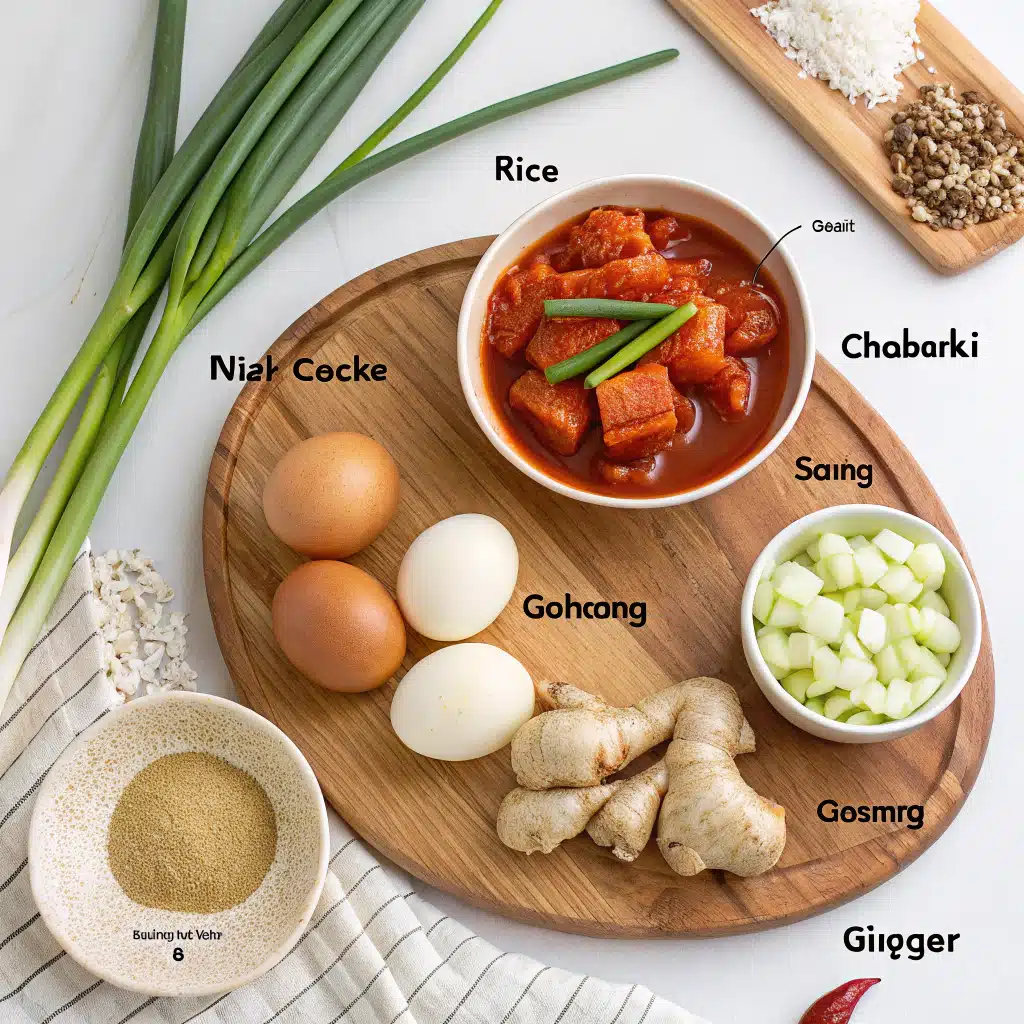
The heart of spicy Korean tteokbokki lies in its carefully selected ingredients. Each component contributes to the dish’s distinctive flavor profile and satisfying texture. The most important elements include:
| Category | Ingredients | Notes |
|---|---|---|
| Main | 350g Korean rice cakes (tteok) | The foundation of the dish |
| Protein | 300g sliced beef | Adds richness and substance |
| Aromatics | 4 stems green onions | Cut into 1cm segments for flavor and color |
| Preparation | Hot water (for soaking) | Helps soften the rice cakes |
The Secret to an Authentic Tteokbokki Sauce
The fiery, complex sauce is what transforms simple rice cakes into the crave-worthy spicy Korean tteokbokki that food lovers adore. Our authentic sauce combines:
| Sauce Ingredient | Amount | Function |
|---|---|---|
| Shaoxing wine | 6 tablespoons | Provides depth and umami |
| Gochujang | 3 tablespoons | Korean red pepper paste for heat and color |
| Powdered sugar | 3 tablespoons | Balances the spice with sweetness |
| Gochugaru | 1 teaspoon | Korean red pepper flakes for additional heat |
| Light soy sauce | 1 teaspoon | Adds saltiness and umami |
| Minced garlic | 2 cloves | Creates aromatic base |
This perfectly balanced sauce delivers that authentic Korean flavor profile with layers of heat, sweetness, umami, and depth that coat the chewy rice cakes beautifully.
“Don’t miss our southwest steak avocado bowl if you enjoy beef in flavorful sauce combinations.”
Step-by-Step Tteokbokki Preparation Guide
Preparing the Rice Cakes for Perfect Texture
The foundation of exceptional spicy Korean tteokbokki lies in properly preparing the rice cakes. Follow these essential steps for the perfect chewy texture:
- Place 350g of Korean rice cakes (tteok) in a bowl of hot water.
- Let them soak for 10 minutes to soften. This step is crucial as it ensures the rice cakes cook evenly and develop their characteristic chewy texture.
- After soaking, drain the water completely and set the rice cakes aside.
- Check the rice cakes by pressing gently—they should be slightly softened but not mushy.
This preparation method ensures your tteokbokki will have that authentic bite that makes the dish so satisfying. “Here’s your guide to cooking cubed meat perfectly which uses similar preparation techniques.”
Creating the Signature Spicy Sauce
The fiery red sauce is the heart and soul of authentic spicy Korean tteokbokki. Here’s how to create that perfect balance of sweet, spicy, and savory flavors:
- In a mixing bowl, combine all sauce ingredients: 6 tablespoons Shaoxing wine, 3 tablespoons gochujang, 3 tablespoons powdered sugar, 1 teaspoon gochugaru, 1 teaspoon light soy sauce, and 2 cloves of minced garlic.
- Whisk thoroughly until completely combined with no lumps of gochujang remaining.
- Allow the sauce to sit for 5 minutes before cooking to let the flavors meld together.
The resulting sauce should have a vibrant red color and a complex flavor profile that balances heat, sweetness, and umami—the signature taste of authentic tteokbokki.
Cooking Technique for Perfect Tteokbokki
Mastering the cooking process ensures your spicy Korean tteokbokki achieves that restaurant-quality finish:
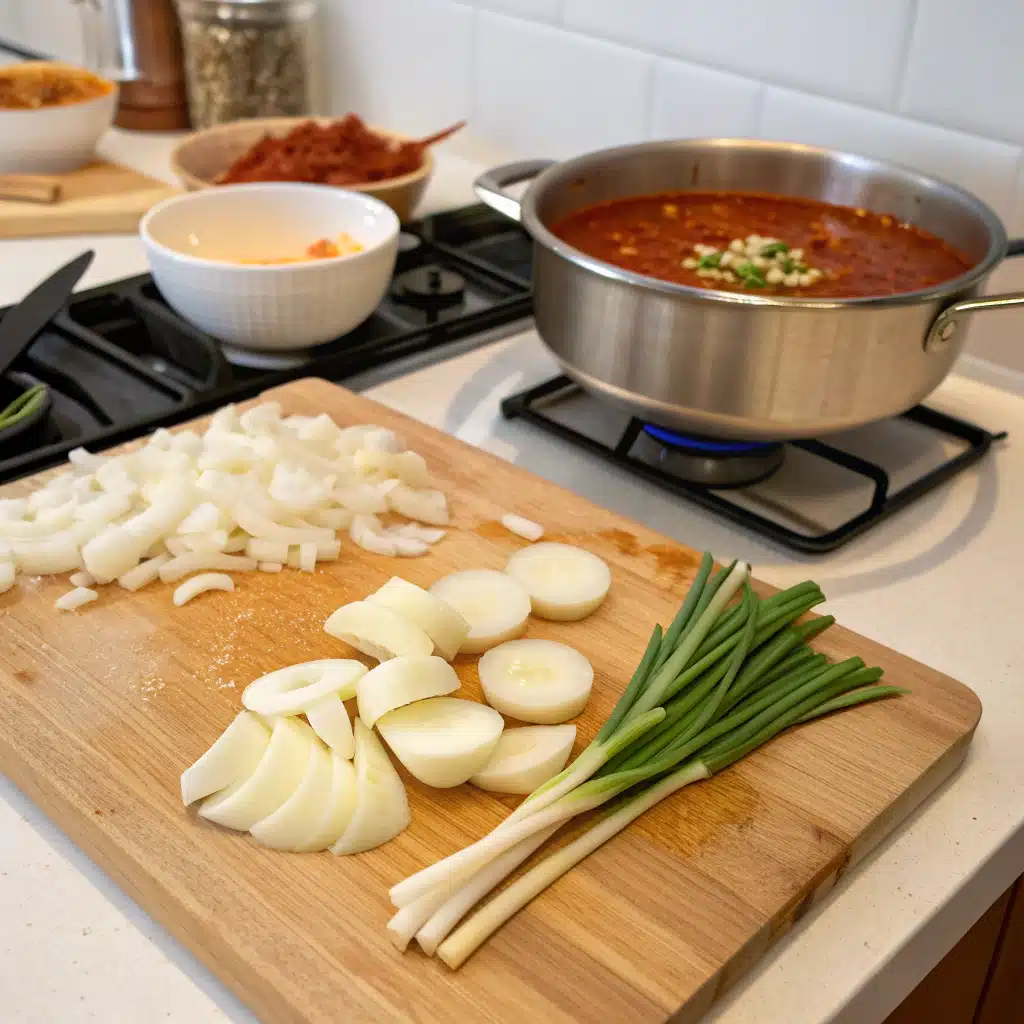
- Heat a wok over high heat and add a small amount of cooking oil.
- Add the sliced beef and stir-fry for approximately 5 minutes until browned and cooked through. Remove and set aside.
- In the same wok, stir-fry the green onion segments for about 5 minutes until fragrant and slightly softened. Remove and set aside.
- Reduce heat to medium and pour in the prepared sauce.
- Allow the sauce to reduce while stirring constantly to prevent burning. If the sauce begins to stick to the pan, add a small amount of oil and reduce the heat slightly.
- Once the sauce has thickened somewhat (after about 3-4 minutes), add the soaked rice cakes, cooked beef, and green onions to the wok.
- Mix everything together gently but thoroughly, ensuring all rice cakes are coated in the sauce.
- Continue cooking for another 5-7 minutes, stirring frequently, until the rice cakes are tender and chewy and the sauce has further reduced to a thick, glossy consistency.
Tips for Tteokbokki Success
Adjusting Spice Levels for Your Preference
One of the beauties of making homemade spicy Korean tteokbokki is the ability to customize the heat level to suit your taste preferences. Here’s how to adjust the spiciness while maintaining authentic flavor:
For milder tteokbokki:
- Reduce the amount of gochujang to 1-2 tablespoons
- Omit the gochugaru (red pepper flakes) entirely
- Increase sugar to 4 tablespoons for a sweeter balance
For extra spicy tteokbokki:
- Increase gochujang to 4 tablespoons
- Add 2-3 teaspoons of gochugaru
- Add 1/2 teaspoon of Korean chili oil for extra heat
Remember that authentic spicy Korean tteokbokki should have noticeable heat, but it shouldn’t overwhelm the other flavors. The perfect balance allows you to taste the sweetness, umami, and richness alongside the spice.
“Check out our spicy grilled salsa verde chicken for another delicious way to enjoy controlled spiciness in your cooking.”
Selecting the Right Rice Cakes
The rice cakes (tteok) are the star of spicy Korean tteokbokki, and selecting the right ones makes a significant difference in your final dish:
- Cylindrical rice cakes are traditional for tteokbokki, typically about 1 inch long and 1/2 inch in diameter.
- Fresh rice cakes are ideal but can be hard to find outside Korea. Most Asian markets sell them in the refrigerated or frozen section.
- When purchasing packaged rice cakes, look for those with minimal ingredients—ideally just rice flour, salt, and water.
- If using frozen rice cakes, thaw completely before soaking to ensure even cooking.
- The texture should be firm but not rock-hard when purchased.
Quality rice cakes will remain chewy after cooking without becoming too soft or falling apart in the sauce. This distinctive texture is what makes spicy Korean tteokbokki such a beloved comfort food.
Enhancing Flavor with Optional Additions
While our authentic spicy Korean tteokbokki recipe is delicious as is, you can elevate it further with these complementary additions:
- Fish cakes (odeng/eomuk): Traditional addition that absorbs the sauce beautifully
- Hard-boiled eggs: Adds richness and helps balance the spice
- Cabbage or spinach: Adds nutritional value and pleasant texture contrast
- Ramen or glass noodles: Makes the dish more substantial and soaks up the sauce
- Melty cheese: A modern addition that creates a creamy contrast to the spicy sauce
- Toasted sesame seeds: Sprinkle on top for nutty flavor and visual appeal
When adding vegetables, add them toward the end of cooking to maintain their texture and color. For cheese, add it right before serving and allow the residual heat to melt it for that Instagram-worthy cheese pull that’s become popular with modern tteokbokki variations.
Storage and Reheating Methods
How to Keep Tteokbokki Fresh
Proper storage is essential to maintain the quality of your spicy Korean tteokbokki. Follow these guidelines to keep your leftovers fresh and delicious:
- Cool completely: Allow the tteokbokki to cool to room temperature before storing (but don’t leave out for more than 2 hours).
- Airtight containers: Transfer to a glass or plastic container with a tight-fitting lid.
- Refrigeration: Store in the refrigerator for up to 3 days.
- Separation: The rice cakes will absorb sauce and may stick together during storage—this is normal and won’t affect flavor.
- Moisture retention: If you notice the sauce thickening too much in storage, add a tablespoon of water when reheating.
Properly stored spicy Korean tteokbokki will maintain its flavors, though the texture of the rice cakes may become slightly softer.
“Want more ideas? Check out how to store and reheat other dishes for optimal freshness.”
Perfect Reheating Techniques
Reheating spicy Korean tteokbokki requires careful attention to restore its original texture and prevent the rice cakes from becoming too soft:
Stovetop method (recommended):
- Place leftovers in a non-stick pan with 2-3 tablespoons of water
- Heat over medium-low, stirring gently but frequently
- Cook for 5-7 minutes until thoroughly heated
- Add more water if the sauce becomes too thick
Microwave method (quicker but less ideal):
- Place in a microwave-safe container with 1 tablespoon of water
- Cover partially, leaving a small vent
- Heat on medium power (70%) for 1 minute
- Stir gently, then heat for additional 30-second intervals until hot
What to avoid:
- High heat, which can burn the sauce and make rice cakes tough
- Overheating, which turns rice cakes mushy
- Freezing, which significantly alters the texture of the rice cakes
With proper reheating, your leftover spicy Korean tteokbokki can be almost as delicious as freshly made—perfect for enjoying this comfort food for multiple meals.
Reviving Tteokbokki That’s Too Dry
If your leftover spicy Korean tteokbokki has become too dry or the sauce has thickened too much, here’s how to bring it back to life:
Create a sauce refresher by mixing:
- 2 tablespoons water
- 1/2 teaspoon gochujang
- 1/2 teaspoon sugar
- Dash of soy sauce
Add this mixture to your tteokbokki while reheating, adjusting quantities based on how much leftover you’re working with.
For extremely dry tteokbokki, consider adding:
- 1/4 cup of stock (vegetable or beef)
- Fresh green onions to rejuvenate the flavor
- A small amount of sesame oil at the end for glossiness
This rejuvenation process helps restore the saucy, glossy nature of authentic spicy Korean tteokbokki, making leftovers nearly as enjoyable as the fresh dish.
Tteokbokki Variations to Try
Regional Tteokbokki Styles from Across Korea
Spicy Korean tteokbokki shows fascinating variations across different regions of Korea, each offering unique flavor profiles and ingredients:
Seoul-style (Standard): The version most internationally recognized with gochujang-based sauce, often including fish cakes and boiled eggs.
Jeonju-style: Features a more complex sauce with additional ingredients like perilla leaves and anchovy stock, creating a deeper flavor profile.
Busan-style: Incorporates seafood elements like squid and mussels, reflecting the coastal nature of the region.
Gunsan-style: Uses a darker soy sauce base rather than relying solely on gochujang, creating a more umami-forward flavor.
Modern Seoul fusion: Often includes cheese and other non-traditional ingredients that have become popularized through Korean street food evolution.
Each regional variation maintains the core elements of spicy Korean tteokbokki while showcasing local preferences and available ingredients.
“Discover great ideas like our international recipes collection that showcases regional cooking styles across various cuisines.”
Protein Variations Beyond Traditional Recipes
While our recipe uses beef, spicy Korean tteokbokki can be made with various proteins to suit different dietary preferences and flavor profiles:
Seafood Tteokbokki:
- Add shrimp, squid, or mussels during the final 3-4 minutes of cooking
- Consider adding a splash of fish sauce to enhance the oceanic flavors
Vegetarian/Vegan Tteokbokki:
- Replace animal proteins with firm tofu, seitan, or tempeh
- Use mushrooms (king oyster or shiitake) for meaty texture and umami flavor
- Ensure your gochujang is vegetarian (some traditional varieties contain seafood)
Chicken Tteokbokki:
- Use thinly sliced chicken thigh for a juicier result
- Consider adding a tablespoon of chicken stock powder to the sauce
Premium Tteokbokki:
- Incorporate thinly sliced ribeye or similar marbled cuts
- Add a drizzle of sesame oil at the end for richness
Each protein brings its own character to spicy Korean tteokbokki while maintaining the dish’s signature sauce and chewy rice cakes that define this beloved street food.
Modern Fusion Tteokbokki Trends
Contemporary Korean cuisine has embraced creative adaptations of spicy Korean tteokbokki, resulting in innovative fusion dishes that honor the original while exploring new flavor combinations:
Cheese Tteokbokki:
- Add shredded mozzarella or a cheese slice on top right before serving
- Allow to melt slightly for that Instagram-worthy cheese pull
- The creamy cheese balances the spicy sauce beautifully
Carbonara Tteokbokki:
- Incorporate a creamy egg-based sauce with the traditional spicy elements
- Add bacon or pancetta for smoky flavor
- Finish with fresh black pepper and parmesan
Army Base Tteokbokki (Budae-jjigae inspired):
- Add sliced sausage and baked beans
- Include instant ramen noodles for texture variation
- Top with American cheese for creaminess
Rose Tteokbokki:
- Blend the spicy sauce with cream for a pink “rose” sauce
- Creates a milder, creamier version while maintaining spice notes
- Often topped with mozzarella cheese
These modern interpretations showcase the versatility of spicy Korean tteokbokki and its ability to adapt while maintaining its essential character—chewy rice cakes in a flavorful sauce.
Serving Suggestions for Spicy Korean Tteokbokki
Traditional Korean Side Dishes (Banchan)
Authentic spicy Korean tteokbokki is often enjoyed with complementary side dishes that enhance the overall dining experience. Consider these traditional accompaniments:
Kimchi: The fermented cabbage provides a tangy contrast to the spicy sweetness of tteokbokki.
Gamja-jorim (Braised potatoes): These sweet and savory potatoes offer textural variety and balance the heat.
Oi Muchim (Spicy cucumber salad): The cool, crisp cucumbers refresh the palate between bites of spicy tteokbokki.
Danmuji (Yellow pickled radish): These bright yellow pickles provide a sweet-tangy crunch that cuts through the richness.
Gyeran-mari (Korean rolled omelet): A mild, protein-rich side that balances the carbohydrate-heavy tteokbokki.
Serving a selection of these banchan creates an authentic Korean dining experience that allows diners to alternate between the fiery spicy Korean tteokbokki and cooling, complementary flavors.
“Learn more about authentic Asian side dishes that pair well with spicy main courses.”
Presentation Tips for Maximum Appeal
How you present your spicy Korean tteokbokki can enhance both its visual appeal and eating experience:
Serve in traditional Korean earthenware (ttukbaegi) for authentic presentation and heat retention.
For modern presentation, use a wide, shallow bowl that allows the vibrant red sauce to shine.
Garnish strategically with:
- Thinly sliced green onions (diagonal cuts for elegance)
- A sprinkle of toasted sesame seeds
- Small pieces of nori (seaweed)
- A drizzle of sesame oil for glossiness
Color contrast considerations:
- Use white or black serving dishes to highlight the vivid red sauce
- Add green garnishes for complementary color pop
For dinner parties, consider individual serving dishes with small portions as part of a larger Korean spread.
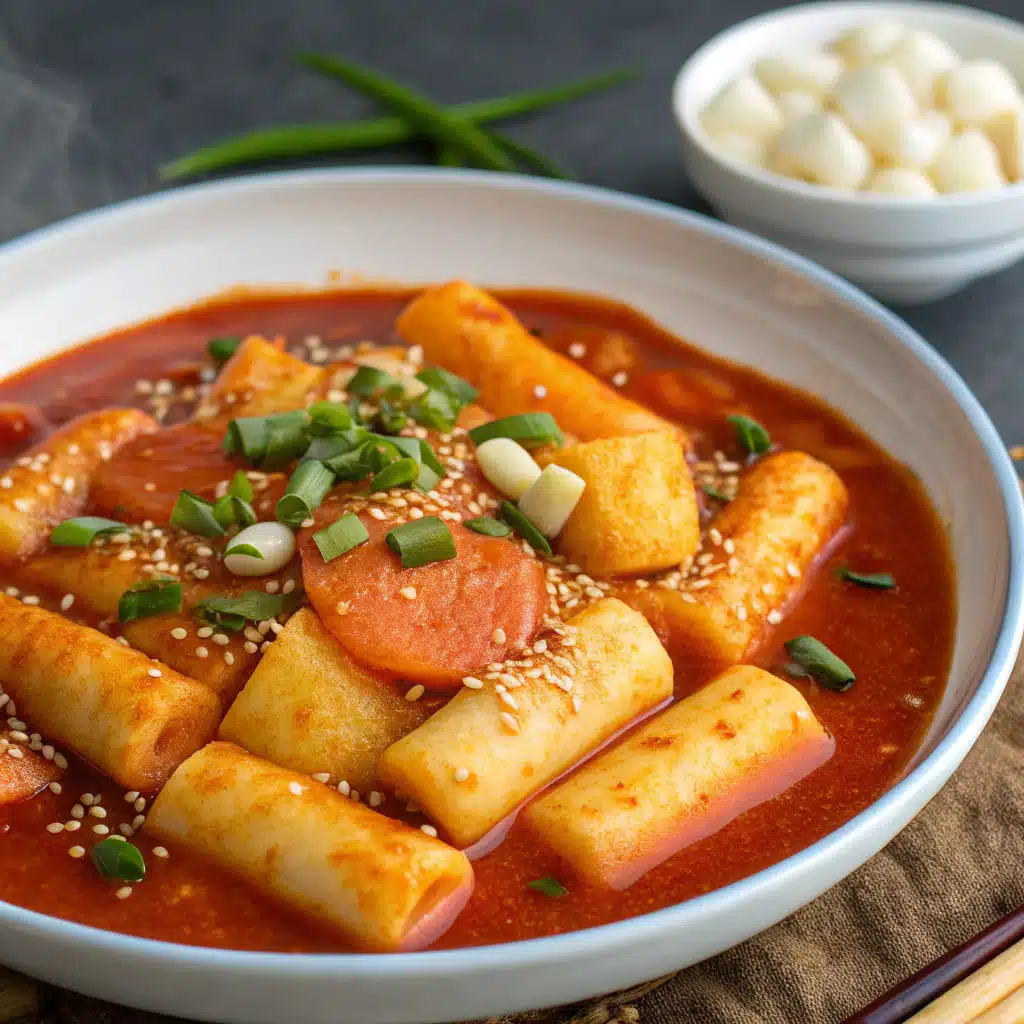
Remember that authentic spicy Korean tteokbokki should look vibrant, glossy, and appetizing with visible pieces of rice cake peeking through the sauce.
Beverage Pairings for Tteokbokki
The fiery nature of spicy Korean tteokbokki calls for beverages that can either complement its heat or provide cooling relief:
Traditional Korean options:
- Sikhye (sweet rice drink) – its sweetness balances the spice
- Barley tea (boricha) – clean, roasted flavor cleanses the palate
- Citron tea (yujacha) – the citrus notes refresh between spicy bites
Non-alcoholic modern pairings:
- Milky beverages like banana milk help neutralize the heat
- Sparkling water with a slice of lemon provides refreshing contrast
- Sweet iced tea offers pleasant flavor contrast
Presentation suggestions:
- Serve beverages ice-cold to maximize their cooling effect
- Consider having multiple beverage options available, especially for guests unaccustomed to spicy food
- Provide plenty of water regardless of other beverage choices
The right beverage pairing can transform the experience of eating spicy Korean tteokbokki, making the heat more manageable while enhancing the overall flavor experience.
Frequently Asked Questions
What does tteokbokki taste like?
Tteokbokki offers a complex flavor profile that’s simultaneously spicy, sweet, and savory. The gochujang (Korean red pepper paste) provides a deep, fermented heat with subtle sweetness, while the rice cakes themselves have a mild, starchy flavor similar to pasta. The dish’s sauce balances these elements with umami notes from soy sauce and aromatic depth from garlic. The overall experience is warming and satisfying with a pleasant burn that builds gradually rather than overwhelming immediately. The texture contrasts—chewy rice cakes against the smooth, thick sauce—are as important to the eating experience as the flavors themselves.
How do you make authentic spicy Korean tteokbokki at home?
Authentic spicy Korean tteokbokki requires specific ingredients and techniques. Start by soaking cylindrical rice cakes in hot water for 10 minutes to soften. Meanwhile, create a sauce by combining gochujang, Shaoxing wine, sugar, gochugaru, soy sauce, and garlic. Cook sliced beef and green onions separately, then simmer the sauce until it begins to reduce. Add the softened rice cakes, cooked beef, and green onions to the sauce, stirring gently until the rice cakes are tender and chewy and the sauce has thickened to a glossy consistency. The authentic version balances heat, sweetness, and umami flavors while maintaining the characteristic chewy texture of the rice cakes.
What kind of rice cakes are used for tteokbokki?
Traditional spicy Korean tteokbokki uses garaetteok, which are cylindrical rice cakes made primarily from rice flour and water. These rice cakes typically measure about 1 inch in length and 1/2 inch in diameter after being cut from longer cylinders. Unlike other varieties of Korean rice cakes, tteokbokki rice cakes don’t contain fillings or added flavors, allowing them to absorb the sauce effectively. They’re available fresh, refrigerated, or frozen in Korean and Asian markets. The texture should be dense and chewy after cooking, providing the characteristic bite that defines this beloved dish.
How spicy is Korean tteokbokki?
Traditional spicy Korean tteokbokki ranges from moderately spicy to quite hot, depending on the amount of gochujang and gochugaru used. On a scale of 1-10, authentic street-food versions typically register around 6-7, making them noticeably spicy but still enjoyable for most people accustomed to spicy foods. The heat builds gradually while eating rather than hitting immediately. Restaurant versions often offer varying spice levels to accommodate different preferences. The spiciness is complex rather than one-dimensional, with sweet and savory notes balancing the heat for a more nuanced experience than dishes that are simply “hot.”
Can you make tteokbokki less spicy?
Yes, spicy Korean tteokbokki can easily be adjusted to create a milder version while maintaining authentic flavors. To reduce the heat: (1) Decrease the amount of gochujang by half and compensate with a tablespoon of tomato paste for color and body; (2) Omit the gochugaru (red pepper flakes) entirely; (3) Increase the sugar slightly to balance the remaining heat; (4) Add 1-2 tablespoons of heavy cream or milk at the end of cooking to mellow the spiciness. These adjustments create a kid-friendly or sensitive-palate version that still delivers the characteristic chewy texture and balanced flavors of authentic tteokbokki.
What sauce is used in spicy tteokbokki?
The signature sauce in spicy Korean tteokbokki primarily features gochujang (Korean red pepper paste) as its foundation. This fermented condiment provides complex heat, umami, and subtle sweetness. The sauce typically combines gochujang with liquid ingredients like Shaoxing wine or anchovy stock for depth, sweeteners such as sugar or corn syrup for balance, aromatic components including garlic and sometimes ginger, and additional seasonings like soy sauce and gochugaru (Korean red pepper flakes) for layered flavor. The sauce should reduce during cooking to a thick, glossy consistency that clings to the rice cakes. Regional variations might include additional ingredients, but gochujang remains the essential element in authentic tteokbokki sauce.
Conclusion
Embracing Korean Cuisine Through Tteokbokki
Spicy Korean tteokbokki serves as an ideal gateway to exploring the broader world of Korean cuisine. This beloved street food embodies many hallmark characteristics of Korean cooking: the perfect balance of sweet, spicy, and savory flavors; the importance of texture in culinary enjoyment; and the creative use of simple ingredients to create complex flavor profiles. By mastering this authentic tteokbokki recipe, you’ve gained valuable insights into Korean culinary techniques and flavor principles that can be applied to other dishes. From the crucial role of gochujang as a flavor foundation to understanding how to achieve that perfect chewy texture in rice cakes, these skills translate across numerous Korean recipes.
“Discover great ideas like authentic international dishes that showcase diverse global cuisines.”
From Street Food to Your Table: The Joy of Homemade Tteokbokki
There’s something genuinely satisfying about recreating authentic spicy Korean tteokbokki in your kitchen—transforming simple ingredients into a dish that captures the vibrant energy of Korean street food culture. As you’ve seen through this recipe, making tteokbokki at home allows you to control the spice level, ingredients, and presentation while still honoring traditional techniques.
Each time you prepare this dish, you’ll likely discover subtle ways to make it your own while maintaining its authentic character. Whether you’re serving it as a cozy weeknight dinner, an impressive appetizer for guests curious about Korean cuisine, or a comforting solo meal, homemade tteokbokki brings the lively flavors of Korean street markets directly to your table. The bright red sauce, chewy rice cakes, tender beef, and aromatic green onions come together in a symphony of flavors and textures that exemplify why Korean cuisine has captured culinary imaginations worldwide.
PrintSpicy Korean Tteokbokki
Authentic Korean street food featuring chewy rice cakes in a fiery, flavorful sauce with beef and green onions.
- Prep Time: 15
- Cook Time: 25
- Total Time: 40 minutes
- Yield: 4 1x
- Category: Main Dish
- Cuisine: Korean
Ingredients
Sauce
- 6 tablespoon of Shaoxing wine
- 3 tablespoons of gochujang
- 3 tablespoons powdered sugar
- 1 teaspoon of gochugaru
- 1 teaspoon light soy sauce
- 2 cloves minced garlic
Noodles
- 350 g of Korean rice cakes tteok
- 4 stems green onions cut into 1cm segments
- 300 g of sliced beef
Instructions
- Soak rice cakes in hot water for 10 minutes, then drain.
- Mix all sauce ingredients in a bowl until well combined.
- Heat oil in a wok over high heat and stir-fry beef for 5 minutes. Set aside.
- In the same wok, stir-fry green onions for 5 minutes. Set aside.
- Reduce heat to medium, add sauce and simmer while stirring. Add oil if needed to prevent sticking.
- Once sauce thickens, add rice cakes, beef, and green onions.
- Mix thoroughly and continue cooking until rice cakes are tender and sauce coats everything evenly.
Notes
Nutrition facts are estimates and may vary based on ingredients used, portion sizes, and preparation methods.
Nutrition
- Serving Size: 4
- Calories: 420 kcal
- Sugar: 12g
- Sodium: 890mg
- Fat: 12g
- Saturated Fat: 4g
- Carbohydrates: 58g
- Fiber: 2g
- Protein: 18g
- Cholesterol: 40mg
Keywords: tteokbokki, Korean street food, spicy rice cakes, Korean cuisine, rice cake recipe, gochujang recipe
Let’s connect! Follow me for more Joylicious Recipes: Facebook, Instagram, Pinterest