No-Knead Cinnamon Raisin Bread: Easiest Artisan Recipe Ever
Introduction: The Magic of Cinnamon Raisin Bread
Why This Recipe Will Change Your Baking Game
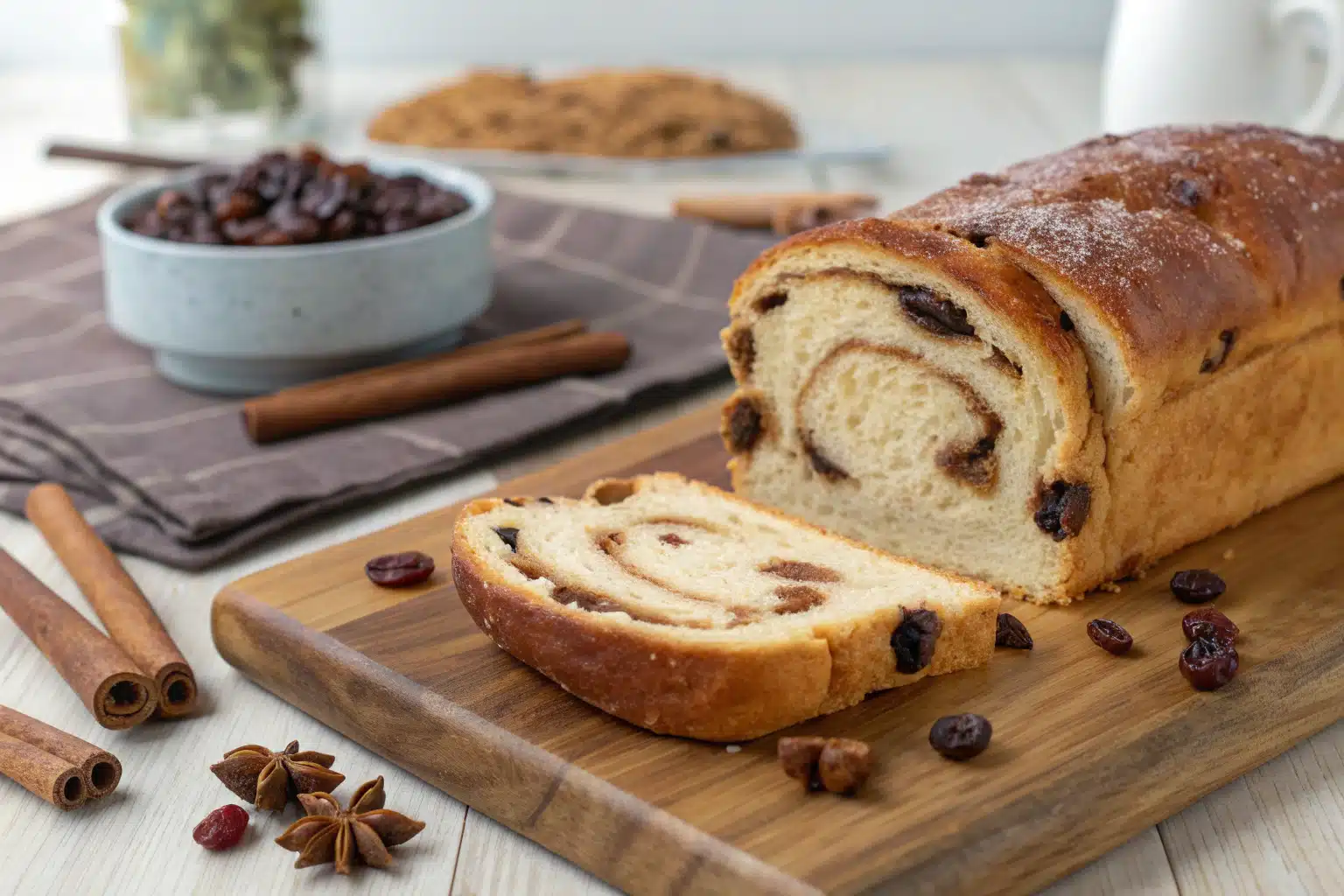
Cinnamon raisin bread is the ultimate comfort food that fills your home with an irresistible aroma. This no-knead version transforms a traditionally labor-intensive process into something remarkably simple, yet the results are consistently spectacular. The combination of sweet raisins, warm cinnamon, and subtle orange zest creates a flavor profile that’s perfect for breakfast, snacks, or even dessert. Best of all, you’ll achieve bakery-quality results with minimal effort.
“Looking for inspiration? Try our parker house rolls for another delicious bread option.”
The Science Behind No-Knead Bread
The beauty of this cinnamon raisin bread lies in its long, slow fermentation process. While traditional bread recipes require extensive kneading to develop gluten structure, this method allows time to do the work for you. During the 12-18 hour rest period, gluten forms naturally, creating that perfect chewy texture and those beautiful air pockets. Additionally, this extended fermentation enhances flavor development, resulting in a deeper, more complex taste than quick-rise recipes. It’s truly the easiest way to create artisan-quality bread at home.
Ingredients: Everything You Need for Perfect Cinnamon Raisin Bread
The Foundation Ingredients
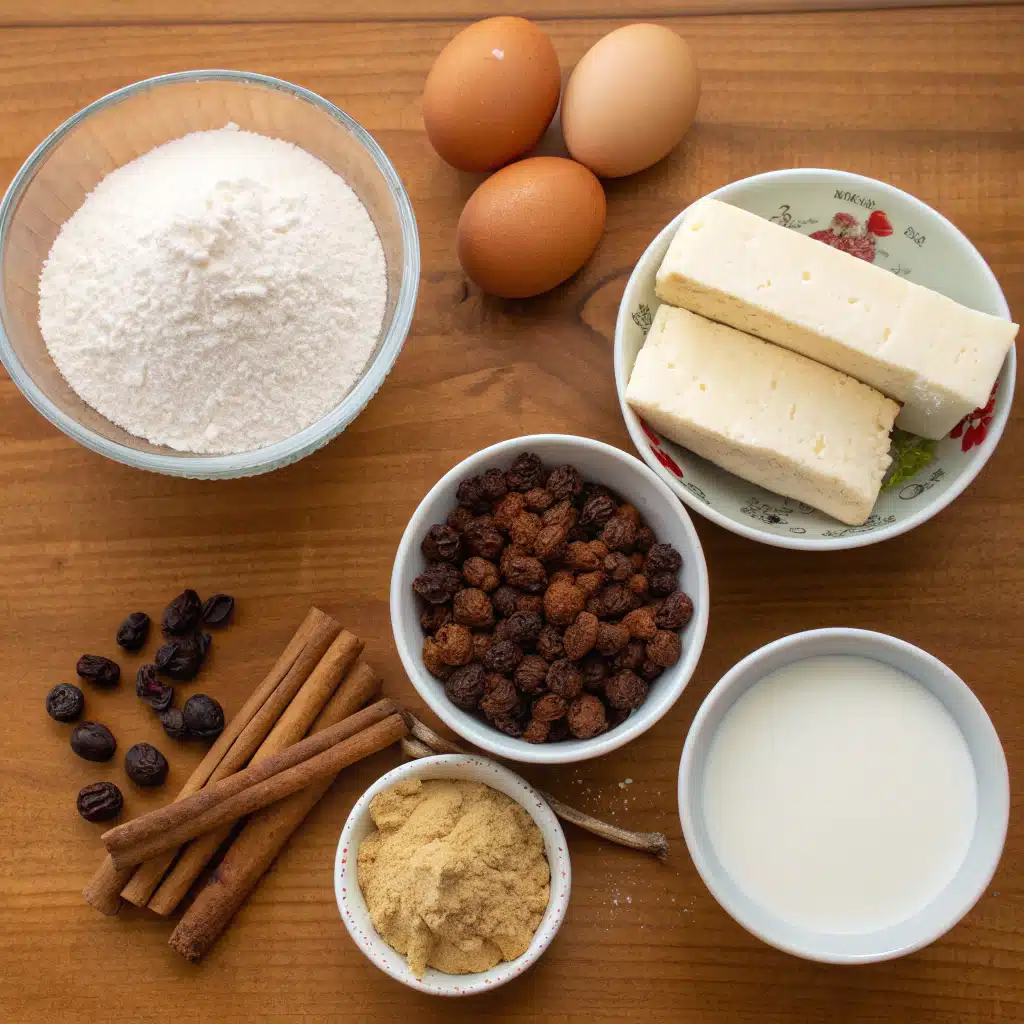
Creating exceptional cinnamon raisin bread starts with quality ingredients. Each component plays a crucial role in the final result.
| Ingredient | Amount | Function |
|---|---|---|
| All-purpose flour | 3 cups | Provides structure |
| Salt | 1 teaspoon | Enhances flavor |
| Active dry yeast | 1/2 teaspoon | Leavening agent |
| Ground cinnamon | 1 tablespoon | Primary flavor |
| Raisins | 1 cup | Sweetness and texture |
| Fresh orange zest | 1-2 teaspoons | Aromatic complexity |
| Lukewarm water | 1 1/2 cups (105°F-115°F) | Activates yeast |
| Brown sugar | 2 tablespoons | Sweetness and moisture |
Understanding Key Ingredients
The moderate amount of yeast (just 1/2 teaspoon) might seem surprising, but it’s perfect for the long fermentation process. Too much yeast would cause the dough to rise too quickly and collapse before baking. The tablespoon of cinnamon isn’t just for flavor—it also has natural antimicrobial properties that help preserve your bread. The orange zest might seem like an optional ingredient, but it’s the secret weapon that elevates this cinnamon raisin bread from good to extraordinary. Finally, brown sugar adds not only sweetness but also moisture and that distinctive molasses note that pairs beautifully with cinnamon.
Step-by-Step: Making Your Cinnamon Raisin Bread
The Initial Mix and Fermentation
Creating this cinnamon raisin bread is remarkably straightforward, but timing is everything. Here’s how to start:
In a large mixing bowl, combine the 3 cups of all-purpose flour, 1 teaspoon salt, 1/2 teaspoon active dry yeast, 1 tablespoon ground cinnamon, 1 cup raisins, and 1-2 teaspoons fresh orange zest. Stir thoroughly until all ingredients are evenly distributed.
Pour in the 1 1/2 cups of lukewarm water (105°F-115°F). Mix with a wooden spoon or spatula until a sticky, shaggy dough forms. The mixture will look rough and uneven—this is exactly right!
Cover the bowl tightly with plastic wrap and set it aside at room temperature (about 70°F) for 12-18 hours. During this time, the dough will rise slowly, developing flavor and gluten structure without kneading. “Discover great ideas like our bread-based stuffing recipe that uses similar techniques.”
The Baking Process
After your dough has fermented properly, it’s time to shape and bake:
About 30 minutes before you plan to bake, place your Dutch oven (with the lid on) in the oven and preheat to 450°F. The pot needs to be thoroughly heated for the best crust development.
While the oven preheats, lightly flour your work surface and your hands. Gently turn out the dough onto the floured surface—it will be loose and sticky. Flatten it slightly with your fingertips.
Sprinkle the 2 tablespoons of brown sugar evenly over the dough. Fold the dough onto itself several times to incorporate the sugar, then shape it into a round loaf. The dough doesn’t need to be perfectly smooth.
Transfer the shaped dough onto a piece of parchment paper, which will make it easier to lower into the hot Dutch oven.
Carefully remove the preheated Dutch oven from the oven (use good oven mitts—it’s extremely hot!). Lift the dough by the parchment paper and lower it into the pot. Cover with the lid.
Bake covered for 30 minutes, then remove the lid and bake for an additional 15-20 minutes until the crust is a deep golden brown. This two-stage baking process creates a beautiful crusty exterior while keeping the interior moist.
Cooling and Serving
The final steps are crucial for texture development:
When baking is complete, carefully remove the bread from the Dutch oven and transfer it to a wire cooling rack.
Allow the cinnamon raisin bread to cool completely before slicing—at least 1 hour. This resting period allows the interior structure to set properly.
Once cooled, slice with a serrated knife and enjoy! The bread is perfect as is, toasted with butter, or used for exceptional French toast.
Tips: Secrets to Cinnamon Raisin Bread Success
Getting the Perfect Texture
Achieving that perfect texture in your cinnamon raisin bread depends on several key factors. First, resist the urge to add more flour when mixing the dough—it should be wet and sticky. The high hydration level is what creates those beautiful air pockets and chewy texture. Second, temperature matters tremendously. If your kitchen is particularly cold (below 65°F), find a warmer spot for fermentation, perhaps near (but not on) a warm appliance. Conversely, if your kitchen is very warm, the fermentation might finish in just 10-12 hours rather than the full 18. The dough is ready when it has doubled in size and is dotted with bubbles on the surface.
“Don’t miss our sous vide chicken breast recipe where temperature control is also crucial.”
Working with Wet Dough
Handling sticky dough can be challenging, but a few techniques make it much easier. Instead of adding too much flour (which would toughen the bread), wet your hands lightly with water before touching the dough. This prevents sticking without altering the dough’s hydration. When shaping the loaf, use gentle movements rather than aggressive kneading. The goal is to preserve the air bubbles that formed during fermentation. Additionally, using parchment paper is non-negotiable—it prevents the dough from sticking to your work surface and makes transferring to the hot Dutch oven much safer and easier.
Perfecting Your Crust
The signature crackling crust on this cinnamon raisin bread comes from proper steam development. The enclosed Dutch oven traps moisture from the dough, creating steam that allows the bread to expand fully before the crust sets. To enhance this effect, you can spritz the dough with water right before placing the lid on the Dutch oven. For an even more professional-looking finish, you can score the top of your dough with a sharp knife or razor blade just before baking. However, unlike traditional sourdough, deep scoring isn’t necessary for this enriched dough. The most important factor for a great crust is ensuring your Dutch oven is properly preheated—don’t rush this step!
Storage: Keeping Your Cinnamon Raisin Bread Fresh
Short-Term Storage Options
Properly storing your homemade cinnamon raisin bread is essential for maintaining its quality. For the first day or two, your bread will stay freshest at room temperature in a paper bag or wrapped loosely in a clean kitchen towel. This method preserves the crusty exterior while keeping the interior moist. Alternatively, you can store it cut-side down on a cutting board, which protects the exposed crumb without trapping too much moisture. Avoid plastic bags for fresh bread as they trap humidity and quickly soften the crust. If you prefer soft crust bread, however, plastic storage can actually be advantageous.
“Here’s your guide to storing other baked goods like cookies and treats.”
Long-Term Preservation Techniques
For longer storage, freezing is your best option. Cinnamon raisin bread freezes exceptionally well, maintaining its flavor and texture for up to three months. To freeze, allow the bread to cool completely, then slice it (pre-slicing makes it easier to take just what you need). Wrap the slices tightly in plastic wrap, then place in a freezer bag with the air pressed out. Label with the date and freeze. To thaw and refresh, either let slices come to room temperature naturally or toast them directly from frozen. The freezer is preferable to refrigeration, as refrigerating bread actually accelerates staling due to the way starch molecules reorganize at cold (but not freezing) temperatures.
Reviving Day-Old Bread
Even perfectly stored bread will eventually lose its fresh-baked quality, but that doesn’t mean it’s past its prime. Day-old cinnamon raisin bread makes exceptional French toast, bread pudding, or croutons for sweet salads. To revive slightly stale bread for regular eating, sprinkle it lightly with water and heat in a 350°F oven for 5-10 minutes. This reactivates the starches and temporarily restores that fresh-baked quality. For individual slices, toasting is the perfect solution—it caramelizes the sugars in the bread and recrispens the exterior, bringing new life to older bread. The cinnamon and raisins in this bread make even slightly stale slices deliciously aromatic when toasted.
Variations: Creative Twists on Cinnamon Raisin Bread
Flavor Adaptations
The basic cinnamon raisin bread recipe serves as a fantastic canvas for creative variations. For a more complex spice profile, try adding 1/4 teaspoon of freshly grated nutmeg and a pinch of ground cardamom to the dry ingredients. Vanilla enthusiasts can add 1 teaspoon of pure vanilla extract to the water for subtle aromatic notes. For a more pronounced orange flavor, increase the zest to 1 tablespoon or add 2 tablespoons of candied orange peel. Those who enjoy a more robust molasses flavor can substitute dark brown sugar for light brown.
“Check out our lemon poppy seed cake for another delicious flavor combination.”
Fruit and Nut Variations
While traditional cinnamon raisin bread contains only raisins, many delicious alternatives exist. Dried cranberries make an excellent raisin substitute, offering a tangy counterpoint to the sweet cinnamon. Chopped dried apricots provide vibrant color and distinctive flavor. For added texture, incorporate 1/2 cup of chopped walnuts, pecans, or sliced almonds when you add the raisins. A luxurious variation includes 1/3 cup of high-quality dark chocolate chunks along with the raisins. For an autumn-inspired version, try adding 1/3 cup of finely diced dried apple pieces. The key with any additions is to keep the total volume of mix-ins around 1-1 1/4 cups to maintain the bread’s proper structure.
Dietary Modifications
This cinnamon raisin bread can be adapted for various dietary needs without sacrificing quality. For a whole grain version, substitute 1 cup of the all-purpose flour with whole wheat flour (but keep 2 cups of all-purpose to maintain proper rise). Those reducing sugar can decrease the raisins to 3/4 cup and the brown sugar to 1 tablespoon. For a gluten-free option, replace the all-purpose flour with a high-quality cup-for-cup gluten-free flour blend, but be aware that you may need to add 1 teaspoon of xanthan gum if your blend doesn’t already include it. The texture will be slightly different, but still delicious. Vegan bakers need make no adjustments, as this recipe is naturally vegan-friendly—containing no eggs, dairy, or honey.
Serving: Enjoying Your Homemade Cinnamon Raisin Bread
Classic Serving Suggestions
Freshly baked cinnamon raisin bread is magnificent on its own, but simple accompaniments can elevate it further. For breakfast, toasted slices spread with softened butter allow the bread’s flavors to shine. For a more indulgent morning treat, try cream cheese or mascarpone topped with a drizzle of honey. Nut butters—especially almond or cashew butter—pair wonderfully with the cinnamon and raisin flavors. For afternoon tea, serve thin slices with cultured butter and a sprinkle of flaky sea salt to highlight the sweet-savory contrast. The bread also makes exceptional toast points for serving alongside fruit salads or breakfast casseroles.
Creative Cinnamon Raisin Bread Applications
This versatile bread extends far beyond simple toast. Transform it into an extraordinary French toast by soaking slices in a mixture of eggs, milk, vanilla, and a pinch of extra cinnamon before cooking in butter. For a show-stopping brunch, prepare bread pudding by cubing the cinnamon raisin bread and baking it in a custard mixture. It also makes sublime grilled cheese sandwiches, particularly when paired with brie or cream cheese and thin apple slices. For an easy dessert, top toasted slices with vanilla ice cream and a drizzle of caramel sauce. You can even cube and toast the bread to make sweet croutons for fruit salads or as a topping for ice cream.
“Want more ideas? Check out our maple pecan French toast bake for another delicious bread-based breakfast.”
Pairing Suggestions
The warm, sweet spice profile of cinnamon raisin bread pairs beautifully with a variety of beverages. Coffee, particularly medium roasts with chocolate or nutty notes, complements the bread’s flavors perfectly. Tea drinkers should try chai, Earl Grey, or orange pekoe varieties, which echo the bread’s spice and citrus notes. For cold beverages, try apple cider (hot or cold) or orange juice. If serving the bread as part of a larger breakfast spread, it works wonderfully alongside egg dishes, fresh fruit, and yogurt. For a simple but satisfying breakfast, pair toasted cinnamon raisin bread with a bowl of Greek yogurt topped with honey and fresh berries.
FAQs: Common Questions About Cinnamon Raisin Bread
How long should the dough rise?
The dough should rise for 12-18 hours at room temperature (around 70°F). This long, slow fermentation is essential for developing flavor and proper texture without kneading. The dough is ready when it has doubled in size and shows bubbles on the surface. In warmer environments (above 75°F), check the dough after 10 hours as it may rise faster. In cooler rooms, it might need the full 18 hours or even a bit longer. The flexibility in timing makes this perfect for overnight preparation.
Can I leave out the orange zest?
Yes, you can omit the orange zest if you prefer or don’t have it on hand. While the zest adds a lovely aromatic quality that complements the cinnamon, the bread will still be delicious without it. If omitting, consider adding 1/2 teaspoon of vanilla extract to the water for additional flavor complexity. Alternatively, lemon zest can substitute for orange, though it will provide a different but equally pleasant citrus note.
Can I use instant yeast?
Absolutely! Instant yeast can be used in the same quantity (1/2 teaspoon) as active dry yeast in this recipe. The advantage of instant yeast is that it doesn’t need to be proofed in water first—simply mix it directly with the dry ingredients. The long fermentation time ensures that either type of yeast will work effectively. If using instant yeast, you might notice the dough rises slightly faster, so check it on the earlier side of the time range.
How do I prevent dense bread?
To prevent dense cinnamon raisin bread, maintain the proper hydration level by measuring ingredients accurately and using the full amount of water. Handle the dough gently after fermentation to preserve air bubbles. Ensure your yeast is fresh and active, and allow the full fermentation time. Most importantly, preheat your Dutch oven thoroughly—the initial heat burst helps create proper oven spring. Finally, let the bread cool completely before slicing to prevent compression of the crumb structure.
Can I replace raisins with cranberries?
Yes, dried cranberries make an excellent substitute for raisins in this recipe. Use the same quantity (1 cup) for balanced distribution throughout the bread. Cranberries add a pleasant tartness that contrasts beautifully with the sweet cinnamon. For best results, choose unsweetened or naturally sweetened cranberries rather than heavily sugared varieties. You can also use a combination of raisins and cranberries for interesting flavor variation.
How do I store the bread?
Store completely cooled cinnamon raisin bread at room temperature in a paper bag or wrapped in a clean kitchen towel for 1-2 days to maintain its crust. For longer storage, freeze sliced bread wrapped tightly in plastic and placed in a freezer bag for up to 3 months. Avoid refrigerating the bread, as this accelerates staling. Revive slightly stale bread by warming in a 350°F oven for 5-10 minutes or by toasting individual slices.
Conclusion: Mastering the Art of Homemade Bread
Why This Recipe Works Every Time
The magic of this cinnamon raisin bread lies in its simplicity and the science behind the method. By allowing time rather than kneading to develop the gluten, you achieve a consistent, beautiful structure with minimal effort. The small amount of yeast paired with a long fermentation creates complex flavors impossible to achieve in quick-rise recipes.
The enclosed baking environment of the Dutch oven mimics professional bakery steam ovens, resulting in that perfect artisanal crust. Perhaps most importantly, this recipe is forgiving—variations in room temperature, exact rising time, and even minor measurement differences won’t ruin your bread. The combination of these factors makes this truly foolproof bread that delivers bakery-quality results in your home kitchen.
Building Your Bread-Making Confidence
This no-knead cinnamon raisin bread is the perfect gateway to artisan bread making. Its success will give you the confidence to explore more varieties and techniques. Once you’ve mastered this recipe, consider experimenting with different flour blends, alternative spices, or additional mix-ins. You might try shaping variations, like making smaller rolls instead of one large loaf.
The skills you develop—understanding fermentation, working with wet dough, and managing the baking environment—transfer to countless other bread recipes. Remember that bread making is both science and art; each loaf teaches you something new, and even “imperfect” loaves are usually delicious. The most important ingredient is patience—giving the dough time to develop and the bread time to cool properly before slicing.
“Learn more about no-knead bread techniques with our other bread recipes.”
Cinnamon Raisin Bread
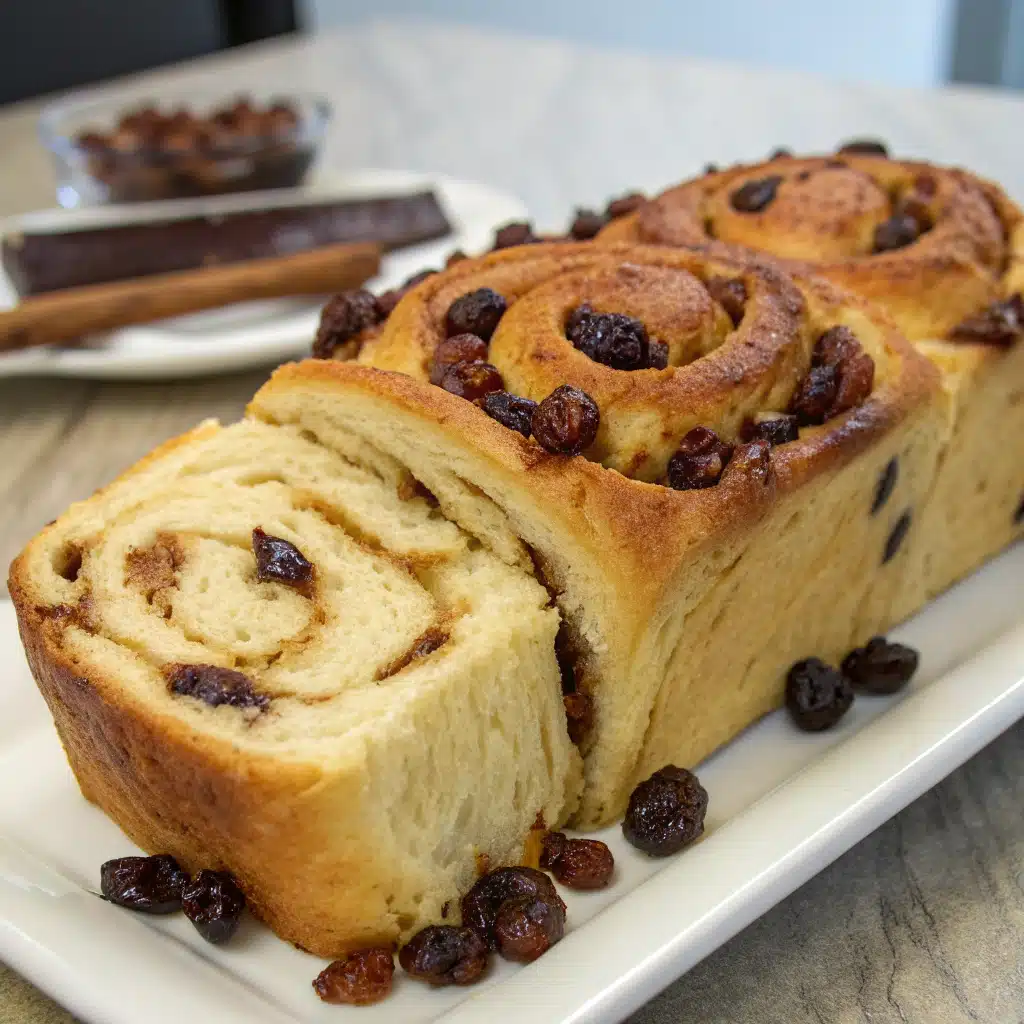
Easy no-knead cinnamon raisin bread with perfect texture and amazing flavor. This Dutch oven method creates a crusty exterior and soft, aromatic interior.
- Prep Time: 20
- Cook Time: 50
- Total Time: 1 hour 10 minutes
- Yield: 1 1x
- Category: Bread
- Cuisine: American
Ingredients
- 3 cups all-purpose flour
- 1 teaspoon salt
- 1/2 teaspoon active dry yeast
- 1 tablespoon ground cinnamon
- 1 cup raisins
- 1–2 teaspoons fresh orange zest
- 1 1/2 cups lukewarm water (105°F–115°F)
- 2 tablespoons brown sugar
Instructions
- Mix flour, salt, yeast, cinnamon, raisins, and orange zest in a large bowl until combined.
- Add lukewarm water and mix until a shaggy dough forms. No kneading needed.
- Cover bowl with plastic wrap and let rest at room temperature for 12-18 hours.
- Preheat Dutch oven in a 450°F oven for 30 minutes.
- Turn dough onto floured surface, sprinkle with brown sugar, fold to incorporate, and shape into a ball.
- Place dough on parchment paper and carefully lower into hot Dutch oven.
- Bake covered for 30 minutes, then uncover and bake 15-20 minutes more until golden.
- Cool completely on wire rack before slicing.
Notes
Nutrition facts are estimates and may vary based on ingredients used, portion sizes, and preparation methods.
Nutrition
- Serving Size: 1
- Calories: 165Kcal
- Sugar: 9g
- Sodium: 195mg
- Fat: 0.5g
- Carbohydrates: 36g
- Fiber: 2g
- Protein: 4g
Keywords: cinnamon raisin bread, no-knead bread, artisan bread, breakfast bread, homemade bread
Let’s connect! Follow me for more Joylicious Recipes: Facebook, Instagram, Pinterest