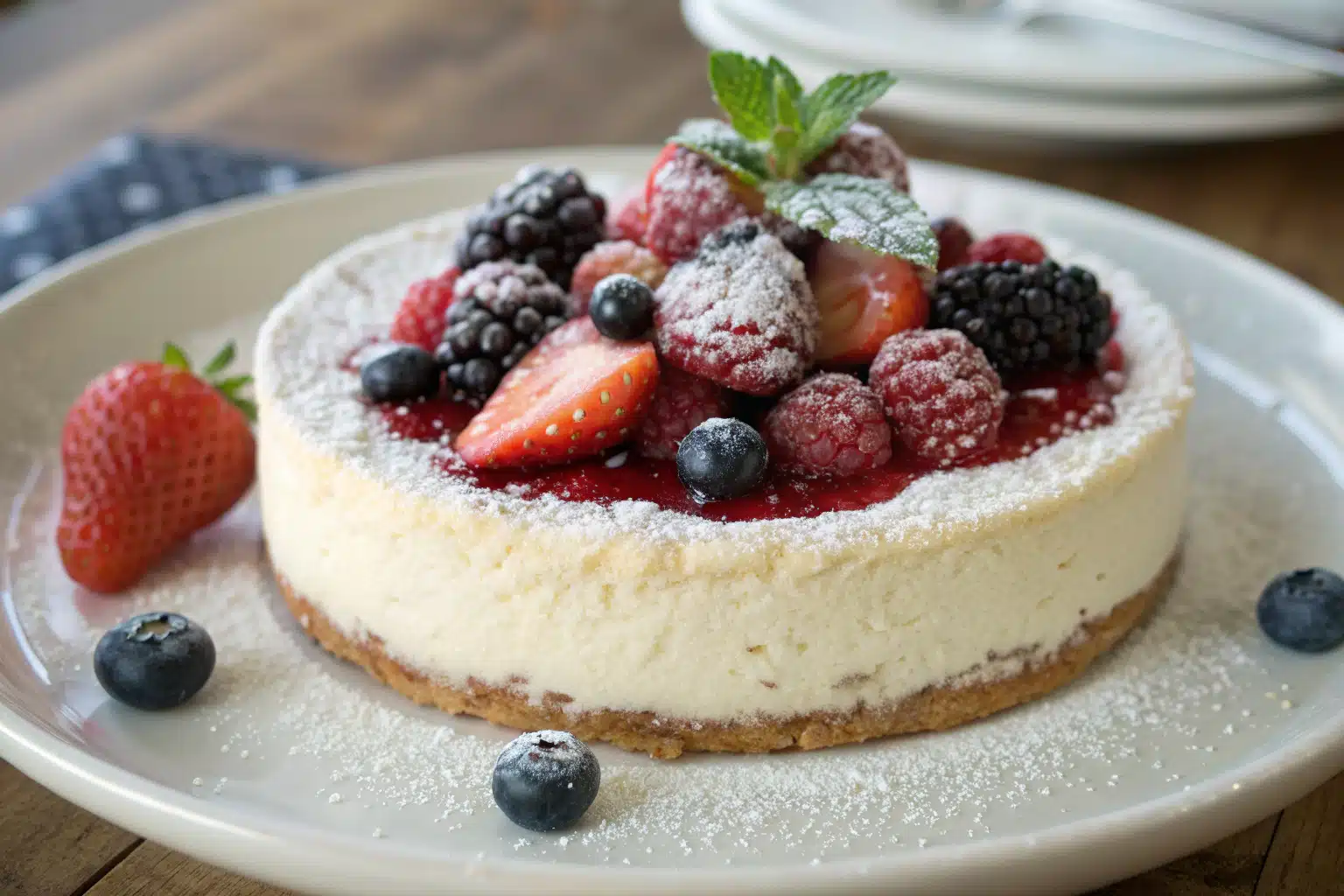
Cottage Cheese Cheesecake: Creamy, Light and Irresistibly Easy
Discovering the Magic of Cottage Cheese Cheesecake
Cottage cheese cheesecake transforms an everyday dairy product into a delightful dessert that’s both creamy and surprisingly light. Unlike traditional cheesecakes that rely heavily on cream cheese, this innovative version uses protein-rich cottage cheese as its star ingredient, creating a healthier yet equally indulgent treat.
Whether you’re looking to cut calories or simply try something new, cottage cheese cheesecake delivers the familiar tangy sweetness you crave with a unique twist that might just become your new favorite. The smooth texture and balanced flavor profile make this dessert perfect for any occasion, from casual family dinners to elegant dinner parties.
Why Choose Cottage Cheese for Cheesecake?
Cottage cheese brings numerous advantages to cheesecake making. First, it’s significantly lower in fat and calories than cream cheese while being higher in protein, making your dessert more nutritionally balanced. The texture of cottage cheese cheesecake is remarkably light and airy compared to its denser traditional counterpart.
Additionally, cottage cheese imparts a subtle tanginess that pairs beautifully with the sweetness of the cake. It’s also more budget-friendly, allowing you to create a delicious dessert without breaking the bank.
“Looking for inspiration? Try our creamy cheddar garlic chicken bake for another comforting dish that will please the whole family.”
The versatility of cottage cheese means you can easily adapt this recipe to suit your taste preferences, adding various flavors from lemon to vanilla or topping it with fruits, granola, or even a drizzle of honey.
Ingredients for Perfect Cottage Cheese Cheesecake
Essential Ingredients for the Cheesecake
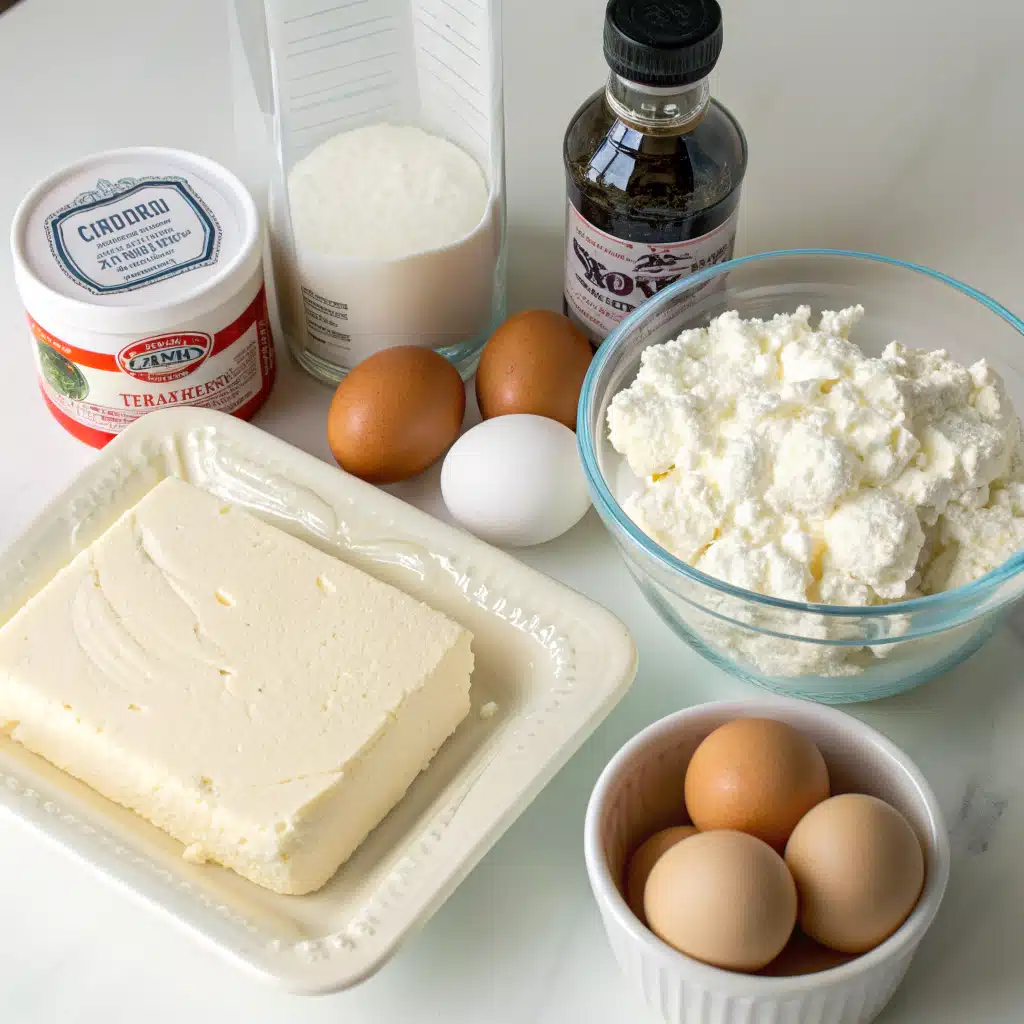
| Ingredient | Amount | Notes |
|---|---|---|
| Cottage cheese | 1 cup (227g/8oz) | 2% fat recommended, though any type works |
| Greek yogurt | 1/4 cup (57g/2oz) | Any fat percentage works (nonfat, 2%, full-fat) |
| Large egg | 1 | Room temperature for best results |
| Sugar | 2.5 tablespoons (32g) | Provides just the right sweetness |
| Flour or cornstarch | 1.5 tablespoons (12g) | Helps with texture and stability |
| Vanilla extract | 1/2 teaspoon | Enhances flavor |
| Lemon zest | 1/2 teaspoon | Adds brightness |
Graham Cracker Crust Ingredients (Optional)
| Ingredient | Amount | Notes |
|---|---|---|
| Graham cracker crumbs | 3/4 cup | Creates the perfect crunchy base |
| Sugar | 1 tablespoon | Adds sweetness to the crust |
| Kosher salt | Pinch | Balances the sweetness |
| Unsalted butter, melted | 3 tablespoons | Binds the crust together |
Step-by-Step Guide to Making Cottage Cheese Cheesecake
Preparing the Graham Cracker Crust
- Preheat your oven to 350°F (175°C) and thoroughly grease a 6-inch springform pan. If you prefer a larger cheesecake, you can double the recipe and use an 8 or 9-inch cake pan instead.
- In a small mixing bowl, combine the graham cracker crumbs, 1 tablespoon of sugar, and a pinch of kosher salt, stirring until well mixed.
- Pour in the melted butter and stir until all crumbs are evenly moistened and the mixture resembles wet sand.
- Press the crumb mixture firmly and evenly into the bottom of your prepared springform pan, creating a level base.
- Bake the crust for 10-12 minutes until it turns golden brown and gives off a fragrant aroma. Remove from the oven and set aside to cool slightly while preparing the filling.
Creating the Cottage Cheese Filling
- Place the cottage cheese, Greek yogurt, egg, sugar, flour (or cornstarch), vanilla extract, and lemon zest in a high-powered blender.
- Blend all ingredients thoroughly until the mixture becomes completely smooth and no cottage cheese curds remain visible. This typically takes 1-2 minutes of blending.
- Pause once during blending to scrape down the sides of the blender with a spatula, ensuring all ingredients are fully incorporated.
- Continue blending until the mixture achieves a silky, pourable consistency. “Don’t miss our mini pineapple upside down cheesecakes for another delicious cheesecake variation that’s perfect for portion control.”
- Pour the smooth cottage cheese mixture into your prepared graham cracker crust (or directly into a greased springform pan if you prefer a crustless version).
Baking and Cooling Your Cheesecake
- Place the filled springform pan on the middle rack of your preheated 350°F (175°C) oven.
- Bake for 30-35 minutes, watching for key signs of doneness: the edges should be set and beginning to turn slightly brown with a matte surface, while the center remains slightly jiggly but not liquid.
- Avoid the temptation to overbake, as this can lead to a dry, cracked cheesecake.
- Once baked, remove from the oven and allow the cheesecake to cool completely to room temperature on a wire rack, which takes approximately 1-2 hours.
- After cooling, cover the cheesecake with plastic wrap and refrigerate for at least 4 hours or preferably overnight to allow the flavors to develop and the texture to set properly.
Tips for Cottage Cheese Cheesecake Success
Achieving the Perfect Texture
The key to a silky-smooth cottage cheese cheesecake lies in proper blending. Use a high-powered blender or food processor to thoroughly process the cottage cheese mixture until absolutely no curds remain visible. For even better results, let your cottage cheese come to room temperature before blending, as this helps it process more smoothly.
Consider straining cottage cheese with large curds through a fine-mesh sieve before blending if you’re concerned about texture. The addition of Greek yogurt provides creaminess while helping to achieve that classic cheesecake consistency. If you prefer a denser cheesecake, reduce the amount of Greek yogurt slightly. For a fluffier texture, some bakers separate the egg, whip the white until stiff, and fold it into the blended mixture for extra lightness.
Flavor Enhancements and Variations
While this cottage cheese cheesecake is delicious in its basic form, you can easily customize the flavor profile to suit your preferences. For a more pronounced lemon flavor, increase the lemon zest to 1 teaspoon or add 1 tablespoon of fresh lemon juice. Vanilla lovers can double the vanilla extract or use a vanilla bean for more intense flavor.
“Check out our mini lemon cheesecakes for another citrus-inspired dessert that’s perfect for spring and summer gatherings.”
For a more complex flavor profile, add a pinch of cinnamon or nutmeg to the filling. Almond or coconut extract (just 1/4 teaspoon) can provide an interesting twist. For chocolate lovers, fold in 2-3 tablespoons of mini chocolate chips or cocoa powder after blending. During summer months, try adding 1/2 cup of pureed berries for a fruity cheesecake variation that showcases seasonal produce.
Avoiding Common Mistakes
Preventing cracks is a common challenge with cheesecakes. To avoid this issue, avoid overmixing after adding the egg, as too much air incorporation can lead to cracking during baking. Always bake your cheesecake at a moderate temperature – high heat is the enemy of smooth cheesecake.
Consider placing a shallow pan of water on the lower oven rack to create humidity while baking, helping prevent cracks. Never open the oven door during the first 25 minutes of baking, as temperature fluctuations can cause the cake to sink or crack. After baking, run a thin knife around the edge of the springform pan before the cheesecake cools completely to prevent it from sticking and cracking as it contracts. If cracks do appear, don’t worry – they won’t affect the taste, and you can always cover them with toppings.
Storage and Make-Ahead Options
Refrigerator Storage
Cottage cheese cheesecake keeps remarkably well in the refrigerator, making it an excellent make-ahead dessert option. To store properly, first ensure the cheesecake has cooled completely to room temperature. Cover the cheesecake tightly with plastic wrap or aluminum foil, or place it in an airtight container to prevent it from absorbing other flavors from the refrigerator.
When stored correctly, cottage cheese cheesecake maintains its quality for up to 5 days in the refrigerator. For the best flavor and texture experience, allow the refrigerated cheesecake to sit at room temperature for about 15-20 minutes before serving. This slight warming makes the texture creamier and the flavors more pronounced, giving you the optimal cottage cheese cheesecake experience.
Freezing Instructions
Cottage cheese cheesecake freezes exceptionally well, allowing you to prepare this dessert weeks in advance for special occasions. For freezing, it’s best to chill the completely cooled cheesecake in the refrigerator first until firmly set. Remove the cheesecake from the springform pan and place it on a cardboard round.
“Here’s your guide to strawberry cheesecake ice cream if you’re looking for a frozen dessert alternative that combines two classic favorites.”
Wrap the cheesecake thoroughly with a layer of plastic wrap followed by a layer of aluminum foil to prevent freezer burn. For individual servings, cut the cheesecake into slices before wrapping each piece separately. Properly wrapped cottage cheese cheesecake can be frozen for up to 2 months without significant quality loss. To thaw, transfer the frozen cheesecake to the refrigerator and allow it to defrost slowly for 24 hours before serving for the best texture.
Serving After Storage
Whether refrigerated or frozen, properly preparing your cottage cheese cheesecake for serving ensures the best possible taste experience. For refrigerated cheesecake, simply remove it from the refrigerator about 15-20 minutes before serving to take the chill off. If you’ve frozen individual slices, you can thaw a single piece in the refrigerator for about 4-5 hours.
Never attempt to speed up thawing using a microwave, as this will destroy the texture and create an unevenly heated cheesecake. Add any fresh toppings like fruit, compotes, or whipped cream just before serving rather than before storage to maintain their freshness and prevent the cheesecake from becoming soggy. If the cheesecake seems a bit dry after storage, a drizzle of honey or a fruit sauce can instantly refresh it.
Delicious Cottage Cheese Cheesecake Variations
Fruity Cottage Cheese Cheesecakes
Fruit and cheesecake create a perfect partnership, and cottage cheese cheesecake serves as an excellent canvas for seasonal fruit variations. For a berry-forward version, gently fold 1/2 cup of fresh or frozen blueberries, raspberries, or strawberries into the cheesecake mixture just before pouring it into the crust. Alternatively, create a stunning swirled effect by dropping spoonfuls of berry puree onto the cheesecake batter and using a knife to create elegant marble patterns. For tropical flair, fold in 1/3 cup of finely diced mango or pineapple along with 2 tablespoons of shredded coconut. Citrus lovers can increase the lemon zest and add 1 tablespoon of fresh lemon juice, or experiment with lime or orange for different flavor profiles.
“Learn more about berries and cream combinations that would pair beautifully with this light cottage cheese cheesecake.”
Savory Cottage Cheese Cheesecakes
While sweet cheesecakes may be more familiar, cottage cheese works beautifully in savory applications too. To create a savory cottage cheese cheesecake, omit the sugar and vanilla, and instead add 2 tablespoons of finely chopped fresh herbs like dill, chives, or basil. Include 1/4 cup of grated Parmesan or feta cheese for depth of flavor. For a Mediterranean-inspired version, mix in 2 tablespoons of sun-dried tomatoes and 1 tablespoon of chopped Kalamata olives.
A savory cottage cheese cheesecake makes an elegant appetizer when sliced into small wedges and served with crisp crackers or crostini. For brunch, try a spinach and feta variation by adding 1/4 cup of cooked, well-drained chopped spinach and 2 tablespoons of crumbled feta to the base recipe. These savory cheesecakes can be served at room temperature, making them perfect for entertaining.
Healthier Cottage Cheese Cheesecake Options
One of the greatest advantages of cottage cheese cheesecake is its adaptability to various dietary preferences. For a lower-sugar version, reduce the sugar to 1 tablespoon and add a natural sweetener like mashed ripe banana (about 1/4 cup) or unsweetened applesauce. Those following a gluten-free diet can substitute the graham cracker crust with a nut-based crust made from 1 cup of ground almonds mixed with 2 tablespoons of melted coconut oil and a pinch of salt.
For a protein-boosted version, add 1 scoop of unflavored or vanilla protein powder to the cheesecake mixture. If you’re watching your fat intake, use fat-free cottage cheese and Greek yogurt, though the texture may be slightly less creamy. For a completely dairy-free version, some specialized plant-based cottage cheese alternatives are now available, though the texture will differ somewhat from the traditional recipe.
Serving Suggestions for Cottage Cheese Cheesecake
Complementary Toppings
The right toppings can elevate your cottage cheese cheesecake from simply delicious to truly memorable. Fresh berries make a classic topping – try a mixture of strawberries, blueberries, and raspberries for color and varied flavors. For added texture, sprinkle homemade or store-bought granola over the top just before serving.
A quick fruit compote made by simmering frozen berries with a splash of water and a pinch of sugar creates a beautiful, glossy topping that adds both flavor and visual appeal. Drizzle honey or maple syrup in a decorative pattern for a simple yet elegant finishing touch. A dollop of Greek yogurt provides a tangy contrast that complements the cheesecake beautifully. For special occasions, a light dusting of powdered sugar or cocoa powder adds sophistication without overwhelming the delicate flavor of the cottage cheese.
Perfect Pairings
The light nature of cottage cheese cheesecake makes it versatile for pairing with various beverages and complementary desserts. For coffee lovers, serve with a cup of freshly brewed coffee – the slight bitterness balances the sweet, creamy cheesecake perfectly. “Discover great ideas like our cookie dough bites recipe for a fun dessert platter that features your cheesecake as the centerpiece.” Herbal teas such as chamomile or mint make refreshing accompaniments, especially for summer servings.
For a more indulgent experience, pair with a glass of dessert wine like Moscato d’Asti or a late-harvest Riesling, which complement the cheesecake’s creamy texture and subtle sweetness. If serving as part of a dessert buffet, include contrasting textures like chocolate-dipped strawberries or crisp butter cookies. For brunch settings, accompany with a fruit salad dressed with a light honey-lime dressing for a refreshing contrast.

Presentation Ideas
Beautiful presentation enhances the enjoyment of any dessert, and cottage cheese cheesecake offers many opportunities for creative serving. For individual portions, consider making mini cheesecakes in a muffin tin lined with cupcake papers. These personal servings eliminate the need for cutting and make for an elegant presentation at dinner parties.
For a rustic yet charming look, serve slices on small wooden boards or slate tiles. When serving the whole cheesecake, place it on a pedestal cake stand and surround the base with fresh berries or edible flowers for a stunning centerpiece effect. Drizzle sauces in decorative patterns on the plate before placing the cheesecake slice – try raspberry coulis, chocolate sauce, or caramel for colorful accents. For a deconstructed presentation, serve small portions in clear glass bowls layered with crumbled graham crackers, cheesecake, and toppings for a visually interesting dessert that showcases all components.
FAQs
What exactly is cottage cheese cheesecake?
Cottage cheese cheesecake is a lighter alternative to traditional cheesecake that uses cottage cheese instead of or alongside cream cheese. It maintains the classic tangy-sweet flavor profile while offering a different texture and nutritional benefits, including higher protein and lower fat content than conventional cheesecakes.
How do you prepare cheesecake using cottage cheese?
To prepare cottage cheese cheesecake, blend cottage cheese with Greek yogurt, egg, sugar, flour, vanilla, and lemon zest until completely smooth. Pour this mixture into a prepared graham cracker crust and bake at 350°F for 30-35 minutes until the edges are set but the center remains slightly jiggly. Cool completely and refrigerate before serving.
Can cottage cheese replace cream cheese in cheesecake?
Yes, cottage cheese can replace cream cheese in cheesecake recipes. The key is blending well to remove all curds and ensure a smooth texture. The result will be lighter and less dense than a traditional cheesecake. Still, it delivers a delicious alternative with unique qualities.
Does cheesecake made with cottage cheese turn out creamy?
When properly prepared, cottage cheese cheesecake turns out remarkably creamy. The secret lies in thoroughly blending the cottage cheese until no curds remain visible. The addition of Greek yogurt further enhances the creamy texture, resulting in a smooth, velvety cheesecake that rivals traditional versions.
How much baking time does a cottage cheese cheesecake require?
A 6-inch cottage cheese cheesecake usually bakes for 30–35 minutes at 350°F. It is ready when the edges look set and lightly browned with a matte surface. The center should stay slightly jiggly but not liquid. Baking time can vary based on your oven and cheesecake size.
Should cottage cheese be strained before adding it to cheesecake?
Straining cottage cheese isn’t usually necessary if you have a high-powered blender. It can easily process the mixture until smooth. However, if your cottage cheese has large curds or your blender lacks power, straining through a fine-mesh sieve helps create a creamier texture.
Conclusion
Why You’ll Love This Cottage Cheese Cheesecake
Cottage cheese cheesecake represents the perfect balance between indulgence and mindful eating. This remarkable dessert delivers all the creamy satisfaction and sweet-tangy flavor of traditional cheesecake while offering nutritional advantages that make it suitable for everyday enjoyment.
Its versatility allows for countless variations to suit your mood and available ingredients, whether you’re craving something fruity, wanting to experiment with savory options, or looking to accommodate specific dietary needs. The simplicity of preparation makes this an accessible recipe even for novice bakers, while its elegant results will impress dinner guests and family alike.
“Want more ideas? Check out our ice cream cone cupcakes for another fun dessert that’s perfect for parties and celebrations.”
Final Thoughts and Encouragement
Don’t let skepticism about cottage cheese in desserts hold you back from trying this exceptional cheesecake. Many who initially question the concept become immediate converts after their first bite of this creamy, satisfying treat. The beauty of cottage cheese cheesecake lies in its ability to feel indulgent while being more nutritionally balanced than many desserts.
It’s the perfect recipe to have in your repertoire for those times when you want something sweet without the heaviness of traditional cheesecake. Whether you’re making it for a special occasion or simply as a weeknight treat, this adaptable dessert proves that healthier alternatives can be just as delicious as their more indulgent counterparts. We encourage you to make this cottage cheese cheesecake your own by experimenting with different flavors, toppings, and presentations – each variation opens up new possibilities for enjoying this versatile dessert.
PrintCottage Cheese Cheesecake
A lighter, protein-rich cheesecake made with cottage cheese that’s creamy, delicious, and simple to prepare.
- Prep Time: 15
- Cook Time: 35
- Total Time: 50 minutes
- Yield: 6 1x
- Category: Dessert
- Cuisine: American
Ingredients
- For the graham crust (optional)
- 3/4 cup graham cracker crumbs
- 1 tbsp sugar
- pinch kosher salt
- 3 tbsp unsalted butter, melted
- For the cheesecake
- 1 cup cottage cheese (I used 2% but any kind will work) 227g/8oz
- 1/4 cup Greek yogurt (nonfat, 2% or full-fat will all work) 57g/2oz
- 1 large egg
- 2.5 tablespoons sugar 32g
- 1.5 tablespoons flour or cornstarch 12g
- ½ teaspoon vanilla extract
- ½ teaspoon lemon zest
- Optional: yogurt, strawberries and granola for topping
Instructions
- Preheat oven to 350°F and grease a 6-inch springform pan.
- For the crust, combine graham crumbs, sugar, and salt, then stir in melted butter until evenly moistened.
- Press crumb mixture into the pan bottom and bake for 10-12 minutes until golden.
- For the filling, blend all cheesecake ingredients in a high-powered blender until completely smooth.
- Pour mixture into the prepared crust and bake for 30-35 minutes until edges are set with a matte surface and center is slightly jiggly.
- Cool to room temperature, then refrigerate for several hours or overnight.
- Before serving, add desired toppings like fresh berries, yogurt, or granola.
Notes
Nutrition facts are estimates and may vary based on ingredients used, portion sizes, and preparation methods.
Nutrition
- Serving Size: 6
- Calories: 180 Kcal
- Sugar: 8g
- Sodium: 210mg
- Fat: 8g
- Saturated Fat: 4g
- Carbohydrates: 18g
- Protein: 9g
- Cholesterol: 55mg
Keywords: cottage cheese cheesecake, healthy cheesecake, protein cheesecake, light dessert, low-fat cheesecake
Let’s connect! Follow me for more Joylicious Recipes: Facebook, Instagram, Pinterest