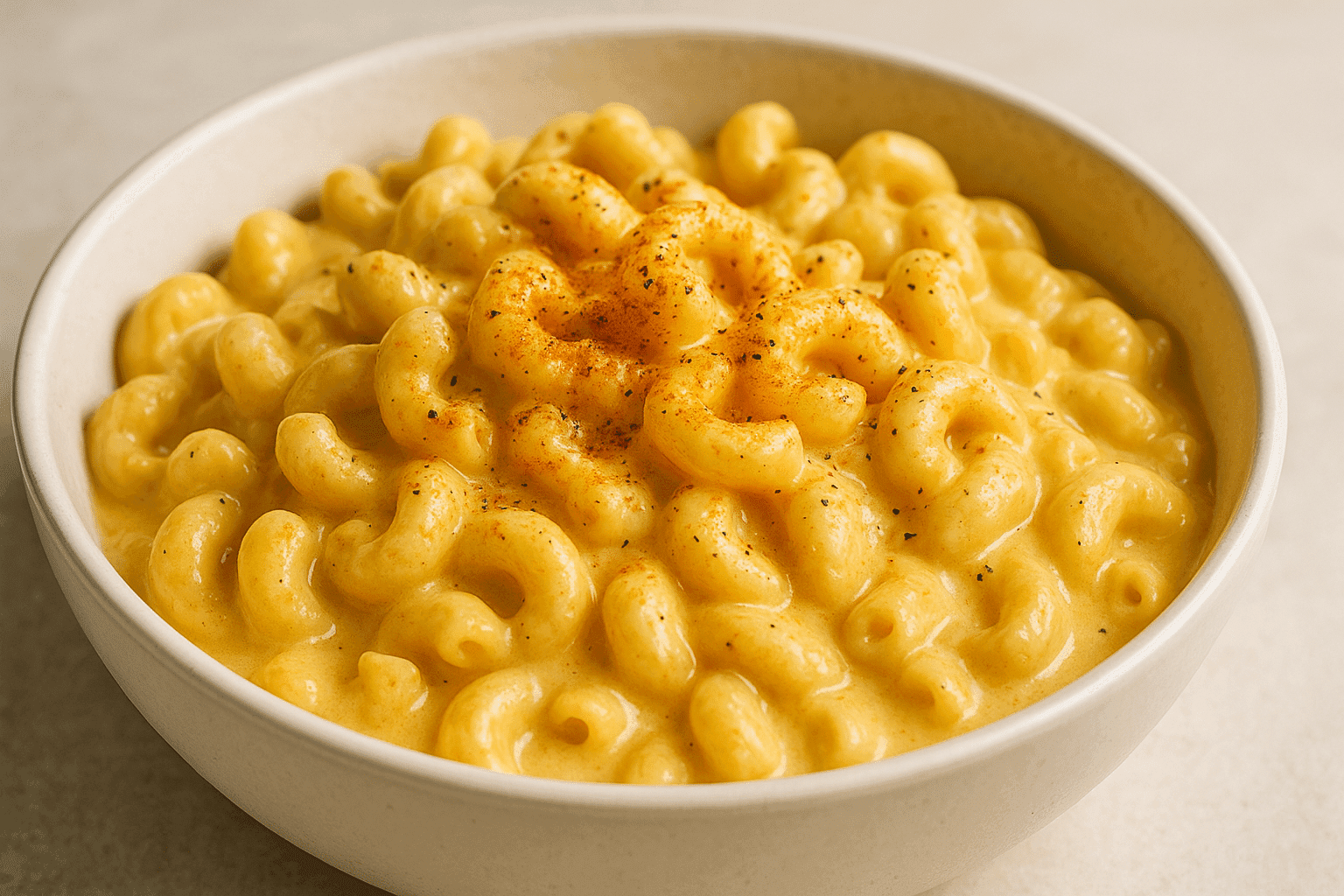
High Protein Pasta: Easy 30-Minute Mac and Cheese
High protein pasta is more than just a trendy option—it’s the perfect way to enjoy your favorite comfort food while giving your body the fuel it needs. When you think of mac and cheese, creamy, cheesy goodness probably comes to mind. But what if you could enjoy that same indulgent taste with a nutritional boost? That’s exactly what high-protein mac and cheese delivers. By swapping traditional pasta for a protein-packed twist and blending in powerful ingredients like cottage cheese, whey powder, and high-protein milk, you get a dish that satisfies cravings without guilt.
Not only does high protein pasta taste amazing, but it also keeps you feeling fuller for longer. That means it’s a smart option for busy families, fitness enthusiasts, or anyone looking for healthier comfort food without sacrificing flavor. Plus, this recipe works beautifully for meal prep, so you can whip it up on Sunday and enjoy protein-rich meals all week long.
Want more ideas for making your comfort foods healthier? Check out this Creamy High Protein Mac and Cheese recipe for inspiration.
Benefits of Choosing High Protein Mac and Cheese
There are plenty of reasons to make the switch from regular pasta to high protein pasta:
- Supports muscle growth and repair – A protein-rich meal helps build lean muscle, especially when paired with a fitness routine.
- Keeps you fuller longer – Protein digests slower than carbs, making this a more satisfying option.
- Balances indulgence and nutrition – You don’t have to give up comfort foods like mac and cheese to eat healthier.
- Perfect for meal prep – Store and reheat easily without losing its creamy texture.
- Weight-loss friendly – With the right ingredients, high protein mac and cheese can fit seamlessly into a calorie-conscious diet.
This recipe proves you don’t need to choose between health and flavor—you can have both in every creamy, cheesy bite.
Ingredients for High Protein Pasta
Key Ingredients Breakdown
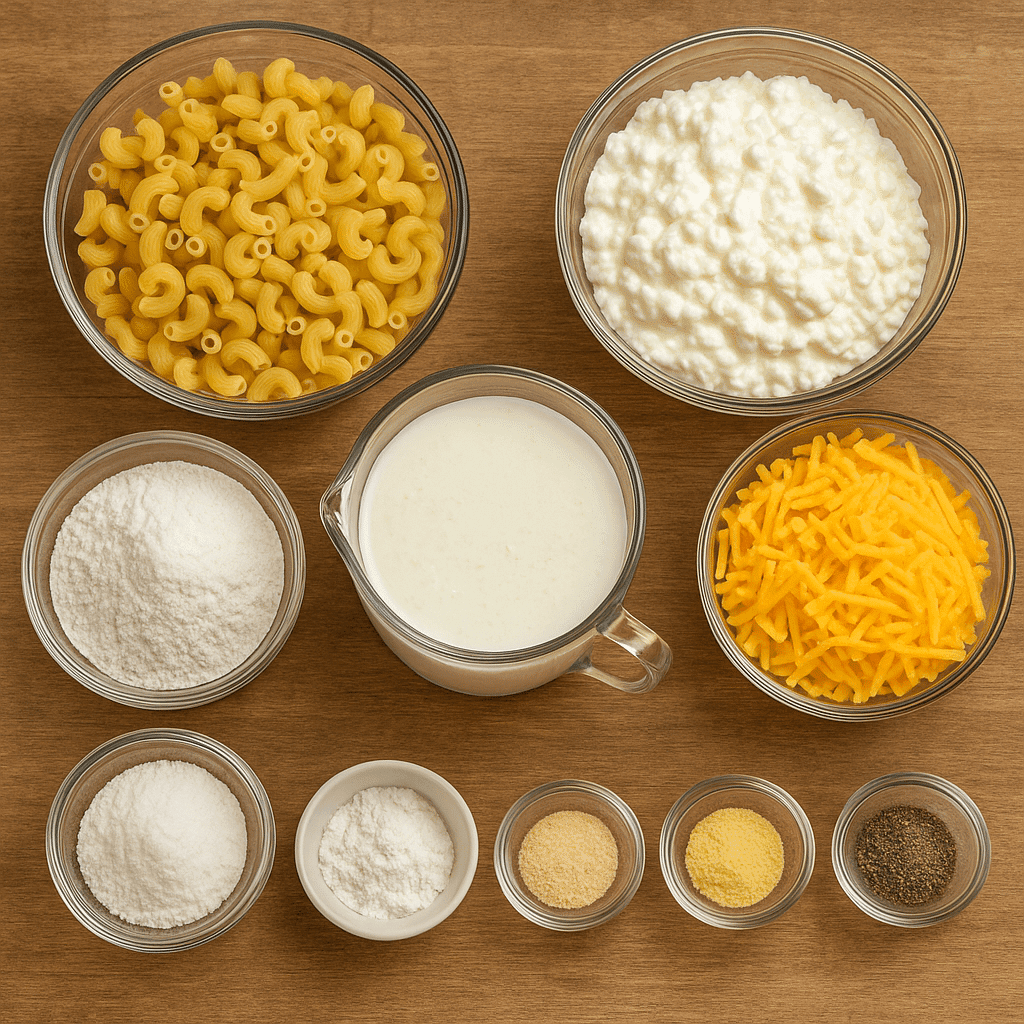
Every successful recipe begins with the right ingredients, and this high protein pasta dish is no exception. What makes this mac and cheese stand out is the careful balance of rich, creamy flavors with smart, protein-dense additions. Unlike traditional mac and cheese, which leans heavily on carbs and fat, this version sneaks in high-quality protein from multiple sources.
Here’s a complete list of what you’ll need:
| Ingredient | Amount | Why It Works in High Protein Pasta |
|---|---|---|
| Bite-sized pasta (elbow macaroni, cellentani, or cavatappi) | 1 pound | Provides the classic texture and bite, while serving as the base for our protein-rich sauce. |
| Full-fat cottage cheese | 2 cups | Packed with casein protein and adds creamy body to the sauce. |
| Shredded sharp cheddar cheese | 3 cups | Delivers bold cheesy flavor while adding additional protein. |
| Fairlife High Protein Whole Milk (unflavored/unsweetened) | 2 cups | High protein milk boosts nutrition while keeping the sauce smooth. |
| Unflavored whey protein powder | 1 cup | Supercharges the dish with concentrated protein without altering the flavor. |
| Cornstarch | 2 tbsp | Helps thicken the sauce naturally for that velvety mac and cheese texture. |
| Kosher salt | 1 ½ tsp | Balances flavors and enhances the cheesiness. |
| Granulated garlic | 1 tsp | Adds savory depth and aroma. |
| Granulated onion | 1 tsp | Provides a subtle sweetness to balance the cheese. |
| Dried mustard powder | 1 tsp | Lifts the sharp cheddar flavor and gives a gourmet edge. |
| Smoked paprika | ⅔ tsp | Adds warmth and a hint of smokiness. |
| Ground or cracked black pepper | ½ tsp | Finishes the flavor with a mild bite. |
Why These Ingredients Boost Protein
The magic of this high protein pasta recipe lies in layering multiple protein sources together. Cottage cheese supplies casein, which digests slowly and helps with muscle repair. Whey protein powder is fast-digesting, making it perfect for post-workout recovery. Fairlife high protein milk not only enhances creaminess but also sneaks in extra grams of protein per serving. Combined with cheddar cheese, you’re left with a meal that packs a protein punch in every creamy forkful.
Step-by-Step Instructions for High Protein Pasta
How to Cook Pasta for a High Protein Pasta Recipe
Start by cooking the pasta according to the package directions. For this recipe, short, bite-sized noodles like elbow macaroni, cellentani, or cavatappi work best because they hold onto the creamy sauce. Be sure to cook the pasta until it’s just al dente — slightly firm to the bite — since it will continue cooking once it’s combined with the sauce. Strain the pasta using a colander, then place it aside until ready to use. Don’t forget to reserve the pot, as you’ll be using it again for the sauce.
Blending the High Protein Cheese Sauce
This is where the magic happens. Instead of making a roux with flour and butter, this recipe takes a modern high protein approach. Place the cottage cheese, shredded sharp cheddar, Fairlife high protein milk, whey protein powder, cornstarch, kosher salt, granulated garlic, granulated onion, mustard powder, smoked paprika, and black pepper into a blender or food processor. Process everything until the mixture becomes completely smooth. This ensures the sauce won’t turn grainy once heated, and every bite will have that indulgent, silky texture.
Cooking Pasta with Sauce for Creamy High Protein Mac and Cheese
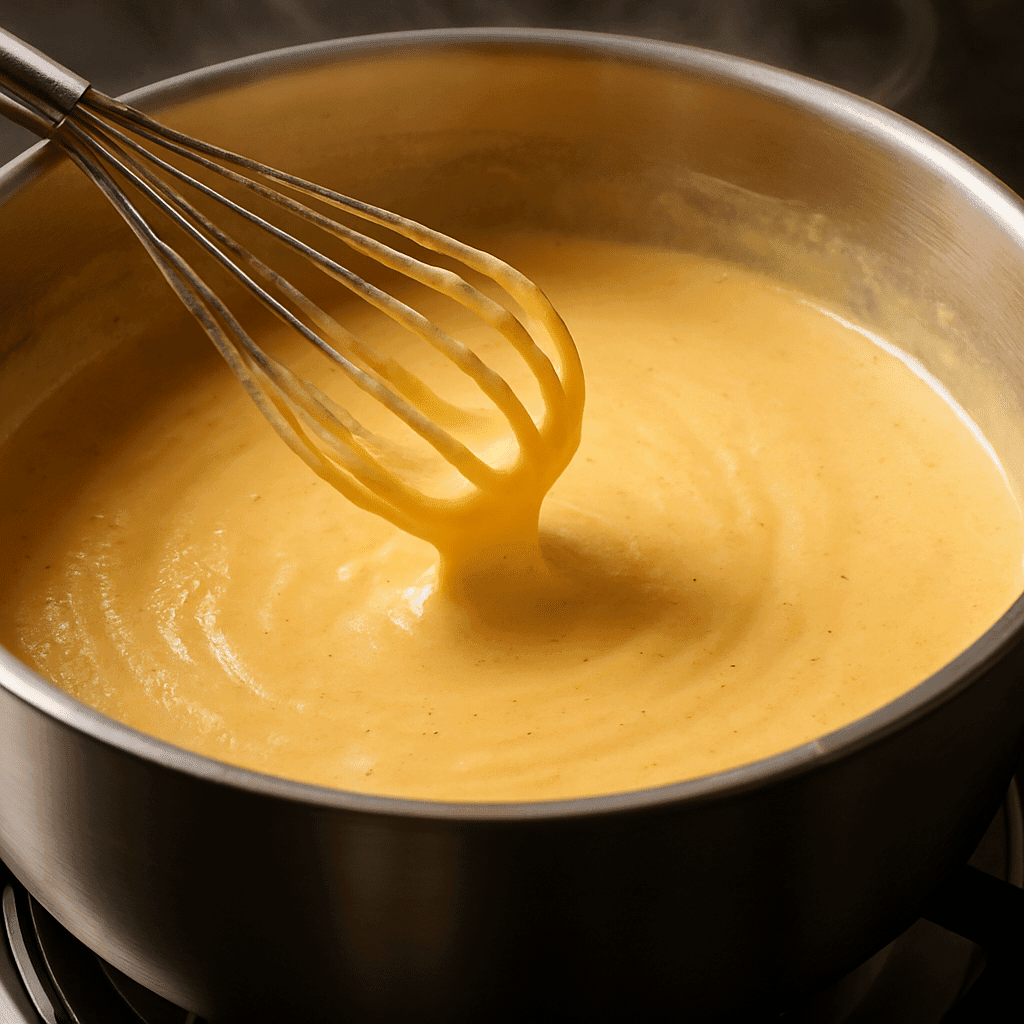
Return the empty pasta pot to the stove and pour in the blended cheese mixture. Set the heat to medium-low and let the sauce warm up gradually. Whisk often to prevent sticking and to encourage even thickening. After about 8–10 minutes, the sauce will begin to bubble and coat the back of a spoon. That’s when you know it’s ready.
Finally, stir the cooked pasta back into the pot and fold it through the sauce until every noodle is covered in cheesy goodness. Allow the pasta to sit for a few minutes before serving. The sauce will thicken slightly as it cools, giving you that classic creamy mac and cheese consistency.
Want another protein-packed twist on a classic? Try our High Protein Honey Garlic Chicken Mac and Cheese for a flavorful spin.
Variations of High Protein Pasta
Adding Chicken, Turkey, or Beef for Extra Protein
If you want to transform this creamy high protein mac and cheese into a complete one-pan meal, adding lean meats is a great way to go. Grilled or shredded chicken breast blends beautifully with the cheese sauce and keeps the dish light yet filling. Ground turkey or lean ground beef adds a heartier texture while increasing the protein count even more. You can cook the meat separately with simple seasonings, then fold it into the pasta just before serving for a balanced, muscle-friendly dinner.
For more creamy, cheesy pasta ideas, check out this Creamy Garlic Parmesan Chicken Cheesy Rotini Pasta recipe that balances flavor with extra protein.
Vegetarian & Vegan High Protein Options
For those who prefer plant-based meals, this high protein pasta recipe can easily be adjusted. Swap the whey protein powder for a plant-based alternative made from pea, hemp, or soy. Nutritional yeast is another excellent add-in because it gives a cheesy flavor while boosting protein and B vitamins. For extra fiber and protein, toss in legumes like lentils, chickpeas, or black beans. If you’re aiming for a vegan version, use dairy-free cheeses and plant-based high protein milk, such as soy or pea milk. These swaps keep the dish creamy and satisfying without sacrificing nutrition.
If you’re looking for other comforting pasta meals, this Marry Me Chicken Pasta is another reader favorite.
Tips for Perfect High Protein Mac and Cheese
How to Prevent Grainy Protein Sauces
One of the biggest challenges with high-protein pasta dishes is avoiding a chalky or grainy texture when using protein powders. The secret is blending all the sauce ingredients together before heating. By processing the cottage cheese, whey powder, and milk until completely smooth, you create a stable base that melts evenly when warmed. Also, stick to medium-low heat while cooking the sauce — too much heat can cause proteins to clump, leaving a gritty finish instead of silky creaminess.
Choosing the Best High Protein Pasta Brand
Not all pasta is created equal. While traditional wheat pasta works fine, there are many high protein pasta brands that can push this recipe to the next level. Options made from lentils, chickpeas, or protein-enriched wheat can easily double the protein content compared to regular pasta. Look for pasta that provides at least 12–20 grams of protein per serving. These varieties not only make the dish more filling but also add unique flavors and textures, from nutty to earthy. Choosing the right pasta can elevate your mac and cheese from a comfort food side dish to a nutrient-packed main course.
Curious about lighter pasta dishes? Our Chicken Pasta Salad Recipe shows how protein can shine even in refreshing cold salads.
Storing & Reheating High Protein Pasta
Best Storage Practices
This high protein pasta recipe stores beautifully, making it a great option for meal prep. Once the mac and cheese has cooled to room temperature, transfer it into airtight containers. It can be kept in the refrigerator for up to 4 days. For longer storage, portion the pasta into freezer-safe containers or bags, removing as much air as possible to prevent freezer burn. Frozen, it will stay good for up to 2 months. When freezing, store in single servings for easy grab-and-go meals.
How to Reheat Without Losing Creaminess
Reheating mac and cheese can be tricky, but with a few tips, you’ll maintain that velvety sauce. If reheating from the fridge, place the pasta in a saucepan over low heat and add a splash of high protein milk to loosen the sauce. Stir gently until warmed through. For the microwave, cover the dish loosely and heat in 30-second intervals, stirring in between, until hot and creamy again. If reheating from frozen, thaw the pasta in the refrigerator overnight before warming. Avoid overheating, as high protein sauces can dry out quickly.
Nutrition Facts of High Protein Pasta
Protein, Calories & Macros
One of the standout features of this high protein pasta recipe is how nutritionally balanced it is compared to traditional mac and cheese. A standard serving of creamy mac and cheese can often be heavy in carbs and fat, with very little protein to support satiety or muscle repair. This version flips the script by layering in whey protein powder, cottage cheese, and high-protein milk.
On average, one serving provides around 35–40 grams of protein, making it an excellent choice for athletes, fitness enthusiasts, or anyone looking to keep their protein intake high. The calories are moderate, depending on portion size, and the carbs are balanced out by fiber when you use protein-enriched pasta or chickpea pasta. Healthy fats from full-fat dairy keep the dish rich and satisfying without going overboard.
Why It’s Great for Weight Loss & Muscle Gain
Whether your goal is trimming fat or building muscle, this high protein pasta works beautifully in both scenarios. Protein helps maintain lean muscle mass during a calorie deficit, which is key for sustainable weight loss. At the same time, if you’re aiming for muscle growth, pairing this dish with a strength-training program ensures your body has the nutrients it needs for recovery. The balance of protein, carbs, and fats makes it a well-rounded meal that supports both energy and satiety.
Serving Suggestions for High Protein Mac and Cheese
Pairing with Vegetables & Salads
While this high protein pasta is filling on its own, pairing it with fresh vegetables can turn it into a balanced meal. Steamed broccoli, roasted Brussels sprouts, or sautéed spinach add color, fiber, and extra nutrients to your plate. For a lighter pairing, consider a crisp side salad with mixed greens, cucumbers, and a tangy vinaigrette. The freshness of the vegetables balances the richness of the cheese sauce and makes the meal more satisfying without adding excess calories.
Serving as a Main or Side Dish
This creamy high protein mac and cheese can play multiple roles at the table. Serve it as a main dish for a quick weeknight dinner, especially if you add chicken, turkey, or beef for extra protein. It’s hearty enough to stand alone but also works well as a side dish at gatherings or potlucks. Pair it with roasted meats, grilled salmon, or even barbecue for a complete comfort-food experience. Whether enjoyed solo or as part of a larger spread, this dish is always a crowd-pleaser.
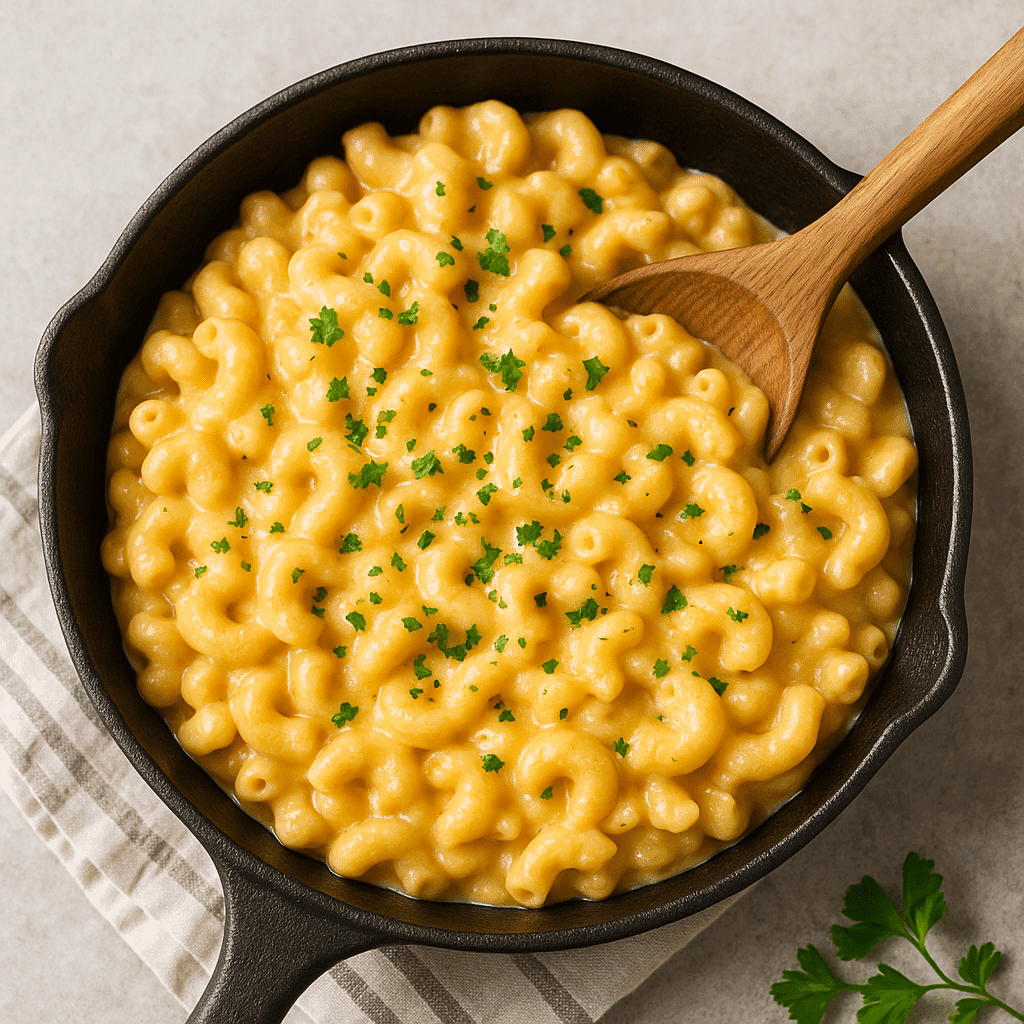
Love experimenting with pasta? Don’t miss this Ditalini Pasta Recipe for another unique take.
FAQs About High Protein Pasta
Which cheese has the most protein?
Among common cheeses, Parmesan tends to pack the highest protein per ounce, averaging about 10 grams. Cheddar, Swiss, and mozzarella also provide good amounts of protein. For this recipe, sharp cheddar strikes the right balance between flavor and nutrition, while cottage cheese adds an extra protein boost without overwhelming the taste.
How can mac and cheese be high in protein?
Traditional mac and cheese is mostly carbs and fat, but you can easily transform it into a protein-packed dish by swapping or adding ingredients. Using cottage cheese, whey protein powder, and high protein milk dramatically increases the protein content. Choosing protein-enriched pasta or legume-based pasta can take it even further.
How to amp up mac and cheese?
Boost flavor and nutrition by adding chicken, turkey bacon, or veggies. For spice, toss in jalapeños or hot sauce. Broccoli or spinach add fiber and vitamins, making mac and cheese a complete meal.
How to increase nutrition in mac and cheese?
Nutrition can be enhanced by focusing on protein and micronutrients. Incorporating whey powder, Greek yogurt, or cottage cheese ensures higher protein. Using whole-grain or chickpea pasta adds fiber and complex carbs. For extra antioxidants, add colorful vegetables such as peppers, tomatoes, or leafy greens.
Which is healthier, rice or mac and cheese?
It depends on preparation. Rice is lower in fat but lacks protein, while regular mac and cheese is calorie-heavy. High protein pasta mac and cheese balances carbs, protein, and healthy fats, making it the more nutrient-dense choice.
Is high protein pasta good for weight loss?
Yes! High protein pasta supports weight loss by keeping you full, preserving lean muscle, and pairing well with veggies or lean meats for a guilt-free meal.
Conclusion
High protein pasta proves that comfort food doesn’t have to derail your health goals. By transforming classic mac and cheese with smart ingredient swaps like cottage cheese, whey protein, and high protein milk, you get all the creamy indulgence you crave with a serious nutritional upgrade. This dish is versatile enough to serve as a weeknight dinner, a meal prep option, or even a protein-packed side at gatherings.
Whether your goal is muscle gain, weight management, or simply eating more balanced meals, this high protein mac and cheese delivers. It’s a recipe that satisfies the soul while fueling the body — a rare win-win in the world of comfort food.
Looking for more inspiration? Don’t miss our Creamy Salmon Pasta Recipe for another protein-rich pasta dish you’ll love.
High Protein Pasta (Creamy High-Protein Mac and Cheese)
A creamy, cheesy, protein-packed mac and cheese made with high protein pasta, whey powder, and cottage cheese.
- Prep Time: 10 min
- Cook Time: 10 min
- Total Time: 20 minutes
- Yield: 5 1x
- Category: Lunch
Ingredients
1 pound bite sized pasta elbow macaroni, cellentani or cavatappi
2 cups full fat cottage cheese
3 cups shredded sharp cheddar cheese
2 cups Fairlife High Protein Whole Milk unflavored/unsweetened.
1 cup Unflavored Whey Powder.
2 tablespoons cornstarch
1 1/2 teaspoons kosher salt
1 teaspoon granulated garlic
1 teaspoon granulated onion
1 teaspoon dried mustard powder
2/3 teaspoon smoked paprika
1/2 teaspoon ground or cracked black pepper
Instructions
Cook pasta to al dente; drain.
Blend cottage cheese, cheddar, milk, whey, cornstarch, and seasonings until smooth.
Heat sauce in pot over medium-low, whisking until thickened.
Stir pasta into sauce; let sit to thicken before serving.
Notes
Nutrition facts are estimates and may vary based on ingredients used, portion sizes, and preparation methods.
Nutrition
- Serving Size: 5
- Calories: 834kcal
- Sugar: 7g
- Sodium: 1483mg
- Fat: 32g
- Saturated Fat: 17g
- Unsaturated Fat: 7g
- Carbohydrates: 80g
- Fiber: 3g
- Protein: 55g
- Cholesterol: 119mg
Keywords: High protein pasta, mac and cheese, protein-packed comfort food, whey pasta recipe, cottage cheese mac and cheese.
Let’s connect! Follow me for more Joylicious Recipes: Facebook, Instagram, Pinterest