Nourishing Body and Soul: The Healing Mushroom Kombu Broth Secret
The Ancient Tradition of Restorative Broths
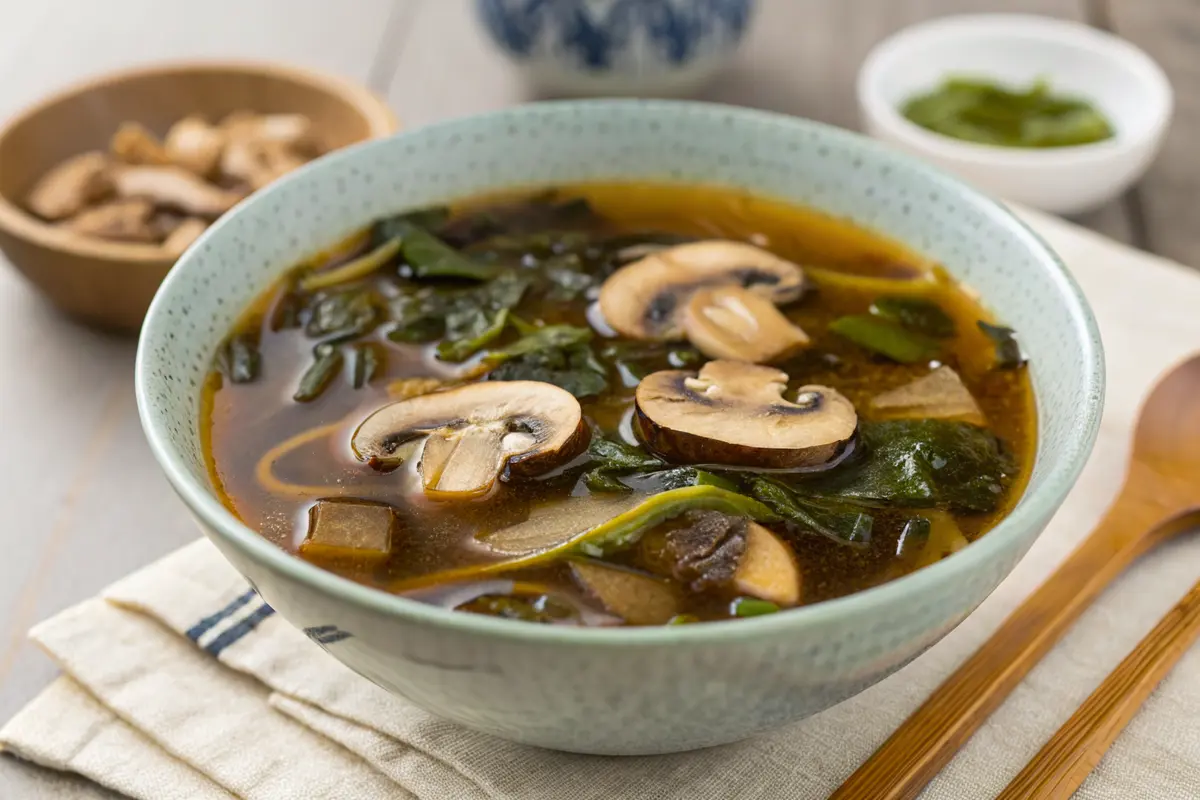
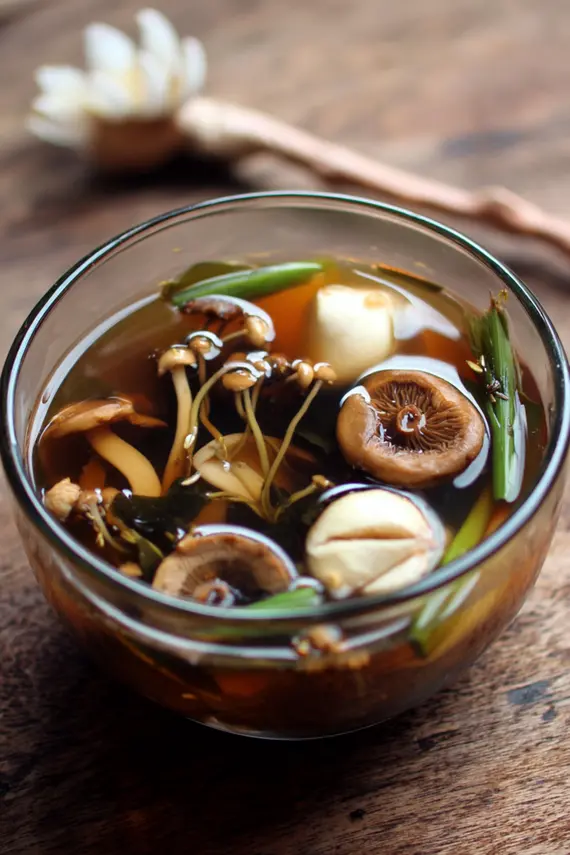
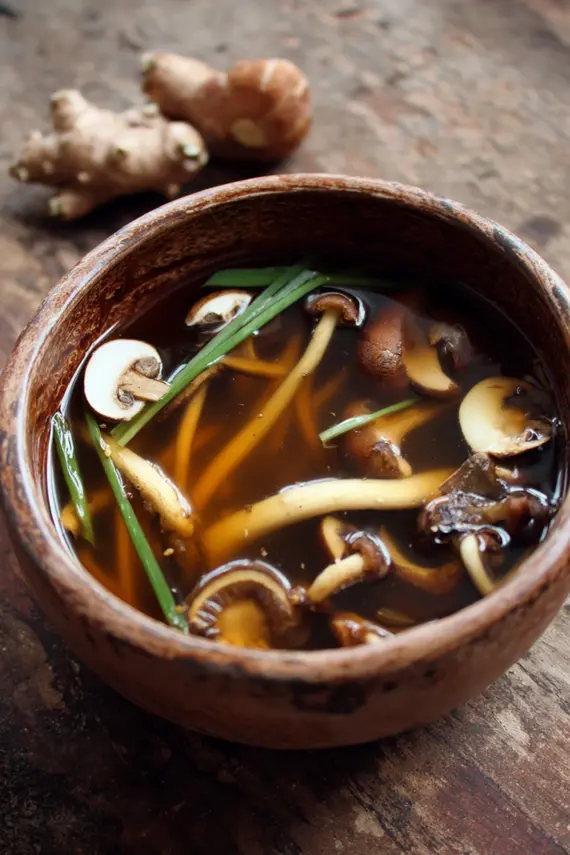
Healing mushroom kombu broth combines centuries of Eastern wisdom with umami-rich ingredients to create a deeply satisfying, nourishing elixir. This soul-warming broth harnesses the medicinal properties of shiitake mushrooms and mineral-rich kombu seaweed, creating a foundation that’s both deeply flavorful and nutritionally powerful. The earthy, savory depth develops as these ingredients slowly infuse into the liquid, creating a broth that feels like wellness in a bowl. “The Pastina Soup Recipe shares a similar comfort-food quality while offering different nutritional benefits.”
This versatile broth shines as a light meal on its own, perfect for days when your body craves gentle nourishment. It also serves beautifully as the foundation for more substantial soups or as a cooking liquid for grains like rice or quinoa. Many find it particularly restorative during cold and flu season or as part of a mindful eating practice when seeking balance and wellness.
Nature’s Healing Ingredients: What You’ll Need for This Restorative Elixir
The Foundation Elements
Creating this immune-supporting broth requires ingredients that bring both flavor and function to your bowl. Each component plays a vital role in developing the broth’s distinctive character and nutritional profile.
| Core Ingredients | Amount | Notes |
|---|---|---|
| Water | 2 cups | Filtered water produces the cleanest flavor |
| Kombu (dried kelp) | 4 ounces | Rich in iodine and minerals |
| Shiitake mushrooms | 1 cup, sliced | Fresh or dried (if dried, use 1/2 cup and reconstitute first) |
| Garlic | 2 cloves, minced | Immune-supporting allium |
| Fresh ginger | 1 teaspoon, grated | Adds warmth and digestive support |
| Soy sauce | 1 tablespoon | Provides depth and saltiness |
| Sea salt | Pinch | To taste |
Optional Flavor and Nutrition Boosters
| Enhancement Ingredients | Amount | Benefit |
|---|---|---|
| Dried porcini mushrooms | 1/4 cup | Intensifies mushroom flavor |
| Fresh scallions | 2, thinly sliced | Adds brightness and color |
| Turmeric | 1/2 teaspoon, fresh grated or dried | Anti-inflammatory boost |
| Coconut aminos | 1 tablespoon | Soy-free alternative to soy sauce |
| Dried wakame seaweed | 1 tablespoon | Additional mineral support |
| Red pepper flakes | 1/4 teaspoon | Adds gentle heat |
| Lemon juice | 1 teaspoon | Brightens flavors when added at the end |
| Miso paste | 1 tablespoon | Adds probiotic benefits and depth (add after cooking) |
| Fresh herbs (cilantro, parsley) | 2 tablespoons, chopped | Fresh finishing note |
“For another nourishing soup that complements this healing broth, the Chickpea Swiss Chard Soup offers a heartier option with similar wholesome properties.”
The Gentle Art of Creating Your Healing Mushroom Kombu Elixir
Mindful Preparation for Maximum Benefits
The process of creating this healing mushroom kombu broth is almost as therapeutic as consuming it. Each step builds flavor while preserving the nutritional benefits of these remarkable ingredients. Follow these expanded instructions for the most nourishing results:
- Prepare the kombu: Gently rinse the kombu under cool water to remove any sea salt or surface particles. Place it in a pot with 2 cups of water and allow it to soak for 15 minutes. This pre-soaking helps release the glutamates that create the savory umami flavor.
- Create the kombu base: Place the pot with the kombu and water over medium-low heat. Slowly bring it to a gentle simmer (around 170°F/77°C) – you should see small bubbles forming at the edges but not a rolling boil. Watch carefully, as boiling kombu can create a bitter flavor and slimy texture. Once tiny bubbles appear, remove the kombu with tongs and set it aside (you can slice thin strips to add back later as a garnish).
- Build the mushroom flavor: Add the sliced shiitake mushrooms to the kombu-infused water. If using dried mushrooms, they’ll immediately begin to rehydrate and release their rich flavor compounds. Fresh mushrooms will gradually soften and contribute their earthy essence. Allow them to simmer for 5 minutes before proceeding.
- Incorporate aromatics: Add the minced garlic and grated ginger to the simmering broth. These ingredients release their beneficial compounds into the liquid while adding dimension to the flavor profile. Simmer for an additional 5 minutes, or until you can smell the fragrant aromatics rising from the pot.
- Season thoughtfully: Stir in the tablespoon of soy sauce, which adds both saltiness and additional umami depth. Taste the broth and add a small pinch of sea salt if needed. Remember that the flavors will concentrate slightly as the broth continues to simmer, so start with less seasoning than you think you need.
- Optional enhancements: This is the moment to add any optional ingredients like turmeric, dried wakame, or red pepper flakes. Allow these to simmer for 2-3 minutes to integrate their flavors.
- Final adjustments: Remove the broth from heat. If using miso paste, place a small amount in a separate bowl, add a ladleful of the hot (but not boiling) broth, and whisk until smooth before stirring back into the main pot. This preserves miso’s beneficial probiotics while incorporating its flavor.
- Serve mindfully: Ladle the hot broth into warmed bowls. If desired, garnish with thin strips of the reserved kombu, fresh herbs, or a few drops of lemon juice for brightness. Serve immediately for maximum therapeutic benefit.
Expert Insights: Perfecting Your Immune-Boosting Elixir
The Science Behind the Healing
Creating the most beneficial healing mushroom kombu broth requires attention to detail and understanding of the ingredients. These expert tips will help you maximize both flavor and wellness benefits:
- Temperature matters: Never boil kombu aggressively, as high heat breaks down the beneficial compounds and creates bitterness. The ideal temperature range is 160-170°F (71-77°C), just below simmering.
- Mushroom selection: While shiitake mushrooms are specified in the recipe, you can create a more complex flavor profile by using a blend of medicinal mushrooms. Consider adding reishi, maitake, or lion’s mane for additional immune support.
- Simmering time: For a deeper flavor, extend the simmering time of the mushrooms to 15-20 minutes. This longer extraction pulls more beneficial compounds from the mushroom cell walls.
- Salt carefully: Sea salt contains trace minerals that complement the broth’s nutritional profile. Add it gradually and taste as you go – you can always add more, but you can’t take it away.
- Seasonal variations: In summer, add fresh herbs like mint or cilantro for cooling properties. In winter, increase warming elements like ginger and add a pinch of cinnamon for additional circulation support.
- Make it substantial: Transform this broth into a light meal by adding cooked brown rice, quinoa, or a soft-boiled egg for protein without diminishing the healing properties.
- Quality ingredients: Source the highest quality kombu and mushrooms available to you. Organic ingredients ensure you’re not introducing unwanted pesticides into your healing broth.
“The Fennel Celeriac Soup provides another wonderful option for incorporating healing vegetables into your wellness routine.”
Preserving the Goodness: Storing Your Medicinal Broth
Maintaining Nutritional Integrity
Proper storage of your healing mushroom kombu broth ensures you maintain its beneficial properties while having it readily available when you need its nourishment most. Follow these guidelines to preserve both flavor and function:
- Immediate cooling: After cooking, allow the broth to cool at room temperature for no longer than 30 minutes before transferring to the refrigerator. Rapid cooling prevents bacterial growth while preserving the delicate flavor compounds.
- Refrigeration timeline: Store the broth in an airtight glass container in the refrigerator for up to 5 days. Glass containers won’t interact with the acidic elements of the broth the way some plastics might.
- Freezing method: For longer storage, freeze the broth in silicone ice cube trays or small freezer-safe containers. Once frozen solid, transfer the cubes to a freezer bag, removing as much air as possible. Label with the date and use within 3 months for optimal quality.
- Portion strategy: Consider freezing in various portion sizes – some small cubes for adding to cooking and larger containers for when you want a full serving of broth.
- Reheating protocol: Reheat the broth gently on the stovetop, never bringing it to a full boil, which can damage delicate flavor compounds and beneficial nutrients. Heat just until steaming (about 165°F/74°C).
- Freshness indicators: Trust your senses when assessing stored broth. If it develops an off odor, unusual cloudiness, or visible mold, discard it immediately regardless of the storage date.
- Component separation: If making a large batch, consider keeping some of the solid ingredients (mushrooms, herbs) separate from the liquid when storing. This prevents them from becoming overly soft and allows for better texture control when reheating.
Maximizing Batch Preparation
For busy weeks, prepare a double batch of this healing broth on Sunday to enjoy throughout the week. The flavors actually develop and improve after a day in the refrigerator, making advance preparation beneficial for both convenience and taste.
Creative Adaptations: Personalizing Your Healing Broth Experience
Cultural and Dietary Variations
The basic healing mushroom kombu broth serves as an excellent canvas for personalization. These variations maintain the core therapeutic benefits while offering different flavor profiles to suit various preferences and dietary needs:
Japanese-Inspired Dashi Enhancement
Transform your broth into a more traditional Japanese dashi by adding 1/4 cup of bonito flakes after removing the kombu. Simmer for just 1 minute, then strain. This adds a subtle seafood note and additional protein factors without overwhelming the mushroom elements.
Korean Immunity Booster
Incorporate Korean healing traditions by adding 1 tablespoon of gochugaru (Korean chili flakes), 2 teaspoons of toasted sesame oil, and 1 tablespoon of doenjang (Korean fermented soybean paste) for a spicier, more robust variation with additional probiotic benefits.
Chinese Medicinal Adaptation
Enhance the traditional Chinese medicine aspects by adding 3-4 dried jujube dates, 1 tablespoon goji berries, and a small piece of astragalus root during the simmering process. These ingredients are associated with immune support and vital energy enhancement in TCM.
Fully Plant-Based Protein Boost
For a more substantial meal that remains plant-based, add 1/2 cup of cubed extra-firm tofu and 1/4 cup of edamame beans during the last 5 minutes of cooking. Finish with a sprinkle of nutritional yeast for a subtle cheesy flavor and B-vitamin boost.
Inflammation-Fighting Focus
Amplify the anti-inflammatory properties by adding 1 teaspoon of freshly grated turmeric root, 1/4 teaspoon of black pepper (which enhances turmeric absorption), and 2 tablespoons of fresh chopped cilantro. This variation particularly supports joint health and recovery.
Gut-Healing Emphasis
Support digestive health by stirring in 1 tablespoon of unpasteurized miso paste after the broth has cooled slightly (to preserve probiotics), along with 1/2 teaspoon of apple cider vinegar and a small handful of thinly sliced cabbage for gentle fiber.
Mindful Enjoyment: Ways to Incorporate This Healing Elixir
Creating Meaningful Ritual Around Nourishment
The healing mushroom kombu broth offers more than just nutrition – it provides an opportunity for mindful consumption and self-care. Here are thoughtful ways to serve and enjoy this restorative elixir:
Morning Vitality Ritual
Start your day with a small cup of warmed broth instead of coffee or tea. Add a squeeze of lemon and sip slowly, allowing the nutrients to awaken your digestive system. This gentle morning ritual provides sustained energy without the caffeine crash.
Immunity Support Meal
Create a complete immune-supporting meal by serving a larger portion of the broth alongside a small side of steamed vegetables and brown rice. The combination provides a full spectrum of nutrients while remaining gentle on digestion. This Easy Thai Peanut Salad Dressing can be drizzled over the vegetables for added flavor.
Recovery Support Bowl
After intense physical activity or during illness recovery, transform the broth into a more substantial meal by adding cooked soba noodles, a soft-boiled egg, and extra mushrooms. The combination of protein and carbohydrates aids in tissue repair while the broth provides hydration.
Mindful Meditation Companion
Set aside time to enjoy the broth as part of a mindfulness practice. Prepare a small bowl, find a quiet space, and focus entirely on the sensory experience – the aroma, the warmth in your hands, the subtle flavors that develop with each sip. This practice combines nutrition with mental wellness.
Cooking Medium for Grains
Use the healing broth as the cooking liquid for quinoa, rice, or other grains. The grains absorb the nutrients and flavors from the broth, creating a flavorful base for grain bowls or side dishes with enhanced nutritional value.
Weekly Wellness Shot
Reduce the broth by simmering until concentrated, then freeze in small portions. Take a “wellness shot” of concentrated broth daily, particularly during times of increased stress or during cold and flu season, as a preventative measure.
Common Questions About Creating Healing Broths
Troubleshooting and Expert Advice
Can I use instant dashi powder instead of making the kombu broth from scratch?
While instant dashi powder offers convenience, it lacks many of the beneficial compounds found in fresh kombu that are extracted during the slow simmering process. Additionally, many commercial dashi powders contain MSG and preservatives. For true healing properties, the scratch-made version provides significantly greater benefits, particularly the glutamic acids and minerals that support immune function.
My broth has become slimy – what happened and can I fix it?
Sliminess usually indicates that the kombu was boiled rather than gently simmered. Kombu releases mucilage (a natural thickening agent) when subjected to high heat, creating that undesirable texture. Unfortunately, once this happens, it’s difficult to correct. For future batches, ensure you maintain a temperature below 170°F (77°C) when preparing the kombu base, and always remove the kombu before adding other ingredients.
I don’t have fresh shiitake mushrooms. Can I substitute other varieties?
Yes, while shiitakes are preferred for their medicinal properties, you can substitute other mushroom varieties. Dried mushrooms often provide a more concentrated flavor than fresh. Button mushrooms will work but lack some of the beneficial compounds. For maximum health benefits, consider using a blend of medicinal mushrooms like maitake, lion’s mane, or reishi, which each offer unique wellness properties. If using dried mushrooms, reduce the quantity to about half by weight.
How can I make this broth more substantial for a main meal?
Transform this healing broth into a complete meal by adding protein and complex carbohydrates. Try adding cooked chicken, tofu cubes, a soft-boiled egg, or edamame for protein. For carbohydrates, incorporate cooked soba noodles, brown rice, or quinoa. You can also enhance the nutritional profile by adding leafy greens like spinach or bok choy in the final minutes of cooking.
Embracing the Ancient Wisdom of Healing Broths
A Journey Toward Holistic Wellness
The healing mushroom kombu broth represents more than just a flavorful cooking achievement – it embodies a connection to ancient wisdom that has sustained cultures for centuries. This nutrient-dense elixir offers a gentle way to nourish your body while honoring traditional food practices that recognize the medicinal qualities of everyday ingredients.
As you incorporate this restorative broth into your wellness routine, consider the mindfulness aspect of both preparation and consumption. The slow, intentional process of creating the broth can itself become a meditative practice, while the ritual of sipping this nourishing liquid provides a moment of pause in our often hectic lives.
Whether you’re seeking immune support during challenging seasons, recovering from illness, or simply embracing a more holistic approach to nourishment, this versatile broth adapts to your specific needs. The combination of mineral-rich kombu and medicinal mushrooms creates a synergy that supports your body’s natural healing processes. “The Lemon Chicken Lentil Soup offers another wonderful healing option with different nutritional benefits.”
Remember that consistency often yields the greatest benefits – consider making this healing mushroom kombu broth a regular part of your kitchen repertoire, experimenting with the variations to discover which best supports your unique body and wellness goals. Your journey to vibrant health is supported one nourishing bowl at a time.
PrintHealing Mushroom Kombu Broth
- A deeply nourishing broth that combines the medicinal properties of shiitake mushrooms with mineral-rich kombu seaweed.
- This restorative elixir supports immune function with powerful umami flavor and gentle healing properties.
- Perfect for sipping alone or as a base for nourishing soups and grain dishes.
- Prep Time: 10
- Cook Time: 25
- Total Time: 35 minutes
- Yield: 2 cups 1x
- Category: Dinner
- Method: Stovetop Simmering
- Cuisine: Japanese-Inspired
Ingredients
- 2 cups filtered water
- 4 ounces kombu (dried kelp)
- 1 cup shiitake mushrooms, sliced
- 2 cloves garlic, minced
- 1 teaspoon fresh ginger, grated
- 1 tablespoon soy sauce
- Pinch of sea salt
- 1/4 cup dried porcini mushrooms (optional)
- 2 scallions, thinly sliced (optional)
- 1/2 teaspoon fresh turmeric, grated (optional)
- 1 tablespoon miso paste (optional, add after cooking)
- Fresh herbs for garnish (optional)
Instructions
- Gently rinse the kombu under cool water to remove any surface salt or particles.
- Place kombu in a pot with the filtered water and let soak for 15 minutes.
- Slowly bring the kombu and water to a gentle simmer (around 170°F) – look for tiny bubbles forming at the edges.
- Remove the kombu once the water begins to simmer and set aside (do not boil the kombu).
- Add the sliced shiitake mushrooms to the kombu-infused water and simmer for 5 minutes.
- Add the minced garlic and grated ginger, continuing to simmer for another 5 minutes.
- Stir in the soy sauce and a small pinch of sea salt to taste.
- If using optional ingredients like dried porcini, turmeric, or wakame, add them now and simmer for 2-3 more minutes.
- Remove from heat. If using miso paste, place it in a small bowl, add a ladleful of hot broth, whisk until smooth, then stir back into the main pot.
- Serve hot, garnished with sliced scallions and fresh herbs if desired.
Notes
- For maximum therapeutic benefit, use high-quality ingredients and never bring the broth to a full boil after adding the aromatics.
- This broth can be used as a base for more substantial soups by adding proteins, vegetables, or noodles.
- The flavor develops further when stored overnight in the refrigerator.
- Nutrition facts are estimates and may vary based on ingredients used, portion sizes, and preparation methods.
Nutrition
- Serving Size: 1 cup
- Calories: 45
- Sodium: 520
- Carbohydrates: 8
- Fiber: 2
- Protein: 3
Keywords: healing mushroom kombu broth, mushroom kombu broth, healing kombu soup, immune boosting broth, umami mushroom broth
Let’s connect! Follow me for more Joylicious Recipes: Facebook, Instagram, Pinterest