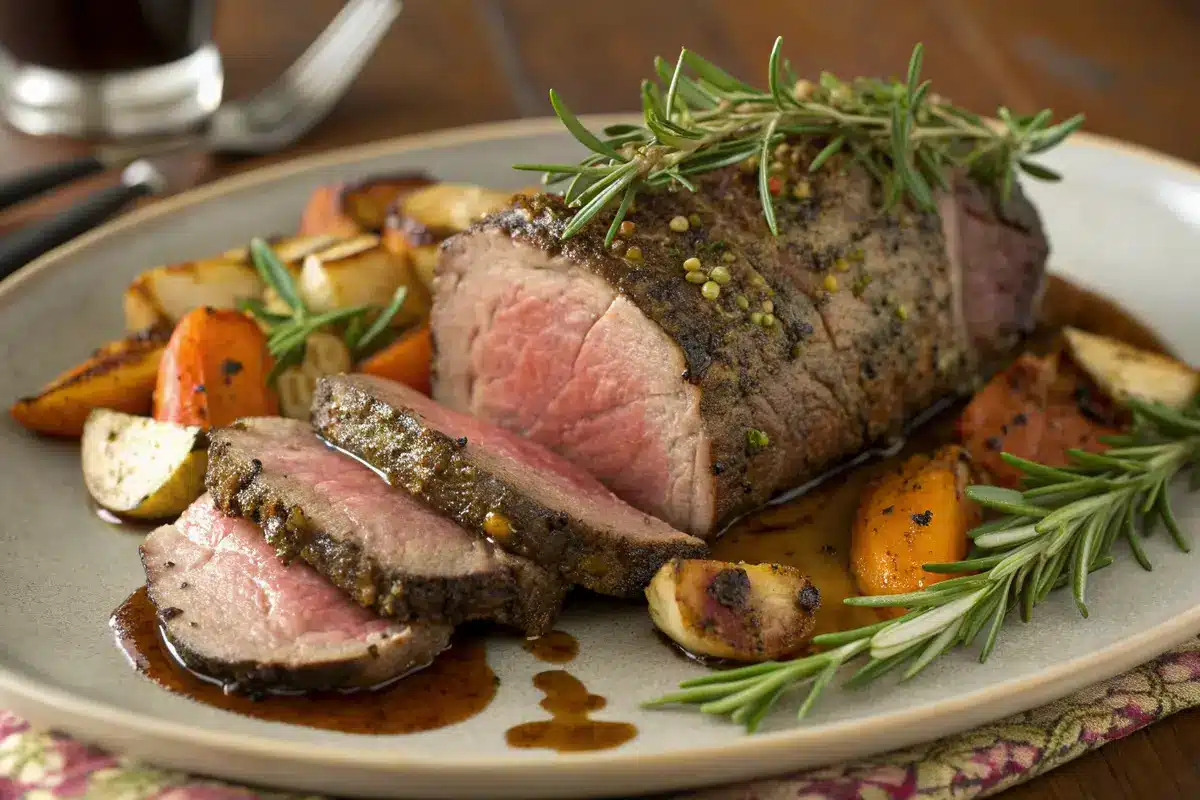
Perfect Herb Roasted Beef Tenderloin: A Celebration of Flavor
The Essence of Premium Beef
Herb roasted beef tenderloin represents the pinnacle of elegant yet approachable home cooking. This premium cut transforms into a succulent centerpiece when enhanced with fresh herbs and careful roasting, delivering exceptional tenderness and a buttery texture that practically melts in your mouth. The aromatic combination of rosemary, thyme, and garlic creates a fragrant crust that complements the beef’s natural richness without overwhelming its delicate flavor profile. “For another protein option that’s equally impressive but lighter, try this Chicken Marsala recipe that brings bold flavors to your dinner table.”
This show-stopping dish deserves a place at your most special gatherings—holiday feasts, anniversary dinners, or sophisticated dinner parties where you want to impress without hours of complicated preparation. Yet it’s simple enough for a memorable Sunday dinner when you’re craving something extraordinary. Pair it with roasted vegetables and creamy mashed potatoes for a classic presentation, or serve it alongside vibrant seasonal sides for a more contemporary meal.
Essential Ingredients for an Unforgettable Beef Tenderloin
The Perfect Balance of Flavors
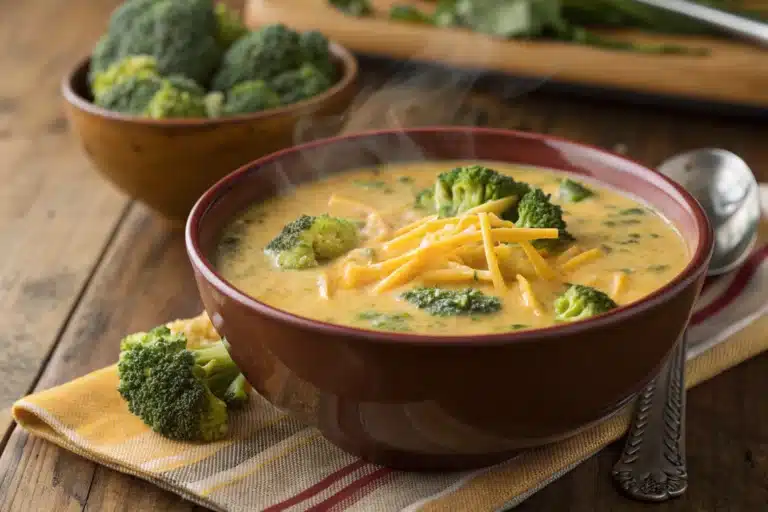
Creating the perfect herb roasted beef tenderloin starts with quality ingredients that complement the natural richness of this premium cut. “The Broccoli Cheddar Soup makes an excellent starter before serving this magnificent beef tenderloin as your main course.” Here’s everything you’ll need to prepare this impressive centerpiece:
| Core Ingredients | Quantity |
|---|---|
| Beef tenderloin, center-cut | 2 pounds (trimmed and tied if necessary) |
| Olive oil | 2 tablespoons |
| Fresh rosemary, chopped | 2 tablespoons |
| Fresh thyme leaves | 1 tablespoon |
| Garlic, minced | 3 cloves |
| Kosher salt | 1½ teaspoons |
| Freshly ground black pepper | 1 teaspoon |
| Optional Flavor Enhancers | Quantity |
| Dijon mustard | 1 tablespoon |
| Unsalted butter, softened | 2 tablespoons |
| Shallots, finely minced | 2 medium |
| Lemon zest | 1 teaspoon |
| Crushed red pepper flakes | ¼ teaspoon (for heat) |
| Fresh parsley, chopped | 2 tablespoons (for garnish) |
| For Pan Sauce (Optional) | Quantity |
| Beef broth or stock | 1 cup |
| Dry red wine (or additional beef broth) | ¼ cup |
| Unsalted butter, cold | 1 tablespoon |
| Fresh thyme sprigs | 2-3 sprigs |
For the best results, select a center-cut beef tenderloin with good marbling. While this cut is naturally lean, a little intramuscular fat will enhance its flavor and juiciness. Ask your butcher to trim and tie the roast if you’re not comfortable doing this yourself—proper tying ensures even cooking and a beautiful presentation.
The herb combination of rosemary and thyme provides classic aromatic notes that complement beef perfectly, while fresh garlic adds depth and complexity. If you prefer different herbs, oregano, sage, or tarragon can be wonderful substitutes depending on your flavor preferences.
Master the Art of Perfectly Roasting Beef Tenderloin
Preparation and Technique
Follow these expanded steps to achieve a perfectly roasted beef tenderloin with a flavorful herb crust and juicy, tender interior. The key lies in proper preparation, temperature control, and adequate resting time. “When seeking more protein-centered dishes with global flavors, the Creamy Coconut Curry Meatballs offer another delicious option for your dinner rotation.”
- Bring beef to room temperature: Remove the tenderloin from the refrigerator 1-1½ hours before cooking. This crucial step ensures even cooking from edge to center. Place it on a plate or board and leave it covered with a clean kitchen towel.
- Prepare the oven: Preheat your oven to 425°F (220°C). Position a rack in the center of the oven. For even better results, place a heavy-duty roasting pan in the oven while it preheats.
- Prepare the herb mixture: In a small bowl, combine the chopped rosemary, thyme leaves, minced garlic, salt, and pepper. If using, add the lemon zest and red pepper flakes. For an extra layer of flavor, mix the herbs with the softened butter to create a compound butter that will melt beautifully into the meat.
- Season the beef: Pat the tenderloin dry with paper towels—this ensures a better sear and helps the seasonings adhere. Brush the entire surface with olive oil (or spread with a thin layer of Dijon mustard if using). Evenly press the herb mixture onto all sides of the tenderloin, gently pressing to adhere.
- Prepare for roasting: Place the seasoned tenderloin on a rack in a roasting pan, or if you’ve preheated your roasting pan, carefully transfer the meat to the hot pan. If using, scatter the minced shallots around the roast.
- Roast to perfection: Place the tenderloin in the preheated oven and roast for 20-25 minutes for medium-rare (internal temperature of 125-130°F), 25-30 minutes for medium (internal temperature of 135-140°F), or 30-35 minutes for medium-well (internal temperature of 145-150°F). For the most accurate results, use a digital meat thermometer inserted into the thickest part of the roast.
- Rest properly: This step is crucial! Remove the roast from the oven, loosely tent with aluminum foil, and let it rest for 10-15 minutes. During this time, the internal temperature will rise another 5-10 degrees, and the juices will redistribute throughout the meat, ensuring maximum tenderness and flavor.
- Optional pan sauce: While the meat rests, place the roasting pan over medium heat on the stovetop. Add beef broth and wine (or additional broth), scraping up any browned bits from the bottom of the pan. Add thyme sprigs and simmer until reduced by half. Strain if desired, then whisk in cold butter until sauce is glossy. Season to taste.
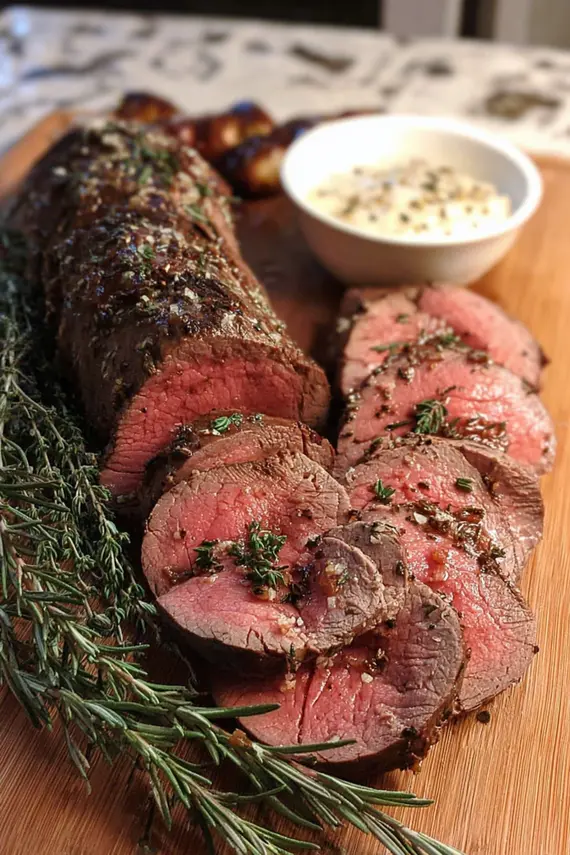
- Slice and serve: Using a sharp carving knife, slice the tenderloin against the grain into ½-inch thick medallions. The center should display a beautiful pink color for medium-rare. Arrange on a warmed platter, drizzle with pan sauce if prepared, and garnish with fresh parsley.
For perfect doneness, remember that the internal temperature will continue to rise as the meat rests. If you’re aiming for medium-rare, remove the tenderloin when it reaches 125-130°F, and it will reach the ideal 130-135°F after resting.
Expert Tips for Elevated Beef Tenderloin Success
Maximizing Flavor and Texture
These professional tips will help you achieve restaurant-quality results when preparing your herb roasted beef tenderloin. “After mastering this roast beef recipe, try the refreshing Carrot Apple Salad as a light side dish that balances the richness of the meat.”
- Choose wisely: Select a beef tenderloin with consistent thickness throughout for even cooking. If one end is significantly thinner, tuck it underneath and secure with kitchen twine to create a more uniform roast.
- Temperature matters: For the most accurate results, use an instant-read digital thermometer inserted into the thickest part of the tenderloin. Remember that carryover cooking will raise the internal temperature by 5-10°F during resting.
- Enhance with fat: While tenderloin is prized for its tenderness, it lacks the fat content of other cuts. Wrapping the roast with bacon strips or adding butter to the herb mixture adds flavor and moisture.
- Sear for deeper flavor: For an extra layer of flavor and beautiful presentation, sear the seasoned tenderloin in a hot cast-iron skillet with a tablespoon of oil before transferring to the oven. Sear all sides until golden brown, about 1-2 minutes per side.
- Let it breathe: The resting period is non-negotiable! Cutting into the tenderloin too soon allows the juices to escape, resulting in a drier roast. Be patient and allow at least 10 minutes of tented rest before slicing.
- Fresh herbs make a difference: While dried herbs can work in a pinch, fresh herbs provide brighter flavor and better texture. If using dried herbs, reduce the quantity to one-third of what the recipe calls for in fresh herbs.
- Consider indirect heat: For larger tenderloins, consider using indirect heat on a grill. This provides gentle, even cooking and a subtle smoky flavor that complements the beef beautifully.
Storing Your Precious Beef Tenderloin Creation
Preserving Quality and Flavor
Proper storage ensures you can enjoy your herb roasted beef tenderloin to its fullest, whether enjoying leftovers the next day or preparing in advance for a special occasion. “For a sweet finish to your meal featuring this oven roasted beef, consider baking a Hummingbird Cake Banana Bread that offers tropical flavors to complement your hearty dinner.”
Refrigeration Recommendations
Allow the beef tenderloin to cool completely before refrigerating, but don’t leave it at room temperature for more than two hours. For optimal freshness, wrap the cooled tenderloin tightly in plastic wrap, then place in an airtight container or heavy-duty aluminum foil. Properly stored, cooked beef tenderloin will maintain quality in the refrigerator for 3-4 days.
For the best texture when enjoying leftovers, slice only what you plan to eat immediately. Keeping the tenderloin whole helps retain moisture and prevent the meat from drying out in storage. When storing sliced tenderloin, place a small amount of beef broth or pan sauce in the container to maintain moisture.
Freezing Guidelines
While fresh is always best for tenderloin, you can freeze leftovers if necessary. Wrap the completely cooled meat tightly in plastic wrap, then again in heavy-duty aluminum foil or place in a freezer-safe container. Label with the date and use within 2-3 months for best quality.
When ready to enjoy, thaw frozen tenderloin overnight in the refrigerator rather than at room temperature. This gradual thawing helps preserve texture and moisture. For best results with frozen/thawed tenderloin, reheat gently with added moisture (broth, sauce, or butter).
Reheating Methods
Tenderloin is at its peak when freshly cooked, but leftovers can still be delicious when reheated properly:
- Gentle oven method (preferred): Preheat your oven to 250°F. Place sliced tenderloin in a baking dish with a splash of beef broth or leftover pan sauce. Cover tightly with foil and heat just until warmed through, about 10-15 minutes. This low-and-slow approach prevents overcooking.
- Stovetop method: For quick reheating, place slices in a skillet with a small amount of beef broth over low heat. Cover and warm gently, turning once, just until heated through. The steam helps prevent drying.
- Cold applications: Consider enjoying leftover tenderloin cold in sandwiches or sliced thinly atop salads—a delicious alternative that eliminates reheating concerns altogether.
Delicious Twists on Classic Herb Roasted Beef
Creative Flavor Profiles
These exciting variations maintain the essence of herb roasted beef tenderloin while offering unique flavor profiles to suit different occasions and preferences.
Mediterranean-Inspired Tenderloin
Transform your beef tenderloin with bright Mediterranean flavors. Create a paste with 4 tablespoons olive oil, 2 tablespoons fresh oregano, 2 tablespoons chopped fresh basil, 4 minced garlic cloves, 2 teaspoons lemon zest, and 1 tablespoon chopped capers. Apply this vibrant mixture to your tenderloin before roasting. After slicing, garnish with crumbled feta cheese and additional fresh herbs. This variation brings lighter, brighter notes to the rich beef.
Peppercorn Crusted Tenderloin
For a bold, spice-forward presentation, create a peppercorn crust. Combine 3 tablespoons crushed black peppercorns, 1 tablespoon crushed green peppercorns (if available), 2 teaspoons kosher salt, and 1 tablespoon fresh thyme leaves. Brush the tenderloin with Dijon mustard, then firmly press the peppercorn mixture onto all sides before roasting. This creates a spectacular crust with intense, warming flavor that complements the tender beef beautifully.
Asian-Inspired Five Spice Tenderloin
Introduce aromatic Asian flavors to your beef tenderloin with this exotic variation. Mix 2 tablespoons honey, 1 tablespoon soy sauce, 2 teaspoons five-spice powder, 1 tablespoon grated fresh ginger, and 2 minced garlic cloves. Marinate the tenderloin in this mixture for 2-4 hours before patting dry and roasting. Serve with a drizzle of reduced sauce made from the marinade (brought to a boil for food safety). The complex blend of sweet, savory, and aromatic elements creates a memorable twist on the classic.
Mushroom and Herb Wellington-Style
For a showstopping presentation inspired by Beef Wellington without the full pastry wrap, sauté 8 ounces of finely chopped mushrooms with 1 minced shallot and 2 cloves of garlic until golden and moisture has evaporated. Cool, then mix with 2 tablespoons each of chopped parsley and thyme, and 1 tablespoon Dijon mustard. Sear the tenderloin on all sides, then press the mushroom mixture onto the top and sides before roasting. The mushrooms create a delicious umami crust that complements the beef perfectly.
Smoky Chipotle-Rubbed Tenderloin
Add southwestern flair with a smoky, slightly spicy profile. Create a paste with 2 tablespoons olive oil, 2 tablespoons minced chipotle peppers in adobo sauce, 1 tablespoon honey, 2 teaspoons ground cumin, 1 teaspoon smoked paprika, and 2 minced garlic cloves. Rub this mixture on the tenderloin and roast as directed. The smoky heat provides wonderful contrast to the tender beef. Serve with a cool cilantro-lime crema on the side for balance.
Elegant Serving Ideas for Your Magnificent Beef Tenderloin
Perfect Presentation Techniques
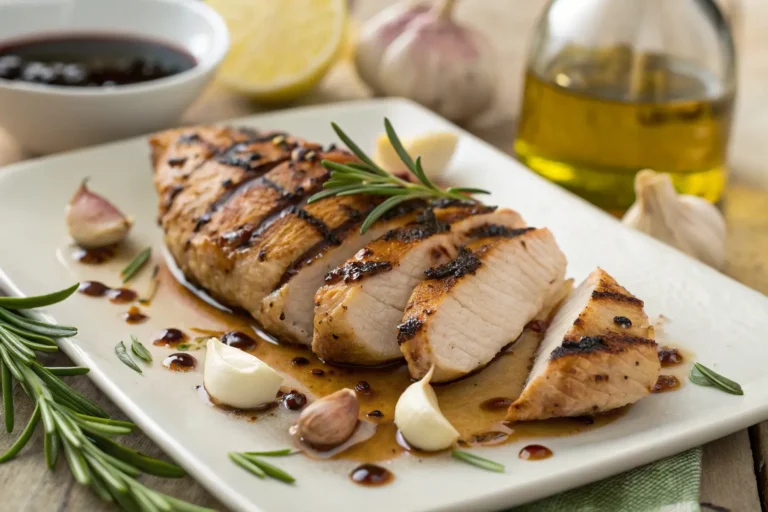
Elevate your herb roasted beef tenderloin with these thoughtfully curated serving suggestions that complement its rich flavor and tender texture. Air fryer chicken breasts offer a similar lean protein option when you want something lighter but still impressive for future meals.
Classic Steakhouse Experience
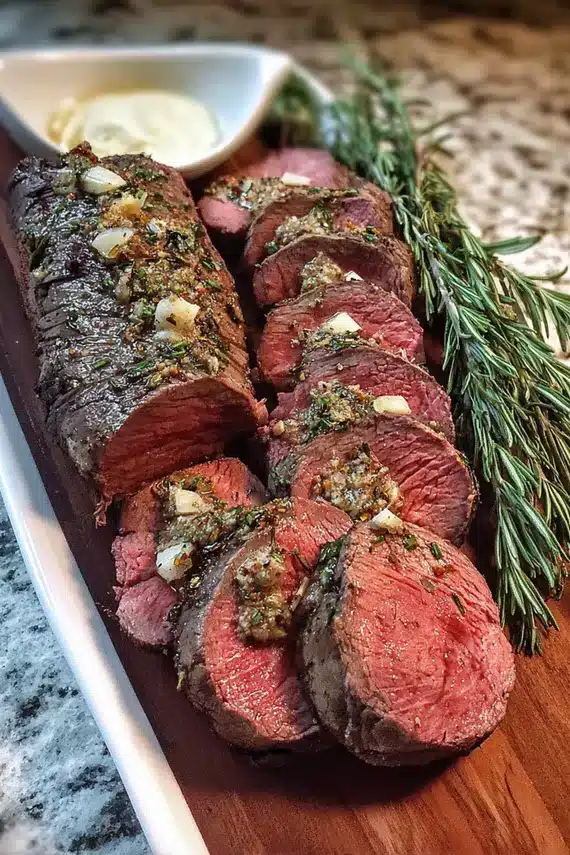
Channel the ambiance of a premium steakhouse by serving your tenderloin with twice-baked potatoes and creamed spinach. Arrange thick-cut (approximately ¾-inch) medallions of beef in a slightly overlapping fan pattern on warmed plates. Drizzle with a small amount of pan sauce and add a pat of compound herb butter that slowly melts over the meat. Complete the presentation with a sprig of fresh rosemary or thyme. This timeless approach emphasizes the luxurious nature of the dish.
Holiday Feast Centerpiece
For special occasions like Christmas or Easter dinner, present the whole tenderloin on a large platter surrounded by roasted seasonal vegetables—think glazed carrots, Brussels sprouts, and pearl onions. Garnish with fresh herb sprigs and edible flowers for a celebratory look. Have someone carve the tenderloin at the table for dramatic effect. Serve with a boat of rich pan sauce and horseradish cream on the side.
Elegant Dinner Party Service
For sophisticated entertaining, serve medium-rare slices of tenderloin atop a bed of wild mushroom risotto or celery root purée. The creamy base provides a wonderful contrast to the tender beef. Garnish with microgreens and a drizzle of truffle oil for an upscale presentation. This plating style works beautifully for dinner parties where you want to impress without the formality of tableside carving.
Family-Style Comfort
For a more casual yet still special family dinner, arrange sliced tenderloin on a wooden board surrounded by roasted fingerling potatoes, green beans with almonds, and cherry tomatoes. Add small bowls of horseradish sauce and whole grain mustard for dipping options. This approachable presentation encourages sharing and conversation while still honoring the premium nature of the dish.
Leftover Reinvention
Transform leftover tenderloin into elegant open-faced sandwiches on toasted artisanal bread with caramelized onions and arugula. Or create a spectacular cold lunch by fanning thin slices of chilled tenderloin over a salad of mixed greens, blue cheese, toasted walnuts, and sliced pears with a balsamic vinaigrette. These presentations give leftover beef new life with minimal reheating required.
Answers to Your Beef Tenderloin Questions
Expert Solutions to Common Concerns
How do I know when my beef tenderloin is perfectly cooked to medium-rare?
For perfect medium-rare tenderloin, remove the roast from the oven when an instant-read thermometer inserted into the thickest part registers 125-130°F (52-54°C). The temperature will rise another 5-10 degrees during resting, reaching the ideal medium-rare range of 130-135°F (54-57°C). Visually, when sliced, the meat should be warm with a rosy-pink center, not purple (too rare) or grayish-pink (heading toward medium). Remember that the thinner ends will cook more than the center, offering options for guests who prefer different levels of doneness.
Is it necessary to sear the tenderloin before roasting?
Searing is not strictly necessary but offers significant benefits. A pre-roast sear in a hot skillet develops a flavorful crust through the Maillard reaction (browning) that enhances both taste and appearance. If you choose to skip searing, compensate by roasting at a slightly higher temperature (450°F) for the first 10 minutes, then reducing to 425°F for the remainder of the cooking time. This technique helps develop some exterior browning while maintaining a tender interior. The choice largely depends on your preference and available time.
How much beef tenderloin should I purchase per person?
For a main course serving, calculate approximately 6-8 ounces (170-225g) of raw tenderloin per person. This accounts for some shrinkage during cooking and ensures generous portions. For a multi-course meal where the tenderloin is just one component, 4-5 ounces (115-140g) per person is appropriate. When purchasing, remember that you’ll likely trim some silver skin and fat, so account for this potential yield loss. For eight adults as a main course, a 3-pound (1.4kg) tenderloin should be sufficient, while special occasions might warrant 8 ounces per guest for an impressive presentation.
Savor the Splendor of Perfect Beef Tenderloin
A Timeless Culinary Achievement
Creating a perfect herb roasted beef tenderloin is one of those culinary achievements that balances simplicity with sophistication. By following the techniques outlined in this guide, you’ve learned how to transform this premium cut into a centerpiece worthy of your most cherished gatherings. The magic lies in respecting the quality of the meat, enhancing it with complementary herbs and seasonings, and mastering the proper cooking temperatures. “For a comforting family meal with similar appeal but different flavors, the Million Dollar Chicken Casserole delivers impressive results with less preparation time.”
The beauty of beef tenderloin seasoned with fresh herbs is its versatility—equally at home on a holiday table or as part of an intimate dinner for two. Whether you follow the classic preparation or explore one of the creative variations, you’re participating in a timeless culinary tradition that celebrates quality ingredients prepared with care.
Remember that practice makes perfect when it comes to roasting beef. Each time you prepare this dish, you’ll develop a better sense of timing and temperature for your specific oven and preferences. Don’t be discouraged if your first attempt isn’t flawless—even professional chefs continue to refine their techniques with each preparation.
We invite you to share your herb roasted beef tenderloin creations and any adaptations you discover along the way. The joy of cooking lies not just in following recipes but in making them your own. Happy cooking!
PrintHerb Roasted Beef Tenderloin
- Succulent beef tenderloin roasted to perfection with a fragrant herb crust of rosemary, thyme, and garlic.
- This elegant yet approachable recipe delivers restaurant-quality results for special occasions or memorable family dinners.
- The buttery-tender texture and aromatic herbs create an unforgettable centerpiece dish.
- Prep Time: 15
- Cook Time: 35
- Total Time: 50 minutes
- Yield: 6 servings 1x
- Category: Dinner
- Method: Roasting
- Cuisine: American
Ingredients
- 1 beef tenderloin (about 2 pounds), center-cut, trimmed
- 2 tablespoons olive oil
- 2 tablespoons fresh rosemary, finely chopped
- 1 tablespoon fresh thyme leaves
- 3 cloves garlic, minced
- 1½ teaspoons kosher salt
- 1 teaspoon freshly ground black pepper
- 1 tablespoon Dijon mustard (optional)
- 2 tablespoons unsalted butter, softened (optional)
- 2 medium shallots, finely minced (optional)
- 1 teaspoon lemon zest (optional)
Instructions
- Remove the tenderloin from refrigerator 1-1½ hours before cooking to bring to room temperature.
- Preheat your oven to 425°F (220°C) with the rack in the center position.
- In a small bowl, combine the chopped rosemary, thyme leaves, minced garlic, salt, and pepper. If using, add lemon zest.
- Pat the tenderloin dry with paper towels. Brush the entire surface with olive oil (or spread with a thin layer of Dijon mustard if using).
- Evenly press the herb mixture onto all sides of the tenderloin, gently pressing to adhere.
- Place the seasoned tenderloin on a rack in a roasting pan. If using, scatter minced shallots around the roast.
- Roast for 20-25 minutes for medium-rare (internal temperature of 125-130°F), or until desired doneness is reached.
- Remove from the oven, loosely tent with aluminum foil, and let rest for 10-15 minutes.
- Slice against the grain into ½-inch thick medallions and serve immediately.
Notes
- For even cooking, try to select a tenderloin with consistent thickness.
- If one end is significantly thinner, tuck it underneath and secure with kitchen twine.
- For extra flavor, sear the seasoned tenderloin in a hot cast-iron skillet before roasting.
- The resting period is crucial for juicy results – don’t skip it!
- Nutrition facts are estimates and may vary based on ingredients used, portion sizes, and preparation methods.
Nutrition
- Serving Size: 1 serving (about 4-5 oz cooked)
- Calories: 285
- Sodium: 650
- Fat: 18
- Saturated Fat: 6
- Unsaturated Fat: 10
- Carbohydrates: 2
- Fiber: 1
- Protein: 28
- Cholesterol: 85
Keywords: Herb Roasted Beef Tenderloin, herb roasted beef, beef tenderloin seasoning, roast beef recipe, oven roasted beef
Let’s connect! Follow me for more Joylicious Recipes: Facebook, Instagram, Pinterest