
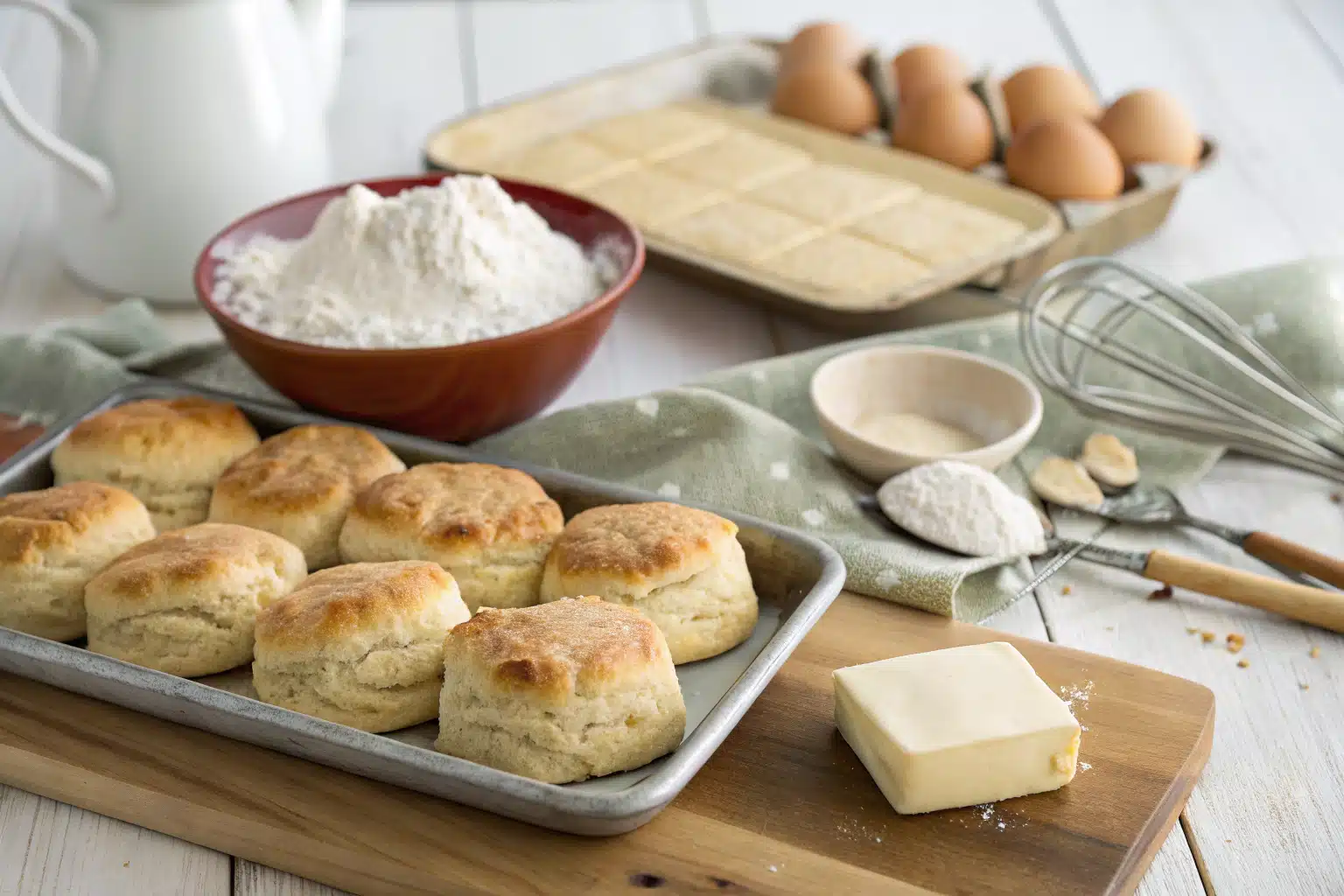
The Best Homemade Biscuit Recipe for Light, Flaky Perfection
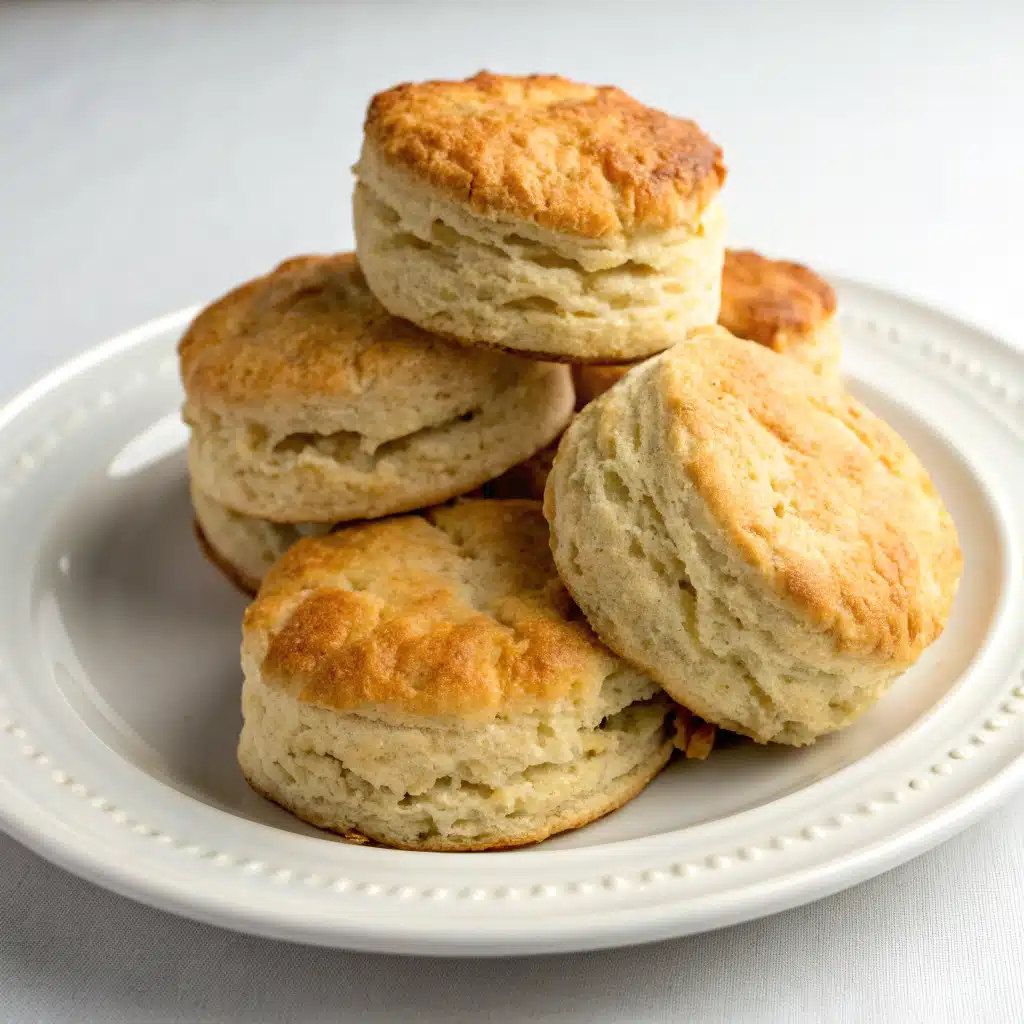
Biscuit recipe have been a cornerstone of American cuisine for generations, offering that perfect combination of simplicity and satisfaction. There’s something magical about pulling a tray of golden, flaky biscuits from the oven – their buttery aroma filling your kitchen and promising comfort with every bite. While store-bought varieties might offer convenience, they simply can’t match the texture, flavor, and heartwarming quality of homemade biscuits.
The Science Behind Perfect Biscuits
Creating the perfect biscuit recipe isn’t just about combining ingredients – it’s about understanding the science that makes them rise into those beautiful, flaky layers. Moreover, the key lies in the interaction between cold butter and hot oven temperatures. When those small pockets of solid butter hit the heat, they create steam that pushes the dough upward, resulting in the height and layers we all crave.
“Looking for inspiration? Try our creamed chicken with southern biscuits for a complete meal that showcases these delicious treats.”
What Makes This Recipe Special
What sets this biscuit recipe apart is its balance of simplicity and technique. With just a handful of pantry staples, you’ll create biscuits that rival those from the finest Southern kitchens. Furthermore, the method incorporates folding techniques that develop those coveted layers without requiring special equipment or professional training. Whether you’re a seasoned baker or a first-timer, this recipe delivers consistently excellent results that will have everyone asking for seconds.
Ingredients: Simple Components for Extraordinary Results
The beauty of a great biscuit recipe lies in its simplicity. You don’t need exotic ingredients or complicated preparations – just quality basics that work together harmoniously. Additionally, each component plays a vital role in creating that perfect texture and flavor profile.
The Foundation Ingredients
| Ingredient | Amount | Role in Recipe |
|---|---|---|
| All-purpose flour | 2 cups (250g) | The foundation that provides structure |
| Baking powder | 1 tablespoon | Creates rise and lightness |
| Granulated sugar | 1 tablespoon | Enhances browning and adds subtle sweetness |
| Salt | 1 teaspoon | Balances flavors and enhances perception of butter |
| Unsalted butter (very cold) | 6 tablespoons (85g) | Creates flaky layers and rich flavor |
| Whole milk | ¾ cup (177ml) | Provides moisture and tenderness |

The Importance of Quality Butter
When it comes to biscuit recipes, the quality of your butter makes a significant difference. European-style butter contains higher butterfat content and less water, resulting in richer flavor and superior texture. However, any high-quality unsalted butter will work beautifully. The critical factor is temperature – your butter must be very cold to create those distinct, flaky layers that define a perfect biscuit. For the best results, consider placing your butter in the freezer for 10-20 minutes before beginning.
Step-by-Step: Creating the Perfect Homemade Biscuits
Following the proper technique is just as important as having the right ingredients in any biscuit recipe. Moreover, the way you handle the dough dramatically affects the final texture. Remember, gentle handling preserves those all-important butter pockets that create flakiness.
“Discover great ideas like our buttery sausage breakfast biscuits for another delicious way to enjoy fresh-baked biscuits in the morning.”
Preparation and Mixing
- Preheat your oven to 425°F (220°C) and line a baking sheet with parchment paper to prevent sticking.
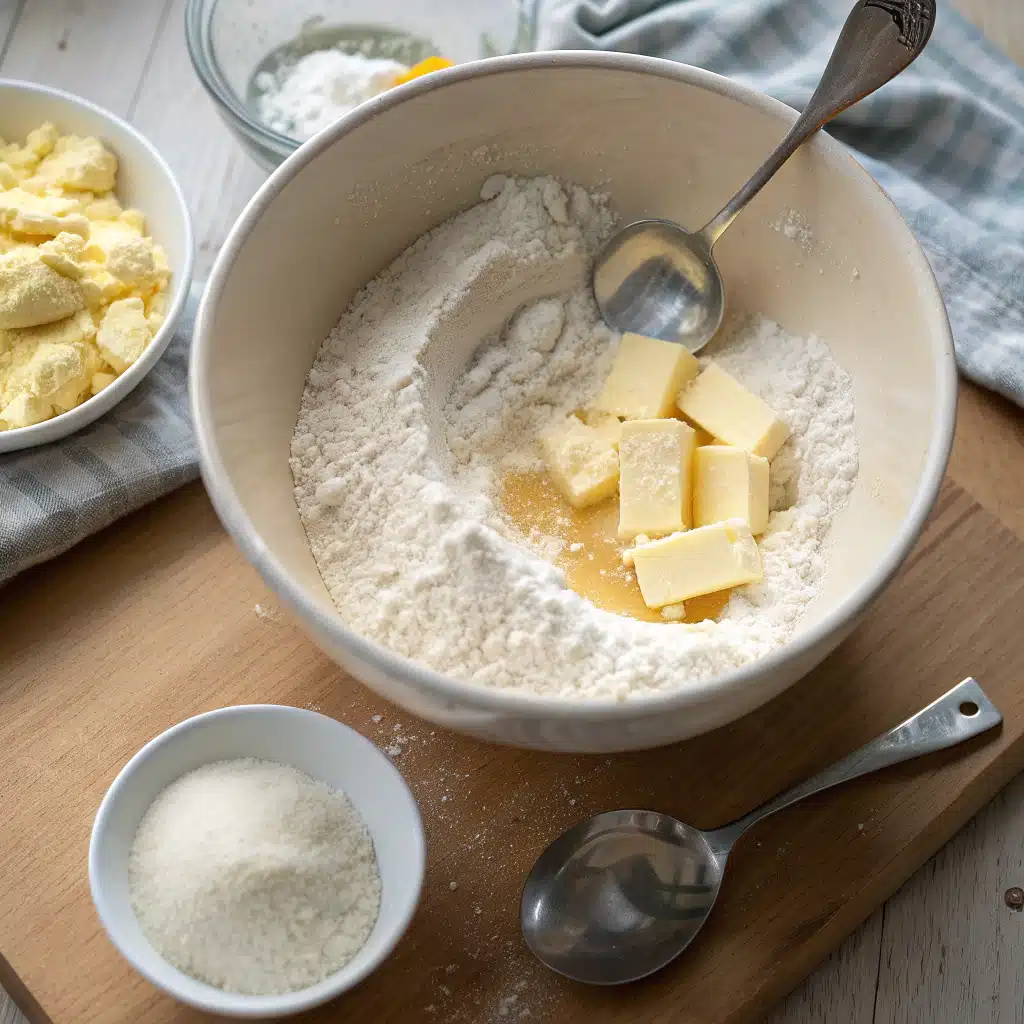
- In a large bowl, whisk together the flour, baking powder, sugar, and salt until thoroughly combined.
- Take your very cold butter and either cut it into small cubes or grate it using a box grater (the preferred method for optimal distribution).
- Add the cold butter to your dry ingredients and quickly work it in using a pastry cutter, two forks, or your fingertips until the mixture resembles coarse crumbs with visible small pieces of butter throughout.
- Pour in the cold milk and stir gently with a wooden spoon or rubber spatula just until the dough comes together. The mixture will look somewhat shaggy and not completely smooth – this is perfect!
Folding and Shaping
- Place the dough onto a lightly floured surface. Dust your hands with flour to prevent sticking.
- Gently pat the dough together into a rough rectangle about 1-inch thick. Try not to overwork the dough at this stage.
- Fold the dough in half over itself, then rotate it 90 degrees.
- Pat it down again and repeat the folding process 5-6 times total. This creates those beautiful layers that make biscuits so irresistible.
- After the final fold, gently press the dough to a 1-inch thickness.
- Using a 2¾-inch round biscuit cutter dipped in flour, press straight down through the dough without twisting (twisting seals the edges and prevents proper rising).
- Place the cut biscuits less than ½-inch apart on your prepared baking sheet. Positioning them close together helps them rise higher.
Baking to Golden Perfection
- Place your biscuits in the preheated oven and bake for 12-14 minutes, until the tops are just beginning to turn a light golden brown.
- For an extra touch of flavor, brush the hot biscuits with melted salted butter immediately after removing them from the oven.
- Allow to cool for just 2-3 minutes before serving warm for the best texture and taste.
Tips: Secrets to Elevate Your Biscuit Recipe
Even the most straightforward biscuit recipe can benefit from a few expert techniques. As a result, these tips will help ensure your biscuits rise beautifully and have that perfect texture every time.
Explore our sausage cheddar breakfast biscuits for another tasty way to enjoy homemade biscuits in the morning.
Temperature Control
The single most crucial factor in a successful biscuit recipe is temperature. Cold ingredients create steam when they hit the hot oven, which produces those coveted flaky layers. Here’s how to optimize your process:
- Freeze your butter for 10-20 minutes before beginning the recipe
- Chill your milk in the refrigerator until the moment you need it
- If your kitchen is particularly warm, consider chilling your bowl and utensils beforehand
- Work quickly once the butter touches the flour to prevent it from warming too much
- If the dough feels sticky or warm at any point, pause and refrigerate it for 15 minutes
The Perfect Cutting Technique
How you cut your biscuits has a surprising impact on how well they rise. Follow these guidelines:
- Use a sharp-edged biscuit cutter for clean cuts that allow maximum rise
- Press straight down through the dough without twisting the cutter
- Flour your cutter between cuts to prevent sticking
- Cut biscuits closely together to reduce leftover scraps.
- When re-rolling scraps, handle the dough as little as possible to avoid toughening
Achieving the Perfect Height
For tall, impressive biscuits that make everyone say “wow,” try these professional tricks:
- Maintain a full 1-inch thickness when cutting – thinner dough makes shorter biscuits
- Place biscuits close together on the baking sheet so they support each other as they rise
- Ensure your oven is fully preheated before baking
- Avoid opening the oven door during the first 8 minutes of baking to prevent temperature fluctuations
Storage: Preserving Your Homemade Biscuits
While biscuits are undoubtedly best served fresh from the oven, a good biscuit recipe should also account for storage and preservation. With the proper techniques, you can enjoy homemade biscuits even when you don’t have time to make them from scratch.
“Don’t miss our cheddar biscuit chicken bake which transforms simple biscuits into an incredible dinner option.”
Room Temperature Storage
Freshly baked biscuits can be stored at room temperature for 1–2 days. Because of this, here’s how to maintain their quality:
- Allow biscuits to cool completely before storing
- Place them in an airtight container or resealable bag
- Add a paper towel to absorb any excess moisture
- Keep away from direct sunlight or heat sources
Refrigeration Methods
Refrigerating baked biscuits extends their life to about 1 week:
- Ensure biscuits are completely cool before refrigerating
- Cover each biscuit tightly with plastic wrap or foil
- Place wrapped biscuits in an airtight container
- Reheat in a 350°F oven for 5-7 minutes to restore freshness
Freezing Options
Freezing is an excellent way to extend storage and enjoy fresh biscuits anytime. For this reason, it’s a smart way to keep a batch ready to bake whenever you need:
Baked Biscuits
- Allow biscuits to cool completely
- Wrap individually in plastic wrap, then aluminum foil
- Keep in a freezer bag for up to three months.
- Reheat frozen biscuits in a 350°F oven for 15-20 minutes
Unbaked Biscuits
- Prepare the recipe through the cutting stage
- Place cut biscuits on a parchment-lined baking sheet
- Freeze until solid (about 2 hours)
- Place in freezer bags and freeze for up to three months.
- Bake frozen (no need to thaw) at 425°F for 18-20 minutes
Variations: Customize Your Biscuit Recipe
While classic buttermilk biscuits are beloved for good reason, this versatile biscuit recipe can be adapted in countless ways. Here are some delicious variations to expand your biscuit-making repertoire.
“Here’s your guide to cheesy sausage egg breakfast wraps which pair perfectly with these homemade biscuits for a complete breakfast spread.”
Sweet and Savory Add-Ins
Transform your basic biscuit recipe with these flavorful additions:
Cheese and Herb Biscuits
- Add 3/4 cup shredded cheddar cheese and 1 tablespoon fresh chopped herbs (rosemary, thyme, or chives)
- Fold gently into the dough after adding the milk
Honey Butter Biscuits
- Increase sugar to 2 tablespoons
- Add 2 tablespoons honey to the milk before mixing
- Brush with honey butter (equal parts honey and melted butter) after baking
Garlic Parmesan Biscuits
- Add 1/2 cup grated Parmesan cheese and 1 teaspoon garlic powder to the dry ingredients
- Brush with garlic butter after baking (melted butter with minced garlic and parsley)
Dairy Substitutions
Experiment with different dairy options to create unique flavors and textures:
Buttermilk Biscuits
- Replace the whole milk with 3/4 cup buttermilk
- Reduce baking powder to 2 teaspoons and add 1/4 teaspoon baking soda
Greek Yogurt Biscuits
- Substitute 3/4 cup Greek yogurt for the milk
- Add 2 tablespoons milk or water if the dough seems too dry
Cream Biscuits
- Replace milk with 3/4 cup heavy cream for ultra-rich biscuits
- Reduce butter to 4 tablespoons
Dietary Adaptations
Adjust this biscuit recipe to accommodate various dietary needs:
Gluten-Free Biscuits
- Substitute a high-quality 1:1 gluten-free flour blend for the all-purpose flour
- Add 1/2 teaspoon xanthan gum if your blend doesn’t already contain it
- The dough may be slightly stickier; use additional flour for handling
Vegan Biscuits
- Replace butter with cold coconut oil or plant-based butter
- Substitute almond milk, oat milk, or another plant-based milk
- Add 1 tablespoon lemon juice to the milk to mimic buttermilk’s acidity
Serving: Perfect Pairings for Your Homemade Biscuits
A great biscuit recipe deserves equally wonderful accompaniments. Whether for breakfast, lunch, dinner, or dessert, these serving suggestions will help you make the most of your homemade biscuits.
“Want more ideas? Check out our easy breakfast enchiladas with sausage and bacon for another hearty breakfast option that pairs beautifully with fresh biscuits.”
Breakfast and Brunch Ideas
Start your day with these delicious biscuit pairings:
- Classic sausage gravy ladled over split biscuits
- Scrambled eggs, bacon, and cheese for hearty breakfast sandwiches
- Honey butter or maple butter for a sweet morning treat
- Country ham with a dollop of stone-ground mustard
- Fried chicken with hot honey for an indulgent brunch
Lunch and Dinner Companions
Turn biscuits into a satisfying meal with these savory options:
- Creamy chicken pot pie filling spooned over warm biscuits
- Beef stew or chili as a hearty topping
- Pulled pork with barbecue sauce for Southern-style sliders
- Sliced roast beef with horseradish cream
- Smoked salmon with cream cheese and capers for an elegant option
Sweet Dessert Applications
Transform biscuits into delightful desserts:
- Traditional strawberry shortcake with macerated berries and whipped cream
- Peach cobbler filling over split, buttered biscuits
- Chocolate gravy (a Southern specialty) for a unique treat
- Biscuits with apple butter and a sprinkle of cinnamon sugar
- Warm biscuits topped with ice cream and caramel sauce
FAQs: Common Questions About Biscuit Recipes
What are the main ingredients in a biscuit?
Classic biscuits use flour, baking powder, salt, sugar, cold butter, and milk or buttermilk. As a result, the butter steams as it bakes, creating the signature flaky layers.
How are biscuits made step by step?
First mix the dry ingredients, then cut in cold butter until crumbly. Stir in milk just until combined, fold the dough a few times, pat to about 1-inch thick, cut into rounds, and bake at 425°F for 12–14 minutes until golden.
What is the secret to a good biscuit?
Success comes from three things: very cold butter, gentle handling, and folding the dough. Consequently, this combination keeps biscuits tender and forms distinct, flaky layers.
What kind of milk is best for biscuits?
Whole milk delivers richness, while buttermilk adds tang and extra lift. 2% milk works but is less tender. For dairy-free bakes, use full-fat coconut or oat milk.
What makes biscuits taste better?
Flavor improves with quality butter, a touch of extra salt, and a hint of sugar for browning. Additionally, brushing warm biscuits with melted butter or adding cheese, herbs, honey, or garlic creates delicious variations.
Should biscuit dough rest before baking?
Resting isn’t usually necessary. In fact, it’s best to bake quickly to keep butter cold. If the dough warms or feels sticky, refrigerate for about 15 minutes before baking.
Conclusion: Mastering the Art of Homemade Biscuits
The Joy of Biscuit Making
There’s something deeply satisfying about mastering a perfect biscuit recipe. In contrast, beyond the delicious results, the process itself connects us to generations of home cooks who have used these same simple techniques to create comfort and nourishment for their families. As you become more confident with this recipe, you’ll develop an intuitive feel for the dough – knowing exactly when it’s been mixed enough and how it should feel under your hands.
“Learn more about breakfast twice baked potatoes for another delicious breakfast option that pairs wonderfully with fresh biscuits.”
Beyond the Basic Recipe
Once you’ve mastered this classic biscuit recipe, consider it your foundation for endless creativity in the kitchen. In addition, the techniques you’ve learned – keeping ingredients cold, handling dough gently, and creating layers through folding – apply to many other baked goods. From scones to pie crusts, these fundamental skills will serve you well as you continue your culinary adventures. Don’t be afraid to experiment with different flavors, shapes, and applications for your biscuits – some of the most delicious discoveries happen when we venture beyond the recipe.
PrintHomemade Biscuit Recipe
Light, flaky, buttery biscuits made from scratch with simple ingredients. Perfect for breakfast, dinner, or anytime!
- Prep Time: 15 minutes
- Cook Time: 12 minutes
- Total Time: 27 minutes
- Yield: 6–8 biscuits 1x
- Category: Breakfast
- Cuisine: American
Ingredients
- 2 cups all-purpose flour (250g)
- 1 Tablespoon baking powder
- 1 Tablespoon granulated sugar
- 1 teaspoon salt
- 6 Tablespoons unsalted butter very cold (85g)
- ¾ cup whole milk (177ml)
Instructions
- Chill butter in freezer for 10-20 minutes. Preheat the oven to 425°F and prepare a baking sheet with parchment paper.
- Mix flour, baking powder, sugar, and salt in large bowl.
- Grate cold butter into flour mixture and stir until mixture resembles coarse crumbs.
- Add milk and stir gently until just combined.
- Transfer dough to floured surface and work gently until cohesive.
- Fold dough in half, flatten, rotate 90 degrees, and repeat 5-6 times to create layers.
- Pat dough to 1-inch thickness and cut with floured 2¾-inch biscuit cutter.
- Place biscuits close together on baking sheet and bake for 12 minutes until lightly golden.
- If desired, brush with melted salted butter immediately after baking.
Notes
Keep ingredients as cold as possible throughout the process for the flakiest results. Handle dough gently to avoid tough biscuits.
Nutrition facts are estimates and may vary based on ingredients used, portion sizes, and preparation methods.
Nutrition
- Serving Size: 6-8 biscuits
- Calories: 210
- Sugar: 3g
- Sodium: 420mg
- Fat: 9g
- Saturated Fat: 5.5g
- Carbohydrates: 28g
- Fiber: 1g
- Protein: 4g
- Cholesterol: 25mg
Keywords: biscuit recipe, homemade biscuits, flaky biscuits, southern biscuits, breakfast biscuits, buttermilk biscuits
Let’s connect! Follow me for more Joylicious Recipes: Facebook, Instagram, Pinterest