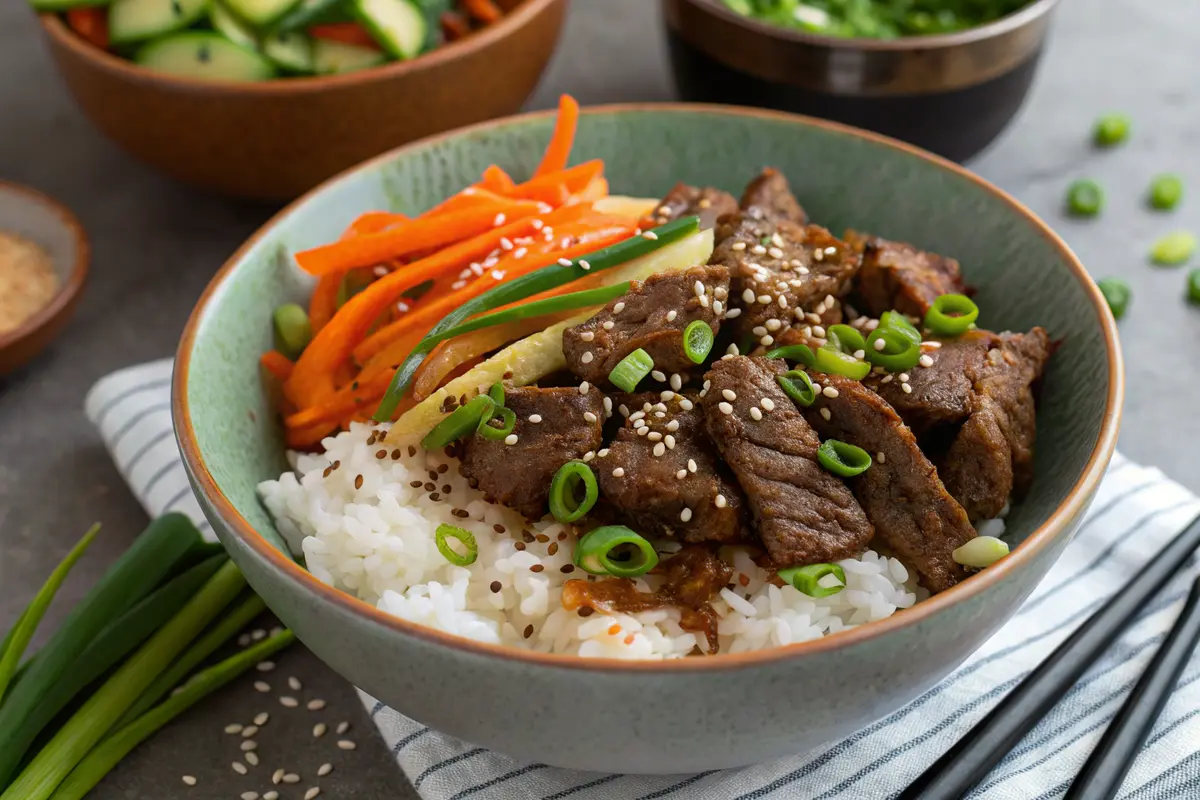
Discover the Authentic Flavors of a 30-Minute Korean Beef Bowl
A Quick Journey to Korean Cuisine
Korean beef bowl combines savory ground beef, vibrant vegetables, and the perfect balance of sweet and spicy flavors for a satisfying meal that comes together in under 30 minutes. The rich umami from gochujang (Korean chili paste) creates an addictive sauce that coats every grain of fluffy rice, while the fresh vegetable toppings add crunch and brightness to balance the dish perfectly.
“For another delicious beef recipe with amazing depth of flavor, the Greek Beef Stifado offers a Mediterranean twist that’s equally comforting but with different flavor notes.”
This versatile recipe works beautifully for weeknight family dinners, meal prep for busy professionals, or casual entertaining when you want to impress without spending hours in the kitchen. The colorful presentation makes it visually appealing while the customizable heat level means everyone can enjoy it according to their spice preference.
Essential Ingredients for Your Flavorful Korean-Inspired Meal
Building the Perfect Balance of Flavors
Creating the perfect Korean beef bowl starts with quality ingredients that deliver authentic flavors. The combination of savory, sweet, and spicy elements creates a harmonious balance that makes this dish so cravable. “If you enjoy Asian-inspired beef dishes, you might also love this hearty Beef Noodle Soup which uses similar aromatics but in a comforting broth-based preparation.”
| Component | Ingredients |
|---|---|
| Protein Base | 1 lb ground beef (80/20 lean-to-fat ratio preferred for flavor) |
| Aromatics | 1 tsp minced garlic 1 tsp minced ginger 1 medium yellow onion, finely diced 1 tbsp sliced green onions (plus more for garnish) |
| Sauce Elements | 1/4 cup gochujang (Korean chili paste) 2 tbsp soy sauce (low-sodium preferred) 1 tbsp sesame oil 1 tsp sugar (or honey or maple syrup) 1 tbsp rice vinegar 1 tbsp brown sugar (for caramelization) |
| Base & Toppings | 2 cups cooked short-grain rice (sushi rice or calrose work well) 1 cup shredded carrots 1 cup thinly sliced cucumber 1/2 cup kimchi (store-bought or homemade) 1 tsp toasted sesame seeds |
| Optional Add-ins | 1 fried egg (sunny-side up) 1/4 cup pickled daikon radish 1/4 cup bean sprouts 1/2 avocado, sliced Gochugaru (Korean chili flakes) for extra heat Crispy fried garlic or shallots for texture |
Master the Art of Preparing This Delicious Korean-Inspired Meal
Creating Layers of Flavor in Every Bite
The key to a truly exceptional Korean beef bowl lies in building layers of flavor through proper cooking technique. Follow these detailed steps to ensure your dish develops the perfect balance of sweet, savory, and spicy elements that make Korean cuisine so beloved worldwide.
1. Heat a large skillet or wok over medium-high heat. Once hot, add the ground beef, breaking it into small pieces with a wooden spoon. Cook for 5-6 minutes until the meat begins to brown, stirring occasionally to ensure even cooking.
2. Drain excess fat if desired, leaving about 1 tablespoon in the pan for flavor. Push the beef to one side of the pan and add the diced onions to the empty space. Cook for 2 minutes until they begin to soften and turn translucent.
3. Add the minced garlic and ginger to the onions. Cook for 30-45 seconds, stirring constantly until fragrant but not browned. Burnt garlic will create bitter notes in your dish.
4. Mix the beef back with the aromatics, then reduce heat to medium. Add the gochujang, soy sauce, sesame oil, sugar, rice vinegar, and brown sugar. Stir thoroughly to ensure the beef is evenly coated with the sauce mixture.
5. Simmer the mixture for 3-4 minutes, stirring occasionally, until the sauce thickens and develops a glossy appearance. The sauce should coat the back of a spoon but still be slightly fluid. If it becomes too thick, add 1-2 tablespoons of water to adjust the consistency.
6. Taste and adjust seasonings as needed—add more gochujang for heat, soy sauce for saltiness, or sugar for sweetness. Remember that flavors will intensify slightly as the dish cools.
7. While the beef simmers, prepare your vegetable toppings. Slice cucumbers thinly, shred or julienne carrots, and chop green onions on the bias for an attractive presentation.
8. Divide the warm cooked rice among serving bowls, creating a base for your toppings. For authentic presentation, press the rice lightly with the back of a spoon to create a stable foundation.
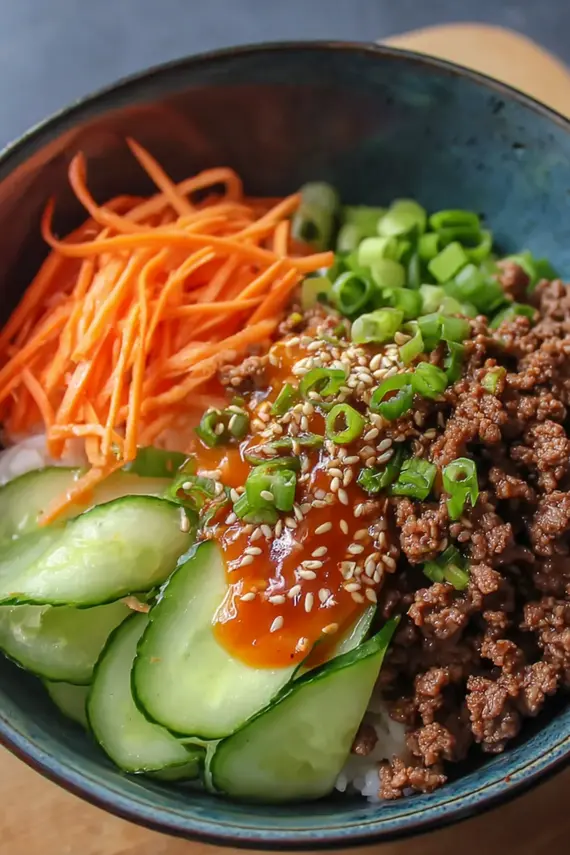
9. Spoon the hot beef mixture over the rice, positioning it slightly off-center to leave room for the vegetable toppings.
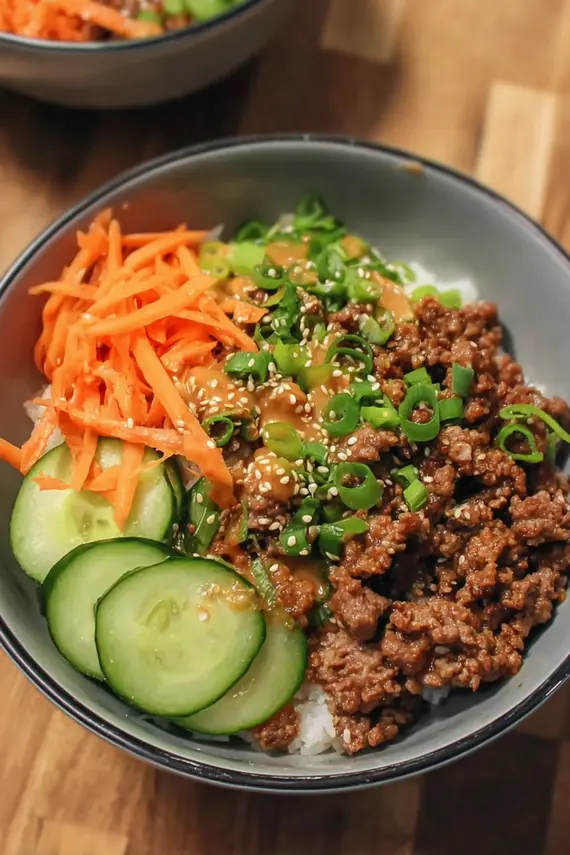
10. Arrange the shredded carrots, sliced cucumber, and kimchi (if using) artfully around the beef. This creates both visual appeal and allows diners to mix ingredients according to their preference.
11. Finish each bowl with a sprinkle of sliced green onions and toasted sesame seeds. If desired, add optional toppings like a fried egg or avocado slices.
12. Serve immediately while hot for the best texture and flavor experience. Provide extra gochujang sauce on the side for those who enjoy additional heat.
Expert Tips for Elevating Your Korean Beef Bowl Experience
Authentic Flavor Enhancements
These professional tips will help you take your Korean beef bowl from good to restaurant-quality, ensuring authentic flavors and perfect texture every time. “The slow-cooked tenderness of Beef and Vegetable Roast uses a different cooking technique than this quick-cooking bowl, but both recipes showcase how beef can absorb wonderful flavors when prepared properly.”
- Toast your sesame seeds in a dry pan over medium heat for 2-3 minutes until golden and fragrant. This simple step significantly enhances their nutty flavor and aroma, adding depth to the final dish.
- Don’t substitute regular chili paste for gochujang. This fermented Korean condiment has a unique sweet-spicy-umami flavor profile that’s essential for authentic taste. Most Asian grocery stores and many mainstream supermarkets now carry it.
- Cook your rice with slightly less water than normal (about 10% less) for Korean-style rice that has distinct grains with a pleasant chew rather than mushy texture.
- For restaurant-quality presentation, use a rice bowl or cup to mold the rice into a perfect dome before adding toppings.
- Balance the meal by serving with banchan-inspired sides like quick cucumber kimchi, seasoned spinach (sigeumchi namul), or bean sprouts (kongnamul) for an authentic Korean dining experience.
- For a more authentic version, substitute ground beef with thinly sliced ribeye or sirloin marinated in a traditional bulgogi sauce.
- Add depth with mushrooms – sautéed shiitake or king oyster mushrooms add wonderful umami notes that complement the beef beautifully.
Keeping Your Korean Creation Fresh and Flavorful
Smart Storage Solutions for Leftovers
Proper storage is essential for maintaining the vibrant flavors and textures of your Korean beef bowl components. By storing elements separately, you’ll enjoy restaurant-quality leftovers that taste nearly as good as when freshly prepared.
For best results, store the beef mixture in an airtight container in the refrigerator for up to 3-4 days. The savory-sweet flavors will actually develop and improve slightly overnight, making this an excellent meal prep option. However, rice requires special attention – cool it completely before refrigerating to prevent bacterial growth, and store it separately from the beef mixture in its own airtight container for up to 3 days.
Fresh vegetable toppings should be stored unwashed and uncut when possible. If already prepared, keep them in separate containers lined with paper towels to absorb excess moisture, which will help maintain their crispness. Pre-cut vegetables are best used within 1-2 days.
When reheating, the microwave works well for the beef mixture (1-2 minutes on high, stirring halfway through), but rice benefits from a different approach. Sprinkle it with a few drops of water before microwaving, or better yet, quickly stir-fry it in a hot pan with a small amount of oil to restore its texture.
For meal prep purposes, consider assembling “beef bowl kits” with the meat, rice, and prepared toppings in separate compartments of a bento-style container. This prevents soggy vegetables and allows for fresh assembly at lunchtime. “The Beef Enchilada Casserole offers another excellent make-ahead option that reheats beautifully for busy weeknights when you want to switch up your flavor profiles.”
Creative Twists on the Traditional Korean Beef Bowl
Personalize Your Bowl with These Delicious Variations
The beauty of Korean beef bowls lies in their versatility. By making simple adjustments to the base recipe, you can create entirely new flavor experiences while maintaining the soul of this beloved dish. Here are some exceptional variations to try:
Vegetable-Forward Korean Bowl: Transform this dish into a vegetable celebration by doubling the fresh toppings and adding roasted sweet potato cubes, sautéed spinach, and thinly sliced bell peppers. Reduce the beef portion to 1/2 pound and add 8 ounces of sliced mushrooms (shiitake or cremini) to the pan when cooking the beef for a more plant-forward but still satisfying meal.
Protein-Packed Fitness Bowl: Boost the protein content by using extra-lean ground beef (93/7) and adding 1/2 cup of edamame beans. Serve over cauliflower rice mixed with a small portion of brown rice for added fiber and reduced carbs. Top with a soft-boiled egg for even more protein and a luscious, creamy element when the yolk breaks over the bowl.
Family-Friendly Mild Version: Create a milder version perfect for children or those sensitive to spice by reducing the gochujang to 1 tablespoon and adding 2 tablespoons of apple sauce for natural sweetness. Use carrots cut into fun shapes and arrange the bowl components separately so kids can construct their own creation, encouraging healthy exploration of new foods.
Korean-Mexican Fusion Bowl: Blend culinary traditions by incorporating 1 teaspoon of cumin and 1/2 teaspoon of oregano into the beef mixture. Serve with lime wedges, fresh cilantro, diced avocado, and a simple cabbage slaw dressed with lime juice and salt. Use corn tortillas on the side for a fun “Korean taco bowl” experience.
Express 15-Minute Version: When time is extremely limited, use pre-minced garlic and ginger from tubes, pre-shredded carrots, and microwaveable rice. Combine the sauce ingredients ahead of time and store in the refrigerator. With these shortcuts, dinner can be on the table in just 15 minutes without sacrificing the essential flavors.
Crispy Rice Bowl Variation: For incredible texture contrast, cook your rice ahead of time, then spread it in a thin layer in a hot oiled skillet and let it form a crispy crust before flipping. Break this crispy rice into chunks and use as your bowl base for an incredible textural element that elevates the entire dish.
Elevating Your Dining Experience with Perfect Presentation
Turning a Simple Meal into a Special Occasion
The way you serve your Korean beef bowl can transform it from a simple weeknight dinner into an impressive culinary experience. With thoughtful presentation and complementary side dishes, this versatile recipe shines in any setting.
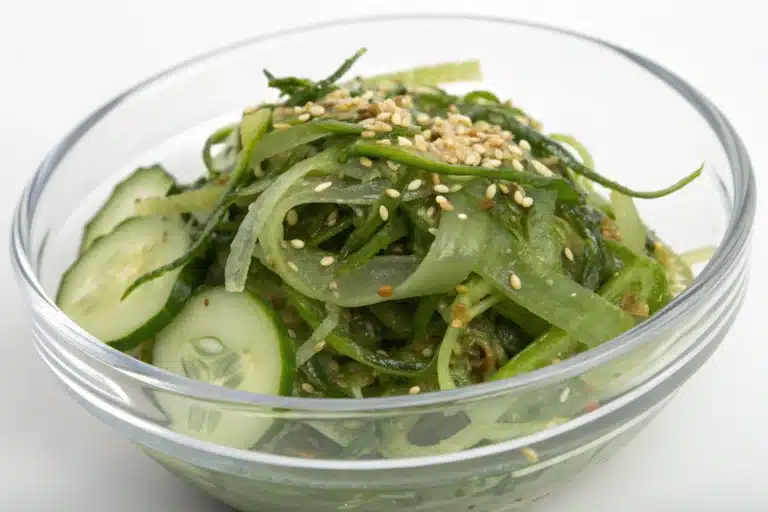
For casual family dinners, serve your Korean beef bowl in wide, shallow bowls that showcase the colorful components. Arrange the beef, vegetables, and garnishes in distinct sections over the rice for visual appeal, allowing family members to mix the ingredients together according to their preference. Spicy Korean cucumber salad makes an excellent side dish that provides refreshing crunch and palate-cleansing acidity to balance the rich beef.
When entertaining friends, consider setting up a DIY Korean beef bowl bar with the rice, beef mixture, and various toppings in separate serving dishes. Include unexpected options like pickled red onions, thinly sliced radishes, and fried garlic chips alongside traditional components. This interactive serving style encourages conversation and allows guests to customize their meals according to their preferences.
For meal prep purposes, portion the components into glass containers with the beef mixture on one side and rice on the other. Pack the fresh vegetables separately to maintain their crispness, and include a small container of extra sauce for drizzling. This approach ensures that each element maintains its proper texture until lunchtime.
Perfect side dishes to serve with your Korean beef bowl include steamed edamame sprinkled with sea salt, quick-pickled vegetables, or a simple miso soup. For a more substantial meal, pair with vegetable dumplings (mandu) or crispy seaweed chips.
For special occasions, elevate your presentation with individual banchan (Korean side dishes) served in small dishes surrounding the main beef bowl. Include items like seasoned spinach, bean sprout salad, or kimchi for an authentic Korean dining experience that will impress even the most discerning guests.
Answers to Your Most Common Korean Beef Bowl Questions
Troubleshooting and Expert Advice
How can I adjust the spice level of my Korean beef bowl?
The primary heat source in this recipe comes from the gochujang paste. For a milder version, start with just 1-2 tablespoons instead of the full 1/4 cup, then taste and adjust. You can also balance the heat by increasing the brown sugar slightly. For those who love spicy food, add 1-2 teaspoons of gochugaru (Korean chili flakes) or a drizzle of chili oil to intensify the heat level without altering the authentic flavor profile.
Can I make this dish with other proteins instead of beef?
Absolutely! This versatile sauce works beautifully with ground chicken, turkey, or pork. For a plant-based option, try using crumbled extra-firm tofu (pressed to remove moisture) or a plant-based ground meat alternative. Adjust cooking times accordingly—chicken and turkey cook slightly faster than beef, while tofu requires longer cooking to absorb the flavors properly. “If you’re interested in other versatile beef dishes, the Beef Ragu with Gnocchi showcases how beef can create a rich, satisfying sauce in a completely different culinary tradition.”
What can I substitute for gochujang if I can’t find it?
While gochujang has a unique fermented flavor that’s difficult to replicate exactly, you can create a reasonable substitute by mixing 2 tablespoons tomato paste, 2 teaspoons soy sauce, 1 teaspoon chili powder, 1 teaspoon sugar, and 1/2 teaspoon miso paste (if available). This won’t perfectly match the complex flavor profile of authentic gochujang, but it will provide a similar sweet-savory-spicy element to your dish. Alternatively, sriracha mixed with a bit of honey and miso can work in a pinch.
A Perfect Introduction to Korean-Inspired Cooking
Add This Flavorful Dish to Your Regular Rotation
The Korean beef bowl represents everything wonderful about home cooking—it’s quick, adaptable, and absolutely bursting with flavor. This satisfying meal brings together the perfect balance of savory beef, aromatic sauce, and fresh vegetables in a dish that’s greater than the sum of its parts. Whether you’re cooking for a busy weeknight dinner, meal prepping for the week ahead, or looking to impress friends with something a bit different, this recipe delivers exceptional results with minimal effort.
Don’t be intimidated by ingredients that might be new to your pantry—this recipe serves as a perfect gateway into exploring the vibrant world of Korean flavors. The combination of sweet, savory, and spicy elements creates a harmonious balance that appeals to almost any palate, making it an excellent choice for introducing family members to new culinary traditions. “For another family-friendly recipe with international flavors but using different ingredients, try the Mexican Chicken Vegetable Soup which offers similar comfort with a completely different flavor profile.”
We encourage you to make this Korean beef bowl your own by experimenting with the variations suggested or creating your own based on your family’s preferences. The versatility of this dish means it can evolve alongside your cooking confidence and ingredient availability. Share your creations with us in the comments—we’d love to hear how you’ve personalized this recipe to make it a staple in your home cooking repertoire.
Print30-Minute Korean Beef Bowl
- A quick and flavorful Korean beef bowl featuring savory ground beef in a sweet-spicy gochujang sauce.
- Served over fluffy rice and topped with fresh vegetables for a balanced, satisfying meal.
- Ready in just 30 minutes for the perfect weeknight dinner.
- Prep Time: 10
- Cook Time: 20
- Total Time: 30 minutes
- Yield: 4 servings 1x
- Category: Dinner
- Method: Skillet
- Cuisine: Korean
Ingredients
- 1 lb ground beef (80/20 lean-to-fat ratio preferred)
- 1 medium yellow onion, finely diced
- 1 tsp minced garlic
- 1 tsp minced ginger
- 1/4 cup gochujang (Korean chili paste)
- 2 tbsp soy sauce (low-sodium preferred)
- 1 tbsp sesame oil
- 1 tsp sugar
- 1 tbsp rice vinegar
- 1 tbsp brown sugar
- 2 cups cooked short-grain rice
- 1 cup shredded carrots
- 1 cup thinly sliced cucumber
- 1/2 cup kimchi (optional)
- 1 tbsp sliced green onions, plus more for garnish
- 1 tsp toasted sesame seeds
- Optional toppings: fried egg, sliced avocado, bean sprouts
Instructions
- Heat a large skillet over medium-high heat, add the ground beef and cook for 5-6 minutes until browned, breaking it into small pieces.
- Drain excess fat if desired, leaving about 1 tablespoon. Push meat to one side and add diced onions to the empty space. Cook for 2 minutes until translucent.
- Add minced garlic and ginger to the onions and cook for 30-45 seconds until fragrant.
- Mix the beef with aromatics, then reduce heat to medium. Add gochujang, soy sauce, sesame oil, sugar, rice vinegar, and brown sugar.
- Stir thoroughly to coat the beef evenly and simmer for 3-4 minutes until sauce thickens and becomes glossy.
- Taste and adjust seasonings as needed. If too thick, add 1-2 tablespoons of water.
- Divide warm rice among serving bowls.
- Top rice with the beef mixture, placing it slightly off-center.
- Arrange shredded carrots, sliced cucumber, and kimchi (if using) around the beef.
- Garnish with sliced green onions and toasted sesame seeds.
- Add any optional toppings like a fried egg or avocado slices if desired.
- Serve immediately while hot.
Notes
- For a milder version, reduce the gochujang to 1-2 tablespoons and increase brown sugar slightly.
- The beef mixture can be made ahead and refrigerated for up to 3 days, making this perfect for meal prep.
- For a lower-carb option, serve over cauliflower rice or a mix of regular rice and riced vegetables.
- Nutrition facts are estimates and may vary based on ingredients used, portion sizes, and preparation methods.
Nutrition
- Serving Size: 1 bowl
- Calories: 450
- Sugar: 8
- Sodium: 650
- Fat: 22
- Saturated Fat: 8
- Unsaturated Fat: 12
- Carbohydrates: 38
- Fiber: 3
- Protein: 28
- Cholesterol: 70
Keywords: korean beef bowl, beef bulgogi bowl, spicy Korean rice bowl, quick Korean dinner, easy beef bowl recipe
Let’s connect! Follow me for more Joylicious Recipes: Facebook, Instagram, Pinterest