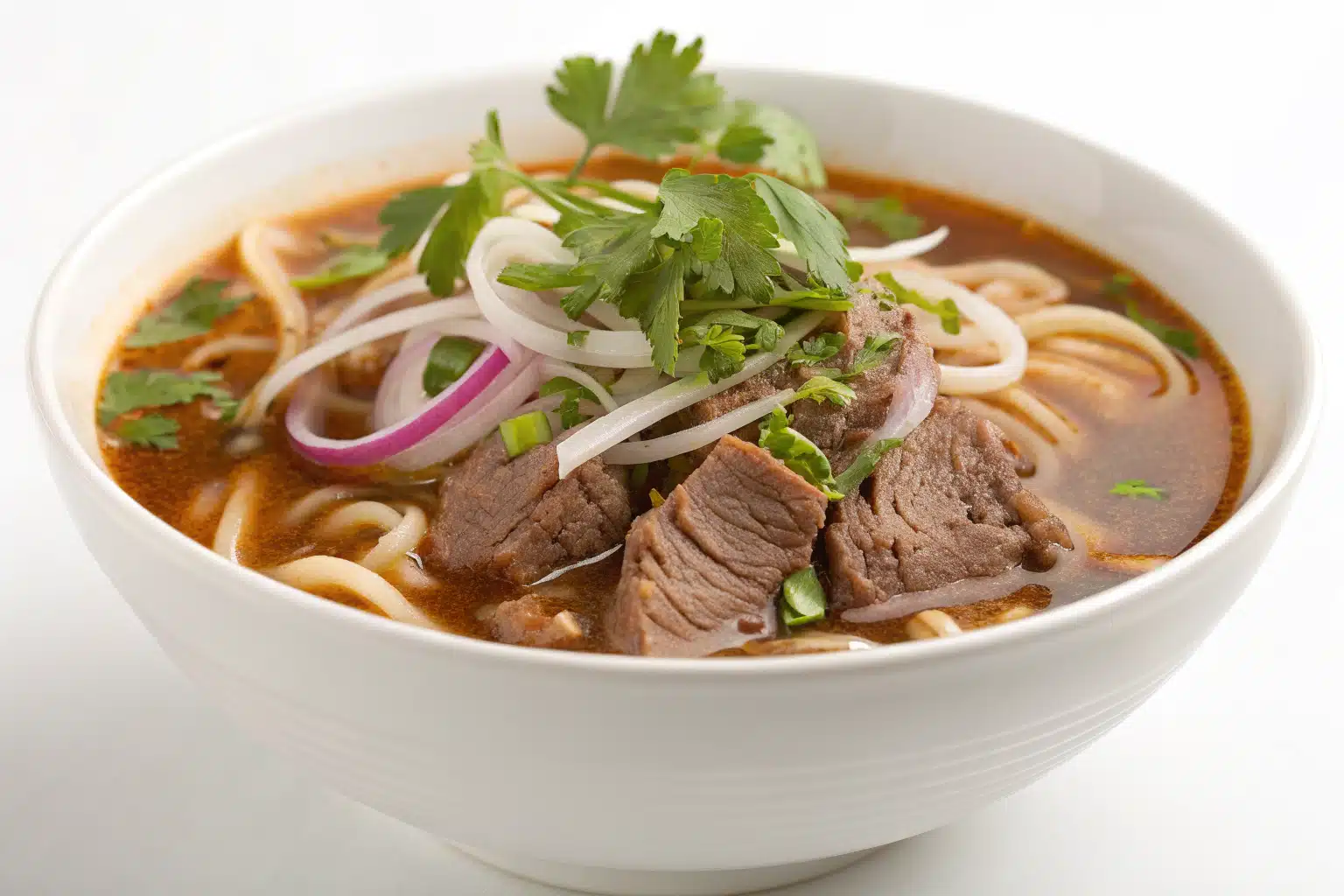
Hearty Beef Noodle Soup: Ultimate Comfort Food Recipe
Introduction: The Rich History of Beef Noodle Soup
Beef noodle soup represents the pinnacle of comfort food across numerous cultures. This hearty, soul-warming dish has been nourishing generations with its rich broth, tender beef, and satisfying noodles. What makes beef noodle soup particularly special is its remarkable ability to combine simple ingredients into something truly extraordinary. The marriage of slow-simmered beef, aromatic vegetables, and perfectly cooked noodles creates a bowl of comfort that’s hard to resist, especially during colder months.
Origins and Cultural Significance
The origins of beef noodle soup span across various cuisines worldwide. From Taiwanese beef noodle soup with its star anise and soy-infused broth to Vietnamese phở with its fragrant spices, each culture has developed its own unique take on this classic dish. In America, beef noodle soup often takes inspiration from these traditions while incorporating local ingredients and preferences.
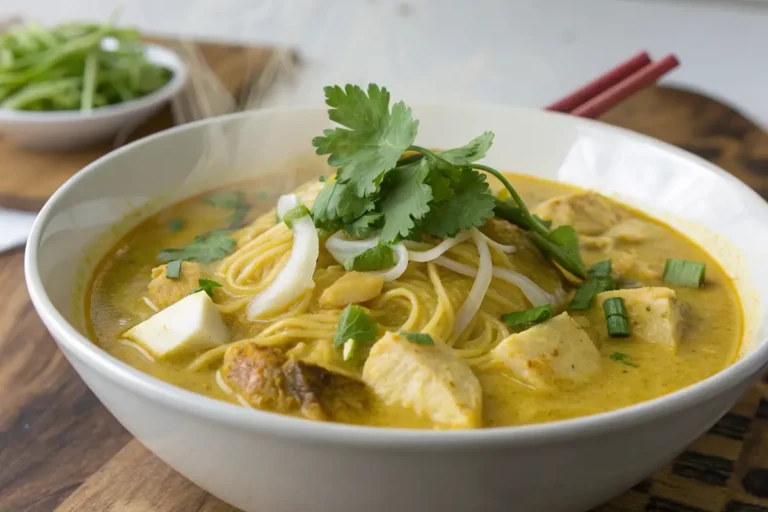
“Learn more about international soup variations in our Thai Red Curry Chicken Noodles recipe for another flavorful option.”
The Science of Flavor Development
What makes a truly exceptional beef noodle soup is the depth of flavor that develops during the cooking process. The slow simmering of beef releases collagen and marrow into the broth, creating a richness that cannot be rushed. Meanwhile, aromatics like onions, celery, and bell peppers contribute layers of complexity. The Creole-style seasoning in our recipe adds a distinctive Southern American twist that sets this beef noodle soup apart from more traditional versions.
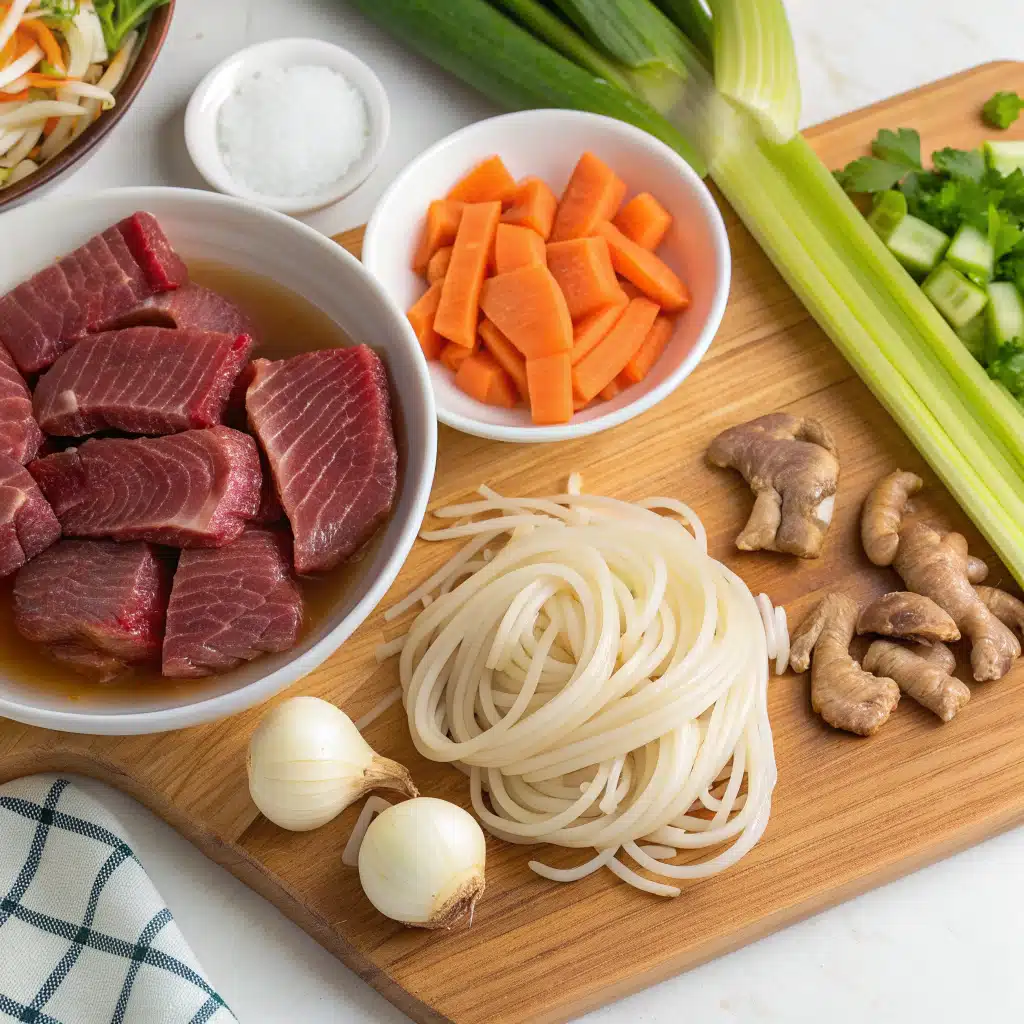
Ingredients: Everything You Need for Perfect Beef Noodle Soup
The key to outstanding beef noodle soup lies in selecting quality ingredients and allowing them time to develop flavor together. Our recipe uses chuck roast or eye of round, cuts known for their excellent flavor when braised. The combination of vegetables, seasonings, and cooking techniques transforms these simple ingredients into something truly special.
Meat Selection and Preparation
| Ingredient | Amount | Notes |
|---|---|---|
| Boneless beef chuck roast or eye of round | 3 pounds | Cut into 2-3 inch pieces |
| Creole-style seasoning | 3 tablespoons (divided) | 1 tablespoon for meat, 2 for broth |
| Olive oil | 2 tablespoons | For browning the beef |
| Salt and black pepper | To taste | Adjust according to preference |
Vegetables, Broth, and Seasonings
| Ingredient | Amount | Notes |
|---|---|---|
| Large onion | 1 | Chopped |
| Green bell pepper | 1 | Chopped |
| Celery stalk | 1 | Chopped |
| Mushrooms | 8 ounces | Thinly sliced |
| Water | 8 cups | Base for the broth |
| Soy sauce | 2/3 cup, plus more to taste | Adds depth and umami |
| Ketchup | 2 tablespoons, plus more to taste | Adds sweetness and acidity |
| Worcestershire-style sauce | 1 tablespoon | For savory depth |
| Hot sauce | To taste | For heat level adjustment |
Noodles and Garnishes
| Ingredient | Amount | Notes |
|---|---|---|
| Spaghetti noodles | 16 ounces | Cooked al dente |
| Hard-boiled eggs | 4-5 | Halved |
| Scallions | As needed | Chopped, for serving |
Step-by-Step: Making the Perfect Beef Noodle Soup
Creating a delicious beef noodle soup requires patience, but the process itself is straightforward. The key lies in building layers of flavor at each stage, from properly browning the meat to allowing sufficient time for the broth to develop its rich character.
Preparing and Browning the Beef
- Season the beef pieces thoroughly with 1 tablespoon of Creole seasoning, ensuring all sides are coated evenly.
- Heat the olive oil in a large, heavy-bottomed pot or Dutch oven over medium-high heat until shimmering.
- Working in batches if necessary to avoid overcrowding, add the seasoned beef to the hot oil and brown on all sides, about 2-3 minutes per side.
- Once all beef is well-browned with a nice crust, remove it from the pot and set aside on a plate. Don’t worry about cooking it through at this stage—it will finish cooking in the broth.
Building the Flavorful Broth
- In the same pot with the beef drippings, add the chopped onion, green bell pepper, celery, and mushrooms. Cook over medium heat for 5-7 minutes until the vegetables have softened and released their aromas.
- Add the water, remaining 2 tablespoons of Creole seasoning, salt, and pepper to the pot. Return the browned beef and any accumulated juices to the pot.
- Bring the mixture to a gentle boil, then reduce the heat to low. Cover partially with a lid (allowing some steam to escape) and simmer for 2-3 hours, until the beef becomes fork-tender. “Discover great ideas like our Chicken Pho Noodle Soup for another delicious brothy noodle option.”
- Once the beef is tender, remove the pot from heat and let it rest for about 20 minutes to allow the flavors to settle.
Finishing Touches and Assembly
- After resting, remove the beef pieces from the broth and shred them using two forks. The meat should pull apart easily.
- Skim any excess fat from the surface of the broth if desired for a cleaner soup.
- Return the shredded beef to the pot and add the soy sauce, ketchup, Worcestershire-style sauce, and hot sauce to taste.
- Simmer the soup for an additional 10-15 minutes to allow the flavors to meld together.
- Meanwhile, cook the spaghetti noodles according to package directions until al dente. Drain well.
- To serve, place a portion of noodles in each bowl, ladle the hot beef soup over them, and garnish with halved hard-boiled eggs and chopped scallions.
Tips: Secrets for the Best Beef Noodle Soup
Creating truly exceptional beef noodle soup requires attention to detail and a few chef’s secrets. These tips will help elevate your soup from good to extraordinary, ensuring that every bowl delivers maximum flavor and satisfaction.
Meat Selection and Handling
When it comes to beef noodle soup, the cut of meat makes a significant difference. Chuck roast is ideal because of its marbling and connective tissue, which breaks down during slow cooking to create a rich, flavorful broth while keeping the meat tender. Eye of round is another excellent option for a slightly leaner result.
For the most tender beef, don’t rush the cooking process. The low and slow simmering method allows collagen to convert to gelatin, giving the soup its signature silky mouthfeel and the meat its fall-apart texture. Additionally, cutting the beef against the grain after cooking further enhances tenderness.
Broth Enhancement Techniques
The soul of beef noodle soup lies in its broth. To create a depth of flavor that will have everyone asking for your secret, consider these techniques:
- Brown the beef thoroughly before simmering—those caramelized bits (fond) at the bottom of the pot contribute tremendous flavor
- Don’t discard the aromatics after cooking—they continue to infuse the broth with flavor
- For an even richer broth, replace some of the water with beef broth or add a beef bone during simmering
- Balance the saltiness from soy sauce with a touch of sweetness from the ketchup
- Let the soup rest overnight in the refrigerator to allow flavors to develop fully—it always tastes better the next day
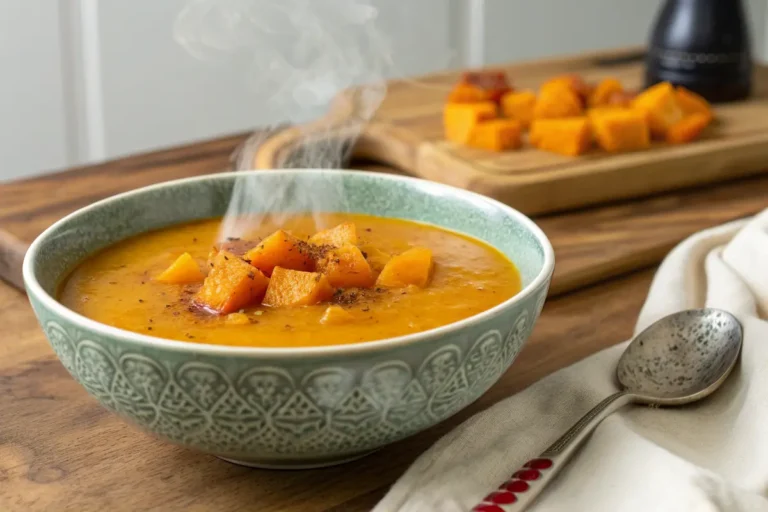
“Check out our Roasted Vegetable Tomato Soup for more flavor-enhancing techniques you can apply to various soups.”
Noodle Perfection
The noodles in beef noodle soup deserve as much attention as the broth. While this recipe calls for spaghetti, you can experiment with different noodle types based on preference. For best results:
- Cook noodles separately from the soup to prevent them from absorbing too much broth and becoming soggy
- Cook noodles just to al dente—they’ll continue softening slightly in the hot soup
- If preparing in advance, store noodles separately from the broth and combine only when serving
- Rinse cooked noodles briefly with cool water to stop the cooking process and prevent sticking if not using immediately
Storage: Keeping Your Beef Noodle Soup Fresh
One of the greatest advantages of beef noodle soup is how well it keeps and how the flavors continue to develop over time. Proper storage ensures you can enjoy this comforting dish for days after preparation.
Refrigeration Guidelines
For optimal freshness, follow these refrigeration guidelines:
- Cool the soup completely before refrigerating to prevent bacterial growth
- Store the soup and noodles separately—this prevents the noodles from absorbing too much liquid and becoming mushy
- Place cooled soup in airtight containers, leaving some headspace at the top
- Properly stored, beef noodle soup will maintain quality in the refrigerator for 3-4 days
- Reheat only the portion you plan to consume to maintain freshness of the remaining soup
“Don’t miss our Beef Ragu with Gnocchi for another beef-based dish that stores beautifully.”
Freezing Techniques
Beef noodle soup freezes exceptionally well, making it perfect for meal prep or having emergency comfort food on hand. For best results when freezing:
- Freeze the soup without noodles—cook fresh noodles when serving
- Allow the soup to cool completely before transferring to freezer-safe containers
- Leave about an inch of space at the top of containers to allow for expansion
- Label containers with the date and contents for easy identification
- Frozen beef noodle soup maintains best quality for up to 3 months
- Thaw overnight in the refrigerator before reheating, or use the defrost function on your microwave
Reheating for Maximum Flavor
Properly reheating beef noodle soup preserves its flavors and textures:
- Stovetop reheating is ideal—warm soup slowly over medium-low heat, stirring occasionally
- Add a splash of water or broth if the soup has thickened during storage
- Cook fresh noodles separately and add to the reheated soup
- Taste and adjust seasonings before serving, as flavors may have concentrated during storage
- Add fresh garnishes like scallions after reheating for the best presentation and flavor contrast
Variations: Creative Twists on Beef Noodle Soup
While this classic beef noodle soup recipe is delicious as is, don’t be afraid to experiment with variations to suit your taste preferences or dietary needs. These creative adaptations maintain the soul-satisfying essence of the dish while introducing new flavor dimensions.
International Inspirations
Draw inspiration from global cuisines to create unique flavor profiles:
- Taiwanese-style: Add star anise, five-spice powder, and use thicker wheat noodles
- Vietnamese-inspired: Incorporate ginger, cinnamon, cloves, and rice noodles for a phở-like experience
- Japanese-influenced: Use udon noodles, add a dash of mirin, and garnish with nori and a soft-boiled egg instead of hard-boiled
- Korean twist: Add gochujang (Korean chili paste) for heat and kimchi for tanginess
- Chinese-inspired: Use bok choy instead of celery, add oyster sauce, and serve with thin egg noodles
“Looking for inspiration? Try our Beef Rolls recipe for another way to enjoy beef in an Asian-inspired dish.”
Dietary Adaptations
Modify the recipe to accommodate various dietary preferences without sacrificing flavor:
- Low-carb option: Substitute zucchini noodles or shirataki noodles for traditional pasta
- Gluten-free version: Use gluten-free pasta and ensure all seasonings and sauces are certified gluten-free
- Extra protein: Add beef meatballs or thinly sliced beef at the end of cooking for varied textures
- Vegetable-forward: Double the mushrooms for more umami and add carrots, snow peas, or baby bok choy
- Spice variations: Experiment with different chili oils, Szechuan peppercorns, or curry pastes for unique heat profiles
Quick and Easy Shortcuts
When time is limited but you still crave beef noodle soup, try these time-saving adaptations:
- Use a pressure cooker or Instant Pot to reduce cooking time to about 45 minutes
- Substitute pre-cut stew meat to save on preparation time
- Use pre-made beef stock as the base instead of water for a faster flavor development
- Incorporate leftover roast beef instead of starting with raw meat
- Keep portions of the broth and meat frozen for quick weeknight meals—just cook fresh noodles and add garnishes
Serving: Presentation and Accompaniments
How you serve beef noodle soup can elevate the dining experience from merely satisfying to truly memorable. The right presentation, garnishes, and accompaniments enhance both the visual appeal and flavor complexity of this comforting dish.
Bowl Selection and Presentation
The vessel you choose for serving beef noodle soup matters more than you might think:
- Deep, wide bowls provide space for both noodles and broth while allowing easier access with chopsticks or a spoon
- Warmed bowls help keep the soup at the optimal temperature throughout the meal
- Consider contrasting bowl colors against the deep brown broth for visual appeal
- Layer components thoughtfully—noodles first, then meat and broth, with garnishes arranged on top
- For family-style serving, present the soup in a large tureen with individual components available for customization
Garnish Ideas and Variations
Traditional garnishes like scallions and hard-boiled eggs are just the beginning. Consider these additional options:
- Fresh herbs: cilantro, Thai basil, or mint add brightness and aroma
- Crunchy elements: fried shallots, bean sprouts, or crushed peanuts provide textural contrast
- Acidic components: lime wedges or a dash of rice vinegar balance the richness
- Spicy additions: fresh sliced jalapeños, chili oil, or sriracha allow heat customization
- Umami boosters: a dash of fish sauce, a sprinkle of MSG, or a few drops of sesame oil
“Want more ideas? Check out Beef Meatball Casserole for creative serving suggestions with beef dishes.”
Perfect Pairings
Complete your beef noodle soup meal with these complementary dishes and beverages:
- Simple sides: steamed greens, kimchi, or a small cucumber salad provide refreshing contrast
- Appetizers: spring rolls, gyoza, or a simple seaweed salad make excellent starters
- Refreshing beverages: cold jasmine tea, sparkling water with lemon, or a light lager beer
- Dessert options: fresh fruit, mango pudding, or almond cookies offer a light sweet finish
- Additional condiments: provide small dishes of chili paste, hoisin sauce, or extra soy sauce for customization
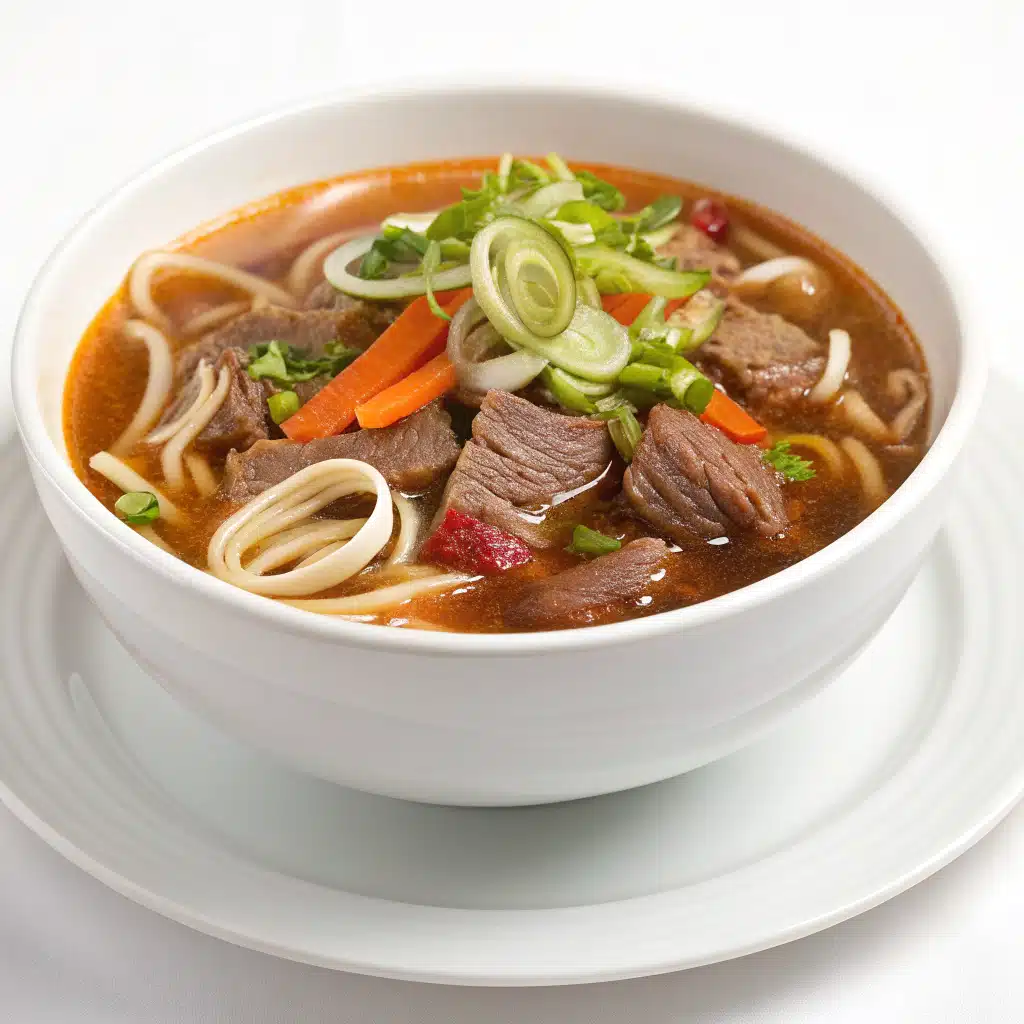
FAQs: Common Questions About Beef Noodle Soup
What cut of beef is best for beef noodle soup?
Chuck roast is generally considered the best cut for beef noodle soup due to its ideal balance of fat, connective tissue, and flavor. During the long simmering process, these elements break down to create tender meat and a rich, flavorful broth. Other excellent options include brisket, short ribs, or eye of round. Avoid leaner cuts like sirloin or tenderloin, as they can become tough when cooked for extended periods.
How do you keep beef tender in noodle soup?
To ensure tender beef in your noodle soup, follow these key practices: First, cut the meat against the grain before or after cooking. Second, use low, slow cooking temperatures—a gentle simmer rather than a rolling boil. Third, don’t rush the process; give the meat sufficient time (2-3 hours) for collagen to break down into gelatin. Finally, allowing the meat to rest in the broth after cooking helps it reabsorb moisture, maintaining tenderness.
Can beef noodle soup be made in advance?
Yes, beef noodle soup is ideal for making in advance and actually improves with time as flavors continue to develop. Prepare the soup without noodles and refrigerate for up to 3-4 days or freeze for up to 3 months. Cook and store noodles separately to prevent them from becoming soggy. When ready to serve, reheat the soup, cook fresh noodles if needed, and combine just before serving with fresh garnishes.
What noodles work best for beef noodle soup?
While this recipe calls for spaghetti, many noodle varieties work beautifully in beef noodle soup. Egg noodles provide richness, while rice noodles offer a lighter alternative. Udon noodles add a satisfying chewiness, and ramen noodles give an authentic Asian feel. Whole wheat noodles provide a nutty flavor and added nutrition. The best choice depends on your preference for texture and how well the noodle holds up in hot broth.
Can beef noodle soup be frozen?
The broth and beef components freeze exceptionally well for up to 3 months when stored in airtight containers. However, noodles should never be frozen in the soup as they’ll become mushy when thawed. Instead, freeze only the broth with meat and vegetables, then add freshly cooked noodles when serving. Allow frozen soup to thaw overnight in the refrigerator before reheating gently on the stovetop.
What seasonings enhance beef noodle soup flavor?
Beyond the Creole seasoning in this recipe, many seasonings can enhance beef noodle soup’s flavor. Star anise, cinnamon, and cloves add warming notes, while ginger and garlic provide aromatic depth. Fresh herbs like thyme or bay leaves contribute earthiness. For umami enhancement, try mushroom powder or a dash of fish sauce. Experiment with chili oils, black pepper, or Sichuan peppercorns for heat variations. Always add salt conservatively, as soy sauce already contributes significant saltiness.
Conclusion: Why This Beef Noodle Soup Recipe Stands Out
Beef noodle soup represents the perfect intersection of simplicity and complexity—humble ingredients transformed through technique into something extraordinary. This particular recipe stands out for several compelling reasons that make it worth adding to your regular cooking rotation.
The Perfect Balance of Flavors
What sets this beef noodle soup apart is its masterful balance of flavors. The rich, savory depth from slow-cooked beef harmonizes with the aromatic vegetables, while the Creole seasoning adds distinctive character that differentiates it from more traditional versions. The addition of soy sauce contributes umami, ketchup adds a subtle sweetness and acidity, and Worcestershire sauce brings complexity. The result is a perfectly balanced bowl where no single flavor dominates—instead, each spoonful offers a layered taste experience that keeps you coming back for more. “Here’s your guide to Beef and Vegetable Roast for another balanced beef dish.”
Versatility and Adaptability
Another remarkable quality of this beef noodle soup is its versatility. The basic recipe provides a solid foundation that can be easily customized to suit different preferences or accommodate what you have on hand. Whether you’re adapting it to different dietary requirements, experimenting with international flavor profiles, or simply using up leftover ingredients, the core technique remains the same. This adaptability makes it not just a recipe but a template for countless variations of this comforting classic.
The true beauty of this beef noodle soup lies in its ability to nourish both body and soul. In today’s fast-paced world, taking the time to simmer a pot of soup represents a return to slow, intentional cooking that rewards patience with extraordinary flavor. Each steaming bowl offers not just nutrition but comfort—the kind that warms from within and satisfies on a deeper level than mere sustenance. This is food that creates moments of connection around the table, the kind worth passing down through generations.
PrintBeef Noodle Soup
A hearty, soul-warming beef noodle soup featuring tender beef, rich broth, and perfectly cooked noodles for the ultimate comfort food experience.
- Prep Time: 30 minutes
- Cook Time: 3 hours
- Total Time: 3 hours 30 minutes
- Yield: 6-8 1x
- Category: Main Dish
- Cuisine: American/Fusion
Ingredients
- 3 pounds boneless beef chuck roast or eye of round, cut into 2–3 inch pieces
- 3 tablespoons Creole-style seasoning, divided
- 2 tablespoons olive oil
- 1 large onion, chopped
- 1 green bell pepper, chopped
- 1 celery stalk, chopped
- 8 ounces mushrooms, thinly sliced
- 8 cups water
- Salt, to taste
- Black pepper, to taste
- 2/3 cup soy sauce, plus more to taste
- 2 tablespoons ketchup, plus more to taste
- 1 tablespoon Worcestershire-style sauce
- Hot sauce, to taste
- 16 ounces spaghetti noodles, cooked al dente
- 4–5 hard-boiled eggs, halved
- Chopped scallions, for serving
Instructions
- Season beef with 1 tablespoon Creole seasoning and brown in olive oil over medium-high heat. Remove and set aside.
- In the same pot, sauté onion, bell pepper, celery, and mushrooms until softened.
- Add water, remaining Creole seasoning, salt, and pepper. Return beef to pot and bring to a gentle boil.
- Reduce heat and simmer partially covered for 2-3 hours until beef is tender. Rest for 20 minutes.
- Remove beef, shred with forks, then return to pot. Skim excess fat if desired.
- Add soy sauce, ketchup, Worcestershire sauce, and hot sauce. Simmer 10-15 minutes more.
- Serve over cooked noodles, garnished with hard-boiled eggs and scallions.
Notes
Nutrition facts are estimates and may vary based on ingredients used, portion sizes, and preparation methods.
Nutrition
- Serving Size: 6
- Calories: 485 Kcal
- Sugar: 4g
- Sodium: 1250mg
- Fat: 18g
- Saturated Fat: 6g
- Carbohydrates: 42g
- Fiber: 2g
- Protein: 36g
- Cholesterol: 165mg
Keywords: beef noodle soup, hearty soup, comfort food, beef soup
Let’s connect! Follow me for more Joylicious Recipes: Facebook, Instagram, Pinterest