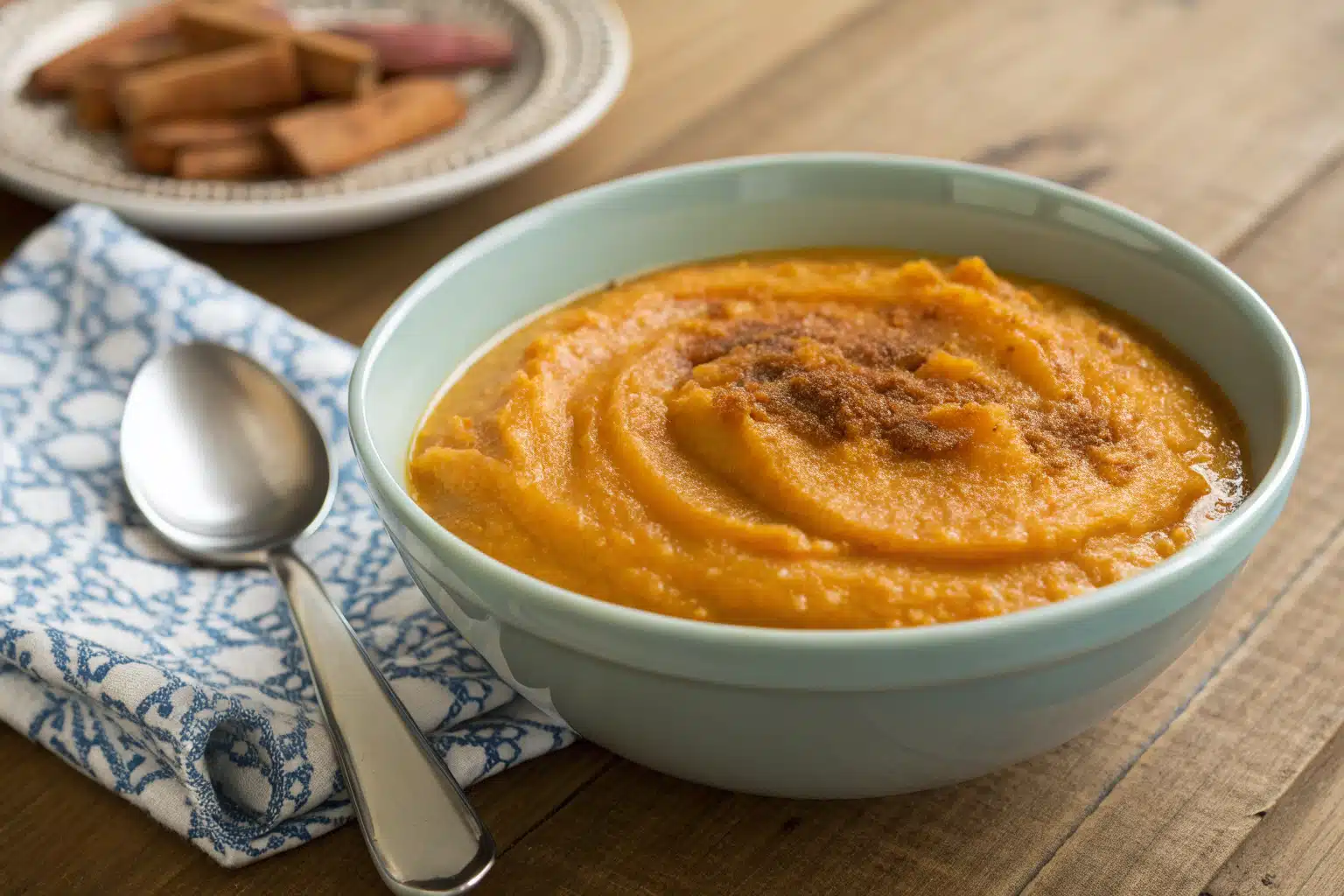
How to Make Perfect Homemade Pumpkin Puree: The Complete Guide
Pumpkin puree is a versatile ingredient that forms the foundation of countless fall recipes, from the iconic pumpkin pie to creamy soups, muffins, and even savory dishes. While canned pumpkin puree is convenient, making your own homemade version delivers superior flavor and texture that can transform your cooking and baking. This golden, velvety mixture is not just delicious but also packed with nutrients and remarkably easy to prepare.
Why Make Your Own Pumpkin Puree?
Creating pumpkin puree from scratch allows you to control exactly what goes into your food. Furthermore, the fresh, vibrant flavor of homemade pumpkin puree simply cannot be matched by store-bought alternatives. The process is surprisingly straightforward, and you’ll be rewarded with a natural, preservative-free ingredient that can be used immediately or stored for future culinary adventures.
“Learn more about the benefits of homemade ingredients in our buttercup squash recipes that show how fresh ingredients make all the difference.”
Selecting the Right Pumpkin
Not all pumpkins are created equal when it comes to making puree. The best varieties for pumpkin puree include sugar pumpkins (also called pie pumpkins), Cinderella pumpkins, and Dickinson pumpkins. These smaller, denser varieties contain less water and more flesh than their larger jack-o’-lantern counterparts, resulting in a richer, more flavorful puree. Choose pumpkins that are dense for their size and have smooth, flawless skin.
Ingredients: What You’ll Need for Perfect Pumpkin Puree
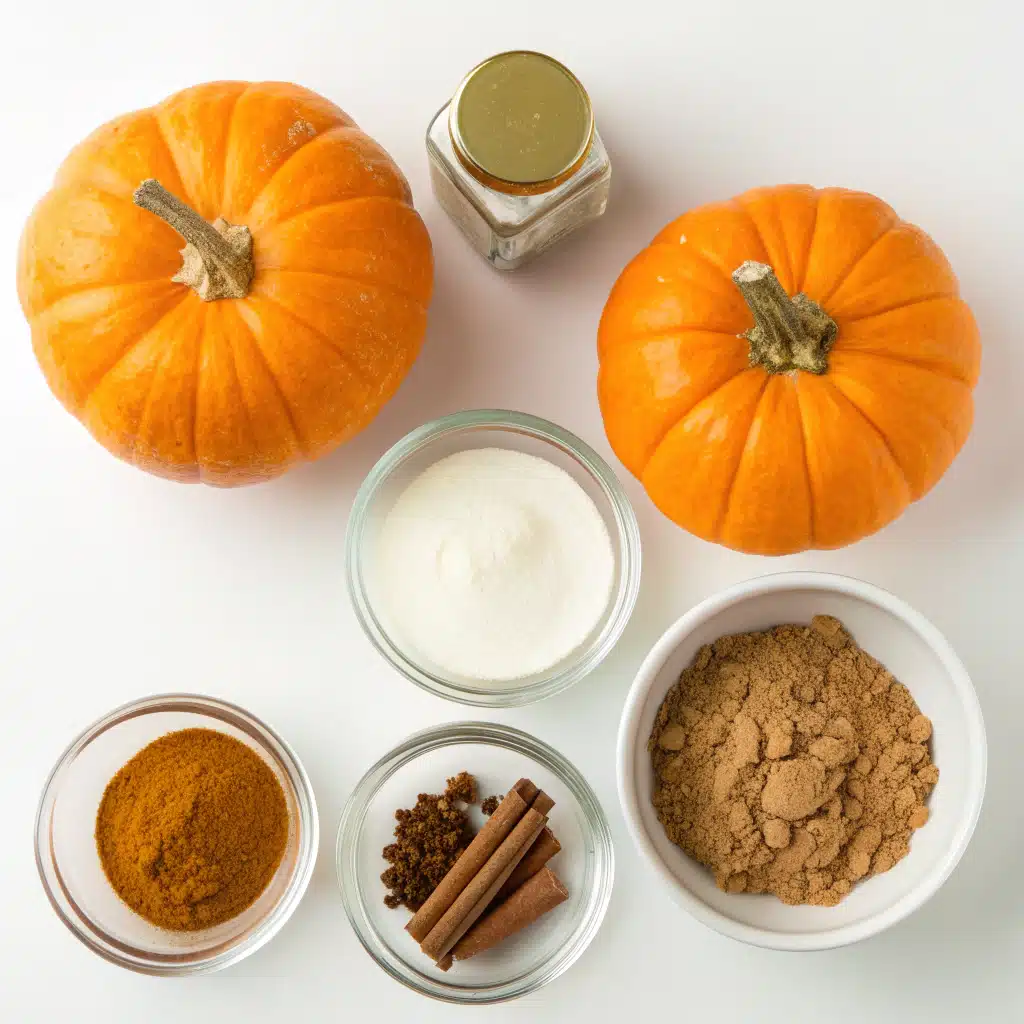
Creating homemade pumpkin puree requires minimal ingredients, which is part of its charm. The star of the show is, of course, the pumpkin itself, with just a touch of salt to enhance its natural flavor.
Primary Ingredients
| Ingredient | Amount | Notes |
|---|---|---|
| Sugar/pie pumpkin | 1 medium (4-6 pounds) | Choose a smaller, sweeter variety specifically for cooking |
| Salt | ¼ teaspoon (optional) | Enhances flavor and helps draw out moisture |
Optional Flavor Enhancers
While pumpkin puree is perfect in its simplest form, you can customize it depending on your intended use:
| Ingredient | Amount | Purpose |
|---|---|---|
| Brown sugar | 1-2 tablespoons | For sweeter applications like desserts |
| Cinnamon | ½ teaspoon | Adds warmth for baking recipes |
| Nutmeg | ¼ teaspoon | Complements the pumpkin’s natural flavor |
| Maple syrup | 1 tablespoon | Natural sweetener with complementary flavor |
Equipment Needed
To make proper pumpkin puree, you’ll need a few basic kitchen tools:
- Baking sheet
- Parchment paper
- Sharp knife
- Large spoon for scooping
- Food processor or blender
- Airtight storage containers
Step-by-Step
Making your own pumpkin puree is a rewarding process that fills your kitchen with the comforting aroma of autumn. Follow these steps for the perfect consistency every time.
Preparing the Pumpkin
Preheat your oven to 400°F (204°C) and line a baking sheet with parchment paper to prevent sticking and make cleanup easier.
Thoroughly rinse the exterior of your pumpkin and pat it dry with a clean towel to remove any dirt or debris from the skin.
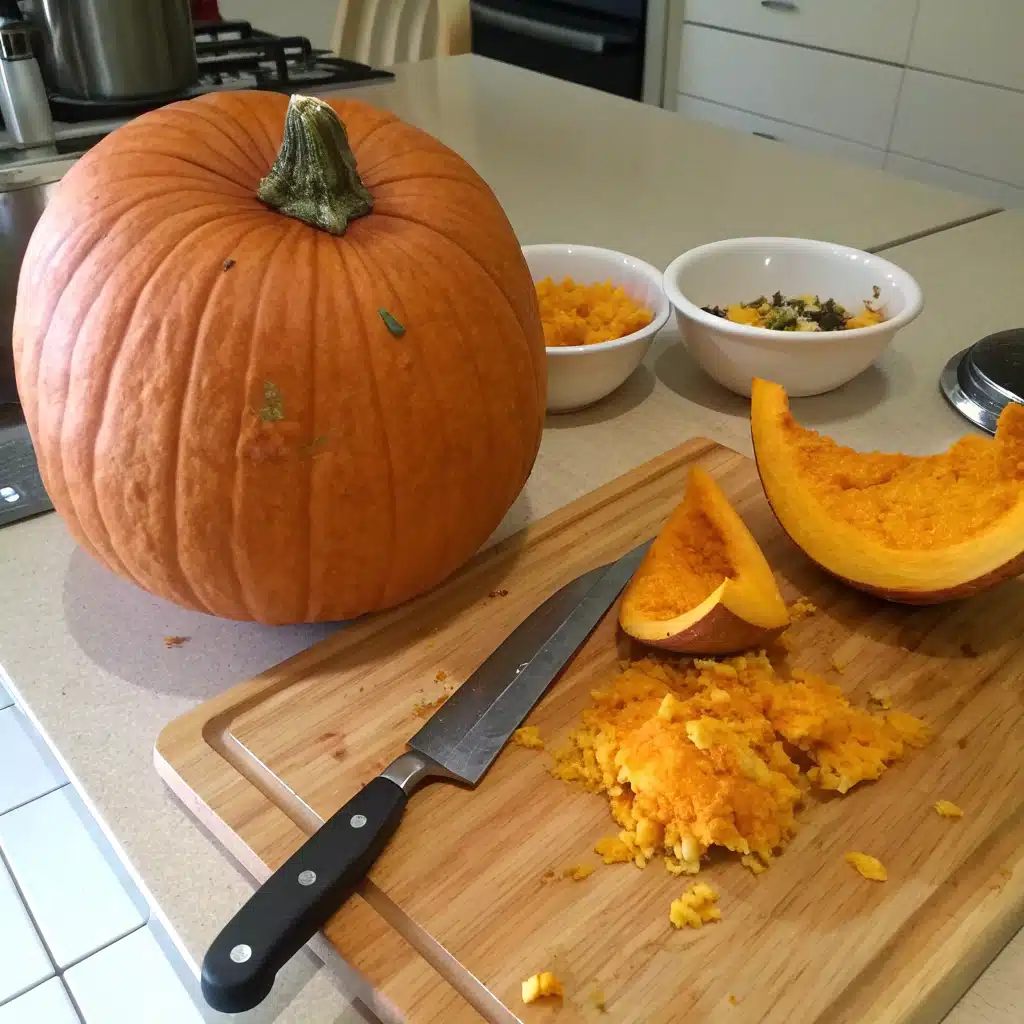
Place the pumpkin on a stable cutting surface. Using a sharp knife, cut from the stem down to the bottom of one side of the pumpkin. Don’t try to cut through the stem itself—it’s typically too tough.
Rotate the pumpkin to the opposite side and make another cut from top to bottom. With slits on both sides, put down your knife and firmly pull the halves apart. They should separate naturally at the stem.
Using a large spoon or ice cream scoop, remove all the seeds and stringy fibers from the inside of each half. Save the seeds if you’d like to roast them for a nutritious snack later.
“Discover great ideas like our creamy garlic chicken recipe that pairs wonderfully with pumpkin dishes for a complete autumn meal.”
Roasting to Perfection
Lightly season the interior of the pumpkin halves with salt. This step is optional but helps enhance the natural flavor and draw out excess moisture.
Place the pumpkin halves cut-side down on your prepared baking sheet. This position allows steam to be trapped inside the cavity, helping to cook the flesh evenly.
Bake for 45 to 60 minutes, depending on the size of your pumpkin. You’ll know it’s ready when a knife easily pierces the skin and flesh in several places, and the flesh begins to pull away from the skin.
Remove from the oven and allow the pumpkin to cool until you can safely handle it with your hands, approximately 15-20 minutes. The cooling period makes the next steps much easier and safer.
Processing Your Pumpkin Puree
Once cooled, scoop the soft pumpkin flesh away from the skin and transfer it to your food processor or high-powered blender. Depending on the size of your pumpkin and your appliance, you may need to work in batches.
Process the pumpkin flesh for 3 to 5 minutes until completely smooth and no lumps remain. Scrape down the sides of the bowl occasionally to ensure everything is evenly processed.
If your puree seems watery (which can happen with certain pumpkin varieties), you can strain it through a fine-mesh sieve or cheesecloth to remove excess moisture, though this step is often unnecessary with pie pumpkins.
Allow the finished puree to cool completely before storing or using in your favorite recipes.
Tips: Mastering Technique
Creating truly exceptional pumpkin puree is an art that benefits from a few expert insights. These tips will help you achieve the perfect consistency and flavor every time.
Choosing and Preparing Your Pumpkin
When selecting a pumpkin for puree, smaller is often better. Look for pumpkins labeled as “sugar pumpkins” or “pie pumpkins” at your local market or farm stand. These varieties contain less water and more concentrated flavor than larger carving pumpkins. Additionally, before processing, ensure your pumpkin is at room temperature – cold pumpkins are more difficult to cut safely.
Roasting Methods for Maximum Flavor
While the standard method involves roasting pumpkin halves cut-side down, there are variations worth trying. For a slightly caramelized flavor, you can roast the pumpkin cut-side up for the first 15 minutes, then flip and continue cooking. Some chefs also brush the flesh with a small amount of neutral oil before roasting to enhance the natural sugars in the pumpkin.
Troubleshooting Common Issues
If your pumpkin puree turns out too watery, don’t panic. Simply line a fine-mesh strainer with cheesecloth, add your puree, and let it drain for 1-2 hours in the refrigerator. Conversely, if your puree seems too dry or fibrous, you can add a tablespoon of water at a time while processing until you reach the desired consistency.
“Check out our fry bread recipe that pairs beautifully with savory pumpkin puree dishes.”
Storage: Preserving Your Pumpkin Puree
One of the greatest advantages of making homemade pumpkin puree is being able to store it for future use. Proper storage techniques ensure your puree maintains its quality and flavor for as long as possible.
Refrigerator Storage
For short-term storage, transfer your cooled pumpkin puree to airtight containers and refrigerate. Fresh pumpkin puree will keep well in the refrigerator for up to 5 days. If you notice any separation of liquid, simply stir the puree before using it in your recipes.
Freezer Storage Options
Pumpkin puree freezes exceptionally well, making it perfect for long-term storage. You can freeze it in various quantities depending on how you plan to use it:
- Ice cube trays: Freeze tablespoon-sized portions for adding to smoothies, sauces, or baby food.
- Muffin tins: Each standard muffin cup holds about 1/3 cup of puree, which is perfect for smaller recipes.
- Freezer bags: Measure 1-cup or 2-cup portions into freezer-safe bags, label with the date, and flatten before freezing for easy storage and quick thawing.
Properly frozen pumpkin puree maintains its quality for up to 6 months, though it remains safe to eat beyond this timeframe.
“Don’t miss our cheddar biscuit chicken bake that incorporates pumpkin puree for an unexpected twist.”
Canning Considerations
While freezing is the recommended method for long-term storage, some home cooks prefer canning. However, it’s important to note that the USDA no longer recommends home canning of pumpkin puree due to its density, which can make it difficult to heat sufficiently to prevent botulism. If you wish to can pumpkin, it’s safer to can cubed pumpkin pieces in water rather than puree.
Variations: Exploring Possibilities
The basic pumpkin puree recipe provides a wonderful foundation that can be customized in numerous ways to suit different culinary applications and taste preferences.
Sweet Variations
For desserts and sweet applications, consider enhancing your basic pumpkin puree with complementary flavors:
Spiced Pumpkin Puree: Add 1 teaspoon of pumpkin pie spice (or a combination of cinnamon, nutmeg, ginger, and cloves) per cup of puree for a ready-to-use pie filling base.
Maple-Pumpkin Puree: Incorporate 1-2 tablespoons of pure maple syrup per cup of puree for a naturally sweetened version perfect for pancakes, waffles, or oatmeal topping.
Vanilla Bean Pumpkin Puree: The seeds from one vanilla bean pod or 1 teaspoon of pure vanilla extract adds a luxurious dimension to pumpkin puree intended for desserts.
Savory Adaptations
Pumpkin puree isn’t just for sweets! These savory variations open up new culinary possibilities:
Savory Herb Pumpkin Puree: Add 1 teaspoon of fresh sage, thyme, and rosemary with a clove of roasted garlic for a puree that makes an excellent sauce base or side dish.
Curry Pumpkin Puree: Incorporate 1 teaspoon of curry powder, a pinch of cayenne, and ¼ teaspoon of ground ginger for an exotic twist that pairs well with coconut milk in soups.
Smoky Chipotle Pumpkin Puree: Add 1 teaspoon of adobo sauce and ½ teaspoon of smoked paprika per cup of puree for a southwestern-inspired version ideal for enchilada sauce or as a base for chili.
“Looking for inspiration? Try our garlic parmesan chicken rice recipe that works beautifully with a side of savory pumpkin puree.”
Alternative Squash Purees
The techniques used for pumpkin puree work equally well with other winter squashes, each offering unique flavor profiles:
Butternut Squash Puree: Sweeter and often smoother than pumpkin, with a more pronounced flavor.
Kabocha Puree: Intensely sweet with a chestnut-like flavor and drier texture that requires less straining.
Acorn Squash Puree: Mild and slightly fibrous, perfect for savory applications where you want the squash flavor to complement rather than dominate.
Serving: Delicious Ways to Use
Once you’ve mastered making pumpkin puree, a world of culinary possibilities opens up. From traditional favorites to innovative new applications, homemade pumpkin puree elevates every dish it touches.
Classic Pumpkin Desserts
Pumpkin puree shines brightest in beloved autumn desserts:
Pumpkin Pie: The quintessential pumpkin dessert becomes extraordinary with homemade puree, offering deeper flavor and superior texture.
Pumpkin Bread and Muffins: Moist, tender quick breads gain richness and natural sweetness from fresh pumpkin puree.
Pumpkin Cheesecake: The earthy sweetness of pumpkin puree creates a perfect counterpoint to tangy cream cheese in this luxurious dessert.

Savory Applications
Beyond sweets, pumpkin puree adds depth and nutrition to many savory dishes:
Pumpkin Soup: Velvety smooth pumpkin soup becomes a comforting meal when made with homemade puree and finished with a swirl of cream.
Pumpkin Risotto: Stirring pumpkin puree into arborio rice creates a creamy, golden dish with subtle sweetness that pairs beautifully with sage and Parmesan.
Pumpkin Pasta Sauce: Mix pumpkin puree with a touch of cream, garlic, and herbs for a seasonal pasta sauce that coats every strand with autumn flavor.
“Want more ideas? Check out our creamy chicken linguine recipe that can be adapted to include pumpkin puree for a fall twist.”
Unexpected Uses for Pumpkin Puree
Think beyond traditional recipes with these creative applications:
Pumpkin Smoothies: Add a few tablespoons of pumpkin puree to your morning smoothie with banana, cinnamon, and almond milk for a nutritious autumn breakfast.
Pumpkin Hummus: Blend pumpkin puree with chickpeas, tahini, and warm spices for a seasonal twist on this popular dip.
Pumpkin Oatmeal: Stir pumpkin puree into your morning oatmeal along with maple syrup and pecans for a breakfast that tastes like pumpkin pie.
Pumpkin Face Mask: Even beyond the kitchen, pumpkin puree’s enzymes and alpha hydroxy acids make it an effective natural face mask that exfoliates and brightens skin.
FAQs: Everything You Need to Know
How do you make pumpkin puree?
Cut a sugar pumpkin in half, remove the seeds, and place the halves cut-side down on a lined baking sheet. Roast at 400°F for 45–60 minutes until tender. Once cooled, scoop out the flesh and blend until smooth. This fresh puree has a richer flavor than canned.
What is a good substitute for pumpkin puree?
Butternut squash puree is the closest match in taste and texture. Sweet potato puree, applesauce (in baked goods), or mashed carrots can also work, each lending a slightly different flavor.
Is pumpkin puree healthy?
Yes, it’s low in calories but high in fiber, vitamin A, potassium, and antioxidants. Its beta-carotene supports vision and immunity, while other nutrients may aid blood sugar control and heart health.
Can I make pumpkin puree by boiling?
You can, but roasting is better. Boiling often adds excess water and dulls the flavor. If boiling, cut pumpkin into cubes, cook until soft, drain well, then puree. Strain if watery.
How long does pumpkin puree last in the fridge?
Stored in an airtight container, homemade puree keeps 5–7 days in the fridge. For longer use, freeze in portions for up to 6 months. Always check freshness before using.
What does pumpkin puree taste like?
It has a mild, slightly sweet, earthy flavor. Homemade puree tastes fresher than canned and adapts well to sweet recipes with spices or savory dishes with herbs.
Conclusion
Making your own pumpkin puree is more than just a cooking technique—it’s a connection to seasonal cooking traditions that have spanned generations. The process transforms a humble gourd into a versatile ingredient that can elevate countless dishes throughout autumn and beyond. Once you’ve experienced the superior flavor, texture, and satisfaction of homemade pumpkin puree, it’s difficult to return to the convenience of canned alternatives.
Seasonal Cooking at Its Finest
Pumpkin puree epitomizes the beauty of cooking with the seasons. By preparing and storing your own puree when pumpkins are at their peak, you capture autumn’s essence to enjoy year-round. This approach to cooking not only yields better-tasting food but also connects us to the natural rhythms of food production.
“Here’s your guide to easy homemade chicken pot pie recipe that can be enhanced with a dollop of pumpkin puree for a seasonal twist.”
Final Thoughts on Pumpkin Puree Mastery
The journey to mastering homemade pumpkin puree is rewarding in its simplicity. With minimal ingredients and straightforward techniques, you can create an ingredient that transforms ordinary recipes into extraordinary seasonal delights. Whether you’re a dedicated home cook or just beginning to explore from-scratch cooking, pumpkin puree offers an accessible entry point to more flavorful, nutritious, and satisfying food. By making your own pumpkin puree, you’re not just preparing an ingredient—you’re embracing a tradition that celebrates the bounty of the harvest season.
PrintHomemade Pumpkin Puree

Fresh, flavorful homemade pumpkin puree that’s perfect for pies, soups, and countless other recipes.
- Prep Time: 15 minutes
- Cook Time: 60 minutes
- Total Time: 1 hour 15 minutes
- Yield: 3–4 cups 1x
- Category: Basics
- Cuisine: American
Ingredients
- 1 medium sugar/pie pumpkin (4–6 pounds)
- ¼ teaspoon salt (optional)
Instructions
- Preheat oven to 400°F (204°C) and line a baking sheet with parchment paper.
- Cut pumpkin in half from top to bottom on opposite sides, then pull halves apart at the stem.
- Scoop out seeds and stringy fibers. Lightly season inside with salt if desired.
- Place cut-side down on baking sheet and bake for 45-60 minutes until flesh is easily pierced and pulls away from skin.
- Cool until safe to handle, then scoop flesh into food processor.
- Process until completely smooth, 3-5 minutes.
Notes
Store in airtight containers in the refrigerator for up to one week or freeze for up to 6 months.
Nutrition facts are estimates and may vary based on ingredients used, portion sizes, and preparation methods.
Nutrition
- Serving Size: 3-4 cups
- Calories: 49
- Sugar: 2g
- Sodium: 2mg
- Fat: 0.2g
- Saturated Fat: 0g
- Trans Fat: 0g
- Carbohydrates: 12g
- Fiber: 1g
- Protein: 2g
- Cholesterol: 0mg
Keywords: pumpkin puree, homemade pumpkin puree, pie pumpkin, roasted pumpkin
Let’s connect! Follow me for more Joylicious Recipes: Facebook, Instagram, Pinterest