Roasted Cauliflower Chickpeas: The Ultimate Mediterranean-Inspired Side Dish
Introduction: Discover the Perfect Roasted Cauliflower Chickpeas Combination
Why Roasted Cauliflower Chickpeas Are a Game-Changer
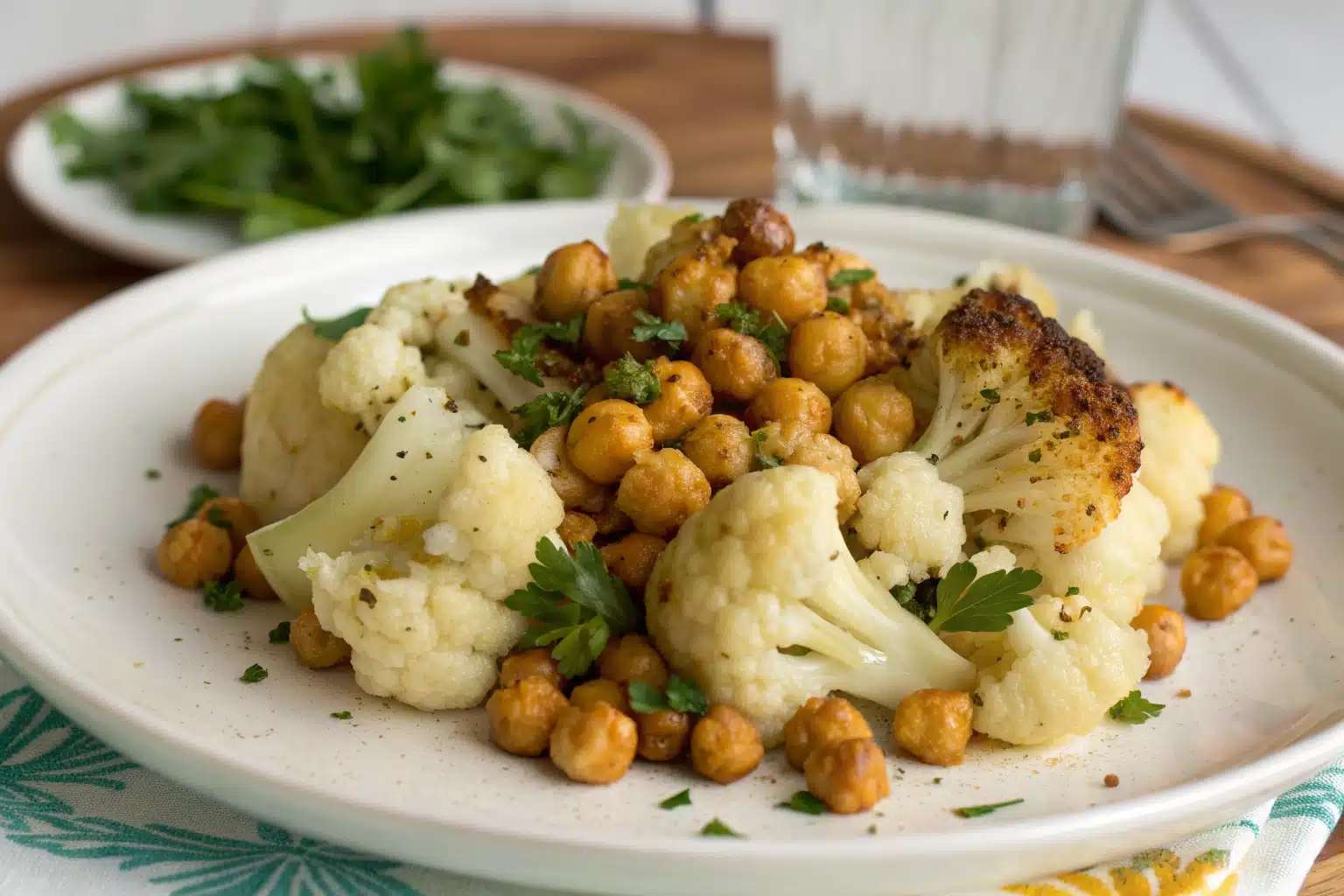
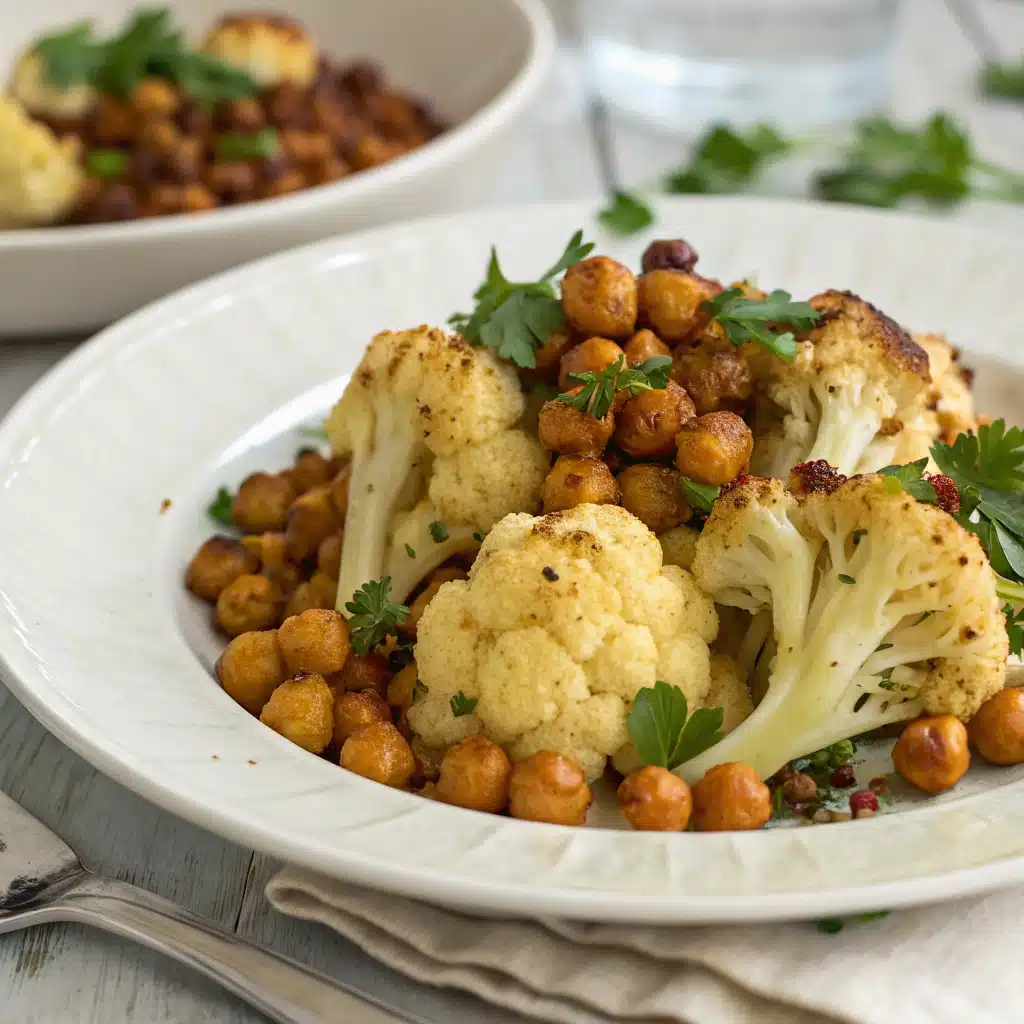
Roasted cauliflower chickpeas represent one of the most versatile and nutritious side dishes you’ll ever make. This Mediterranean-inspired combination brings together the earthy flavors of cauliflower with the protein-packed punch of chickpeas, creating a dish that’s both satisfying and nourishing. When roasted at high heat, these humble ingredients transform dramatically – the cauliflower develops crispy, caramelized edges while the chickpeas become wonderfully crunchy. Furthermore, the addition of herbs like rosemary and thyme infuses the dish with aromatic complexity that elevates it beyond a simple veggie side.
The Nutritional Powerhouse Behind This Dish
The beauty of roasted cauliflower chickpeas lies not just in their incredible flavor but also in their impressive nutritional profile. Cauliflower provides vitamin C, vitamin K, and fiber, while chickpeas contribute plant-based protein, iron, and additional fiber. Consequently, this combination creates a dish that supports digestive health, provides sustained energy, and helps maintain stable blood sugar levels. Additionally, the olive oil used in roasting adds heart-healthy fats, making this a well-rounded dish that nutritionists frequently recommend.
“Check out our vegetable soup recipe for another nutrient-rich dish that pairs beautifully with roasted cauliflower chickpeas.”
Ingredients: Everything You Need for Perfect Roasted Cauliflower Chickpeas
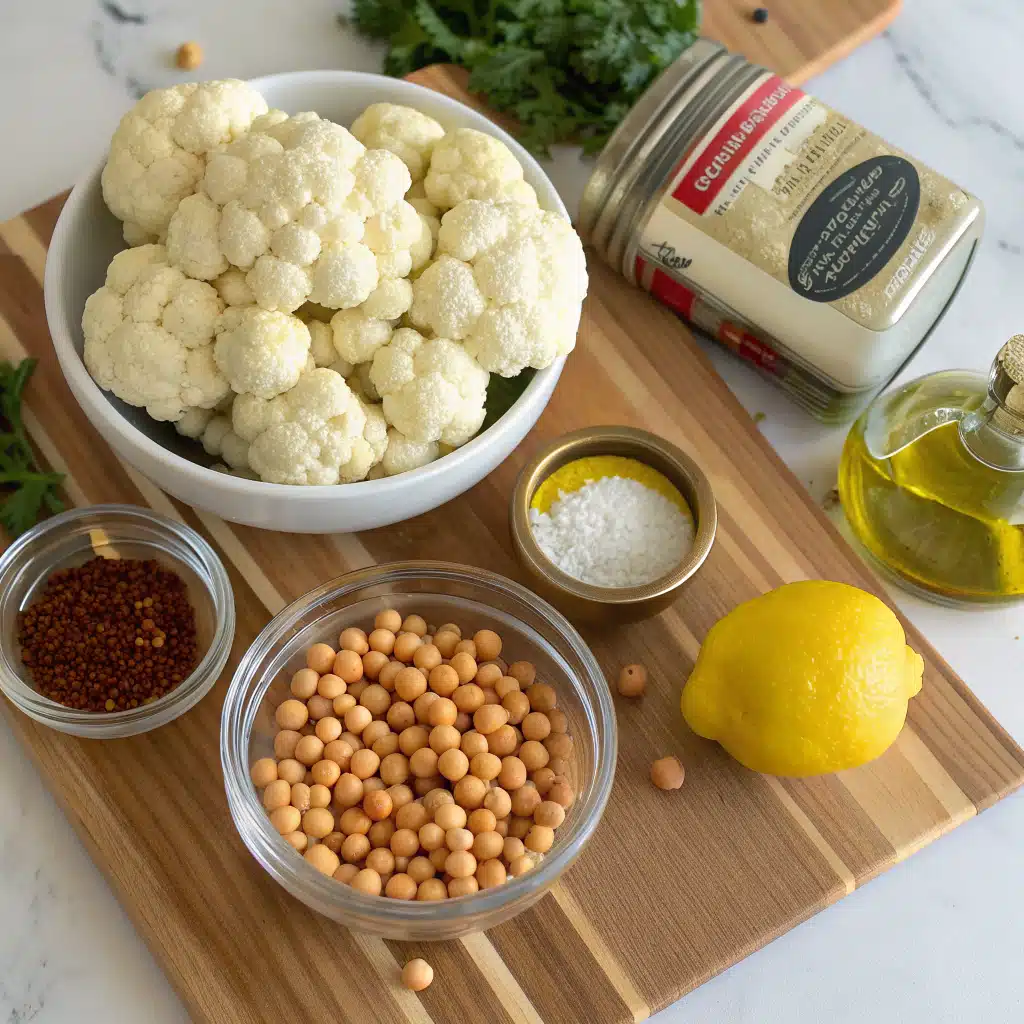
Fresh Produce and Pantry Staples
| Ingredient | Quantity | Notes |
|---|---|---|
| Cauliflower | 1 head | Cut into small florets |
| Chickpeas | 1 can (15 oz) | Drained, rinsed, and patted dry |
| Mushrooms | 8 oz | Sliced |
| Olive oil | 3 tablespoons | Extra virgin preferred |
| Maple syrup | 2 tablespoons | Adds subtle sweetness |
| Fresh rosemary | 1 tablespoon | Chopped |
| Fresh thyme | 1 tablespoon | Chopped |
| Salt | 1 teaspoon | Kosher or sea salt recommended |
| Black pepper | 1/2 teaspoon | Freshly ground |
| Celery | 4 ribs | Sliced into 1/4-inch pieces |
| Turkey bacon | 5 slices | Cut into 1/2-inch pieces |
| Dried cranberries | 1/2 cup | Adds sweet-tart flavor |
The Importance of Quality Ingredients
The success of your roasted cauliflower chickpeas depends significantly on the quality of ingredients you use. First, select a firm, white cauliflower head without brown spots or blemishes. Second, while canned chickpeas are convenient, make sure to rinse them thoroughly to remove excess sodium and starch. Third, choose fresh herbs rather than dried when possible, as they’ll impart more vibrant flavor to the finished dish. Finally, a good-quality olive oil makes all the difference in the roasting process, creating that perfect golden exterior on both the cauliflower and chickpeas.
Step-by-Step: How to Make Perfect Roasted Cauliflower Chickpeas
Preparation and Seasoning
Preheat your oven to 425°F (220°C) and position a rack in the middle of the oven. This high heat is crucial for achieving the caramelization that makes roasted cauliflower chickpeas so delicious.
Prepare the cauliflower by removing the leaves and stem, then cutting it into small, uniform florets. Smaller pieces will cook faster and develop more crispy edges.
Drain and rinse the chickpeas in a colander, then pat them thoroughly dry with paper towels. This step is vital because excess moisture will create steam in the oven, preventing proper browning.
In a large mixing bowl, combine the cauliflower florets, dried chickpeas, sliced mushrooms, olive oil, maple syrup, chopped rosemary, chopped thyme, salt, and pepper. Toss everything together until evenly coated. Make sure every piece is glossy with oil and seasonings.
The Roasting Process
Transfer the seasoned mixture onto a large rimmed baking sheet, spreading it out in a single layer. Overcrowding the pan will cause the vegetables to steam rather than roast, so use two baking sheets if needed.
Place the baking sheet in the preheated oven and roast for 25 minutes. The cauliflower should begin to brown at the edges, and the chickpeas should start to crisp up.
Meanwhile, prepare the celery and turkey bacon. The celery provides fresh crunch while the turkey bacon adds savory, smoky notes to the dish. “Don’t miss our sausage stuffed mushrooms recipe for another delicious way to incorporate mushrooms in your cooking.”
After the initial roasting period, remove the baking sheet from the oven and add the sliced celery and turkey bacon pieces. Gently stir everything together to incorporate the new ingredients without breaking up the partially roasted cauliflower.
Return the baking sheet to the oven and continue roasting for another 20-25 minutes. This second roasting phase allows the cauliflower and chickpeas to become deeply caramelized while also cooking the turkey bacon and slightly softening the celery.
Once everything is beautifully browned and fragrant, remove the baking sheet from the oven and immediately sprinkle the dried cranberries over the hot mixture. The residual heat will slightly plump the cranberries while preserving their chewy texture.
Tips: Mastering the Art of Roasted Cauliflower Chickpeas
Achieving the Perfect Texture
For truly exceptional roasted cauliflower chickpeas, texture is everything. First, make sure your oven is fully preheated before roasting – a hot oven from the start is essential for proper caramelization. Second, don’t skimp on the oil, as it helps conduct heat evenly around the vegetables and chickpeas. Third, avoid stirring too frequently during roasting, which can prevent the development of those desirable crispy edges. Finally, remember that the vegetables will continue cooking slightly after removal from the oven due to residual heat, so it’s better to slightly undercook than overcook.
Flavor Variations and Add-ins
The base recipe for roasted cauliflower chickpeas is wonderfully versatile and can be adapted to suit various flavor profiles. For a Mediterranean twist, add lemon zest and replace the maple syrup with honey. Alternatively, for a spicy variation, incorporate red pepper flakes or smoked paprika into the seasoning mix. You might also consider adding cubed sweet potatoes or butternut squash to the roasting pan for extra sweetness and color.
“Here’s your guide to roasted sweet potatoes with honey and cinnamon that offers great complementary flavors to this dish.”
Time-Saving Preparation Techniques
Preparing roasted cauliflower chickpeas doesn’t have to be time-consuming. To save prep time, look for pre-cut cauliflower florets in the produce section of your grocery store. Additionally, you can measure and mix your seasonings in advance, storing them in an airtight container until needed. For even faster cleanup, line your baking sheet with parchment paper or a silicone baking mat. Lastly, consider doubling the recipe and using the leftovers throughout the week – this dish reheats beautifully and can serve as a foundation for multiple meals.
Storage: Keeping Your Roasted Cauliflower Chickpeas Fresh
Short-Term Storage Solutions
Properly stored roasted cauliflower chickpeas can maintain their quality for several days. After the dish has completely cooled, transfer it to an airtight container and refrigerate for up to 5 days. While refrigeration preserves the flavors well, the crispy texture may diminish slightly. To rejuvenate leftovers, reheat them in a 350°F oven for 10-15 minutes rather than using a microwave, which can make them soggy. Alternatively, enjoy cold leftovers added to salads for a different but equally delicious experience.
Freezing Guidelines for Longer Storage
Although fresh is always best for this dish, freezing can be an option if necessary. To freeze roasted cauliflower chickpeas, first cool the dish completely, then place it in a freezer-safe container, removing as much air as possible. The dish will maintain reasonable quality for up to 2 months in the freezer. However, be aware that the texture of the chickpeas may become slightly mealy after thawing, and the cauliflower might be softer than when freshly roasted.
“Looking for inspiration? Try our meal prep tips from our chicken vegetable soup recipe which apply well to storing roasted vegetables too.”
Meal Prep Strategies
Roasted cauliflower chickpeas make an excellent candidate for meal prepping. On Sunday, prepare a double batch and portion it into individual containers for quick lunches throughout the week. Consider keeping the dried cranberries separate until serving time if you’ll be reheating, as they can become too soft when repeatedly heated. Another approach is to prep all the ingredients up to the point of roasting, storing them in the refrigerator, then roasting fresh batches as needed for the freshest possible results. This strategy gives you the convenience of meal prep with the quality of freshly roasted vegetables.
Variations: Creative Twists on Roasted Cauliflower Chickpeas
International Flavor Inspirations
The versatility of roasted cauliflower chickpeas makes it the perfect canvas for global flavor profiles. For an Indian-inspired variation, replace the rosemary and thyme with curry powder, turmeric, and garam masala, then finish with a sprinkle of fresh cilantro. Alternatively, create a Mediterranean version by using oregano and basil, then topping with olives and lemon zest after roasting. For a Mexican twist, season with cumin, coriander, and chili powder, then finish with a squeeze of lime juice and chopped fresh cilantro.
“Want more ideas? Check out our couscous salad Mediterranean recipe for complementary flavors.”
Dietary Adaptations and Substitutions
This roasted cauliflower chickpeas recipe can easily accommodate various dietary needs. For a vegan version, simply omit the turkey bacon or substitute with smoked tofu or tempeh. Those following a low-carb diet might replace the chickpeas with additional vegetables like bell peppers or zucchini. If you’re avoiding added sugars, omit the maple syrup or replace it with a small amount of balsamic vinegar, which provides sweetness along with acidity. For those with nut allergies who want added protein, consider adding pumpkin seeds during the final few minutes of roasting.
Seasonal Variations
Adapt your roasted cauliflower chickpeas to showcase seasonal produce throughout the year. In spring, add asparagus tips during the last 10 minutes of roasting. Summer calls for cherry tomatoes and zucchini, added halfway through the cooking process. Fall is perfect for incorporating cubed butternut squash from the beginning of the roast, while winter might feature Brussels sprouts halved and roasted alongside the cauliflower. Changing your herb selections seasonally – from summery basil to wintery sage – can also keep this dish fresh and exciting year-round.
Serving: Perfect Pairings for Roasted Cauliflower Chickpeas
Main Course Complements
Roasted cauliflower chickpeas are remarkably versatile when it comes to pairing with main dishes. For a protein-focused meal, serve alongside a simple grilled chicken breast or fish fillet – the complex flavors of the roasted vegetables complement proteins without overwhelming them. For heartier fare, this dish pairs beautifully with a slow-roasted lamb shoulder or beef roast. Vegetarian mains like stuffed bell peppers or a hearty bean stew also work wonderfully with the roasted cauliflower chickpeas as a side. The dish even works as an accompaniment to brunch items like frittatas or quiches.
“Discover great ideas like our grilled lemon herb chicken that pairs perfectly with this roasted vegetable medley.”
Transforming into a Complete Meal
While excellent as a side dish, roasted cauliflower chickpeas can easily become a satisfying main course with a few additions. Serve it over cooked quinoa, farro, or brown rice for a hearty grain bowl. Alternatively, toss with pasta and a drizzle of additional olive oil for a rustic pasta dish. For a protein boost, add a poached egg on top, allowing the runny yolk to create a rich sauce when broken. Another approach is to stuff the mixture into a baked sweet potato and top with a dollop of Greek yogurt for a complete, nutrient-dense meal.
Complementary Sauces and Accompaniments
The right sauce can elevate roasted cauliflower chickpeas to new heights. A simple lemon-tahini drizzle (made with tahini paste, lemon juice, garlic, and water) adds creamy richness. Alternatively, a yogurt-based sauce with cucumber and dill provides cooling contrast to the warm roasted vegetables. For something with a kick, consider a harissa-spiked yogurt or a spicy chimichurri. Even a simple finishing touch of high-quality extra virgin olive oil, flaky sea salt, and a squeeze of fresh lemon juice can beautifully enhance the dish’s natural flavors just before serving.
FAQs: Your Questions About Roasted Cauliflower Chickpeas Answered
Can I add feta or goat cheese to roasted cauliflower chickpeas?
Absolutely! Both feta and goat cheese make excellent additions to roasted cauliflower chickpeas. For the best results, add the cheese after roasting while the mixture is still warm but not hot enough to completely melt the cheese. Feta will maintain more of its shape and add a salty, briny flavor, while goat cheese will become creamier and contribute a tangy note. Either option creates a delicious contrast to the caramelized vegetables and adds another dimension of flavor. For a special presentation, consider using a flavored variety like herb-crusted goat cheese or Mediterranean-spiced feta.
How do I keep cauliflower crispy when roasting?
To achieve and maintain crispy cauliflower, several factors come into play. First, ensure your cauliflower is completely dry before roasting, as moisture creates steam that inhibits browning. Second, don’t overcrowd your baking sheet – each floret needs space around it for hot air to circulate. Third, roast at a high temperature (425°F is ideal) to promote caramelization. Fourth, use enough oil to coat each piece lightly but thoroughly. Finally, resist the urge to stir too frequently during roasting, as this can release steam and prevent the development of those desirable crispy edges. Following these steps will consistently result in perfectly crispy cauliflower.
Can I use canned chickpeas for roasted cauliflower chickpeas?
Canned chickpeas are actually ideal for this recipe because they’re already cooked to the perfect tenderness. The key to success when using canned chickpeas is proper preparation: drain them thoroughly, rinse well under cold water to remove excess starch and sodium, then pat completely dry with paper towels. For extra-crispy chickpeas, you can remove some of the loose skins that might come off during drying. Some cooks even spread their rinsed chickpeas on a towel-lined baking sheet for an hour before roasting to ensure they’re as dry as possible, which promotes maximum crispiness.
What herbs work best with roasted cauliflower chickpeas?
While rosemary and thyme create a classic flavor profile for roasted cauliflower chickpeas, many herbs work beautifully with this dish. Woody herbs like sage and oregano stand up well to the high roasting temperature and infuse the dish with aromatic flavors. For a brighter finish, add tender herbs like parsley, cilantro, or basil after roasting. Dill pairs particularly well with cauliflower, adding a fresh, anise-like note. Za’atar, a Middle Eastern herb and spice blend containing thyme, sesame seeds, and sumac, makes a fantastic one-step seasoning option that complements both cauliflower and chickpeas perfectly.
Can I make roasted cauliflower chickpeas ahead for meal prep?
Roasted cauliflower chickpeas are excellent for meal prep, though with some considerations for maintaining quality. You can roast the dish up to 3-4 days ahead and store it in airtight containers in the refrigerator. For the best texture when reheating, use an oven or toaster oven rather than a microwave. Alternatively, prepare all ingredients up to the point of roasting, storing them separately in the refrigerator, then roast fresh batches as needed throughout the week. If you’re including this dish in lunch boxes, it’s actually quite delicious served cold or at room temperature, especially when incorporated into grain bowls or salads.
Can I serve roasted cauliflower chickpeas warm or cold?
One of the greatest advantages of roasted cauliflower chickpeas is its versatility in serving temperature. Served hot from the oven, the dish showcases its aromatic qualities and crispy textures. At room temperature, it makes an excellent addition to buffet spreads or potluck gatherings, as the flavors often develop and meld beautifully as it sits. Cold from the refrigerator, it transforms into a substantial salad component, perfect for quick lunches or picnics. The dish generally tastes best within the first two days, but remains delicious throughout its storage life, with each temperature offering a slightly different but equally enjoyable experience.
Conclusion: Why Roasted Cauliflower Chickpeas Deserves a Regular Spot in Your Meal Rotation
The Versatility Factor
Roasted cauliflower chickpeas stands out as an exceptionally versatile dish that can adapt to nearly any meal context. It transitions seamlessly from elegant dinner party side to weekday lunch staple. Moreover, its ability to complement almost any protein – from fish to chicken to tofu – makes it a reliable go-to when planning menus. Additionally, the dish works across seasons, easily incorporating seasonal produce and adapting to both light summer meals and hearty winter fare. Few side dishes offer this level of adaptability while maintaining such a strong nutritional profile and crowd-pleasing flavor.
“Learn more about vegetable side dish combinations in our balsamic Brussels sprouts recipe, another versatile option for your meal planning.”
Health Benefits Worth Celebrating
Beyond its delicious flavor and versatility, roasted cauliflower chickpeas delivers impressive nutritional benefits that make it a smart addition to any eating pattern. The combination provides an excellent source of plant-based protein, fiber, vitamins, and minerals. Furthermore, the cooking method preserves nutrients while enhancing flavor through natural caramelization rather than added fats or sugars. Additionally, the dish supports digestive health through its fiber content and offers sustained energy through its balanced macronutrient profile. Perhaps most importantly, it demonstrates that healthy eating can be deeply satisfying and flavorful – a valuable lesson for developing sustainable eating habits.
From Side Dish to Culinary Star
What begins as a simple side dish of roasted cauliflower chickpeas can easily become the foundation of your cooking repertoire. Once you master the basic technique, you’ll find countless opportunities to customize the dish to your preferences and pantry availability. Subsequently, you may discover it becoming the starting point for grain bowls, salads, wraps, and more. The dish reflects a contemporary approach to cooking that prioritizes vegetables without sacrificing flavor – a style that’s increasingly relevant as more people seek plant-forward eating options. By incorporating roasted cauliflower chickpeas into your regular rotation, you embrace both culinary trends and timeless cooking wisdom.
PrintRoasted Cauliflower Chickpeas
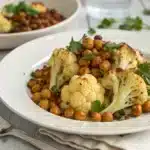
A delicious Mediterranean-inspired dish combining crispy roasted cauliflower, chickpeas, and savory herbs with sweet-tart cranberries.
- Prep Time: 15
- Cook Time: 50
- Total Time: 1 hour 5 minutes
- Yield: 6 1x
- Category: Side Dish
- Cuisine: Mediterranean
Ingredients
- 1 head cauliflower, cut into small florets
- 1 can chickpeas, drained, rinsed, and patted dry
- 8 oz mushrooms, sliced
- 3 tablespoons olive oil
- 2 tablespoons maple syrup
- 1 tablespoon chopped fresh rosemary
- 1 tablespoon chopped fresh thyme
- 1 teaspoon salt
- 1/2 teaspoon black pepper
- 4 ribs celery, sliced into 1/4-inch pieces
- 5 slices turkey bacon, cut into 1/2-inch pieces
- 1/2 cup dried cranberries
Instructions
- Preheat oven to 425°F.
- In a large bowl, combine cauliflower, chickpeas, mushrooms, olive oil, maple syrup, rosemary, thyme, salt, and pepper; toss until evenly coated.
- Spread mixture on a large baking sheet in a single layer and roast for 25 minutes.
- Remove from oven, add celery and turkey bacon, gently stir, and return to oven for another 20-25 minutes until vegetables are caramelized.
- Remove from oven and stir in dried cranberries while still warm.
- Serve hot as a side dish or over grains for a complete meal.
Notes
For extra crispiness, ensure chickpeas are thoroughly dried before roasting. This dish can be served warm or cold and keeps well for meal prep. Nutrition facts are estimates and may vary based on ingredients used, portion sizes, and preparation methods.
Nutrition
- Serving Size: 6
- Calories: 245kcal
- Sugar: 14g
- Sodium: 580mg
- Fat: 10g
- Saturated Fat: 1.5g
- Carbohydrates: 32g
- Fiber: 8g
- Protein: 11g
- Cholesterol: 15mg
Keywords: roasted cauliflower, chickpeas, vegetable side dish, Mediterranean recipe, healthy side dish
Let’s connect! Follow me for more Joylicious Recipes: Facebook, Instagram, Pinterest