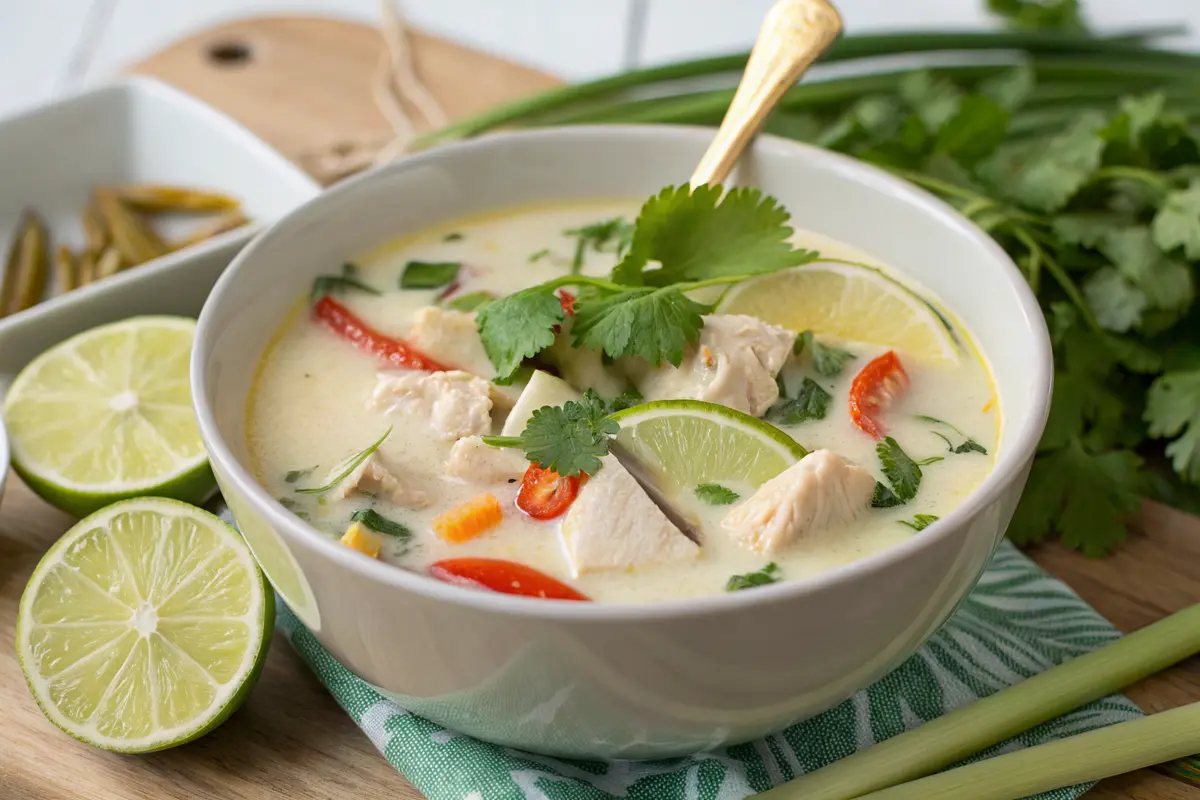
The Ultimate Thai Coconut Chicken Soup Experience
A Thai Culinary Tradition in Your Kitchen
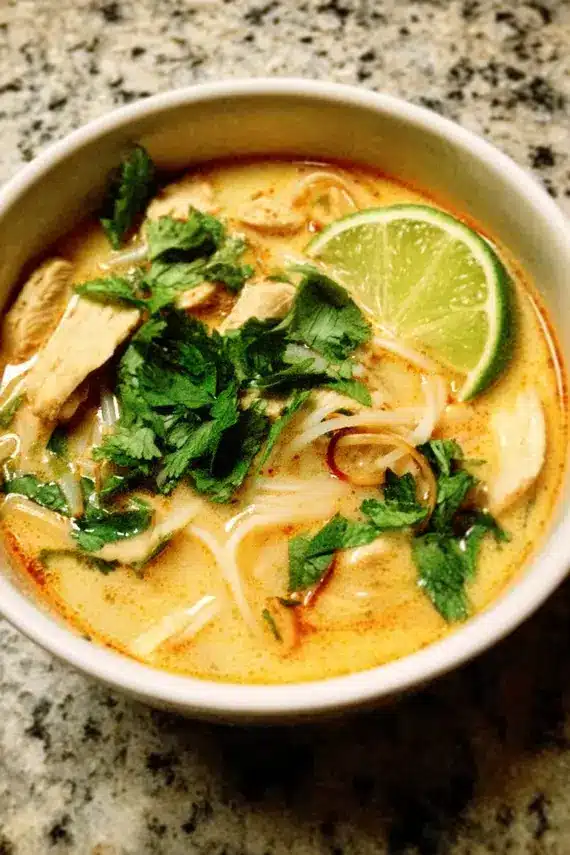
Thai Coconut Chicken Soup, also known as Tom Kha Gai, brings the vibrant flavors of Thailand directly to your dining table. This aromatic soup balances creamy coconut milk with bright citrus notes, fragrant lemongrass, and tender chicken pieces for a sensory experience that’s both comforting and exotic. The harmonious blend of sweet, tangy, and savory elements creates a symphony of flavors that dance on your palate with every spoonful. “The Green Chile Chicken Stew offers similar comfort food qualities but with a Southwestern twist rather than Thai flavors.”
This versatile soup can be enjoyed as a light lunch, a satisfying dinner, or an impressive first course for a Thai-themed dinner party. During cooler months, it provides warming comfort, while in warmer weather, its bright flavors remain refreshing. Whether you’re looking to explore Thai cuisine or simply want to add something special to your weekly meal rotation, this soup delivers exceptional flavor with minimal effort.
Essential Ingredients for Authentic Thai Coconut Soup
Building Your Flavor Foundation
The secret to exceptional Thai Coconut Chicken Soup lies in using fresh, quality ingredients that work together to create the signature balance of flavors. Each component plays a vital role in developing the authentic taste profile that makes this soup so beloved worldwide. “For this recipe, you’ll need tender chicken pieces similar to what you’d use in Baked Boneless Chicken Thighs, though breast meat works beautifully for a leaner option.”
| Main Ingredients | Quantity | Notes |
|---|---|---|
| Boneless chicken breast | 1 pound | Cut into bite-size pieces |
| Coconut milk | 2 cups | Full-fat provides the best flavor and creaminess |
| Chicken broth | 2 cups | Low-sodium preferred |
| Lemongrass | 2 stalks | Bruised and sliced |
| Fish sauce | 1 tablespoon | Provides essential umami flavor |
| Lime juice | From 1 lime | Fresh is essential for bright flavor |
| Fresh cilantro leaves | ¼ cup | For garnish |
| Flavor Enhancers (Optional) | Quantity | Notes |
| Galangal or ginger | 2-inch piece | Sliced thin; galangal is traditional, ginger is a good substitute |
| Thai chili peppers | 2-3 peppers | Sliced or left whole for adjustable heat |
| Kaffir lime leaves | 4-5 leaves | Torn or bruised to release oils |
| Mushrooms | 1 cup | Sliced shiitake or button mushrooms |
| Shallots | 2 medium | Thinly sliced |
| Garlic | 3 cloves | Minced |
| Palm sugar or brown sugar | 1 tablespoon | Balances the sourness |
| Optional Add-ins | Quantity | Notes |
| Cherry tomatoes | 1 cup | Halved |
| Bean sprouts | 1 cup | Adds fresh crunch when added at serving |
| Snow peas | ½ cup | Sliced diagonally |
| Red bell pepper | 1 medium | Thinly sliced |
| Tofu | 8 ounces | Firm, cubed (can replace or supplement chicken) |
| Green onions | 3-4 stalks | Sliced diagonally for garnish |
Creating the Perfect Thai Coconut Chicken Soup: Step-by-Step Guide
Essential Techniques for Authentic Flavor
Follow these detailed instructions to create a restaurant-quality Thai coconut soup right in your own kitchen. Each step builds layers of flavor that come together in a harmonious blend of aromatic, creamy, and tangy elements.
- Prepare the aromatics: Trim the woody ends from the lemongrass stalks. Remove the outer tough layers, then bruise the stalks with the back of a knife to release their essential oils. Cut into 2-inch pieces. If using galangal or ginger, peel and slice thinly.
- Heat preparation: Heat a medium-sized pot over medium heat and add 1 tablespoon of neutral oil (like vegetable or coconut oil).
- Cook the chicken: Add the bite-sized chicken pieces to the hot oil. Sauté until the exterior is lightly browned but not fully cooked through, about 2-3 minutes. The chicken should still be slightly pink in the center. Transfer to a plate and set aside.
- Build the aromatic base: In the same pot, add shallots (if using) and sauté for 1 minute until translucent. Add garlic and sauté for 30 seconds until fragrant, being careful not to burn it.
- Toast the aromatics: Add the lemongrass, galangal or ginger, and kaffir lime leaves (if using) to the pot. Toast for 1-2 minutes, stirring frequently, until they become noticeably fragrant. The kitchen should fill with their distinctive aromas.
- Add the liquids: Pour in the coconut milk and chicken broth. Add the fish sauce and sugar (if using). Stir to combine, gently scraping the bottom of the pot to incorporate any browned bits.
- Simmer gently: Bring the mixture to a gentle simmer—not a full boil—over medium-low heat. Coconut milk can separate if boiled too vigorously, so maintain a gentle bubble where the surface is just barely moving.
- Return the chicken: Add the partially cooked chicken back to the pot along with any accumulated juices. If using mushrooms, add them now too.
- Cook until done: Simmer gently for 8-10 minutes until the chicken is completely cooked through and tender. Test by cutting a larger piece to ensure no pink remains and the juices run clear.
- Add quick-cooking vegetables: If using bell peppers, snow peas, or cherry tomatoes, add them in the last 2 minutes of cooking so they retain their texture and bright color.
- Finish with acidity: Turn off the heat and stir in the fresh lime juice. This brightens all the flavors and should be added at the end to preserve its fresh taste.
- Taste and adjust: Season with salt and pepper to taste. For an authentic Thai balance, you may want to adjust with a little more fish sauce (for saltiness), lime juice (for sourness), or sugar (for sweetness) until the flavor perfectly balances all elements.
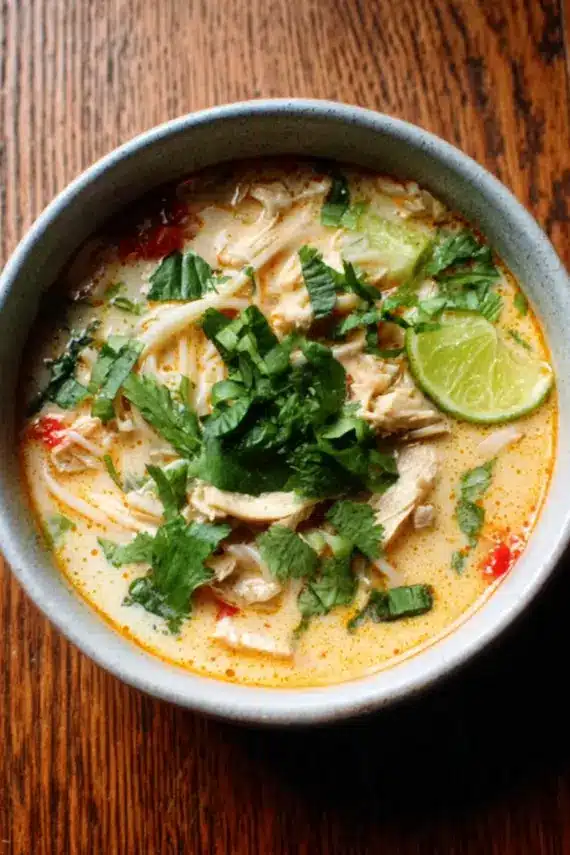
- Garnish and serve: Ladle the hot soup into bowls and top with fresh cilantro leaves. If desired, add bean sprouts, sliced green onions, and an additional lime wedge on the side for guests to adjust acidity to their preference.
Pro Tips for Perfecting Your Thai Coconut Soup
Elevating Your Home Cooking to Restaurant Quality
These professional tips will help you avoid common pitfalls and enhance your Thai coconut chicken soup to achieve the most authentic and delicious results possible. “If you enjoy working with chicken in soups, the Chicken Potato Broccoli Corn Chowder uses similar techniques for ensuring tender meat in a flavorful broth.”
- Lemongrass preparation: To get the most flavor from lemongrass, first remove the tough outer layers, then bruise the stalk with the back of a knife or a meat mallet before slicing. This releases the essential oils that give Thai coconut soup its distinctive aroma.
- Coconut milk selection: Use full-fat coconut milk from a can, not the refrigerated beverage variety. The higher fat content creates the rich, creamy texture that defines authentic Thai coconut soup. Shake the can well before opening, or if the cream has separated, whisk to recombine.
- Temperature control: Never let the soup come to a rolling boil after adding coconut milk, as this can cause separation. Maintain a gentle simmer with just occasional bubbles breaking the surface for the smoothest texture.
- Balancing flavors: The hallmark of Thai cuisine is the perfect balance of sweet, sour, salty, and spicy elements. Adjust fish sauce (salty), lime juice (sour), sugar (sweet), and chili (spicy) until you achieve harmony.
- Aromatic substitutions: If you can’t find traditional ingredients like galangal or kaffir lime leaves, ginger and regular lime zest make acceptable substitutes that still deliver excellent flavor.
- Keeping aromatics whole: Consider keeping lemongrass, galangal, and kaffir lime leaves in larger pieces that can be easily removed before serving, or warn guests to eat around these inedible components.
- Protein variations: For a lighter option, try using shrimp instead of chicken (add in the last 3-4 minutes of cooking). For a vegetarian version, firm tofu makes an excellent protein alternative.
Smart Storage Solutions for Your Thai Soup
Preserving Flavor and Texture
Proper storage of Thai Coconut Chicken Soup ensures you can enjoy its delicious flavors for days after preparation. Following these guidelines will help maintain the soup’s quality and prevent ingredient degradation over time. “When properly stored, this soup maintains its texture similar to how Garlic Butter Halibut leftovers retain their quality when handled correctly.”
Refrigeration Techniques
Allow the soup to cool to room temperature before refrigerating, but don’t leave it out for more than two hours to prevent bacterial growth. Transfer the cooled soup to airtight containers, leaving some headspace for expansion. Properly stored, Thai coconut chicken soup will maintain its best quality in the refrigerator for 3-4 days.
For longer freshness, consider storing garnishes separately. Keep fresh herbs, lime wedges, and bean sprouts in separate containers and add them only when reheating and serving. This prevents them from becoming wilted or soggy in the stored soup.
Freezing Guidelines
While Thai coconut soup can be frozen, there are some considerations to ensure the best quality upon thawing. Coconut milk can sometimes separate after freezing and thawing, resulting in a slightly grainy texture. If you plan to freeze the soup:
1. Cool the soup completely before transferring to freezer-safe containers.
2. Leave at least one inch of headspace to allow for expansion during freezing.
3. Label containers with the date and contents.
4. Store in the freezer for up to 2-3 months for best quality.
When ready to enjoy, thaw the frozen soup overnight in the refrigerator. Reheat gently on the stovetop over medium-low heat, stirring occasionally. If separation occurs, whisk the soup vigorously while heating to help recombine the ingredients.
Reheating for Optimal Flavor
For the best results when reheating Thai coconut chicken soup, use the stovetop rather than a microwave. Heat the soup slowly over medium-low heat, stirring occasionally to prevent scorching and help recombine any separated coconut milk. Avoid bringing the soup to a boil, as this can cause the coconut milk to separate further and potentially curdle.
Add a splash of fresh coconut milk or chicken broth if the soup has thickened during storage. Finish with a squeeze of fresh lime juice just before serving to revive the bright flavors that may have diminished during storage.
Delicious Variations on Classic Thai Coconut Soup
Customizing Your Coconut Soup Experience
These creative variations maintain the essence of Thai coconut soup while introducing new elements that can transform the dish to suit different tastes, dietary needs, or ingredient availability.
Seafood Sensation
Replace chicken with a combination of shrimp, scallops, and firm white fish like cod or halibut for a seafood version that’s popular in coastal regions of Thailand. Add the seafood in the final 3-5 minutes of cooking, as it requires much less time than chicken. The natural sweetness of seafood pairs beautifully with the aromatic broth, creating a light yet satisfying variation. Consider adding thin slices of red bell pepper for color contrast and nutritional boost.
Vegetarian Delight
Create a meat-free version by substituting vegetable broth for chicken broth and using firm tofu instead of chicken. Enhance the umami flavor with additional mushrooms—a mix of shiitake, oyster, and button varieties provides textural interest and depth of flavor. For extra nutrition and color, add baby bok choy, snow peas, and carrots. Replace fish sauce with soy sauce or coconut aminos mixed with a little miso paste for a vegetarian-friendly umami boost.
Extra Spicy Northern Style
For heat enthusiasts, create a northern Thai-inspired variation by doubling the Thai chili peppers and adding a tablespoon of red curry paste during the aromatic sautéing stage. Include sliced galangal rather than ginger for a more authentic and intense flavor profile. Finish with additional fresh Thai basil and a sprinkle of toasted rice powder for a complex flavor experience that showcases the bolder side of Thai cuisine.
Creamy Pumpkin Fusion
For a seasonal twist with additional nutrients, incorporate 1 cup of puréed pumpkin or butternut squash into the broth. This creates a thicker, more substantial soup with a subtle sweetness that complements the coconut milk beautifully. Add warming spices like a pinch of ground coriander and cumin to enhance the pumpkin flavor. This variation is particularly comforting during cooler months and offers additional vitamin A and fiber.
Quick Weeknight Version
For busy weeknights, simplify the recipe while maintaining essential flavors. Use store-bought rotisserie chicken, shredded and added at the end just to warm through. Replace fresh lemongrass with 1 tablespoon of lemongrass paste, and use 1 teaspoon of lime zest if kaffir lime leaves aren’t available. This variation comes together in under 20 minutes but still delivers the signature flavors of Thai coconut soup with minimal effort.
Perfect Pairings and Serving Suggestions
Creating a Complete Thai-Inspired Meal
Thai Coconut Chicken Soup makes an excellent centerpiece for both casual family dinners and more elaborate entertaining. These serving suggestions will help you create memorable meals with complementary flavors and textures. Mediterranean Grilled Chicken Salad provides a light side dish option that complements the rich flavors of coconut soup without competing with its Thai flavor profile.
Simple Weeknight Dinner
Transform this soup into a complete weeknight meal by serving it with a side of jasmine rice or rice noodles. The mild, fragrant rice serves as the perfect canvas for soaking up the flavorful broth. For added freshness, include a simple cucumber salad dressed with rice vinegar, a touch of sugar, and thinly sliced shallots. This cooling side balances the warm soup and adds textural contrast to create a satisfying dinner that comes together quickly.
Thai-Inspired Feast
For entertaining, build a Thai-inspired spread with the soup as your starter. Follow with main dishes such as Pad Thai, Green Curry with Vegetables, or Grilled Lemongrass Chicken. Include sides like fresh spring rolls with peanut dipping sauce and a refreshing green papaya salad. Serve everything family-style to encourage sharing and conversation. Finish with sweet mango sticky rice or coconut ice cream for a complete Thai culinary experience that will impress your guests.
Soup and Sandwich Lunch
For a satisfying lunch combination, serve a smaller portion of the soup alongside banh mi-inspired sandwiches. Fill crusty baguettes with thinly sliced cucumber, pickled carrots and daikon, cilantro, and your choice of protein (leftover chicken from the soup works well). The bright, crunchy sandwich complements the creamy soup perfectly, creating a balanced meal with contrasting textures and complementary flavors.
Health-Focused Meal
Create a nutritionally balanced meal by serving the soup with a side of steamed or stir-fried vegetables such as broccoli, snap peas, and bell peppers. Add a portion of brown rice or quinoa for fiber and complex carbohydrates. This combination provides a complete protein profile, healthy fats from the coconut milk, and plenty of vitamins and minerals from the vegetables, making it a nourishing option for health-conscious diners.
Beautiful Presentation
For impressive presentation, serve the soup in coconut shells or wide, shallow bowls that showcase the colorful ingredients. Arrange fresh garnishes in small bowls so guests can customize their soup according to taste preferences. Consider a garnish plate with lime wedges, sliced chili peppers, fresh bean sprouts, additional cilantro, and Thai basil leaves. This interactive serving style not only looks beautiful but allows everyone to adjust flavors to their liking.
Answering Your Questions About Thai Coconut Soup
Common Queries and Expert Solutions
Can I make Thai Coconut Chicken Soup ahead of time for a dinner party?
Absolutely! In fact, making this soup a day ahead can actually enhance its flavor as the ingredients have more time to meld together. Prepare the soup through all steps except adding the lime juice and garnishes. Cool completely, then refrigerate in an airtight container. When ready to serve, gently reheat over medium-low heat, being careful not to boil, then add the fresh lime juice and garnishes just before serving. This make-ahead approach not only saves time on the day of your gathering but often results in a more flavorful soup.
I can’t find lemongrass or kaffir lime leaves at my local grocery store. What can I substitute?
For lemongrass, you can substitute 1 tablespoon of lemongrass paste (found in tubes in the produce section) or 1 teaspoon of lemon zest plus 1/2 teaspoon of ginger for each stalk. While not identical, this will provide a similar aromatic quality. For kaffir lime leaves, use the zest of one regular lime plus a bay leaf for each 4 kaffir lime leaves called for. Another option is to check Asian markets or online specialty stores, where you might find frozen lemongrass and kaffir lime leaves that work nearly as well as fresh.
How can I adjust this recipe to make it vegetarian or vegan?
For a vegetarian version, substitute vegetable broth for chicken broth and replace the chicken with firm tofu, sliced mushrooms, or a combination of both. Instead of fish sauce, use soy sauce or tamari mixed with a touch of miso paste for umami depth. For a vegan version, ensure your brown sugar is vegan (some are processed with bone char), or use coconut sugar instead. The good news is that the core flavors of this soup—coconut, lemongrass, lime, and aromatics—are naturally plant-based, so a vegan adaptation maintains the essence of the original while accommodating plant-based diets.
Your Gateway to Thai Culinary Delights
Mastering Thai Coconut Chicken Soup
Thai Coconut Chicken Soup represents the perfect balance of flavors that makes Thai cuisine so beloved worldwide. With its harmonious blend of creamy coconut milk, aromatic lemongrass, tangy lime, and tender chicken, this soup delivers a complete sensory experience in every spoonful. The beauty of this recipe lies in its adaptability—whether you’re looking for a quick weeknight dinner, a comforting remedy during cold season, or an impressive first course for guests, this versatile soup rises to every occasion. “For another delicious chicken recipe that’s sure to impress your family, try our Marry Me Chicken Pasta which has a similarly comforting yet special quality.”
Now that you’ve learned the techniques and flavor principles behind this classic Thai dish, you’re equipped to bring authentic Southeast Asian flavors into your kitchen with confidence. The aromatic combination of fresh herbs and spices creates a soup that’s both exciting and comforting—a true celebration of Thai culinary tradition that you can recreate anytime the craving strikes.
Don’t be surprised if this becomes a requested favorite in your recipe collection. With each batch you prepare, you’ll likely discover new nuances of flavor and perhaps develop your own signature variation that perfectly suits your taste preferences. We encourage you to experiment with the suggested variations and make this recipe truly your own.
PrintThai Coconut Chicken Soup
- Authentic Thai Coconut Chicken Soup (Tom Kha Gai) featuring tender chicken, aromatic lemongrass, and creamy coconut milk.
- The perfect balance of sweet, sour, salty and spicy elements in one comforting bowl.
- A restaurant-quality soup that’s surprisingly easy to make at home.
- Prep Time: 20
- Cook Time: 25
- Total Time: 45 minutes
- Yield: 4 servings 1x
- Category: Dinner
- Method: Stovetop
- Cuisine: Thai
Ingredients
- 1 pound boneless chicken breast, cut into bite-size pieces
- 2 cups coconut milk (full-fat recommended)
- 2 cups chicken broth (low-sodium preferred)
- 2 stalks lemongrass, bruised and sliced into 2-inch pieces
- 1 tablespoon fish sauce
- Juice of 1 lime
- 2-inch piece galangal or ginger, sliced thin
- 2–3 Thai chili peppers, sliced or left whole (optional, adjust to taste)
- 4–5 kaffir lime leaves, torn (optional)
- 1 cup mushrooms, sliced (shiitake or button)
- 2 medium shallots, thinly sliced
- 3 cloves garlic, minced
- 1 tablespoon vegetable or coconut oil
- 1 tablespoon palm sugar or brown sugar (optional)
- ¼ cup fresh cilantro leaves, for garnish
- Sliced green onions, for garnish (optional)
- Bean sprouts, for serving (optional)
Instructions
- Prepare lemongrass by trimming ends, removing outer layers, and bruising with the back of a knife. Cut into 2-inch pieces.
- Heat oil in a medium pot over medium heat.
- Add chicken pieces and sauté until lightly browned on the outside but not fully cooked, about 2-3 minutes. Transfer to a plate.
- In the same pot, add shallots and sauté for 1 minute until translucent.
- Add garlic and sauté for 30 seconds until fragrant.
- Add lemongrass, galangal/ginger, and kaffir lime leaves (if using). Toast for 1-2 minutes until aromatic.
- Pour in coconut milk, chicken broth, fish sauce, and sugar (if using). Stir to combine.
- Bring to a gentle simmer over medium-low heat – do not boil vigorously.
- Return the chicken to the pot along with any accumulated juices. Add mushrooms if using.
- Simmer gently for 8-10 minutes until chicken is completely cooked through.
- If using quick-cooking vegetables like bell peppers or cherry tomatoes, add them in the final 2 minutes.
- Turn off heat and stir in fresh lime juice.
- Taste and adjust seasoning with additional fish sauce, lime juice, or sugar if needed.
- Ladle into bowls and garnish with fresh cilantro, green onions, and serve with bean sprouts on the side if desired.
Notes
- For a vegetarian version, use vegetable broth, omit fish sauce (substitute with soy sauce and a touch of miso), and replace chicken with tofu or additional vegetables.
- The aromatics (lemongrass, galangal, kaffir lime leaves) are traditionally left in the soup but not eaten – you can remove them before serving for easier eating.
- For a spicier version, crush some of the Thai chilies to release more heat into the broth.
- Nutrition facts are estimates and may vary based on ingredients used, portion sizes, and preparation methods.
Nutrition
- Serving Size: 1.5 cups
- Calories: 385
- Sugar: 4
- Sodium: 620
- Fat: 28
- Saturated Fat: 22
- Unsaturated Fat: 5
- Carbohydrates: 12
- Fiber: 2
- Protein: 24
- Cholesterol: 65
Keywords: Thai Coconut Chicken Soup, coconut milk soup, lemongrass chicken soup, Thai soup recipe, spicy coconut soup, Tom Kha Gai
Let’s connect! Follow me for more Joylicious Recipes: Facebook, Instagram, Pinterest