Creamy Authentic Tzatziki Sauce: A Greek Yogurt Delight
The Perfect Mediterranean Condiment
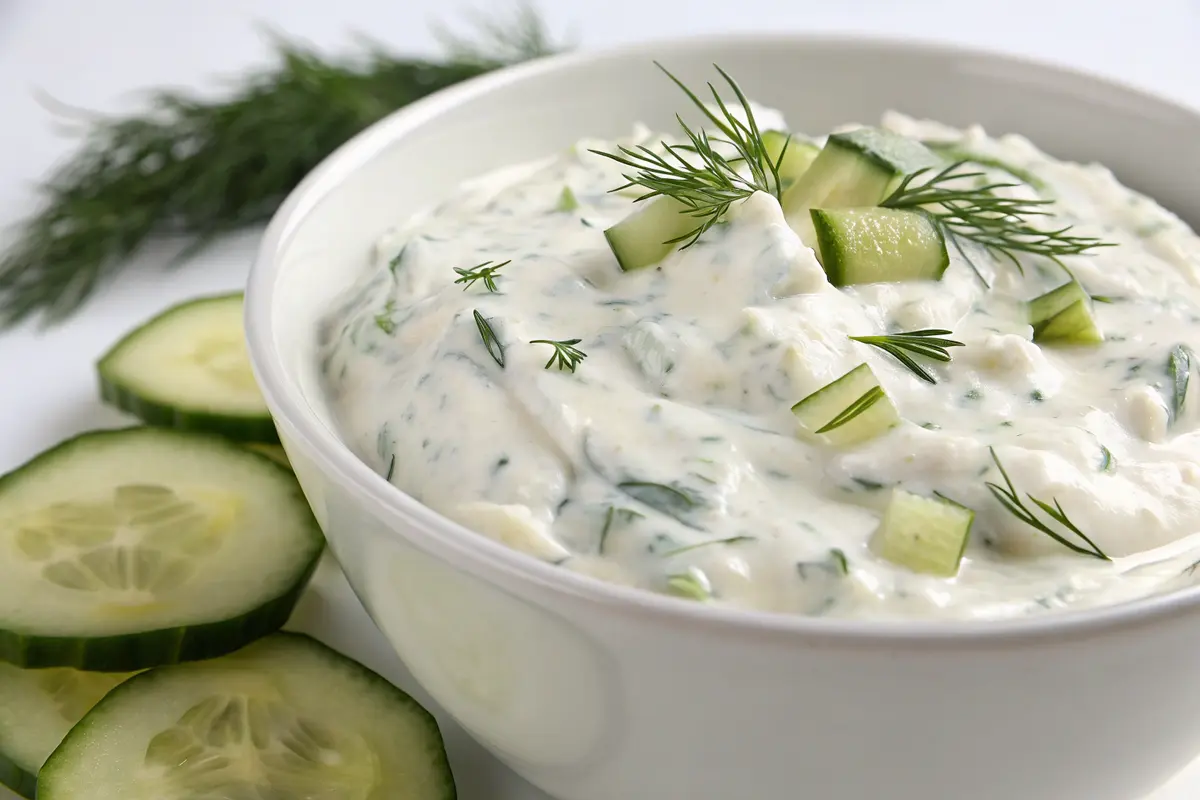
Tzatziki sauce is a refreshing, tangy Greek yogurt-based condiment that brings a burst of Mediterranean flavors to your table. This creamy cucumber dip balances the richness of Greek yogurt with the crispness of fresh cucumber, zippy garlic, and bright herbs for a versatile sauce that elevates everything it touches. “The Mediterranean salad technique offers similar staged-cooking approaches to prevent burning while developing maximum flavor.”
Whether served as a cooling accompaniment to spicy dishes, spread on pita bread, or used as a flavorful dip for fresh vegetables, tzatziki sauce adds a touch of Mediterranean magic to any meal. Its versatility makes it perfect for everyday dining, special gatherings, or as a healthy snack option when you want something satisfying yet light.
Fresh Components for Your Greek Cucumber Yogurt Creation
Essential Ingredients for Authentic Tzatziki
The foundation of an exceptional tzatziki sauce lies in quality ingredients. This herb sauce begins with thick Greek yogurt and crisp cucumbers, but achieving the perfect balance requires attention to detail. “The Greek pasta salad incorporates many of the same fresh Mediterranean flavors that make this dip so irresistible.”
| Core Ingredients | Amount | Notes |
|---|---|---|
| Greek yogurt (full-fat) | 2 cups | Full-fat provides the creamiest texture; use 2% if preferred |
| English cucumber | 1 cup grated | Peel, seed, and squeeze excess water thoroughly |
| Garlic cloves | 2, minced | Fresh only; adjust to taste |
| Fresh lemon juice | 1 tablespoon | Freshly squeezed for brightest flavor |
| Extra-virgin olive oil | 1 tablespoon | Use good quality oil for best results |
| Fresh dill | 2 teaspoons, chopped | Finely chopped for even distribution |
| Salt | To taste | Start with ¼ teaspoon and adjust |
| Freshly ground black pepper | To taste | About ⅛ teaspoon recommended |
Optional Flavor Enhancers
| Ingredient | Amount | Purpose |
|---|---|---|
| Fresh mint leaves | 1 tablespoon, chopped | Adds refreshing brightness |
| White vinegar | 1 teaspoon | Extra tang if lemon isn’t enough |
| Ground cumin | ¼ teaspoon | Adds earthy warmth |
| Red pepper flakes | Pinch | Introduces gentle heat |
| Za’atar spice blend | ½ teaspoon | Authentic Middle Eastern flavor |
| Green onions | 2 tablespoons, finely sliced | Adds mild onion flavor and color |
Master Method: Creating Perfect Tzatziki Every Time
Essential Preparation Techniques
Follow these detailed steps to create a tzatziki sauce with authentic texture and balanced flavors. The key to exceptional tzatziki lies in properly preparing the cucumber to remove excess moisture. “The Greek chicken orzo pairs wonderfully with this cool, creamy sauce for a complete Mediterranean meal.”
- Prepare the cucumber: Peel the cucumber and slice it lengthwise. Using a spoon, scrape out the seeds. Grate the cucumber using the large holes of a box grater. Place the grated cucumber in a clean kitchen towel or several layers of cheesecloth and squeeze firmly to remove as much water as possible. You should extract at least 2-3 tablespoons of liquid to prevent watery tzatziki.
- Prepare the yogurt base: In a medium mixing bowl, add the Greek yogurt. If your yogurt seems particularly thick, you can stir it vigorously with a spoon to loosen it slightly. The texture should be smooth but thick enough to hold its shape on a spoon.
- Add the cucumber: Incorporate the well-drained grated cucumber into the yogurt, stirring gently but thoroughly to distribute it evenly throughout the mixture. The cucumber should be visible as small green flecks throughout the white yogurt.
- Add the aromatics: Add the minced garlic, fresh lemon juice, and olive oil to the yogurt-cucumber mixture. The fresh garlic should be very finely minced to avoid overwhelming bites of raw garlic. If you prefer a milder garlic flavor, you can mash the garlic with a pinch of salt using the side of your knife to create a paste.
- Incorporate the herbs: Add the finely chopped fresh dill and any optional herbs like mint. Distribute them evenly throughout the mixture with gentle folding motions to avoid deflating the yogurt’s texture.
- Season and taste: Add salt and freshly ground black pepper, starting with conservative amounts. Stir well, then taste. The flavors should be balanced—tangy from the yogurt and lemon, with aromatic notes from the garlic and herbs. Adjust seasonings as needed, keeping in mind that the flavors will intensify as the tzatziki rests.
- Let flavors meld: Cover the bowl with plastic wrap or transfer to an airtight container. Refrigerate for at least 30 minutes, though 2 hours or even overnight will yield the best flavor development as the garlic and herbs infuse the yogurt more thoroughly.
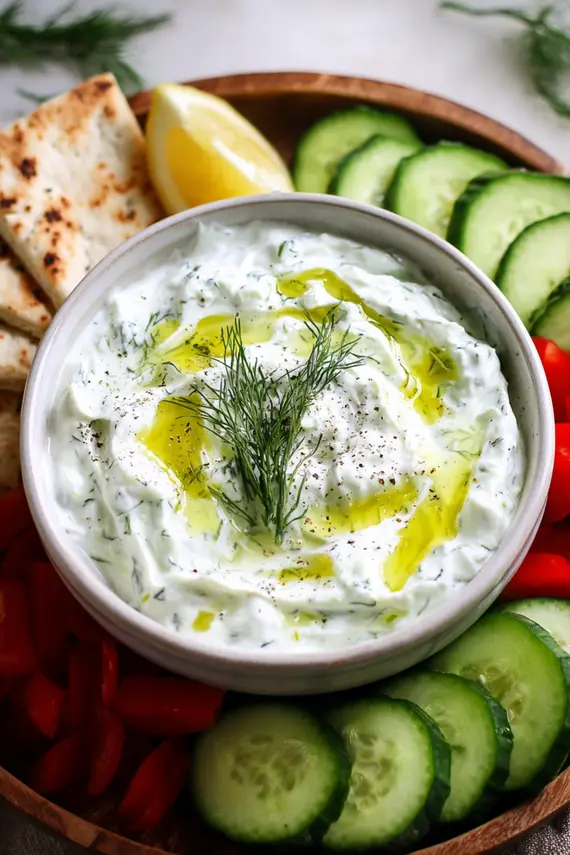
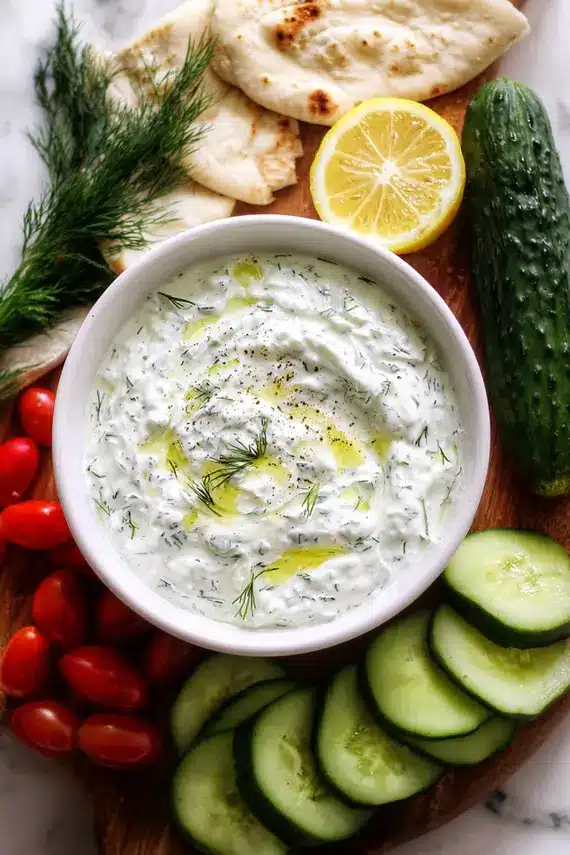
- Final adjustment and serving: Before serving, give the tzatziki a good stir and taste again. Add more salt, pepper, or lemon juice if needed. The texture should be thick and creamy, able to coat the back of a spoon without running off. Serve chilled, perhaps with a light drizzle of olive oil and a sprinkle of fresh herbs on top for presentation.
Expert Advice for Mediterranean Dip Perfection
Texture and Flavor Enhancement Tips
Creating the perfect tzatziki sauce requires a few key techniques that make the difference between good and exceptional results. These practical tips will help you avoid common pitfalls and enhance both texture and flavor in your Greek yogurt dip. “The Greek salad with chicken creates a complete protein-packed meal when served alongside this authentic tzatziki sauce.”
- Cucumber preparation is crucial: For the best texture, use English or Persian cucumbers as they contain fewer seeds and less water. Always take the time to properly drain the cucumber—this extra 10 minutes of effort prevents a watery, diluted tzatziki sauce.
- Choose the right yogurt: Traditional tzatziki requires thick Greek yogurt. If you can only find regular yogurt, place it in a cheesecloth-lined strainer over a bowl in the refrigerator for 4 hours to drain excess whey and achieve a thicker consistency.
- Garlic intensity control: For milder garlic flavor, let the minced garlic sit in the lemon juice for 5-10 minutes before adding to the yogurt. This step slightly “cooks” the garlic, taking away its raw edge while preserving flavor.
- Fresh herbs matter: While dried herbs can work in a pinch, fresh herbs provide brighter, more authentic flavor. If using dried dill instead of fresh, use just 1 teaspoon and allow longer resting time.
- Temperature timing: Always serve tzatziki chilled, but remove it from the refrigerator about 15 minutes before serving to take the edge off the cold. This allows the flavors to bloom more fully on the palate.
- Olive oil quality: Since this is a raw application, the quality of your olive oil will be noticeable. Use the best extra virgin olive oil you can afford for a smooth, fruity finish.
- Make-ahead advantage: Tzatziki actually improves with time. Making it a day ahead allows flavors to fully develop and meld together, creating a more cohesive and complex flavor profile.
Preserving Your Cucumber Dip’s Freshness
Maximizing Shelf Life and Quality
Proper storage is essential for maintaining the fresh taste and creamy texture of tzatziki sauce. With the right techniques, you can enjoy this versatile Greek yogurt dip for several days without sacrificing quality. “The garlic parmesan chicken pasta creates a delightful fusion meal when served with a side of cooling tzatziki sauce.”
Refrigerator storage is the only recommended method for tzatziki. Store the sauce in an airtight container with minimal headspace to reduce exposure to air, which can cause discoloration and flavor deterioration. Properly stored tzatziki will maintain optimal quality for 3-4 days.
For maximum freshness, press a piece of plastic wrap directly onto the surface of the tzatziki before sealing the container. This prevents a skin from forming and reduces moisture loss. If you notice any liquid separation during storage, simply stir the tzatziki before serving to reincorporate.
If you’re making tzatziki for a future event, consider preparing the components separately. You can grate and drain the cucumber up to 24 hours in advance, and prepare the garlic-herb-oil mixture separately. Combine with the yogurt within a few hours of serving for the freshest result.
Unfortunately, tzatziki does not freeze well due to its high dairy content and fresh cucumber. Freezing causes the yogurt to separate and the cucumber to become mushy, significantly altering the texture. Always opt for fresh preparation in smaller batches rather than attempting to freeze leftovers.
Creative Twists on the Classic Herb Sauce
Regional and Dietary Adaptations
While traditional tzatziki sauce has a beloved classic formula, these inventive variations allow you to customize the basic recipe to suit different tastes, dietary needs, and occasions. Each variation maintains the essence of tzatziki while introducing new dimensions of flavor and texture.
Mediterranean Roasted Red Pepper Tzatziki
Transform traditional tzatziki with the addition of sweet, smoky roasted red peppers. Drain and finely dice ¼ cup of jarred roasted red peppers, then pat dry with paper towels. Fold into the basic tzatziki recipe along with ¼ teaspoon of smoked paprika. The result is a vibrant orange-tinted dip with sweet, smoky undertones that pairs beautifully with grilled vegetables or as a spread for Mediterranean-style sandwiches.
Dairy-Free Coconut Tzatziki
Create a plant-based version by substituting 2 cups of thick coconut yogurt for Greek yogurt. Add 1 tablespoon of nutritional yeast to enhance the savory notes, and increase the lemon juice to 1½ tablespoons to compensate for coconut yogurt’s natural sweetness. The result is a creamy, dairy-free alternative with a slight tropical hint that complements the cucumber and herbs.
Avocado Tzatziki Fusion
Blend Mediterranean and Latin American flavors by adding half a ripe avocado, mashed until smooth, to the basic tzatziki recipe. Include 2 tablespoons of finely chopped cilantro alongside (or in place of) the dill, and add a squeeze of lime juice. This variation creates a richer, creamier dip with beautiful color and enhanced nutritional profile from the healthy fats in avocado.
Spicy Harissa Tzatziki
Add a North African twist by incorporating 1-2 teaspoons of harissa paste (adjust according to heat preference) into the classic recipe. The spicy, aromatic harissa creates a beautiful contrast to the cooling yogurt and cucumber. This variation works particularly well as a condiment for grilled meats or as a bold dip for raw vegetables.
Herb-Forward Garden Tzatziki
Create a vibrant green tzatziki by significantly increasing the herbs. Use a full ¼ cup total of mixed fresh herbs—try combinations of dill, mint, parsley, chives, and basil—finely chopped and stirred into the basic recipe. This variation celebrates summer garden abundance and provides a more intensely herbal profile while maintaining the classic creamy cucumber base.
Caramelized Onion Tzatziki
For a deeper, sweeter flavor profile, add ¼ cup of finely chopped caramelized onions to the basic tzatziki. The slow-cooked onions bring a rich sweetness that contrasts beautifully with the tangy yogurt. Add a pinch of thyme along with the dill to complement the onion flavor. This sophisticated variation pairs exceptionally well with grilled lamb or as part of a Mediterranean mezze platter.
Delicious Pairings and Presentation Ideas
Elevating Your Greek Yogurt Dip Experience
Tzatziki sauce shines as both a supporting player and a star in various meal contexts. From casual weeknight dinners to elegant entertaining, this versatile Greek yogurt dip elevates any Mediterranean-inspired meal with its creamy, cooling presence. Here are thoughtful ways to serve and enjoy your homemade tzatziki.
Mediterranean Meze Platter
Create an impressive appetizer spread by placing tzatziki in a shallow bowl surrounded by warm pita triangles, cucumber slices, bell pepper strips, cherry tomatoes, kalamata olives, and feta cheese cubes. For a more substantial meze, add stuffed grape leaves (dolmades) and falafel balls. This colorful presentation invites guests to create their own perfect bites and is ideal for casual entertaining.
Grilled Protein Companion
Serve tzatziki as a cooling counterpoint to grilled proteins. A generous dollop alongside Greek-style grilled chicken souvlaki, lamb kebabs, or even simple grilled fish creates a perfect temperature and flavor contrast. The creamy sauce helps balance the charred flavors from the grill while adding moisture to leaner proteins. Allow approximately ¼ cup of tzatziki per serving when pairing with main dishes.
Pita Sandwich Spread
Transform tzatziki into a creamy, flavorful base for stuffed pita sandwiches. Spread a generous layer inside warm pita pockets before filling with grilled vegetables, falafel, or sliced grilled chicken. The sauce acts as both a moisture element and flavor enhancer, binding the fillings together. This application works beautifully for packed lunches, as the tzatziki helps prevent the bread from becoming dry.
Versatile Salad Dressing
Thin tzatziki slightly with additional lemon juice and olive oil to create a creamy salad dressing. This works particularly well on hearty salads featuring ingredients like chickpeas, cucumber, tomato, red onion, and feta. The yogurt-based dressing provides a protein boost while coating the ingredients with herbs and garlic flavor. Use approximately 3 tablespoons of tzatziki-based dressing per serving of salad.
Elegant Vegetable Accompaniment
Elevate simple roasted or grilled vegetables by serving with a side of tzatziki. The cooling sauce particularly complements vegetables with natural sweetness, like roasted bell peppers, eggplant, zucchini, or sweet potatoes. For an elegant presentation, spread tzatziki on the bottom of a serving plate and arrange the vegetables on top, allowing the sauce to peek around the edges.
Family-Style Dinner Complement
Place a bowl of tzatziki at the center of the table for family-style meals featuring Mediterranean elements. Its versatility means family members can customize how they use it—as a sauce, dip, or side—according to personal preference. This approach works especially well for build-your-own dinner concepts like Greek bowl meals or pita wrap stations.
Common Questions About Cucumber Yogurt Sauce
Expert Answers to Tzatziki Challenges
Why is my tzatziki watery, and how can I fix it?
Watery tzatziki typically results from inadequate cucumber draining. If you’ve already mixed your tzatziki and it’s too thin, strain the entire mixture through a cheesecloth-lined colander for 1-2 hours in the refrigerator. For future batches, after grating the cucumber, salt it lightly and let it sit for 10 minutes before squeezing. The salt helps draw out more moisture. Also, ensure you’re using thick Greek yogurt rather than regular yogurt, which contains more whey.
Can I make tzatziki without fresh herbs if I don’t have any?
Yes, while fresh herbs provide the best flavor, you can substitute dried herbs in a pinch. Use 1 teaspoon of dried dill in place of 1 tablespoon fresh. Rehydrate the dried herbs by mixing them with the lemon juice and letting them sit for 5-10 minutes before adding to the yogurt. Another alternative is to use different fresh herbs you might have on hand—parsley, basil, or chives can work, though they’ll create a different flavor profile than traditional tzatziki.
How can I reduce the strong garlic flavor in my tzatziki?
If your tzatziki has too strong a garlic flavor, there are several remedies. For an already-made batch, add more yogurt to dilute the garlic intensity and adjust other ingredients proportionally. Adding more cucumber and a touch more lemon juice can also help balance the flavors. For future batches, try roasting the garlic first, which mellows its sharpness while adding sweetness. Alternatively, use fewer cloves or let the minced garlic sit in the lemon juice for 5-10 minutes before adding it to the yogurt—the acid in the lemon juice tempers raw garlic’s intensity.
Final Thoughts on This Versatile Mediterranean Classic
Why You’ll Love Making Tzatziki at Home
Tzatziki sauce represents the perfect balance of simple ingredients transforming into something greater than the sum of their parts. This authentic Greek yogurt dip offers a delightful harmony of creamy, tangy, and fresh flavors that elevate everything from simple vegetable platters to elaborate Mediterranean feasts.
“The Mediterranean roasted lamb becomes truly exceptional when served with a side of cooling, homemade tzatziki sauce.”
What makes homemade tzatziki so special is its adaptability to your personal taste preferences. Whether you prefer a stronger garlic punch, extra herbs, or a particularly thick texture, creating this cucumber dip yourself allows for customization that store-bought versions simply can’t match. Plus, the satisfaction of crafting something so flavorful from such humble ingredients brings its own reward.
As a staple of Mediterranean cuisine, tzatziki connects us to centuries of culinary tradition while fitting perfectly into modern, health-conscious eating. Its protein-rich yogurt base, fresh vegetables, and heart-healthy olive oil align with what we now know about nutritious eating patterns, proving that delicious food and wholesome ingredients can go hand in hand.
I encourage you to make this versatile herb sauce part of your regular cooking repertoire. Whether you’re dipping warm pita, drizzling it over grilled meats, or using it as a creamy sandwich spread, homemade tzatziki will bring a touch of Mediterranean sunshine to your table. Share your creations with friends and family, and don’t be afraid to experiment with the variations suggested to make this classic recipe uniquely yours.
PrintAuthentic Tzatziki Sauce
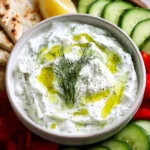
- Creamy, tangy Greek yogurt dip with cucumber and fresh herbs.
- This authentic tzatziki sauce brings Mediterranean flavors to your table in minutes.
- Perfect as a dip, spread, or sauce for grilled meats and vegetables.
- Prep Time: 15
- Total Time: 15 minutes
- Yield: 2 cups (8 servings) 1x
- Category: Salad & Dessert
- Method: No-Cook
- Cuisine: Greek
Ingredients
- 2 cups full-fat Greek yogurt
- 1 English cucumber, peeled, seeded and finely grated (about 1 cup)
- 2 cloves garlic, minced
- 1 tablespoon fresh lemon juice
- 1 tablespoon extra-virgin olive oil
- 2 teaspoons fresh dill, finely chopped
- 1/4 teaspoon salt, or to taste
- 1/8 teaspoon freshly ground black pepper
- 1 tablespoon fresh mint leaves, chopped (optional)
- Pinch of red pepper flakes (optional)
Instructions
- Peel the cucumber and cut it lengthwise. Use a spoon to scrape out the seeds.
- Grate the cucumber using the large holes of a box grater.
- Place grated cucumber in a clean kitchen towel and squeeze firmly to remove excess water.
- In a medium bowl, combine the Greek yogurt, drained cucumber, minced garlic, lemon juice, and olive oil.
- Add the chopped dill, salt, and pepper. Mix well to combine.
- Taste and adjust seasonings if needed.
- Cover and refrigerate for at least 30 minutes, preferably 2 hours, to allow flavors to meld.
- Serve chilled, with an optional drizzle of olive oil and sprinkle of fresh herbs on top.
Notes
- For the best flavor, make this tzatziki a day ahead to allow the flavors to develop fully.
- Use English or Persian cucumbers as they contain fewer seeds and less water.
- Make sure to thoroughly drain the cucumber to prevent a watery sauce.
- Nutrition facts are estimates and may vary based on ingredients used, portion sizes, and preparation methods.
Nutrition
- Serving Size: 1/4 cup
- Calories: 75
- Sugar: 2
- Sodium: 90
- Fat: 5
- Saturated Fat: 2
- Unsaturated Fat: 3
- Carbohydrates: 4
- Fiber: 1
- Protein: 5
- Cholesterol: 10
Keywords: tzatziki sauce, Greek yogurt dip, cucumber dip, herb sauce, Mediterranean dip, yogurt sauce
Let’s connect! Follow me for more Joylicious Recipes: Facebook, Instagram, Pinterest