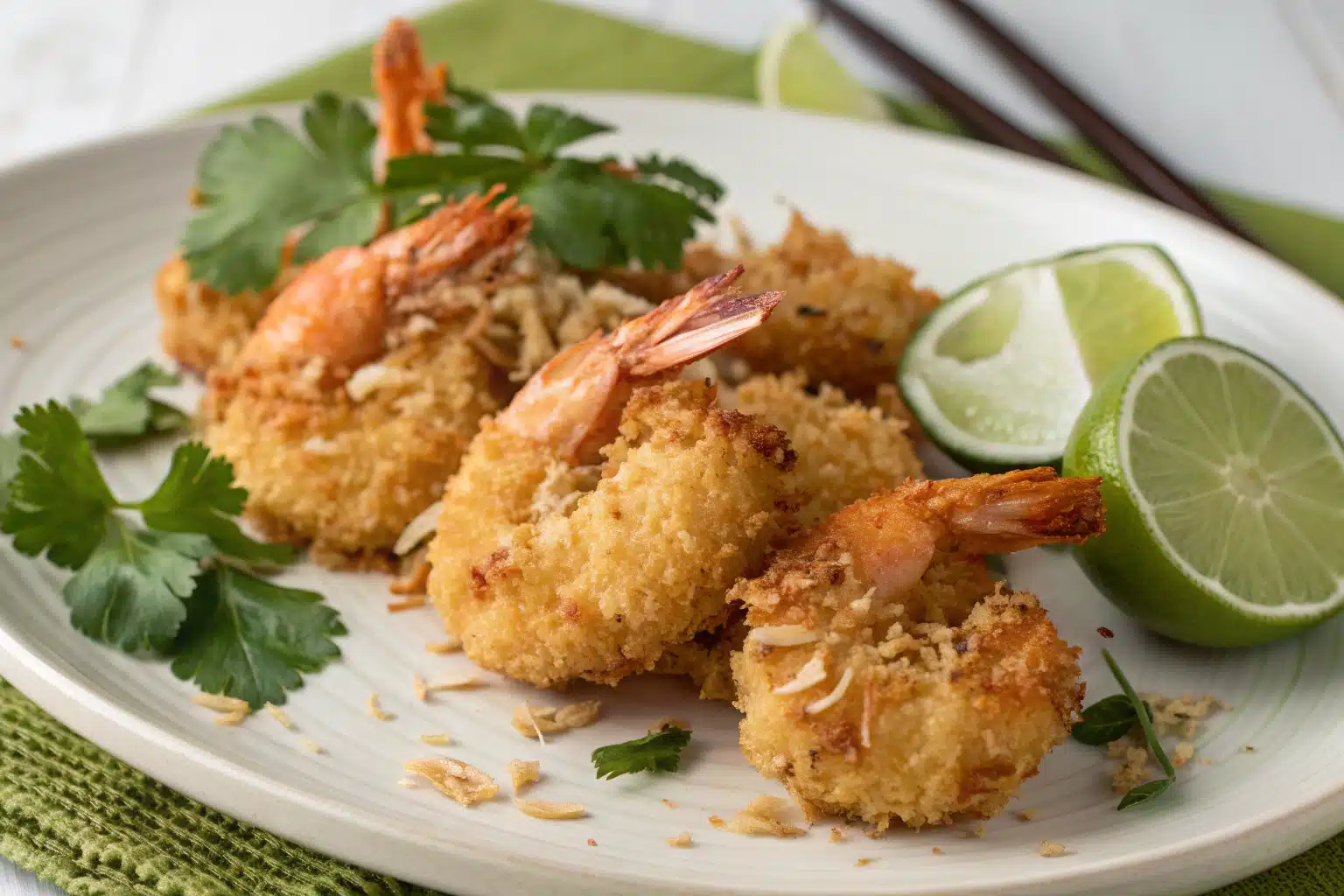
Crispy Coconut Shrimp: The Ultimate Guide to Perfect Golden Appetizers
Introduction: The Irresistible Appeal of Coconut Shrimp
What Makes Coconut Shrimp So Popular
Coconut shrimp has earned its place as one of America’s favorite seafood appetizers for good reason. The delightful contrast between juicy, tender shrimp and the crispy, golden coconut coating creates an irresistible texture that keeps people coming back for more. This tropical-inspired dish balances sweet and savory flavors perfectly, making it versatile enough to serve at casual gatherings or elegant dinner parties. Whether you’re hosting a summer barbecue or looking for a crowd-pleasing starter, coconut shrimp delivers that perfect combination of impressive presentation and delicious flavor.
The History and Evolution of Coconut Shrimp
While coconut shrimp is often associated with tropical destinations and beachside restaurants, this popular appetizer has evolved significantly over the years. Originally popularized in the Caribbean and coastal regions where both coconut and seafood were plentiful, coconut shrimp has transformed from a simple fried dish to a culinary canvas for creative flavors. Today’s coconut shrimp recipes often incorporate international influences, from Thai-inspired dipping sauces to fusion preparations that blend traditional techniques with modern ingredients.
“Want more ideas? Check out our garlic butter grilled shrimp for another delicious seafood option.”
Ingredients: Everything You Need for Perfect Coconut Shrimp
Essential Ingredients Breakdown
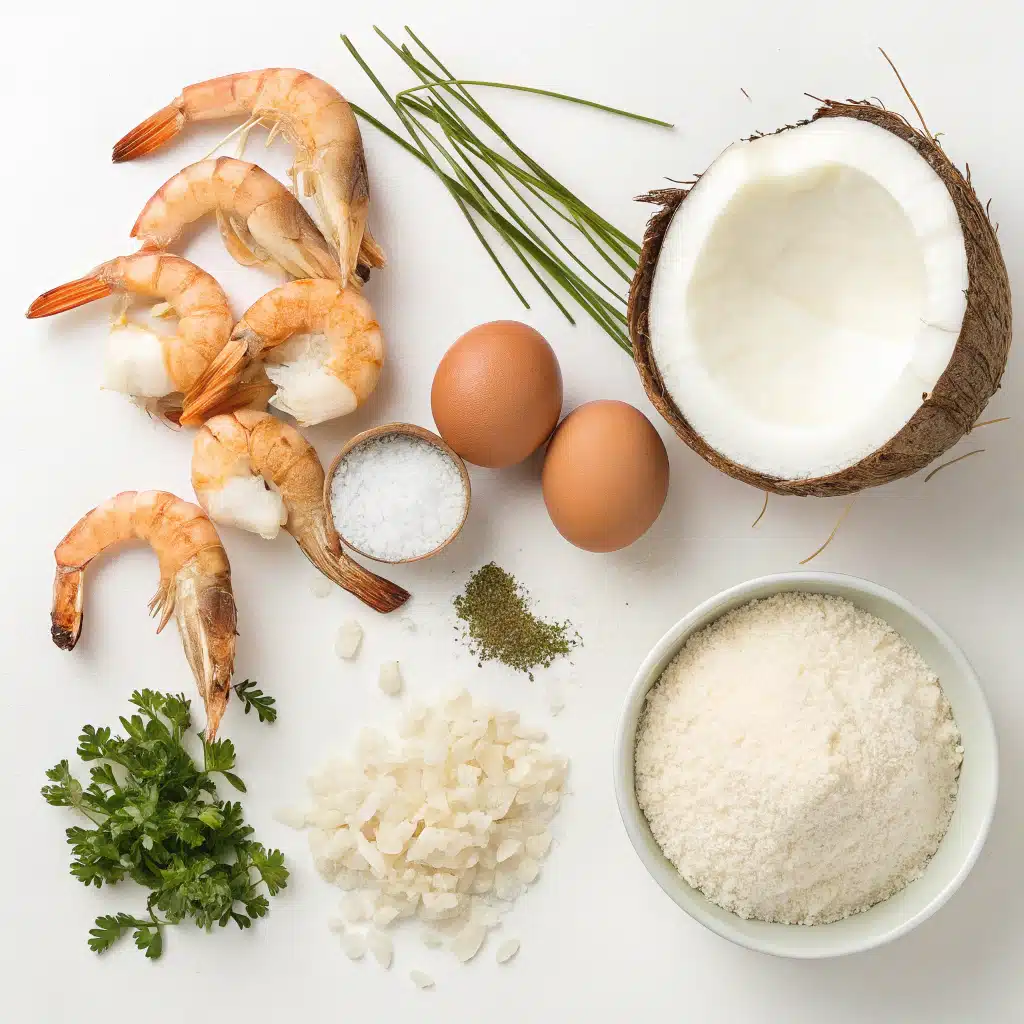
The magic of coconut shrimp lies in its simple yet carefully selected ingredients. Here’s what you’ll need to create this crowd-pleasing appetizer:
| Main Components | Quantity | Notes |
|---|---|---|
| Large shrimp | 2 pounds | Peeled and deveined with tails on |
| Large eggs | 2 | Beaten |
| Unsweetened coconut | 1 1/2 cups | Shredded |
| Panko breadcrumbs | 1/2 cup | Provides extra crispiness |
| All-purpose flour | 2 tablespoons | Helps coating adhere |
| Sesame seeds | 2 tablespoons | Adds nutty flavor |
| Paprika | 1/2 teaspoon | For color and mild spice |
| Salt and black pepper | To taste | For seasoning |
| Olive oil | As needed | For brushing |
Special Ingredients for Enhanced Flavor
To elevate your coconut shrimp to restaurant quality, consider these flavor-enhancing additions:
| Additional Ingredients | Purpose |
|---|---|
| Sweet Thai chili sauce | Base for dipping sauce |
| Fresh pineapple | Adds tropical sweetness to sauce |
| Lime zest and juice | Provides bright acidity |
| Fresh herbs (Thai basil or cilantro) | For garnish and freshness |
| Garlic | Adds depth to dipping sauce |
Step-by-Step: Making Perfect Coconut Shrimp Every Time
Preparation and Setup
- Preheat your oven to 425°F (220°C). This high temperature ensures your coconut shrimp gets perfectly crispy while keeping the inside tender.
- Prepare your baking sheets by lightly oiling them or lining with parchment paper to prevent sticking.
- Set up your breading station with three separate bowls: one for the beaten eggs, one for flour (if using separately), and one for the coconut mixture.
- Pat your shrimp dry with paper towels. This crucial step removes excess moisture, allowing the coating to adhere better and resulting in crispier coconut shrimp.
- Make the coconut coating by combining the shredded coconut, panko breadcrumbs, flour, sesame seeds, paprika, salt, and pepper in a bowl, mixing thoroughly.
The Perfect Coating Technique
- Working with a few shrimp at a time, dip each one completely in the beaten egg mixture, ensuring it’s fully coated.
- Transfer the egg-coated shrimp to the coconut mixture, pressing gently to help the coating stick to all sides.
- Place the coated shrimp on the prepared baking sheet in a single layer, leaving space between each piece to allow for even cooking and maximum crispiness.
- Once all shrimp are coated, lightly brush or drizzle olive oil over them. This helps achieve that golden-brown color and crispy texture without deep-frying. “Discover great ideas like our classic seafood salad that also features delicious seafood combinations.”
Baking to Crispy Perfection
- Place the baking sheets in the preheated oven and bake for 8-12 minutes, rotating the pans once halfway through if needed.
- Watch carefully for visual cues: the coating should turn golden brown, and the shrimp should be opaque and slightly curled, indicating they’re cooked through.
- While the shrimp bakes, prepare the pineapple chili sauce by mixing all sauce ingredients in a small bowl.
- Remove the coconut shrimp from the oven when done and let them rest for 1-2 minutes before transferring to a serving platter.
- Garnish with fresh herbs and serve immediately with the dipping sauce on the side.
Tips: Professional Secrets for Coconut Shrimp Success
Selecting and Preparing the Shrimp
Choosing the right shrimp is fundamental to creating excellent coconut shrimp. Look for large or jumbo shrimp (16-20 count per pound) as they provide the perfect bite-size and won’t overcook while the coating crisps up. Always leave the tails on—they serve as natural handles that make dipping and eating more convenient. When cleaning your shrimp, ensure they’re completely deveined, as the dark intestinal tract can add an unpleasant taste. Finally, don’t skip drying the shrimp thoroughly before coating; excess moisture is the enemy of crispiness.
Achieving the Perfect Crispy Texture
For truly crispy coconut shrimp, the ratio of coconut to panko breadcrumbs matters significantly. Too much coconut can result in a soggy coating, while too little loses the signature flavor. The 3:1 ratio of coconut to panko in our recipe provides the ideal balance. Another professional tip is to lightly toast your coconut and panko before using them in the coating—just a few minutes in a dry pan until lightly golden will enhance the flavor and crispiness of the final dish. Additionally, spacing the shrimp properly on the baking sheet ensures air circulation around each piece, preventing steam from making them soggy.
“Here’s your guide to crispy vegetable egg rolls for more delicious appetizer ideas.”
Flavor Enhancements and Variations
Take your coconut shrimp to the next level with these professional flavor tips:
- Add a tablespoon of grated fresh ginger to the coconut mixture for a subtle aromatic warmth
- Include a teaspoon of curry powder in the coating for an exotic twist
- For spicy coconut shrimp, mix in 1/4 teaspoon of cayenne pepper to the coating
- Enhance the sweetness by using a mixture of unsweetened and sweetened coconut (though keep the ratio predominantly unsweetened)
- Try infusing your olive oil with garlic or chili before brushing onto the shrimp
Storage: Keeping Your Coconut Shrimp Fresh and Crispy
Immediate Storage Solutions
Coconut shrimp is best enjoyed immediately after cooking when it’s at peak crispiness. However, if you need to store leftovers, allow them to cool completely before transferring to an airtight container lined with paper towels. The paper towels will absorb excess moisture, helping preserve the crispy texture. Refrigerate promptly and consume within 2-3 days for best quality. When storing coconut shrimp for a short time before serving, such as keeping them warm for a party, arrange them in a single layer on a wire rack placed over a baking sheet in a 200°F oven. This prevents them from steaming and becoming soggy.
Freezing and Reheating Methods
Coconut shrimp freezes surprisingly well, making it a great make-ahead option. To freeze uncooked coconut shrimp, place the coated shrimp on a baking sheet and freeze until solid, then transfer to a freezer-safe container or bag. They can be cooked directly from frozen, adding 3-5 minutes to the baking time. For freezing cooked coconut shrimp, ensure they’re completely cooled before freezing in a single layer. When properly stored, frozen coconut shrimp maintains good quality for up to 2 months.
“Looking for inspiration? Try our avocado shrimp salad for another delicious way to enjoy shrimp.”
Reviving Coconut Shrimp’s Crispiness
Reheating coconut shrimp without sacrificing texture requires the right technique. The microwave is the enemy of crispiness, turning your once-crunchy coating soft and rubbery. Instead, reheat refrigerated coconut shrimp in a 375°F oven for 5-7 minutes or in an air fryer at 350°F for 3-4 minutes. This restores the crispy exterior while gently warming the shrimp inside. For an extra crunch revival, spritz the shrimp lightly with oil before reheating. If your coconut shrimp has already lost its crispiness, try this professional rescue technique: toast additional coconut, let it cool, and sprinkle it over the reheated shrimp just before serving for a fresh crunch element.
Variations: Creative Twists on Classic Coconut Shrimp
Coconut Shrimp Fusion Flavors
Take your coconut shrimp on a global flavor journey with these innovative fusion variations:
- Thai Coconut Curry Shrimp: Add 1 tablespoon of Thai red curry paste to the egg mixture and serve with a coconut-curry dipping sauce
- Caribbean Jerk Coconut Shrimp: Mix 1 tablespoon of Jamaican jerk seasoning into the coconut coating for a spicy island twist
- Mexican Coconut-Lime Shrimp: Add lime zest to the coating and serve with a cilantro-avocado dipping sauce
- Indian-Inspired Coconut Shrimp: Incorporate 1 teaspoon of garam masala into the coating and serve with a mango chutney dip
These variations maintain the essential coconut shrimp experience while introducing exciting new flavor profiles that can transport your taste buds around the world.
Alternative Cooking Methods for Coconut Shrimp
While our recipe features a healthier baked version of coconut shrimp, several alternative cooking methods can deliver equally delicious results:
- Air Fryer Coconut Shrimp: Cook at 380°F for 8-10 minutes, flipping halfway through for exceptional crispiness with minimal oil
- Traditional Deep-Fried Coconut Shrimp: Fry in 350°F oil for 2-3 minutes until golden for the classic restaurant-style preparation
- Grilled Coconut Shrimp Skewers: Thread coated shrimp onto soaked wooden skewers and grill over medium heat for a smoky twist
- Pan-Seared Coconut Shrimp: Cook in a skillet with 2 tablespoons of coconut oil for 2-3 minutes per side for a quicker cooking method
Each technique imparts a slightly different texture and flavor profile to your coconut shrimp while maintaining its essential appeal.
“Check out our creamy coconut curry meatballs for another delicious recipe featuring coconut flavors.”
Beyond Shrimp: Other Proteins and Vegetables
The delicious coconut coating works wonderfully on more than just shrimp. Try these creative alternatives for a varied appetizer platter:
- Coconut-Crusted Mushrooms: Use the same coating on large mushroom caps for a vegetarian option
- Coconut Chicken Tenders: Substitute chicken tenders for a kid-friendly version
- Coconut Tofu Bites: Coat firm tofu cubes for a plant-based protein alternative
- Coconut Fish Nuggets: Use firm white fish cut into chunks for a different seafood experience
- Coconut Cauliflower Bites: Try cauliflower florets for a trendy vegetable option
These variations extend the coconut shrimp concept to accommodate different dietary preferences and create a more inclusive appetizer spread.
Serving: Perfect Pairings and Presentation Ideas
Dipping Sauces That Complement Coconut Shrimp
The right dipping sauce can elevate coconut shrimp from delicious to unforgettable. While our pineapple chili sauce offers a perfect sweet-spicy balance, consider these additional options:
- Mango-Habanero Sauce: Blend fresh mango with a small amount of habanero for sweet heat
- Coconut Curry Dip: Mix coconut milk with curry paste and a touch of honey
- Cilantro-Lime Aioli: Combine mayonnaise with fresh cilantro, lime juice, and zest
- Sweet Chili-Ginger Sauce: Enhance sweet chili sauce with freshly grated ginger and lime
- Tropical Fruit Salsa: Dice pineapple, mango, and papaya with red onion, jalapeño, and lime juice
Offering multiple dipping options allows guests to customize their coconut shrimp experience according to their taste preferences.
Plating and Garnishing for Visual Appeal
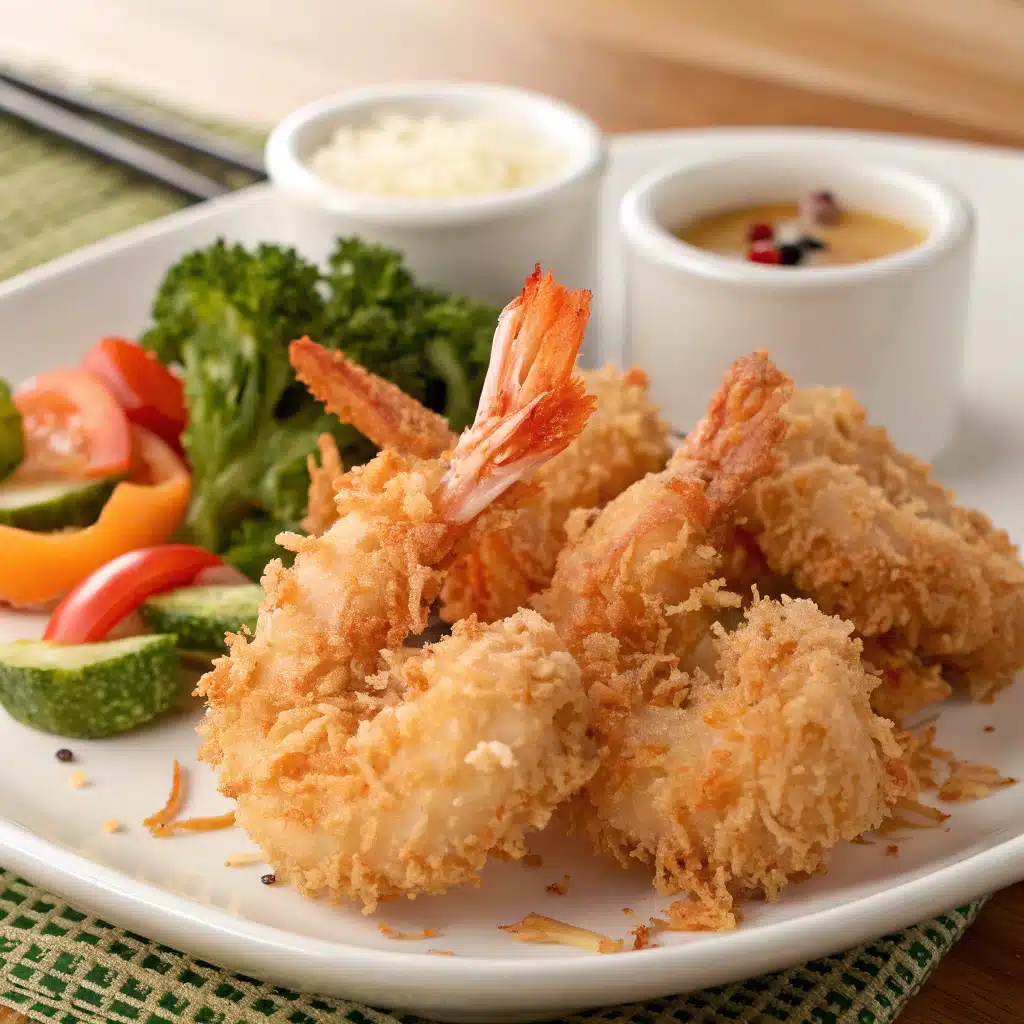
Transform your coconut shrimp from a simple appetizer to an Instagram-worthy masterpiece with these professional plating techniques:
- Arrange coconut shrimp in a circular pattern on a round plate, tails pointing outward like a sunburst
- Use a small bowl or ramekin in the center to hold dipping sauce
- Add height by creating a small mound of shredded lettuce or cabbage as a base
- Garnish with fresh herbs like cilantro, Thai basil, or mint sprigs
- Include colorful elements like thinly sliced red chilies, lime wedges, or edible flowers
- Drizzle a small amount of sauce across the plate for an artistic touch
- Serve on banana leaves or in coconut shells for a tropical presentation
Remember, we eat first with our eyes, so an attractive presentation enhances the overall experience. “Don’t miss our rice coconut milk recipe that would pair beautifully with these coconut shrimp.”
Complete Menu Ideas Featuring Coconut Shrimp
Build a cohesive menu around your coconut shrimp with these complementary dishes:
For a tropical-themed dinner party:
- Starter: Coconut shrimp with assorted dipping sauces
- Main: Grilled fish with mango salsa
- Side: Coconut rice and grilled pineapple
- Dessert: Key lime pie or coconut sorbet
For an appetizer spread:
- Coconut shrimp
- Fresh spring rolls with peanut sauce
- Tropical fruit skewers
- Mini crab cakes
- Mango and avocado salsa with chips
For a weeknight family dinner:
- Coconut shrimp as the protein
- Jasmine rice or coconut rice
- Simple green salad with ginger dressing
- Fresh fruit for dessert
FAQs: Common Questions About Coconut Shrimp
Can I bake coconut shrimp instead of frying?
Absolutely! Baking is actually a healthier and less messy alternative that still delivers wonderfully crispy coconut shrimp. The key to success is preheating your oven to 425°F, ensuring your shrimp are well-coated, and brushing them lightly with oil before baking. This method reduces calories and fat while maintaining the delicious flavor and crispy texture you love.
What dipping sauce goes best with coconut shrimp?
Sweet-spicy combinations complement coconut shrimp perfectly. Our pineapple chili sauce is a favorite, but other excellent options include mango chutney, orange marmalade mixed with a touch of dijon mustard, sweet Thai chili sauce, or a creamy coconut curry dip. The best sauces balance sweetness with a hint of acidity or heat to contrast with the coconut’s natural sweetness.
How do I keep coconut shrimp crispy?
For maximum crispiness, ensure your shrimp are thoroughly dried before coating, use a combination of coconut and panko breadcrumbs, and arrange them in a single layer during cooking with space between each piece. After cooking, serve immediately or hold in a warm (200°F) oven on a wire rack to maintain airflow around each piece. Avoid covering with foil, which traps steam and creates sogginess.
Can I make coconut shrimp in the air fryer?
Yes, an air fryer produces exceptionally crispy coconut shrimp! Preheat your air fryer to 380°F, spray the basket lightly with oil, arrange the coated shrimp in a single layer without overcrowding, and cook for 8-10 minutes, flipping halfway through. Work in batches if necessary, as overcrowding prevents proper air circulation and reduces crispiness.
Can I use frozen shrimp for coconut shrimp?
Yes, frozen shrimp works well for coconut shrimp. Thaw them completely first by placing in the refrigerator overnight or using the quick-thaw method: place in a colander under cold running water for 5-7 minutes. After thawing, pat the shrimp very dry with paper towels before coating. Properly thawed and dried frozen shrimp can be just as delicious as fresh in this recipe.
How long does coconut shrimp stay crispy after cooking?
Coconut shrimp is at peak crispiness for about 20-30 minutes after cooking. After that, the coating gradually absorbs moisture from the air and from the shrimp itself. To extend crispiness, place cooked shrimp on a wire rack rather than directly on a plate, which prevents steam from making the bottom soggy. For parties, cook in small batches throughout the event rather than all at once for the best texture. “Learn more about Thai coconut chicken curry for another delicious coconut-based recipe.”
Conclusion: Mastering the Art of Coconut Shrimp
Why This Coconut Shrimp Recipe Stands Out
This coconut shrimp recipe distinguishes itself through its perfect balance of textures and flavors. By combining unsweetened coconut with panko breadcrumbs, you achieve the ideal crispy coating without excessive sweetness. The baking method makes this recipe accessible for home cooks without the mess and added calories of deep-frying, while still delivering restaurant-quality results. Additionally, our detailed tips for shrimp selection, coating technique, and storage solutions address the common challenges that often prevent perfectly crispy coconut shrimp. Whether you’re making these for a special occasion or a weeknight treat, this foolproof approach ensures consistent, delicious results every time.
Making Coconut Shrimp Part of Your Cooking Repertoire
Coconut shrimp deserves a place in your regular cooking rotation because of its versatility and crowd-pleasing appeal. Once you master the basic technique, you can easily adapt it to different occasions and dietary preferences. Try the variations suggested to keep the dish exciting, or experiment with your own flavor combinations. The make-ahead options make it perfect for entertaining, while the quick cooking time makes it feasible for weeknight dinners.
As you become comfortable with the process, you’ll find coconut shrimp becoming one of your signature dishes—the one friends and family consistently request. With practice, you’ll develop an intuitive feel for the perfect coating consistency and cooking time, elevating this tropical favorite to a personal culinary achievement.
PrintCrispy Coconut Shrimp
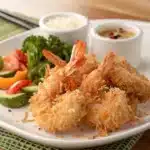
Perfectly crispy coconut shrimp with a golden exterior and tender, juicy interior, served with a sweet-spicy pineapple chili sauce.
- Prep Time: 20
- Cook Time: 12
- Total Time: 32 minutes
- Yield: 6 1x
- Category: Appetizer
- Cuisine: American
Ingredients
For the Coconut Shrimp
- 2 large eggs, beaten
- 2 pounds large shrimp, peeled and deveined, tails left on
- 1 1/2 cups shredded unsweetened coconut
- 1/2 cup panko breadcrumbs
- 2 tablespoons all-purpose flour
- 2 tablespoons sesame seeds
- 1/2 teaspoon paprika
- Salt and black pepper, to taste
- Olive oil, for brushing
For the Coconut-Crusted Mushrooms
- 12 ounces mushrooms, halved or thickly sliced
- 1 large egg, beaten
- 3/4 cup shredded unsweetened coconut
- 1/4 cup panko breadcrumbs
- 1 tablespoon all-purpose flour
- Salt and black pepper, to taste
- Olive oil, for brushing
For the Pineapple Chili Sauce
- 1/2 cup sweet Thai chili sauce
- 2 tablespoons ketchup
- 1–2 cloves garlic, grated
- 1/2 cup finely chopped pineapple
- Zest and juice of 1 lime
For Serving
- Fresh Thai basil or cilantro, for garnish
- Honey mustard or aioli, optional
Instructions
- Preheat oven to 425°F (220°C) and lightly oil two baking sheets or line with parchment paper.
- In a medium bowl, whisk eggs. In a separate bowl, combine shredded coconut, panko, flour, sesame seeds, paprika, salt, and pepper.
- Pat shrimp dry, then dip in egg mixture and press into coconut mixture, coating all sides. Place on prepared baking sheet in a single layer and brush lightly with olive oil.
- For mushrooms, dip in beaten egg, then coat in coconut mixture. Arrange on second baking sheet and brush with oil.
- Bake for 8-12 minutes until golden and crisp, rotating pans halfway through if needed.
- Meanwhile, make the sauce by combining Thai chili sauce, ketchup, garlic, pineapple, lime zest, and lime juice in a small bowl.
- Serve hot coconut shrimp and mushrooms with sauce, garnished with fresh herbs.
Notes
For maximum crispiness, don’t overcrowd the baking sheet and be sure to pat the shrimp completely dry before coating. The air fryer is also an excellent cooking method for extra-crispy results. Nutrition facts are estimates and may vary based on ingredients used, portion sizes, and preparation methods.
Nutrition
- Serving Size: 6
- Calories: 315 Kcal
- Sugar: 8g
- Sodium: 480mg
- Fat: 14g
- Saturated Fat: 9g
- Carbohydrates: 22g
- Fiber: 3g
- Protein: 24g
- Cholesterol: 235mg
Keywords: coconut shrimp, crispy shrimp, baked coconut shrimp, pineapple dipping sauce, seafood appetizer, tropical appetizer
Let’s connect! Follow me for more Joylicious Recipes: Facebook, Instagram, Pinterest