The Ultimate Seafood Chowder Recipe: Creamy, Flavorful, and Easy to Make
Introduction to Seafood Chowder
The Rich History of Seafood Chowder
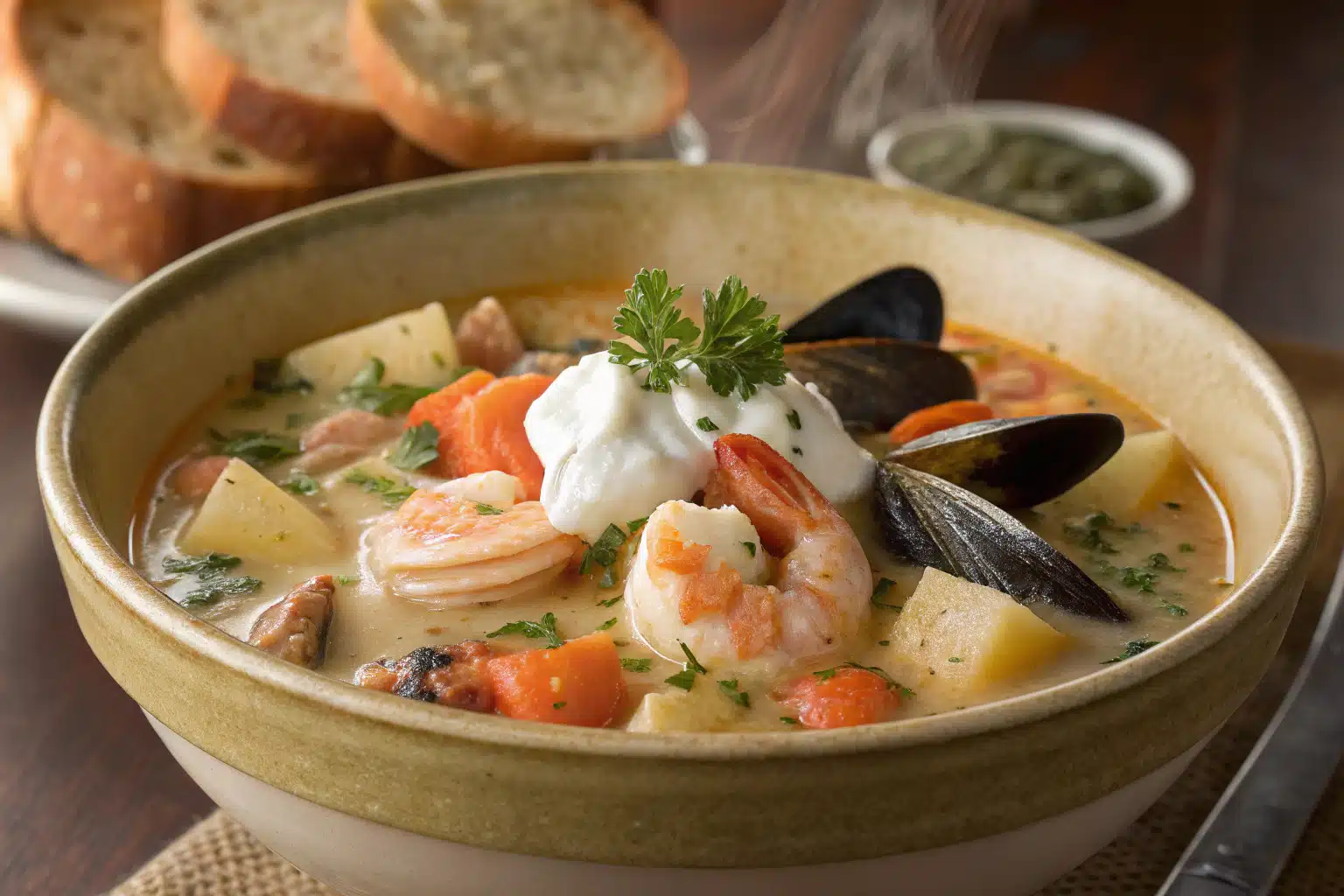
Seafood chowder has graced American tables for generations, originating as a humble fisherman’s stew that has evolved into a luxurious comfort food. This creamy, hearty dish celebrates the bounty of the sea with tender chunks of seafood swimming in a velvety broth. While many regional variations exist, the essence of a great seafood chowder remains consistent: fresh seafood, aromatic vegetables, and a rich, flavorful base.
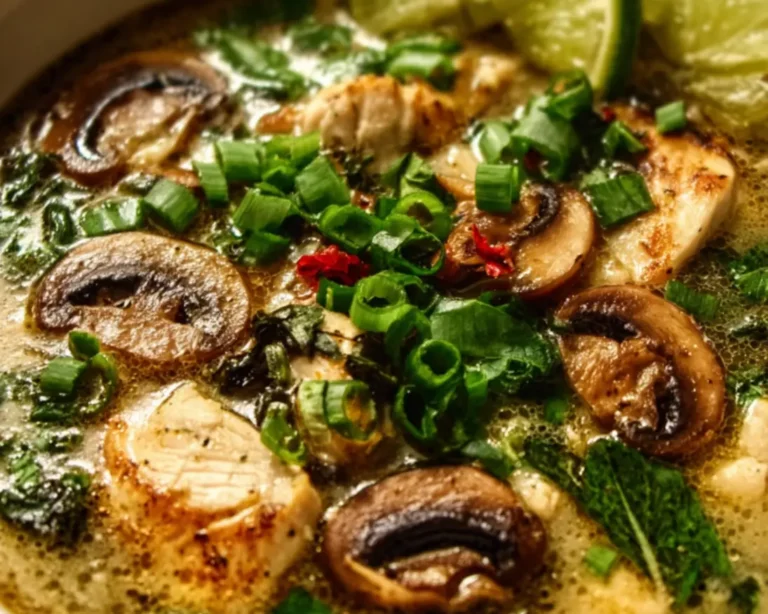
“Learn more about traditional American soups in our Turkey Sausage Mushroom Soup” that shares similar warming qualities to seafood chowder.
Why This Seafood Chowder Recipe Stands Out
What makes this seafood chowder recipe exceptional is its perfect balance of premium ingredients. We’ve combined sea scallops, white fish, lobster, and shrimp to create a luxurious medley of textures and flavors. The seafood chowder reaches new heights with a carefully crafted cream base that’s neither too thick nor too thin. Additionally, this recipe guides you through proper cooking techniques to ensure each type of seafood maintains its ideal texture – no rubbery shrimp or tough scallops here! With thoughtful attention to seasonings and the finishing touch of fresh herbs, this seafood chowder delivers restaurant-quality results in your home kitchen.
Ingredients for Perfect Seafood Chowder
The Seafood Selection
The star of any seafood chowder is, of course, the seafood itself. This recipe features a luxurious combination that provides varied textures and flavors:
| Seafood Ingredient | Quantity | Notes |
|---|---|---|
| Sea scallops | 12 large | Pat dry before cooking for best searing |
| White fish | 1 cup | Cut into bite-size pieces; cod or haddock work well |
| Lobster meat | 1 cup | Chopped, pre-cooked for convenience |
| Shrimp | 18 large | Peeled and deveined to save preparation time |
Base and Aromatics
The foundation of this seafood chowder comes from quality vegetables and dairy that create its signature creamy texture and depth of flavor:
| Base Ingredients | Quantity | Notes |
|---|---|---|
| Butter or olive oil | 2 tablespoons | For sautéing vegetables and searing scallops |
| Celery | 2 stalks | Finely diced for flavor without large chunks |
| Garlic | 2 cloves | Minced, for aromatic flavor |
| Potatoes | 2 large | Cubed, provides heartiness and thickening |
| Carrots | 2 large | Sliced, adds sweetness and color |
| Water | 4 cups | Base liquid that allows seafood flavors to shine |
| Salt | 1 teaspoon | Enhances all flavors |
| Heavy cream | 3 cups | Creates the signature rich texture |
| Black pepper | ¼ teaspoon | Fresh ground is best |
| Fresh chives | 2 tablespoons | For bright, oniony finish |
| Fresh dill | 2 tablespoons | Complements seafood perfectly |

Step-by-Step Seafood Chowder Preparation
Preparing the Seafood
Thoroughly pat the sea scallops dry with paper towels. This crucial step ensures proper searing and prevents them from steaming instead of caramelizing. Set them aside on a clean plate.
Check your white fish pieces for any remaining bones and ensure they’re cut into even, bite-sized pieces for consistent cooking.
If using frozen shrimp, make sure they’re completely thawed and pat them dry as well. Remove all shells and tails unless you prefer to keep the tails for presentation.
Examine the lobster meat to remove any shell fragments that might remain. Chop it into bite-sized pieces if it’s not already prepared. “Discover great ideas like our Garlic Butter Halibut for more seafood inspiration that complements this chowder beautifully.”
Creating the Chowder Base
In a large, heavy-bottomed pot or Dutch oven, melt the butter (or heat the olive oil) over medium heat until shimmering.
Add the finely diced celery and cook for about 3-4 minutes until it begins to soften, stirring occasionally to prevent browning.
Add the minced garlic and cook for another 30 seconds until fragrant, being careful not to burn it as this will create a bitter taste.
In a separate skillet, heat a tablespoon of butter over medium-high heat. When hot, add the dried scallops and sear for about 1-2 minutes per side until golden brown and caramelized. They should be barely cooked through as they’ll finish cooking when added back to the chowder. Transfer to a clean plate and set aside.
Return to the main pot and add the cubed potatoes and sliced carrots. Stir to coat them in the aromatic butter mixture.
Pour in the 4 cups of water and add the teaspoon of salt. Bring to a simmer over medium-high heat, then reduce to medium-low and cook for about 15 minutes, or until the potatoes and carrots are tender when pierced with a fork.
Bringing the Seafood Chowder Together
Pour in the heavy cream and return the mixture to a gentle simmer. Never allow the chowder to reach a rolling boil after adding cream, as this can cause curdling.
Gently add the white fish pieces and cook for about 3 minutes until they begin to turn opaque.
Add the shrimp and cook for another 2-3 minutes until they start to pink up but aren’t fully cooked.
Finally, add the cooked lobster meat and allow it to warm through for about 1 minute. The residual heat will complete the cooking process for all seafood without overcooking.
Season the seafood chowder with black pepper and taste to adjust salt if necessary.
Just before serving, stir in half of the fresh chopped chives and dill.
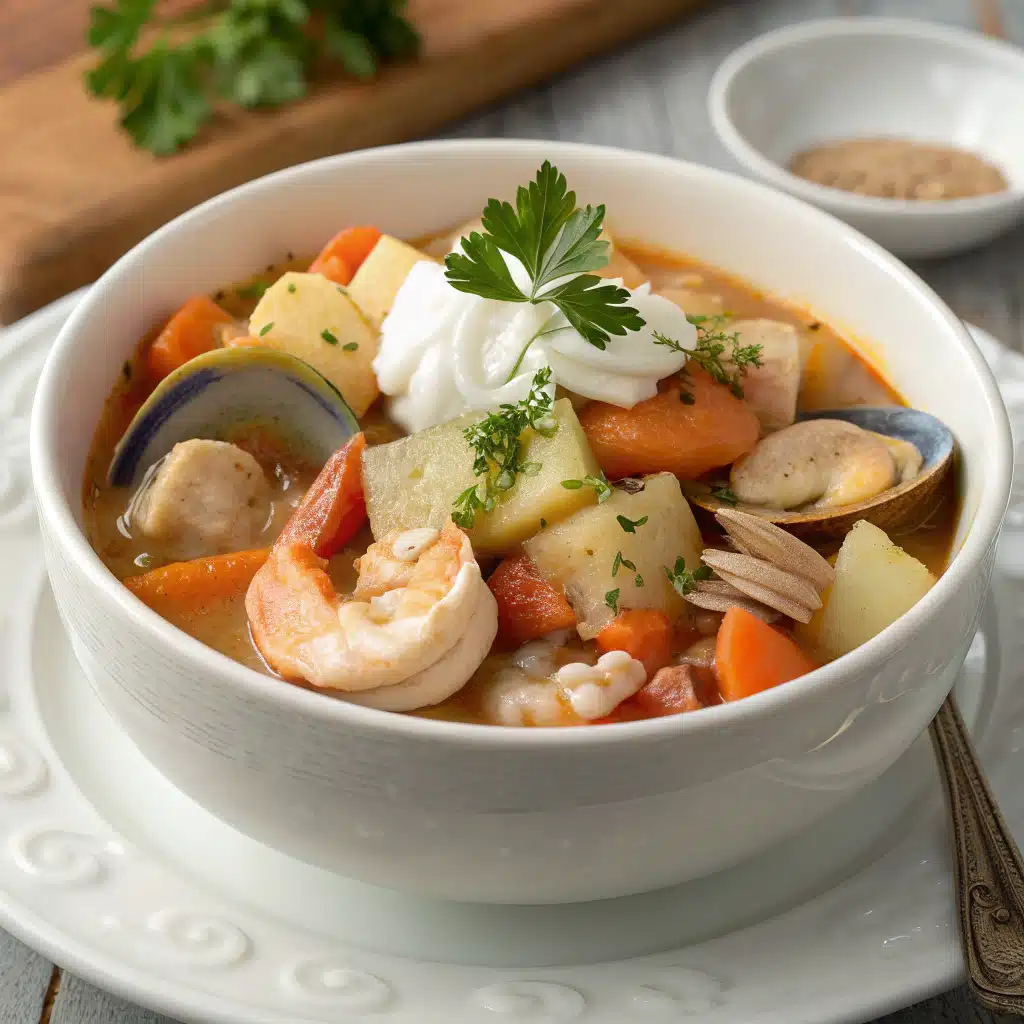
Ladle the chowder into warm bowls and place a seared scallop on top of each serving. Garnish with the remaining fresh herbs for a restaurant-quality presentation.
Tips for Perfect Seafood Chowder
Avoiding Common Pitfalls
When making seafood chowder, timing is everything. One of the biggest mistakes home cooks make is overcooking the seafood, which results in rubbery textures and lost flavors. Always add your seafood in stages based on cooking time – firm white fish first, then shrimp, with pre-cooked lobster added just to warm through. Additionally, never boil your chowder after adding cream; maintain a gentle simmer to prevent curdling. Lastly, be patient with building your flavor base – those few extra minutes spent sautéing vegetables properly will create depth that elevates your seafood chowder from good to exceptional.
Selecting the Best Seafood
The quality of your seafood chowder depends heavily on the seafood you select. Here are some tips for choosing the best ingredients:
• Sea scallops: Look for “dry” scallops rather than “wet” ones, which have been treated with preservatives. Dry scallops sear better and have superior flavor.
• White fish: Firm varieties like cod, haddock, or halibut work best as they hold their shape in the chowder. Avoid delicate fish that might disintegrate during cooking.
• Shrimp: When possible, choose wild-caught shrimp for better flavor. Size 16/20 (meaning 16-20 shrimp per pound) is ideal for chowder as they’re substantial without being overwhelming.
• Lobster: If fresh lobster isn’t available, high-quality frozen lobster meat is a convenient alternative. “Check out our Savory Crab Cheesecake for another delicious seafood appetizer that pairs wonderfully with this chowder.”
The Secret to Creamy Texture
The signature velvety consistency of great seafood chowder comes from several techniques. First, the starch from the potatoes naturally thickens the broth as they cook. For even more body, you can mash a few potato pieces against the side of the pot. Second, use full-fat heavy cream for the richest texture – light cream or half-and-half won’t provide the same luxurious mouthfeel. Finally, allow your chowder to rest for 5-10 minutes before serving; this short rest integrates flavors and allows the texture to develop further.
Storage and Make-Ahead Options for Seafood Chowder
Refrigerating Seafood Chowder
Properly stored seafood chowder can be refrigerated for 2-3 days, though it’s always best enjoyed the day it’s made. To refrigerate leftovers, first allow the chowder to cool completely but don’t leave it at room temperature for more than two hours. Transfer to airtight containers, leaving some space at the top as the chowder may expand slightly. When reheating, do so gently over low heat, stirring occasionally to prevent the cream from separating. Never bring leftover seafood chowder to a boil as this can break the cream and toughen the seafood.
“Looking for inspiration? Try our Coconut Shrimp recipe for another seafood dish that stores well for make-ahead meal planning.”
Freezing Considerations
While cream-based soups generally don’t freeze well, you can freeze seafood chowder with a few modifications. For best results, prepare the chowder up to the point of adding cream and seafood, then freeze this base. When ready to serve, thaw overnight in the refrigerator, then heat gently and add fresh cream and seafood according to the recipe instructions. If you must freeze fully prepared seafood chowder, be aware that the texture may change slightly and some separation might occur. Reheat frozen chowder slowly, possibly adding a little fresh cream to restore the consistency.
Making Seafood Chowder in Advance
When preparing seafood chowder for special occasions, you can make components ahead of time. The vegetable base can be prepared a day in advance and refrigerated. On serving day, reheat the base, add the cream and cook the seafood as directed. For the most impressive presentation when serving guests, consider searing the scallops just before serving so they maintain their perfect caramelization and tender texture. This approach gives you the convenience of advance preparation without sacrificing the fresh quality that makes seafood chowder special.
Variations on Classic Seafood Chowder
Regional Seafood Chowder Styles
Seafood chowder takes on different characteristics depending on the region. New England-style seafood chowder, like this recipe, features a creamy base enriched with dairy. For a Manhattan-style variation, replace the cream with tomatoes and tomato juice for a brighter, tangier flavor profile. In the Pacific Northwest, smoked salmon often makes an appearance in seafood chowder, adding a wonderful depth. Down south, Cajun seafood chowder incorporates spices like cayenne and paprika for heat, often using crawfish alongside other seafood. Try incorporating regional touches that speak to your personal taste or heritage for a customized seafood chowder experience.
“Don’t miss our Classic Seafood Salad for another regional favorite that celebrates fresh seafood.”
Dairy-Free and Lighter Options
For those avoiding dairy, seafood chowder can be adapted without sacrificing creaminess. Replace heavy cream with full-fat coconut milk for a tropical twist that pairs beautifully with seafood. Alternatively, create a roux with olive oil and flour, then add fish stock and unsweetened almond milk for body. For a lighter version that maintains richness, use half the cream and supplement with additional stock, then thicken slightly with a tablespoon of cornstarch mixed with cold water added during the final simmer. These modifications allow everyone to enjoy the comfort of seafood chowder regardless of dietary preferences.
Seasonal Adaptations for Seafood Chowder
Seafood chowder readily accommodates seasonal ingredients, making it versatile year-round. In spring, add tender asparagus tips or fresh peas in the last few minutes of cooking. Summer seafood chowder benefits from fresh corn kernels cut from the cob and a handful of cherry tomatoes. Fall versions might include diced butternut squash alongside the potatoes for sweetness and color. Winter seafood chowder welcomes hearty additions like kale or spinach stirred in just before serving. Adjusting herbs seasonally – dill and chives in spring/summer, thyme and sage in fall/winter – keeps your seafood chowder in harmony with the season’s best flavors.
Serving Suggestions for Seafood Chowder
Perfect Accompaniments
Seafood chowder shines as the star of a meal, but thoughtfully chosen accompaniments elevate the dining experience. Crusty bread is essential – a sourdough boule or baguette provides the perfect vehicle for sopping up every last drop of the creamy broth. For a more substantial meal, serve smaller portions of seafood chowder as a starter, followed by a simple green salad dressed with lemon vinaigrette. If serving the chowder as a main course, oyster crackers or homemade croutons add welcome texture. For special occasions, consider serving individual bread bowls that can be torn apart and enjoyed as the meal progresses.
“Want more ideas? Check out our Roasted Poblano Corn Chowder for inspiration on creative chowder presentations.”
Garnishing for Presentation
The visual appeal of seafood chowder can be enhanced with thoughtful garnishes that also contribute flavor. Beyond the recommended fresh herbs, consider these elegant finishing touches:
• A light dusting of smoked paprika for color contrast and a hint of smokiness
• A small drizzle of high-quality olive oil that creates appealing droplets on the surface
• Microgreens or pea shoots for a fresh, vibrant element
• Crispy fried leeks or shallots for texture and visual interest
• Lemon zest curls for brightness that cuts through the richness
Creating a Complete Seafood Dinner
To build a complete seafood-themed dinner around your chowder, consider balance in flavors and textures. Start with a light appetizer like cucumber rounds topped with herbed cream cheese and smoked salmon. Serve the seafood chowder as your main course with crusty bread and a crisp green salad featuring fennel and citrus segments. For dessert, continue the coastal theme with a light lemon pudding or key lime tart that provides refreshing contrast to the rich chowder. If you’re hosting a dinner party, a signature beverage like sparkling water with cucumber and mint completes the experience without overpowering the delicate seafood flavors.
Frequently Asked Questions About Seafood Chowder
What seafood works best in a creamy seafood chowder?
Firm white fish like cod, haddock, or halibut work exceptionally well as they hold their shape during cooking. Shellfish including shrimp, scallops, and lobster add luxury and varied textures. Clams and crab also make excellent additions. The key is using seafood with similar cooking times together or adding them in stages to prevent overcooking.
Can seafood chowder be made without heavy cream?
Absolutely! For a lighter version, substitute half-and-half or evaporated milk. For dairy-free options, full-fat coconut milk creates a velvety texture that pairs beautifully with seafood. Another approach is using puréed cooked potatoes or cauliflower to thicken the broth naturally without cream.
How do you prevent seafood from overcooking in chowder?
Add seafood in stages based on cooking times: firm fish first (3-4 minutes), followed by shrimp (2-3 minutes), with pre-cooked seafood added last just to warm through. Keep the chowder at a gentle simmer, never boiling. Consider cooking delicate seafood separately (especially scallops) and adding them to individual servings.
Can seafood chowder be made ahead of time?
Yes, but with some modifications. Prepare the base with vegetables and potatoes up to two days ahead, refrigerating after cooling. On serving day, reheat the base, add cream, then cook the seafood just before serving. Fully prepared chowder can be refrigerated for 2-3 days but the seafood texture may suffer slightly when reheated.
Is seafood chowder better thick or brothy?
This is largely a matter of personal preference. New England-style chowders are traditionally thicker, while Maine-style tends to be brothy. For thicker chowder, you can mash some of the potatoes against the side of the pot or add a tablespoon of cornstarch mixed with cold water. For brothy versions, simply add more stock or water.
Can seafood chowder be frozen?
While possible, freezing isn’t ideal for cream-based chowders as they can separate upon thawing. For best results, freeze the chowder base before adding cream or seafood. If freezing the complete chowder, reheat very gently, stirring frequently, and be prepared to add a little fresh cream to restore the texture.
Conclusion
Why Homemade Seafood Chowder Is Worth the Effort
There’s something truly special about homemade seafood chowder that no restaurant or canned version can match. When you prepare this dish from scratch, you control every element – from the freshness of the seafood to the richness of the broth. This seafood chowder recipe allows you to customize according to what’s available and what you love. The process itself connects you to coastal cooking traditions that have brought comfort and nourishment for generations. While it might seem complicated at first glance, this seafood chowder recipe breaks down the process into manageable steps that even novice cooks can master.
“Here’s your guide to Chili Lime Salmon for another seafood recipe that’s equally rewarding to make at home.”
Mastering the Art of Seafood Chowder
As with many classic dishes, making seafood chowder becomes easier and more intuitive with practice. Your first attempt may not be perfect, but each time you prepare this recipe, you’ll develop a better sense of timing, seasoning, and balance. Soon, you’ll find yourself confidently making adjustments based on available ingredients and personal preferences – perhaps adding a splash of white wine to the base or experimenting with different herb combinations.
The techniques you learn making seafood chowder – properly searing scallops, creating a flavorful base, and cooking seafood to the perfect doneness – transfer to many other dishes in your cooking repertoire. Consider this recipe not just a means to a delicious end, but an opportunity to develop valuable culinary skills that will serve you well beyond this single dish.
PrintSeafood Chowder

Luxurious seafood chowder featuring sea scallops, white fish, lobster and shrimp in a velvety cream base. Restaurant-quality results at home!
- Prep Time: 20
- Cook Time: 35
- Total Time: 55 minutes
- Yield: 6 1x
- Category: Main Dish
- Cuisine: American
Ingredients
- 12 large sea scallops
- 1 cup firm white fish, bite-size pieces
- 1 cup cooked lobster meat, chopped
- 18 large shrimp, peeled and deveined
- 2 tablespoons butter or olive oil
- 2 celery stalks, finely diced
- 2 garlic cloves, minced
- 2 large potatoes, cubed
- 2 large carrots, sliced
- 4 cups water
- 1 teaspoon salt
- 3 cups heavy cream
- ¼ teaspoon black pepper
- 2 tablespoons fresh chives
- 2 tablespoons fresh dill
Instructions
- Pat scallops dry thoroughly with paper towels and set aside.
- In a large pot, melt butter over medium heat and cook diced celery for 3-4 minutes until softened. Add minced garlic and cook 30 seconds more.
- In a separate skillet, sear scallops in butter until golden brown, about 1-2 minutes per side. Remove and set aside.
- Add potatoes and carrots to the main pot, then add water and salt. Simmer for about 15 minutes until vegetables are tender.
- Add heavy cream and bring to a gentle simmer (never boil).
- Add white fish and cook for 3 minutes, then add shrimp for 2-3 minutes, and finally add lobster just to warm through.
- Season with black pepper, stir in half the fresh herbs, and serve with seared scallops on top, garnished with remaining herbs.
Notes
Nutrition facts are estimates and may vary based on ingredients used, portion sizes, and preparation methods.
Nutrition
- Serving Size: 6
- Calories: 480 Kcal
- Sugar: 3g
- Sodium: 620mg
- Fat: 35g
- Saturated Fat: 21g
- Carbohydrates: 18g
- Fiber: 2g
- Protein: 25g
- Cholesterol: 210mg
Keywords: seafood chowder, creamy seafood soup, scallop chowder, lobster chowder, seafood stew
Let’s connect! Follow me for more Joylicious Recipes: Facebook, Instagram, Pinterest