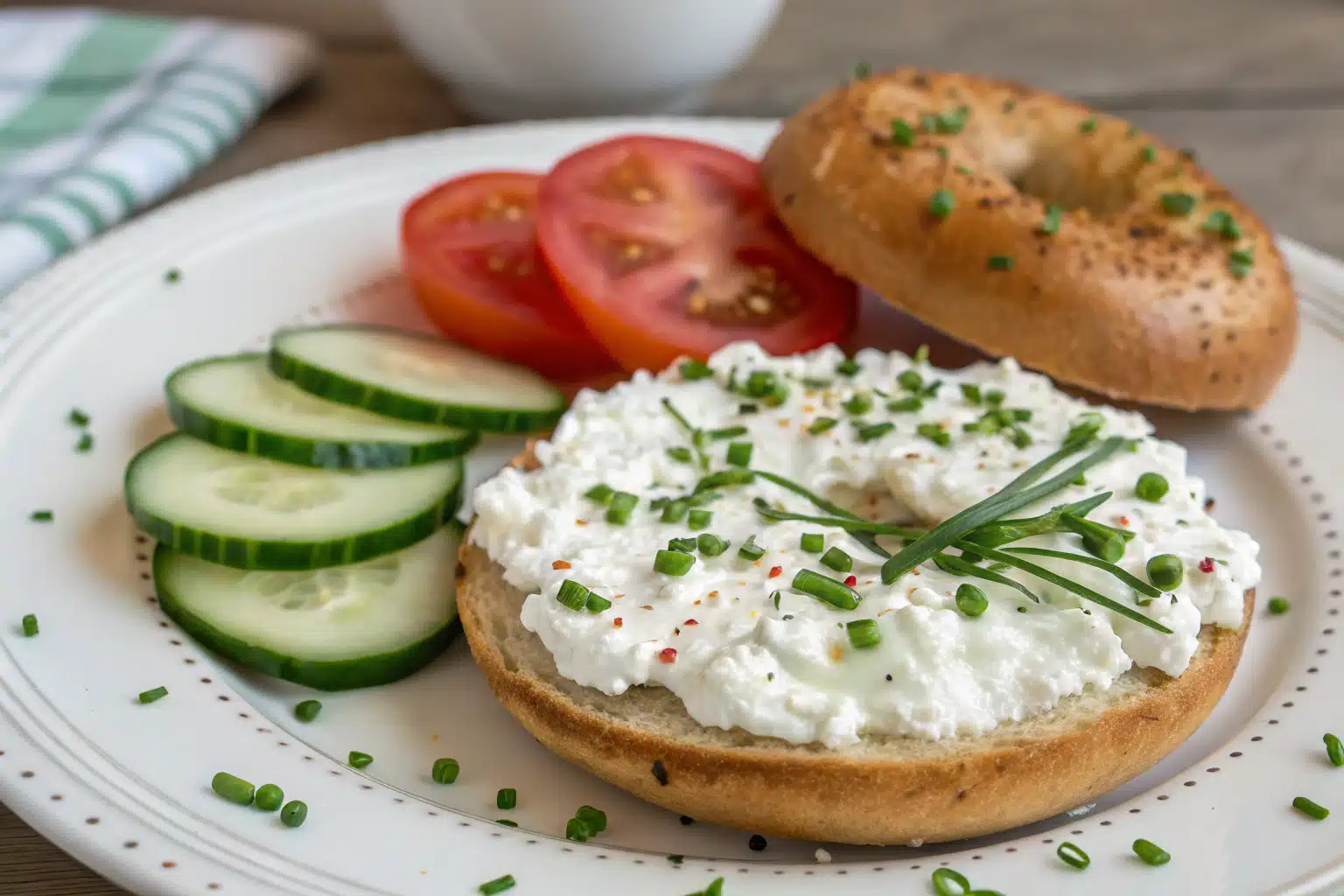
Cottage Cheese Bagel Recipe: Easy High-Protein Breakfast You’ll Love
Introduction: The Perfect Protein-Packed Breakfast
Why Cottage Cheese Bagels Are Trending
Cottage cheese bagel recipes have taken the breakfast world by storm, and for good reason. These delicious, homemade bagels combine the chewy satisfaction of traditional bagels with the protein-rich benefits of cottage cheese. Recently popularized by celebrities like Bethenny Frankel, this recipe has become a viral sensation for health-conscious food lovers. The best part? These bagels require just a few simple ingredients and can be made without yeast or the traditional boiling step that makes regular bagel recipes intimidating.
Health Benefits of Cottage Cheese Bagels
What makes cottage cheese bagel recipes truly special is their impressive nutritional profile. Unlike traditional bagels that are primarily carbohydrates, these high-protein alternatives pack approximately 14 grams of protein per bagel. Cottage cheese is naturally rich in protein and calcium while being relatively low in calories and fat.
“Learn more about protein-rich breakfast options in our crispy chicken caesar sandwich collection that can complement these bagels perfectly.”
When combined with fiber from the flour, you get a satisfying breakfast that keeps you fuller longer and helps maintain steady energy levels throughout the morning.
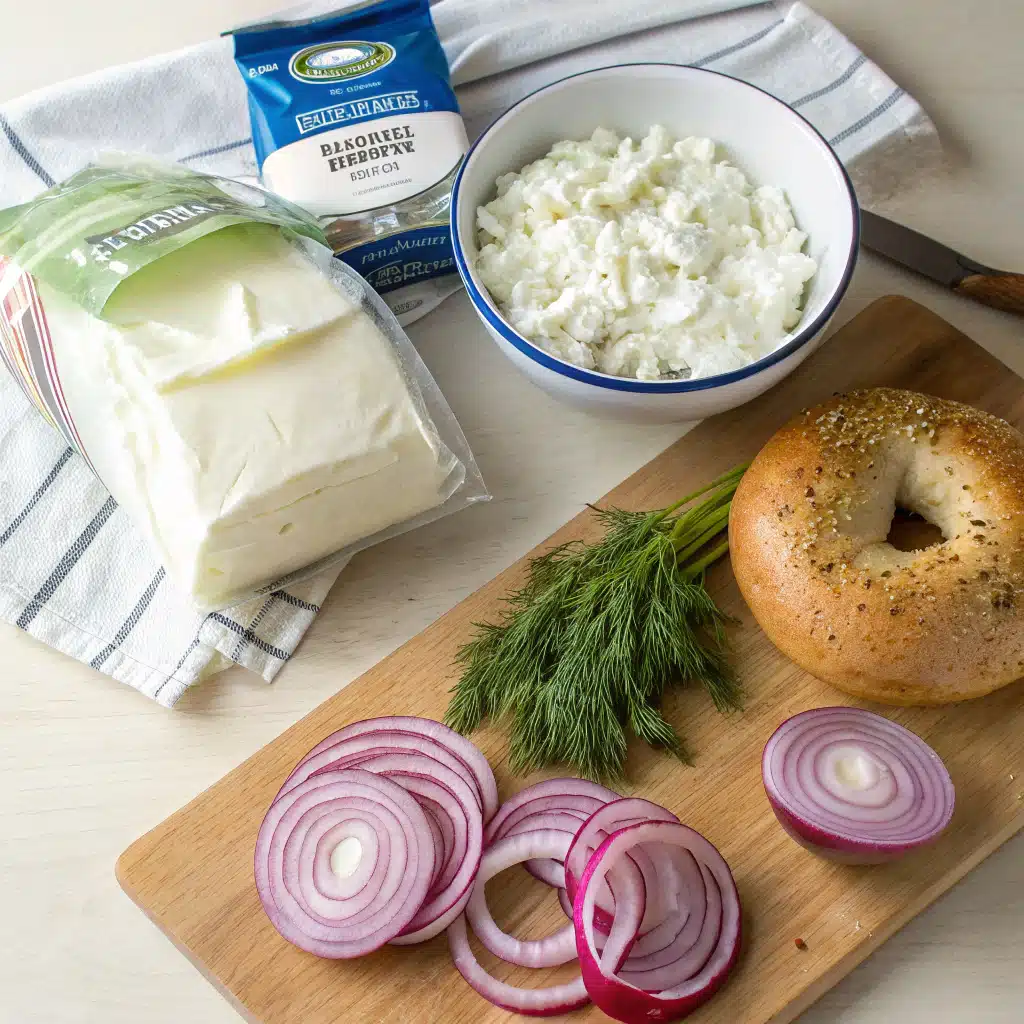
Ingredients: What You’ll Need for Cottage Cheese Bagels
Basic Ingredients List
| Ingredient | Amount | Notes |
|---|---|---|
| Cottage cheese | 1 cup | Full-fat or low-fat both work |
| Self-raising flour | 1 ¼ cup | OR all-purpose flour |
| Baking powder | 2 ½ teaspoons | Only if using all-purpose flour |
| Salt | Pinch | Enhances flavor |
| Egg (for wash) | ½ beaten egg | Creates golden crust |
| Everything bagel seasoning | To taste | Optional topping |
| Sesame seeds/poppy seeds | To taste | Optional toppings |
Ingredient Substitutions and Tips
The beauty of this cottage cheese bagel recipe lies in its flexibility. If you don’t have self-raising flour, all-purpose flour works perfectly when combined with baking powder. For the egg wash, you can substitute olive oil for a vegan option. The cottage cheese is the star ingredient and should not be substituted, as it provides both moisture and protein to the dough. However, you can use any fat percentage that suits your dietary preferences. The everything bagel seasoning can be store-bought or homemade by combining sesame seeds, poppy seeds, dried garlic, dried onion, and salt.
Step-by-Step: Making Perfect Cottage Cheese Bagels
Preparing the Dough
- Set the oven to 350°F (175°C) and prepare a baking tray with parchment paper.
- In a large mixing bowl, add the flour and a pinch of salt, then stir to combine. If using all-purpose flour, add the 2½ teaspoons of baking powder at this stage.
- Blend the cottage cheese in a food processor or blender until completely smooth with no lumps. This step is crucial for a consistent dough texture.
- Add the blended cottage cheese to the flour mixture and mix with a wooden spoon until it begins to form a rough ball.
- Use your hands to bring the dough together completely. The texture should be slightly tacky but not overly sticky.
Shaping and Preparing the Bagels
“Discover great ideas like our crispy bagel bites recipe for more delicious ways to enjoy bagel-inspired treats.”
- Transfer the dough to a lightly floured surface and knead for 2-3 minutes until smooth and elastic. If the dough feels too sticky, gradually add small amounts of flour until it’s easier to work with.
- Shape the dough into a ball and cut it into 4 equal pieces using a knife or dough scraper.
- Roll each piece into a smaller ball with your hands.
- Create the bagel shape using one of two methods:
- Method 1: Poke your finger through the center of each ball and gently stretch to form a 1-inch hole. The hole should be larger than you think necessary as it will shrink during baking.
- Method 2: Roll each ball into a thick rope shape (about 8 inches long), then join the ends together, pressing firmly to seal.
- Place the shaped bagels on the prepared baking tray, leaving at least 2 inches between each.
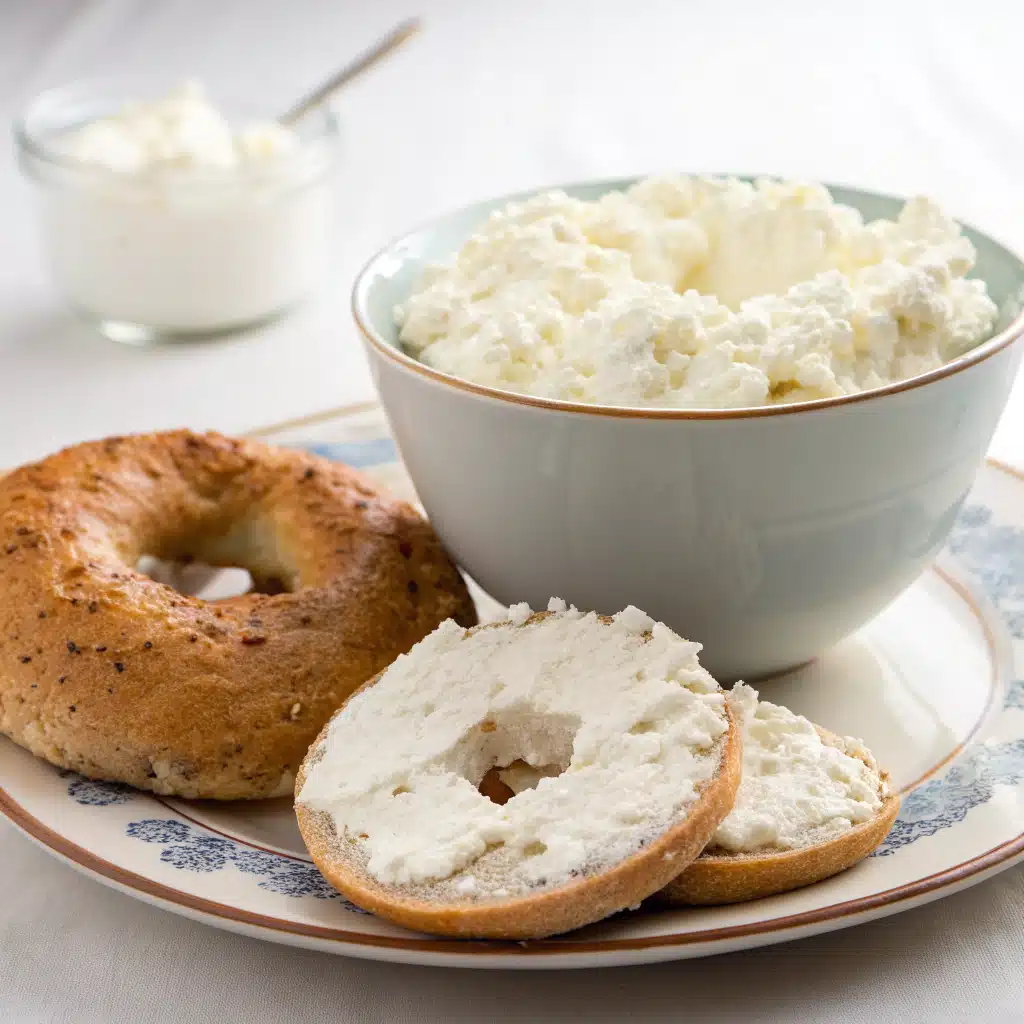
Baking and Finishing
- Brush each bagel generously with the beaten egg wash (or olive oil if preferred).
- Sprinkle your choice of toppings (everything bagel seasoning, sesame seeds, or poppy seeds) over the bagels, gently pressing them into the surface so they adhere during baking.
- Bake in the preheated oven for 25–30 minutes, or until golden brown. The exact time may vary depending on your oven’s strength.
- For air fryer method: Spray the air fryer basket with oil, place bagels inside with space between them, and air fry at 325°F (160°C) for 17-20 minutes.
- Allow the bagels to cool on a wire rack for at least 15 minutes before slicing and serving.
Tips: Perfecting Your Cottage Cheese Bagel Recipe
Troubleshooting Common Issues
Making perfect cottage cheese bagels might require some practice, but these troubleshooting tips will help you avoid common pitfalls. If your dough is too wet, add flour gradually until it reaches a workable consistency. Different brands of cottage cheese have varying moisture levels, so adjustments may be necessary. Conversely, if the dough feels too dry or crumbly, add a teaspoon of water at a time until it comes together.
“Check out our easy condensed milk bread recipe for another simple bread option with different texture techniques.”
For bagels that aren’t rising properly, ensure your baking powder is fresh if using all-purpose flour. The hole in the center often closes up during baking if it’s not made large enough initially—aim for a 1.5-inch hole that will shrink to the perfect size. If your bagels are browning too quickly, place a sheet of foil loosely over them during the last 10 minutes of baking.
Achieving the Perfect Texture
The secret to achieving that authentic bagel chew with a tender interior comes down to technique. Don’t skip the kneading step, as it develops the gluten in the flour, contributing to the characteristic chewy texture. Blending the cottage cheese until completely smooth is non-negotiable—any remaining lumps will create inconsistencies in your dough.
For a shinier crust, make sure your egg wash is thoroughly beaten and applied generously. The thickness of your bagels will affect baking time and texture—thinner bagels will be crispier, while thicker ones will have a softer center. For best results, aim for a uniform thickness of about 1 inch at the thickest part of the bagel ring.
Time-Saving Techniques
This cottage cheese bagel recipe is already quicker than traditional bagel recipes, but you can streamline the process even further. Prepare the dough the night before and refrigerate it in a covered bowl—this not only saves time but can enhance flavor development. You can also freeze the shaped, unbaked bagels on a baking sheet, then transfer them to a freezer bag once solid. When ready to bake, simply thaw for 30 minutes, apply the egg wash and toppings, and bake as directed (adding about 5 minutes to the baking time).
For even faster results, make eight smaller bagels instead of four large ones—they’ll bake in just 18-20 minutes. If you’re really pressed for time, skip the hole altogether and make cottage cheese flatbreads using the same dough, rolled thin and baked for 15 minutes.
Storage: Keeping Your Cottage Cheese Bagels Fresh
Short-Term Storage
Freshly baked cottage cheese bagels can be stored at room temperature for up to 2 days when kept in an airtight container or sealed plastic bag. For the best texture, avoid refrigerating them, as this can make them become tough and dry.
“Want more ideas? Check out our red velvet brownies for more baked goods that store well alongside your bagels.”
If you’ve already sliced your bagels, place a piece of parchment paper between the cut sides to prevent them from drying out. To refresh day-old bagels, sprinkle them lightly with water and warm in a 350°F oven for 5 minutes, or toast them for that just-baked crispness.
Freezing Instructions
These protein-packed bagels freeze beautifully, making them perfect for meal prep. Allow the bagels to cool completely before freezing to prevent ice crystals from forming. Slice them before freezing for convenience—this way, you can toast them directly from frozen without thawing first.
For best results, wrap each bagel individually in plastic wrap, then place them in a freezer-safe zip-top bag, removing as much air as possible before sealing. Label with the date and use within 3 months for optimal quality. To thaw, leave at room temperature for about an hour, or microwave for 20-30 seconds before toasting.
Reheating Methods
There are several ways to reheat your cottage cheese bagels, depending on your preference and time constraints:
- Toaster: The quickest method—simply toast the sliced bagel to your desired level of crispness. Works great from frozen or fresh.
- Oven: Preheat to 350°F, sprinkle the bagel with a few drops of water, and heat for 5-10 minutes until warmed through and slightly crispy on the outside.
- Air fryer: 3-4 minutes at 320°F will restore the crispy exterior while keeping the inside tender.
- Microwave: For a softer texture, wrap the bagel in a damp paper towel and microwave for 20-30 seconds. This is best followed by a quick toast if you prefer some crispness.
Variations: Creative Cottage Cheese Bagel Recipes
Sweet Cottage Cheese Bagel Variations
While the classic cottage cheese bagel recipe uses a plain base with savory toppings, there are endless possibilities for sweet variations. Try adding 2 tablespoons of honey or maple syrup to the dough for natural sweetness. Cinnamon raisin lovers can mix in 1 tablespoon of cinnamon and ⅓ cup of raisins before shaping.
“Here’s your guide to strawberry shortcake ice cream that pairs wonderfully with these sweet bagel variations for a special breakfast treat.”
Blueberry bagels are another popular option—fold in ½ cup of fresh or frozen blueberries after kneading the dough. For chocolate chip bagels, add ¼ cup mini chocolate chips to the dough. After baking, you can enhance sweet bagels with a light glaze made from powdered sugar and milk, or spread them with flavored cream cheese or nut butter.
Savory Cottage Cheese Bagel Variations
The versatility of the cottage cheese bagel recipe shines in savory variations too. Add Italian herbs like oregano, basil, and rosemary (1 tablespoon total) for an herbed version. Cheese lovers can fold in ¼ cup of shredded cheddar or parmesan into the dough before shaping.
For garlic bagels, add 2 teaspoons of garlic powder to the flour mixture and top with minced garlic mixed with olive oil before baking. Jalapeño cheddar bagels are a spicy favorite—mix in ¼ cup of shredded cheddar and 2 tablespoons of finely diced jalapeños. Everything bagels can be made by mixing the everything seasoning directly into the dough as well as sprinkling it on top.
Dietary Adaptation Options
This cottage cheese bagel recipe is naturally high in protein, but it can be adapted for various dietary needs. For gluten-free bagels, substitute the regular flour with a 1:1 gluten-free flour blend and add ½ teaspoon of xanthan gum if it’s not already included in the blend.
To make the recipe dairy-free, use a plant-based cottage cheese alternative (though the protein content may be lower). For lower-carb versions, replace ¼ cup of the flour with almond flour or ground flaxseed. Those watching sodium can skip the added salt and use sodium-free baking powder.
For extra protein, add 2 tablespoons of unflavored protein powder to the flour mixture. Whole grain enthusiasts can use half whole wheat flour and half all-purpose flour for added fiber and nutrients.
Serving: Delicious Ways to Enjoy Your Cottage Cheese Bagels
Classic Bagel Toppings
Once you’ve mastered the cottage cheese bagel recipe, it’s time to explore delicious ways to enjoy your creation. Classic bagel toppings work beautifully with these protein-rich alternatives. Cream cheese is the traditional choice—try whipped varieties for easier spreading or flavored options like scallion, strawberry, or herb for extra dimension.
Smoked salmon with cream cheese, capers, red onion, and dill creates an elegant brunch option. For a simpler approach, good quality butter (either salted or unsalted) allows the bagel’s own flavor to shine through. Cream cheese and jam provide a perfect sweet-tangy balance, while hummus offers a dairy-free option that adds additional protein.
Breakfast Sandwich Ideas
“Looking for inspiration? Try our chicken caesar salad wrap recipe for more ideas that can be adapted to these high-protein bagels.”
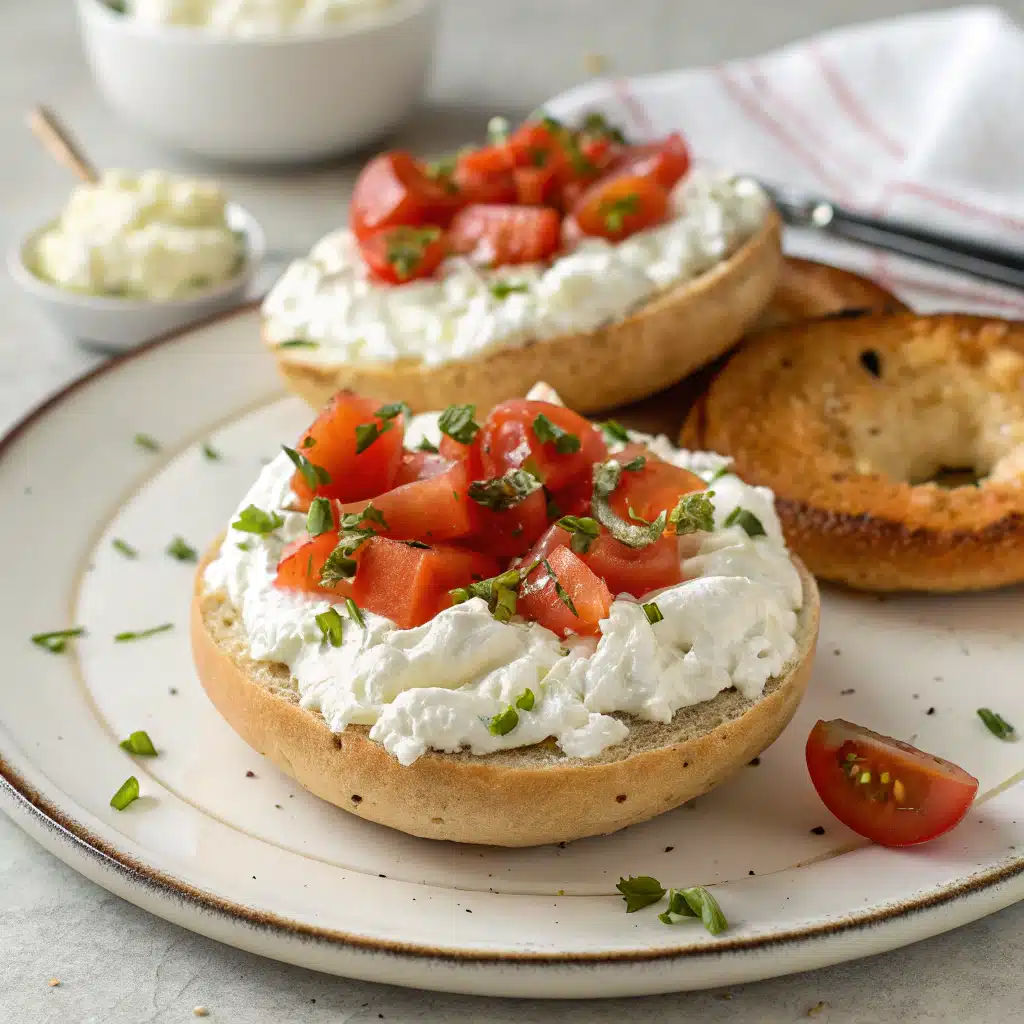
Transform your cottage cheese bagels into satisfying breakfast sandwiches that will keep you energized all morning. For a classic approach, add scrambled or fried eggs with cheese and a slice of tomato. Avocado toast bagels are trendy and nutritious—mash half an avocado with lemon juice, salt, and red pepper flakes, then top with a poached egg for extra protein.
Veggie lovers can layer hummus with cucumber, sprouts, tomato, and red onion. For a heartier option, try turkey or ham with cheese, lettuce, and mustard. Bethenny Frankel’s viral cottage cheese bagel sandwich involves spreading additional cottage cheese on the baked bagel and topping it with everything bagel seasoning—a meta approach that doubles down on the protein.
Meal Pairing Suggestions
These protein-packed bagels make a satisfying meal on their own, but they also pair wonderfully with complementary dishes. For breakfast, serve alongside fresh fruit or a small yogurt parfait for a balanced meal. A simple side salad of mixed greens with light vinaigrette makes these bagels a perfect lunch option.
Soup and bagel combinations work well for dinner—try tomato soup, butternut squash soup, or chicken noodle for comfort food pairings. For brunch gatherings, create a bagel board with various toppings, allowing guests to customize their own. Cottage cheese bagels also make an excellent base for mini pizzas—simply top with sauce, cheese, and toppings and broil until bubbly.
FAQs: Common Questions About Cottage Cheese Bagel Recipe
What goes with cottage cheese on a bagel?
Cottage cheese works wonderfully as both an ingredient in bagels and as a topping. For a double-protein approach, spread additional cottage cheese on your cottage cheese bagel and top with everything bagel seasoning, sliced cucumbers, or tomatoes. Savory options include a drizzle of olive oil, fresh herbs, cracked black pepper, or a sprinkle of za’atar. For a sweeter option, try cottage cheese with honey, cinnamon, or fresh berries on your bagel.
Are cottage cheese bagels healthier?
Yes, cottage cheese bagels are generally healthier than traditional bagels. They contain significantly more protein (approximately 14g per bagel versus 9g in regular bagels) and fewer carbohydrates. The cottage cheese adds calcium and B vitamins while keeping the fat content reasonable. These bagels are particularly beneficial for those following higher-protein diets or looking for more nutritionally balanced breakfast options.
Can you use cottage cheese instead of yogurt in bagels?
Absolutely! Cottage cheese can replace yogurt in most bagel recipes with excellent results. In fact, cottage cheese often creates a more protein-rich end product with a slightly chewier texture. The key is to blend the cottage cheese until smooth before incorporating it into the dough, which creates a consistency similar to yogurt. The fat content in cottage cheese also helps create a tender crumb structure.
How do you make Bethenny Frankel’s viral cottage cheese bagel?
Bethenny Frankel’s viral cottage cheese bagel follows this same basic recipe. After baking the bagels, she takes it a step further by topping the sliced bagel with additional cottage cheese (about 2 tablespoons), then sprinkling it with everything bagel seasoning. Some versions include sliced tomato or avocado. The key to her viral version is using the cottage cheese as both an ingredient in the bagel dough and as a high-protein spread.
What do I mix with cottage cheese?
Besides making bagels, cottage cheese can be mixed with numerous ingredients for delicious results. Sweet options include fruit (berries, peaches, pineapple), honey, jam, or a sprinkle of cinnamon. Savory combinations might include chopped vegetables, herbs, olive oil, avocado, or everything bagel seasoning. For more texture, add nuts, seeds, or granola. When using cottage cheese in recipes, it pairs well with eggs, pasta, pancakes, and as a substitute in dips.
Is cottage cheese less fattening?
Cottage cheese is generally considered less fattening than many other cheese varieties. It’s lower in calories and fat than cream cheese, cheddar, or other traditional bagel toppings. A 1/2 cup serving of 2% cottage cheese contains approximately 90 calories and 2.5g of fat, making it a protein-rich food that’s relatively low in calories. When used in baking, it adds moisture and protein without significantly increasing the fat content of the final product.
Conclusion: Why You’ll Love This Cottage Cheese Bagel Recipe
Health Benefits Recap
This cottage cheese bagel recipe represents the perfect balance of taste and nutrition. By incorporating cottage cheese into the dough, you’re creating a breakfast option with significantly more protein than traditional bagels—approximately 14 grams per serving compared to the usual 9 grams. This higher protein content helps keep you fuller longer and supports muscle maintenance and growth.
“Don’t miss our high-protein honey garlic chicken mac cheese for another protein-rich meal option to complement these bagels.”
Additionally, these bagels contain less refined carbohydrates than store-bought versions and no preservatives or artificial ingredients. The calcium from cottage cheese supports bone health, while the moderate fat content helps with vitamin absorption and provides lasting energy. For those watching their calories, these bagels offer a satisfying option that doesn’t compromise on the authentic bagel experience.
Final Tips for Success
As you embark on your cottage cheese bagel-making journey, remember these final tips for consistent success: Always blend your cottage cheese thoroughly for the smoothest dough texture. Make the center hole larger than you think necessary, as it will shrink during baking. Don’t rush the cooling process—letting the bagels rest for at least 15 minutes after baking helps set their structure and improves the texture when sliced.
Experiment with different toppings and mix-ins to find your perfect variation. These bagels are incredibly versatile and can be adapted to suit any taste preference or dietary need. Finally, don’t be discouraged if your first batch isn’t perfect—bread-making is a skill that improves with practice, and even imperfect homemade bagels are delicious!
PrintCottage Cheese Bagel Recipe

Easy homemade high-protein bagels made with cottage cheese instead of yeast – perfect for a nutritious breakfast or snack.
- Prep Time: 15
- Cook Time: 30
- Total Time: 45 minutes
- Yield: 4 1x
- Category: Breakfast
- Cuisine: American
Ingredients
- 1 cup cottage cheese
- 1 ¼ cup self raising flour or all purpose flour
- 2 ½ teaspoons baking powder (only if using all purpose flour)
- Pinch of salt
Toppings
- ½ egg beaten to make the egg wash
- Everything bagel seasoning, sesame seeds and/or poppy seeds
Instructions
- Preheat oven to 350°F (175°C) and line a baking tray with parchment paper.
- Mix flour and salt in a large bowl. Add baking powder if using all-purpose flour.
- Blend cottage cheese until completely smooth.
- Add blended cottage cheese to flour mixture and combine until it forms a dough ball.
- Transfer to floured surface and knead for 2-3 minutes. Add more flour if too sticky.
- Divide dough into 4 equal pieces and shape into balls.
- Create bagel shapes by poking holes in center and stretching, or rolling into ropes and joining ends.
- Place on baking tray, brush with egg wash, and sprinkle with desired toppings.
- Bake for 25-30 minutes until golden brown.
- For air fryer: Spray basket with oil, air fry at 325°F (160°C) for 17-20 minutes.
- Cool on wire rack for 15 minutes before slicing and serving.
Notes
Nutrition facts are estimates and may vary based on ingredients used, portion sizes, and preparation methods. These bagels can be stored at room temperature for 2 days or frozen for up to 3 months.
Nutrition
- Serving Size: 4
- Calories: 215 Kcal
- Sugar: 2g
- Sodium: 380mg
- Fat: 3g
- Saturated Fat: 1.5g
- Carbohydrates: 32g
- Fiber: 1g
- Protein: 14g
- Cholesterol: 28mg
Keywords: cottage cheese bagel, protein bagel, homemade bagels, yeast-free bagels, easy bagel recipe
Let’s connect! Follow me for more Joylicious Recipes: Facebook, Instagram, Pinterest