Ultimate Greek Chicken Bowl Recipe: Fresh Mediterranean Flavors in One Dish
Introduction: The Mediterranean in a Bowl
Why Greek Chicken Bowls Are Trending
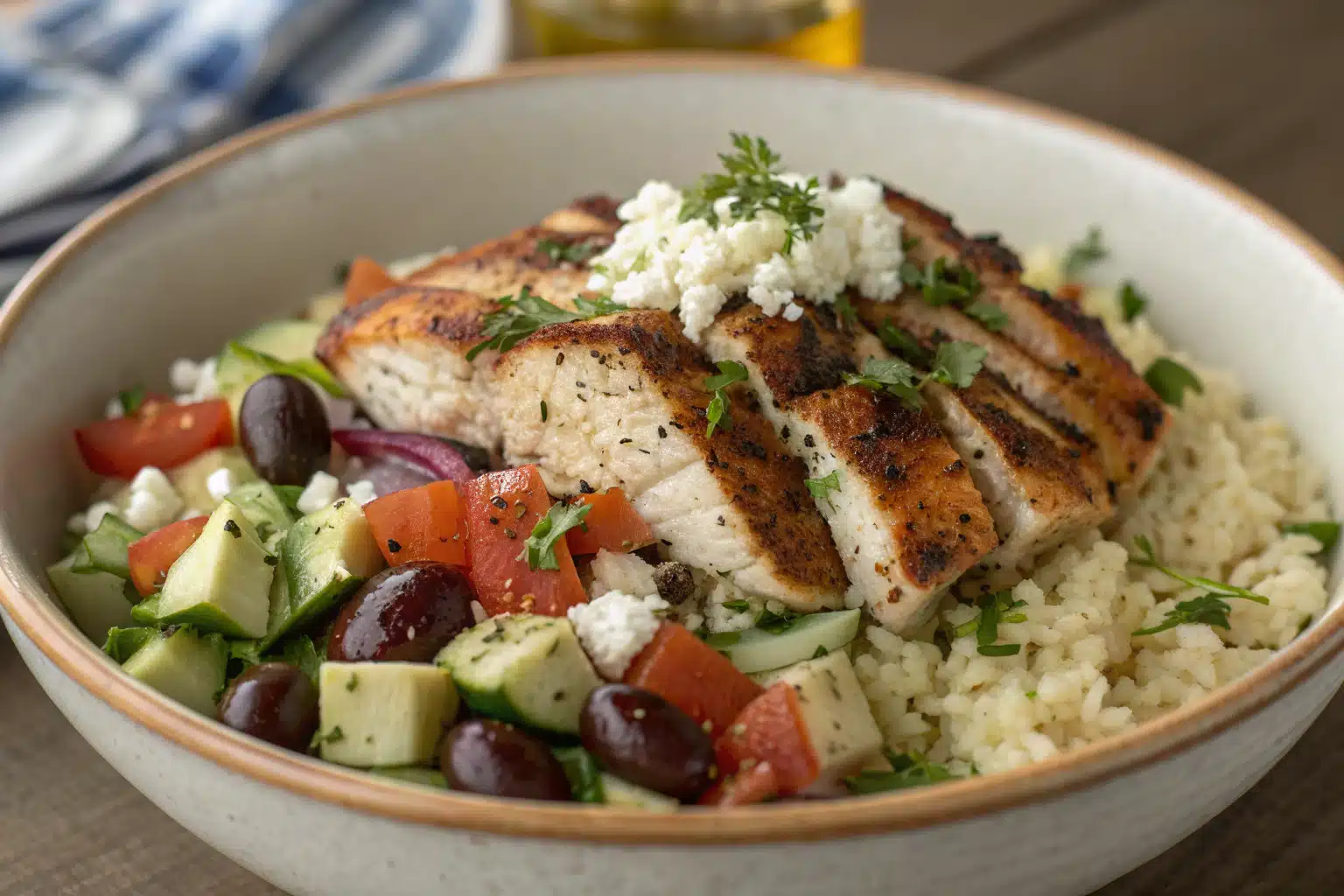
Greek chicken bowls have taken the culinary world by storm, and for good reason. These vibrant, nutritious meals combine tender marinated chicken with fresh vegetables and zesty Mediterranean flavors in one convenient dish. The beauty of a Greek chicken bowl lies in its perfect balance – protein-packed chicken, crisp vegetables, creamy feta, and tangy dressings create a symphony of flavors that’s both satisfying and nourishing. Furthermore, these colorful bowls aren’t just delicious; they’re also incredibly photogenic, making them a favorite on social media platforms where healthy eating meets visual appeal.
Health Benefits of Mediterranean-Inspired Meals
The Mediterranean diet has long been celebrated as one of the healthiest eating patterns in the world, and Greek chicken bowls embody its core principles. “Looking for inspiration? Try our Lemon Chili Chicken Bowl for another flavorful option.” Rich in lean proteins, fresh vegetables, heart-healthy olive oil, and wholesome grains, these bowls deliver a nutritional powerhouse in every bite. Studies have linked Mediterranean-style eating to reduced inflammation, better heart health, and even longevity. Additionally, the balanced macronutrient profile in a Greek chicken bowl keeps you feeling full longer, making it an excellent choice for weight management and sustained energy throughout the day.
Fresh Ingredients for Your Perfect Greek Chicken Bowl
The Star Components
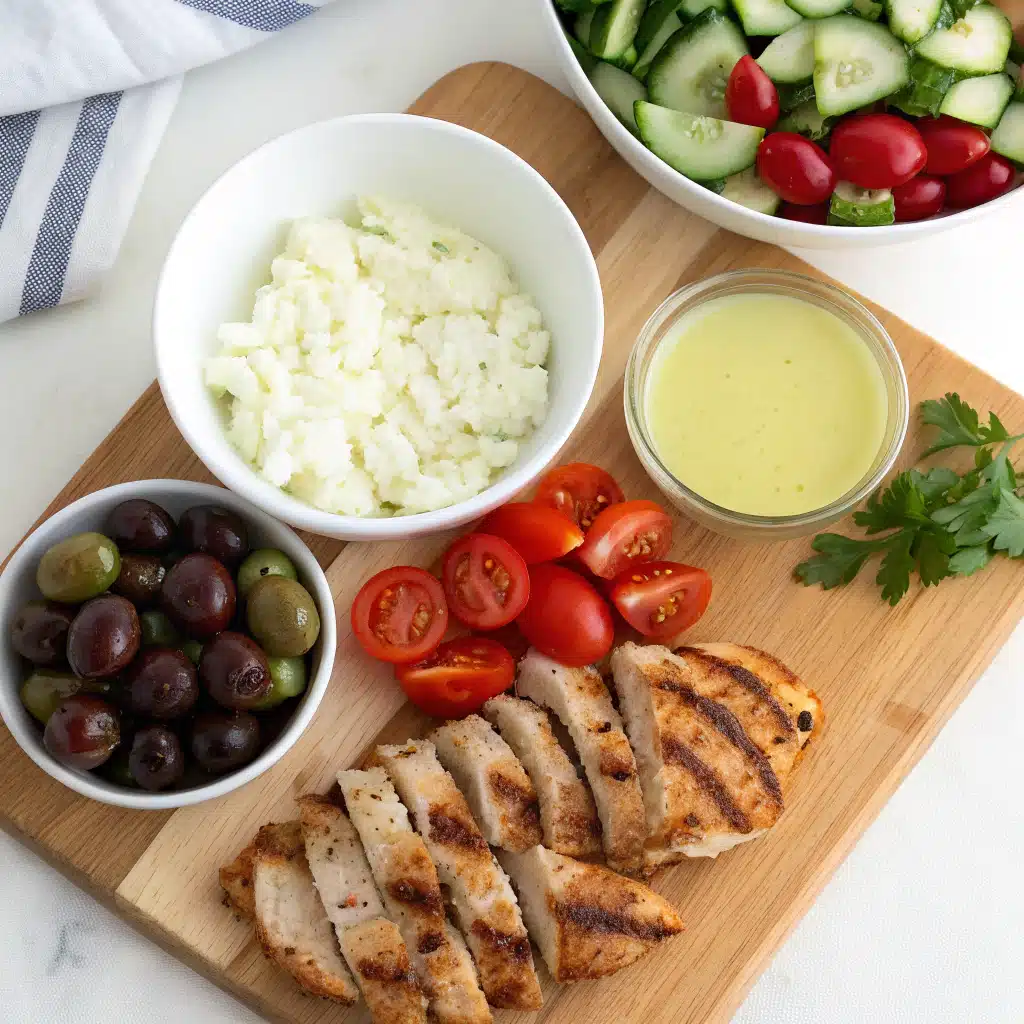
Creating the perfect Greek chicken bowl begins with selecting quality ingredients that capture authentic Mediterranean flavors. Each component plays an essential role in building a balanced, flavorful meal that satisfies both nutritional needs and taste buds. The foundation starts with properly marinated chicken that absorbs the aromatic herbs and spices characteristic of Greek cuisine. Meanwhile, fresh vegetables provide color, texture, and vital nutrients, while the addition of quality feta cheese and olives delivers that distinctive Greek flavor profile we all love.
Complete Ingredients List
| Category | Ingredients |
|---|---|
| For the Dressing | ½ cup extra-virgin olive oil, 3 tablespoons apple cider vinegar, 1 tablespoon lemon juice, 1 tablespoon Dijon mustard, 2–3 garlic cloves (minced), 1 teaspoon dried oregano, ½ teaspoon salt, ¼ teaspoon black pepper, 1 teaspoon honey |
| For the Chicken | 1½ pounds boneless skinless chicken, 1 tablespoon paprika |
| Fresh Components | 4–5 cups lettuce, Mini cucumbers, Cherry tomatoes, Bell pepper, Red onion, Kalamata olives |
| Dairy & Additions | Mozzarella pearls, Feta cheese, Greek yogurt, Shredded cucumber, Hummus |
Step-by-Step: Creating the Ultimate Greek Chicken Bowl
Preparing the Mediterranean Marinade and Dressing
The key to an exceptional Greek chicken bowl starts with a flavorful marinade that infuses the chicken with classic Mediterranean herbs and spices. To begin, whisk together the dressing ingredients in a medium bowl until well combined – this includes the extra-virgin olive oil, apple cider vinegar, fresh lemon juice, Dijon mustard, minced garlic, dried oregano, salt, pepper, and honey. The acidity from the vinegar and lemon juice will tenderize the chicken while the herbs and garlic infuse it with unmistakable Greek flavors. Once thoroughly mixed, reserve about one-third of this mixture to use later as your salad dressing.
“Check out our Greek Chicken Orzo for another Mediterranean-inspired dish that uses similar flavor profiles.”
Cooking the Perfect Chicken for Your Bowl
- Place your boneless skinless chicken in a shallow dish or ziplock bag and pour the remaining two-thirds of the dressing mixture over it, ensuring the chicken is fully coated.
- Add the tablespoon of paprika to the chicken, rubbing it in to distribute evenly.
- Allow the chicken to marinate in the refrigerator for at least 30 minutes, though 2-4 hours will yield the most flavorful results.
- Preheat your grill to medium-high heat (about 400°F) or heat a grill pan on the stovetop over medium-high heat.
- Remove the chicken from the marinade and grill for 5-7 minutes per side, depending on thickness, until the internal temperature reaches 165°F.
- Let the chicken rest for 5-10 minutes before slicing or cubing to maintain juiciness.
Assembling Your Greek Chicken Bowl with Finesse
Creating a visually appealing and well-balanced bowl is an art that enhances both the eating experience and flavor distribution:
- Prepare the tzatziki by combining Greek yogurt with shredded cucumber, a pinch of salt, and a dash of lemon juice. Stir well and refrigerate until ready to use.
- Wash and chop all vegetables – slice cucumbers, halve cherry tomatoes, julienne bell peppers, and thinly slice red onions.
- Start with a base of fresh lettuce in each bowl, approximately 1-1½ cups per serving.
- Arrange the chopped vegetables in sections around the bowl for a colorful presentation.
- Add a generous dollop of hummus to one section of the bowl.
- Place your sliced grilled chicken in the center of the bowl.
- Sprinkle with kalamata olives, mozzarella pearls, and crumbled feta cheese.
- Finish with a drizzle of the reserved dressing and a spoonful of tzatziki sauce.
- Serve immediately for the freshest flavor and texture experience.
Tips for Greek Chicken Bowl Perfection
Flavor-Enhancing Techniques
To elevate your Greek chicken bowl to restaurant quality, consider these flavor-boosting strategies. First, don’t rush the marinating process – allowing the chicken to absorb the Mediterranean flavors for several hours makes a significant difference in taste. Additionally, toast your pita bread lightly with a brush of olive oil and a sprinkle of oregano before serving for added aroma and texture. “Here’s your guide to Roasted Carrots with Hummus which would make an excellent side dish or addition to your Greek chicken bowl.” Another pro tip is to massage your lettuce with a tiny bit of salt and olive oil before assembling the bowl – this simple step wilts the greens slightly and allows them to absorb more flavor from the dressing.
Time-Saving Preparation Methods
Creating Greek chicken bowls doesn’t have to be time-consuming, even on busy weeknights. Prepare components in advance for quick assembly when hunger strikes. Marinate and grill chicken in larger batches, then refrigerate or freeze portions for future use. Chop vegetables the night before and store them in airtight containers to maintain freshness. Furthermore, store-bought tzatziki and hummus can be excellent time-savers without compromising quality – just look for versions with minimal preservatives. For the ultimate convenience, consider prepping all ingredients on Sunday for grab-and-go bowls throughout the week. These practical shortcuts ensure you can enjoy a nutritious Greek chicken bowl even during the busiest weeks.
Customizing for Dietary Preferences
One of the greatest advantages of Greek chicken bowls is their adaptability to various dietary needs. For a low-carb version, simply increase the leafy greens and reduce or eliminate grain components. If you’re following a keto diet, emphasize olive oil, avocado, and feta while omitting the hummus. Vegetarians can easily substitute chicken with grilled halloumi cheese, chickpeas, or lentils for a protein-rich alternative that maintains the Mediterranean essence. Those with dairy sensitivities can skip the cheese and replace tzatziki with tahini sauce or dairy-free yogurt alternatives. Finally, for a gluten-free option, ensure your dressing ingredients are certified gluten-free and serve with gluten-free pita or skip the bread altogether. These modifications ensure everyone can enjoy the delightful flavors of a Greek chicken bowl regardless of dietary restrictions.
Storage Solutions for Greek Chicken Bowl Components
Keeping Ingredients Fresh
Proper storage is crucial for maintaining the freshness and flavor of your Greek chicken bowl ingredients. For leafy greens like lettuce, wash thoroughly, dry completely using a salad spinner, and store with a paper towel in an airtight container to absorb excess moisture. This method can extend freshness for up to a week. Cucumbers, bell peppers, and tomatoes should be stored unwashed in the vegetable drawer of your refrigerator and cleaned just before use. “Don’t miss our Chicken with Olive Salsa for another Mediterranean-inspired recipe that stores well.” Store herbs like fresh oregano or parsley with stems in a glass of water covered loosely with a plastic bag in the refrigerator. For olives and feta cheese, keep them in their original brine or liquid in sealed containers to maintain flavor and texture.
Meal Prep Strategies for Weekly Bowls
Greek chicken bowls are ideal for meal prepping, saving both time and money while ensuring healthy eating throughout the week. Begin by designating a specific day for preparation – many find Sunday ideal for setting up the week ahead. Cook a larger batch of chicken, then portion and refrigerate for 3-4 days or freeze for up to two months in airtight containers. Prepare the dressing and tzatziki in advance, storing them in small jars for easy access. When meal prepping complete bowls, use compartmentalized containers to separate wet ingredients from dry ones, preventing sogginess. Layer components strategically – start with dressing at the bottom, followed by hearty ingredients like chicken and vegetables, with delicate items like lettuce and feta on top. This thoughtful arrangement keeps everything fresh until mealtime, requiring just a quick shake or stir to enjoy.
Best Practices for Leftover Components
Leftover Greek chicken bowl components can be repurposed creatively to prevent food waste and meal fatigue. Leftover grilled chicken can transform into a quick chicken salad with Greek yogurt, lemon juice, and herbs for the next day’s lunch. Extra tzatziki makes an excellent dip for raw vegetables or a flavorful spread on sandwiches and wraps. Furthermore, unused fresh vegetables can be quickly pickled in vinegar, salt, and sugar for a tangy addition to future meals. If you have extra olives and feta, combine them with pasta for a simple Mediterranean pasta salad. For the best food safety practices, refrigerate leftovers within two hours of cooking and consume within 3-4 days. When reheating chicken, ensure it reaches 165°F internally to eliminate any potential bacteria while maintaining moisture. These strategies maximize both food safety and culinary creativity with your Greek chicken bowl components.
Exciting Variations on the Classic Greek Chicken Bowl
Global Fusion Inspirations
The classic Greek chicken bowl provides a perfect canvas for creative culinary fusion. For a Mexican-Greek hybrid, replace tzatziki with avocado crema and add black beans and corn alongside traditional Greek ingredients. An Asian-inspired variation might incorporate sesame oil and rice vinegar into the dressing, with additions like edamame or mandarin oranges complementing the Mediterranean base. “Discover great ideas like our Thai Red Curry Chicken Noodles for another global fusion dish.” For an Italian twist, substitute mozzarella pearls with burrata and add basil pesto to the mix. A North African variation could incorporate harissa-marinated chicken and preserved lemons for an exciting flavor profile. These global inspirations maintain the nutritional integrity of the Greek chicken bowl while expanding your palate with exciting new combinations.
Vegetarian and Plant-Based Alternatives
Creating a meat-free Greek bowl is remarkably simple and equally delicious. Replace chicken with marinated and grilled portobello mushrooms that provide a meaty texture and absorb the Mediterranean flavors beautifully. Alternatively, chickpeas tossed in the same Greek dressing and roasted until crispy offer a protein-packed alternative with delightful crunch. Other excellent plant-based protein options include lentil patties seasoned with Greek herbs, grilled tempeh, or even Greek-seasoned tofu.
For those who enjoy meat alternatives, seitan or plant-based chicken substitutes marinated in the same Greek flavors work wonderfully. To compensate for the richness that chicken provides, consider adding extra components like sundried tomatoes, artichoke hearts, or a more generous portion of avocado. These thoughtful substitutions ensure vegetarians and vegans can enjoy all the Mediterranean flavors without compromising on protein or satisfaction.
Seasonal Adaptations Throughout the Year
Embracing seasonal produce keeps your Greek chicken bowl fresh and exciting year-round while supporting sustainable eating practices. In spring, incorporate tender asparagus spears, sweet peas, and peppery radishes for brightness and crunch. Summer allows for juicy heirloom tomatoes, ripe peaches, and grilled zucchini to shine alongside the traditional ingredients. As autumn arrives, roasted butternut squash, crisp apples, and pomegranate seeds add sweetness and seasonal flair.
Winter variations might feature roasted root vegetables like carrots and beets, along with hearty greens like kale instead of lettuce. Additionally, adjusting the preparation method with the seasons enhances comfort – serving components warm during colder months and chilled during summer heat. These seasonal adaptations not only maximize flavor and nutrition but also reduce environmental impact by utilizing locally available ingredients at their peak freshness.
Serving Your Greek Chicken Bowl for Maximum Impact
Complementary Side Dishes
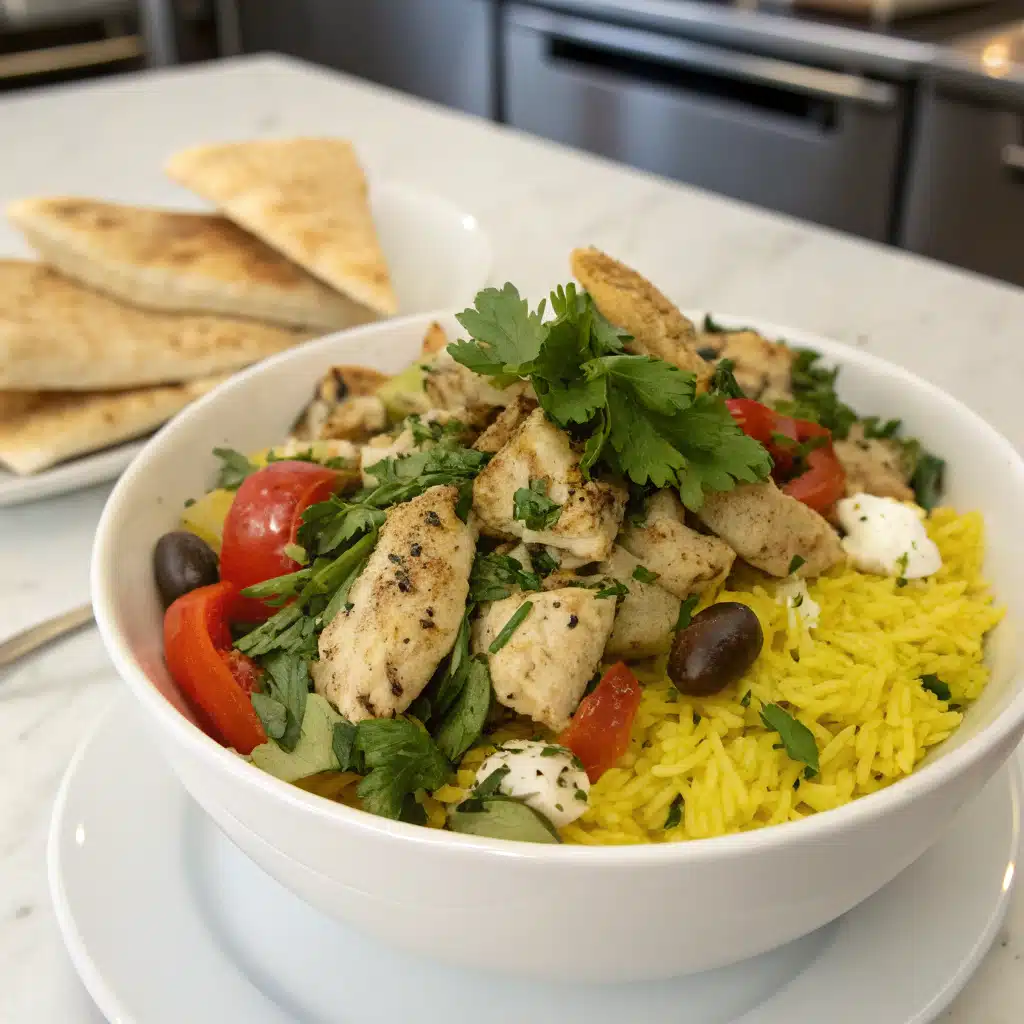
While a Greek chicken bowl can certainly stand alone as a complete meal, thoughtfully selected side dishes can elevate the dining experience. Warm pita bread, lightly brushed with olive oil and sprinkled with oregano before toasting, provides a perfect vehicle for scooping up extra tzatziki or hummus. A simple side of lemon-garlic roasted potatoes offers a traditional Greek accompaniment that pairs beautifully with the bowl’s flavors. For a lighter option, consider a chilled cucumber soup that echoes the tzatziki flavors while providing refreshing contrast.
“Learn more about Greek Beef Stifado for another Greek dish that would complement your chicken bowl nicely.” A small Greek orzo salad with lemon and herbs makes an excellent side that extends the meal without overwhelming the main dish. These thoughtful additions complement rather than compete with your Greek chicken bowl, creating a more satisfying and authentic Mediterranean dining experience.
Beverage Pairing Recommendations
The bright, bold flavors of a Greek chicken bowl call for beverages that complement rather than overpower. Sparkling water infused with cucumber and mint provides a refreshing, hydrating option that cleanses the palate between bites. Unsweetened iced tea with lemon works wonderfully, especially when infused with Mediterranean herbs like mint or sage. For a traditional Mediterranean pairing, consider a glass of chilled pomegranate juice diluted with a splash of seltzer water for a tart, refreshing accompaniment.
Greek-style frappe coffee makes an excellent after-meal beverage, providing a bit of caffeine and sweetness to contrast the savory bowl. During warm weather, a chilled cucumber-yogurt lassi offers cooling relief that echoes the tzatziki flavors. These thoughtful beverage selections enhance the dining experience while complementing the fresh, vibrant flavors of your Greek chicken bowl.
Presentation Tips for Social Media-Worthy Bowls
Creating an Instagram-worthy Greek chicken bowl isn’t just about aesthetics – beautiful presentation enhances the entire dining experience. Start with a wide, shallow bowl with a neutral color to make the ingredients pop. Arrange components in distinct sections rather than mixing them, creating a color wheel effect that showcases each ingredient. Consider the color theory – place complementary colors next to each other for maximum visual impact, like red tomatoes beside green cucumbers.
Create height and dimension by mounding ingredients rather than spreading them flat, and place the chicken slightly off-center as the focal point. Garnish strategically with fresh herbs, lemon wedges, or a light dusting of paprika for pops of color and texture. Finally, capture your creation in natural light, shooting from slightly above to showcase the full arrangement. These presentation techniques transform a simple meal into a feast for both the eyes and palate, making your Greek chicken bowl truly memorable.
Frequently Asked Questions About Greek Chicken Bowls
What ingredients are in a Greek chicken bowl?
A traditional Greek chicken bowl contains marinated grilled chicken, fresh vegetables (tomatoes, cucumbers, bell peppers, red onions), kalamata olives, feta cheese, and often hummus or tzatziki sauce. The base usually consists of lettuce or other greens, sometimes with grains like quinoa or rice. The distinctive Greek flavoring comes from Mediterranean herbs and spices, particularly oregano, garlic, and lemon, which season both the chicken and the dressing.
Can Greek chicken bowls be meal prepped?
Absolutely! Greek chicken bowls are excellent for meal prep. The marinated chicken can be grilled in advance and refrigerated for 3-4 days. Prepare vegetables and store them separately from wet ingredients like dressing and tzatziki. Use compartmentalized containers to keep components separate until ready to eat. For best results, add the dressing, feta cheese, and any crunchy elements just before serving to maintain optimal texture and freshness.
What dressing works best for Greek chicken bowls?
The best dressing for Greek chicken bowls is a classic Greek vinaigrette made with extra-virgin olive oil, red wine or apple cider vinegar, lemon juice, Dijon mustard, garlic, dried oregano, salt, pepper, and a touch of honey. This versatile dressing works beautifully as both a chicken marinade and salad dressing. For a creamier option, tzatziki sauce made from Greek yogurt, cucumber, garlic, and herbs offers a refreshing complement to the other ingredients.
Is Greek chicken bowl healthy?
Yes, Greek chicken bowls are exceptionally healthy. They embody Mediterranean diet principles, which studies show support heart health, reduce inflammation, and promote longevity. These bowls provide a balanced combination of lean protein from chicken, healthy fats from olive oil and avocado, and plenty of vitamins and minerals from fresh vegetables. Additionally, they’re typically lower in refined carbohydrates while offering good fiber content, making them suitable for various dietary approaches including weight management.
Can Greek chicken bowls be made vegetarian?
Greek chicken bowls can easily be made vegetarian by substituting the chicken with plant-based alternatives. Excellent options include grilled halloumi cheese, roasted chickpeas, lentil patties, marinated tofu, or grilled portobello mushrooms. The remaining components—fresh vegetables, olives, feta (or dairy-free alternatives), and dressings—can stay the same, resulting in a protein-rich vegetarian meal that maintains authentic Greek flavors.
What grains pair best with Greek chicken bowls?
Several grains work beautifully as a base for Greek chicken bowls. Traditional options include pearl couscous (Israeli couscous) or orzo pasta. For gluten-free alternatives, quinoa provides excellent protein and a pleasant texture that absorbs the dressing well. Brown rice offers a heartier option with more fiber, while farro or bulgur wheat provide a pleasant chewiness and nutty flavor. For a lower-carb approach, cauliflower rice makes an excellent grain substitute while adding extra vegetables to your meal.
Conclusion: Mastering the Mediterranean Bowl
Why Greek Chicken Bowls Deserve a Regular Spot in Your Meal Rotation
Greek chicken bowls represent the perfect intersection of nutrition, flavor, convenience, and versatility – making them an ideal candidate for regular inclusion in your meal planning. These balanced bowls deliver consistent nutritional benefits, providing lean protein, healthy fats, and abundant vegetables in every serving. Unlike many repetitive meals, the endless customization options prevent menu fatigue, allowing you to adapt the basic formula to your taste preferences, seasonal ingredients, and dietary needs.
“Want more ideas? Check out our Greek Lamb Meatballs for another Mediterranean favorite.” Furthermore, their meal prep potential saves valuable time during busy weeks while ensuring you have nutritious options readily available. Perhaps most importantly, Greek chicken bowls simply taste delicious – proving that healthy eating doesn’t require sacrificing flavor or satisfaction. By incorporating these Mediterranean-inspired meals into your regular rotation, you’re not just preparing food; you’re embracing a sustainable approach to eating that nourishes both body and spirit.
Taking Your Mediterranean Cooking Skills to the Next Level
Mastering the Greek chicken bowl opens the door to broader Mediterranean cuisine exploration. Begin expanding your repertoire by experimenting with authentic Greek herbs and spices beyond oregano – try incorporating fresh dill, mint, or marjoram into your marinades and dressings. Next, explore related Mediterranean cooking techniques like preparing authentic souvlaki (skewered meats) or spanakopita (spinach pie) using the flavor profiles you’ve become familiar with through your bowl creations.
Challenge yourself to create homemade components – crafting your own pita bread, fermenting yogurt for tzatziki, or even curing olives – to deepen your connection to traditional Mediterranean food practices. Additionally, study the regional variations within Mediterranean cuisine, from Moroccan to Lebanese to Spanish influences, all of which share common threads with Greek cooking while offering exciting new flavors. These culinary explorations not only enhance your cooking skills but also connect you to the rich cultural heritage behind these beloved dishes, transforming simple meals into meaningful culinary experiences that can be shared and celebrated.
PrintGreek Chicken Bowl
Fresh Mediterranean flavors come together in this nutritious and delicious Greek chicken bowl featuring marinated chicken, colorful vegetables, and homemade tzatziki sauce.
- Prep Time: 20
- Cook Time: 15
- Total Time: 35 minutes
- Yield: 4 1x
- Category: Main Dish
- Cuisine: Mediterranean
Ingredients
- ½ cup extra-virgin olive oil
- 3 tablespoons apple cider vinegar
- 1 tablespoon lemon juice
- 1 tablespoon Dijon mustard
- 2–3 garlic cloves, minced
- 1 teaspoon dried oregano
- ½ teaspoon salt
- ¼ teaspoon black pepper
- 1 teaspoon honey
- 1½ pounds boneless skinless chicken
- 1 tablespoon paprika
- 4–5 cups lettuce
- Mini cucumbers
- Cherry tomatoes
- Bell pepper
- Red onion
- Kalamata olives
- Mozzarella pearls
- Feta cheese
- Greek yogurt
- Shredded cucumber
- Hummus
Instructions
- Whisk together olive oil, vinegar, lemon juice, mustard, garlic, oregano, salt, pepper, and honey to create dressing. Reserve 1/3 for salad.
- Coat chicken with remaining dressing and paprika. Marinate for 30 minutes to 4 hours.
- Grill chicken 5-7 minutes per side until internal temperature reaches 165°F.
- Prepare tzatziki by mixing Greek yogurt with shredded cucumber and a pinch of salt.
- Chop and arrange lettuce, vegetables, olives, and cheeses in serving bowls.
- Slice cooked chicken and add to bowls along with a dollop of hummus.
- Drizzle with reserved dressing and tzatziki sauce before serving.
Notes
Nutrition facts are estimates and may vary based on ingredients used, portion sizes, and preparation methods.
Nutrition
- Serving Size: 4
- Calories: 425 Kcal
- Sugar: 3g
- Sodium: 620mg
- Fat: 28g
- Saturated Fat: 6g
- Carbohydrates: 12g
- Fiber: 3g
- Protein: 35g
- Cholesterol: 85mg
Keywords: Greek chicken, Mediterranean bowl, healthy meal prep, Greek salad bowl, chicken protein bowl
Let’s connect! Follow me for more Joylicious Recipes: Facebook, Instagram, Pinterest