Hearty Wild Mushroom Stew: Rustic, Earthy, and Full of Comfort
The Rustic Appeal of Wild Mushroom Stew
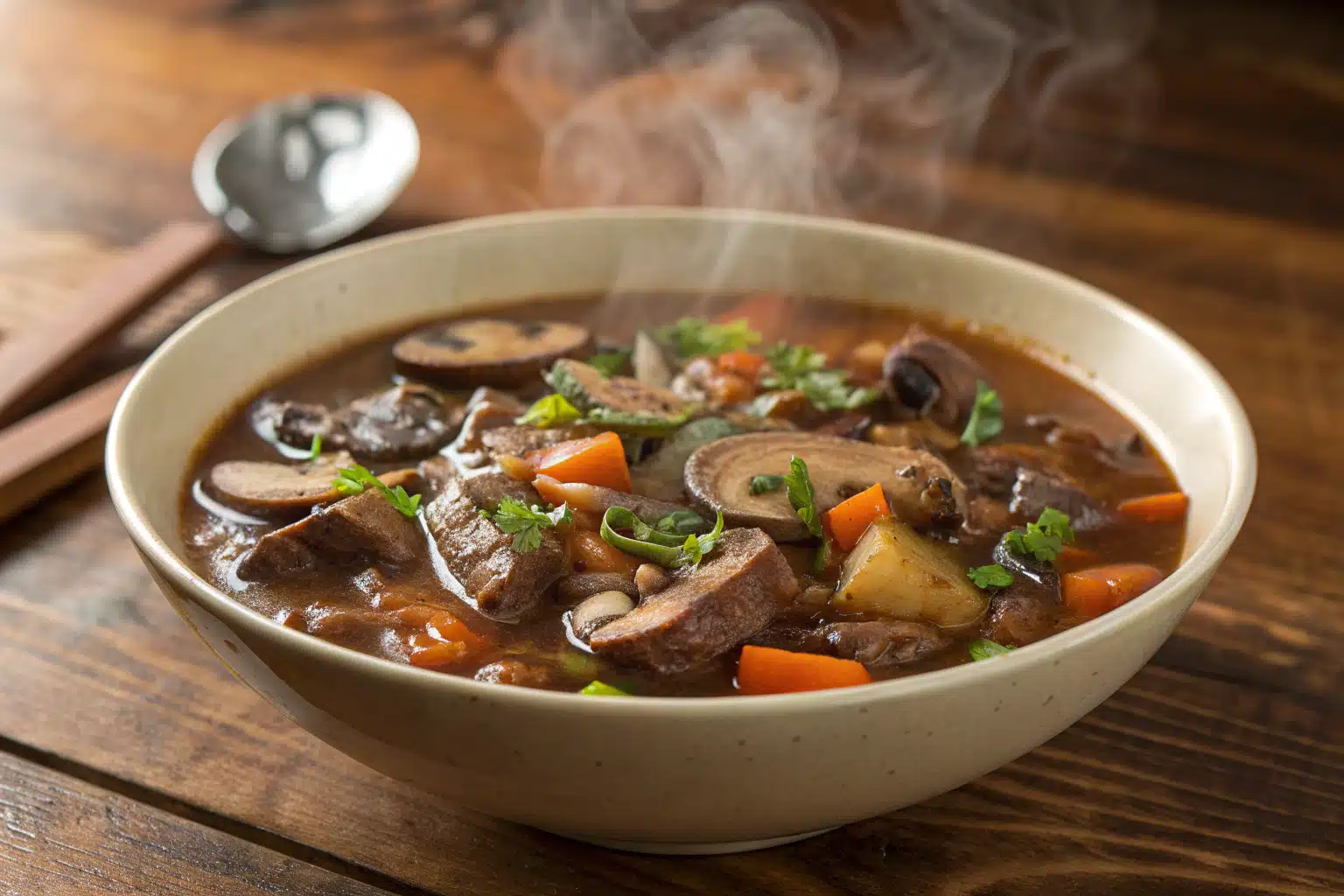
Wild mushroom stew represents the perfect marriage of earthy flavors and comforting texture. This hearty dish captures the essence of forest ingredients in a warming, satisfying bowl that’s perfect for cool evenings or special gatherings. The combination of wild mushrooms creates a depth of flavor that simply cannot be achieved with button mushrooms alone. “Looking for inspiration? Try our cream of mushroom soup recipe” for another mushroom-based comfort food option. Wild mushroom stew offers a gourmet experience that’s surprisingly easy to prepare at home, making it an ideal choice for both weeknight dinners and special occasions.
The Secret Behind Perfect Wild Mushroom Stew
The key to an exceptional wild mushroom stew lies in the layering of flavors. From the caramelization of the mushrooms to the slow cooking of aromatics, each step builds upon the previous one to create a rich, complex dish. What makes this wild mushroom stew truly special is the unexpected addition of juniper berries and tart berries, which cut through the richness with bright notes of flavor. These ingredients transform a simple mushroom dish into a sophisticated stew with Nordic influences. When properly prepared, wild mushroom stew delivers a silky texture with pronounced umami notes that will satisfy even the most discerning palates.
Ingredients for Wild Mushroom Stew
Essential Components for Rich Flavor
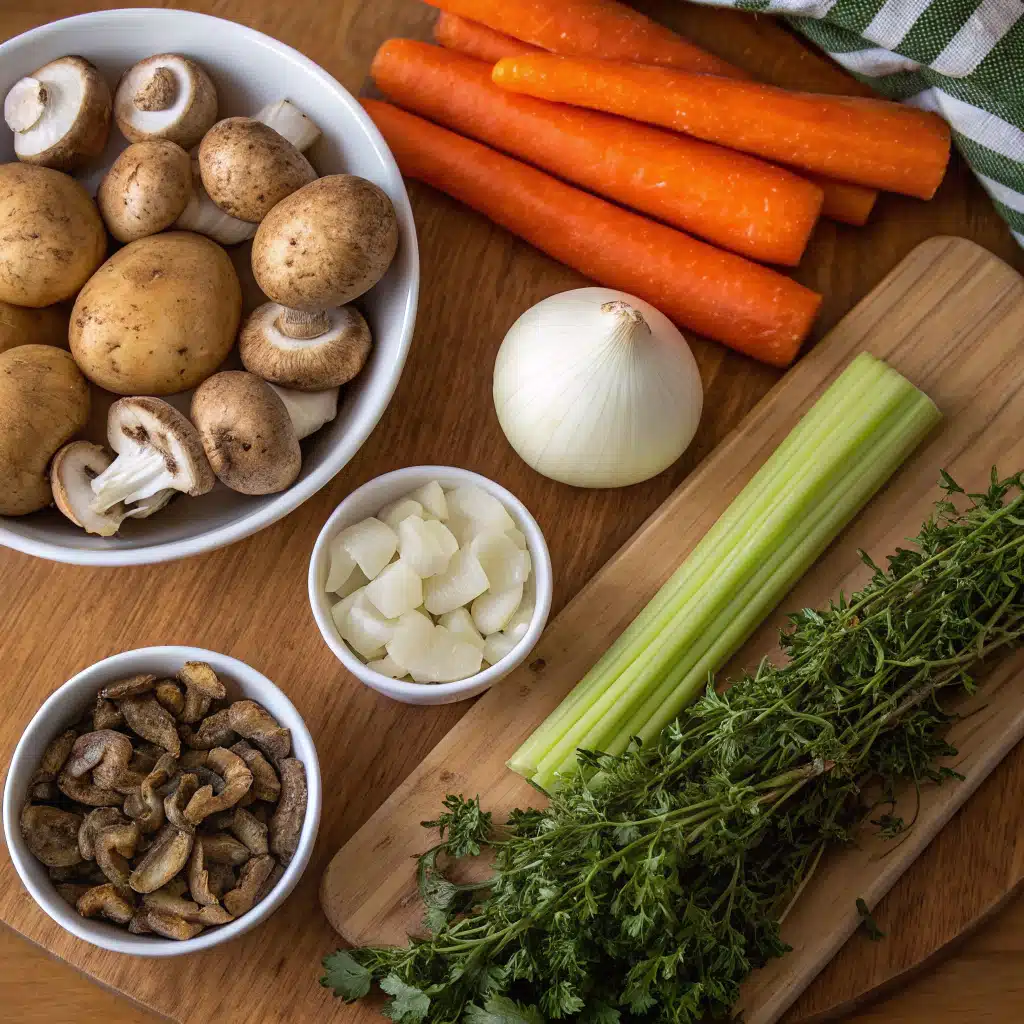
Creating a memorable wild mushroom stew begins with gathering high-quality ingredients that complement each other perfectly. Each component plays a crucial role in developing the deep, complex flavors that make this dish exceptional.
| Ingredient Category | Items |
|---|---|
| Vegetables & Aromatics | 1 large onion, finely diced 2 garlic cloves, crushed 14 ounces wild or firm mushrooms, sliced |
| Protein | 4 ounces smoked turkey bacon or beef bacon, diced |
| Butter, Flour & Thickener | 5 tablespoons unsalted butter 3 tablespoons all-purpose flour |
| Liquids | 1 cup apple cider 1 cup beef broth or vegetable broth ⅔ cup heavy cream |
| Seasonings & Add-Ins | 1½ teaspoons crushed juniper berries ½ cup red currants or lingonberries Salt & black pepper, to taste |
Selecting the Best Mushrooms for Your Stew
The star of any wild mushroom stew is, of course, the mushrooms themselves. For the best results, seek out a variety of wild mushrooms such as porcini, chanterelles, shiitake, or oyster mushrooms. Each type brings its own unique flavor profile and texture to the final dish. If wild mushrooms aren’t readily available, cremini (baby portobello) mushrooms make an excellent substitute, offering more flavor than white button mushrooms. “Check out our sausage stuffed mushrooms” for another delicious way to enjoy mushrooms. When selecting mushrooms, look for firm specimens with no signs of sliminess or excessive moisture. Remember that mushrooms reduce significantly in volume when cooked, so don’t hesitate to use a generous amount.
Step-by-Step Wild Mushroom Stew Preparation
Building the Foundation with Bacon and Mushrooms
Creating a flavorful wild mushroom stew begins with establishing a strong foundation of savory elements. Follow these initial steps carefully to develop deep, rich flavors:
- Heat 2 tablespoons of butter in a heavy pot over medium heat until it begins to foam.
- Add the diced turkey or beef bacon to the melted butter and cook for 5-7 minutes, stirring occasionally, until the edges turn golden and slightly crisp.
- Using a slotted spoon, remove the bacon pieces and set them aside in a bowl, leaving the flavorful fat in the pan.
- Increase the heat to medium-high and add the sliced mushrooms to the same pot. Avoid overcrowding by cooking in batches if necessary.
- Allow the mushrooms to cook undisturbed for 2-3 minutes before stirring, then continue cooking for another 3-4 minutes until they release their moisture and begin to caramelize at the edges.
- Transfer the browned mushrooms to the bowl with the reserved bacon.
Creating a Velvety Sauce Base
The luxurious texture of wild mushroom stew comes from a properly prepared sauce base that ties all the ingredients together:
- Reduce the heat to medium-low and add the remaining 3 tablespoons of butter to the pot.
- Add the finely diced onion and crushed garlic, stirring frequently to prevent burning. Cook slowly for 7-8 minutes until the onions become soft, translucent, and lightly golden.
- Sprinkle the flour over the onion mixture and stir constantly for about 1 minute to cook out the raw flour taste. The mixture will form a thick paste called a roux.
- Gradually pour in the apple cider while whisking continuously to prevent lumps from forming. The mixture will initially thicken dramatically.
- Slowly add the broth, continuing to whisk until the sauce is smooth and begins to simmer gently.
- Pour in the heavy cream and add the crushed juniper berries, stirring to combine. Allow the sauce to simmer gently for about 6 minutes, stirring occasionally, until it reaches a velvety consistency that coats the back of a spoon.
Bringing It All Together
The final phase of preparing your wild mushroom stew combines all elements and allows the flavors to meld beautifully:
- Return the reserved mushrooms and bacon to the pot, folding them gently into the sauce.
- Add the red currants or lingonberries, stirring carefully to distribute them throughout the stew without crushing them.
- Season the stew with salt and freshly ground black pepper to taste. Remember that the bacon adds saltiness, so adjust accordingly.
- Allow the wild mushroom stew to simmer gently for 1-2 minutes to warm everything through and let the flavors meld together.
- Taste and adjust the seasoning if necessary, adding more salt, pepper, or even a splash more cream if desired.
- Remove from heat and let the stew rest for 5 minutes before serving to allow the flavors to fully develop and the sauce to thicken slightly.
“Here’s your guide to fried sliced mushrooms with ranch” for another mushroom-based recipe you might enjoy.
Tips for Perfect Wild Mushroom Stew
Mushroom Selection and Preparation Secrets
The foundation of an exceptional wild mushroom stew lies in how you select and prepare your fungi. For the most flavorful results, use a combination of mushroom varieties—each type contributes its own unique flavor profile and texture. Cremini, shiitake, and oyster mushrooms create a wonderful base, while adding a handful of dried porcini mushrooms (rehydrated) will intensify the earthy flavor. When cleaning wild mushrooms, avoid soaking them in water as they’ll absorb moisture like sponges.
Instead, use a damp paper towel or a soft brush to remove any dirt. For the best texture in your wild mushroom stew, resist the urge to stir the mushrooms constantly during the initial cooking phase. Let them sit undisturbed for a few minutes to develop a golden-brown caramelization, which contributes significantly to the stew’s depth of flavor.
Perfecting the Consistency
Achieving the ideal consistency for your wild mushroom stew requires attention to detail throughout the cooking process. The flour-based roux serves as the primary thickening agent, but several factors can affect the final texture. If your stew becomes too thick, thin it gradually with additional broth or a splash of cream until you reach your desired consistency.
Conversely, if the stew seems too thin, you can create a slurry by mixing a teaspoon of cornstarch with a tablespoon of cold water and stirring it into the simmering stew. Remember that the wild mushroom stew will continue to thicken slightly as it cools, so it’s better to err on the side of a slightly thinner consistency when it’s still on the heat.
“Don’t miss our vegetable soup recipe” for another hearty, comforting dish with perfect consistency.
Enhancing Flavors with Herbs and Spices
While the wild mushroom stew recipe features juniper berries as a signature flavoring element, you can further enhance the complexity with thoughtfully selected herbs and spices. Fresh thyme is a natural partner for mushrooms, bringing out their earthy qualities without overwhelming them. Add 2-3 sprigs during the simmering stage and remove before serving. A bay leaf adds subtle depth to the broth—just remember to remove it before serving.
For those who enjoy deeper, more complex flavors, consider adding a tablespoon of balsamic vinegar or a teaspoon of Dijon mustard to the sauce. These additions provide acidity that balances the richness of the cream and highlights the mushroom flavors. A pinch of nutmeg can complement the juniper berries beautifully, adding warmth and subtle spice notes to your wild mushroom stew.
Storage and Reheating Wild Mushroom Stew
Proper Refrigeration Techniques
Wild mushroom stew actually improves in flavor after a day in the refrigerator, making it an excellent make-ahead dish. To store properly, allow the stew to cool completely at room temperature for no more than two hours before transferring to airtight containers. Glass containers are ideal as they won’t absorb odors or stain. For best quality, consume refrigerated wild mushroom stew within 3-4 days.
The fats in the stew may solidify when chilled—this is perfectly normal and will reincorporate when reheated. To prevent a film from forming on top, place a piece of parchment paper directly on the surface of the stew before sealing the container.
“Discover great ideas like our chicken vegetable soup recipe” for another dish that stores well in the refrigerator.
Freezing Methods for Long-Term Storage
Wild mushroom stew freezes remarkably well, allowing you to enjoy this comforting dish weeks or even months after preparation. For optimal results when freezing:
- Cool the stew completely in the refrigerator before freezing.
- Portion the stew into meal-sized servings in freezer-safe containers or heavy-duty freezer bags.
- Leave about half an inch of headspace to allow for expansion during freezing.
- Label containers clearly with the date and contents.
- Store in the freezer for up to 3 months for best quality.
When using freezer bags, lay them flat until frozen solid, then stack to save space. The cream-based sauce may separate slightly when thawed, but this won’t affect the taste of your wild mushroom stew.
Best Practices for Reheating
Reheating wild mushroom stew properly ensures you maintain its rich flavors and creamy texture. For refrigerated stew, reheat slowly over low to medium-low heat on the stovetop, stirring occasionally to prevent scorching. Adding a small splash of broth or cream can revitalize the sauce if it has thickened too much during storage. If reheating from frozen, thaw overnight in the refrigerator first for the best results.
Microwave reheating works in a pinch—use medium power and stir at 1-minute intervals to promote even heating. Regardless of the method, heat the wild mushroom stew only until it reaches 165°F (74°C) for food safety. Avoid boiling the stew, as this can cause the cream to separate and the mushrooms to toughen. A gentle simmer is all you need to return your wild mushroom stew to its original glory.
Variations of Wild Mushroom Stew
Regional Adaptations and Influences
Wild mushroom stew has been adapted across various culinary traditions, each adding their own distinctive touch to this versatile dish. In France, wild mushroom stew often incorporates white wine instead of apple cider, with the addition of fresh herbs like tarragon or herbes de Provence for a Mediterranean flavor profile.
Russian variations might include dill and sour cream instead of heavy cream, creating a tangier finish. In Scandinavian cuisine, where this recipe draws some inspiration, lingonberries and juniper are traditional, often paired with a splash of aquavit for depth. Italian versions might substitute the bacon with pancetta and include a hint of tomato paste for richness and acidity. Each regional adaptation of wild mushroom stew maintains the core elements of mushrooms and a creamy base while introducing flavors that reflect local ingredients and preferences.
“Want more ideas? Check out our butternut squash soup” for another seasonally inspired dish.
Dietary Modifications for Different Needs
Wild mushroom stew can be easily adapted to accommodate various dietary requirements without sacrificing flavor. For a vegetarian version, simply omit the bacon and use vegetable broth, adding a teaspoon of smoked paprika to compensate for the lost smoky flavor. The stew remains hearty and satisfying thanks to the meaty texture of wild mushrooms. To create a dairy-free wild mushroom stew, substitute the butter with olive oil or a plant-based butter alternative and replace the heavy cream with full-fat coconut milk or cashew cream.
Both alternatives provide the necessary richness while keeping the dish entirely plant-based. For those following a gluten-free diet, the all-purpose flour can be replaced with a gluten-free flour blend or cornstarch slurry (2 tablespoons cornstarch mixed with 3 tablespoons cold water) added toward the end of cooking. These modifications ensure that everyone can enjoy a delicious bowl of wild mushroom stew regardless of dietary restrictions.
Protein Additions to Make It a Complete Meal
While this wild mushroom stew is substantial on its own, adding protein transforms it into a complete one-pot meal. For meat eaters, diced chicken thighs or chunks of beef chuck work beautifully—brown them first before following the recipe as written. The addition of 1-2 cups of shredded rotisserie chicken near the end of cooking provides a quick and flavorful protein boost. For a luxurious twist, consider adding seared sea scallops or shrimp during the final few minutes of cooking.
Plant-based protein options include white beans (cannellini or navy), which complement the creamy texture while adding fiber, or cubes of firm tofu that have been pressed and pan-fried until crispy. Wild rice, while not a complete protein on its own, adds both texture and nutritional value when stirred in during the last 5 minutes of cooking, creating a more substantial wild mushroom stew that satisfies even hearty appetites.
Serving Wild Mushroom Stew
Perfect Accompaniments
Wild mushroom stew shines brightest when paired with the right accompaniments that complement its rich, earthy flavors. Crusty artisanal bread serves as the perfect vehicle for soaking up every last drop of the velvety sauce—sourdough or rustic country bread works particularly well. For a more refined presentation, serve the wild mushroom stew over creamy polenta, which adds a subtle corn flavor and luxurious texture that mirrors the creaminess of the stew itself. Mashed potatoes make another excellent base, especially when prepared with garlic and herbs.
For a lighter option that still complements the stew beautifully, consider egg noodles tossed with a bit of butter and parsley. A side of roasted root vegetables such as carrots, parsnips, or turnips provides textural contrast and additional earthiness that enhances the mushroom flavors. Fresh green vegetables like steamed asparagus or sautéed broccolini add color and a welcome freshness that balances the richness of the wild mushroom stew.
Wine and Beverage Pairings
The complex, earthy flavors of wild mushroom stew call for beverages that can stand up to its richness while providing complementary notes. A light cranberry juice spritzer offers tartness that cuts through the cream, while sparkling water with a splash of apple cider creates a refreshing counterpoint. Hot apple cider makes a wonderful accompaniment during colder months, its sweet-tart profile mirroring the apple cider in the stew itself. Kombucha with earthy notes provides a probiotic-rich option that works surprisingly well with mushroom dishes.
Black tea, particularly varieties with earthy or smoky profiles like Russian Caravan or Lapsang Souchong, offers warming complexity that enhances the mushroom flavors. For a non-alcoholic pairing that feels special, try a juniper berry lemonade that echoes the juniper notes in the stew while adding refreshing acidity.
Presentation Ideas for Entertaining
When serving wild mushroom stew for a dinner party or special occasion, thoughtful presentation elevates this rustic dish to restaurant-quality status. Consider serving individual portions in hollowed-out bread boules for a stunning visual impact—the edible vessel keeps the stew warm while absorbing flavors. For a more elegant approach, serve the wild mushroom stew in shallow, wide bowls that showcase its rich colors and textures, topped with a few fresh herb leaves and a light drizzle of high-quality olive oil.
A small garnish of fresh berries mirrors the berries in the stew while adding a pop of color. Create a beautiful tableside service by bringing the pot of wild mushroom stew to the table in a rustic Dutch oven, ladling portions for guests alongside a selection of accompaniments. For a buffet-style service, keep the stew warm in a slow cooker and offer a variety of toppings like crispy fried onions, additional fresh herbs, or a dollop of crème fraîche, allowing guests to customize their bowls.
“Learn more about sous vide chicken breast perfect results made easy” for another impressive entertaining option.

FAQs About Wild Mushroom Stew
Do berries make the stew sweet?
The berries in wild mushroom stew don’t make it overtly sweet but rather add a pleasant tartness that balances the rich, creamy elements. Red currants and lingonberries both provide bright, acidic notes that cut through the richness of the cream and complement the earthiness of the mushrooms. Think of them as adding dimension rather than sweetness—similar to how cranberry sauce works with turkey.
What mushrooms give the best flavor?
For the most flavorful wild mushroom stew, use a combination of mushroom varieties. Porcini mushrooms offer intense umami notes, chanterelles contribute a fruity, apricot-like aroma, shiitakes add meaty texture and smoky flavor, while oyster mushrooms bring delicacy and sweetness. If wild mushrooms are unavailable, cremini (baby portobello) mushrooms provide more flavor than white button mushrooms. Even a mix of 75% cremini with 25% shiitake will significantly enhance your stew’s flavor profile.
Is this stew freezer-friendly?
Yes, wild mushroom stew freezes remarkably well. Cool it completely before transferring to freezer-safe containers, leaving some headspace for expansion. It can be stored frozen for up to 3 months. The cream-based sauce may separate slightly when thawed, but gentle reheating while stirring will recombine the elements without affecting the flavor. For best results, thaw overnight in the refrigerator before reheating slowly on the stovetop.
What protein can I add?
This wild mushroom stew welcomes various protein additions. Chicken thighs, diced beef, or shredded rotisserie chicken integrate seamlessly. For seafood options, try adding shrimp or scallops during the final few minutes of cooking. Plant-based options include white beans like cannellini or navy beans, which complement the creamy texture while adding fiber and protein. For texture contrast, add crispy tofu cubes or tempeh crumbles.
Can I make this stew dairy-free?
Absolutely. To create a dairy-free version of wild mushroom stew, substitute the butter with olive oil or a plant-based butter alternative and replace the heavy cream with full-fat coconut milk or cashew cream. The coconut milk adds subtle sweetness that works well with the earthiness of mushrooms, while cashew cream provides richness without altering the flavor profile significantly. Both alternatives maintain the luxurious texture that makes wild mushroom stew so satisfying.
How thick should the stew be?
The ideal consistency for wild mushroom stew is velvety and coating—thick enough to cling to a spoon but still flowing enough to be soupy. It should coat the back of a wooden spoon while still flowing when the spoon is tilted. If your stew becomes too thick during cooking or storage, thin it with a splash of broth or cream. Remember that the stew thickens as it cools, so it’s best to err on the side of slightly thinner when it’s still hot.
Conclusion
The Timeless Appeal of Wild Mushroom Stew
Wild mushroom stew transcends being merely a dish—it’s a culinary experience that connects us to the earthy bounty of forests and fields. The combination of caramelized mushrooms, aromatic vegetables, and a silky cream sauce creates a symphony of flavors that satisfies on a profound level. What makes this wild mushroom stew particularly special is how it balances richness with brightness through the unexpected addition of berries and juniper, creating a Nordic-inspired flavor profile that stands apart from more common mushroom preparations.
This dish represents comfort food at its finest—sophisticated enough for special occasions yet accessible enough for everyday cooking. The fact that wild mushroom stew often tastes even better the next day makes it an ideal make-ahead option for busy households seeking nourishing, flavorful meals.
“Discover great ideas like our chicken tikka masala recipe” for another deeply flavorful dish with universal appeal.
Seasonal Adaptations and Inspirations
One of the most beautiful aspects of wild mushroom stew is its adaptability throughout the seasons. In autumn, when wild mushrooms reach their peak, this stew becomes a celebration of forest harvest, perhaps accompanied by crusty bread and a side of roasted root vegetables. During winter months, wild mushroom stew transforms into the perfect comfort food, warming both body and soul when served over polenta or mashed potatoes. Spring invites lighter adaptations—perhaps with the addition of fresh peas or tender asparagus tips folded in at the last minute.
Even summer offers opportunities to enjoy this versatile dish, perhaps as a sophisticated filling for crepes or served at room temperature as part of a special picnic. By adjusting accompaniments and garnishes to reflect what’s freshest at the market, wild mushroom stew remains relevant year-round. The core techniques used in preparing this stew—developing flavor through proper browning, creating a roux for thickening, and building a complex sauce—are foundational cooking skills that transfer to countless other dishes, making this recipe not just a meal but a learning opportunity for cooks at any level.
PrintWild Mushroom Stew

Earthy mushrooms, smoky bacon and tart berries combine in a creamy, flavorful Nordic-inspired stew perfect for cool evenings.
- Prep Time: 15
- Cook Time: 30
- Total Time: 45 minutes
- Yield: 4 1x
- Category: Main Dish
- Cuisine: Nordic-Inspired
Ingredients
- 1 large onion, finely diced
- 2 garlic cloves, crushed
- 14 ounces wild or firm mushrooms, sliced
- 4 ounces smoked turkey bacon or beef bacon, diced
- 5 tablespoons unsalted butter
- 3 tablespoons all-purpose flour
- 1 cup apple cider
- 1 cup beef broth or vegetable broth
- ⅔ cup heavy cream
- 1½ teaspoons crushed juniper berries
- ½ cup red currants or lingonberries
- Salt & black pepper, to taste
Instructions
- Heat 2 tablespoons butter in a heavy pot over medium heat. Add bacon and cook until golden. Remove with a slotted spoon and set aside.
- Add mushrooms to the same pot. Cook until they release moisture and begin to caramelize. Transfer to bowl with bacon.
- Lower heat, add remaining 3 tablespoons butter. Cook onion and garlic until soft and lightly golden.
- Sprinkle flour over onions, stir and cook for 1 minute. Gradually whisk in apple cider, then broth until smooth.
- Add cream and juniper berries, simmer for 6 minutes until thickened.
- Return mushrooms and bacon to pot. Fold in berries and season with salt and pepper. Simmer 1-2 minutes more until heated through.
Notes
Nutrition facts are estimates and may vary based on ingredients used, portion sizes, and preparation methods.
Nutrition
- Serving Size: 4
- Calories: 385 Kcal
- Sugar: 8g
- Sodium: 420mg
- Fat: 32g
- Saturated Fat: 18g
- Carbohydrates: 16g
- Fiber: 2g
- Protein: 10g
- Cholesterol: 95mg
Keywords: wild mushroom stew, mushroom cream sauce, juniper berry recipes, forest-inspired cooking, comfort food, Scandinavian stew
Let’s connect! Follow me for more Joylicious Recipes: Facebook, Instagram, Pinterest