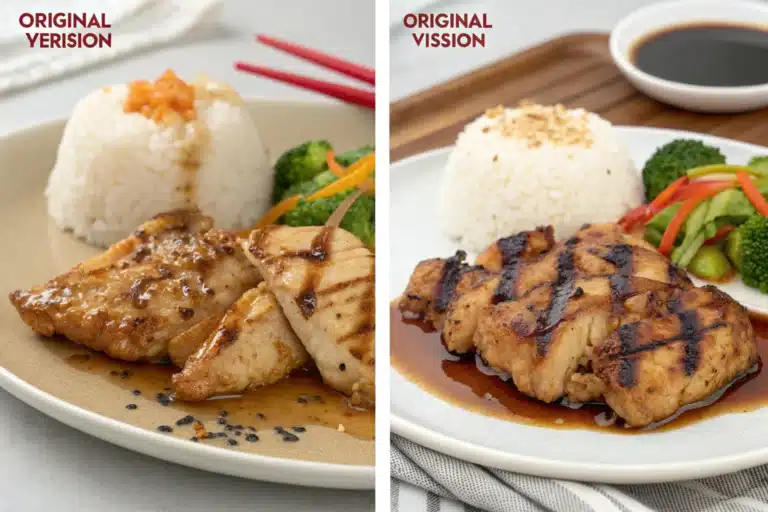
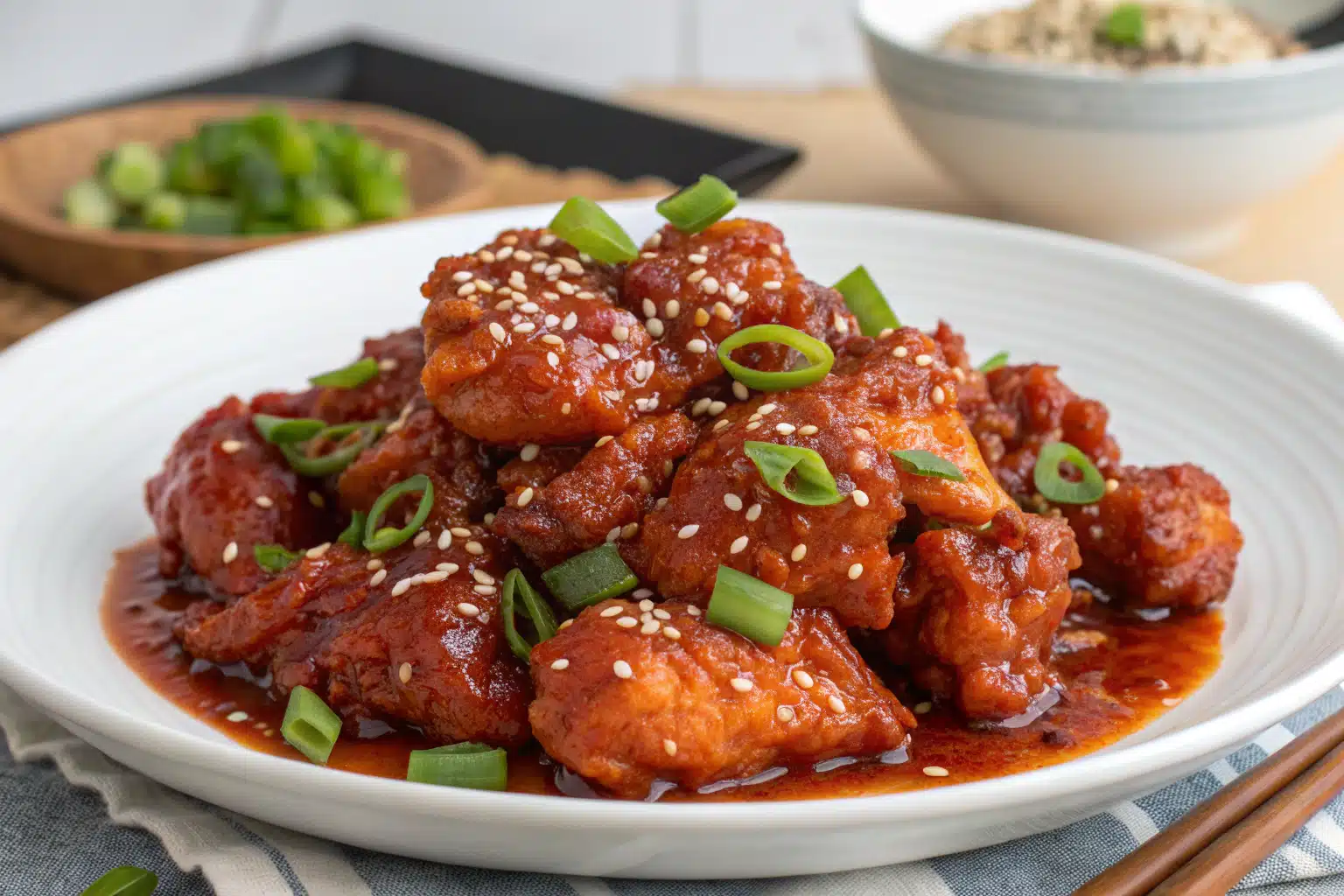
Spicy Gochujang Chicken with Sesame Slaw and Gochujang Aioli
Introduction: The Art of Gochujang Chicken
The Perfect Balance of Sweet and Spicy
Gochujang chicken delivers that ideal combination of sweet heat that keeps you coming back for another bite. This Korean-inspired dish features tender chicken thighs marinated in a vibrant sauce where spicy gochujang paste plays the starring role. The rich, fermented flavor of gochujang creates depth that’s balanced beautifully with honey, soy sauce, and aromatic ginger and garlic. Unlike one-dimensional hot sauces, gochujang offers complex umami notes alongside its signature heat.
“Looking for inspiration? Try our Thai Red Curry Chicken Noodles for another Asian-inspired flavor combination.”
A Meal That Comes Together Quickly
What makes gochujang chicken such a weeknight winner is how quickly it comes together. The marinade works its magic in just 30 minutes, though you can certainly plan ahead and marinate overnight for even more flavor. While traditional Korean barbecue might require special equipment, this gochujang chicken recipe adapts beautifully to everyday cooking methods like grilling or air frying. Paired with a refreshing sesame slaw and creamy gochujang aioli, it transforms into a complete meal that’s impressive enough for guests but simple enough for regular rotation in your dinner lineup.
Ingredients: What You’ll Need for Gochujang Chicken
For the Chicken Marinade
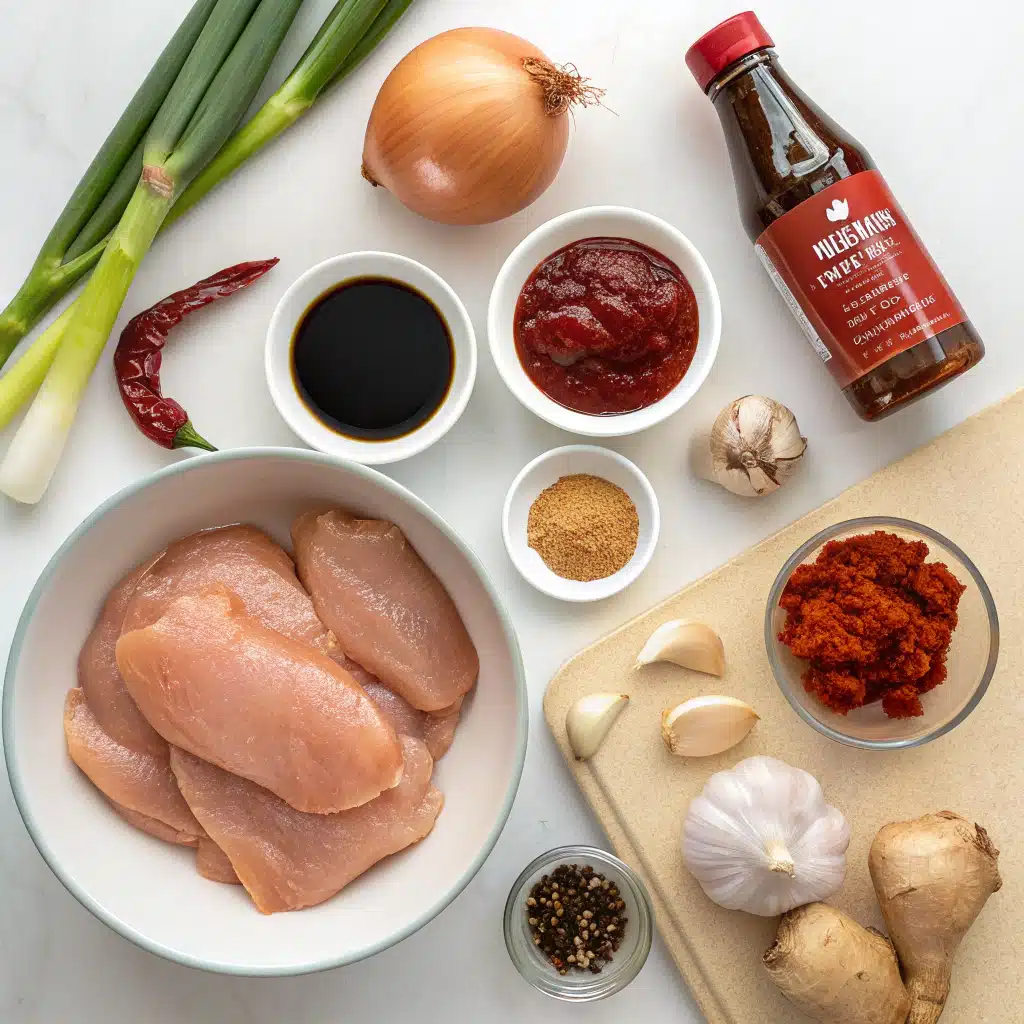
| Ingredient | Amount | Notes |
|---|---|---|
| Boneless, skinless chicken thighs | 1 pound | Cut into bite-sized pieces |
| Gochujang paste | 2 tablespoons | Provides spicy, sweet, and umami flavor |
| Rice vinegar | 1 tablespoon | Adds acidity and balance |
| Light soy sauce | 1 tablespoon | Contributes saltiness and depth |
| Honey | 1 tablespoon | Balances heat with sweetness |
| Sweet chili sauce | 1 tablespoon | Adds additional complexity |
| Sesame oil | 1 tablespoon | Provides nutty undertones |
| Fresh ginger | 1 tablespoon | Grated for best flavor release |
| Garlic | 2 cloves | Minced finely |
For the Sesame Slaw and Aioli
| Ingredient | Amount | Notes |
|---|---|---|
| Green cabbage | 1/2 head | Finely shredded |
| Cucumber | 1 whole | Halved, seeded, and diced |
| Green onions | 2 stalks | Thinly sliced |
| Fresh cilantro | 2 tablespoons | Chopped |
| Salt | 1/2 teaspoon | To taste |
| Rice vinegar | 1 tablespoon | For dressing |
| Sesame oil | 1/2 tablespoon | For dressing |
| Fish sauce | 1 teaspoon | For umami depth |
| Toasted sesame seeds | 2 teaspoons | For garnish and texture |
| Mayonnaise | 1/4 cup | Base for aioli |
| Gochujang paste | 1 tablespoon | For aioli spice |
Step-by-Step: Creating Perfect Gochujang Chicken
Preparing the Chicken and Marinade
- Cut the chicken thighs into evenly sized bite-sized pieces, about 1-inch cubes. Even sizing ensures uniform cooking.
- In a medium bowl, combine 2 tablespoons gochujang paste, 1 tablespoon rice vinegar, 1 tablespoon soy sauce, 1 tablespoon honey, 1 tablespoon sweet chili sauce, 1 tablespoon sesame oil, 1 tablespoon freshly grated ginger, and 2 minced garlic cloves.
- Whisk the marinade ingredients together until smooth and well combined.
- Add the chicken pieces to the marinade, tossing thoroughly to coat each piece completely.
- Cover the bowl with plastic wrap and refrigerate for at least 30 minutes. For deeper flavor development, you can marinate for up to 24 hours. “Don’t miss our Chicken Yakitori Skewers for another delicious Asian-inspired grilled chicken option.”
Cooking the Chicken
- When ready to cook, preheat your grill to medium-high heat (around 400°F) or prepare your air fryer according to manufacturer’s instructions.
- For grilling: Thread the marinated chicken pieces onto skewers if desired, or use a grill basket. Grill for 3-4 minutes per side until caramelized on the outside and reaching an internal temperature of 165°F.
- For air frying: Arrange chicken pieces in a single layer in your air fryer basket, being careful not to overcrowd. Cook at 380°F for about 12-14 minutes, shaking the basket halfway through cooking time.
- The chicken is done when it develops a beautiful caramelized glaze and is cooked through. The sugars in the honey and gochujang create an irresistible crust.
Assembling the Slaw and Aioli
- While the chicken cooks, prepare the sesame slaw by combining the shredded cabbage, diced cucumber, sliced green onions, and chopped cilantro in a large bowl.
- In a small bowl, whisk together the rice vinegar, sesame oil, fish sauce, and salt. Pour this dressing over the vegetables and toss well to coat. Sprinkle with toasted sesame seeds.
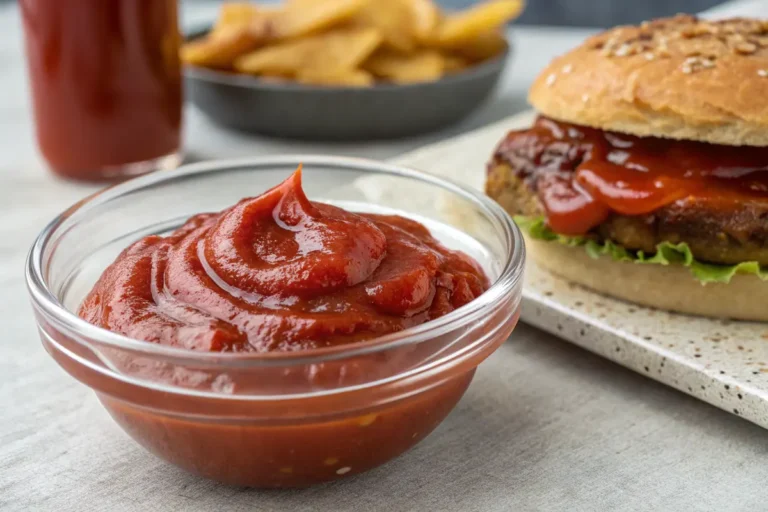
- For the gochujang aioli, simply mix the mayonnaise with 1 tablespoon of gochujang paste until smooth. Adjust the amount of gochujang to your preferred level of spiciness.
- To serve, arrange the grilled gochujang chicken over the sesame slaw and drizzle with the gochujang aioli.
Tips: Making the Best Gochujang Chicken
Understanding Gochujang and Heat Levels
Gochujang is a fermented Korean chili paste that brings distinct sweet, savory, and spicy flavors to this chicken dish. The spice level can vary dramatically between brands, so if you’re new to gochujang, start with less and adjust upward. Generally, gochujang offers a medium heat that builds gradually rather than overwhelming immediately. The fermentation process gives it depth beyond simple heat, with rich umami undertones that make gochujang chicken special. For a milder version, reduce the gochujang to 1 tablespoon in the marinade and balance with an extra teaspoon of honey.
“Here’s your guide to Garlic Ginger Chicken if you want another flavorful Asian-inspired chicken recipe.”
Choosing and Preparing the Chicken
While this gochujang chicken recipe calls for boneless, skinless thighs, you have options. Chicken thighs work best because their higher fat content stays juicy during high-heat cooking, allowing the sugars in the marinade to caramelize without drying out the meat. If you prefer chicken breast, consider tenderizing it first by pounding to even thickness. For even cooking, maintain consistent piece sizes around 1-inch cubes. The bite-sized pieces maximize surface area for marinade contact and develop more of that delicious caramelization. Make a double batch of this marinade – it works wonderfully with whole chicken pieces for future meals.
Cooking Methods and Timing
This versatile gochujang chicken can be prepared multiple ways, each offering slightly different results:
- Grilling: Creates the best char and smoky flavor, perfect for summer cooking. Use skewers or a grill basket for easy handling.
- Air frying: Produces excellent caramelization with less oil and no need to monitor as closely.
- Baking: Spread chicken on a parchment-lined sheet pan and bake at 425°F for 15-18 minutes.
- Stovetop: Sauté in a hot cast-iron skillet for 6-8 minutes, turning occasionally.
Watch your chicken carefully regardless of method—the sugars in the marinade can burn if cooked too long or at temperatures that are too high. The chicken is done when it reaches an internal temperature of 165°F and develops a sticky, glossy glaze.
Storage: Keeping Gochujang Chicken Fresh
Refrigerating Leftover Chicken
Properly stored gochujang chicken makes fantastic leftovers that maintain their flavor for several days. To refrigerate leftover cooked chicken, allow it to cool completely before transferring to airtight containers. Properly stored, the chicken will keep for 3-4 days in the refrigerator. The flavors often intensify overnight as the spices continue to meld, making day-two gochujang chicken sometimes even better than freshly made. To maintain the best texture, store the chicken separate from the slaw, as the vegetables will release water and become soggy when stored.
“Check out our Gochujang Chicken Sheet Pan recipe for another delicious way to prepare this Korean-inspired favorite.”
Freezing and Reheating
Gochujang chicken freezes exceptionally well, both before and after cooking. For uncooked marinated chicken, transfer to freezer-safe bags, squeeze out excess air, and freeze for up to 3 months. This makes for an excellent meal prep strategy—simply thaw overnight in the refrigerator when ready to cook. For cooked gochujang chicken, freeze in airtight containers for up to 2 months. To prevent texture degradation, freeze the chicken pieces in their own sauce or glaze.
When reheating frozen gochujang chicken, thaw overnight in the refrigerator for best results. Reheat using one of these methods:
• Microwave: Heat in 30-second intervals at 70% power, stirring between intervals
• Stovetop: Warm gently in a skillet with a tablespoon of water to maintain moisture
• Oven: Cover with foil and warm at 325°F for about 10-15 minutes
The slaw should always be made fresh, as frozen cabbage becomes unappealingly limp. The gochujang aioli can be refrigerated for up to a week in a sealed container.
Variations: Creative Twists on Gochujang Chicken
Different Protein Options
While chicken thighs create a wonderfully juicy gochujang chicken, this versatile marinade works beautifully with other proteins, allowing for endless variation. Try these delicious alternatives:
• Pork tenderloin: Cut into medallions and grill for 2-3 minutes per side
• Firm tofu: Press well, cut into triangles, marinate for 1 hour, and bake or air fry
• Shrimp: Marinate for just 15 minutes (the acid will begin to cook them) then quickly grill
• Salmon fillets: Brush with the marinade and broil for 8-10 minutes
• Tempeh: Slice, marinate for 2 hours, and bake for a plant-based option
Each protein will absorb the gochujang flavors differently, creating new experiences with the same marinade base. “Discover great ideas like our Ginger Sesame Soba Bowl for more Asian-inspired flavor combinations.”
Flavor Variations
The basic gochujang chicken recipe offers a perfect starting point for customization. Consider these flavor enhancements:
• Citrus boost: Add 1 tablespoon of fresh orange or lime zest to the marinade
• Herbal notes: Mix in 1 tablespoon of minced lemongrass or 2 teaspoons of fresh thyme
• Nutty dimension: Incorporate 1 tablespoon of tahini or peanut butter into the marinade
• Fruit-forward: Add 2 tablespoons of pineapple puree for tropical sweetness
• Extra spicy: Increase gochujang to 3 tablespoons and add 1 teaspoon of Korean chili flakes
• Smoky twist: Add 1/2 teaspoon of smoked paprika or 1/4 teaspoon of liquid smoke
Each variation maintains the gochujang chicken core while introducing new flavor dimensions that keep the recipe exciting through multiple preparations.
Serving Style Alternatives
Beyond the classic combination with sesame slaw, gochujang chicken shines in numerous presentations:
• Gochujang chicken tacos: Serve in warm corn tortillas with quick-pickled vegetables
• Rice bowls: Place over steamed jasmine rice with cucumber-carrot salad
• Lettuce wraps: Offer with butter lettuce cups and sliced avocado
• Noodle salad: Toss with cold soba or rice noodles and julienned vegetables
• Banh mi style: Stuff into crusty baguettes with pickled daikon and carrot
• Grain bowl: Serve atop farro or quinoa with roasted vegetables
These variations transform gochujang chicken from a single recipe into a versatile foundation for dozens of different meals, preventing menu fatigue while enjoying the same delicious flavors.
Serving: Presentation and Pairings for Gochujang Chicken
Plating Suggestions
Gochujang chicken makes a stunning presentation when plated thoughtfully. For casual family dinners, create a colorful build-your-own bowl setup where everyone assembles their perfect combination. For more formal occasions, try these plating ideas:
• Individual plates: Create a bed of sesame slaw, arrange gochujang chicken pieces on top, and drizzle with aioli in a decorative pattern.
• Family style: Present the components separately on a large platter—chicken in the center, surrounded by the bright slaw, with a small bowl of gochujang aioli alongside.
• Korean-inspired platters: Serve the chicken alongside small bowls of banchan (Korean side dishes) like quick-pickled cucumber, kimchi, or seasoned bean sprouts.
Garnish with additional elements that add visual appeal and complementary flavors:
• Fresh herbs like cilantro, Thai basil, or mint leaves
• Thinly sliced fresh chiles for those who enjoy extra heat
• Lime wedges for tableside squeezing
• Extra toasted sesame seeds or thinly sliced green onions
“Want more ideas? Check out our Garlic Butter Halibut for another protein option with Asian influences.”
Side Dish Recommendations
The sesame slaw provides a perfect refreshing counterpoint to the bold flavors of gochujang chicken, but additional sides can round out the meal beautifully:
• Rice options: Steamed jasmine rice, coconut rice, or purple rice make perfect foundations
• Vegetable sides: Quick-sautéed bok choy, sesame green beans, or miso-glazed eggplant
• Starches: Sesame noodles, Korean potato salad, or scallion pancakes
• Light additions: Cucumber sunomono, miso soup, or a simple green salad with ginger dressing
For a complete Korean-inspired feast, include traditional accompaniments like:
• Kimchi (spicy fermented cabbage)
• Gamja jorim (braised potatoes)
• Sigeumchi namul (seasoned spinach)
• Kongnamul muchim (seasoned bean sprouts)

Beverage Pairings
The sweet-spicy profile of gochujang chicken pairs wonderfully with beverages that either complement or contrast its bold flavors:
• Cold options: Cucumber-mint water, iced barley tea, or coconut water provide refreshing counterpoints
• Hot options: Jasmine tea, barley tea, or ginger tea offer warming complements
• Fruit-based: Watermelon juice, pineapple juice, or lemonade balance the spice
• Dairy options: Cold milk or yogurt drinks help temper the heat for sensitive palates
FAQs: Common Questions About Gochujang Chicken
What is gochujang and how spicy is it for chicken?
Gochujang is a fermented Korean chili paste made from red chili powder, glutinous rice, fermented soybeans, and salt. It offers a complex flavor that’s simultaneously spicy, sweet, and savory with deep umami notes. In terms of spiciness, gochujang typically ranges from medium to hot, though heat levels vary by brand. For chicken recipes, gochujang creates a beautiful glaze that’s spicy but not overwhelmingly so—the sweetness and fermented flavors balance the heat. If you’re sensitive to spice, start with half the recommended amount and adjust upward to your preference.
Can gochujang chicken be baked instead of fried?
Absolutely! Gochujang chicken adapts beautifully to baking, which is actually a healthier option than frying. To bake, arrange the marinated chicken pieces on a parchment-lined baking sheet, ensuring they aren’t overcrowded. Bake at 425°F for 15-18 minutes, turning halfway through. The high sugar content in the marinade creates wonderful caramelization even without frying. For the best results, use a wire rack over your baking sheet to allow heat circulation around the chicken pieces, and consider brushing with additional marinade halfway through cooking.
What cut of chicken works best for gochujang chicken?
Boneless, skinless chicken thighs are ideal for gochujang chicken because their higher fat content ensures the meat stays juicy while developing a caramelized exterior. The natural richness of thigh meat also complements the complex flavors in the gochujang marinade. If you prefer white meat, chicken breast will work but requires more careful cooking to prevent drying out—consider brining it first or reducing the cooking time slightly. Bone-in chicken parts like wings or drumsticks also work well but require longer cooking times and benefit from occasional basting with the marinade.
How do you balance sweetness and heat in gochujang chicken?
The perfect balance between sweetness and heat in gochujang chicken comes from careful ingredient proportions. The recipe balances 2 tablespoons of gochujang with 1 tablespoon each of honey and sweet chili sauce for sweetness, while soy sauce and rice vinegar add depth and acidity that further rounds out the flavor profile. If you find your gochujang is particularly spicy, increase the honey to 1.5 or 2 tablespoons. Conversely, if you want more heat, add a teaspoon of Korean chili flakes (gochugaru) or reduce the honey slightly. Remember that the chicken will taste less spicy when paired with cooling sides like the sesame slaw.
Can gochujang chicken be made ahead of time?
Gochujang chicken is perfect for make-ahead preparation in several ways. You can marinate the chicken up to 24 hours in advance, which actually improves flavor development. For fully cooked make-ahead options, the chicken can be prepared up to 3 days before serving and refrigerated in an airtight container. When ready to serve, simply reheat gently in a skillet with a splash of water or in a 325°F oven covered with foil until warmed through. The gochujang marinade helps the chicken stay moist even when reheated, though the slaw should always be made fresh just before serving for the best texture.
What side dishes pair well with gochujang chicken?
Beyond the sesame slaw included in the recipe, gochujang chicken pairs beautifully with both Korean-inspired and fusion side dishes. Rice preparations like bibimbap-style mixed rice or simple coconut rice provide perfect foundations. Vegetable sides that work well include quick-pickled vegetables (especially daikon, carrot, or cucumber), stir-fried bok choy, steamed broccoli with sesame oil, or Korean-style spinach. For a more substantial meal, consider adding Korean pancakes (pajeon), scallion pancakes, or japchae (sweet potato noodles with vegetables). Fresh elements like cucumber salad or sliced avocado provide cooling contrast to the chicken’s spiciness.
Conclusion: Mastering Gochujang Chicken
Why This Recipe Works
Gochujang chicken succeeds brilliantly because it strikes that perfect balance between complex flavors and simple preparation. The marinade combines the perfect proportion of sweet, spicy, tangy, and umami elements, creating layers of flavor that far exceed what you’d expect from such a quick recipe. By using chicken thighs, the dish maintains juiciness even with high-heat cooking methods that develop caramelization. The contrasting fresh slaw and creamy aioli complete the experience, providing textural variety and temperature contrast that make every bite interesting.
“Learn more about Asian flavor combinations in our Chicken Lo Mein recipe that uses similar cooking techniques.”
Becoming a Gochujang Expert
Once you’ve mastered this basic gochujang chicken recipe, you’ll likely find yourself reaching for that distinctive red tub of gochujang paste for all sorts of culinary experiments. Try incorporating it into marinades for other proteins, whisking it into salad dressings, stirring it into soups for depth, or mixing it with mayo as a sandwich spread. The complex fermented flavors of gochujang can transform ordinary dishes into something special. As you become more familiar with its flavor profile, you’ll develop an intuitive sense for how much to use and what ingredients pair well with it. This gochujang chicken recipe isn’t just a delicious meal—it’s your gateway to exploring the rich tradition of Korean flavors in your everyday cooking.
PrintGochujang Chicken

Sweet, spicy Korean-inspired chicken with fresh slaw and creamy gochujang aioli.
- Prep Time: 15
- Cook Time: 15
- Total Time: 30 minutes
- Yield: 4 1x
- Category: Main Dish
- Cuisine: Korean-inspired
Ingredients
- 1 pound boneless, skinless chicken thighs
- 2 tablespoons spicy gochujang paste
- 1 tablespoon rice vinegar
- 1 tablespoon light soy sauce
- 1 tablespoon honey
- 1 tablespoon sweet chili sauce or chili jam
- 1 tablespoon sesame oil
- 1 tablespoon freshly grated ginger
- 2 cloves garlic, minced
- 1/2 head green cabbage, finely shredded
- 1 cucumber, halved, seeded, and finely diced
- 2 green onions, thinly sliced
- 2 tablespoons chopped fresh cilantro
- 1/2 teaspoon salt
- 1 tablespoon rice vinegar
- 1/2 tablespoon sesame oil
- 1 teaspoon fish sauce
- 2 teaspoons toasted sesame seeds
- 1/4 cup mayonnaise
- 1 tablespoon gochujang paste
Instructions
- Cut chicken into bite-sized pieces and place in a bowl.
- Mix gochujang, vinegar, soy sauce, honey, chili sauce, sesame oil, ginger, and garlic to make marinade.
- Pour marinade over chicken, toss to coat, and marinate for at least 30 minutes.
- Preheat grill to medium-high or prepare air fryer.
- Cook chicken until caramelized and internal temperature reaches 165°F.
- Meanwhile, combine cabbage, cucumber, green onions, and cilantro in a bowl.
- Whisk together rice vinegar, sesame oil, fish sauce, and salt; toss with vegetables.
- Mix mayonnaise with gochujang to make aioli.
- Serve chicken over slaw, drizzled with aioli and sprinkled with sesame seeds.
Notes
Nutrition facts are estimates and may vary based on ingredients used, portion sizes, and preparation methods.
Nutrition
- Serving Size: 4
- Calories: 380 Kcal
- Sugar: 8g
- Sodium: 980mg
- Fat: 24g
- Saturated Fat: 5g
- Carbohydrates: 15g
- Fiber: 3g
- Protein: 28g
- Cholesterol: 125mg
Keywords: gochujang chicken, Korean chicken, spicy chicken, gochujang recipe, sesame slaw
Let’s connect! Follow me for more Joylicious Recipes: Facebook, Instagram, Pinterest