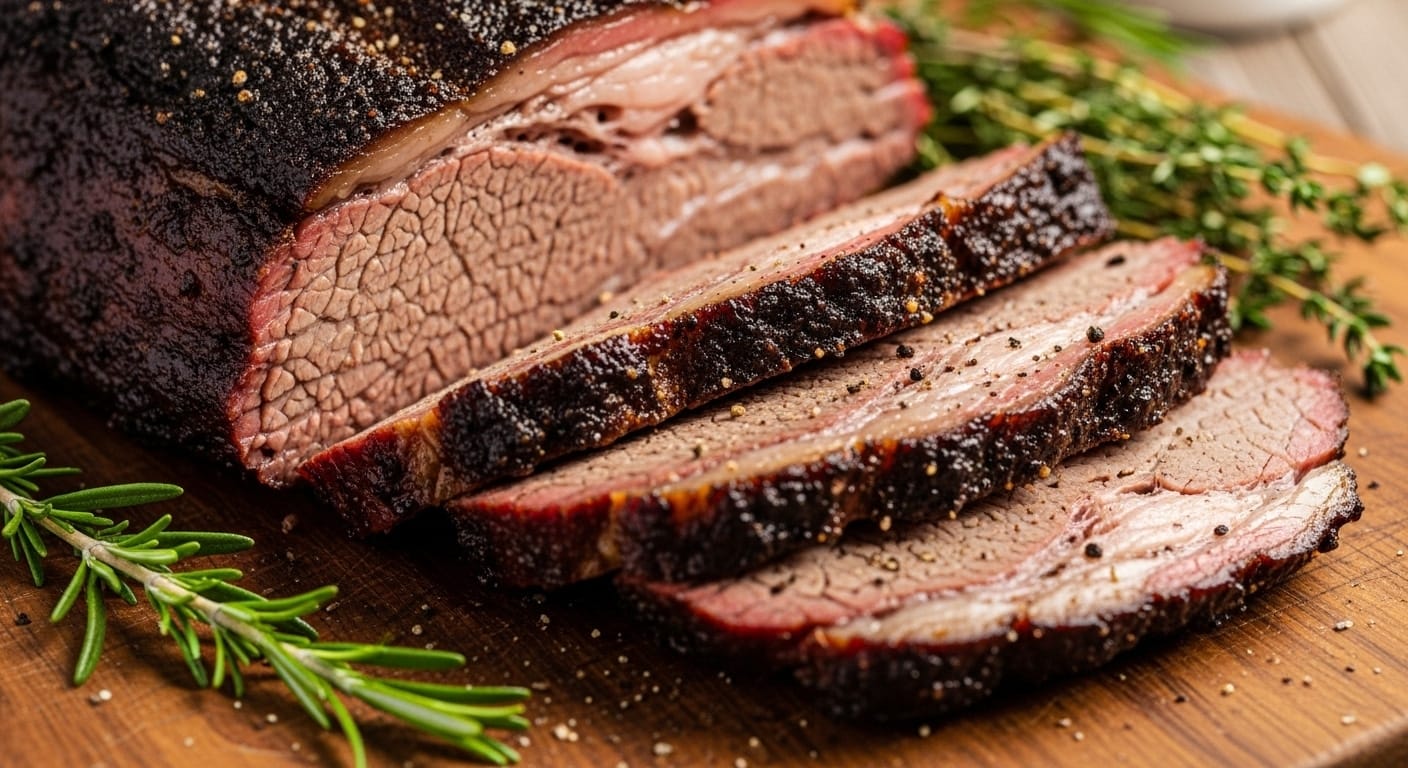
Sous Vide Brisket: The Ultimate Guide to Tender, Flavor-Packed Perfection
Sous vide brisket delivers unmatched tenderness, flavor, and consistency. If you’ve ever struggled with dry or tough brisket, this method is for you. Sous vide uses controlled water bath cooking to break down tough meat fibers while locking in moisture. You get the juicy results of slow-smoking, without the risk of overcooking.
This guide walks you through everything: picking the right cut, seasoning, bagging, cooking, and finishing like a pro. Want that smoky bark? We’ll show you how to get it—whether you’re using a grill, oven, or smoker.
You’ll also find expert tips, a full recipe, and clear answers to popular questions like “What’s the secret to a tender brisket?” or “Does brisket get more tender the longer you cook it?”
Check out our guide to Sous Vide Prime Rib if you’re exploring other cuts too. Ready to master brisket like never before? Let’s dive in.
Choosing the Right Cut for Sous Vide Brisket
Flat vs Point: Which Part of the Brisket is Best?
When preparing sous vide brisket, the cut you choose plays a big role in the final result. Brisket comes in two main sections: the flat and the point.
The flat cut has less fat and a more consistent thickness throughout. It’s easier to slice, making it a favorite for presentation. However, it can dry out faster if not cooked properly.
The point, on the other hand, has more fat marbling. This makes it more flavorful and juicy, especially after long sous vide cooking. It shreds beautifully and works well for brisket sandwiches or tacos.
For sous vide, both cuts work. The point shines when you want ultra-tender meat with rich flavor. The flat is perfect when you need clean slices for plating. If possible, choose a whole brisket to get the best of both worlds.
Need a cut that holds up well to long cooking times? Go with the point. Want something leaner and neater for slicing? Choose the flat.
Grass-Fed vs Grain-Fed Brisket: Flavor and Texture Differences
The origin of the beef also affects your brisket. Grass-fed brisket tends to be leaner, with a deeper beef flavor. It’s more natural but may need extra fat or seasoning to enhance richness. Long sous vide cooking can still make it tender, but the texture is slightly firmer.
Grain-fed brisket typically has more intramuscular fat (marbling). This fat breaks down slowly in the sous vide bath, leading to buttery, melt-in-your-mouth results.
Here’s a quick comparison:
| Type | Texture | Flavor Profile | Best Use |
|---|---|---|---|
| Grass-Fed | Firmer | Earthy, beefy | Slicing, lean dishes |
| Grain-Fed | More tender | Rich, buttery | Pulled, BBQ, sauced |
When choosing brisket, quality matters more than weight or brand. Look for even thickness and good fat distribution.
Don’t miss our Sous Vide Beef Tenderloin for another juicy, slow-cooked favorite.
Prepping Your Brisket: Seasoning and Bagging Like a Pro
The Best Dry Rub for Sous Vide Brisket
When making sous vide brisket, seasoning is just as important as the cook. Because the meat cooks in a sealed bag, flavors stay locked in and penetrate deep. That’s why a simple, bold rub works best.
Here’s a foolproof blend:
- ¼ cup coarse ground black pepper
- ¼ cup kosher salt
- 2 teaspoons pink curing salt (optional, for color and flavor)
- ¼ teaspoon liquid smoke (optional, use only if finishing in the oven)
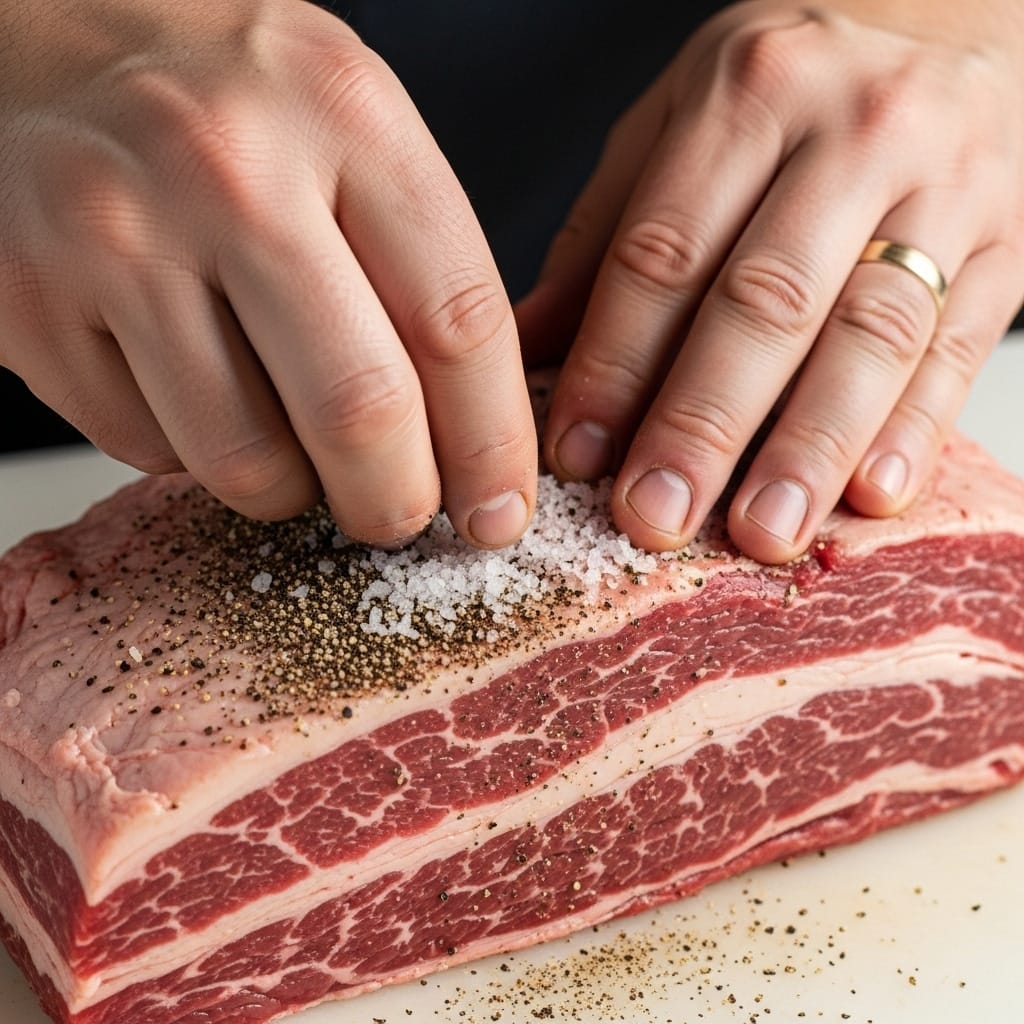
Mix the dry ingredients and generously coat your brisket with about two-thirds of the mixture. Save the rest for after the sous vide process, when you’re ready to finish the meat on the grill, oven, or smoker. The coarse pepper and salt combo brings out the beef’s natural flavor without overpowering it.
This method gives your brisket the perfect balance of salt and spice—and creates a beautiful bark after searing.
Vacuum Sealing Tips and Double Bagging Hacks
Proper sealing ensures your brisket cooks evenly and stays protected during the long water bath. If your brisket doesn’t fit neatly, feel free to cut it into two or three large pieces. This won’t affect the final texture or flavor.
Follow these vacuum sealing tips:
- Use a strong vacuum sealer bag rated for long sous vide cooks.
- Double bag the brisket if the seal feels weak or you’re unsure about leaks.
- Place the bag seam side up in the water bath to reduce leak risk.
- Avoid air pockets by pressing the bag flat before sealing.
For flavor enhancement, add ¼ teaspoon liquid smoke only if you’re not finishing on a smoker or grill. This replicates that signature smoky BBQ aroma.
Once sealed, your brisket is ready for the hot water bath.
Check out our Sous Vide Chicken Breast to learn more about proper sealing and bagging methods for sous vide cooking.
Cooking Time and Temperature for Sous Vide Brisket
What’s the Ideal Sous Vide Brisket Temperature?
Choosing the right temperature is key to achieving that perfect brisket texture. With sous vide, even a small change in degrees can impact how the meat feels and tastes.
For brisket, the sweet spot is usually between 150°F and 165°F. Here’s what to expect at each range:
| Temperature | Texture | Flavor Profile | Best For |
|---|---|---|---|
| 150°F | Sliceable, still firm | Natural beef flavor | Leaner cuts like the flat |
| 155°F | Tender and juicy | Deep flavor, not mushy | All-around ideal for most cuts |
| 165°F | Very tender, shreddable | Rich and bold | Point cut or pulled brisket |
Most sous vide pros agree that 155°F gives the best balance. It delivers a juicy interior with enough firmness for clean slicing. It’s also what we recommend in our recipe.
How Long Should You Sous Vide Brisket? (24 vs 36 Hours Explained)
Time matters just as much as temperature in sous vide cooking. The longer the brisket stays in the water bath, the more connective tissue breaks down. That’s how a tough cut turns into melt-in-your-mouth brisket.
Here’s how different durations affect the meat:
| Cooking Time | Texture | Use Case |
|---|---|---|
| 24 hours | Tender but firm | Slicing for meals or platters |
| 30 hours | Soft, juicy bite | Versatile, great for most uses |
| 36 hours | Fall-apart tender | Best for shredded or BBQ brisket |
We recommend 24 to 36 hours at 155°F, depending on how you plan to serve it. For slicing, stick closer to 24 hours. For shredded or pulled-style brisket, go the full 36.
Always allow for an extra 30 to 45 minutes in an ice bath after cooking to bring the brisket to room temp before finishing.
Don’t miss our guide to Sous Vide Ribeye for more info on timing and texture control with beef cuts.
How to Finish Sous Vide Brisket for Maximum Flavor
Grill, Oven, or Smoker: Which Finish Method Is Best?
After 24 to 36 hours in a sous vide bath, your brisket is perfectly cooked—but it’s not ready to serve yet. Finishing is where the magic happens. This final step adds that signature bark, smoky aroma, and crispy outer texture that makes brisket so special.
Here are three effective ways to finish your sous vide brisket:
| Method | Temperature | Time | Best For |
|---|---|---|---|
| Grill | 225°F | 3 hours | Smoky bark + charred flavor |
| Smoker | 225°F | 3 hours | Authentic BBQ finish |
| Oven | 275°F (convection) or 300°F | 2–2.5 hours | Indoor-friendly option with crisp bark |
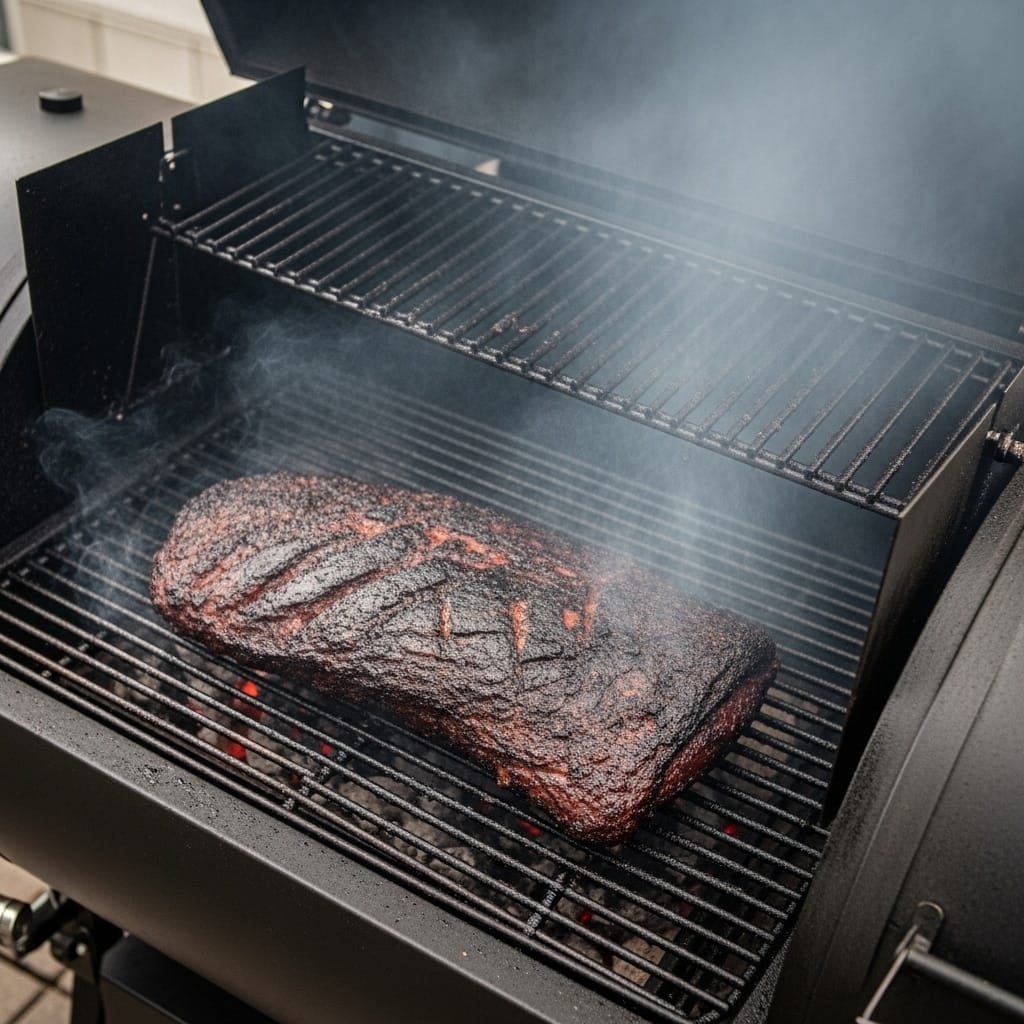
Grill or smoker finishes are ideal if you’re chasing that deep barbecue flavor. Place the brisket fat-side up and let it cook over indirect heat for several hours. You’ll get crispy edges, a flavorful crust, and beautiful smoke-ring tones—especially if you seasoned it right before sealing.
No grill or smoker? The oven can still create a fantastic finish. Use the convection setting if available to get a better bark. Add a bit of liquid smoke before bagging to mimic that outdoor flavor.
Resting and Slicing: Final Steps to Juicy Brisket
Resist the urge to cut into your brisket immediately. Resting allows juices to redistribute, preventing a dry result.
Here’s how to finish strong:
- Let the brisket rest for at least 30 minutes after finishing.
- Set it on a cutting board and loosely cover it with foil.
- Once rested, slice against the grain to maximize tenderness.
If you’ve cooked the point and flat separately, slice each one according to its unique grain direction. You’ll notice a buttery texture that doesn’t fall apart—unless that’s what you’re going for.
Want shredded brisket? Go with the 36-hour method and pull it apart with forks instead.
Looking for inspiration? Try our Pan Seared Steak with Butter Sauce for another way to create that golden crust on beef.
Expert Tips for Perfect Sous Vide Brisket Every Time
Using Ice Baths and Chilling Before Finishing
One pro move that separates average brisket from amazing brisket? Chilling it before the final finish.
Once your sous vide brisket has finished its long water bath, don’t head straight to the grill or oven. Instead, give it an ice bath for about 30 to 45 minutes. It safely lowers the internal temperature and helps the brisket hold its shape. It also makes handling easier and allows you to finish it later—whether that’s in an hour or a few days.
Here’s how to do it:
- Fill a large bowl with cold water and ice.
- Remove the brisket (still in the sealed bag) from the sous vide bath.
- Submerge it in the ice water and let it chill for 30–45 minutes.
Once chilled, the brisket can go in the fridge for up to a week before finishing. This flexibility makes sous vide brisket ideal for meal prep or entertaining.
How to Avoid Common Mistakes (Overcooking, Water Movement, Seal Failures)
Even with sous vide, a few missteps can lead to disappointing results. Avoid these common issues to ensure your brisket turns out perfect:
1. Poor Seal = Uneven Cooking
If your vacuum bag isn’t sealed tightly, water can seep in, or the bag can float. Always check for air pockets and double bag if needed. Floating bags mean heat isn’t distributed evenly.
2. Water Bath Too Shallow or Stagnant
Make sure your brisket is fully submerged and your circulator has enough room to keep water flowing. Blocked flow can lead to uneven cooking and off textures.
3. Overcooking After Sous Vide
Finishing your brisket in the oven or smoker is essential—but too long can dry it out. Stick to the recommended times and temperatures. You’re only creating a crust, not cooking it again.
4. Skipping the Ice Bath
Not chilling the brisket before finishing can cause it to overcook during the sear or smoke stage. Cool it first for better control and a crispier bark.
By following these expert tips, you’ll avoid rookie mistakes and elevate your brisket every time.
Don’t miss our Buttercup Squash Recipes for creative sides to pair with your brisket.
Sous Vide Brisket Recipe: Step-by-Step Instructions
Ingredient Checklist for Sous Vide Brisket
Before you begin, gather your ingredients to make prep quick and easy. This recipe uses a straightforward seasoning mix that enhances the natural flavor of the meat.
Ingredients:
- 1 brisket (4–6 pounds)
- ¼ cup coarse ground black pepper
- ¼ cup kosher salt
- 2 teaspoons pink curing salt (optional)
- ¼ teaspoon liquid smoke (optional – only if finishing in the oven)
Helpful Tip: If you’re using both flat and point cuts, keep them separate in the bags for even cooking.
Step 1: Preheat Your Sous Vide Bath
To start, set your sous vide machine to 155°F. This is the ideal temperature to produce a tender, juicy brisket that still holds its shape. Allow the water bath to fully reach 155°F before placing the brisket inside.
Step 2: Mix and Apply the Seasoning Rub
Mix the black pepper, kosher salt, and optional pink curing salt together in a small bowl. Then, rub about two-thirds of the mixture evenly across the brisket, coating all sides. This step lays the foundation for deep, balanced flavor throughout the meat.
Step 3: Seal the Brisket for Cooking
After seasoning, it’s time to seal. Place the brisket in a vacuum-seal bag. Planning to use the oven for finishing? Add ¼ teaspoon of liquid smoke to the bag to mimic the flavor of outdoor cooking.
If the brisket doesn’t fit easily, go ahead and cut it into two or three large pieces. That won’t affect how it cooks. Once it’s packed, vacuum seal tightly. For added protection against long cook times, double-bag the brisket to prevent leaks.
Step 4: Sous Vide the Brisket
With your water bath ready and your brisket sealed, lower the bag into the water carefully. Make sure it’s fully submerged and that the bag isn’t blocking the circulator.
Depending on your texture goals, choose one of the following timeframes:
- 24 hours: Great for a firmer brisket with a traditional bite.
- 36 hours: Perfect for ultra-tender, fall-apart brisket ideal for shredding.
While the meat cooks, there’s no need to open the bag or flip anything. Just let the sous vide do the work.
Step 5: Ice Bath for Better Finish Control
Once your timer goes off, remove the bag and place it directly in an ice water bath. Chill it for 30 to 45 minutes. Not only does this stop the cooking process, but it also firms the meat and makes it easier to handle later.
Additionally, cooling the brisket prevents overcooking during the final sear or smoke stage.
Step 6: Dry and Season Before Final Cook
Now it’s time to finish strong. Open the bag, take out the brisket, and place it on a paper towel-lined plate. Thoroughly dry the surface with more paper towels. Moisture left on the meat will prevent a good crust from forming.
Once dry, apply the remaining spice mixture evenly. This final layer enhances the bark during the finishing phase.
Step 7: Finish It Off — Choose Your Method
Grill Method
- Preheat your grill to 225°F with indirect heat.
- Set the brisket fat-side up and cook for 3 hours to build a smoky crust.
- After cooking, rest the brisket for 30 minutes to let the juices settle before slicing against the grain.
Smoker Method
- Fire up your smoker to 225°F.
- Add the brisket, again fat-side up, and smoke for 3 hours.
- Rest the meat and slice once it has cooled slightly.
Oven Method
- Preheat to 275°F (convection) or 300°F (standard bake).
- Roast the brisket fat-side up for 2 to 2½ hours.
- Let it rest before slicing to preserve its juices.
Bonus Tip: Always slice against the grain to maximize tenderness and minimize chewiness.
Learn more about Sous Vide Chicken Breast if you’re looking to apply these techniques to leaner cuts.
Serving Suggestions for Sous Vide Brisket
Best Side Dishes and Sauces to Pair With Brisket
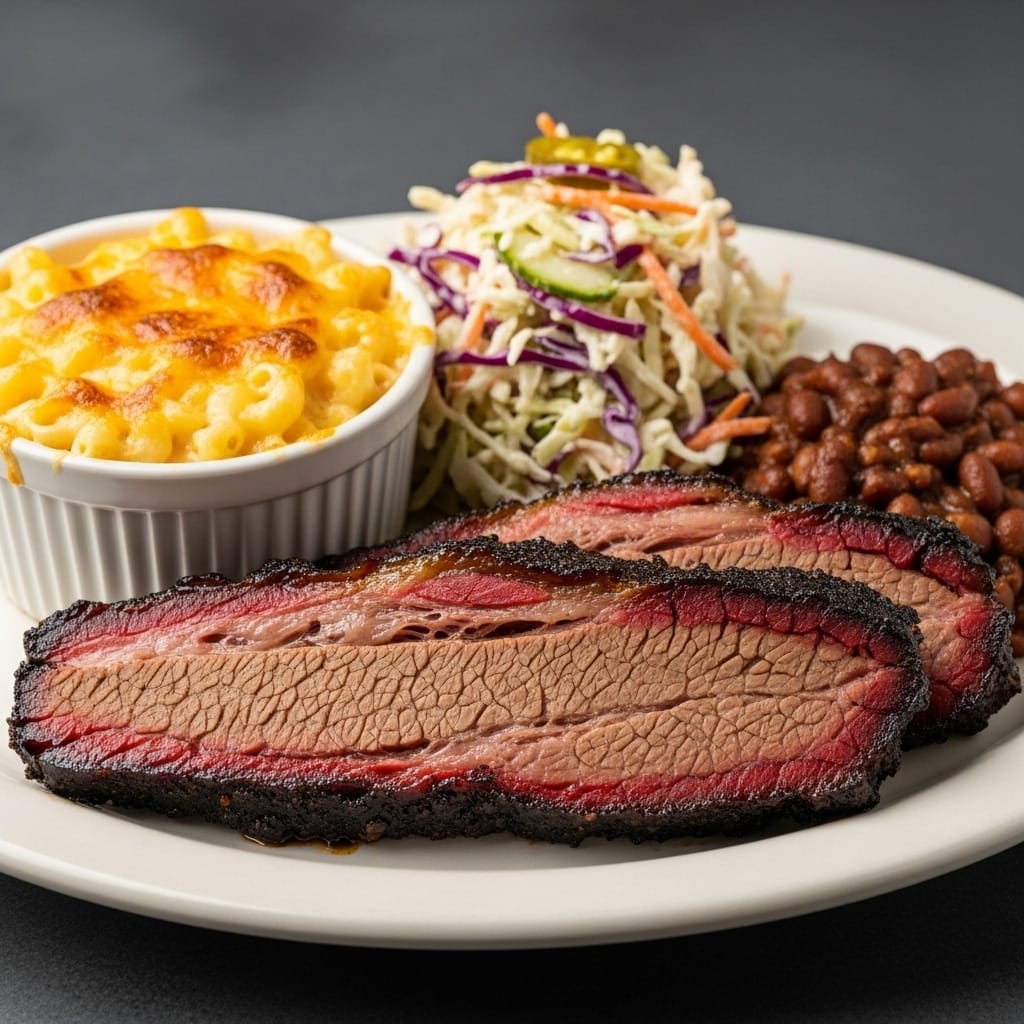
A perfectly cooked sous vide brisket deserves equally delicious sides. Without the right pairings, even the most tender brisket can feel incomplete. So, to elevate your meal, pair it with something that complements its rich, smoky flavor.
Here are some classic and creative options that work beautifully with brisket:
| Side Dish | Why It Works |
|---|---|
| Creamy mashed potatoes | Smooth and buttery, they balance the meat’s richness |
| Smoked mac and cheese | Adds depth with bold, cheesy flavor |
| Grilled corn on the cob | Offers sweetness and texture contrast |
| Southern-style green beans | Savory, slow-cooked, and comforting |
| Texas toast or garlic bread | Ideal for soaking up flavorful juices |
| Tangy coleslaw | Cuts through fat with acidity and crunch |
| Pickled onions or cucumbers | Refreshing, with just the right amount of zing |
| Baked beans or BBQ beans | Bring sweetness and smoky undertones |
Bonus Tip: When serving brisket, don’t forget the sauce. Options like smoky BBQ, tangy vinegar blends, or herb-infused garlic butter can elevate the flavor instantly.
Whether you’re planning a holiday spread or a casual backyard cookout, these sides turn brisket into a well-rounded meal.
How to Use Leftover Brisket Creatively
Leftovers might sound boring—but not with brisket. In fact, sous vide brisket often tastes even better the next day, once the flavors have had more time to develop. Rather than reheating plain slices, try one of these tasty twists:
- Brisket Tacos: Wrap in warm tortillas and top with slaw, crema, and cilantro.
- BBQ Brisket Sandwiches: Pile on a toasted bun with pickles and extra sauce.
- Brisket Grilled Cheese: Add slices to cheddar on sourdough, then pan-fry to crispy perfection.
- Brisket Fried Rice: Dice it and stir-fry with day-old rice, eggs, and scallions.
- Brisket Hash: Sauté with potatoes, peppers, and onions for a bold brunch.
- Loaded Baked Potatoes: Fill with brisket, cheese, sour cream, and green onions.
- Brisket Chili: Replace ground beef with chopped brisket for a smoky variation.
Additionally, if you don’t plan to use the leftovers right away, store them properly. You can store brisket in the fridge for up to five days or freeze it for as long as two months. To reheat without drying it out, use the sous vide method at 130°F for 45–60 minutes or warm it in a skillet with a splash of broth or sauce.
Don’t miss our Buttercup Squash Recipes for seasonal, veggie-packed sides that pair beautifully with brisket.
Comparing Sous Vide Brisket with Other Cooking Methods
Sous Vide vs. Smoked Brisket: Which One Wins?
Both sous vide brisket and smoked brisket have passionate fans—and for good reason. They each offer unique textures, flavors, and cooking experiences. So, which one should you choose?
Sous vide focuses on precision. You cook the brisket in a water bath at a stable temperature for up to 36 hours. This method guarantees even cooking, exceptional tenderness, and moisture retention. You’ll never end up with dry, overcooked ends again.
Smoked brisket, on the other hand, is all about that traditional BBQ experience. It requires hands-on attention, wood smoke, and hours of indirect heat. While the flavor is deep and rustic, the process can be less forgiving. The brisket may dry out if you miss the “stall” or don’t manage the temp properly.
Here’s a side-by-side breakdown:
| Feature | Sous Vide Brisket | Smoked Brisket |
|---|---|---|
| Texture | Juicy, consistent, fork-tender | Barked exterior, slightly firmer bite |
| Flavor Control | High – seasoning sealed in | Bold – infused with smoke |
| Hands-On Time | Minimal | High |
| Cooking Time | 24–36 hours | 10–14 hours |
| Best For | Precision and moisture | Traditional BBQ lovers |
If you’re a beginner or want consistent results with little effort, sous vide wins. But if you’re chasing that bold smoke ring and don’t mind babysitting your brisket, smoking might be your style.
Why Sous Vide Is Great for Beginners and Meal Planners
If you’ve never cooked brisket before, starting with sous vide gives you a clear advantage. You won’t need to worry about flare-ups, temperature swings, or dry meat. It’s a “set it and forget it” method that still delivers restaurant-quality results.
Additionally, sous vide cooking makes meal planning easier. You can prep the brisket days ahead, chill it in the fridge, and finish it when it’s time to serve. That’s a lifesaver for holidays, parties, or busy weeknights.
For those who love flexibility, control, and low-stress cooking, sous vide brisket is tough to beat.
Don’t miss our guide to Sous Vide Beef Tenderloin if you’re looking to expand your sous vide beef game.
Frequently Asked Questions About Sous Vide Brisket
Time, Worth, and Technique: Common Sous Vide Brisket Questions
How long does it take to sous vide a brisket?
The ideal cooking time for sous vide brisket is between 24 and 36 hours at 155°F. A 24-hour cook yields a tender, sliceable brisket, while 36 hours breaks the meat down further for a more shreddable, fall-apart texture. Choose your time based on how you plan to serve it.
Is sous vide brisket worth it?
Absolutely. Although sous vide takes more time, the results speak for themselves. It offers unmatched control over doneness and texture, making even the toughest cuts incredibly juicy and tender. Plus, it’s almost impossible to overcook your brisket using this method.
What is the 3-2-1 rule for brisket?
Technically, the 3-2-1 rule applies more to smoked ribs, not brisket. However, when adapting a similar structure for brisket on the smoker, it generally refers to 3 hours unwrapped, 2 hours wrapped in foil, and 1 hour unwrapped for finishing. With sous vide, that structure isn’t necessary—low and slow in the water bath replaces the entire process.
Texture, Tenderness, and Finishing: More Brisket FAQs
What is the secret to a tender brisket?
The secret lies in low, slow cooking. Sous vide gently breaks down connective tissues, especially collagen, over many hours. This controlled process leads to a brisket that’s juicy, tender, and easy to slice or shred.
Does brisket get more tender the longer you cook it?
Yes—especially with sous vide. The longer brisket stays in the water bath (within reason), the more tender it becomes. However, going beyond 36 hours can make the meat too soft or mushy. Aim for the sweet spot between 24–36 hours.
How do you finish a brisket after sous vide?
Once it’s out of the sous vide bath and chilled in an ice bath, the brisket should be dried, seasoned again, and finished using one of these methods:
Grill: Cook fat-side up at 225°F for 3 hours
Smoker: Same temp/time as grill
Oven: Roast at 275°F (or 300°F standard) for 2 to 2½ hours
Always allow a 30-minute rest before slicing. This locks in juices and gives you the best texture.
Conclusion: Why Sous Vide Brisket Belongs in Your Recipe Rotation
When it comes to cooking brisket, few methods deliver the same level of control, tenderness, and consistency as sous vide. Whether you’re prepping for a summer BBQ, a cozy weekend meal, or simply want make-ahead convenience, sous vide brisket hits the mark every time.
By sealing in flavor and moisture over an extended low-temperature cook, this method ensures your brisket stays juicy and tender from edge to edge. Plus, with flexible finishing options—grill, oven, or smoker—you can add that perfect crispy bark and rich aroma exactly how you like it.
Best of all, sous vide cooking eliminates the guesswork. You don’t need to stress about temperature stalls, dried-out ends, or tough bites. Instead, you get melt-in-your-mouth brisket that tastes like it came from a pro pitmaster—even if it’s your first time.
So if you’re looking to step up your brisket game, there’s no better way to do it.
Discover great ideas like our Sous Vide Prime Rib for your next sous vide masterpiece.
Let’s connect! Follow me for more Joylicious Recipes:
PrintSous Vide Brisket: The Ultimate Guide to Tender, Flavor-Packed Perfection
Juicy, tender brisket made easy with sous vide. Finish on the grill, smoker, or oven for a rich crust and unbeatable flavor.
- Prep Time: 10 minutes
- Cook Time: 1day d 12hours hrs
- Total Time: 1 d 15 hrs 10 mins
- Yield: 6–8 servings 1x
- Category: Dinner
- Cuisine: American
Ingredients
1 brisket (4–6 pounds)
¼ cup coarse ground black pepper
¼ cup kosher salt
2 teaspoons pink curing salt (optional)
¼ teaspoon liquid smoke (optional – only if finishing in the oven)
Instructions
Preheat Sous Vide:
Set your sous vide water bath to 155°F (68.3°C).Season Brisket:
In a small bowl, mix the black pepper, kosher salt, and curing salt if using. Rub two-thirds of the mixture evenly onto all sides of the brisket.Seal the Brisket:
Place the brisket in a vacuum-seal bag. If finishing in the oven, add ¼ teaspoon liquid smoke. Vacuum seal tightly. For large cuts, divide into 2–3 sections if needed.Sous Vide Cook:
Submerge the bag in the water bath, ensuring it’s fully covered and not blocking the circulator. Cook for 24 hours for sliceable brisket or 36 hours for shreddable texture.Chill After Cooking:
When done, transfer the sealed bag to an ice water bath for 30–45 minutes to cool completely.Dry and Re-season:
Remove from the bag, pat dry thoroughly with paper towels, and rub with the remaining spice mix.Finish the Brisket:
Grill: Preheat to 225°F (indirect heat), cook fat-side up for 3 hours.
Smoker: Preheat to 225°F, cook fat-side up for 3 hours.
Oven: Preheat to 275°F (convection) or 300°F (standard), roast for 2 to 2½ hours.
Rest and Slice:
Let the brisket rest for 30 minutes, tented loosely with foil. Slice against the grain and serve.
Notes
Always slice against the grain for the most tender bite.
For smokier flavor, use the smoker or add liquid smoke to your bag if using the oven.
Resting is essential to lock in juices—don’t skip it.
This recipe scales well—double or halve it based on your crowd.
Nutrition
- Serving Size: 6-8 servings
- Calories: 281kcal
- Sodium: 2973mg
- Fat: 13g
- Saturated Fat: 5g
- Protein: 38g
- Cholesterol: 112mg
Keywords: Liquid smoke, flat cut, dill pickles, prague powder,pink curing salt, Brisket, brown sugar, dried porcini mushrooms
Let’s connect! Follow me for more Joylicious Recipes: Facebook, Instagram, Pinterest